Osaka grinds you down. It’s a city that runs on high-octane energy, a relentless hum of commerce and comedy, of deals being struck and jokes being told, all at top volume. You live here, you learn to love the beautiful chaos. You learn that the clatter of a train pulling into Umeda Station is a kind of music, that the sizzle of okonomiyaki on a hot plate is a prayer. But that energy takes its toll. The battery drains. And when it does, you don’t look for a silent retreat or a meditative escape. That’s not the Osaka way. You look for Kinosaki Onsen.
From the outside, Kinosaki looks like a postcard, a perfectly preserved slice of old Japan nestled in a valley in northern Hyogo. A willow-lined river, stone bridges, traditional inns. For the uninitiated, it’s a tourist destination. But for anyone who’s spent real time in Osaka, you quickly realize it’s something more. It’s our collective decompression chamber. It’s the place we go to recharge, not by unplugging from the world, but by plugging into a different kind of energy—one that’s just as social, just as loud, but fueled by hot spring water instead of high-stakes business. Understanding how an Osaka person does a Kinosaki weekend is a crash course in understanding the city’s soul. It’s about more than just bathing. It’s a ritual, a performance, and a declaration of what truly matters: good food, good company, and the art of doing absolutely nothing, together.
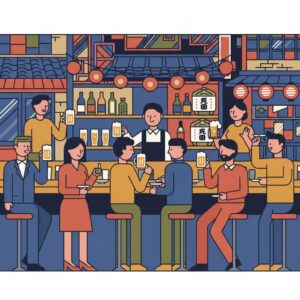
After unwinding in the onsen, you might want to explore the city’s distinctive social scene by visiting standing bars where relaxed chats and local flavor create an experience as authentic as Osaka itself.
The Osaka Escape Plan: Why Kinosaki?
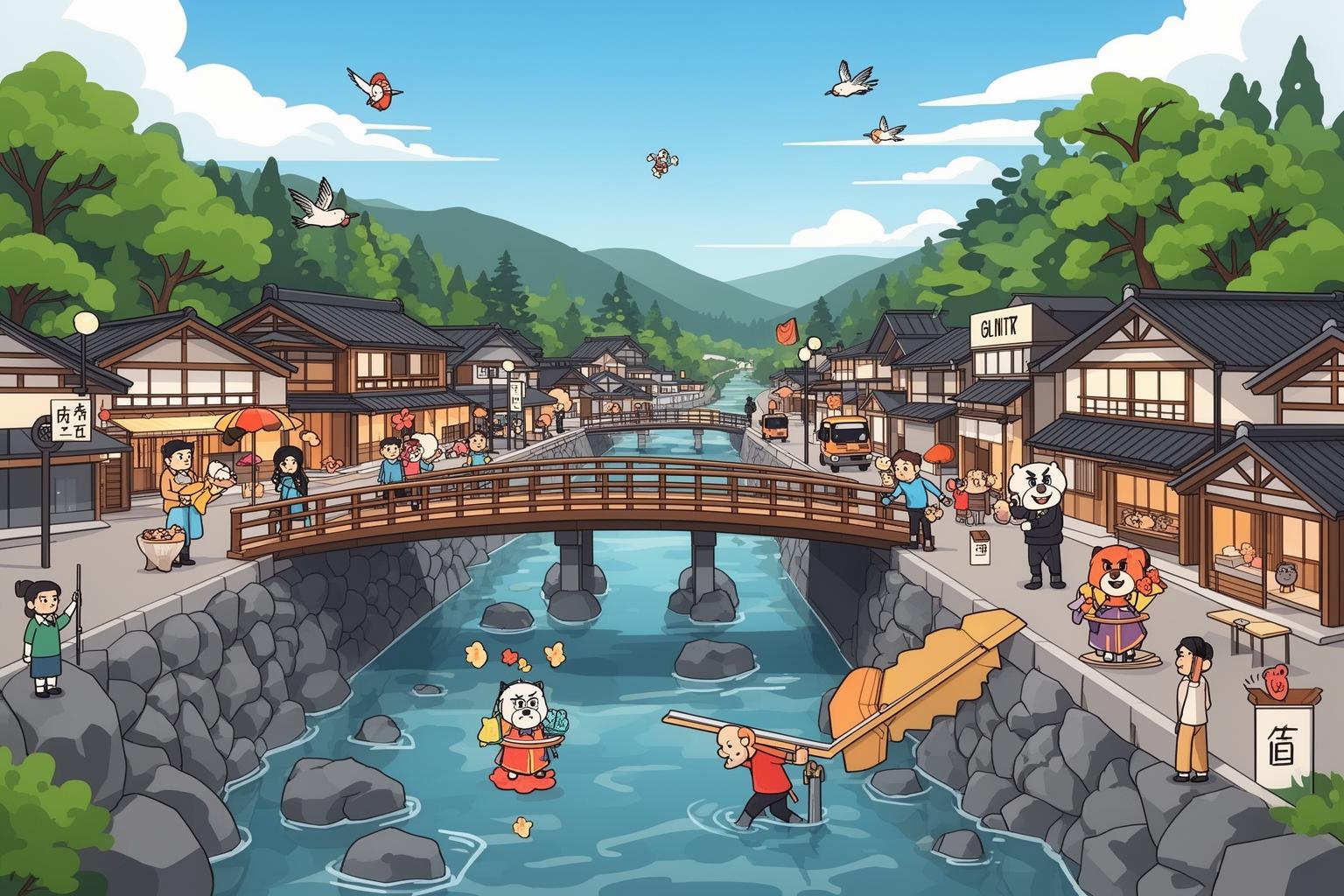
In Osaka, there’s a saying: shinu ki de hataraite, shinu hodo asobu. Work like you’re dying, play like you won’t survive. It’s a mindset woven into the city’s very fabric. The week blurs together with deadlines and packed subways, a nonstop grind. So when the weekend arrives, the break has to match that intensity. While a Tokyoite might carefully plan a refined trip to a tranquil Hakone retreat, the Osaka way tends to be more spontaneous, more instinctive. On Thursday, the thought hits: “I need an onsen.” Come Friday afternoon, you’re already on a train.
That’s why Kinosaki suits us so well. Just a couple of hours by Limited Express Hamakaze from Osaka Station, it’s close enough for a last-minute decision, yet distant enough to feel like a genuine getaway. Planning is kept to a minimum. You reserve a ryokan, throw a small bag together, and go. This reflects a key Osaka trait: favoring spontaneity over strict planning. Life’s too short for weekend spreadsheets. If you want to go, you just go. Omoitattara, sugu iku. When the feeling hits, you move.
The getaway doesn’t begin when you reach Kinosaki. It starts the moment you find your seat on the train. Step inside the Friday evening Hamakaze carriage. You won’t find silent salarymen absorbed in their smartphones. Instead, you’ll see groups of friends, families, and couples who’ve already popped open their first can of Asahi Super Dry. Bento boxes and snacks from the Hankyu department store basement are scattered about. The chatter is lively, laughter frequent. This journey isn’t a quiet commute; it’s the prelude to the party. It’s a rolling izakaya. This is crucial. For an Osakan, fun isn’t a destination to reach. It’s created here and now, with the people around you. The train ride is just the opening act of the weekend’s show.
Geta, Yukata, and the Unspoken Code
When you check into your ryokan in Kinosaki, the first thing they give you is a yukata and a pair of geta, those wooden sandals. This isn’t just a charming amenity—it’s your uniform for the next 48 hours, and putting it on carries deep symbolic meaning. The moment you shed your street clothes—your work suit, your stylish Namba Parks outfit—and slip into the simple cotton yukata, you undergo a transformation. You are no longer Kobayashi-san from the sales department; you become simply a person here to relax and soak.
This is the ultimate equalizer. On the streets of Kinosaki, the CEO of a major electronics company shuffles along in the same attire as a budget-conscious student. Social status, job titles, and hierarchical pressures dissolve. All you hear is the steady karan-koron of countless geta clacking on the pavement. That sound is the town’s heartbeat, serving as a powerful psychological cue. It signals to every Osaka resident within earshot that it’s time to unwind, let go, and set aside formalities.
This atmosphere starkly contrasts with what you might find in other resort towns. In some places, there’s an unspoken expectation to dress for dinner, maintaining a certain image even on vacation. In Kinosaki, the opposite holds true. Showing up at a public bath in jeans and a t-shirt is the real fashion misstep. It shouts, “I don’t get it.” It shows you haven’t embraced the town’s spirit. Osakans, being pragmatists, fully embrace this. Why wear complicated clothes when your entire schedule involves walking two minutes, undressing, bathing, dressing again, and repeating this seven times? The yukata is the most practical, efficient, and comfortable option. It’s function over form, and in Osaka, function almost always prevails.
The Sotoyu Meguri: More Than Just a Bath
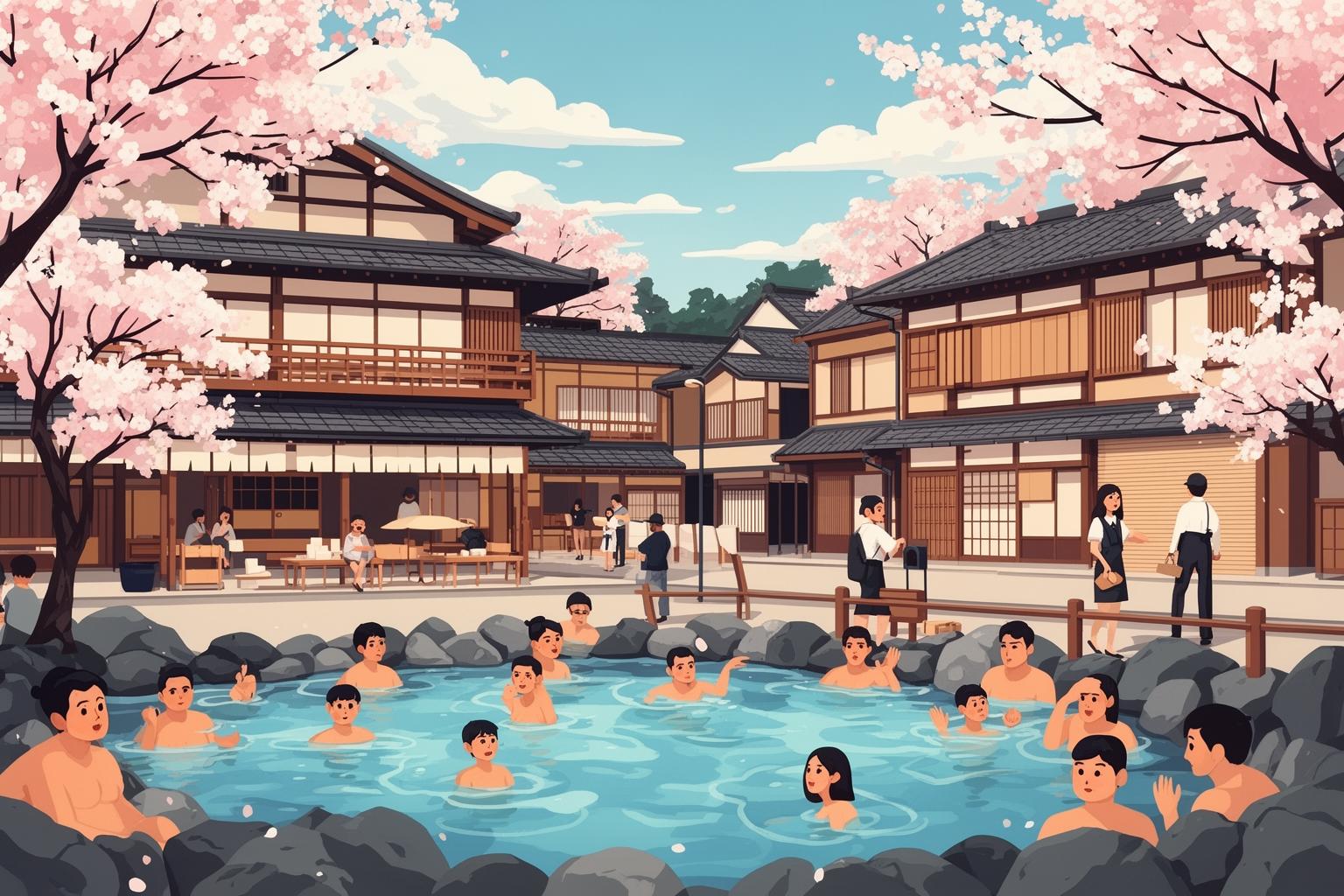
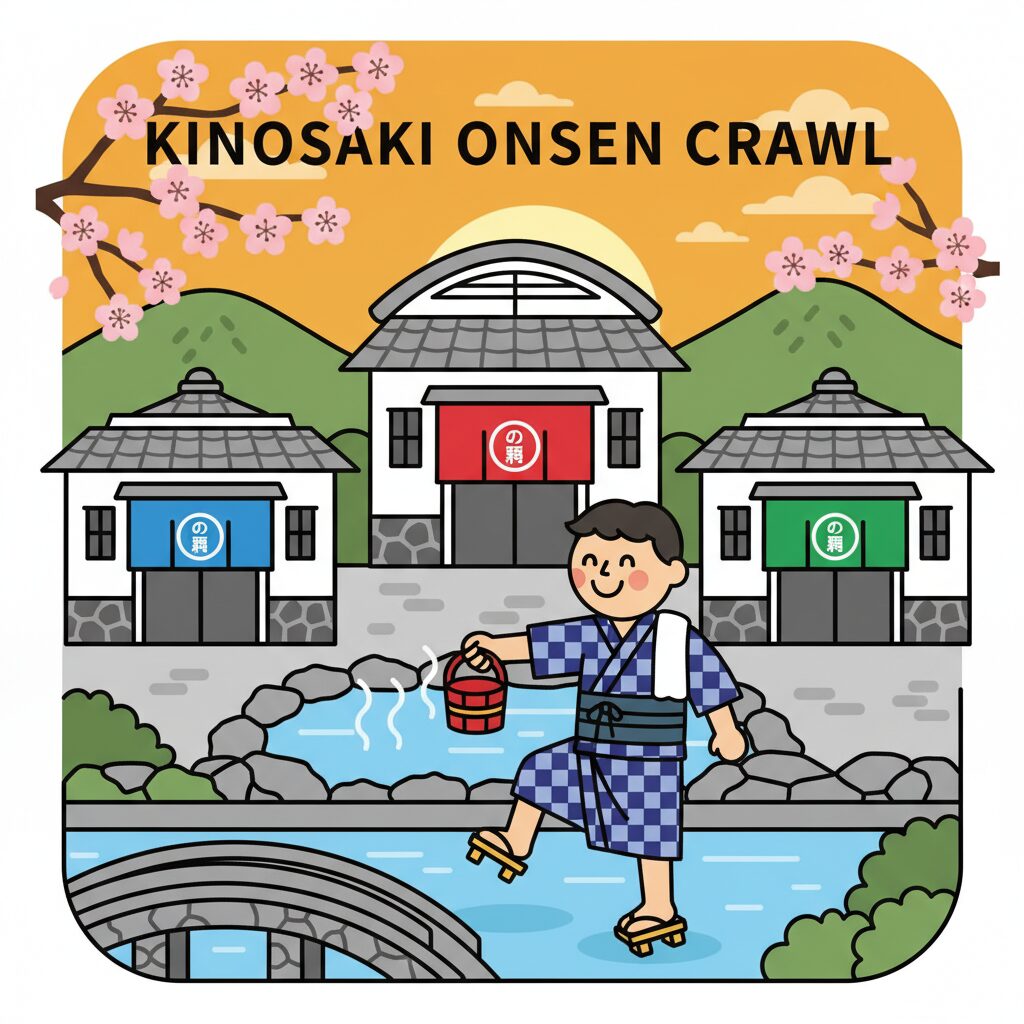
The highlight of Kinosaki is the sotoyu meguri, the tour of the seven public bathhouses. Every guest staying at a ryokan receives a free pass that allows unlimited access to these onsen. A foreigner might view this as a checklist to complete, a challenge to conquer all seven. However, that overlooks the cultural nuance. For Osakans, the sotoyu meguri is not a quiet, meditative journey of self-discovery. It’s more like a pub crawl, except the drinks are piping hot mineral water.
Each of the seven baths has its own unique character and social purpose. You don’t select a bath based on its alleged health benefits—like curing nerve pain or aiding digestion. You choose based on the atmosphere you’re after. Goshono-yu, with its grand cypress roof and outdoor waterfall, serves as the main stage. It’s where people come to see and be seen, where large groups of friends catch up on the week’s gossip, their voices resonating off the high ceilings. Satono-yu, located near the train station, caters to practicality. It’s the quick, efficient soak you take as soon as you arrive, or the final dip before catching your train home.
The smaller baths, such as Yanagi-yu or Jizou-yu, offer a more intimate setting. Here you might overhear an elderly couple from Sakai discussing the Hanshin Tigers’ prospects this season, or two women playfully complaining about their lazy husbands. The onsen is a public space that feels deeply private, like an extension of the living room. Conversations flow naturally and without formality. Silence isn’t valued; it just feels out of place. The whole experience is about sharing. While someone from Tokyo might seek a remote mountain onsen for solitude and quiet reflection, an Osakan sees a tub full of strangers as a chance to connect. The aim is not to avoid people but to plunge right into the heart of social life, literally.
The Post-Onsen Ritual: Beer, Eggs, and Ice Cream
Stepping out of a steaming hot onsen marks only Act One. The ritual that follows is equally important, revealing everything about the Osaka mindset of immediate, simple pleasures. Once you’re back in your yukata, slightly dizzy from the heat, your skin tingling, the first mission becomes clear: you need a drink. And not just any drink—it must be an ice-cold beer or a bottle of fruit milk, bought from a glowing vending machine right outside the bathhouse.
This isn’t about connoisseurship; it’s a primal, almost Pavlovian reward. The heat of the bath makes the cold drink a transcendent experience. Standing there on the street, still damp and wearing wooden sandals, you savor that first glorious sip. It’s pure, unadulterated satisfaction. This is the Osaka philosophy in essence: don’t delay gratification. Why wait to return to the ryokan when pleasure is readily available here and now for 150 yen? There’s no patience for postponed enjoyment. Life is a series of small, intense moments of joy, and you seize them whenever possible.
Next comes the onsen tamago. Near some baths, you’ll find places selling raw eggs in small net bags to cook yourself in the naturally hot spring water. This is classic Osaka fun—interactive, a bit of a game, and food. You hang your net on a hook, wait the prescribed time, and hope your timing is perfect for that gooey, custard-like yolk. It’s a simple pleasure, but it’s the process that matters. It’s something tactile, something to talk about and compare with friends. “Did yours turn out right? Mine’s a little too soft.”
Finally, the ritual ends with ice cream. Regardless of the season, you’ll see people of all ages—from toddlers to grandmothers—walking down the street enjoying a soft-serve cone. It’s the final, cooling counterpoint to the heat of the onsen experience. This three-step routine—drink, egg, ice cream—is repeated through the day. It’s a rhythm of tension and release, heat and cold, effort and reward, defining the pace of a Kinosaki weekend and, in many ways, the Osaka approach to life.
The Ryokan Dinner: A Performance of Abundance
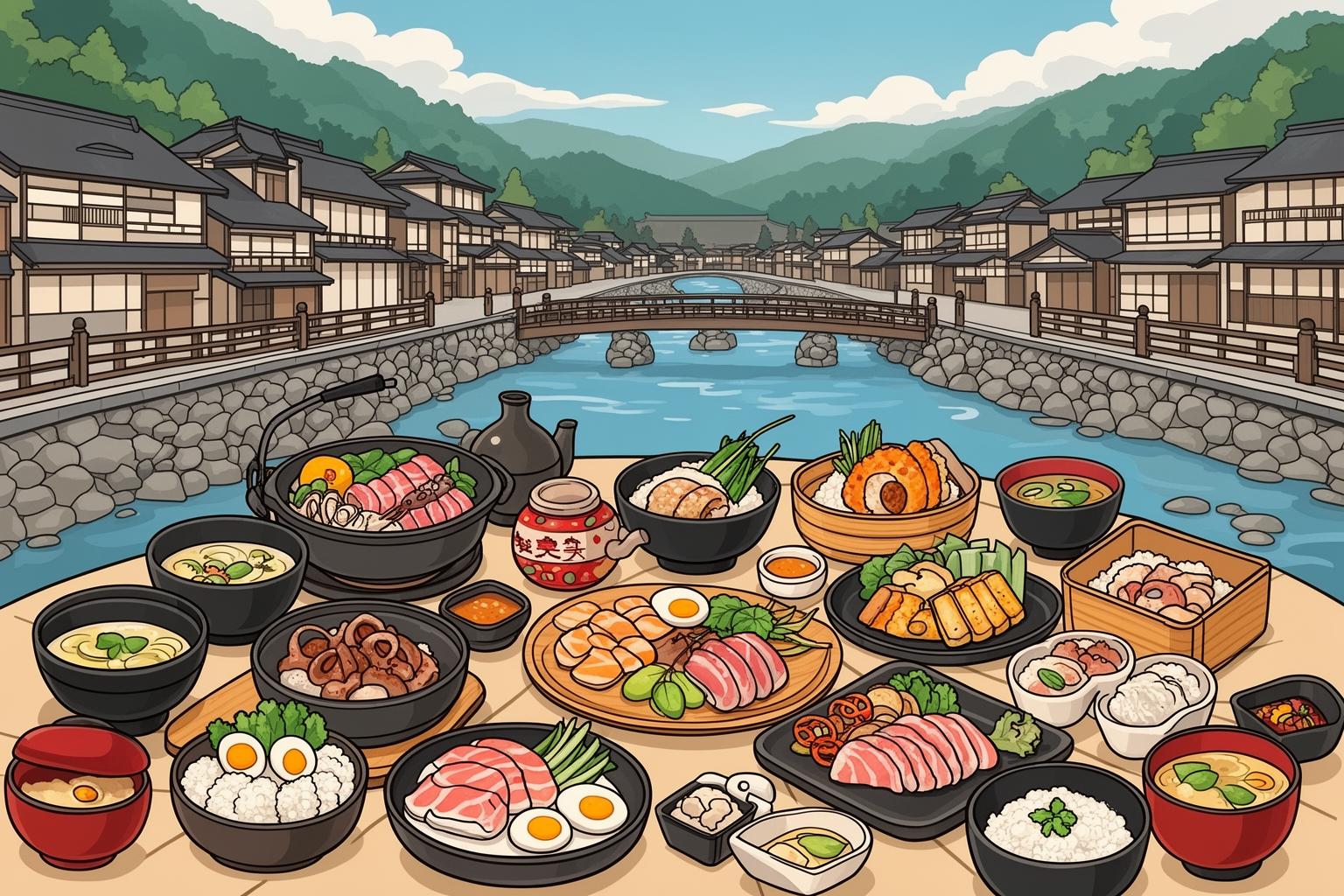
After a day of soaking and snacking, you return to your ryokan for the evening meal, where the Osaka philosophy of “more is more” is spectacularly showcased. While a traditional Japanese dinner, or kaiseki, often embodies refined minimalism—especially in a city like Kyoto, where subtlety and presentation are key—an Osaka-style ryokan dinner, particularly in Kinosaki during crab season, is its complete opposite: a grand display of overwhelming abundance.
The meal begins, and dishes keep arriving without pause. Sashimi so fresh it seems to swim off the plate. A gleaming platter of local Tajima beef for you to grill yourself. Tempura, pickled vegetables, savory custards. Then the main event: crab served boiled, grilled, as sashimi, in a hot pot, and finally stirred into a porridge. The table groans under the sheer weight of it all. The atmosphere is pure kore demo ka!—a phrase roughly meaning, “And you thought that was it? Here’s more!”
This isn’t about gluttony, but a culture that equates generosity and hospitality with volume and impact. To an Osakan, a good meal leaves you gloriously defeated—in the best way possible. You should be so full you can barely laugh at the idea of eating another bite, even as the hostess brings out dessert. This mindset pervades Osaka, from towering heaps of cabbage on okonomiyaki to the generous portions in local diners. Value isn’t just about quality; it’s about quantity and the feeling of getting more than your money’s worth. The Kinosaki ryokan dinner is the grand, theatrical embodiment of this ideal. Its purpose is not merely to feed you but to dazzle you with a spectacle of bounty, ensuring you go to bed happy, ridiculously full, and convinced you’ve received incredible value.
What Foreigners Get Wrong: The “Tourist Trap” Misconception
First-time foreign visitors to Kinosaki sometimes react cynically. The town is so impeccably preserved, the yukata-clad crowds so uniform, and the entire experience so seamless that it can feel somewhat like a theme park. They may ask themselves, “Is this authentic? Or is it merely a cleverly designed tourist trap?” This is a basic misunderstanding of what Kinosaki truly is and who it serves.
Osakans don’t go to Kinosaki seeking some raw, undiscovered, “authentic” Japan—that’s a Western preoccupation. Instead, they visit precisely because it is a perfectly tuned machine for relaxation and enjoyment. The town’s singular focus on the onsen crawl isn’t a flaw; it’s the defining feature. They value the convenience of having everything within walking distance, the lack of need for a plan, and a town designed entirely to support the weekend’s main goal: soak, eat, drink, repeat.
Those charming little nostalgic details that might seem kitschy to outsiders—the old-fashioned cork-gun shooting galleries, the shops selling rice crackers and local sweets—are part of the appeal. For many people from Osaka, these are reminders of the Showa era, a comforting nostalgia for simpler times. They aren’t “tourist traps”; they are cherished, timeless elements of the ritual. It’s the same reason people adore the gaudy, over-the-top signage of Dotonbori. It’s not subtle, but it’s ours, and it’s fun.
To view Kinosaki as a synthetic experience is to completely miss the point. The town is a stage, and the hundreds of Japanese visitors aren’t passive tourists; they are eager participants in a shared cultural performance. They take on a role they know and love: the carefree vacationer. The authenticity lies not in the preserved buildings, but in the collective joy and steadfast dedication to the ritual of the onsen crawl. It’s genuine because the fun they’re having is genuine.
The Return Journey: Recharged and Ready for the Chaos
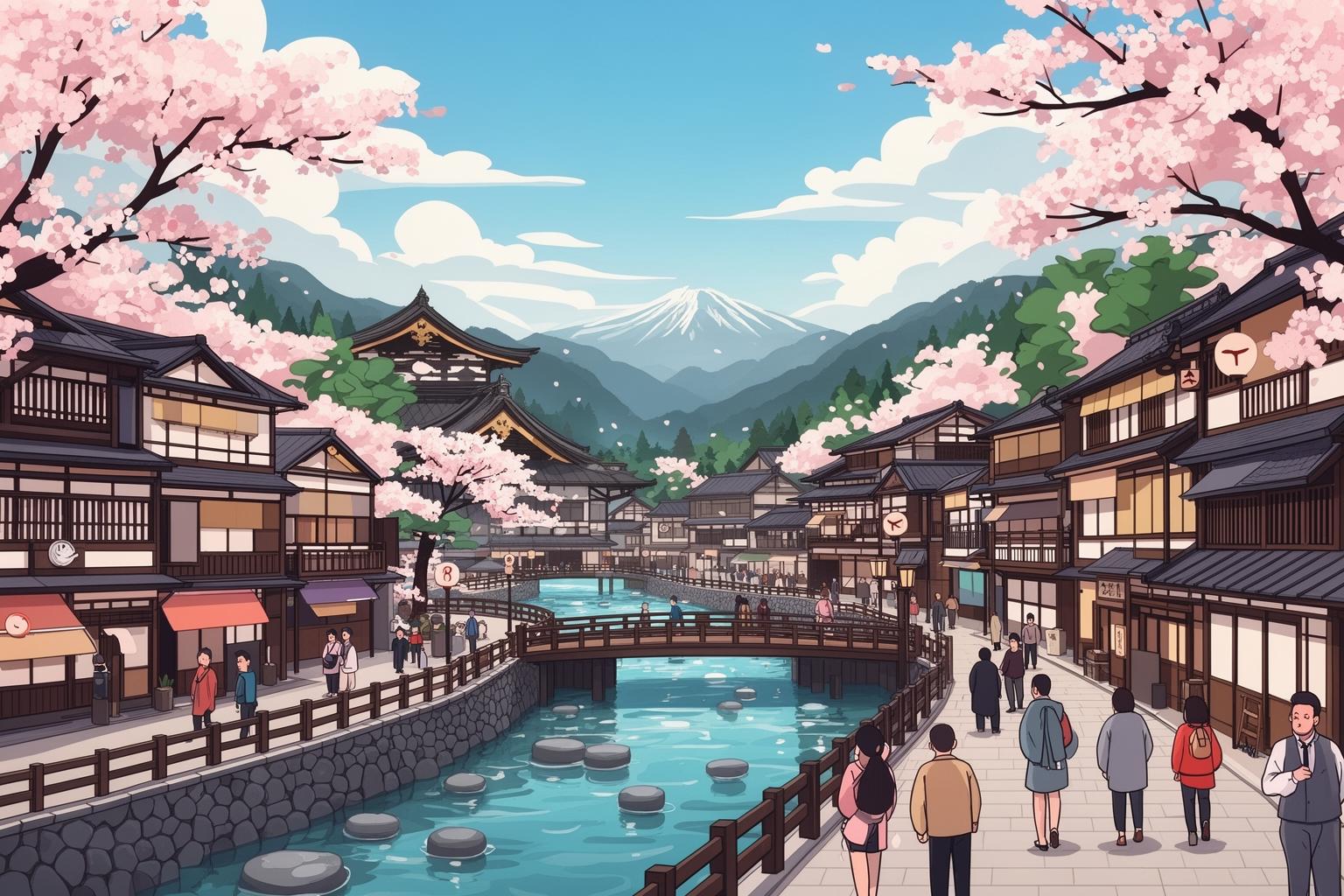
All weekends come to a close. As you board the train back to Osaka on Sunday afternoon, the atmosphere is distinctly different from the lively outbound trip. The beer cans have vanished, replaced by bottles of green tea. The mood is mellow, yet not sorrowful. It’s a quiet hum of contentment, a pleasant fatigue born from a weekend well enjoyed. The main pastime now is comparing the bags of omiyage, or souvenirs, everyone has brought back.
This is the last piece of the experience. The trip isn’t truly finished until you’ve handed out these gifts back in Osaka. You purchase boxes of senbei for your coworkers, a bottle of local sake for your neighbor, and some specialty seafood preserves for your family. This isn’t just a simple exchange; it’s the closing of a social circle. It’s a way to share your journey with your community, to say, “I was away, but I kept you in my thoughts.” This gesture strengthens the social ties woven deeply into Osaka’s culture. Your personal enjoyment is intended to be shared, even if only symbolically through a box of crackers.
The Kinosaki weekend isn’t about profound self-discovery. You don’t visit to seek enlightenment in a quiet, misty setting. You go there to press a giant, communal reset button. You wash away the stress built up from city life with gallons of hot water, replace it with outstanding food and relaxed camaraderie, and prepare yourself for another week in the glorious grind. As the train glides back under the steel canopy of Osaka Station, you step off, not transformed, but rejuvenated. You’re ready to dive back into the noise, the hustle, and the marvelous, relentless chaos of the city. The tranquility of the onsen town deepens your appreciation for the energy of the metropolis, and vice versa. It’s the perfect harmony, the essential rhythm of life in Osaka.