Walk into a startup incubator in Shibuya, Tokyo, and you can almost taste the ozone of ambition. The air hums with terms like ‘disruption,’ ‘burn rate,’ and ‘Series A funding.’ Pitches echo with valuations that defy gravity, fueled by venture capital and a relentless pursuit of scale. It’s a world of sleek glass, minimalist furniture, and a palpable pressure to become the next global unicorn. Now, hop on the Shinkansen for two and a half hours, step into a coworking space in Umeda or Honmachi in Osaka, and the atmosphere shifts. The air is still thick with ambition, but it smells more like freshly brewed coffee and yesterday’s takoyaki. The conversations are different. You’ll hear less about ‘disrupting paradigms’ and more about ‘customer acquisition cost.’ You’ll hear less about valuations and more about profitability. This isn’t Tokyo-lite. This is a fundamentally different ecosystem, one built not on the speculative dreams of venture capitalists, but on a commercial philosophy that has been hammered into shape over four hundred years in the crucible of Japanese commerce. This is the world of the ‘Akindo’ (商人) – the Osaka merchant – and to understand how business, work, and daily life function here, you have to understand their unwritten code. It’s a code that dictates everything from the layout of a hot desk area to the questions an investor will ask, a code that values a sustainable business over a flashy one, and a trusted relationship over a fat contract. For any foreigner trying to navigate the professional landscape here, mistaking this pragmatism for a lack of ambition is the first, and most critical, error. Osaka isn’t playing the same game as Tokyo; it wrote its own rulebook long ago, and its principles are now being applied to everything from software development to freelance graphic design.
This pragmatic, relationship-first approach is also being applied to modern industries like hospitality, as seen in the digital transformation of luxury hotels in Kansai.
The Akindo DNA: More Than Just a Balance Sheet
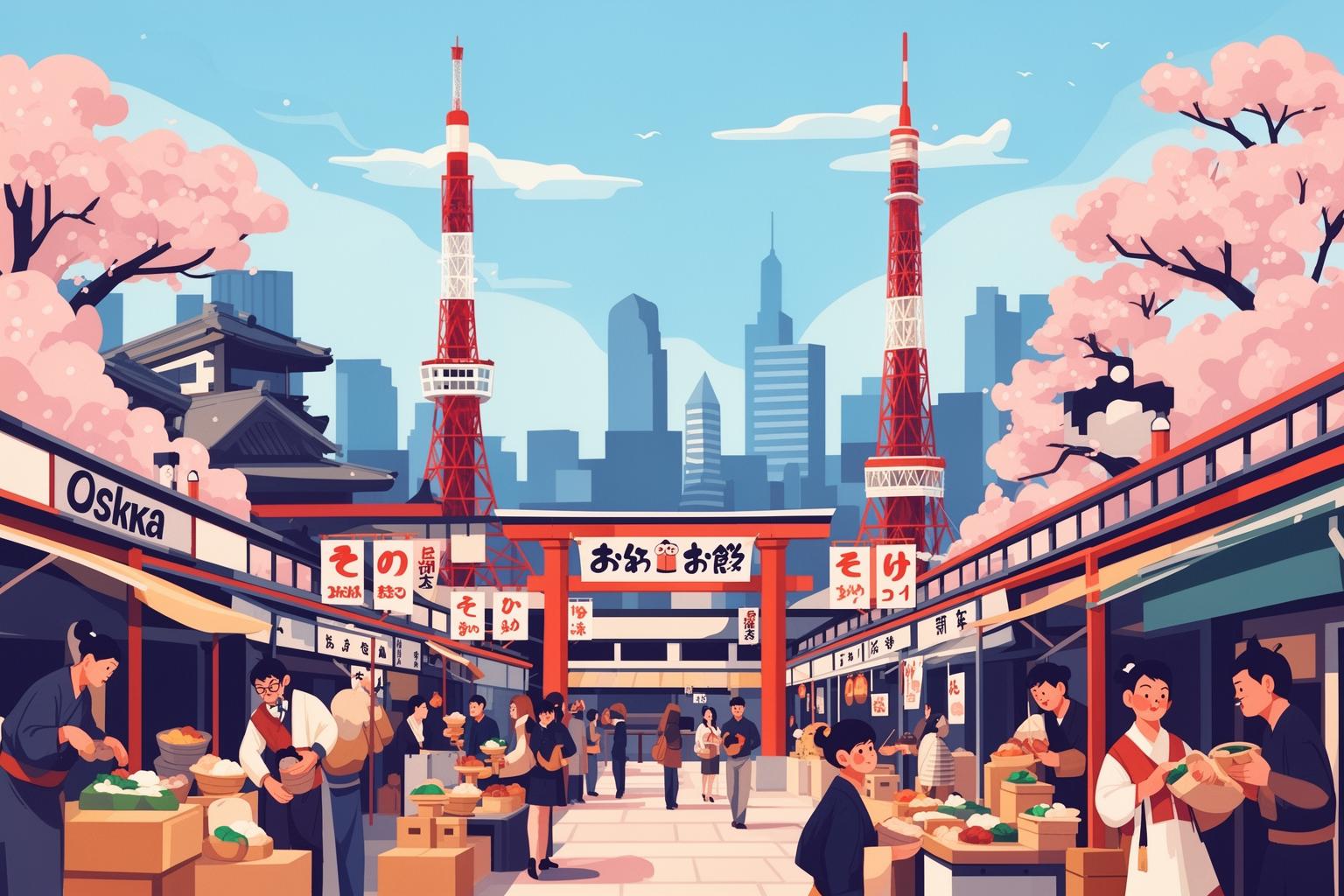
To truly understand Osaka’s professional culture, you must first embrace the spirit of the ‘Akindo.’ This is not merely a historical reference to Edo-period rice merchants; it is a vibrant, guiding philosophy shaping daily interactions. It centers on practicality, fierce independence, and a deeply held belief that business is fundamentally a human endeavor. Rather than focusing on abstract corporate strategies, it emphasizes the concrete, everyday reality of earning a livelihood and building a sustainable enterprise. This ethos is defined by three key elements: a distinct philosophy of profit, a conversational approach to value, and a steadfast commitment to long-term relationships.
‘Mokkari-makka?’: The Philosophy of Mutual Profit
One of Osaka’s most well-known and often misunderstood greetings is “Mokkari-makka?” which literally means “Are you making a profit?” Someone unfamiliar, such as a visitor from Tokyo or abroad, might find this intrusive or blunt. However, this is a misconception. The question is less an audit and more a gesture of camaraderie. The typical response, “Bochi-bochi denna,” meaning “So-so, bit by bit,” forms the foundation of Osaka’s commercial spirit. This exchange acts as a barometer of business health, essentially asking, “Is business going well? Are things working out?” It assumes a shared understanding that without profit, a business cannot survive, and without survival, the entire community suffers. This contrasts sharply with Tokyo’s model of prioritizing market share growth at a loss for years in hopes of a future IPO. The Akindo philosophy holds that a business without profit is merely a hobby, not a true ‘shoubai’ (business). This mindset permeates the startup scene. When pitching to a local investor or partner, the first question won’t be about market size or potential tenfold returns but a variation of “De, sore deどないして儲けんの?” — “So, how exactly do you make money from this?” The focus is on a clear, practical path to profit. The idea of burning cash to acquire uncertain future paying customers is met with skepticism—not due to a lack of imagination, but because success is defined as building a sustainable business that supports employees and benefits the local economy long-term, rather than a fleeting venture that may fail quickly.
The Digital ‘Ne-giri’: A Conversation About Value
Another cornerstone of the Akindo mindset is ‘ne-giri,’ the art of negotiating price. Outsiders may misinterpret this simply as being cheap or haggling, but in truth, ‘ne-giri’ represents a nuanced dialogue about value. It is not about forcing prices down unreasonably but finding a price point both buyer and seller agree is fair. It recognizes that the listed price is just a starting place for discussion. This principle remains vibrant even in the digital era. Freelancers in Osaka rarely just send a quote and wait; they anticipate negotiation. A client might ask, “Can you do this for a lower price if we drop this feature?” or “What if we commit to multiple projects this year?” The process is collaborative, aiming to strike a balance where price reflects work delivered accurately. This mentality extends to coworking and B2B software services. Unlike Tokyo’s often rigid, tiered pricing, Osaka offers more flexibility. A startup may request five desks but only occasional conference room access and no premium coffee, and instead of flat refusal, they often receive thoughtful consideration. This reflects the Akindo spirit’s appreciation that customers have diverse needs and that a one-size-fits-all price leaves value unrealized by both sides. The goal is not to maximize revenue per user but to cultivate loyal customers who feel they are receiving fair value.
‘Shoubai’ is Human: Relationships over Transactions
Perhaps the most distinct contrast with Tokyo’s more impersonal, efficiency-driven culture is Osaka’s focus on relationships. Here, ‘shoubai’ (business) is intensely personal. Trust is built not through LinkedIn connections or official networking but through time, consistent performance, straightforward communication, and sharing meals or drinks. A merchant’s reputation (‘shiyou’) was their greatest asset historically—and it remains so for today’s Osaka professionals. This leads to a business pace that is more deliberate and human. In Tokyo, contracts may be won through polished presentations and competitive bids; in Osaka, decisions often depend on references from mutual acquaintances or impressions formed in informal settings. Clients want to know who they’re dealing with: Are you honest? Will you keep your word? For outsiders used to transactional dealings, this can be frustrating. Why the lengthened process? Why so many informal meetings? Because they are evaluating you as a person, not just a vendor. The upside is that once accepted, you are fully embraced. An Osaka client who trusts you is fiercely loyal, recommending you within their network, defending you if problems arise, and treating you more as a partner than a mere supplier. This relational approach forms the social fabric of the startup community. Founders often connect through longstanding local networks—university alumni or family business introductions—rather than formal accelerator programs. This creates a close-knit, resilient, sometimes insular ecosystem grounded in genuine human trust.
The Coworking Space as a Modern ‘Shōtengai’
Nowhere is the clash between the old Akindo spirit and contemporary work culture more evident than in Osaka’s coworking spaces. While they provide the same basic amenities as their global counterparts—Wi-Fi, desks, coffee—their atmosphere and purpose are subtly yet significantly different. These spaces feel less like sterile corporate hubs and more like a modern-day ‘shōtengai’ (a traditional covered shopping arcade). A shōtengai is more than just a place to shop; it serves as the commercial and social center of a neighborhood, where business owners know one another, exchange gossip, and offer mutual support. Osaka’s coworking spaces often emulate this dynamic, emphasizing community and practical collaboration rather than polished aesthetics and corporate perks.
Function Over Frills: A Space for ‘Shoubai’
Step into a typical coworking space in central Osaka, and you’ll notice it’s less about the ‘Instagrammable’ design popular in many Tokyo or international spaces. The design is straightforward and functional, with a clear focus on utility. The chairs are ergonomic because you need to sit comfortably for eight hours, not because they’ve been featured in design magazines. The Wi-Fi is fast and dependable since you can’t run a business without it. The meeting rooms are soundproofed and equipped with whiteboards, not glass cubes made for display. This is the ‘value-for-yen’ principle at work. Members pay for a place to get actual work done, and every yen of their fee reflects that practical utility. You’re less likely to find kombucha on tap, artisanal snack bars, or after-work yoga sessions if those amenities merely raise costs without directly supporting members’ business needs. This isn’t a lifestyle brand; it’s a workshop. The vibe tends to be more energetic and a bit louder than in Tokyo, with more phone calls, spontaneous member discussions, and the lively hum of genuine commerce. The quiet, heads-down library atmosphere is less prevalent. Here, the space serves as a business tool, and business often involves collaboration and lively interaction.
The ‘Value for Yen’ Desk
The pricing structures often reveal this pragmatic Akindo outlook. While standard monthly hot desk and dedicated desk options are available, more nuanced and flexible choices are common. You might find hourly rates, half-day passes, or punch cards offering a set number of visits per month. This accommodates the reality of many freelancers and small businesses whose needs change. Why pay for a full month if you only require a professional space for client meetings twice weekly? This flexibility embodies a form of ‘ne-giri’ embedded in the business model. The space signals it understands customers’ cash flow and meets them where they are. The emphasis is on delivering fair service at a fair price, fostering a loyal long-term user base rather than locking customers into costly, underused contracts. Amenities are practical: excellent coffee is essential, while a small kitchen with a microwave and refrigerator is standard. Extravagant perks are viewed suspiciously, as members instinctively realize those costs get passed on. They’d prefer a lower monthly fee over free beer on Fridays.
The Community Manager as the Neighborhood ‘Okami-san’
The most pivotal role in an Osaka coworking space is the community manager, who often acts less like a corporate receptionist and more like an ‘okami-san’—the knowledgeable, well-connected female proprietor of a traditional inn or eatery. A great ‘okami-san’ knows her regular customers (‘jōren-san’), understands their preferences, and subtly fosters connections. The coworking community manager fulfills a similar role. They don’t just fix Wi-Fi issues; they serve as the social and professional hub of the community’s network. They take it upon themselves to know what everyone is working on. They might overhear a web developer complaining about a bug and introduce them to a veteran programmer nearby. They’ll learn a new startup is seeking a graphic designer and remember a freelance illustrator who comes in on Tuesdays. These introductions aren’t scripted; they arise organically from genuine observation and a desire to help the community flourish. This is ‘shoubai’ at its most relational form. The space’s value isn’t just the physical desk, but access to this curated, human-centered network. In this way, the coworking space truly becomes a ‘shōtengai.’ The web developer is the electronics shop, the writer the bookstore, the startup the new restaurant, and the community manager the tireless neighborhood association president who ensures everyone has a chance to succeed.
Launching in Osaka: The Startup Scene’s Pragmatic Pulse

If the coworking space represents the modern-day ‘shōtengai,’ then the startups emerging from them are the new wave of ‘Akindo.’ They work on MacBooks rather than abacuses, yet their fundamental business philosophy closely aligns with that of their merchant ancestors. The Osaka startup ecosystem focuses less on high-risk, explosive growth and more on establishing solid, profitable companies that address real-world problems. This pragmatic mindset influences everything from funding methods to the product types created and the ways customers are acquired.
Bootstrapped and Proud: A Healthy Caution Toward ‘Easy Money’
While Tokyo’s startup scene is heavily shaped by Silicon Valley’s venture capital model, Osaka’s is more rooted and grounded. There is a strong, celebrated culture of bootstrapping—building companies with personal funds or early revenue and growing them organically. This approach isn’t simply due to the unavailability of VC money, but stems from the Akindo spirit’s inherent skepticism toward large external investments, which come with outside control and intense pressure for rapid, often unsustainable growth. An Osaka founder tends to prioritize maintaining ownership and control, growing steadily, and reaching profitability as soon as possible. When funding is sought, it often comes from local sources: established Osaka corporations investing in new technologies, regional banks, or affluent individuals with traditional industry backgrounds. These investors share the Akindo mentality. Their due diligence is thorough and centered on fundamentals. They carefully examine the business plan, not just the pitch deck. They want to grasp the unit economics, customer acquisition strategy, and the path to profitability. The question isn’t “Could this reach a billion-dollar valuation?” but “Is this a viable business that will yield steady returns?” This environment nurtures a distinct type of entrepreneur: resilient, resourceful, and intensely focused on delivering real value from the outset.
B2B over B2C: Tackling Genuine Problems for Real Businesses
This emphasis on viability naturally steers the Osaka startup scene toward B2B (business-to-business) models rather than B2C (business-to-consumer). While Tokyo chases the next viral social media sensation or e-commerce trend, Osaka’s startups operate in less glamorous but fundamentally important sectors. The city and the surrounding Kansai region form one of Japan’s industrial and commercial powerhouses. It hosts countless small and medium-sized enterprises (SMEs) in manufacturing, logistics, textiles, and trade, which form the backbone of the Japanese economy and face concrete, pressing challenges. This presents an ideal market for the Akindo-minded entrepreneur. Why bet on fickle consumer trends when you could develop software that improves warehouse efficiency by 15% for a logistics firm in Higashi-Osaka, or manufacture specialized components for a machine tool maker in Kadoma? These businesses might not grab headlines, but they generate profits. They solve clear, present needs for customers willing to pay for solutions. The B2B focus also complements Osaka’s strengths in relationships. Securing contracts often depends on trust built over months, demonstrating tangible product value, and offering hands-on customer service. It’s a slow process but results in durable, deeply loyal customer bonds.
‘Kuchi-komi’: Word of Mouth as the Ultimate Growth Strategy
In a city where reputation is everything, the most effective marketing tool isn’t a flashy ad campaign or a major press announcement; it’s ‘kuchi-komi’—word of mouth. While startups in Tokyo’s vast, impersonal market must compete loudly, investing heavily in digital marketing and PR to gain attention, Osaka’s closely-knit business community lets reputations spread naturally—and negative ones even faster. The highest endorsement for an Osaka B2B startup is when one company president recommends to another, “You should try this new system from that young company in Honmachi. It really works, and their support is excellent. They’re not trying to take advantage of you.” Such a trusted referral outweighs a thousand clicks from a Google ad. Because of this, Osaka startups are relentlessly focused on product quality and customer satisfaction from day one. They cannot afford to launch a buggy, incomplete ‘minimum viable product,’ hoping to improve it later. Their initial customers become their most crucial promoters, and disappointing them can be disastrous. This pressure cultivates a culture of craftsmanship and responsibility. A good product is built, customers are treated exceptionally, and the community’s recognition and rewards follow naturally. This growth model isn’t driven by viral loops, but by a slow, steady, and potent network of genuine human trust.
The Osaka vs. Tokyo Dichotomy: Beyond the Clichés
To genuinely grasp Osaka’s professional environment, it’s crucial to look beyond the repetitive stereotypes of ‘friendly Osaka’ versus ‘formal Tokyo.’ The differences go deeper than mere dialect or mannerisms; they reflect fundamental contrasts in business and life philosophies. For anyone thinking about working, freelancing, or starting a business in Japan, choosing between these two cities is not simply a matter of location, but a decision between two distinctly different paths to success.
Speed and Scale vs. Sustainability and Profit
The key difference lies in how success is defined. Tokyo’s ecosystem, especially in tech, is driven by speed and scale. The ambition is rapid growth, dominating market share, and achieving a huge valuation—often with profitability relegated to the distant future. It’s a high-stakes, winner-takes-all environment, funded by venture capital and aimed at IPOs or acquisitions. Osaka, on the other hand, emphasizes sustainability and profit. The Akindo mindset finds losing money deliberately for years to be illogical. Success means building a business on a solid foundation, maintaining positive cash flow, and being resilient through economic slowdowns. Growth is pursued, but not at the cost of stability. An Osaka entrepreneur would prefer a company growing 20% annually and consistently profitable over one expanding 200% but bleeding cash. This shapes distinct corporate cultures. Tokyo startups are often intense, high-pressure settings dominated by ‘hustle culture.’ Osaka companies lean toward a more measured, marathon-not-sprint approach, concentrating on long-term value for customers and a steady workplace for employees.
Networking: Formal ‘Meishi-Koukan’ vs. a Drink at the ‘Tachinomi’
Networking styles further illustrate cultural differences. In Tokyo, networking tends to be formal and structured, taking place at conferences, seminars, and ‘meishi-koukan’ (business card exchange) gatherings. There’s a clear hierarchy, and interactions can feel guarded and transactional. The aim is to collect many business cards and follow up with a formal email. Osaka’s networking is more informal and relationship-driven. Important connections are often made not in conference rooms but in the lively atmosphere of a ‘tachinomi’ (standing bar) or a small ‘izakaya.’ While business cards are exchanged, the true currency is conversation and character. People want to understand who you are, not just your title. Are you ‘omoshiroi’ (interesting, funny)? Are you straightforward? Can you hold your liquor? These casual encounters build trust and facilitate genuine business deals. An introduction through a mutual contact at a bar often carries more weight than a cold email to a CEO. This style requires a different skill set—less focused on polished elevator pitches and more on authentic social grace and rapport-building.
What Foreigners Misunderstand: ‘Cheap’ vs. ‘Cost-Performance’
A common and harmful misconception among foreigners is to think of Osaka as simply ‘cheaper’ than Tokyo. While it’s true that living and business costs are generally lower, this misses the essence. Osakans are not ‘cheap’; they excel in ‘kosupa,’ short for ‘cost-performance.’ This is the Akindo mindset at its core. They don’t seek the lowest price but the best value for their money. An Osakan will gladly pay a premium if they believe the quality, durability, or usefulness justifies it. Conversely, they won’t tolerate overpaying for things seen as frivolous or merely showy. They reject products or services overpriced due to branding, hype, or unnecessary features. For any business in Osaka, this is vital: winning does not mean being the cheapest. It means offering a product or service with value clearly and convincingly greater than the price. This applies equally to a bowl of ramen or a SaaS subscription. You must justify your price through tangible quality and results. Mastering this concept of ‘kosupa’ is the key to understanding Osaka’s commercial spirit.
The Modern Merchant’s City
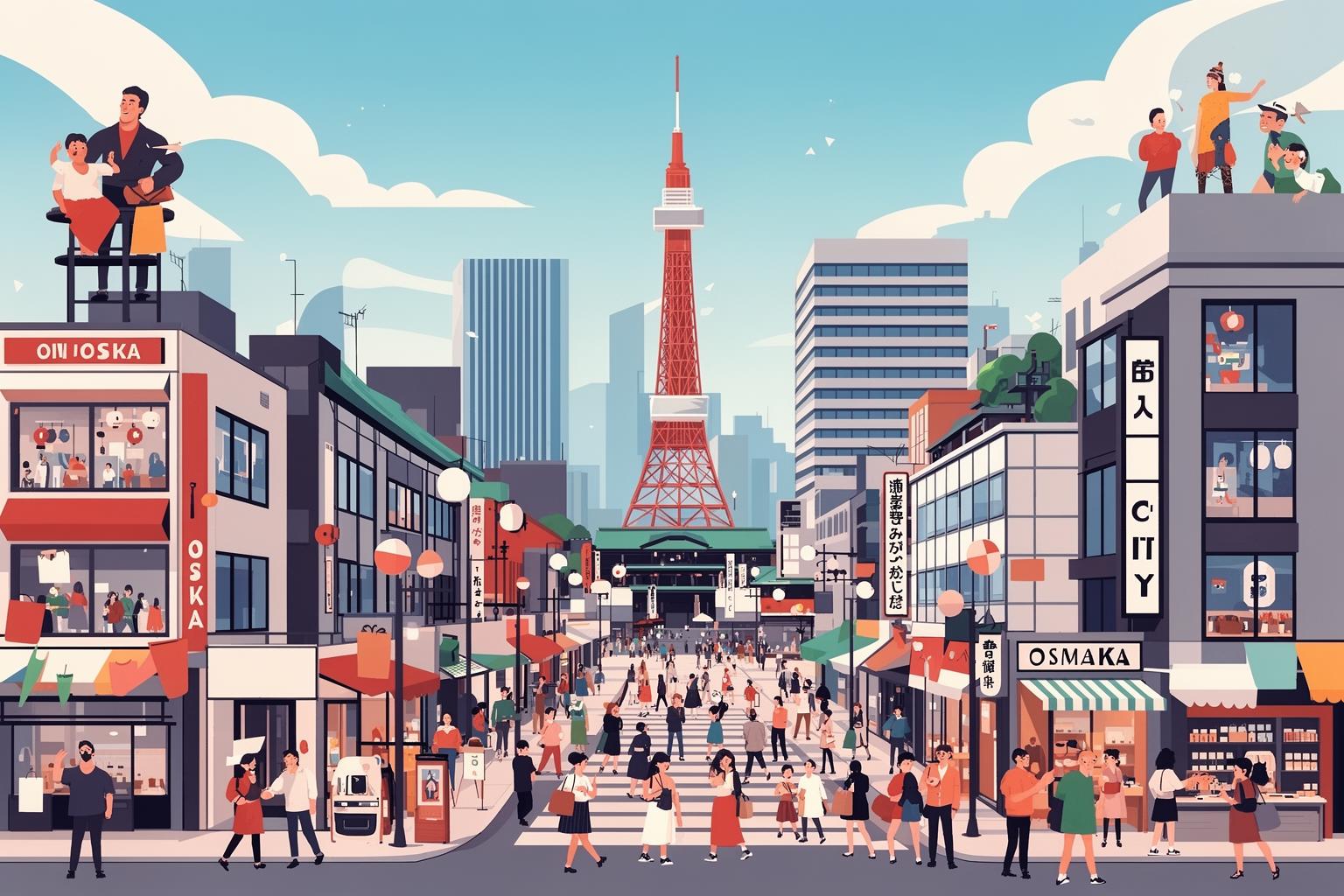
In the humming, fluorescent-lit coworking spaces of modern Osaka, the laptops might be MacBooks and the business models may be built on code, but the operating system running in the minds of their users is centuries old. It is the pragmatic, resilient, and deeply human software of the Akindo. This city has always understood that commerce is not an abstract financial game; it is the lifeblood of a community—a conversation, a relationship, and a constant, dynamic search for fair value.
For foreigners aiming to build a life or business here, the lesson is clear: do not try to impose the logic of Tokyo or Silicon Valley. Success in Osaka is not found in disruption for its own sake or chasing astronomical valuations. It lies in creating something real, useful, and enduring. It comes from understanding that a healthy profit signals a healthy business, that negotiation is a conversation between equals, and that the strongest contract is built on trust. To thrive here is to embrace this spirit—to become a modern-day merchant who values a loyal customer over a fleeting headline, a sustainable enterprise over a speculative bet, and the simple, profound satisfaction of a deal where everyone walks away feeling like they have won.