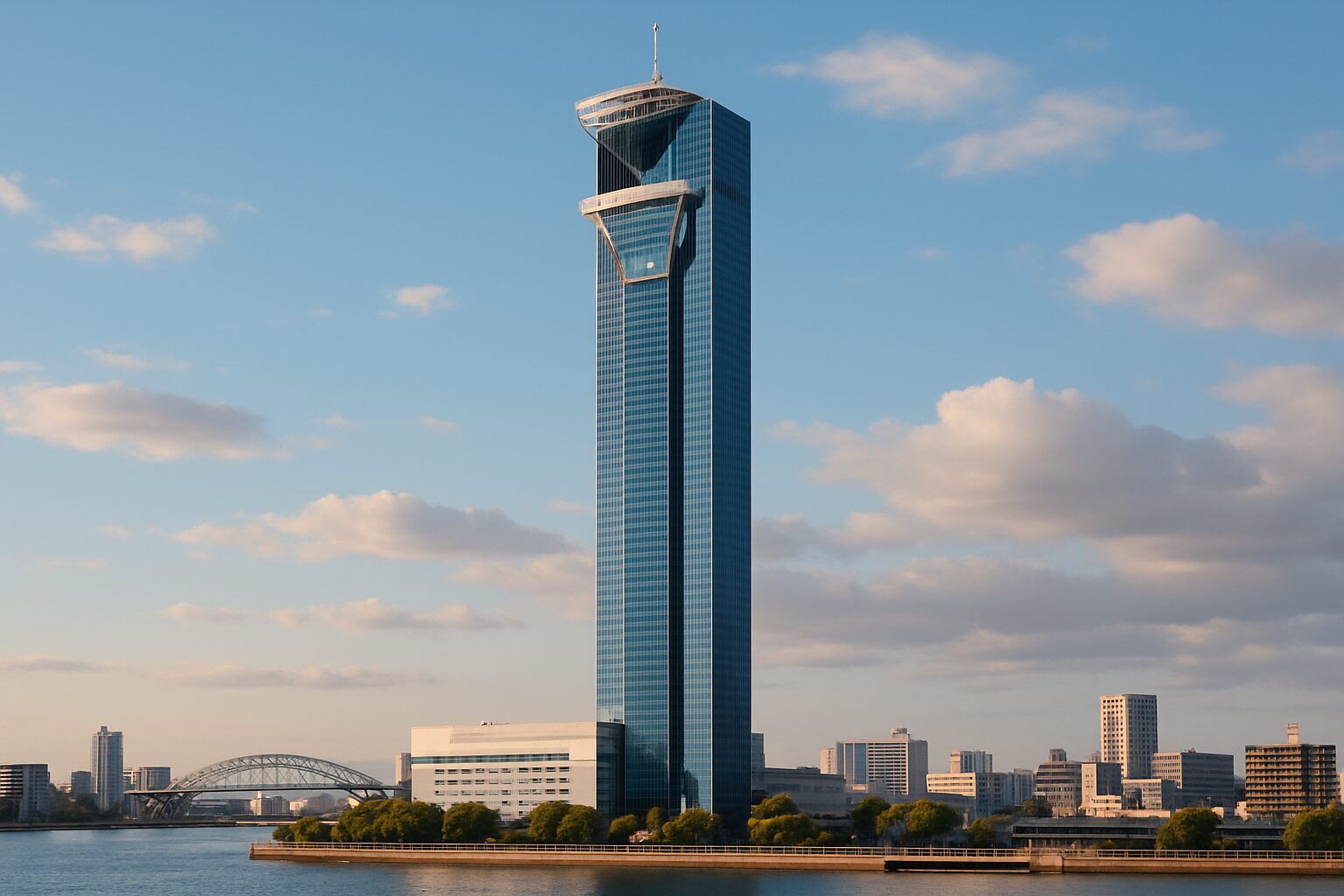
Osaka. The name itself pulses with a vibrant energy, a rhythm of commerce, cuisine, and culture that echoes through its crowded streets and ancient canals. It’s a city grounded in the tangible—the sizzle of takoyaki on a griddle, the hearty laughter in an izakaya, the steady shuffle of feet through Shinsaibashi. But to truly understand the soul of this metropolis, you must rise above it. You must ascend to a place where the city’s chaotic energy transforms into a silent, glittering tapestry, a breathtaking panorama of human endeavor stretching to the horizon. That place is the Osaka Cosmo Tower Observatory, a sentinel standing guard over the expansive, life-giving waters of Osaka Bay. From this staggering height, the city reveals its grand design, its intricate network of light and shadow, and you become a privileged witness to one of Japan’s most spectacular nocturnal displays. The journey upwards is more than just a trip in an elevator; it’s a pilgrimage to the sky, a chance to see a city you thought you knew in a completely new, mesmerizing light.
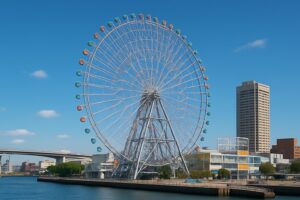
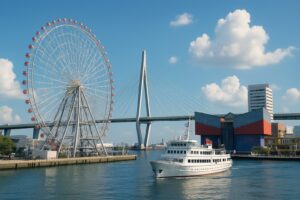
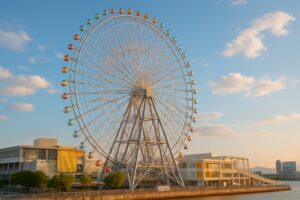
For another breathtaking perspective of the bay area’s night lights, consider a ride on the nearby Tempozan Ferris Wheel.
The Ascent: A Journey Through Glass and Sky
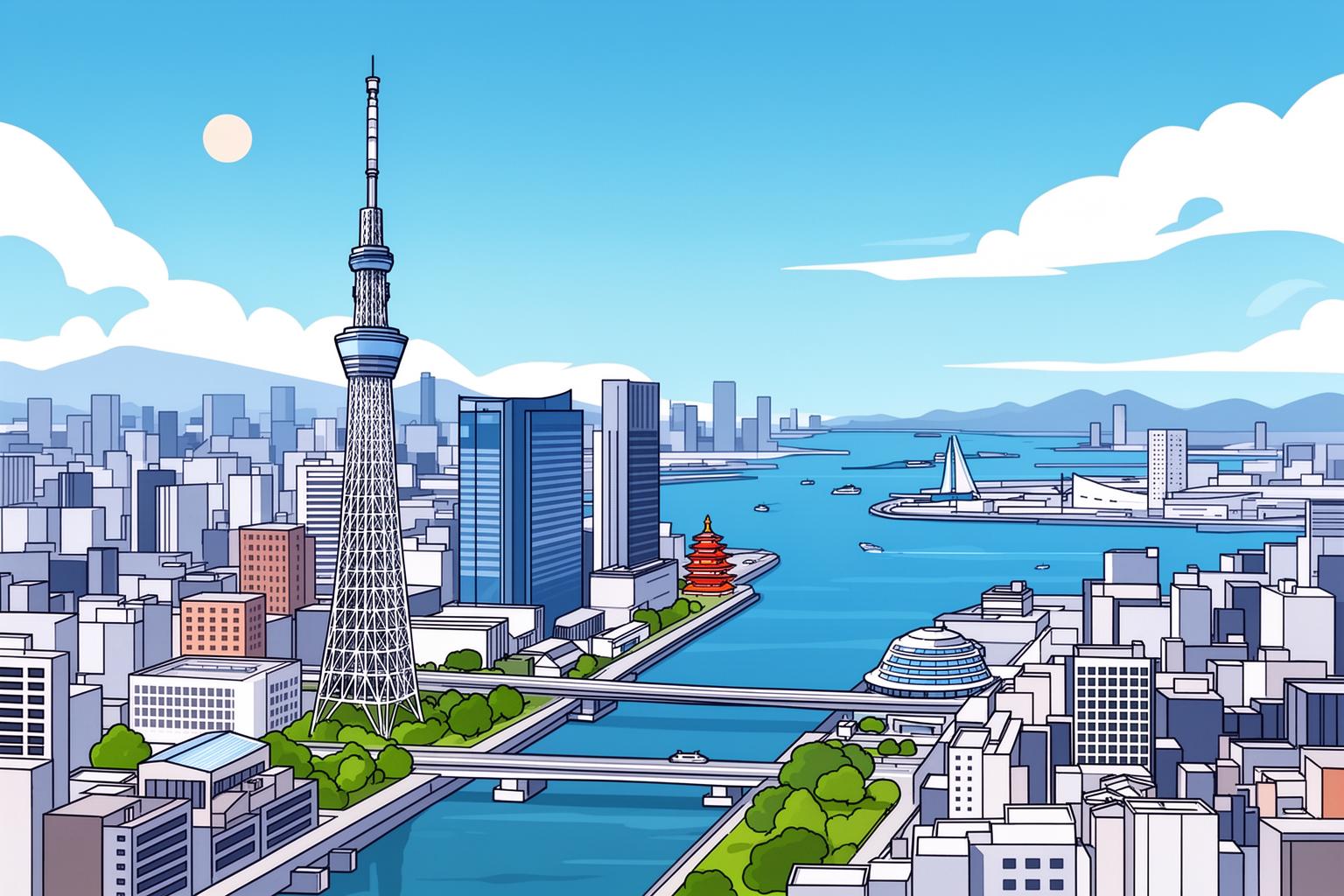
The experience begins long before you arrive at the 55th floor. It starts on the ground, in the Nanko Port Town area of Suminoe-ku, a district built on reclaimed land that stands as a testament to Osaka’s relentless drive to innovate and grow. The Sakishima Prefectural Government Building, home to the Cosmo Tower Observatory, is an architectural marvel in its own right. It’s a sleek, modern ziggurat piercing the sky, its form both elegant and commanding. As you walk through its polished, cathedral-like lobby, a sense of anticipation builds—you are leaving the terrestrial world behind.
The real transition occurs inside the high-speed, transparent elevator. This is no ordinary lift. It’s a glass capsule designed to propel you skyward. As the doors close, the ascent begins—smooth and breathtakingly fast. Through the glass, the world below rapidly diminishes. Buildings that just moments before towered over you shrink into mere geometric shapes. The intricate patterns of roads and parks start to unfold beneath you. A subtle pressure in your ears reminds you physically that you are ascending, moving from one realm to another. In less than a minute, you are whisked from the ground floor to the 52nd, where you transfer to a final grand escalator that carries you through a shimmering, futuristic tunnel. This last part of the journey feels like passage into another dimension; the ambient lighting and ethereal music prime you for the spectacle ahead. Emerging at the top, you enter a space of hushed reverence. The observatory is dimly lit—an intentional choice to ensure nothing distracts from the star attraction: the universe of light unfolding beyond the floor-to-ceiling windows.
A 360-Degree Panorama: Unveiling Osaka’s Jewels
The observatory provides an uninterrupted, 360-degree panorama, a full circle of awe. Each direction reveals a unique story of Osaka, a distinct chapter of its past, present, and future. It’s well worth taking your time, moving slowly from window to window, letting the vastness of the scene fully register. This isn’t simply a view; it’s a living map, a dynamic entity alive with light and motion.
Looking north, your eyes are drawn to the very core of the metropolis. This is downtown Osaka, a dense cluster of light and ambition. The iconic Umeda Sky Building, featuring its famous Floating Garden Observatory, stands prominent, a competing viewpoint that here becomes part of a larger tableau. You can follow the silver thread of the Yodo River as it winds through the city, its surface reflecting the vibrant lights of surrounding skyscrapers. The bright clusters are so thick they merge into a golden sea, radiating an energy you can almost sense, even from this quiet distance. It’s the commercial and cultural heartbeat of the city, displayed openly before you. On an especially clear night, you might even catch the faint glow from Kyoto in the distance, a reminder of the sprawling urban corridor defining the Kansai region.
Turning eastward, the character of the view changes sharply. The dazzling city lights start to thin out, revealing a vast, dark silhouette. This is the Ikoma Mountain Range, a natural barrier that has long sheltered the Osaka Plain. The stark contrast between the solid blackness of these ancient mountains and the fleeting, artificial glow of the city is striking. This angle provides a true sense of Osaka’s geography. Somewhere amid those lights stands Osaka Castle, its historical importance overshadowed by the brilliance of the modern city, a testament to the layers of history beneath this megacity. You can trace the arteries of the Hanshin Expressway as they twist inland, their streams of red and white lights marking the perpetual flow of life and commerce.
To the south, the view reveals Osaka’s industrial strength and its links to the wider world. Below lies the Port of Osaka, a complex maze of docks, warehouses, and container yards. The enormous gantry cranes, lit by powerful floodlights, move with slow, deliberate grace, like ancient creatures tending their metallic flock. They are the quiet engines of the economy, working ceaselessly through the night. Beyond, across the dark waters of the bay, a long, narrow line of brilliant light marks Kansai International Airport (KIX). Built on a man-made island, it appears as a glowing mirage, a portal from which countless journeys commence and conclude. Watching planes take off and land, their lights blinking as they ascend into the night sky, adds a further dynamic layer to the scene. The extensive lights of Sakai City also enhance this southern glow, merging smoothly with the greater Osaka urban area.
Finally, facing west, you encounter possibly the most stunning vista of all: the majestic expanse of Osaka Bay. The view is dominated by the Akashi Kaikyo Bridge, the world’s longest suspension bridge. At night, it’s completely lit by a cascade of lights, turning it into a celestial necklace draped across the dark waters, linking the mainland to Awaji Island. On the far side of the bay, Kobe sparkles, its lights climbing the slopes of the Rokko Mountains, creating a scene of remarkable depth and romance. You can observe the slow, silent ballet of ferries and cargo ships crossing the bay, their lights gliding across the inky surface like fallen stars. The water mirrors the city lights, forming a shimmering, distorted reflection that doubles the spectacle. This western view is a symphony of engineering, nature, and light—a deeply moving sight capturing the romantic essence of a port city after dark.
Beyond the View: The Atmosphere of Contemplation
What truly distinguishes the Cosmo Tower Observatory is its unique atmosphere. Unlike other observatories that can feel like crowded tourist spots, Cosmo Tower often fosters a sense of calm and spaciousness. The interior design is minimalist and elegant, featuring dark floors and ceilings that reduce reflections on the glass, allowing your attention to remain on the outside world. The area is expansive, offering ample space to explore without feeling hurried or packed.
Carefully arranged benches and angled seating areas, many intended for couples, have earned the observatory a reputation as a romantic retreat and a “Lover’s Sanctuary.” It’s common to see pairs sitting quietly side-by-side, exchanging soft words or simply enjoying a peaceful silence as they take in the breathtaking view. This creates a gentle, intimate ambiance that fills the entire floor. A delicate, ambient soundtrack often plays softly in the background, thoughtfully selected to enhance the sense of awe and reflection without intruding. It’s a place that invites you to slow down, breathe deeply, and contemplate. The incredible height and the quiet, sprawling cityscape below can inspire a deep sense of perspective, making personal worries feel small and insignificant in the face of such majesty. It’s as much a meditative experience as it is a visual one.
The Golden Hour and the Blue Moment: Timing Your Visit to Perfection
While the night view is unquestionably stunning, the moments that lead up to it hold their own distinct and unforgettable charm. To fully enjoy your visit, timing is crucial. Arriving about an hour before sunset is essential to experience the complete, dramatic shift from day to night.
This phase begins with the “Golden Hour.” As the sun starts descending toward the horizon, directly in your line of sight over the western bay and Awaji Island, it floods the entire scenery with a warm, golden glow. The glass and steel of the skyscrapers reflect the light, igniting the city in shades of orange and gold. The bay’s surface glimmers like liquid fire. This moment is a photographer’s dream, yet it is also a scene of pure, unfiltered beauty that no camera can completely grasp. The colors evolve with each passing minute—from bright yellow to deep orange, then to fiery red.
Immediately after sunset comes the “Blue Moment,” or twilight. This brief, enchanting window, lasting perhaps only twenty to thirty minutes, is often considered the most beautiful part of the evening. The sky, no longer illuminated by direct sunlight, deepens into a velvety cobalt blue—a hue of remarkable richness and clarity. Against this spectacular backdrop, the city lights, which have been gradually switching on, begin to shine with striking intensity. The warm yellows and oranges of the streets and buildings create a stunning contrast with the cool blue sky. The view gains a clarity and depth at this time that is simply unmatched. It’s when the natural beauty of the fading day and the man-made beauty of the city blend in perfect, harmonious balance.
Finally, as the last traces of light disappear from the sky, the city completes its transformation into a “carpet of jewels.” The sky turns black, providing a perfect canvas for the millions of tiny lights below. The view takes on a new character—less about color and more about pattern, scale, and density. This is the classic night scene, an endless sea of sparkling lights that reflects the vastness and vitality of the urban landscape.
A Hub of Modernity: The History of Sakishima
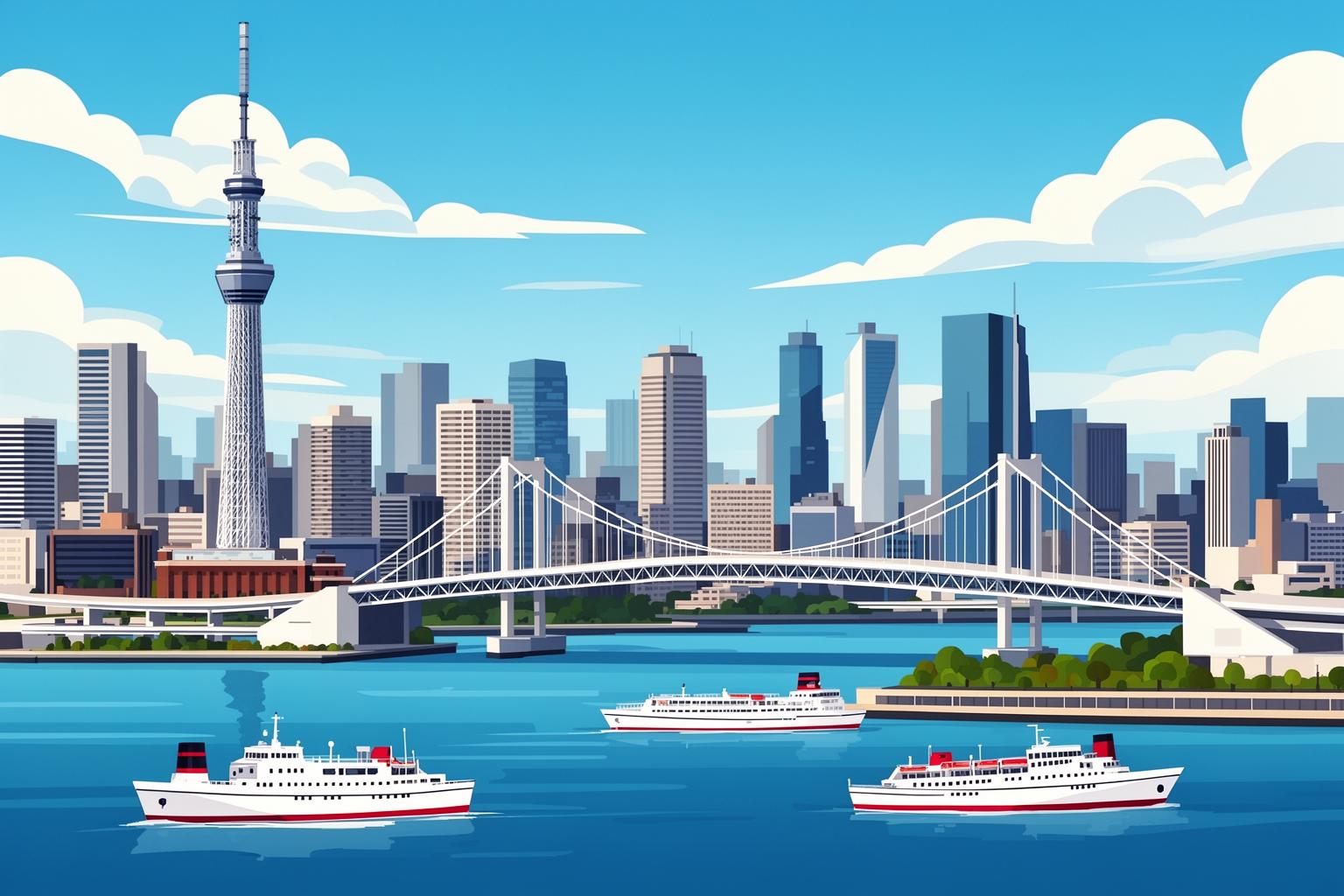
The Cosmo Tower and the entire Sakishima area are deeply intertwined with Osaka’s modern history and its identity as a progressive commercial city. The island of Sakishima itself is the result of extensive land reclamation efforts that began in the 1970s, aimed at expanding port facilities and creating a new, futuristic waterfront city. This ambitious vision symbolized Japan’s post-war economic boom and Osaka’s aspiration to become a major global trade center.
Completed in 1995, the tower was originally called the Osaka World Trade Center Building, or WTC. Standing at 256 meters (840 feet), it was the tallest building in western Japan for many years. Its role was to serve as the hub for this new trade-oriented district. Although the project’s economic success has fluctuated, the tower has remained a lasting landmark and a powerful emblem. Today, it houses the prefectural government offices, while its observatory continues to fulfill its original function: offering a panoramic view of the bay and the international port that drives the Kansai economy.
Visiting the Cosmo Tower, therefore, is more than mere sightseeing. It’s an opportunity to engage with the narrative of modern Osaka. You stand on land that did not exist just a few decades ago, gazing out over a port that links the region to the wider world. This perspective connects Osaka’s history as Japan’s historic “merchant’s capital” with its present and future as a vibrant player on the global stage. The view is not only of lights, but of history, ambition, and the continuous flow of goods and ideas.
Practical Guide for Your Celestial Visit
Planning your trip to Cosmo Tower is simple, but a few tips can help ensure a smooth and memorable visit.
First, the journey itself is part of the experience. The most common way is to take the green Chuo Subway Line to its final stop at Cosmosquare Station. From there, transfer to the Nanko Port Town Line, also known as the New Tram. This automated, driverless train runs on elevated tracks, offering fantastic views of the port area along the way. Exit at Trade Center-mae Station, which is directly connected to the Sakishima building. The whole trip from central Osaka locations like Namba or Umeda usually takes around 30 to 40 minutes.
When it comes to tickets and operating hours, it’s best to check the official Cosmo Tower Observatory website ahead of your visit, since hours may occasionally change due to weather or special events. Generally, the observatory is open from late morning until late evening, with the last admission about 30 minutes before closing. Admission fees are quite reasonable compared to similar attractions around the world. A great tip for travelers is to see if the observatory is included in passes like the Osaka Amazing Pass, which can offer free entry and make your visit much more affordable.
For first-time visitors, the key advice is to check the weather forecast in advance. A clear day is crucial for the best experience. Haze, clouds, or rain can greatly reduce visibility and lessen the impact. While bringing a camera to capture the stunning views is highly recommended, remember to occasionally put it down and simply take in the atmosphere, letting the scale of the surroundings impress you. Tripod use may be restricted, so if you’re a serious photographer, it’s wise to verify the rules beforehand. Finally, take advantage of the fact that Cosmo Tower is generally less crowded than the Umeda Sky Building—this is its secret advantage. The calmer pace and quieter setting allow for a more personal and reflective experience.
Exploring the Neighborhood: What to Do Around Cosmo Tower
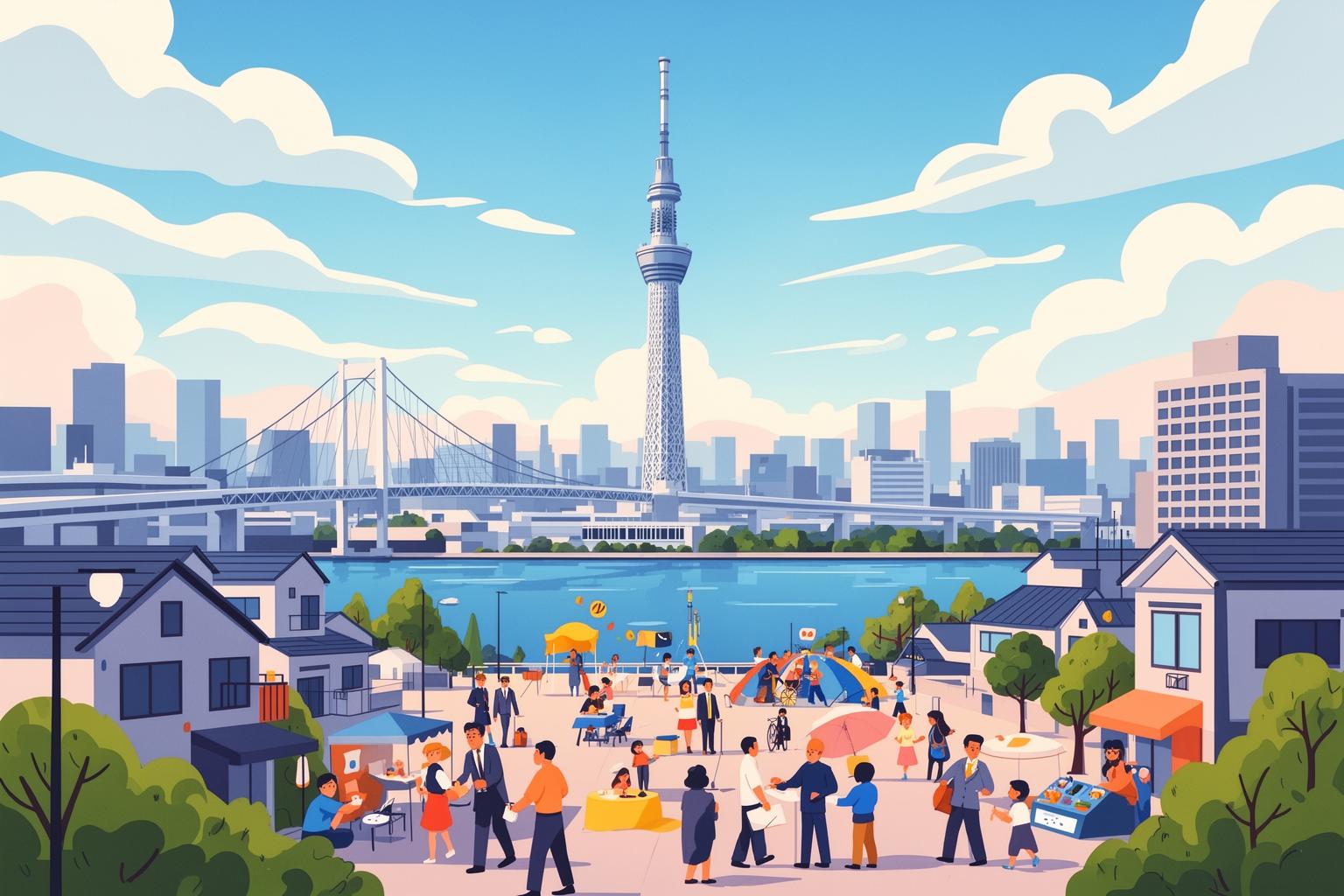
While the observatory is the primary attraction, the surrounding Sakishima area features several other points of interest that can easily make your visit a full afternoon or evening outing.
Located right next to the tower is the Asia and Pacific Trade Center (ATC), a vast complex offering a lively blend of outlet shops, restaurants, and event spaces. You can do some shopping before visiting the observatory or, better yet, plan to have dinner afterward. Many ATC restaurants boast large windows or outdoor terraces overlooking the bay, allowing you to enjoy the stunning waterfront views as you dine. The seaside promenade along the complex’s edge is a lovely spot for a walk, providing a ground-level view of the port and passing ships.
For nature enthusiasts, the Nanko Bird Sanctuary is nearby. This protected wetland is a refuge for wild birds and offers a tranquil break from the urban surroundings. It highlights a more natural aspect of the bay area, reminding visitors that this place is both an ecosystem and a commercial center.
A great plan is to arrive in Sakishima in the mid-afternoon. Spend some time browsing the ATC shops, perhaps stopping for coffee by the water. Then, head to Cosmo Tower about an hour before sunset. Witness the full display of changing light—from the golden hour to deep twilight, and finally to the dazzling nighttime cityscape. Afterwards, descend and enjoy a relaxed dinner at one of the many ATC restaurants, with the bay lights you admired from above now twinkling just outside your window. It’s an ideal way to experience the diverse charm of Osaka’s waterfront.
A Rhythmic Conclusion: Osaka’s Heartbeat from Above
Standing atop the Cosmo Tower is to sense the very heartbeat of Osaka. Beneath you, the city transforms from a mere collection of buildings and lights into a vast, living organism. Traffic flows like its circulatory system, the sparkling districts serve as its vital organs, and the dark stretch of the bay acts as the lung through which it breathes in the world. From this height, you are removed from the noise and chaos, yet more deeply connected to the city’s essence than ever before.
The view from the Cosmo Tower Observatory is more than just a scenic sight or a photo moment. It is a profound experience offering perspective, beauty, and a quiet moment of reflection in the midst of one of the world’s most lively urban centers. It reminds us of human ingenuity, the splendor of our creations when seen from a distance, and our enduring bond with the sea. When you return to the streets below, the city feels transformed. You bring with you the memory of that silent, shimmering map and a richer understanding of the magnificent, sprawling, and utterly captivating city of Osaka.