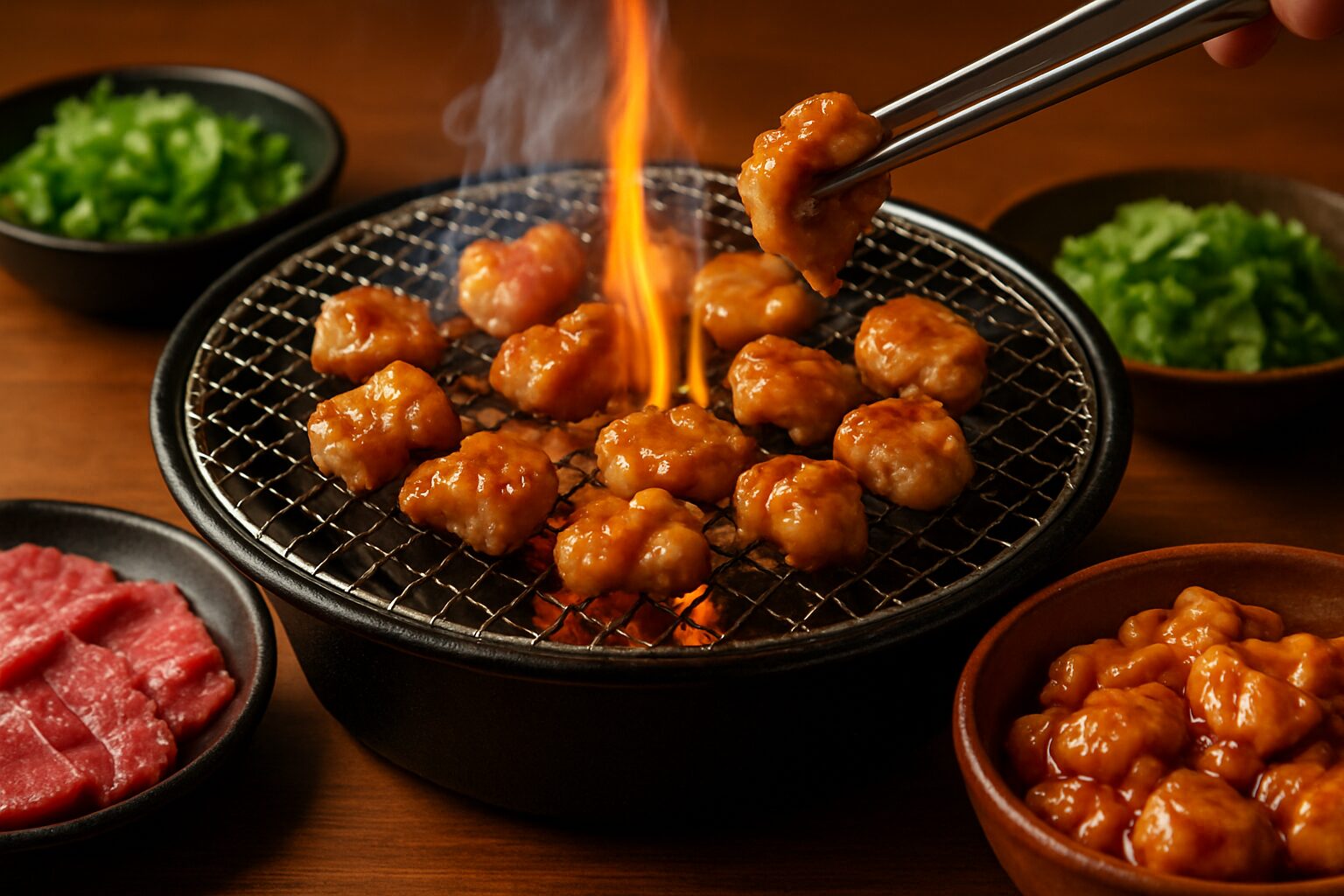
In the grand theater of Japanese cuisine, where sushi masters command silent reverence and ramen chefs perform a ballet of broth and noodles, there exists a more primal, more visceral stage: the grill. Here, over glowing embers of charcoal, a culinary drama unfolds, one that tells a story not just of food, but of culture, history, and the very soul of two of Japan’s greatest cities. This is the tale of Osaka’s horumon versus Tokyo’s yakiniku. It’s a sizzling, smoky showdown that pits the gritty, soulful heart of the nation’s kitchen against the polished, aspirational gleam of its capital. For anyone living in Osaka, understanding this delicious rivalry is to understand the city itself. It’s a journey into flavor that goes far beyond a simple meal, a deep dive into the rhythms and philosophies that make these metropolises tick. Forget what you think you know about Japanese barbecue; we’re about to peel back the layers, stoke the coals, and get to the very heart of a fire that has warmed Japan for generations. The battleground is set, the tongs are at the ready, and the first glorious sizzle is about to echo from the back alleys of Naniwa to the high-rises of Shinjuku. Welcome to the main event.
This culinary identity is a key part of the region’s unique appeal, which is being amplified as global travel giants bet on AI and regional gems to reshape Japan’s tourism landscape.
The Heartbeat of the Grill: Defining Horumon and Yakiniku

Before we can truly appreciate the rivalry between these culinary giants, we must first grasp who they are. On the surface, both involve grilling meat over an open flame, a technique as ancient as humanity itself. Yet in Japan, this simple act has been refined, systematized, and infused with rich regional character. Yakiniku and horumon may share the grill, but they belong to different worlds, speak distinct languages of flavor, and tell different tales of the city.
What is Yakiniku? The Familiar Face of Japanese BBQ
Around the world, yakiniku (literally “grilled meat”) serves as the emblem of Japanese barbecue. It’s the polished, well-dressed diplomat you find featured in glossy magazines and bustling city districts. The stars of yakiniku are the prime cuts—the nobility of the bovine realm. We’re talking marbled slices of karubi (kalbi), or short rib, with its ribbons of fat melting down to bathe the meat in rich flavor. There’s rōsu (roast or loin), a leaner but equally tender cut that embodies pure, unfiltered beefiness. And we must not forget harami (skirt steak), technically offal but treated with the respect of a prime cut for its intense flavor and satisfying texture.
Yakiniku is often seen as a celebratory meal—a reward for a week’s hard work, a special date night, or the setting for an important business negotiation. The experience is carefully crafted. You dip these exquisite cuts into an array of sauces, from sweet and savory soy-based tare to a simple sprinkle of rock salt with a squeeze of fresh lemon. Accompanying the meat is a vibrant ensemble: fiery red kimchi, a selection of seasoned vegetables called namul, and crisp lettuce leaves perfect for wrapping the grilled delights. Yakiniku emphasizes purity, showcasing the meat’s inherent quality. It’s a performance of precision and respect for the ingredient—clean, elegant, and deeply satisfying—a phenomenon with global appeal.
What is Horumon? The Soulful Offal of the People
If yakiniku is the refined diplomat, horumon is the streetwise poet, the blues singer with a story written in their face. The term horumon is believed to come from the Kansai dialect phrase hōru mono, meaning “discarded things.” This phrase holds the key to its identity. Horumon celebrates the overlooked, transforming humble offal into culinary treasure. It includes the heart, liver, stomach, and intestines—the parts often discarded by less imaginative culinary traditions.
Diving into horumon is embarking on a textural journey. There’s tecchan (large intestine), a chewy, fatty tube that crisps on the outside while staying decadently tender inside, releasing rich flavor with each bite. Mino (first stomach) offers a delightfully crunchy texture unlike any other. Senmai (third stomach) is a delicate, frilly cut that cooks instantly and absorbs sauces with a light, clean taste. Familiar yet no less delicious are hatsu (heart), lean and firm with a clean, iron-like tang; and reba (liver), which, when grilled to perfection, becomes irresistibly creamy and rich. Horumon is the food of the people, born from necessity and elevated by creativity. It’s affordable, intensely flavorful, and deeply connected to the working-class spirit of its birthplace, Osaka. It’s more than just food—it’s a testament to resilience, ingenuity, and the refusal to waste a single precious ingredient.
A Tale of Two Cities: The Cultural Roots Run Deep
The divergence between these two grilling styles is no mere coincidence. It directly mirrors the historical and cultural paths of Osaka and Tokyo. The smoke rising from their respective grills carries with it the spirits of the past, the ambitions of the present, and the very essence of each city.
Osaka’s Post-War Grit: The Birth of Horumon Culture
To discover the soul of horumon, one must return to the smoldering ruins of post-World War II Japan. In an era of severe scarcity, every calorie counted. In Osaka, particularly in the Tsuruhashi district—a neighborhood with a large and vibrant Zainichi Korean (ethnic Koreans in Japan) community—a culinary revolution was quietly unfolding. With limited access to prime cuts of meat, this community embraced the parts often discarded by the mainstream market—the offal, or hōru mono—and, drawing on their rich culinary heritage, transformed them. They cleaned, marinated, and grilled these humble ingredients with such skill and care that they became not only edible but irresistibly delicious.
This marked the birth of horumon-yaki as known in Osaka. It was an act of profound creativity and resilience, embodying the spirit of mottainai, the Japanese principle of cherishing resources and wasting nothing. This history is woven into Osaka’s very DNA. The city has long been a merchant’s town, characterized by pragmatism, a grounded attitude, and an unabashed love for hearty, satisfying food. The spirit of kuidaore—to eat oneself into ruin—is not about expensive, high-end cuisine; it’s a passionate, democratic love for all food, especially dishes that are affordable, filling, and bursting with flavor. Horumon is the ultimate expression of kuidaore. It’s a meal that is loud, communal, and utterly unpretentious, just like the city that created it.
Tokyo’s Polished Palate: The Evolution of Yakiniku
Tokyo’s story takes a different course. While yakiniku also traces its roots to Korean barbecue traditions, its development in the capital was shaped by Tokyo’s role as the political and economic center. As Japan’s post-war economic miracle flourished, Tokyo bloomed with prosperity. A new class of salaried workers and executives emerged, along with a demand for more refined and sophisticated dining experiences. Yakiniku adapted and evolved to suit this new taste.
In Tokyo, yakiniku shed much of its rustic, communal character and adopted a more polished identity. The focus shifted sharply to premium ingredients, especially the now world-renowned wagyu beef. Restaurants began to carefully source their meat, emphasizing its prefecture of origin, beef grading (A4, A5), and the intricate marbling, or sashi. The dining atmosphere was elevated as well. Smoky, rowdy halls gave way to sleek, modern establishments with private rooms and efficient downdraft ventilation systems designed to whisk away smoke before it could cling to a business suit. Service quality became paramount, with knowledgeable staff detailing the provenance of each cut. Yakiniku in Tokyo evolved into a symbol of success, an accessible luxury representing Japan’s emergence on the global stage. It reflected the city’s character: ambitious, detail-focused, and relentlessly pursuing both aesthetic and technical perfection.
Stepping Inside: The Atmosphere of the Arena

The distinctions between horumon and yakiniku extend beyond the plate; they are most keenly experienced in the very atmosphere around you. Stepping into an Osaka horumon-ya and a Tokyo yakiniku restaurant offers two fundamentally different sensory journeys, each perfectly embodying the spirit of its city.
The Osaka Horumon-ya: A Symphony of Smoke and Laughter
Brace yourself. As soon as you push open the door to a traditional horumon spot in Tsuruhashi or the winding alleys of Tenma, you’re greeted by a vivid, multi-sensory barrage. A dense, aromatic cloud of smoke—blending charcoal, sizzling fat, and sweet, garlicky marinade—wraps around you instantly. It’s the sacred incense of the horumon shrine. The venue is usually small, possibly even cramped, with a long wooden counter separating you from the grill master or individual shichirin (small charcoal grills) set directly on the tables. Handwritten menus, their paper yellowed from years of loyal use and smoke, often adorn the walls.
The soundtrack is a lively symphony. Constant sizzling and popping from the grills provide the rhythm. Clinking beer mugs and shochu glasses form the percussion. And the melody is the loud, uninhibited chatter of patrons speaking in the broad, friendly tones of the Osaka dialect, their laughter bouncing off the simple walls. You’ll find yourself sitting shoulder-to-shoulder with salarymen loosening their ties, young couples on casual dates, and old-timers who have been regulars for decades. There’s no pretense here. The atmosphere is electric, communal, and unapologetically genuine. It’s a place to unwind, connect with those around you over shared fire, and focus on the two essentials: the amazing food and joyous company.
The Tokyo Yakiniku Restaurant: A Sanctuary of Sizzle and Style
Entering a typical Tokyo yakiniku restaurant, especially in neighborhoods like Ginza, Ebisu, or Azabu, feels like entering another realm. What strikes you first is what’s absent: the smoke. Thanks to advanced, often invisible downdraft ventilation systems integrated into the grills, the air is surprisingly clear. The decor is intentional and often stylish, favoring dark woods, soft lighting, and a sense of privacy. Instead of one lively room, you’re more likely seated in a comfortable booth or private room, creating an intimate and controlled dining atmosphere.
The soundscape is muted and refined. The meat’s sizzle remains, but it’s a more delicate, personal sound, not part of a room-wide chorus. Conversations are quieter. Attention is drawn inward, to your table, your companions, and the artfully arranged platter of meat just presented. Staff move with quiet efficiency, explaining the intricacies of each cut, suggesting the ideal grilling time, and sometimes even grilling the most prized pieces themselves to ensure perfection. The feeling is one of accessible luxury and peaceful indulgence. It’s a sanctuary from Tokyo’s relentless energy, where you savor each bite thoughtfully, and where the experience is as integral to the meal as the food itself.
On the Plate: A Clash of Flavors and Textures
In the end, the true contest is decided by what’s on the grill. This is where the culinary philosophies of Osaka and Tokyo diverge most distinctly, presenting two unique routes to meat lover’s delight. One path is a wild, adventurous exploration of bold flavors and unexpected textures; the other is a refined celebration of purity and exceptional quality.
The Horumon Challenge: A Culinary Adventure for the Senses
Eating horumon is an interactive, immersive experience. Each cut requires its own technique, varying grilling times, and delivers a completely different taste sensation. Mastering the grilling of tecchan is an art form; the goal is to render the fat until the exterior becomes irresistibly crispy, offering a contrast to the chewy, juicy center. Achieve this balance, and it’s a flavor explosion. Mino, known for its distinct crunch, benefits from a longer time over the heat to develop its character. Senmai is more delicate and needs just a quick pass over the coals to be ready. Hatsu cooks quickly, resembling a small steak, firm and satisfyingly meaty. And reba… ah, reba. The ideal liver should be seared on the outside, yet remain pink and creamy inside, melting on the palate with a rich, mineral undertone.
The flavors rival the adventurous textures. Horumon is frequently coated in a thick, intense tare sauce, usually miso-based, bursting with a bold mix of sweetness, umami, garlic, and chili heat. This robust seasoning is crafted to complement and amplify the deep, earthy flavors of the offal. It’s a full-throttle flavor experience—intense, layered, and utterly addictive.
The Yakiniku Showcase: Celebrating the Purity of Prime Cuts
While horumon emphasizes transformation and assertive seasoning, yakiniku honors the ingredient itself. When a plate of A5 wagyu karubi arrives, it’s a masterpiece. The intricate, snowflake-like marbling (sashi) is the star. The goal of grilling is not to alter it but to reveal its fullest potential. The process is a delicate balance, often seconds a side suffice. A brief sear melts the intramuscular fat, producing meat so tender it seems to dissolve on the tongue, releasing waves of umami and buttery richness.
Rōsu delivers a straightforward, beef-forward taste, its finer texture demanding a gentle touch. Tan (tongue), sliced thin and commonly served simply with salt, pepper, and a lemon wedge, offers a delightful, springy chew that refreshes the palate. Sauces in yakiniku tend to be more restrained; although a classic tare is available, premium cuts are often enjoyed with just a pinch of high-grade salt or a small dab of fresh wasabi. This minimalist approach is deliberate — nothing should overshadow the pure, exquisite flavor of the beef. It’s a confident, understated style that proclaims the meat as the undisputed star, with everything else there to enhance its brilliance.
The Perfect Pairing: What to Drink with Your Grill

The beverage you select is the final, essential element that completes the experience. True to form, the drinking cultures surrounding horumon and yakiniku are as unique as the dishes themselves.
Osaka Style: Fuel for the Fire
In the lively, casual setting of a horumon-ya, the drinks are meant to be refreshing, abundant, and effective. The undisputed favorite is beer (biru). A frosty mug of crisp Japanese lager like Asahi or Kirin perfectly counters the richness of the meat and the heat of the grill. The phrase toriaezu biru (“beer for now”) is often the first thing said upon sitting down. Close behind is the haibōru (highball), a simple yet brilliant mix of Japanese whisky and sparkling soda water served in a tall, ice-filled glass. It’s clean, effervescent, and dangerously easy to drink. For a nod to horumon’s Korean roots, makgeolli, a milky, lightly sparkling unfiltered rice wine, is an excellent choice. Its subtle sweetness and gentle fizz beautifully balance the spicy, savory flavors of the food. These drinks aren’t meant for quiet reflection; they’re social lubricants, fueling the laughter and conversation that fill the room.
Tokyo Style: A Sip of Sophistication
The elegant atmosphere of a Tokyo yakiniku restaurant calls for a more thoughtful approach to beverages. While beer remains a popular choice, the drink menus often offer a more extensive and curated selection. Premium sake is a natural companion, with crisp, dry varieties cleansing the palate between bites of rich wagyu. Shōchū, a distilled spirit, can be enjoyed on the rocks or mixed with oolong tea, providing a clean, earthy complement to the meal. Increasingly, impressive wine lists appear. A bold Cabernet Sauvignon or a complex Burgundy can stand up to the beef’s richness, transforming the meal into a true fine-dining experience. Just as the food is about savoring quality, the drinks are chosen to complement and enhance the delicate, nuanced flavors on the plate.
A Practical Guide for the Intrepid Eater
For a newcomer, entering either of these worlds can feel daunting. However, with a few simple tips, you can navigate them like a local and discover a world of incredible flavors. Keep in mind, you’re in Japan—people are generally eager to help and share their culture with you.
Navigating an Osaka Horumon Joint
- Finding a Spot: Start your journey in Tsuruhashi, the undisputed hub of horumon. Just follow your nose; the aroma of grilled meat will lead you through the covered shotengai (shopping arcade). The Tenma neighborhood is another excellent choice, famous for its high density of fantastic bars and eateries. Look for red paper lanterns (akachōchin) and the distinctive plumes of smoke rising from a narrow doorway. That’s where the magic happens.
- Ordering: Don’t worry if the menu is entirely in Japanese. For first-timers, the best approach is to order a moriawase—an assorted platter. This allows you to try a variety of different cuts and find your favorites. If you’re feeling bold, you can simply point to what someone else is eating and say, “sumimasen, are o onegaishimasu” (excuse me, I’ll have that). The staff are accustomed to this and will be happy to help.
- Grilling: This is part of the fun, and there are no strict rules. Feel free to ask the staff for guidance by saying “yaki-kata o oshiete kudasai?” (can you teach me how to grill it?). Generally, fattier pieces like tecchan require more time to crisp up, while leaner cuts like hatsu and reba cook quickly. Don’t be afraid to experiment and get a little char on the edges—that Maillard reaction is where much of the flavor comes from.
- Etiquette: Relax. Horumon joints are the opposite of formal dining. It’s loud, messy, and all about having a good time. Share the grill with your friends, order another round of drinks, and soak up the lively, communal atmosphere.
- What to Wear: This is important. Wear clothes you don’t mind smelling like delicious barbecue for the rest of the night. Think of this as your designated “yakiniku/horumon outfit,” a fragrant badge of honor marking a meal well enjoyed.
Mastering the Tokyo Yakiniku Experience
- Reservations: For popular or upscale yakiniku restaurants in Tokyo, reservations are almost always necessary. You can often book online or seek help from a hotel concierge. Spontaneous visits are less common, as these establishments are often destinations in their own right.
- Pacing Yourself: A yakiniku meal is like a symphony. You usually start with lighter, salt-seasoned items like tan (tongue) or a fresh salad. Then you move into the core of the meal—the richly marbled, tare-seasoned cuts like karubi and rōsu. It’s a marathon, not a sprint, so savor each dish.
- Grilling with Precision: Treat the grill with respect. Avoid overloading it with too many pieces at once, as this lowers the temperature and causes the meat to steam rather than sear. Handle each slice carefully with your tongs. For the finest cuts, the staff may offer to grill them for you. Accept their help—they’re experts who know exactly when to remove the meat for the best flavor.
- The Final Course (Shime): Don’t fill up entirely on meat. It’s customary to finish a yakiniku meal with a shime course to complete the experience. This usually involves a small bowl of rice (gohan) with soup or a refreshing bowl of cold noodles (reimen). It’s the perfect way to cleanse your palate and conclude the meal satisfactorily.
The Verdict: It’s Not a Competition, It’s a Celebration
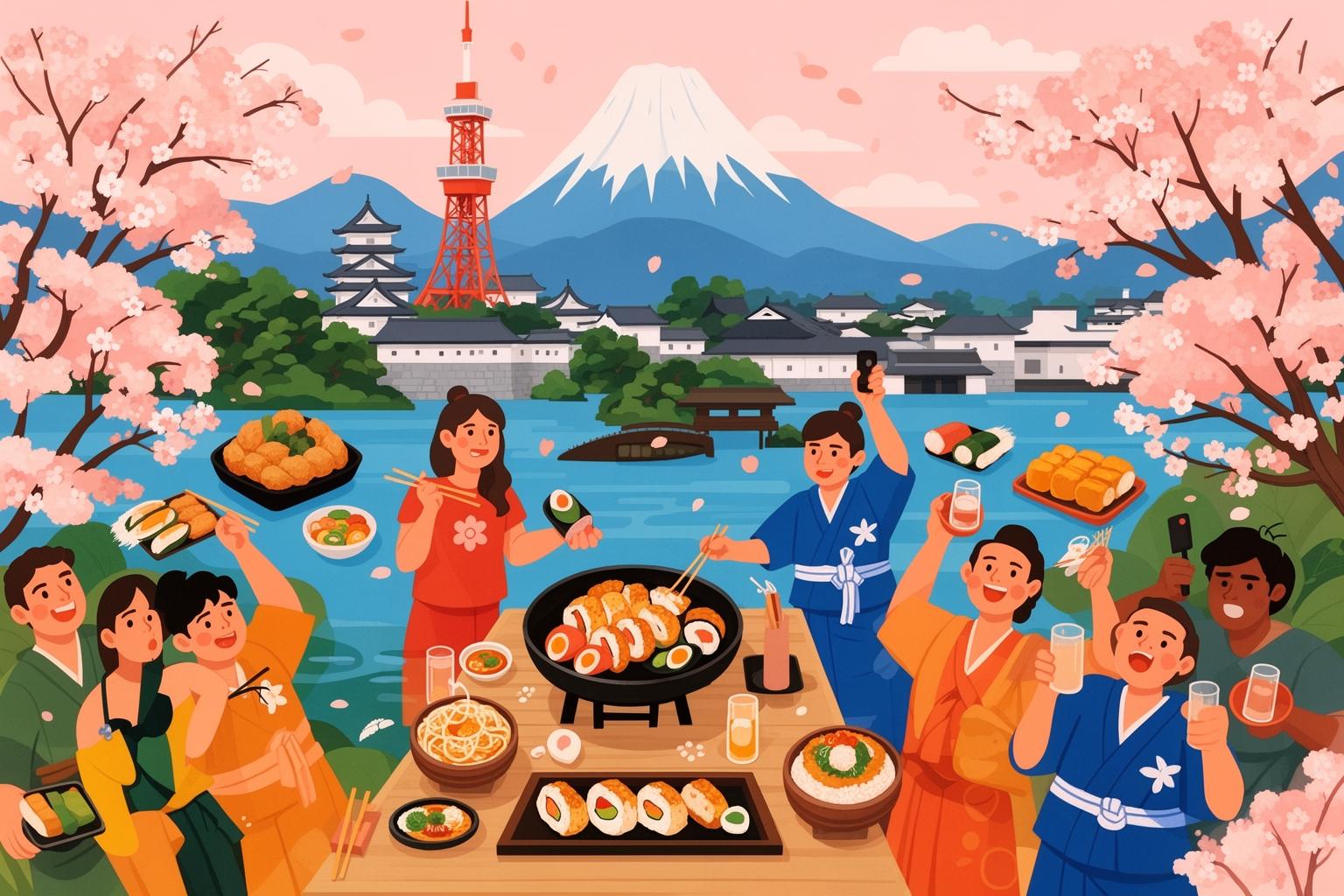
So, once all the smoke has settled, who comes out on top? Osaka’s horumon or Tokyo’s yakiniku? The truth is, framing it as a competition misses the point entirely. This isn’t a contest to be won; it’s a beautiful duality to be embraced. Both are perfect, distinct expressions of Japanese culture, each telling the story of its home city.
Osaka’s horumon is the city’s soul laid bare on a charcoal grill. It stands as a testament to the city’s history of resilience, working-class ingenuity, and its loud, proud, deeply communal spirit. Eating horumon in a smoky Tsuruhashi alleyway means partaking in a living piece of Osaka’s history, tasting the resourcefulness and warmth that defines this incredible place. For anyone living here, embracing horumon culture is essential to truly grasping the heart of Kansai.
Tokyo’s yakiniku, by contrast, reflects the capital’s relentless pursuit of perfection. It’s a culinary art form, showcasing precision, quality, and refined aesthetics. It represents the peak of Japanese hospitality and the nation’s ability to elevate a simple concept into a brilliant, world-class experience. Enjoying yakiniku in a serene Tokyo restaurant is a meditative indulgence, a deep appreciation for craftsmanship and excellence.
In the end, the beauty lies in their contrast. They are two sides of the same coin, two different melodies played on the same instrument. They remind us there is no single, monolithic “Japanese food,” but rather a rich, diverse tapestry of regional cuisines, each with its own history, flavor, and soul.
So, let the friendly debate continue, but don’t let it stop you from exploring. As an Osaka resident, make it your mission to dive headfirst into the city’s legendary horumon scene. Find your favorite local spot, learn the names of the cuts, and share a laugh with the person grilling beside you. And when you visit Tokyo, indulge in the sublime pleasure of a high-end yakiniku experience. The sizzle from the grill, whether in a lively hall in Naniwa or a quiet room in Ginza, is more than just the sound of cooking. It is the sound of connection, shared joy, and a culture expressing itself in one of the most honest and delicious ways imaginable. Go forth, be brave, and let the fire lead the way.