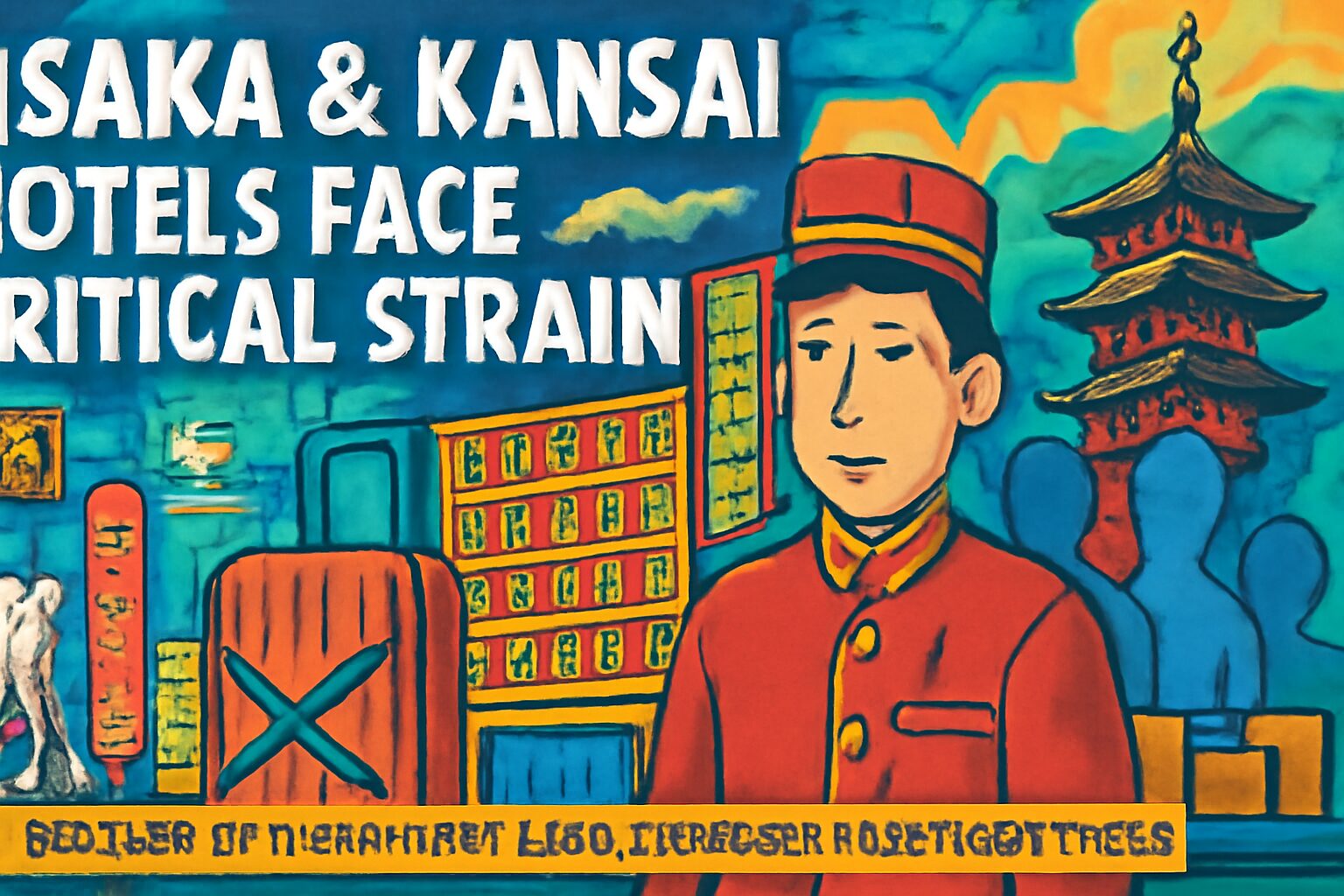
The New Reality: High Demand Meets Critical Staffing Gaps
Travelers setting their sights on Osaka and the wider Kansai region in early 2026 are discovering a bustling, vibrant destination. However, this popularity comes with a significant challenge: the local hotel industry is operating under immense pressure. Fueled by a relentless wave of international tourism, hotel occupancy rates are consistently soaring above 90%, creating a high-stakes environment for both hotels and their guests.
While this boom is a welcome sign of a full post-pandemic recovery, it has exposed a critical vulnerability—a severe and persistent labor shortage. Hotels are struggling to recruit and retain staff, making it increasingly difficult to maintain the world-renowned standards of Japanese hospitality. For international visitors and Online Travel Agencies (OTAs), this translates directly into higher room rates, limited availability, and the urgent need for strategic, advance planning.
Behind the Numbers: The Forces Driving Kansai’s Hotel Boom
The current situation is not an overnight phenomenon but the result of several converging factors. Understanding this background is key to navigating the current travel landscape.
A Perfect Storm of Tourism Drivers
The surge in demand is powered by a potent combination of elements. First and foremost is the global resurgence of travel following the pandemic, with Japan ranking as a top-tier destination. This is significantly amplified by the weak yen, which has made Japan an incredibly affordable and attractive option for international visitors, stretching their travel budgets further than in many other parts of the world.
Furthermore, the anticipation surrounding major international events, most notably the World Expo 2025 in Osaka, has already begun to drive bookings well into 2026. Data from the Japan National Tourism Organization (JNTO) shows that visitor numbers have been rapidly approaching pre-pandemic levels, with tourist spending often exceeding 2019 figures. In late 2023, occupancy rates in major Osaka hotels were already frequently surpassing 85%, setting the stage for the current high-pressure environment.
The Lingering Effects of the Pandemic on the Workforce
During the pandemic, the hospitality industry faced an unprecedented shutdown, forcing many skilled workers to leave the sector for more stable employment. As demand has roared back to life with unexpected speed, the industry has found it incredibly challenging to lure these workers back. This has left a significant gap in essential roles, from housekeeping and front-desk staff to restaurant and concierge services.
What This Means for Your Trip to Osaka & Kansai: A Look Ahead
For travelers, this industry-wide strain has direct and tangible consequences. Proactive planning is no longer just a recommendation; it is a necessity for a smooth and enjoyable trip.
Higher Prices and Scarce Availability
The fundamental economic principle of supply and demand is in full effect. With demand for rooms far outstripping the available supply—both of rooms and the staff to service them—prices have inevitably climbed. It is now common to find that well-located hotels are fully booked months in advance, especially during peak seasons like spring cherry blossoms and autumn foliage. Last-minute bookings are becoming a risky and expensive gamble.
The New Golden Rule: Book Well in Advance
To secure your preferred accommodation at a reasonable price, booking three to six months ahead of your travel dates is highly advisable. This is especially true if you are visiting during popular travel periods or have specific needs regarding location or hotel amenities. Relying on last-minute deals is no longer a viable strategy in the current market.
The Future Outlook: How the Industry Is Responding
The Kansai hotel sector is not standing still. In response to these challenges, we are likely to see several key trends accelerate:
- Technology Integration: To offset the labor shortage, expect to see a wider adoption of technology. This includes more self-check-in/check-out kiosks, AI-powered concierges, and even the use of robotics for tasks like cleaning and luggage transport.
- Focus on Efficiency: Hotels will be forced to streamline their operations. This might mean slight adjustments to service offerings, such as modified housekeeping schedules or more focused restaurant hours.
- New Hotel Openings: While numerous hotels are slated to open in the run-up to and following the World Expo, the current labor market may challenge their ability to become fully operational immediately. These new properties will help ease some pressure, but they are unlikely to fully resolve the imbalance in the short term.
For now, the message to travelers is clear: Osaka and the Kansai region remain a world-class destination brimming with culture, cuisine, and unforgettable experiences. However, the dynamics of travel have shifted. A smart, well-researched, and early travel plan is now the essential key to unlocking the very best of what this incredible region has to offer.