
Walk down any given shopping arcade, or shotengai, in Osaka, and you’ll feel it before you see it. It’s a scent that cuts through the sweet aroma of baking melonpan and the savory steam from a takoyaki stand. It’s the smell of dark-roast coffee, decades of fried food, and something else… the faint, unmistakable, and often unwelcome ghost of stale cigarette smoke. Your eyes follow the scent to a modest storefront, perhaps with faded plastic food models of Napolitan spaghetti and thick toast in the window. A sign, written in nostalgic katakana, might read 「コーヒーハウス ピノキオ」— Coffee House Pinocchio. A small, tricolor sign, like a barber’s pole, might be spinning lazily. This, my friend, is a kissaten, Osaka’s traditional coffee shop. And for a newcomer to the city, it presents a very real question: in a country filled with pristine, efficient, and globally recognized coffee chains, why would anyone choose to step inside this time capsule of vinyl booths and hazy air?
This isn’t just about finding a caffeine fix. The choice between a Starbucks and a local kissaten is a choice between two completely different versions of Osaka. One is the modern, globalized city, efficient and familiar. The other is the stubborn, soulful, and deeply local heart of the city that beats to a much slower, more analog rhythm. These little coffee shops are not merely businesses; they are community living rooms, unofficial historical archives, and social arenas with their own complex, unspoken rules. To understand the kissaten is to get a crash course in the Osakan psyche—its pragmatism, its fierce loyalty, and its resistance to the polished conformity you might find in Tokyo. So, let’s push open that heavy wooden door with the little bell that jingles, let our eyes adjust to the dim, amber light, and weigh the nostalgic charm of these neighborhood institutions against the hard realities of their modern-day existence. It’s a journey that will tell you more about living in Osaka than any travel guide ever could.
Beyond the nostalgic vibe of these kissaten, exploring the city’s unique akindo business culture further reveals the dynamic interplay between tradition and modernity in Osaka.
The Allure of the Time Warp: Why Osakans Cherish Their Kissaten
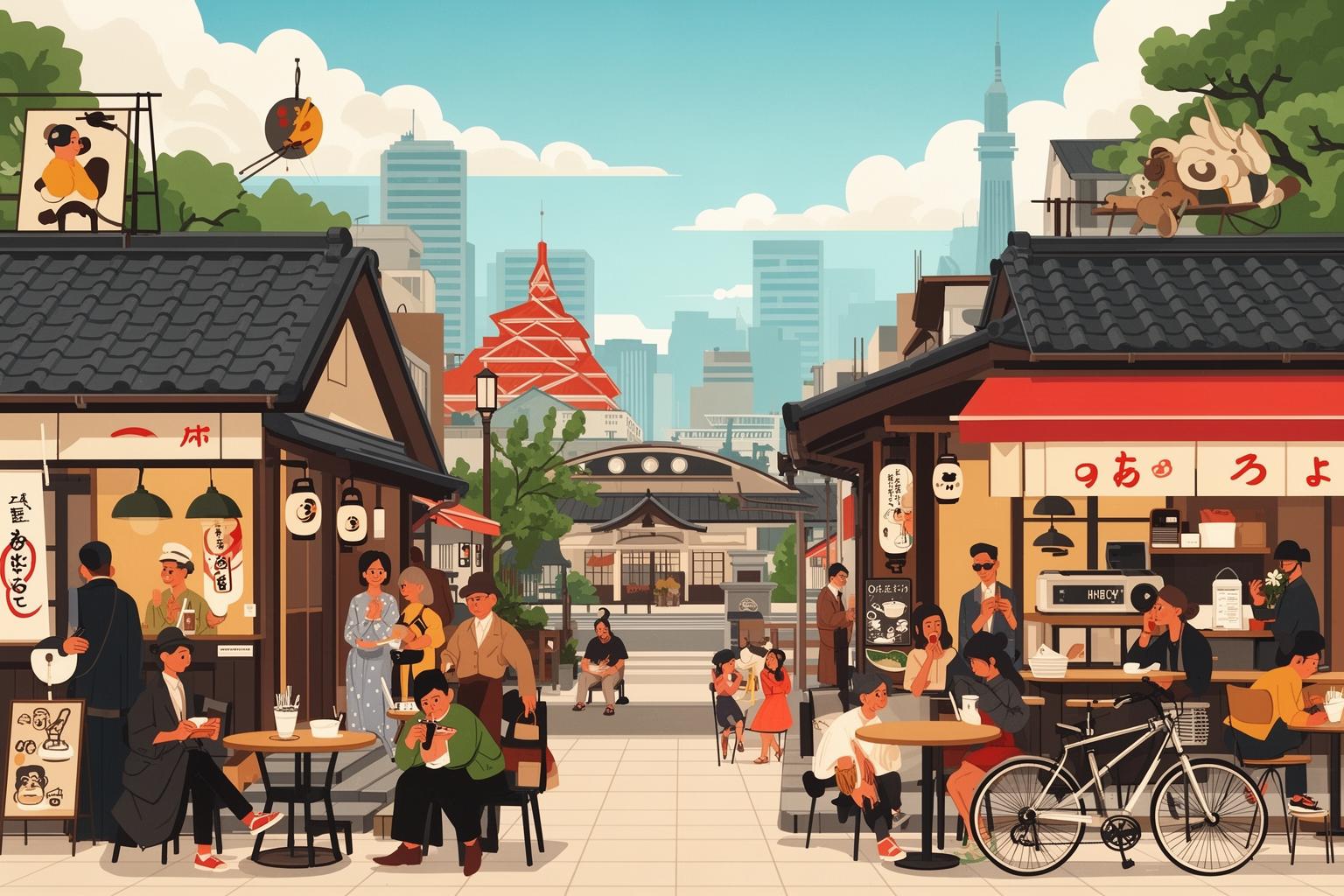
To someone unfamiliar, a kissaten might appear puzzling. It lacks many of the conveniences we now expect from contemporary cafés. However, for locals, these establishments offer something far more valuable than free Wi-Fi. They provide a sense of belonging, a link to a shared history, and a comforting daily ritual that has endured unchanged across generations. The charm lies not in being trendy, but in the steadfast refusal to follow trends.
A Community Living Room, Not a Co-working Space
The key distinction between a kissaten and a modern café chain lies in its purpose. A chain café functions as a transactional space, designed for speed and temporary visits. In contrast, a kissaten is a relational space—a classic “third place” that existed long before sociologists named the concept. It serves as an extension of the neighborhood, a public living room where the community’s daily stories unfold in small scenes.
Central to this world is the “Master” or “Mama-san,” the owner who is much more than just a barista. They act as the community’s gatekeepers, silent observers, and keepers of secrets. The Master knows that Mr. Tanaka prefers his coffee black with one sugar, that Mrs. Sato’s grandson recently started elementary school, and that the university student in the corner is anxious about exams. Their service may not be effusive or performative. An Osakan Master might initially seem gruff or reserved. But observe their interactions with regulars, the jouren-san, and you’ll notice a quiet nod, a newspaper gently placed on a table without a word, a precisely timed refill of water. This form of communication, rooted in years of shared understanding, exemplifies the straightforward, unpretentious, yet deeply loyal nature of Osakan relationships.
This stands in stark contrast to Tokyo’s service culture, where interactions are characterized by impeccable politeness and some professional distance. An Osaka kissaten offers service that is personal rather than professional. It’s about recognition, not transactions. Here, you’re more than a customer; you’re part of the backdrop, a character in the daily narrative. Pulling out a laptop for a Zoom call is not only impractical but breaks the social contract. This space is meant for presence, slowing down, and observation—not productivity.
The Ritual of the “Morning Service”
The practical and value-driven spirit of Osaka shines best in the tradition known as “Morning Service,” or simply “Morning.” It’s more than just breakfast; it’s a cultural milestone. For the price of one cup of coffee, typically around 400 to 500 yen, you receive a full meal: the coffee itself, a thick, fluffy slice of white toast (shokupan) with butter and jam, a hard-boiled egg, and sometimes a small side salad or a tiny pot of yogurt. It easily ranks as one of the best breakfast deals in Japan.
Yet the importance of “Morning” extends beyond its affordability. It embodies the Osakan merchant spirit of atonae, a business philosophy focused on customer satisfaction through good value. The informal greeting among Osaka merchants, “Moukari makka?” (“Are you making a profit?”), is often misunderstood as purely financial but also reflects a shared view of business as a sustainable, relationship-based practice. The Morning set perfectly exemplifies this: the kissaten owner makes a modest profit, while the customer begins the day feeling they’ve gotten a great deal. It’s a win-win and a daily reaffirmation of Osaka’s pragmatic, straightforward approach to life.
In Tokyo, chic bakeries often charge the same price for a single artisanal croissant that would buy a full Osaka Morning set. The emphasis there is often on aesthetics, branding, and an elevated experience. Osaka’s priority, however, is substance. The toast is thick to be filling; the egg provides protein; the coffee is strong to wake you up. This breakfast is designed with purpose, not for a photo shoot. For countless Osakans, this daily ritual is a fundamental part of neighborhood life—an affordable and dependable start to the day that reflects the heart of the city’s values.
The Aesthetic of Showa-Era Nostalgia
Entering a genuine kissaten is like stepping back into the past. The aesthetic is pure Showa Era (1926-1989), not because it was deliberately crafted to feel retro, but because it has simply never been modernized. The décor features dark wood paneling, deep red or green velvet booths with slightly worn upholstery, Tiffany-style stained-glass lamps casting a warm, muted light, and perhaps an elaborate siphon coffee maker on the counter that resembles a piece of scientific equipment from a bygone age.
This preservation of history reflects a distinct Osakan attitude. There is a genuine respect for things that have proven their value over time. If the vinyl-covered booths remain comfortable and the wooden tables sturdy, why replace them? This contrasts sharply with the constant demolition and rebuilding common in Tokyo, where newness and conformity to trends are highly prized. Osaka stubbornly clings to its past. The motto “if it ain’t broke, don’t fix it” applies to buildings, businesses, and even relationships.
The sensory experience completes with the soundscape: a soothing hum composed of the gentle clinks of porcelain cups and silver spoons, the rustling of newspaper pages, low conversations among regulars, and the constant background noise of a daytime TV show or baseball game playing on a small screen in a corner. It’s the sound of a city exhaling, a haven of calm kept separate from the pace of the modern world. This atmosphere is integral to the experience; in a kissaten, you pay as much for the time and space as for the coffee.
The Unfiltered Reality: Why a Kissaten Isn’t for Everyone
For all their nostalgic appeal and cultural importance, it would be misleading to portray Osaka’s kissaten in an entirely romantic light. For many non-Japanese residents, and indeed for many younger Japanese people, these venues present notable drawbacks. These places are not curated, tourist-friendly spots; they are authentic, unfiltered glimpses of local life, and that authenticity can sometimes be uncomfortable.
The Elephant in the Room: The Smoke
Let’s be honest: most traditional kissaten are smoky. Very smoky. Until fairly recently, smoking was the norm in these spaces. While nationwide laws have encouraged many restaurants and cafes to become non-smoking or to set up separate, enclosed smoking areas, a large number of independent kissaten still operate under exemptions for small establishments. Often, the so-called “non-smoking section” is merely a table across the room, a largely symbolic gesture against the pervasive haze.
For anyone sensitive to cigarette smoke, this is an instant and non-negotiable deal-breaker. It can be startling to leave a modern, health-conscious environment and enter a small room thick with the smell of tobacco. This ongoing smoking culture is closely linked to the kissaten’s history as a refuge for working men—a place for a break and a cigarette. Owners understand that banning smoking would alienate their most loyal, long-term customers—the very people who have supported their business for decades. So they don’t.
This creates a genuine dilemma for foreigners living in Osaka. Do you compromise your respiratory comfort for an authentic cultural experience? It’s a clear example of how cultural norms regarding personal freedom and public space can differ. While Tokyo enforces smoking bans more strictly in public areas, Osaka’s independent spirit means old habits persist at the neighborhood level. You quickly learn to look for the non-smoking (禁煙, kin’en) sign on the door before entering any small, independent establishment.
The Comforts You’ll Be Missing
If you visit a kissaten expecting a modern café, you’ll likely be disappointed. Here’s a list of things you almost certainly won’t find: Wi-Fi, power outlets, non-dairy milk options, decaffeinated coffee, or gluten-free food choices. The menu is a holdover from another era. The coffee is typically a dark, bitter roast, brewed strong. Other possible drinks include café au lait, tea, cream soda (a bright green melon-flavored soda topped with vanilla ice cream), or “mixed juice,” a thick, sweet Osaka specialty made from blended fruits and milk.
The food menu is equally classic and rarely changes: toast variations, sandwiches with crusts removed, and perhaps a hot dish like Napolitan spaghetti (a ketchup-based pasta with sausage and peppers) or Japanese-style curry rice. It’s comfort food, meant to be simple, filling, and familiar. The seating encourages conversation, not hours of laptop work. Seats may be cramped, and lighting is often too dim for extended reading.
This enforced simplicity can be either a blessing or a curse. It acts as an unintended digital detox, forcing you to put your phone aside and engage with your surroundings. You can read a physical book, chat with a companion, or simply sit quietly. For those used to multitasking and constant connectivity, this can feel restrictive or even frustrating. It’s a stark reminder that these places were designed for a different pace of life—one that many parts of Osaka still hold onto.
Navigating the Unspoken Social Code
Entering a small neighborhood kissaten as a foreigner can be intimidating. Activity may briefly pause as every head turns to look at you. This isn’t necessarily hostility; often, it’s pure, unfiltered curiosity. Osakans are known for their directness, which can sometimes come across as intense staring. In a homogenous space like a local kissaten, a foreign face is a novelty, a break in the daily routine.
Moreover, you’re entering a pre-existing social ecosystem. The Master and the regulars share a history that can span decades. You’re an outsider, and breaking into that circle isn’t easy. Unlike the anonymous, universally welcoming service of a chain, the atmosphere here can feel cliquey. The Master might seem distant or even brusque. This is often misread by foreigners as rudeness, but it’s frequently an expression of the Osaka tsundere personality—an outwardly gruff or prickly demeanor that hides a warmer, more caring nature. You have to earn your place. It takes repeated visits, consistent orders, and a quiet, respectful attitude before you might receive a nod of recognition, a brief comment about the weather, and eventually, acceptance as a semi-permanent part of the scene.
This experience is a world apart from the meticulously polite and impeccably formal customer service found in high-end Tokyo department stores. Osakan service is more human, more variable, and less concerned with superficial politeness. It’s about building a genuine, albeit slow, connection. For a foreigner, this can be a challenging but ultimately rewarding lesson in the value of persistence and observation in Japanese culture.
The Kissaten as a Microcosm of Osaka’s Identity
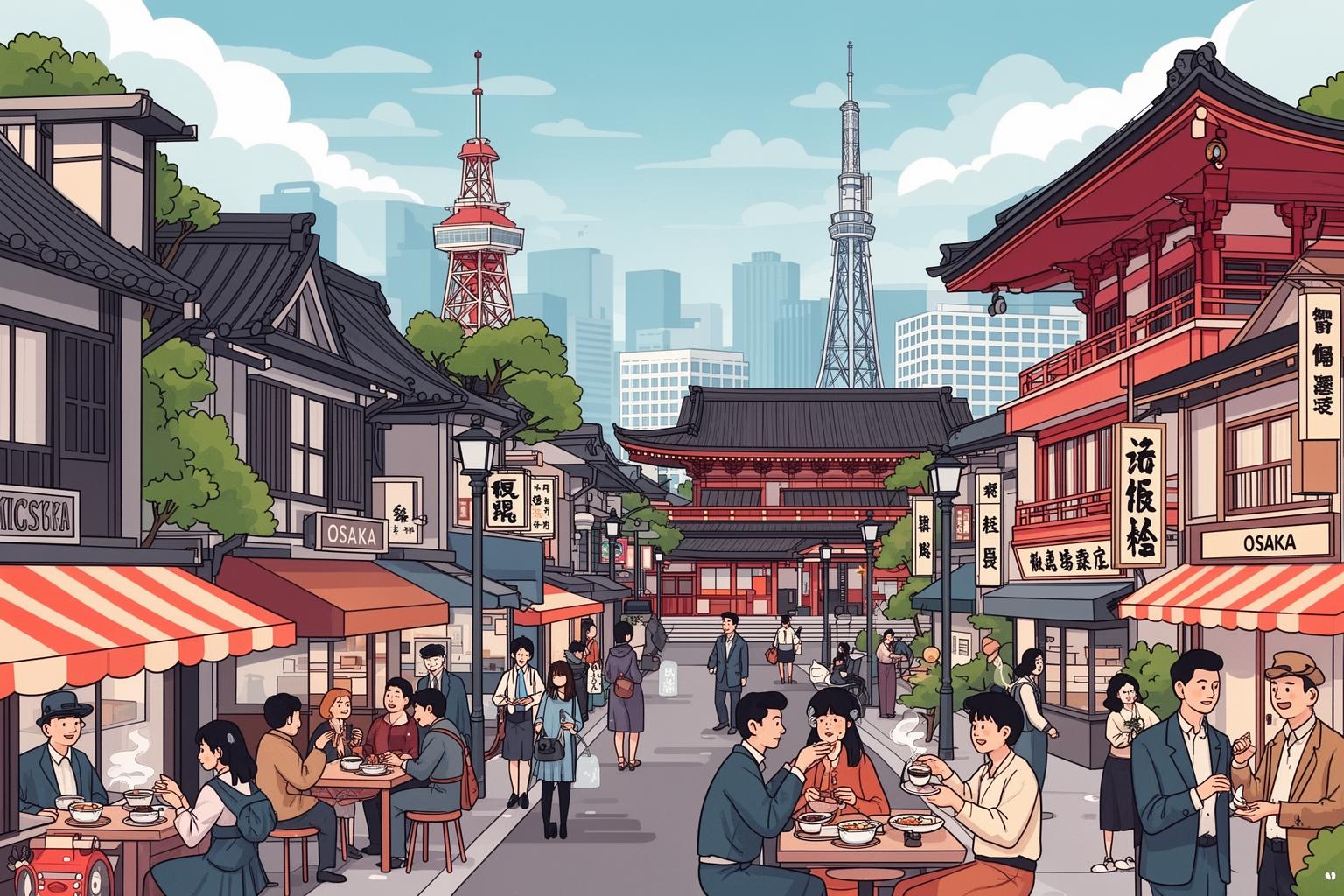
Ultimately, these smoky, charming, anachronistic coffee shops are far more than just places to grab a drink. They serve as living museums of Osaka’s distinctive urban culture. By observing how they operate and who they attract, you can gain a deeper insight into the city’s character and what distinguishes it from the rest of Japan.
Pragmatism Over Polish
At its heart, the kissaten is a tribute to pragmatism. It offers a valuable service—a hearty meal, strong coffee, and a place to rest—at an affordable price. The emphasis is on function and value, rather than aesthetics or branding. This mindset reflects the essence of Osaka, a city built by merchants, where cost-performance is prized and pretension is met with skepticism. The question isn’t “Is it beautiful?” but rather “Is it a good deal?” The 400-yen Morning set perfectly embodies this approach.
This stands in sharp contrast to Tokyo, where image and presentation often hold as much importance as the product itself. In Tokyo, you might pay extra for the design of the cup, the brand’s reputation, or the trendiness of the neighborhood. In Osaka, people tend to praise a place for being cheap, delicious, and generous (yasui, umai, ooi). The kissaten is the philosophical home of this ethos, consistently valuing substance over style.
Fierce Independence and Local Loyalty
Each kissaten operates as its own island: a fiercely independent, family-run business. The coffee blend, thickness of the toast, and the music playing on the radio—every detail reflects the owner’s personal taste and history. There is no corporate manual or standardized greeting. This independence embodies Osaka’s spirit, a city that has always defined itself against the centralized authority and cultural dominance of Tokyo.
In turn, Osakans demonstrate remarkable loyalty to their local establishments. It’s common to meet someone who has been visiting the same kissaten for their morning coffee for thirty or forty years. This fosters strong neighborhood bonds and a pronounced sense of local identity. The city is a mosaic of these unique, village-like communities, each with its own beloved kissaten, okonomiyaki joint, and public bathhouse. This deeply rooted localism is arguably more vibrant and visible in daily life in Osaka than in the more transient, sprawling metropolis of Tokyo.
A Fading Culture? The Future of the Kissaten
It’s impossible to ignore the fact that the traditional kissaten is a vanishing breed. Owners are aging, and their children often show little interest in inheriting a business that demands long hours and offers limited financial gain. They face increasing pressure from the convenience of chain stores, shifts in younger generations’ tastes, and rising operating costs.
This looming loss makes each visit all the more meaningful. You are not simply having coffee—you are partaking in a living tradition that may not last much longer. Recently, a new trend has emerged: the “neo-kissaten.” These cafes, opened by younger entrepreneurs, adopt the aesthetic of the Showa era—dark wood, vintage furniture, and classic menu items like cream soda and Napolitan—while blending in modern sensibilities. The coffee is specialty-grade, the entire space is non-smoking, and there may even be Wi-Fi. Though these spots shine in their own right, they prompt the question: can the soul of the kissaten endure without its unfiltered, inconvenient, and smoky authenticity? This debate mirrors Osaka’s ongoing challenge to honor its past while adapting to the future.
A Practical Guide for the Curious Foreigner
If you’re curious enough to explore a traditional kissaten, a few tips can help make the experience smoother.
Don’t expect English. Menus will be in Japanese, and the Master probably won’t speak English. However, most places display plastic food models in the window, so pointing to your choice is a perfectly acceptable way to order. Learn a few basics: “Ko-hi” (Coffee), “Mo-ningu Setto” (Morning Set), and the essential “O-kaikei onegai shimasu” (The bill, please).
Cash is king. Many small, old-fashioned establishments don’t accept credit cards. Always carry enough yen to cover your bill. This advice applies throughout Osaka, where cash remains the preferred payment method in smaller businesses.
Manage your expectations. You’re not going for the world’s best coffee or the coziest chair. You’re going for the experience. Treat it as a cultural immersion. Be quiet, observant, and respectful of the established atmosphere.
Know where to find them. Look for kissaten tucked away in covered shopping arcades (shotengai) or quiet side streets, rather than on busy main roads. Watch for tell-tale signs: the spinning tricolor sign, hand-written menu boards, and faded sun curtains (noren) at the entrance. The more modest it looks, the more authentic the experience is likely to be.
Conclusion: The Heartbeat in the Coffee Cup
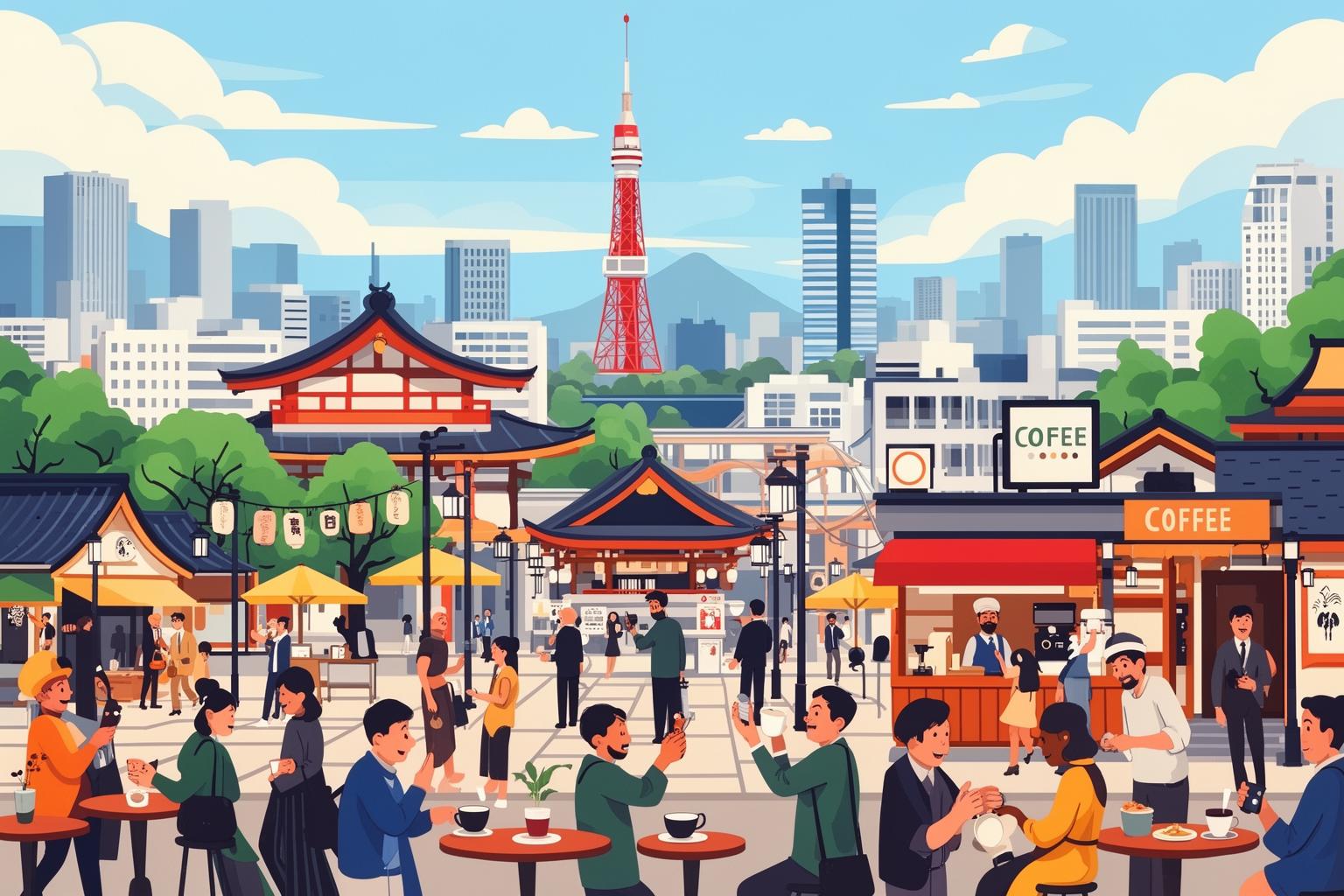
The kissaten is far more than a simple café. It is a complex, contradictory, and deeply human institution. It serves as a time machine, a community hub, and a cultural battleground all at once. It reflects both the most charming and the most challenging facets of life in Osaka: the strong community ties, the straightforward pragmatism, the persistent resistance to change, and the sometimes striking directness of its people.
Choosing to sit in a kissaten consciously means opting for a different type of engagement with the city. It’s a decision to exchange convenience for connection, polished service for personal quirks, and sterile cleanliness for a smoky, lived-in authenticity. For any foreigner seeking to truly grasp what makes Osaka unique, to delve beneath the surface and feel its genuine rhythm, there is no better classroom. Find a velvet booth, order a cup of strong, bitter coffee, and just listen. In the soft clinking of spoons and the low hum of regulars, you’ll hear the real, unfiltered, and wonderfully stubborn heartbeat of Osaka.