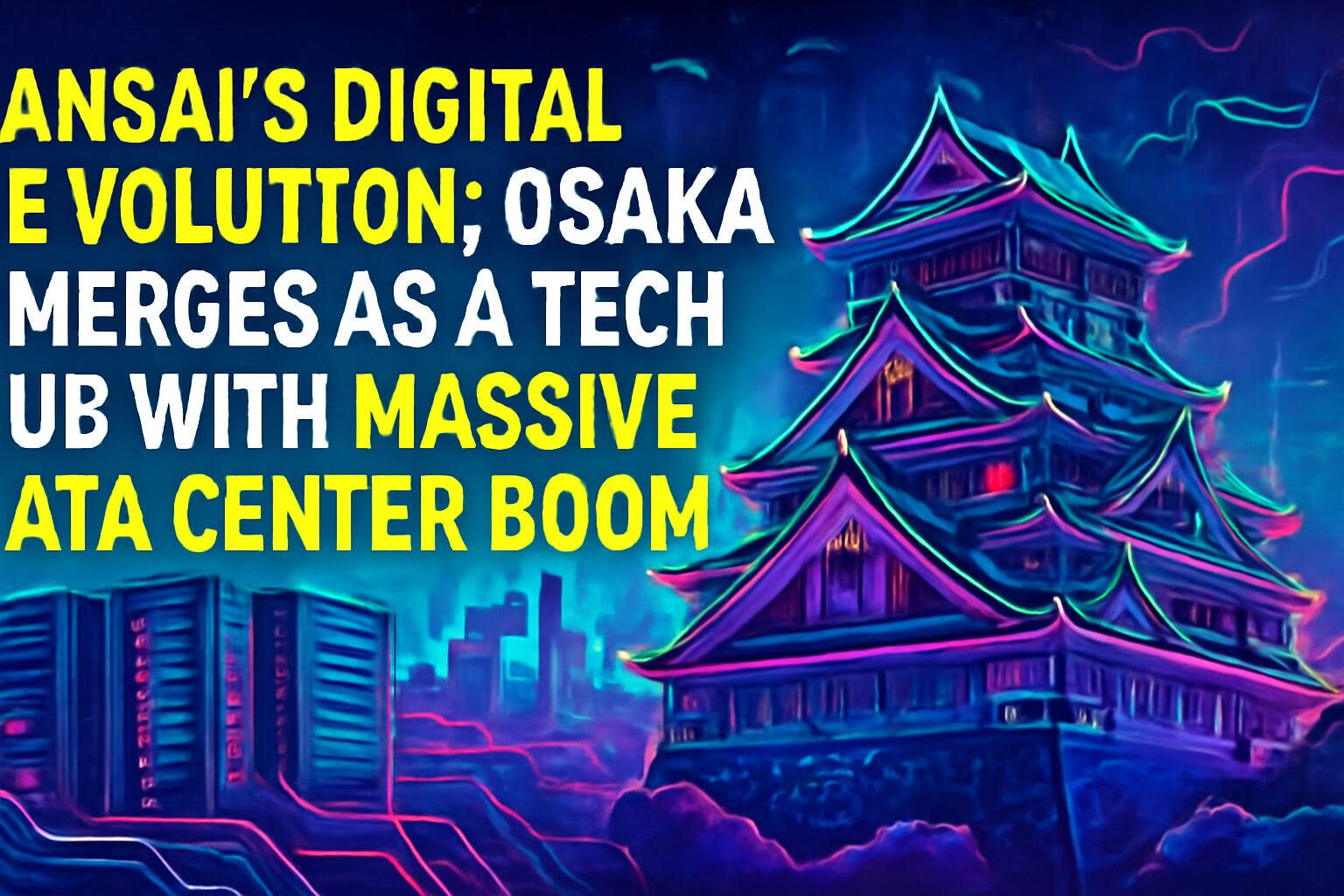
A New Digital Frontier in Western Japan
The Kansai region, traditionally known for its rich cultural heritage and vibrant culinary scene, is rapidly transforming into a pivotal hub for Japan’s digital future. A significant surge in data center construction is underway, particularly in and around Osaka, driven by the global explosion in demand for Artificial Intelligence (AI) and cloud computing services. This new wave of investment positions Kansai as a critical counterpart to the Tokyo metropolitan area, reshaping Japan’s technological landscape.
The Driving Forces: Why Kansai?
The global tech industry’s insatiable appetite for data processing power is the primary catalyst. As AI models become more complex and cloud services more integrated into our daily lives, the need for robust, high-capacity data centers has skyrocketed.
While Tokyo has long been the primary center for such infrastructure, companies are now actively investing in the Kansai region for several key reasons:
- Risk Diversification: Concentrating all critical digital infrastructure in Tokyo exposes the nation to significant risks from natural disasters, such as earthquakes. Building a secondary major hub in Kansai creates a more resilient network for the entire country.
- Robust Infrastructure: The region boasts a stable supply of electricity and a strong network infrastructure, essential for operating power-hungry data centers 24/7.
- Strategic Location: Osaka’s position as a major economic and transportation hub in western Japan makes it an ideal location for serving businesses across the region and beyond.
Unprecedented Investment Signals a High-Tech Future
The scale of this transformation is immense, with major corporations pouring billions into state-of-the-art facilities. A prominent example is the telecommunications company Optage, which announced plans on February 19, 2026, to invest approximately 300 billion yen by 2035.
Optage’s Ambitious Plan
Optage’s strategy involves developing multiple urban data centers in key locations, including the heart of Osaka. These facilities are not just warehouses for servers; they are fortresses of digital information, designed with cutting-edge technology and extreme resilience in mind. Key features include:
- High-Power Capacity: Designed to handle the intensive energy demands of AI processing and large-scale cloud operations.
- Emergency Preparedness: Equipped with powerful emergency generators capable of providing uninterrupted power for 72 hours without refueling, ensuring operational continuity even during major power outages.
This level of investment underscores a strong corporate confidence in Kansai’s future as a core component of Japan’s digital backbone.
What This Means for Travelers and the Future of Osaka
While the construction of data centers may seem distant from the typical tourist experience, its impact on Osaka and the wider Kansai region will be profound and multifaceted.
A Boost for Business and Tech Tourism
The influx of tech companies and related industries will inevitably attract a new wave of business travelers, engineers, and investors to the region. This could spur the development of new hotels, conference facilities, and services catering to a tech-savvy international audience, further enhancing Osaka’s reputation as a global business city.
Paving the Way for a “Smart City”
The massive data processing capabilities being built will serve as the foundation for future “Smart City” initiatives. For visitors, this could translate into a more seamless and connected travel experience in the coming years. Imagine AI-powered multilingual navigation, real-time crowd management at popular tourist spots like Dotonbori, and integrated public transport systems that make getting around easier than ever.
Economic Ripple Effects
This technological boom is expected to create jobs and stimulate the local economy, which can lead to the revitalization of urban areas and the emergence of new commercial and entertainment districts. For tourists, a thriving local economy means more innovative restaurants, unique shops, and a vibrant, dynamic atmosphere.
While the increased concentration of these vital facilities in urban areas raises questions about energy consumption and environmental impact, the trend undeniably marks a new chapter for Kansai. The region is skillfully blending its timeless traditions with a forward-looking vision, solidifying its status not just as a cultural capital, but as a rising powerhouse in the global digital economy.