The laptop clicks shut. The blue light of the screen fades, but its ghost still flickers behind your eyes. Your apartment, once a sanctuary, now feels like a compact office you can never quite leave. The workday is over, but the digital tethers remain, a low-grade hum of notifications and to-do lists buzzing in your subconscious. This is the universal reality of remote work in the 2020s—a life of convenient, connected, and chronic low-level burnout. In Tokyo, the solution might be a meticulously designed third-wave coffee shop, a high-intensity spin class, or a networking event in a glittering skyscraper. The focus is often on optimizing, on hustling, on turning downtime into another form of productive self-improvement. But this is Osaka, and Osaka has a different answer. It’s an answer that’s older, simpler, and infinitely more effective at washing away the residue of a hyper-connected day. The solution is just a short walk away, past the local takoyaki stand and the rumbling elevated train tracks, under a faded noren curtain. It’s the neighborhood sento, the public bathhouse. Here, the city offers its own unique prescription for the modern condition: the ‘sento-work’ balance. It’s a ritual that’s less about wellness trends and more about a deeply ingrained, practical approach to community, disconnection, and what it truly means to leave work behind. It’s where remote workers in this city are logging off their computers and plugging into something far more vital: the analog, unpretentious, and restorative heart of Osaka itself.
This ritual of community and disconnection is a cornerstone of life in Osaka, much like the unique social dynamics explored in our guide to finding your place in an Osaka share house.
The Third Place Isn’t a Cafe, It’s a Bathhouse
The concept of the “third place”—an essential anchor of community life beyond the home (the first place) and work (the second place)—has become a contemporary fascination. We search for cafes with the ideal blend of ambient noise and dependable Wi-Fi, bars offering the perfect craft beer selection, or community centers hosting carefully curated workshops. These places are meant for connection, yet often framed by productivity or consumption. You go there to work on a side project, network for your next job, or engage in a meticulously branded experience. The sento in Osaka entirely flips this notion. It’s a third place founded on the radical idea of subtraction. There is no Wi-Fi. Phones are banned past the changing room. Laptops feel out of place. The only interface is human, the only network the silent understanding shared among strangers in a moment of calm.
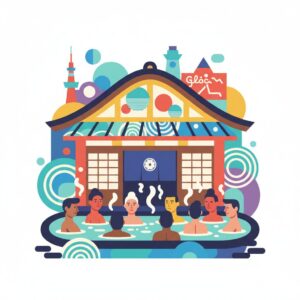
Entering a typical neighborhood sento is a full-sensory shift from digital to physical. The first thing you hear is the sound: the light jingle of the doorbell, the clatter of wooden shoe locker keys, the splash of water echoing, and the low murmur of conversation drifting through the steam-filled air. It’s an auditory scene that has remained largely unchanged for fifty years. Next, the smell: a fresh, humid blend of soap, cedar wood from the sauna, and the subtle, mineral scent of hot water. Your shoulders, tight from hours hunched over a keyboard, begin to relax before you’ve even removed your shoes. This is the decompression chamber, the threshold between your work life and your real life. Unlike a cafe, where you might still check your email one last time, the sento demands a firm stop. The act of undressing is symbolic; you are physically shedding the day’s responsibilities and stripping away the persona you wear at your desk. In this space, there are no job titles, project deadlines, or urgent Slack notifications. There is only the simple, profound reality of your own body, the warmth of the water, and the steam softening the harsh edges of the outside world.
For remote workers, this ritual forms a vital psychological boundary. The twenty-minute walk to the bathhouse replaces the evening commute, creating a physical and mental buffer erased by the home office. It is a conscious act of choosing to be unavailable. In a culture where constant responsiveness often defines professionalism, this intentional unavailability is a subtle act of rebellion. It declares that the workday indeed has a clear end. This isn’t about escaping reality; it’s about grounding yourself in it. It serves as a powerful reminder that before you are a graphic designer, a software engineer, or a freelance translator, you are a person who grows tired, aches, and benefits deeply from the straightforward, ancient therapy of hot water and human presence.
Where “Community” Gets Real (and Naked)
Every travel guide and blog post will tell you that “Osaka people are friendly.” This statement is so common it has become a cliché, often made without any real explanation. Is it simply that they talk to strangers more? Is it the dialect? The truth is more complex and much more interesting, and the sento is the best place to grasp it. The friendliness of Osaka isn’t an act; it’s a result of a culture grounded in practicality and close living quarters, shaped by its history as Japan’s merchant capital. In a city of traders and artisans, reputation and relationships were everything. Trust was built not in formal meetings, but in the shared, everyday spaces of the neighborhood—the market, the local eatery, and, of course, the bathhouse. The sento is the ultimate expression of this spirit. It is, quite literally, a level playing field.
When you’re naked, there are no signs of status. The CEO and the construction worker, the university student and the retired shop owner—they are all equal in the steam. This shared vulnerability encourages a unique kind of casual intimacy rarely found elsewhere. In Tokyo, a sento experience can sometimes be a solitary, quiet affair. People keep to themselves, maintaining an unspoken bubble of personal space. In Osaka, that bubble is much more permeable. It’s not unusual for a complete stranger—an elderly man whose body bears the marks of decades of hard work—to strike up a conversation while you’re scrubbing down. He might ask where you’re from, complain about the Hanshin Tigers’ latest game, or offer unsolicited but genuinely helpful advice on coping with the summer humidity.
These interactions are the lifeblood of the neighborhood. For a remote worker, who might spend eight hours a day speaking only to faces on a screen, this offers an invaluable antidote to isolation. You begin to recognize the regulars: the man who always comes at exactly 7 PM, the group of friends who meet every Friday, the father teaching his young son the proper way to rinse. You learn their faces, their routines. You might not even know their names, but a feeling of familiarity and belonging develops. A nod of recognition, a casual “Maido” (a classic Osaka greeting) or “Otsukaresama” (a phrase acknowledging the day’s hard work) exchanged in the changing room—these small gestures weave you into the social fabric of the place. This is not the structured, often transactional networking of a professional event. It is organic, unforced community. You are not connecting to climb a ladder; you are connecting because you are neighbors, sharing a moment of collective rest. For foreigners, this can be an incredibly powerful experience. It’s a way to feel like a resident, not just a visitor, to be seen as part of the local rhythm rather than an outsider looking in.
The Osaka Mindset: Practicality Over Performance
A fundamental pragmatism pulses through Osaka, a city that has long prioritized substance over style and results over rhetoric. After all, this is a city of merchants, where a good deal, a dependable product, and a hearty meal have always been the true currency. This practical mindset sharply contrasts with Tokyo’s focus on aesthetic perfection and obsession with form. While Tokyo might boast a designer sento with minimalist decor and artisanal soaps, the typical Osaka sento stands as a testament to function. It doesn’t aspire to be a spa or a luxury experience; it’s a public utility, as essential and unpretentious as a post office or bus stop.
The neighborhood bathhouse embodies Showa-era charm and efficiency. The tiles may be a bit chipped, the Mount Fuji mural faded, and the massage chairs in the lobby may rumble like a minor earthquake for just 100 yen. Yet, the water is scalding hot, the sauna blistering, and the cold plunge pool shockingly icy. It fulfills its purpose—and does it well—for about 500 yen. This is the Osaka mindset: why pay extra for unnecessary frills? This value proposition strongly appeals to the city’s residents, including the growing ranks of freelancers and remote workers who tend to be mindful of their budgets.
This sense of practicality also shapes how Osakans view well-being. While the modern wellness industry overflows with costly apps, exclusive retreats, and complex routines, the ‘sento-work’ balance is its opposite: simple, analog, and affordable, addressing the modern challenge of digital burnout. No need to overcomplicate it. Feeling stressed? Go to the sento. Back aching from sitting all day? Go to the sento. Feeling lonely? Go to the sento. It serves as an all-purpose remedy, a reset button accessible to everyone. This approach reflects a broader cultural difference—in Osaka, there’s less pressure to perform wellness or curate a flawless life for public display. Life is meant to be lived, not just shown. The sento offers a space of pure experience—no Instagrammable moments here. Its value lies not in the photos taken but in the deep, bone-weary relaxation you carry home through quiet streets, your skin tingling and your mind blissfully clear.
A Foreigner’s Guide to Sento Etiquette (The Unspoken Rules)
Despite its inviting atmosphere, the sento can feel daunting to newcomers, particularly foreigners. It is a space governed by a well-established set of unspoken rules, and the fear of making a social misstep is genuine. However, the etiquette is straightforward, and once you understand the basics, you’ll see it rests on a simple, common-sense idea: maintaining clean shared water and ensuring a peaceful experience for all. Mastering these guidelines will open the door to one of the most authentic aspects of daily life in Osaka.
Before the Bath: The Essential Rule of Washing
This is the single most crucial rule of the sento—one that must never be ignored. You must thoroughly wash your entire body before even considering entering the bathing tubs. Upon entering the main bathing area from the changing room, you will notice rows of small washing stations, each equipped with a stool, faucet, shower head, and bucket. This is your first stop. Take a stool, sit down, and scrub your whole body with soap. Most visitors bring their own small bag containing shampoo, conditioner, and body wash, while many sento provide basic soap. The key is to rinse off every last trace of suds before standing up. This practice is about more than personal hygiene; it shows respect for those who will share the baths with you. Entering the tub without washing is like walking into someone’s home wearing muddy shoes. Locals tend to be understanding toward foreigners, but this is one rule that will draw disapproving looks and possibly a polite but firm reminder from an older patron. Get this step right, and everything else will fall into place.
In the Tubs: Soaking, Not Swimming
Once you are thoroughly clean, you can move on to the baths. The tubs are intended for soaking, relaxing, and quiet reflection—not for swimming or splashing. Move carefully and calmly. When entering a tub, do so slowly to prevent waves. Choose a spot and settle in. Upon paying, you will receive a small towel about the size of a washcloth. This towel serves two purposes: maintaining modesty while walking around the bathing area and washing your body at the station. This small towel should never be dipped into the bath water. The usual practice is to place it on the edge of the tub or, as many regulars do, fold it and rest it on your head. Though it may seem odd at first, this is the correct way. Also, avoid dunking your head or swimming underwater. The water is meant for your body, not your hair. If you have long hair, tie it up to keep it out of the water. Essentially, treat the tubs as a communal, liquid meditation space.
Tattoos and Timidity
The subject of tattoos within Japanese bathing culture is complex and often misunderstood. Due to tattoos’ historical connection with the yakuza (Japanese mafia), many onsen (hot springs), gyms, and pools have long prohibited them. However, the actual situation, especially in a laid-back city like Osaka, is often different. Many smaller neighborhood sento are more tolerant of tattoos than larger, corporate-run facilities. Some display clear “No Tattoos” signs, which must be respected. Others have no signs and follow a don’t-ask-don’t-tell approach. Many more, recognizing the growing number of foreign visitors and evolving local attitudes, accept them without issue. The best advice is to check for signs upon entry. If there is none, you are probably fine, especially if your tattoos are small. Heavily tattooed visitors may face greater challenges, but entry is not impossible. The key is discretion and respect. Most locals are less concerned about your body art than whether you washed properly before entering the tub. Regarding any nervousness about nudity, keep in mind that no one cares. The sento is a practical, non-sexual environment where bodies of all shapes and sizes are completely normalized. Any self-consciousness will likely fade quickly as you realize everyone is simply there to unwind.
Finding Your Local: From Retro Showa to Modern Super Sento
Not all sento are made equal. Osaka presents a diverse range of bathing experiences, from nostalgic neighborhood spots to expansive, contemporary complexes. Discovering the right one for you adds to the pleasure of exploration. Each type provides a slightly different glimpse into the city’s culture and fulfills various needs within the ‘sento-work’ balance.
The Neighborhood Staple
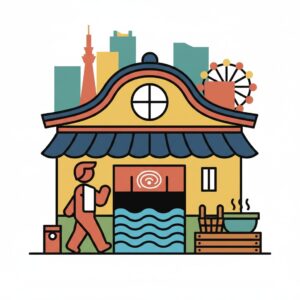
This represents the heart and soul of Osaka’s sento tradition. Often hidden on a quiet side street or tucked inside a covered shotengai (shopping arcade), these family-run establishments have served their local communities for generations. The architecture exudes Showa-era charm. You’ll notice the classic karahafu gabled roof, a tall chimney, and an interior that is lovingly preserved yet visibly aged. Inside, expect the iconic Mount Fuji mural (even in Osaka, Fuji remains the ideal), tile artwork showcasing carp or local scenery, and vintage ads for long-forgotten brands. The facilities are simple but functional: a hot tub, a warm tub, a cold plunge pool, and perhaps a small, intensely hot sauna. You might also encounter a denki-buro, or electric bath, which sends a low-voltage current through the water—a uniquely Japanese experience that feels like a gentle, tingling massage to some and a mild form of torture to others. These places foster the strongest sense of community. The entrance fee is low, the atmosphere lively and welcoming, and the clientele mostly from the nearby blocks. This is your spot for a quick, restorative daily soak.
The Modern Evolution
At the opposite end of the spectrum lies the “super sento.” These are larger, more modern facilities that blend the concept of a public bath with that of a full-scale resort. They often span multiple floors and offer extensive restaurant menus, massage services, relaxation rooms with reclining chairs and manga collections, and sometimes even karaoke rooms. The bathing areas themselves are vast, featuring a wide variety of pools. You might find outdoor baths (rotenburo), carbonated baths that cover your skin in tiny, tingling bubbles, herbal baths infused with seasonal plants like yuzu or mugwort, and jacuzzi jet baths designed to melt away muscle tension. While they don’t have the intimate, neighborhood vibe of a traditional sento, they serve a different purpose. These are the places to go when you need a longer retreat—a full evening or even a weekend afternoon devoted to deep relaxation. For remote workers, a visit to a super sento can feel like a mini-vacation, a chance to fully recharge after a stressful week or a major project deadline. They cost more and feel less personal but provide an unmatched level of comfort and variety.
More Than a Bath: The Post-Sento Ritual
The ‘sento-work’ balance doesn’t abruptly end the moment you step out of the water. The return to the outside world is gently eased by a final, cherished ritual in the datsuijo, or changing room. After drying off and dressing, patrons linger. This is the cool-down lap, an essential part of the experience where the sense of communal relaxation is firmly cemented.
At the heart of this ritual is the post-bath drink. Every sento features a collection of vintage-style refrigerators filled with small glass bottles. The undisputed favorite is furutsu gyunyu (fruit milk), a sweet, nostalgic blend that tastes like a melted creamsicle. Another classic option is coffee milk. For many Japanese, the flavor of these drinks is inseparable from the feeling of post-sento bliss experienced in childhood. Adults often choose a cold beer, which feels incredibly crisp and refreshing after time spent in the hot sauna. The classic post-sento pose is hand on hip, chugging the ice-cold bottle in one go. It’s a moment of simple, perfect satisfaction.
This is also where conversations from the bath carry on. People gather on the worn vinyl benches or in the small lobby, fanning themselves, watching sumo matches on the old TV, and chatting. The topics remain light—the weather, local news, the cost of vegetables. It serves as the final buffer between the sanctuary of the sento and the demands of the outside world. It gently eases you back to reality, but you don’t leave behind the sento’s peace. You carry it with you. As you step out the door and onto the street, the city air feels cooler on your skin. The traffic noise seems more distant. Your body is heavy with relaxation, and your mind is clear. The digital world with its endless demands still waits on your phone and laptop, but it has lost its urgency. You’ve been recalibrated. For a few hundred yen and an hour of your time, you’ve attained what costly wellness retreats promise: a genuine disconnect, a moment of true community, and the quiet strength to face another day. That is the brilliance of the sento-work balance, an age-old solution that feels more essential now than ever.