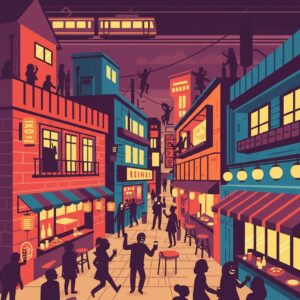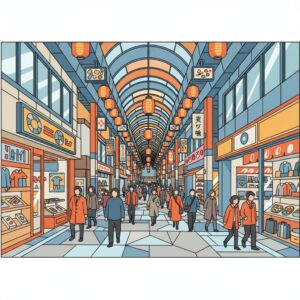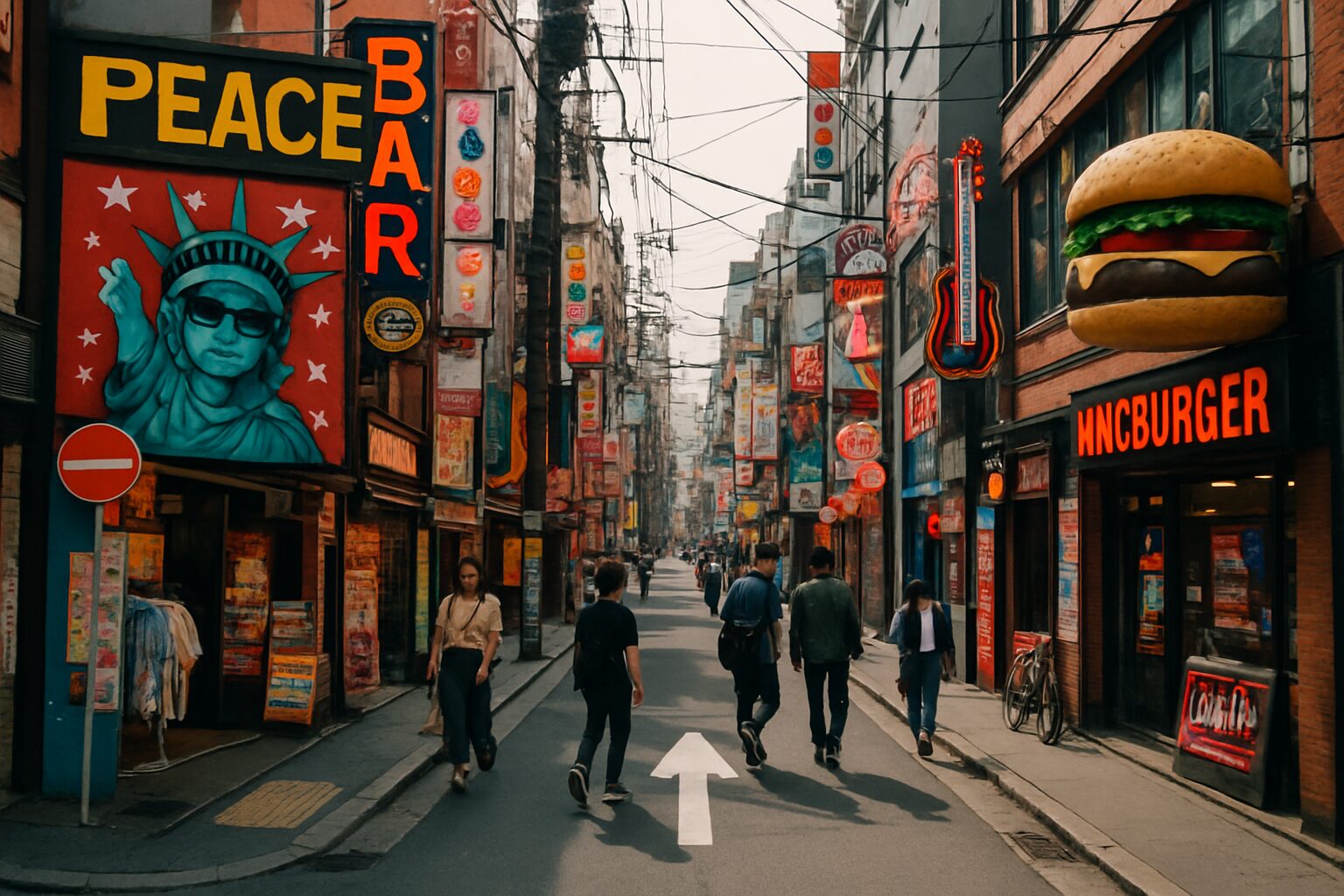
Step out of Shinsaibashi Station, navigate through the glittering, high-fashion artery of the main covered arcade, and take a turn. Suddenly, the air changes. The polished gleam of international brands gives way to a raw, kinetic energy. The sterile silence is replaced by a thumping bassline spilling from a basement record shop and the chatter of kids perched on concrete steps. You’ve just crossed the invisible border into another world. This is Amerikamura, or ‘Amemura’ as it’s affectionately known—a vibrant, chaotic, and endlessly fascinating neighborhood that serves as the beating heart of Osaka’s youth culture. It’s more than just a place; it’s a declaration of identity, a living museum of street style, and a concrete canvas where the city’s creative spirit runs wild. For decades, this has been the epicenter of counter-culture, the place where trends are born not in boardrooms, but on the pavement of Sankaku Koen, the iconic Triangle Park. This is where you come not just to shop, but to see, to be seen, and to feel the pulse of a city that has always danced to its own rhythm. Forget what you think you know about Japanese fashion and culture; Amemura is here to show you its unfiltered, unapologetic soul, a riot of color, sound, and attitude packed into a few dense city blocks.
If you’re looking for a more curated, creative workspace after soaking in Amerikamura’s raw energy, consider exploring the laptop-friendly cafes and coworking spaces in the nearby Horie district.
The Echo of a Dream: Unraveling Amemura’s Past
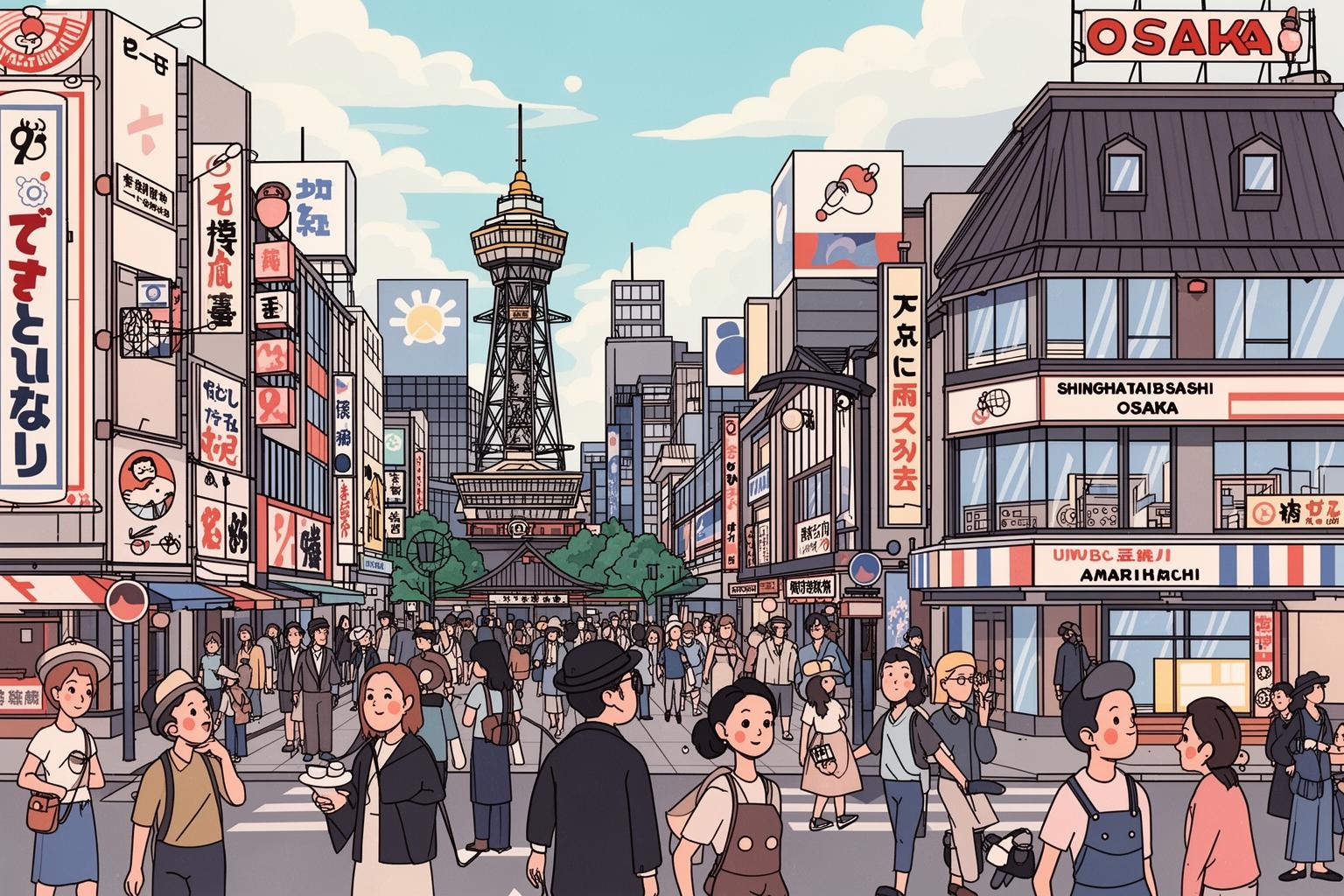
To genuinely grasp the vibrant chaos of Amerikamura today, you need to rewind back to the late 1960s and early 1970s. This district, once a quiet area dotted with warehouses and parking lots, was never meant for cultural prominence. It was a blank canvas, a forgotten pocket beside the bustling Shinsaibashi commercial district. Its transformation didn’t come from top-down urban planning but emerged as a grassroots movement, ignited by a few visionary individuals passionate about something different. The story of Amemura is deeply intertwined with the cultural spirit of post-war Japan. The country was experiencing its economic miracle, and with prosperity came a rising youth culture eager for new forms of expression. American culture—disseminated through movies, music, and magazines—embodied a rebellious freedom and casual coolness that sharply contrasted with Japan’s formal traditions.
It all started with a single café, a gathering place for young creatives. Soon after, pioneering entrepreneurs began converting the empty warehouses into shops. They recognized an opportunity. Flying to the United States—especially to places like California and Hawaii—they filled shipping containers with treasures that were rare in Japan at the time. We’re talking about vintage Levi’s jeans, worn leather jackets, psychedelic rock vinyl records, old surfboards, antique toys, and countless other cultural artifacts. These weren’t merely products; they were fragments of a dream, pieces of an idealized American lifestyle. These stores became havens for young people wanting to look and feel different. They offered an alternative to the mass-produced goods found in department stores, a chance to craft a unique identity.
The name ‘Amerikamura,’ meaning ‘America Village,’ emerged naturally from this phenomenon. It was a nickname given by the people who flocked there, reflecting the origins of the goods that defined its character. One of the most iconic symbols of this era is the giant mural of a clown holding a coffee cup, painted by artist Seitaro Kuroda. This wasn’t just decoration; it was a bold statement, a landmark signaling the area’s creative and slightly eccentric identity to the world. At the heart of it all was, and remains, Sankaku Koen, or Triangle Park. This small concrete plaza became the de facto town square. Though not originally designed as a meeting spot, it was embraced by youth as their own. It transformed into an open stage for aspiring musicians, a gallery for street artists, and a runway for fashion lovers to show off their latest thrift store finds. The park’s raw, unpretentious atmosphere perfectly captured the spirit of Amemura itself—a place shaped not by planners, but by the people who lived there. This organic growth is the secret behind its lasting charm. It wasn’t manufactured; it was authentic, born from a sincere desire for self-expression and community.
The Concrete Runway: A Symphony of Style
The most immediate and overwhelming sensation in Amerikamura is visual. It’s a full-frontal assault on the senses, with fashion at the forefront. This isn’t the curated, high-end style of the nearby Shinsaibashi-suji or the understated minimalism found elsewhere in Japan. Amemura’s fashion is loud, eclectic, and deeply personal. The streets serve as the ultimate runway, and the everyday people become the models, treating their outfits as forms of high art. Walking through Amemura is like witnessing a living, breathing catalogue of decades of subcultures, all coexisting and blending in a beautiful, chaotic harmony. It’s a place where individuality is not only accepted but celebrated, where the boldest statement you can make is simply being yourself, turned up to the highest volume.
The Art of the Second Hand: Vintage Havens
At the heart of Amerikamura’s fashion identity lies its strong connection to vintage and thrifted clothing. This is where the story began, and the tradition remains vibrant. The vintage shops here are anything but dusty or forgotten; they are carefully curated style archives. Shelves and racks brim with treasures from various eras. You might find perfectly faded American university sweatshirts from the ’80s hanging beside intricate Japanese sukajan (souvenir jackets) from the ’50s. There are sections dedicated solely to classic denim, from raw selvedge to acid-washed ’90s styles, and walls adorned with vintage band tees that are as much a piece of music history as apparel. Japanese vintage is renowned for its quality, with items often impeccably maintained—a reflection of a culture that values longevity and craftsmanship. Thrifting in Amemura is an active pursuit, a treasure hunt. You need to be willing to sift through piles, squeeze down narrow aisles, but the reward is finding that unique piece that resonates with you—a garment with its own history that you now get to carry forward. It’s both a sustainable and profoundly personal way to build a wardrobe, embodying the ethos of the neighborhood itself.
Osaka Original: The Rise of Local Streetwear
Though its roots lie in American imports, Amerikamura has evolved into a fertile ground for local talent. The area is peppered with small, independent boutiques showcasing the creations of Osaka designers. Here you’ll find the cutting edge of Japanese streetwear—a unique fusion of global influences like hip-hop, skate culture, and punk rock, all filtered through a distinctly Osaka perspective. The style emphasizes bold graphics, experimental shapes, and a playful, often irreverent attitude. Unlike the sometimes sober minimalism of Tokyo’s streetwear, Osaka’s fashion carries a bit more swagger and grit. Many shop owners are the designers themselves, deeply passionate about their work. Stepping into these stores is an experience: loud music, artistic decor, and staff who are part of the scene. They’re there not just to sell clothes but to share culture and inspiration. It is within these intimate boutiques that the future of Amemura’s style is shaped, proving the village is no longer merely a consumer of culture but a powerful creator.
Beyond the Mainstream: Echoes of Subculture
Amemura has always been a haven for those who embrace the edgier side of fashion. While dominant styles may evolve, it remains a place where various subcultures find refuge. On any given weekend, you might catch glimpses of punk with its ripped fabrics, leather, and rebellious studs, the intricate doll-like elegance of Lolita fashion, or the dark, dramatic flair of Gothic style. Though these subcultures may be less dominant than in their prime, their impact on the area’s aesthetic DNA endures. Their influence is visible in small details—a touch of lace on a streetwear hoodie, a hint of plaid on a vintage jacket. More importantly, their ongoing presence highlights Amemura’s core promise: here, you’re free to be whoever you want, without judgment. This spirit of inclusivity keeps the fashion scene dynamic and resilient.
The Sidewalk is the Stage: People-Watching in Triangle Park
Ultimately, the real fashion show in Amerikamura happens not inside shops but outside in Triangle Park, the village’s beating heart and central gathering place. On sunny afternoons, the park’s steps and ledges fill with young people. They aren’t necessarily doing much—just hanging out, chatting, listening to music, and most importantly, showcasing their style. This is where you can genuinely appreciate the creativity and diversity of Osaka’s youth. Groups of skaters in baggy jeans and local tees share space with couples dressed in perfectly coordinated vintage outfits. Hair bursts with every color of the rainbow, tattoos intricate, and makeup bold and experimental. The atmosphere is relaxed and communal—a living gallery of self-expression. For visitors, one of the best pastimes is grabbing a coffee or takoyaki, finding a seat, and simply watching. It’s a masterclass in personal style and a powerful reminder that in Amerikamura, fashion extends beyond clothing; it’s about community, identity, and the art of living out loud.
A Canvas of Sound and Color: Art and Music in the Village
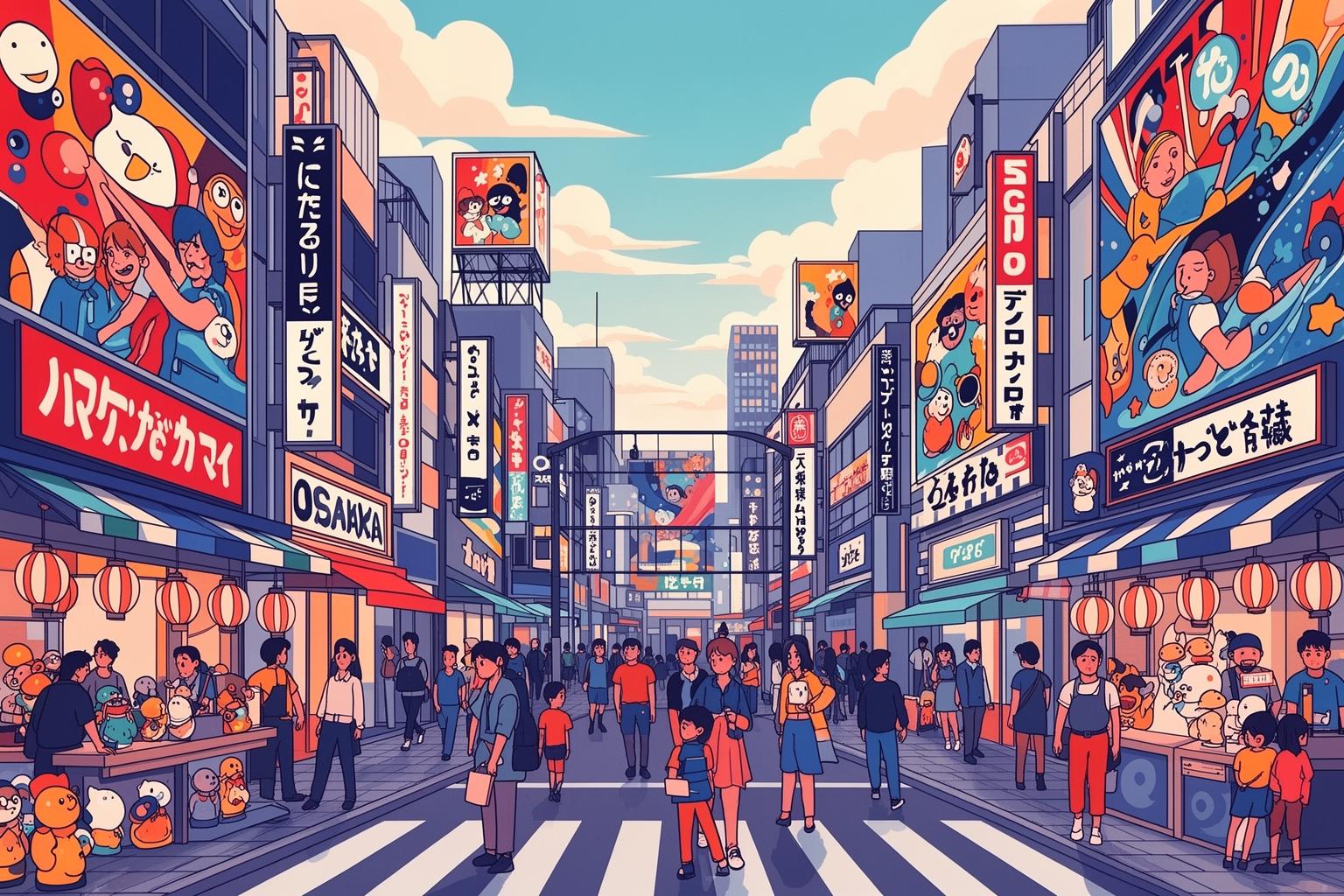
Amerikamura’s creative energy extends beyond fashion; it bursts onto every available surface and reverberates from the basements of its buildings. The neighborhood stands as a vibrant testament to the dynamic synergy between visual art and music. Its very aesthetics are shaped by a dense layering of artistic expression, ranging from large, commissioned murals to the ephemeral tags of graffiti artists. This visual chatter is paired with a continuous soundtrack—the muted beat from a club, the distorted guitar riff from a live house, the crackle of vintage vinyl from a record store. To experience Amemura is to dive into a multi-sensory realm where the boundaries between art forms blur, creating a culture that’s as exciting to hear as it is to see.
Walls That Speak: The Ever-Changing Gallery of the Streets
Long before street art gained global prominence, the walls of Amerikamura served as a canvas for Osaka’s artists. The entire neighborhood operates as an open-air gallery. Among its most iconic and unmissable features are the whimsical, human-shaped streetlights lining the main road, their playful design setting a creative tone from the moment you arrive. Shop shutters, once plain metal doors, are now adorned with intricate murals, so evening strolls reveal an entirely different array of artworks. Tucked away in alleyways and on building sides, a rich tapestry of graffiti, stickers, and stencils awaits discovery. This is not vandalism; it’s a fundamental part of the area’s visual identity—an ongoing dialogue among numerous anonymous artists. At the heart of this scene is the legendary “Peace on Earth” mural by Seitaro Kuroda, a massive, vivid work that has overseen the district for decades, symbolizing its lasting creative spirit. The art here is never static. New works emerge frequently as older pieces fade or are painted over. This ever-changing nature makes every visit to Amemura a unique opportunity to witness the latest chapter in the neighborhood’s evolving visual story.
The Heartbeat of the Underground: Live Houses and Local Sound
If street art represents Amemura’s visual soul, then its music scene is its pulsing heart. The area boasts some of Osaka’s most iconic raibu hausu, or live music venues. These are not grand arenas but rather small, intimate, and gritty basement clubs where the energy of the performance resonates through the floor. Venues such as Shinsaibashi BIGCAT, JANUS, and SUNHALL have nurtured Japan’s independent music scene for years, hosting genres spanning punk rock, heavy metal, indie pop, and hip-hop. Many bands launched their careers here, performing to small yet passionate audiences. Attending a show in Amemura is an intense, immersive experience. The sound is loud, the crowd vibrant, and the connection between artist and audience deeply felt. It’s a raw and genuine way to experience live music’s power. The influence of these venues reaches beyond their walls; they shape the neighborhood’s fashion, attitude, and overall rhythm. The youths hanging out in Triangle Park are often coming from or heading to gigs, their band t-shirts acting as tribal symbols of their musical loyalties.
Grooves in the Crates: The Vinyl Soul of Amemura
In an era dominated by digital streaming, Amerikamura proudly champions analog sound. The neighborhood hosts an exceptional concentration of independent record stores, making it a haven for vinyl enthusiasts and music lovers alike. Shops like King Kong Records are institutions—legendary spots where you can spend hours sifting through crates of both new and used vinyl. The selection is impressively diverse, including genres from classic rock and jazz to obscure Japanese city pop, punk, and the latest electronic releases. These stores are more than mere retail outlets; they are cultural hubs. Staff members are musical encyclopedias, always ready with recommendations or to discuss the nuances of rare pressings. The tactile experience of flipping through records and uncovering hidden gems feels perfectly at home in a neighborhood that prizes authenticity and craftsmanship. The enduring success of these record stores highlights Amemura’s dedication to preserving tangible cultural artifacts, ensuring the rich legacy of music can be held, heard, and treasured.
Fueling the Vibe: The Tastes of America Village
Creativity needs fuel, and in Amerikamura, the food scene is as diverse and lively as its fashion and art. This neighborhood isn’t meant for quiet, formal dining. Its culinary landscape caters to a fast-paced lifestyle, perfect for grabbing a quick bite between vintage shopping and catching live performances. It’s a realm of street food, quirky cafes, and casual bars, all adding to the area’s vibrant and social vibe. The food is quick, enjoyable, and often photogenic, meant to be savored on the steps of Triangle Park or while strolling through the colorful streets. It’s an essential element of the Amemura experience, offering the tasty, accessible energy that fuels the cultural heartbeat.
One of the most iconic sights in Amemura’s food world is the impossibly tall soft-serve ice cream cone. Extending far beyond a typical cone, this gravity-defying treat is a social media sensation and a ritual for many visitors, perfectly embodying Amemura’s playful character. Naturally, being Osaka, takoyaki stands are a must. The octopus balls here often come with inventive toppings beyond the usual sauce and bonito flakes, such as melted cheese or spicy mentaiko. These stands serve as social gathering spots where friends huddle around trays of steaming takoyaki before heading out for the evening. The neighborhood is also renowned for its crepes, both sweet and savory, along with numerous bubble tea shops that keep the younger crowd energized.
Beyond street food, Amemura is dotted with cafes that function as daytime retreats and creative spaces. These aren’t your typical chain coffee shops. Each cafe boasts its own unique vibe, ranging from industrial-chic interiors with exposed concrete walls to retro diners seeming to have been plucked from 1950s America. They are places to relax, people-watch, and absorb the ambiance. Laptops and sketchbooks appear as often as coffee cups, with local creatives treating these spots as informal offices and meeting places. When night falls, the atmosphere changes. The neighborhood’s many small, often hidden bars come alive. You’ll find everything from cozy rock bars covered in band posters to lively standing bars perfect for a quick drink. The nightlife here isn’t about flashy clubs but rather intimate, character-rich venues where you can enjoy genuine conversations and good music. Eating and drinking in Amerikamura goes beyond nourishment; it’s about engaging in the community and forms a vital part of the village’s daily rhythm.
A Sensory Expedition: How to Experience Amerikamura
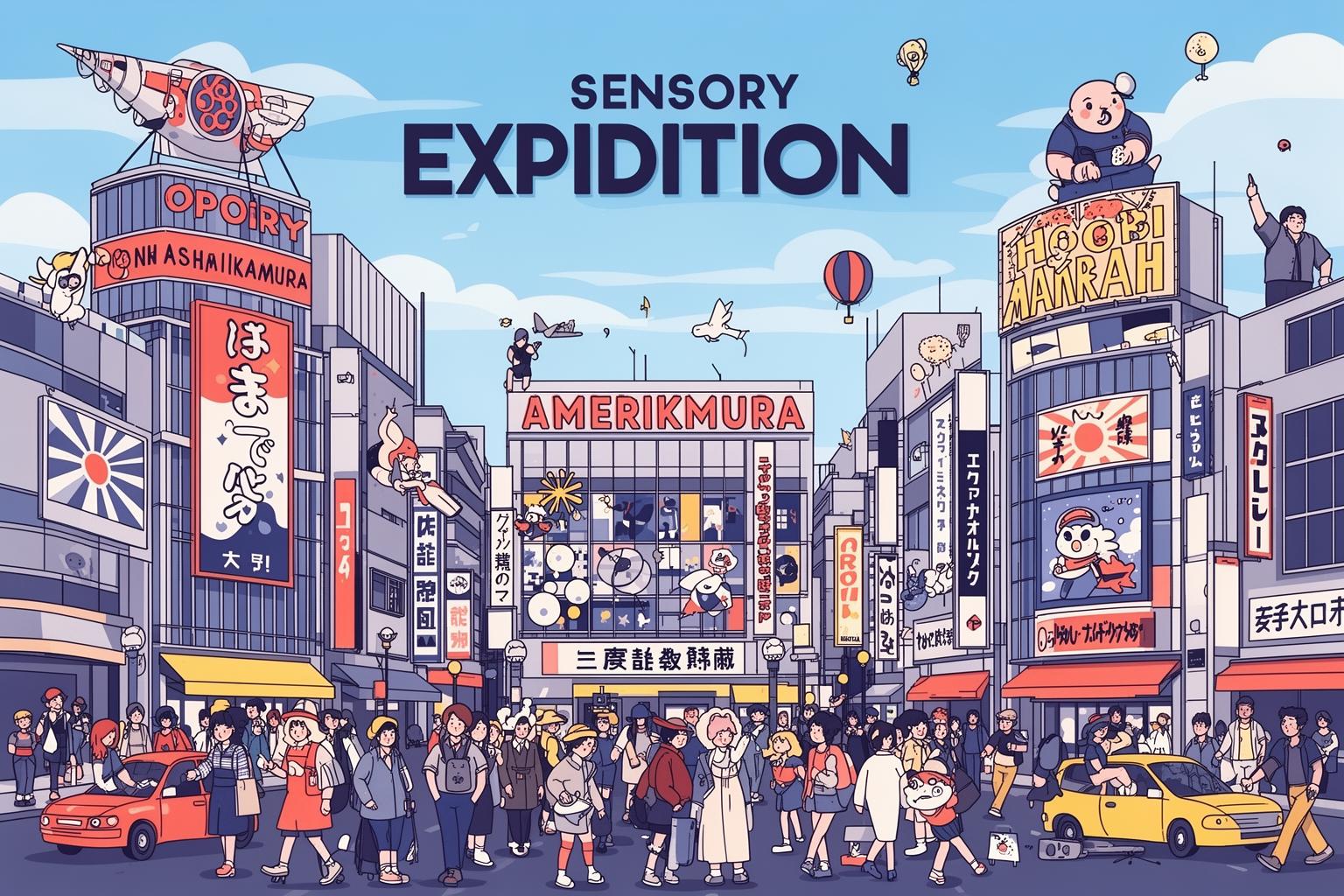
Amerikamura is not a place to be observed from the window of a tour bus. It’s a neighborhood that calls for immersion, rewarding those willing to wander, get a little lost, and engage all their senses. The best way to explore it is without a strict itinerary. Let your curiosity lead you. Follow the sound of a distant guitar, be attracted by a colorful mural tucked away in a narrow alley, or step into a shop simply because its name catches your eye. This is how you uncover the true spirit of the village and the hidden gems beyond the main streets.
A Walker’s Guide to Getting Lost
Start your journey by leaving Shinsaibashi or Yotsubashi Station and head west from the main Shinsaibashi-suji shopping arcade. You’ll know you’ve arrived when the architecture shifts and the crowd grows younger and more diverse. A good place to begin is the street marked by the iconic clown mural. From there, let yourself flow with the current. The main streets offer a great introduction, lined with flagship vintage stores and streetwear brands. However, the real magic lies in the side streets. Venture into the narrow lanes branching off from Triangle Park, where you’ll find smaller, specialized boutiques, tiny art galleries, and hidden eateries. Notice the details: stickers plastered on lampposts, artwork on roll-down shutters, and unique window displays. The neighborhood is compact, so you can’t truly get lost; every turn will eventually bring you back to a familiar spot, but it’s the journey between that reveals the discoveries. Walking through Amemura should be a leisurely loop, a slow spiral that always returns to its heart—Triangle Park. Take a moment to sit on the steps, soak in the atmosphere, and simply become part of the vibrant tapestry for a while.
Insider Tips for First-Timers
To get the most out of your visit, a few practical tips can help. The best time to experience Amemura’s full energy is on a weekend afternoon, when the streets are bustling, people-watching is at its best, and the neighborhood pulses with life. Weekday mornings are quieter, offering a better chance to explore shops without the crowds, but you’ll miss some of the lively street culture. Most independent shops operate on their own schedules but usually open late, around noon, and stay open until 8 or 9 PM. Bars and live houses keep the energy alive late into the night. While credit cards are commonly accepted in larger stores, many smaller vintage shops, food stalls, and independent boutiques are cash-only, so it’s wise to carry some yen. Don’t hesitate to interact with shop staff—many are artists, musicians, and designers themselves and offer great insights into the local scene. Ask them about their favorite bands or where to find the best coffee. Their passion for the culture is contagious. Above all, come with an open mind. Dress in a way that makes you feel comfortable and confident. Amerikamura is a judgment-free zone that celebrates authenticity above all else; the only fashion mistake is being afraid to express yourself.
The Enduring Spirit: Amerikamura Today and Tomorrow
Like any center of counter-culture, Amerikamura is constantly evolving. It has endured economic slumps, changing fashion trends, and the inevitable spread of commercialization. Recently, larger mainstream brands have established themselves on its outskirts, and the surge in tourism has shifted its atmosphere. Some longtime residents mourn the loss of its original gritty character. However, dismissing Amemura as a mere shadow of its past would be mistaken. The spirit of the district is resilient. For every original warehouse shop that closes, a new independent brand run by a passionate young designer seems to emerge in a hidden alley. The street art continues to develop, live music still shakes the foundations, and Triangle Park remains the unmistakable heart of youth gathering. The essence of Amerikamura—as a haven for self-expression and a cradle for grassroots creativity—remains firmly intact. It continues to fulfill its crucial role as Osaka’s cultural laboratory, a place where the next generation is free to experiment, create, and define what it means to be young, creative, and unapologetically themselves in the heart of one of Japan’s most vibrant cities. It has proven that it is more than just a place; it is an idea, and ideas are far harder to control or erase.
Your visit to Amerikamura is more than a shopping trip; it’s a meeting with the living, breathing soul of Osaka’s youth. It’s a place to be inspired, surprised, and perhaps to uncover a new side of yourself. So, explore its streets, listen to its music, and admire its art. Let the raw, creative energy of the district wash over you. Don’t just observe it—be a part of it. Find that perfect vintage jacket, discover your new favorite band in a crowded basement club, or simply sit in Triangle Park and watch the world’s most fascinating fashion show unfold before you. This is Amerikamura. It’s loud, chaotic, and wonderful. And it’s ready for you to find your own rhythm within its vibrant beat.