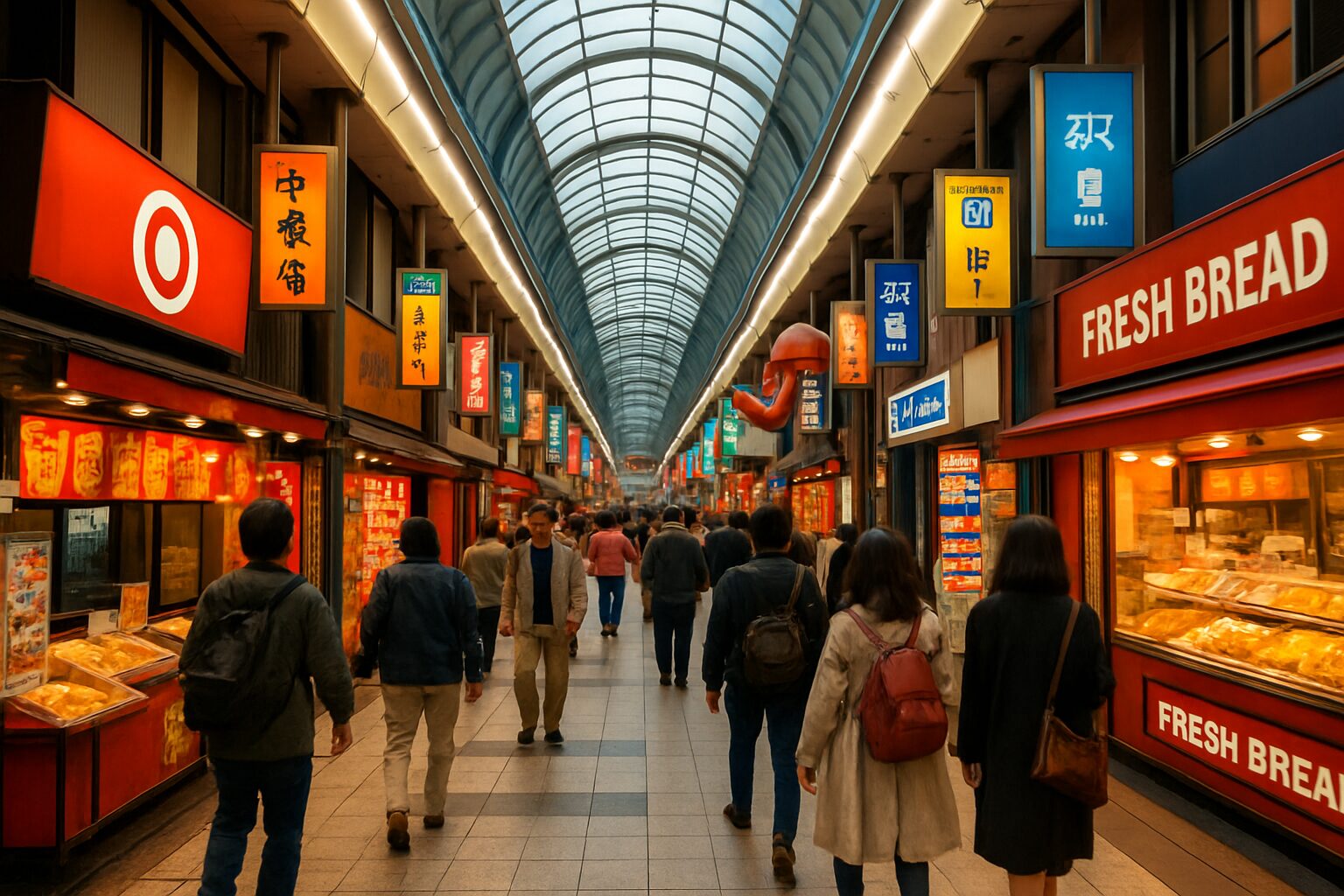
Step off the train, away from the glittering high-rises and the silent, sleek efficiency of modern Japan, and you’ll feel a shift in the city’s pulse. Here, under the long, covered roofs that stretch for blocks, you’ll find the true, thrumming heartbeat of Osaka. This is the world of the shotengai—the local shopping arcade. It’s a universe away from the sterile perfection of a department store. A shotengai is a living, breathing entity, a vibrant corridor of commerce and community that has nourished the city’s soul for generations. It’s where grandmothers on bicycles haggle for daikon radishes, where the air hangs thick with the savory smoke of grilling takoyaki, and where the daily rhythm of life plays out in a symphony of friendly shouts, clattering pans, and the shuffling feet of shoppers. For anyone wanting to truly live in Osaka, not just visit it, understanding the shotengai is your key. It’s not just a place to buy things; it’s a place to connect, to taste the real flavors of the city, and to do it all without breaking the bank. This is where kuidaore—Osaka’s philosophy of eating until you drop—is born and perfected, not in fancy restaurants, but in the humble, delicious offerings of these covered streets. It’s an unfiltered, authentic, and utterly essential Osaka experience.
While the shotengai offers an authentic, budget-friendly experience, those seeking a different kind of luxury can look forward to the upcoming luxury urban resort in Osaka Bay.
The Endless Corridor: Tenjinbashisuji Shotengai

It is said to be the longest in Japan, and as you walk along it, you quickly believe the claim. Tenjinbashisuji Shotengai stretches an impressive 2.6 kilometers, standing as a powerful testament to the enduring appeal of the local arcade. Running in a straight line from north to south, it cuts through several neighborhoods, each offering its own distinct character. Walking its full length becomes a journey, an afternoon pilgrimage through the very spirit of everyday Osaka. The arcade is segmented into sections called chome, with the atmosphere shifting as you proceed. Near the southern end, closer to Tenmangu Shrine, the mood is more traditional and reverent. Here, shops sell senbei rice crackers made using century-old methods, quiet tea houses host elderly men engrossed in go games, and artisans offer handcrafted kitchen knives.
Moving north, the energy intensifies. The scent of frying oil and sweet soy sauce fills the air as the arcade buzzes with daily commerce. Butchers loudly promote their fresh cuts, their voices forming a melodic chant, while greengrocers arrange colorful, towering displays—gleaming apples, massive white radishes, and fragrant bunches of green onions. Prices here could make you rethink shopping at big supermarkets. Spinach costs just a hundred yen a bag, and fresh eggs go for a fraction of what you’d expect. This is where Osakans come for genuine, everyday shopping, not for show but for tonight’s meal.
Among these essential shops, purveyors of pleasure are scattered throughout. A small stand with a line spilling into the street likely sells korokke—crispy, deep-fried potato croquettes under a dollar each—crispy outside, fluffy and steaming inside, perfectly fueling your walk. Dozens of takoyaki stands line the arcade, each boasting a fiercely loyal following and a secret ingredient in their batter. Watching vendors expertly flip dough balls with two metal picks in smooth, hypnotic motions is a show in itself. There are also clothing stores selling not high fashion but comfortable, practical, and incredibly affordable daily wear—piles of t-shirts, racks of sensible pants, and shoes designed for comfort rather than runways. This is fashion for the people, by the people.
To truly savor Tenjinbashisuji, slow your pace and explore the side alleys branching off the main path. You might discover a tiny standing-only sushi bar, a retro kissaten (coffee shop) seemingly frozen in the 1970s, or a shop dedicated solely to kombu seaweed. The best way to experience it is with no set destination. Start at one end—whether at Tenjinbashisuji 6-chome Station in the north or Ogimachi or Minami-morimachi in the south—and just walk. Let your nose guide you and pause whenever something catches your attention. The incredible variety is overwhelming and delightful. Within just a few meters, you might find a 100-yen store, a high-end kimono shop, a pachinko parlor, and a quiet bookstore all side by side. This chaotic, beautiful, and endlessly captivating arcade is a city in miniature, embodying Osaka’s pragmatism, its love for good food, and its warm, unpretentious spirit.
Osaka’s Kitchen: The Sensory Overload of Kuromon Ichiba Market
If Tenjinbashisuji is considered the city’s living room, Kuromon Ichiba serves as its kitchen. This is where the ingredients for Osaka’s iconic food culture are gathered, celebrated, and eagerly savored. For more than a hundred years, this covered market has been the preferred destination for the city’s top chefs and meticulous home cooks alike. Although it has recently become a popular spot for tourists, its essence as a bustling market endures. Arrive early in the morning, and you’ll witness the true hustle: restaurant owners in aprons scrutinizing the day’s catch, alongside locals completing their weekly grocery shopping. The name Kuromon, meaning ‘black gate,’ traces back to when a gate from a nearby temple once stood here. While the temple itself has long vanished, the name and the market’s crucial role persist.
Stepping into Kuromon overwhelms your senses. The air is cool, carrying the fresh, salty aroma of the sea—a clean, briny scent from numerous fishmongers showcasing gleaming seafood on beds of ice. You’ll observe giant tuna expertly sliced, live scallops moving in their shells, and shimmering mounds of salmon roe. Vendors’ sharp, rhythmic calls—conveying prices and freshness—resonate throughout the arcade. But Kuromon is more than a visual feast; it’s meant to be tasted. It’s the heart of tabe-aruki, or eating while strolling (though politely stepping aside to eat is recommended).
Almost every stall offers ready-to-eat versions of their specialties. The fishmonger with enormous prawns grills them on the spot, lightly salted to highlight their natural sweetness. The wagyu beef vendor sears perfect, bite-sized cubes of marbled steak on a hot plate, the sizzling fat releasing a tempting aroma. You can purchase a single, freshly shucked giant oyster served with a lemon wedge, or perhaps a skewer of grilled eel (unagi) glazed with a sweet and savory sauce. One of the market’s most celebrated treats is sea urchin (uni), served fresh in its spiny shell—a taste of pure, creamy indulgence enjoyed right in the lively aisle.
Beyond seafood, Kuromon is a treasure chest of other Japanese delicacies. There are pickle shops (tsukemono) filled with barrels of every imaginable vegetable, preserved in salt, vinegar, or rice bran. The variety is impressive, from vivid pink pickled ginger to crunchy mustard-flavored daikon. These are more than mere side dishes; they form a fundamental part of a Japanese meal, and vendors are eager to offer samples. You’ll also find shops specializing in fugu, the infamous pufferfish, carefully prepared by licensed chefs. For a sweeter experience, visit the mochi stands, where glutinous rice is pounded into soft, chewy cakes, often filled with sweet red bean paste and dusted with roasted soybean powder (kinako). Don’t overlook the fruit stalls, selling some of the most exquisite and expensive fruits you’ll ever see—perfectly formed white strawberries and massive grapes—along with freshly squeezed juices and fruit skewers for a more budget-friendly delight. A visit to Kuromon is a culinary journey. It may be crowded and hectic, but that’s part of its appeal. Arrive hungry and curious, and let Osaka’s kitchen nourish your soul.
The Chef’s Secret: Sennichimae Doguyasuji Shotengai
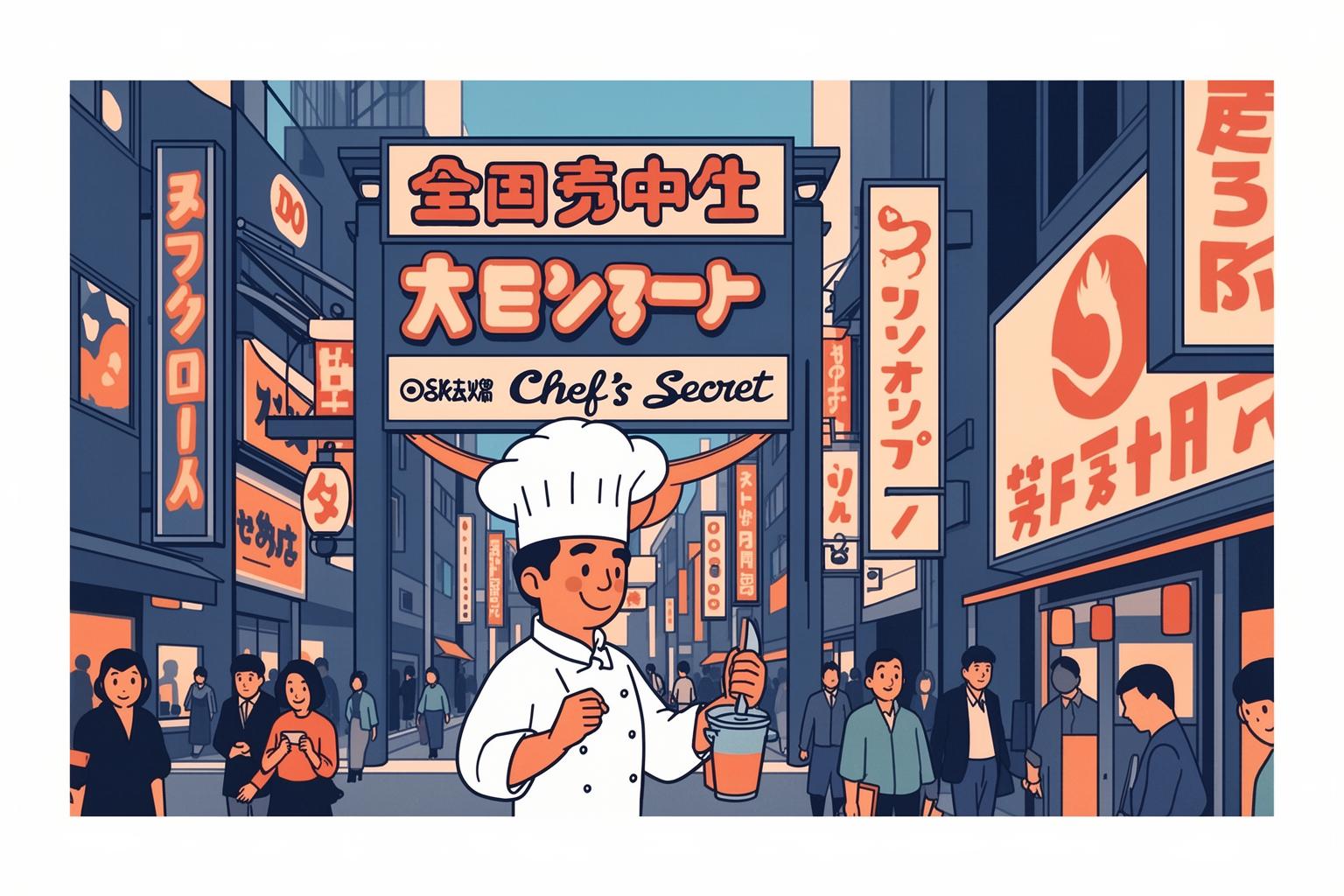
Just a stone’s throw away from the flashing lights and bustling tourist crowds of Namba lies a different kind of arcade—one devoted entirely to the tools of the trade. Sennichimae Doguyasuji, or ‘Kitchenware Street,’ is where Osaka’s chefs, from Michelin-starred experts to humble takoyaki vendors, come to outfit their kitchens. For anyone passionate about cooking or curious about the mechanics behind Japan’s exceptional food culture, this street is a paradise. Though short, the arcade is densely packed from end to end with specialty shops catering to every culinary need imaginable.
The most striking shops are those selling shokuhin sampuru, the hyper-realistic plastic food models commonly displayed in restaurant windows throughout Japan. Here, you can appreciate the artistry up close. Lifelike bowls of ramen, glistening sushi, and perfectly breaded tonkatsu are presented like works of art. These models are not mere novelties; they serve as an essential marketing tool, and the craftsmanship is truly remarkable. Many shops offer smaller, keychain-sized versions that make for unique and quirky souvenirs. It’s a fascinating insight into a uniquely Japanese industry.
As you continue down the street, you’ll find stores specializing in knives (hocho). Rows upon rows of gleaming steel lie behind glass counters, ranging from versatile chef’s knives to highly specialized blades designed for slicing sashimi or noodles. The staff are often master craftsmen themselves—knowledgeable, passionate, and eager to explain the differences in steel types and to help you select the perfect knife for your needs. Even if you’re not shopping for one, simply admiring the beauty and precision of these tools is an experience in itself.
Other shops focus on ceramics, offering everything from elegant, hand-painted sake sets and rustic ramen bowls to tiny, intricate chopstick rests. Prices vary widely, from extremely affordable, mass-produced items ideal for everyday use to expensive, one-of-a-kind pieces by local artists. This is a wonderful place to find beautiful and practical souvenirs you’ll actually use. You’ll also discover stores selling virtually everything a restaurant could need: massive stockpots, bamboo steamers, takoyaki grills, decorative noren curtains for doorways, and red paper lanterns (chochin) for hanging outside. One of the most intriguing purchases here is your very own takoyaki pan. Bringing one home is like taking a piece of Osaka’s soul with you—a promise to recreate the city’s most beloved snack in your own kitchen.
Doguyasuji offers a unique perspective on Osaka’s kuidaore culture. It reveals the ‘how’ behind the ‘what.’ It reminds you that great food demands great tools, and that a whole ecosystem of artisans and suppliers supports the city’s vibrant restaurant scene. The atmosphere here is more businesslike than in other shotengai, but no less captivating. It feels like a backstage pass to the culinary world, a place where the magic happens, and it’s an essential stop for anyone who wants to understand why Osaka is Japan’s food capital.
Where Past Meets Present: Shinsaibashisuji Shotengai
If Tenjinbashisuji is the sprawling, everyday champion and Kuromon the city’s pantry, then Shinsaibashisuji stands as the glamorous, high-energy artery linking Osaka’s past and present. This covered arcade, one of the city’s most famous and busiest, is a vibrant stream of people flowing from Shinsaibashi subway station down to the iconic Glico Running Man sign at Dotonbori. It’s a place of contrasts, where centuries-old kimono shops coexist with international fast-fashion brands, and a traditional tea purveyor thrives alongside a modern drugstore offering the latest Japanese cosmetics.
The history of Shinsaibashisuji is rich and enduring. For nearly 400 years, it has been a commercial hub, evolving alongside the city. That history becomes evident when you look beyond the modern storefronts; you may find a shop with an intricately carved wooden facade, run by the same family for generations. These establishments, like the esteemed Matsumae-ya, selling kombu seaweed since the Edo period, anchor tradition amid modernity, providing a quiet dignity and connecting visitors to an era when shopping was more personal and unhurried.
Yet, Shinsaibashisuji is undeniably contemporary. It’s a shopping hotspot attracting a younger, fashion-savvy crowd. Major Japanese brands, department stores like Daimaru, and global names compete for attention with bright lights and loud music. The arcade offers fantastic people-watching—essentially a runway for Osaka’s eclectic street style. The energy is contagious: a constant, forward-moving crowd of shoppers, tourists, and locals heading to meet friends or catch trains. The roof overhead shields visitors from Osaka’s intense summer heat and sudden rain, creating a self-contained commercial world buzzing from mid-morning until late at night.
What makes Shinsaibashisuji unique is its role as a connector. To the west, it blends into Amerikamura, the hub of youth culture with vintage clothing stores, quirky cafes, and vibrant street art. To the east, it’s a short walk to the upscale boutiques along Midosuji Avenue. And to the south, it culminates amid the vivid sensory explosion of Dotonbori, with its massive neon signs, street food stalls, and lively nightlife. Shinsaibashisuji is the thread weaving all these diverse worlds together. You can spend a whole day using the arcade as your base—shopping, grabbing coffee, exploring backstreets, and then stepping into Dotonbori’s neon wonderland at night. While it may not be the most traditionally ‘local’ shotengai, its blend of old and new, vibrant energy, and central position in Minami make it an essential part of the Osaka experience.
A Step Back in Time: Janjan Yokocho in Shinsekai
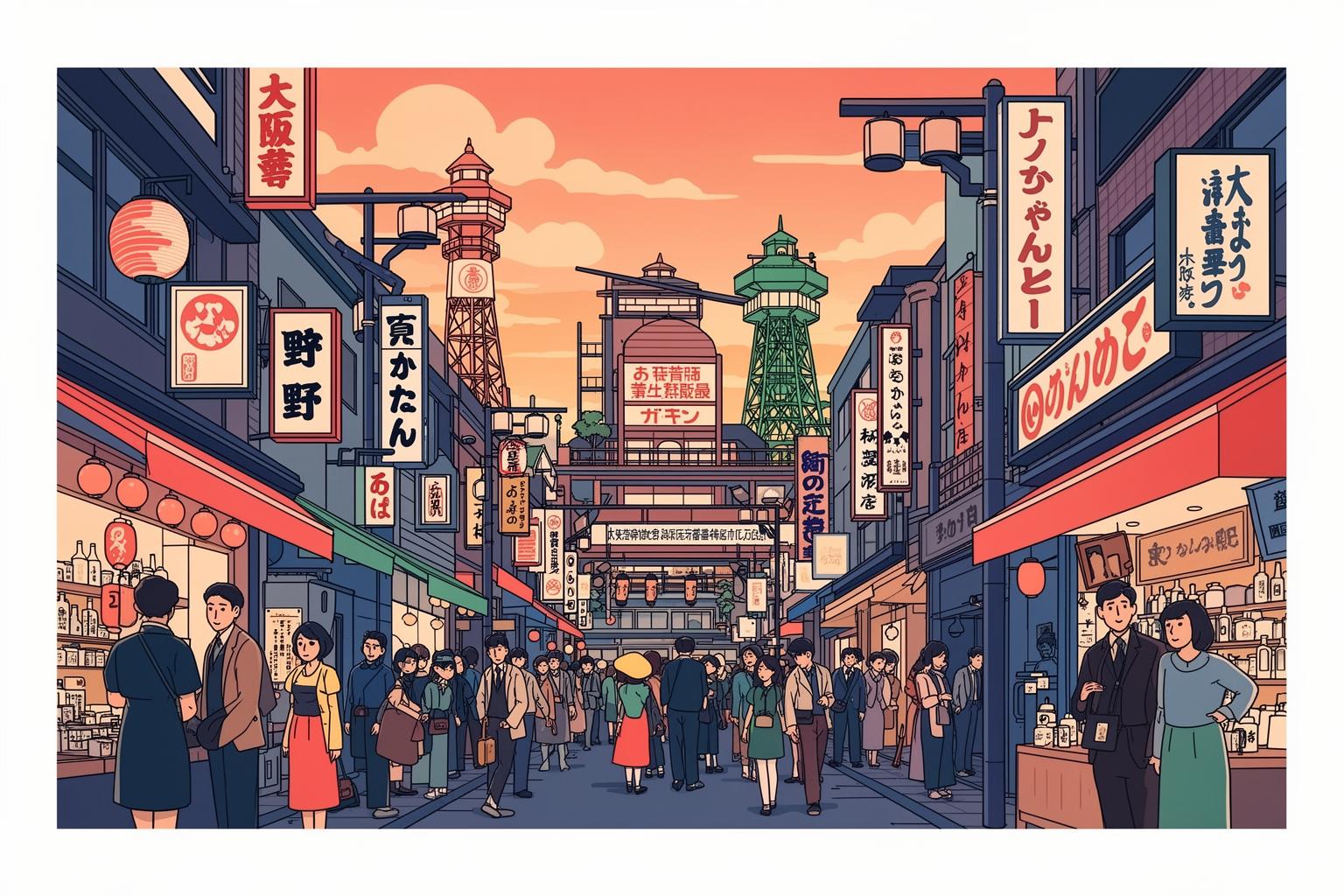
Stepping into Janjan Yokocho feels like leaving the 21st century behind. This narrow, slightly gritty alley in the Shinsekai district serves as a living museum of Showa-era Japan. The name ‘Janjan’ is believed to come from the sound of the shamisen (a three-stringed instrument) once played to draw in customers. Nowadays, the background noise is a mix of sizzling oil, the clatter of mahjong tiles, and the rough yet friendly chatter of locals. This isn’t a polished tourist spot; it’s the genuine article, a slice of old Osaka that has stubbornly resisted the passage of time.
The alley is best known for one specialty: kushikatsu. These are deep-fried skewers of meat, seafood, and vegetables, with dozens of small, no-frills restaurants lining Janjan Yokocho, each devoted to mastering them. Customers sit at counters, shoulder-to-shoulder with salarymen, laborers, and occasional adventurous tourists, calling out orders to the chef at the center. The skewers come hot and golden, ready to be dipped into a communal pot of light, savory sauce. Here, you must learn the most important kushikatsu rule: NO DOUBLE-DIPPING. Since the sauce pot is shared, you get only one dip per skewer. If you want more sauce, use a piece of the complimentary cabbage to scoop it onto your skewer. Breaking this rule is the ultimate faux pas, a cultural boundary you don’t want to cross.
The atmosphere in these kushikatsu spots is electric. It’s loud, steamy, and incredibly welcoming—a place of camaraderie where strangers might bond over a shared love of a perfectly fried lotus root skewer. Prices are astonishingly low, with most skewers costing just a hundred or two hundred yen. It’s easy to enjoy a wide variety of food and a couple of beers without spending much.
Yet, Janjan Yokocho is more than kushikatsu. It’s a world of old-school entertainment. You’ll find shogi and go clubs where elderly men hunch over game boards amid smoke, focusing intently on their next move. These are spots for observation rather than participation, offering a glimpse into a vanishing way of life. Retro shooting galleries and pachinko parlors that appear untouched since the 1960s also line the alley. All of this unfolds under the watchful gaze of Tsutenkaku Tower, Shinsekai’s iconic landmark, enhancing the feeling of stepping back in time. Visiting Janjan Yokocho is an immersive experience. While it may be rough around the edges, its authenticity is its charm. It stands as a vivid reminder of Osaka’s working-class roots and its enduring passion for affordable, delicious food and simple joys. It’s a taste of a city that isn’t trying to impress; it is simply, unapologetically itself.