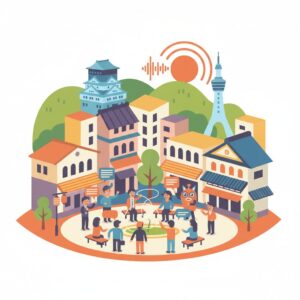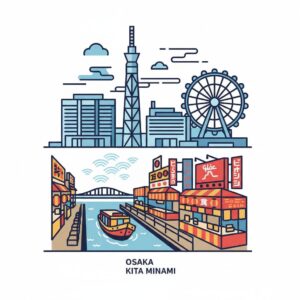
When I first moved to Osaka, I was armed with a checklist of quintessential experiences. I wanted the sizzle of takoyaki stands, the neon blaze of Dotonbori, the boisterous energy of a Hanshin Tigers game. I found all of it, and it was glorious. But Osaka, as I quickly learned, is a city of layers, a place where the most profound truths aren’t shouted from billboards but whispered down quiet alleyways. My real education began the day I took a wrong turn off the JR Loop Line and stepped out at Taisho Station. The air felt different. The rhythm of the street seemed to beat to a slower, more melodic drum. I wasn’t just in a different part of Osaka; for a moment, it felt like I’d been transported 1,300 kilometers south, to the sun-drenched islands of Okinawa. This is Taisho Ward, Osaka’s vibrant and deeply rooted “Little Okinawa,” and understanding this place is key to understanding the soul of the city I now call home.
For anyone looking to grasp what makes Osaka tick—beyond the friendly but vague platitudes—Taisho Ward is a living lesson. It’s a neighborhood that tells a story of migration, resilience, and the beautiful, stubborn refusal to assimilate completely. It’s a story about how Osaka became a city not by erasing differences, but by making room for them. For decades, starting from the early 20th century and accelerating after World War II, people from Okinawa moved here seeking work in Osaka’s booming factories and shipyards. They didn’t just bring their belongings; they brought their music, their food, their language, and their unshakeable island spirit. Instead of dissolving into the great urban pot, they carved out a space that was both wholly Osaka and unmistakably Okinawan. It’s a place where you can see how Osaka functions not as a single, monolithic culture, but as a federation of proud, distinct communities. And that, I’ve found, is the real magic of this city.
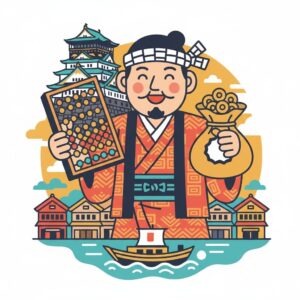
For those curious about how local business traditions echo Osaka’s vibrant cultural mosaic, exploring Osaka’s merchant mentality can offer valuable insights into the city’s dynamic everyday life.
The Sound of a Different Japan
One of the first things you notice in Taisho Ward isn’t something you see, but something you hear. Stroll down any residential street, especially on a warm afternoon, and you might catch it: the gentle, twangy melody of a sanshin. This three-stringed, snakeskin-covered instrument is the soulful heartbeat of Okinawan music, and its sound drifting through an open window is as common here as the rumble of the Loop Line train. It’s not a performance for tourists. It’s practice. It’s a grandparent teaching a grandchild. It’s the casual, everyday soundtrack of a culture determined to keep its traditions alive. This simple sound speaks volumes about Osaka’s character. In many parts of Japan, there’s an unspoken expectation for public and private spaces to remain quiet, to blend in, to avoid imposing on neighbors. The open expression of Okinawan music in Taisho feels like a gentle act of defiance against that norm. It suggests a different social contract, one where identity is meant to be shared, not hidden. It reflects Osaka’s broader acceptance of individuality. While Tokyo can sometimes feel like a city of prescribed roles and polished surfaces, Osaka feels like a community of real, sometimes messy, and always vibrant people. The city gives its residents permission to be themselves, and the people of Taisho Ward have taken that freedom and composed a beautiful, heartfelt melody with it.
A Culinary Escape: More Than Just Takoyaki
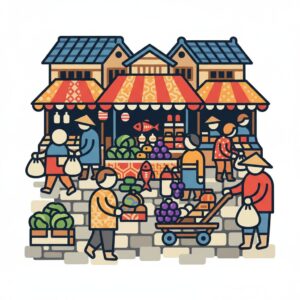
Naturally, you can’t discuss Osaka without mentioning its food. The city’s nickname Tenka no Daidokoro (The Nation’s Kitchen) is truly well-deserved. However, what foreigners often overlook is that this title goes beyond Michelin stars or famous street food stalls. It represents a rich, inclusive, and varied food culture that embodies the lives of its people. Taisho Ward is a prime example. Here, the local cuisine offers a delicious twist away from the typical Kansai fare. The shotengai (shopping arcades) and neighborhood eateries are brimming with flavors from the Ryukyu Islands. You’ll find places serving soki soba, a hearty noodle soup with tender stewed pork ribs, unlike any ramen or udon you’ve encountered. Home-style diners feature daily specials like goya champuru, a uniquely bitter and savory stir-fry of bitter melon, tofu, egg, and pork — pure comfort food for the soul. The local supermarkets tell a similar tale. Alongside common ingredients like daikon and miso, shelves are stocked with items typical of Okinawa but rare in mainland Japan: unusual island vegetables, giant cans of Spam (a legacy of the American military presence), and bottles of koregusu, a spicy chili-infused Awamori locals drizzle on their soba. This isn’t a novelty; it’s everyday groceries. It highlights a fundamental truth about Osaka: the city’s culinary identity thrives on the diverse communities that live there. It embraces and weaves their flavors into its own vibrant fabric. In Taisho, Okinawan cuisine isn’t reserved for special occasions — it’s simply what’s for dinner.
The ‘Nankurunaisa’ Spirit in an Osaka Setting
There’s a well-known Okinawan phrase: nankurunaisa. It’s a beautiful, untranslatable idea that roughly means “everything will work out in the end.” It captures a laid-back, resilient, and optimistic outlook on life. This mindset feels worlds apart from the stereotype of the sekkachi (impatient and hurried) Osakan, who is known for walking faster and speaking more quickly than their Tokyo counterparts. Yet, somehow, these two attitudes coexist peacefully in Taisho Ward. You notice this contrast in the small moments of everyday life. The pace in a Taisho café feels just a bit slower. The shopkeepers seem to have more time for a genuine conversation, not just a quick, efficient exchange. I recall being in a small grocery store, watching the elderly owner carefully arrange fruit while a line of two or three people waited. No one sighed or tapped their foot. There was an unspoken understanding—it was simply the rhythm of the neighborhood. This blend of Osaka’s directness with Okinawa’s relaxed vibe creates a distinctive social atmosphere. It serves as a reminder that the city’s character is not a single, uniform entity. While the bustle of Umeda or Namba is undeniable, Osaka also has these pockets of calm, communities operating on their own schedule. It challenges the foreigner’s perception of Japan as a place of rigid rules and relentless efficiency. In Taisho, the unspoken rule often revolves around human connection and the belief that things will get done when they’re meant to. The nankurunaisa spirit offers a gentle counterbalance to the city’s frenetic energy, making it a more livable, more humane place.
More Than a Name: The Okinawan Identity
As you stroll through Taisho, the visual symbols of Okinawan culture are evident everywhere. Sitting atop the tiled roofs of older houses are pairs of shisa, the fierce lion-dog guardians that protect against evil spirits. Their snarling faces provide a constant sense of protection. Shop windows showcase the vibrant colors of bingata, the traditional Okinawan stencil-dyed fabric. Community bulletin boards display posters announcing upcoming Eisa festivals, where energetic drumming and dancing fill the streets. A visitor might mistakenly see these symbols as mere decorations or a charming neighborhood theme. However, that would deeply misinterpret what’s truly happening here. These are not mere props; they are strong, public affirmations of a living, breathing identity. The history behind this is essential. The relationship between mainland Japan and Okinawa has been complicated and sometimes marked by prejudice. For generations, Okinawans who relocated to the mainland faced discrimination. Thus, the open celebration of their culture in Taisho is not simply about nostalgia. It represents pride, community, and the assertion of a distinct heritage. This essence is fundamentally Osakan. The city has long been a refuge for outsiders—merchants, performers, anyone who didn’t quite fit into the rigid hierarchies of samurai-era Edo (Tokyo) or aristocratic Kyoto. Osaka’s strength came from its people and commerce, not from political power. This fostered a culture that is inherently pragmatic and less bound by tradition. In Osaka, as long as you contribute to the community and keep the peace, you are welcome. Taisho Ward embodies this spirit perfectly.
How Taisho Ward Explains Osaka
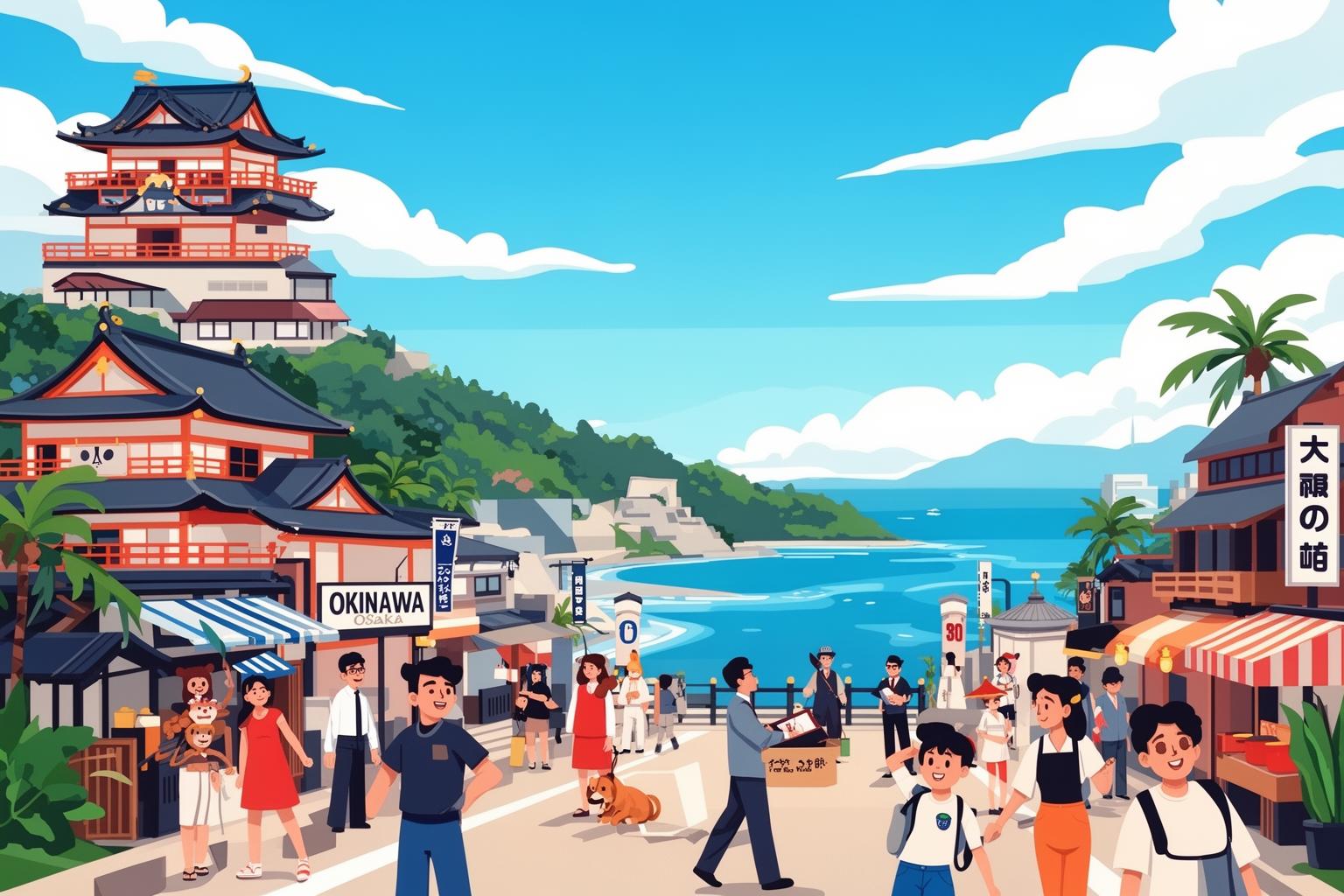
After living here for some time, I’ve come to view Taisho Ward not as an outlier in Osaka, but as the perfect embodiment of it. The city’s true essence isn’t revealed through its towering skyscrapers or official landmarks; it lies in its fiercely independent and culturally vibrant neighborhoods. Consider Tsuruhashi, the lively center of the Korean-Japanese community, with its maze-like markets redolent with the aromas of kimchi and grilled meat. Think of Nakazakicho, a bohemian haven of vintage shops and artisan cafes nestled among pre-war wooden houses. Or Shinsekai, a district stubbornly preserving its retro, slightly gritty Showa-era charm. Osaka is a mosaic. Its strength and unique energy emerge from the tension and harmony among these distinct parts. This is why the cliché “Osaka people are friendly” falls short. Their friendliness isn’t a generic, customer-service politeness, but a particular openness born from strong community ties. When someone in Taisho strikes up a conversation, they’re not just being a friendly Osakan; they’re representing their Okinawan community. The warmth comes from a shared identity and sense of place. This is a key difference from Tokyo, where neighborhoods tend to be defined by function—business districts, shopping areas, residential suburbs—and often feel more anonymous. In Osaka, neighborhoods have souls, and Taisho’s soul resonates with the sound of the sanshin.
Navigating Daily Life in a Cultural Enclave
So what does all this mean for a non-Japanese resident trying to establish a life here? It means that to genuinely connect with Osaka, you need to engage with its neighborhoods. Living in or near a place like Taisho Ward demands a deliberate change in perspective. Being a passive observer isn’t enough. This is a community that encourages involvement. The best way to do this is to embrace the local rhythm. Support the small, family-run soba shop rather than the chain restaurant. Purchase your vegetables from the local grocer who recognizes you. Mark your calendar for the annual Eisa festival and attend. Even learning a few simple Okinawan words—like haisai (a casual hello) or gusooyo (everyone)—can serve as a small, meaningful gesture of respect. This is the unspoken agreement of living in Osaka. The city offers you a place in its vibrant, diverse fabric, and in return, it asks for a bit of your participation. It wants you to see it not as one vast, uniform metropolis but as a collection of villages, each with its own stories, flavors, and traditions. Taisho Ward, with its sunny spirit and island soul, is one of its most beautiful tales. It taught me that to discover the true Osaka, you sometimes have to seek out the parts that feel like somewhere else entirely.