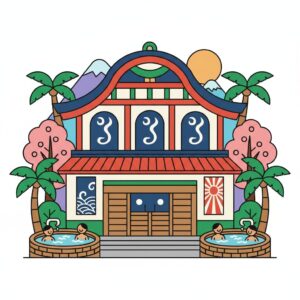
Why would anyone in Osaka, a city humming with the relentless energy of the 21st century, a place where nearly every apartment is a marvel of compact, functional design complete with its own private bathroom, choose to leave their home to bathe with strangers? This was the question that followed me through the neon-drenched streets and quiet residential shotengai shopping arcades. It felt like a contradiction. We live in an age of curated privacy, of personalized digital worlds, yet tucked away behind unassuming noren curtains, down alleys you might otherwise miss, lies the sento, Osaka’s neighborhood public bath. From the outside, it presents a picture of beautiful, stubborn anachronism: the gentle hiss of steam escaping into the cool evening air, the faint, clean scent of soap and cypress, the quiet clatter of wooden geta sandals on the pavement. It seemed like a relic, a holdover from a time before every home had running hot water. I couldn’t have been more wrong. The sento isn’t about a lack of facilities at home. It’s about a deep, fundamental human need that modern life often forgets to fulfill. It’s not just a place to get clean; it’s the city’s living room, a place where the famously direct and warm-hearted character of Osaka is stripped bare—quite literally—and put on full display. It is the crucible of community, the real social network, where the unspoken rules of Osaka life are practiced, taught, and preserved, one hot bath at a time.
For a different perspective on the city’s character away from the urban core, consider exploring Osaka’s natural side on Mount Kongō.
Beyond the Bathwater: Decoding the Sento’s Entrance
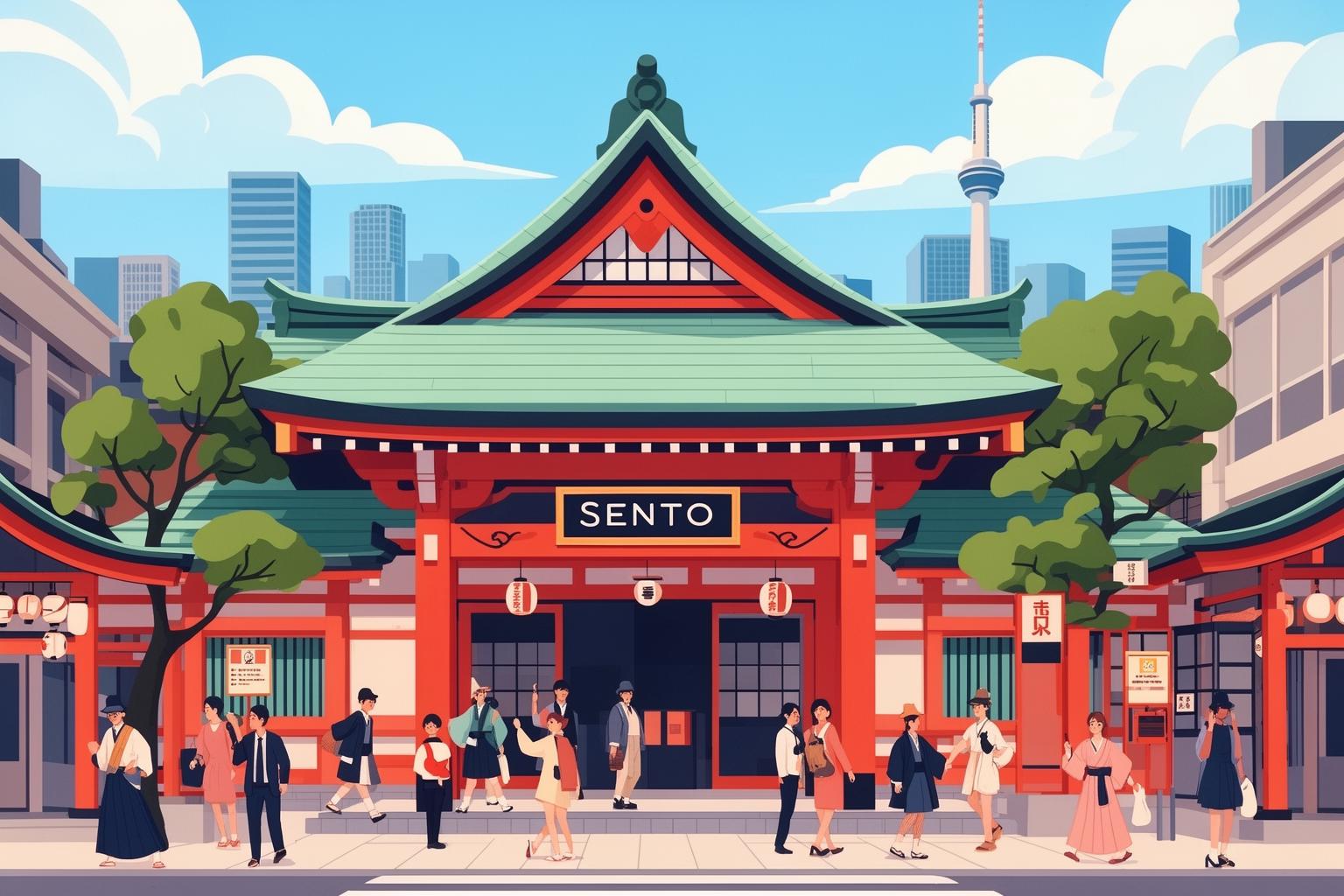
The neighborhood sento experience begins well before your toes meet the water. It starts on the street, with a deliberate choice to cross a threshold that separates the chaotic energy of the outside world from the tranquil, steamy refuge inside. The first ritual remains constant: the getabako, or shoe lockers. Sliding your street-worn shoes into a small wooden cubby and taking the large, often worn-smooth wooden key feels symbolic. You are physically and mentally shedding the day’s grime, the hurried pace, and the public persona you carry. The key, carved with a number, becomes your temporary identity within this space. It serves as a great equalizer. Whether you arrived in expensive leather loafers or worn-out sneakers, inside, everyone’s shoes are tucked away, and everyone holds a simple wooden key.
This act of shedding leads you to the heart of the sento’s administrative and social world: the bandai. Though often called a reception desk, that term feels clinical and inadequate. Usually elevated, giving its keeper a panoramic view of both the men’s and women’s changing room entrances, the bandai is the command center. The person presiding over this spot is typically an obachan or ojichan—an older woman or man whose presence feels as permanent as the tilework. They are not merely employees but the guardians of this space, the neighborhood chroniclers, and keepers of the community’s oral history. Payment for the bath is a swift, practiced exchange, but rarely a silent one. This is where the true life of Osaka surfaces.
You might hear an obachan asking a regular about her daughter’s piano recital. You may see an ojichan giving a gruff yet affectionate nod to a group of high school kids from the local baseball team, their boisterous energy momentarily subdued. They know who has been ill, whose grandchild is visiting, and which local shop offers the best cabbage deals this week. They are the hub, and the conversations flowing around the bandai are the spokes connecting the community. This contrasts sharply with the efficient, often anonymous interactions typical of urban life, especially in a city like Tokyo. In Tokyo, convenience and speed reign supreme. Here in Osaka, human connection, however brief, is woven into the fabric of the exchange. An Osakan will take an extra thirty seconds to ask how you’re doing or share a quick joke. It’s not seen as inefficient; it’s considered the entire point.
Beyond the bandai, your gaze will inevitably be drawn to a row of humming, brightly lit vending machines. This is the final checkpoint before the changing rooms, offering a preview of the reward to come. These aren’t ordinary vending machines. They’re stocked with a very specific, almost sacred selection of post-bath refreshments. Chief among them are the small glass bottles of milk—plain milk, coffee-flavored milk, and the beloved fruit milk, a sweet, vaguely melon-and-banana blend that tastes like childhood to generations of Japanese people. Seeing them lined up, glistening with condensation, builds anticipation that’s a core part of the sento ritual. It promises simple, satisfying bliss after a long, hot soak. Choosing your post-bath drink is a moment of quiet reflection, a small act of self-care before the main event even begins.
The Unspoken Rules of the Changing Room (Datsuijo)
The datsuijo, or changing room, is where the social dynamics of the sento become most evident, and where many foreigners encounter their greatest cultural challenge: public nudity. The Western discomfort with being naked around others simply doesn’t translate here. In the sento, nudity serves a purely practical purpose. It is free of sexuality or shame. It acts as the bathhouse uniform, and once you undress, you join the collective. Bodies of every shape, size, and age are visible, and remarkably, this is completely ordinary to everyone. Scars, wrinkles, tattoos—they are all part of the human landscape. This shared openness forms the basis of hadaka no tsukiai, or “naked communication,” a concept essential to grasping the sento’s significance. Without clothing as armor, without wealth or job labels, people are simply people. It encourages a raw, unguarded interaction rarely found outside this space.
Your belongings are stored either in a modern coin locker or, in more traditional spots, an open wicker basket. The basket system wonderfully illustrates the high level of trust in these neighborhood places. You place your wallet, phone, and life into an open basket, trusting it will remain safe. This isn’t naive; it reflects a community where people know one another, and a social contract of mutual respect is implicitly understood. It’s worlds apart from the constant vigilance typical in most major cities.
The changing room is much more than a place to keep your clothes. It serves as a lounge, a pre-bath gathering spot, and a post-bath reflection area. You’ll find classic, sturdy scales where regulars check their weight with sighs or satisfied grunts. Grandfathers are gently drying their grandsons with a rough tenderness. Conversations started at the bandai flow on here, mingling with the steamy air. People catch up, grumble about the humidity, and discuss the merits of the Hanshin Tigers’ latest pitcher. It’s a daily-life symphony, and it feels deeply comforting. Once again, the Osaka difference shines through. The volume is a bit louder, the laughter more free than in a typically reserved Tokyo bathhouse. People are quicker to make eye contact, nod warmly at newcomers, or even strike up a chat with a lost-looking stranger.
A foreigner might feel unsure about the etiquette. The best approach is to observe and follow the natural flow. Move with quiet confidence, focus on your routine, and respect personal space. The unspoken rule is mutual respect: don’t stare, don’t monopolize the mirror, and be efficient in your actions. But don’t hesitate to accept a friendly gesture. A simple konbanwa (good evening) can make a big difference. This is where the cliché “Osaka people are friendly” rings true. Their friendliness isn’t abstract—it’s practical and genuine. If you appear confused, someone will likely help you, often with a flurry of gestures and a bit of broken English, all offered warmly and without judgment.
Mastering the Main Event: The Bathing Area
Stepping through the sliding glass door into the main bathing area engages all the senses. The air is heavy with steam, carrying the fragrance of soap, minerals, and occasionally aromatic herbs like cypress or yuzu. The soundscape is a gentle blend: the steady flow of water from faucets, the reverberating splash of bathers entering the tubs, and the subdued murmur of conversations echoing off the tiled walls. Dominating the scene is often a grand mural of Mount Fuji, a traditional sento symbol that brings a touch of lofty elegance to the simple act of bathing.
The foremost and most sacred rule of the sento is this: you must wash thoroughly before entering the tubs. These baths are meant for soaking, not cleansing. Breaking this rule is considered a serious breach of etiquette, showing deep disrespect for the communal water and fellow bathers. Each person has a small washing station, equipped with a low plastic stool, a basin, and a faucet with a handheld shower. Sitting on this tiny stool and scrubbing away the day’s dirt is a purification ritual—a moment of personal focus before joining the collective bathing experience. Proper etiquette is important here as well. Be careful not to splash others. When finished, rinse your stool and basin, leaving the area clean for the next person. This reflects a microcosm of Japanese social responsibility: you are a temporary user of a shared space and must leave it as you found it.
Once clean, you are ready to approach the tubs, which usually vary in temperature and style. This is not a uniform experience; there is a hierarchy, a progression, a journey to embark upon.
The Atsu-yu: The Veteran’s Challenge
Often one tub is noticeably, almost intimidatingly, hotter than the rest—the atsu-yu. The water can reach scalding temperatures of up to 44 degrees Celsius (111 Fahrenheit). Dipping a toe in may feel like a mistake. This bath belongs to the old-timers, the seasoned veterans who can immerse themselves without wincing, their skin turning a deep, boiled-lobster red. For them, it’s a matter of pride, a testament to their endurance. Younger visitors or newcomers attempting the atsu-yu often receive amused, encouraging looks from the regulars. Enduring a few minutes here is a rite of passage, earning a silent nod of respect.
The Nuru-yu: The Social Hub
The main tub, the nuru-yu (warm water), tends to be larger and maintained at a gentler temperature. It forms the social core of the sento. People linger here, reclining against the tiles, letting the warmth sink into their bodies. This is where the most relaxed, lingering conversations happen. Friends reconnect, fathers and sons share quiet moments, and strangers might exchange a few words about the water’s quality. It’s a place of shared calm, a peaceful pause amid the city’s bustle.
The Denki-buro: The Curious Oddity
A particularly unique feature in many sento is the denki-buro, or electric bath. Two metal plates positioned on opposite sides of a small tub send a low-voltage electric current through the water. The sensation is an unusual, vibrating tingling that pulses through your muscles. It’s reputed to relieve aches and pains, but for newcomers, it can be quite startling. Observing a first-timer accidentally step into the denki-buro often brings quiet amusement to the regulars. Their sudden yelp and swift exit is a silent, shared joke. Braving the electric bath is a quirky adventure, a story to recount, and another dimension in the rich experience of the sento.
The Extras: Jets, Bubbles, and Aromas
Beyond the essentials, many sento offer a variety of additional tubs. There might be a jet bath with strong water streams designed to massage the back and shoulders, a bubble bath, or even a special herbal bath (kusuri-yu), infused with medicinal herbs for a fragrant, therapeutic soak. These enhancements demonstrate how the sento has evolved over time, blending tradition with modern wellness trends, always aiming to provide a deeper sense of relaxation and rejuvenation.
The Art of Conversation: Sento as Osaka’s Living Room
If the sento is considered Osaka’s living room, then the conversations that fill it serve as the home’s lifeblood. This is where you can truly grasp the concept of hadaka no tsukiai. Freed from social cues related to clothing and status, communication becomes more direct, honest, and human. A man who might be a powerful CEO in the boardroom is, in the sento, just another person complaining about stiff shoulders. A construction worker and a university professor might find themselves debating the best way to cook bamboo shoots. These interactions cut through the rigid social hierarchies that often define life in Japan, creating a temporary, democratic utopia.
The sento is also an immersive course in authentic, unfiltered Osaka-ben, the city’s unique dialect. You’ll hear the characteristic “meccha” (very) instead of “totemo,” and sentences will often end with a friendly “yanen.” The pace is quicker, the intonation more melodic, and the humor constant and sharp. Osaka humor relies on a rapid-fire setup and punchline exchange known as boke (the funny fool) and tsukkomi (the straight man). You’ll catch it in the way friends tease each other or how a regular might playfully heckle a news report on the changing room television. It’s a dialect that feels alive, warm, and refreshingly straightforward compared to the more formal, standardized Japanese spoken in Tokyo.
The topics are a mosaic of the everyday. The weather is a perpetual source of commentary. The performance of the local baseball team, the Hanshin Tigers, is treated as a matter of life or death. The rising price of vegetables, a new ramen shop that opened nearby, or a funny story about a misbehaving pet—these are the small details that knit a community together. It’s not about solving the world’s problems but sharing in the small victories and minor frustrations of daily life.
For a foreigner, navigating this social space may seem intimidating. What are the rules of engagement? The beauty of the Osaka sento is that the rules are simple. It’s perfectly acceptable to remain silent, simply soaking and listening, absorbing the atmosphere without disturbance. However, if you’re open to interaction, the barrier to entry is low. A simple nod or a quiet comment on the bath’s heat—”ii oyu desu ne” (This is nice hot water, isn’t it?)—often invites a warm smile and a response. Osakans, more than people from other parts of Japan, often show genuine curiosity about foreigners. They are not shy about asking where you’re from or what you’re doing in Japan. These questions aren’t meant to be intrusive; they come from a place of friendly, open interest. Responding with a smile and a few simple phrases can lead to a memorable, heartwarming exchange that reveals more about the city’s soul than any guidebook ever could.
Post-Bath Bliss: The Rituals of Cooling Down
The sento experience doesn’t conclude the moment you leave the water. The transition back to the outside world is a carefully curated ritual in itself, meant to extend the feeling of blissful relaxation, or yu-agari, for as long as possible. Once you return to the changing room, you towel off, perhaps sitting in front of a fan or on a worn leather couch. This space serves as a liminal moment, a brief pause before you don your worldly armor again.
The lobby or rest area acts as the final social stage. Here, you’ll find people in various states of post-bath calm. Some wear simple yukata provided by the bathhouse, fanning themselves while watching flickering images on a television—usually a baseball game, a sumo match, or a variety news show. The atmosphere is relaxed and contented. The air hums with the low murmur of the TV and the satisfied sighs of deeply unwound patrons.
And now, the moment of truth: the pilgrimage to the vending machine. The choice you made earlier reaches its fulfillment. There’s a unique, almost indescribable joy in popping the cap off a chilled glass bottle of coffee milk or fruit milk and downing it after a hot bath. Your body is warm, your skin tingles, and the cold, sweet liquid is the perfect final touch. It’s a simple, childlike pleasure that ties you to a shared cultural memory. It’s the punctuation mark at the end of a perfect sentence.
The walk home from the sento is the ritual’s final, meditative phase. Stepping back out into the night air, you feel transformed. Your body glows with warmth from within, your muscles are loose, and your mind is clear. The streets of your neighborhood appear different, softer. You might exchange a knowing nod with another walker, their damp hair and serene expression revealing they’ve just come from the same sanctuary. This walk affirms your place in the neighborhood. You are not just a building’s resident; you are part of a living, breathing community that flows around its shared social heart—the sento.
The Sento’s Changing Role in Modern Osaka
It would be misleading to describe the sento without acknowledging the challenges it faces. Throughout Japan, traditional neighborhood sento are vanishing at an alarming pace. As modern apartments with private bathrooms became standard, the sento’s original role as a daily necessity declined. For many younger people, the idea of bathing alongside neighbors feels outdated or even inconvenient. The financial aspect is also tough; maintaining old boilers and facilities is costly, leading many family-run sento to close when the older generation retires.
Yet, this is not a tale of inevitable decline. It is a story of transformation. While some traditional sento are shutting down, a new wave of interest is helping preserve the culture. Several old bathhouses have been revamped by a younger generation, turning into “designer sento” featuring modern designs, craft beer on tap, and even live music events. These spots draw a younger crowd, merging the old communal spirit with contemporary appeal. On the other end, “super sento” are large, resort-like complexes often found in the suburbs, offering an extensive variety of baths, saunas, restaurants, massage services, and relaxation areas. They provide a different experience—more anonymous, less neighborhood-focused—yet still reflect the enduring Japanese love for communal bathing.
Still, the modest neighborhood sento, the one adorned with a Mount Fuji mural and frequented by familiar regulars, continues to hold a unique and irreplaceable charm, especially in a city like Osaka. Its role has shifted from necessity to choice. People visit the sento today not out of obligation, but because they desire to. They seek something missing from their modern, convenient, and often isolated lives: authentic, unfiltered human connection.
This is why the sento is so crucial to understanding Osaka. Osaka was built by merchants. Its culture is grounded in commerce, street-level interactions, and pragmatic, face-to-face relationships. There is a preference for the tangible over the abstract, the personal over the formal. The sento embodies this ethos physically. It is a place where community is not just an abstract concept but a lived, everyday reality. It is where Osaka’s renowned warmth, its naniwa-bushi, is not merely a slogan but something you can sense in the steam, hear in the lively conversations, and witness in the easy camaraderie among strangers sharing a bath. In an increasingly digital and disconnected world, the sento remains a persistent, beautiful, and deeply necessary sanctuary of the real. It answers the question of why anyone would bathe with strangers by posing an even deeper one: in a city of millions, how can we afford not to?