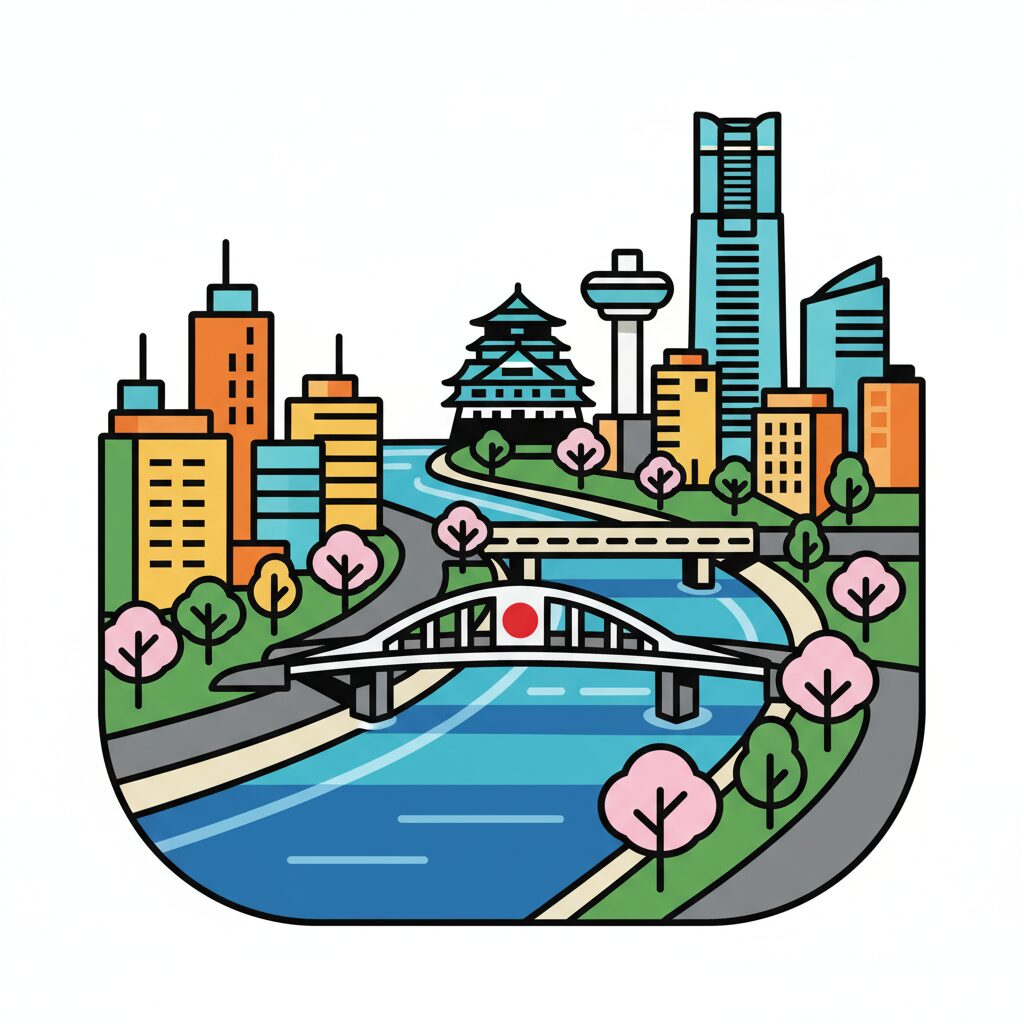
You’ve seen the pictures, the postcards from the future. A city like Yokohama, its waterfront a dazzling spectacle of light and steel. The Landmark Tower pierces the sky, the Cosmo Clock 21 Ferris wheel paints neon circles in the twilight, and sleek promenades invite quiet, contemplative strolls along the bay. It’s beautiful. It’s polished. It’s a performance. It’s a destination you travel to, dress up for, and admire from a respectful distance. It is, in every sense of the word, a showpiece.
Then you come to Osaka. You stand on a bridge over the Dotonbori River and the water below isn’t a serene mirror. It’s a canvas for chaos. A ten-thousand-lumen Glico man runs in place, his victory pose reflected in a shimmering, restless slick of neon. A bright yellow tourist boat, shaped like a futuristic pod, chugs past, blasting upbeat jazz music that competes with the overlapping jingles from a dozen different drugstores. The air smells of grilled crab and takoyaki batter. The sound isn’t the gentle lapping of waves; it’s the rumble of a subway train crossing an iron bridge, the roar of a thousand conversations, the clatter of a city that never stops working, never stops eating, and never stops talking. This isn’t a showpiece. This is the city’s circulatory system, exposed and pulsing for all to see.
Foreigners arriving in Osaka, especially from the pristine order of Tokyo or the curated elegance of Yokohama, often face a moment of profound confusion when they encounter its rivers. They see the high concrete walls, the slightly gritty walkways, the unpretentious vibe, and wonder, “Is this it?” They’re looking for the waterfront as an attraction, a separate entity designed for leisure. But in Osaka, the rivers aren’t separate from anything. They are the city. They were its first highways, the foundation of its wealth, and the source of its pragmatic, mercantile, and deeply human character. To understand why Osaka feels so different, why its people act the way they do, you don’t look up at the skyscrapers. You look down, at the water that flows through its very soul.
This human-scale, pragmatic layout is a direct result of its river-based history and is a key reason why life in Osaka feels so distinct from Tokyo’s vast sprawl.
Water as a Backyard, Not a Stage

The fundamental distinction between waterfront life in Osaka and a city like Yokohama lies in its intended use. In Yokohama, the waterfront serves as a stage. You visit Minato Mirai to attend a concert, shop at a particular mall, or enjoy a romantic dinner with a view. The space is designed for consumption and experience, deliberately separated from the ordinary pace of daily life. It’s a destination for special occasions.
In Osaka, the rivers function as the city’s backyard, seamlessly and unpretentiously woven into everyday life. No one treats “going to the river” as a special event. People live, work, eat, and commute alongside it. It forms the backdrop for the ordinary, which in Osaka, is always extraordinary in its own way. This casual, practical relationship with the water reflects a fundamental truth about the Osaka mindset: life isn’t a performance to be put on, but a lively, unpolished, and pragmatic experience to be lived.
The Nakanoshima Mentality
Stroll through Nakanoshima Park, a long, graceful strip of land nestled between the Dojima and Tosabori rivers. It houses the city’s Central Public Hall, a stunning neo-renaissance brick building, alongside a meticulously kept rose garden. In Tokyo, a park like this might feel formal, a place for quiet contemplation. But in Osaka, it’s simply the local park bench, just on a grander scale.
At lunchtime, benches fill with office workers in shirt sleeves, not marveling at the architecture but hunched over bento boxes from the nearest FamilyMart, scrolling through their phones. You might see a young student quietly practicing saxophone scales facing the water, using the city’s ambient noise to mask mistakes. An elderly couple might be engaged in slow, deliberate radio taiso exercises. It’s a space meant for function. The grandeur is present—you can appreciate it if you wish—but it doesn’t demand attention. This reflects the Nakanoshima mentality and, by extension, the Osaka mentality: an inherent pragmatism and lack of affectation. A local might glance at the roses and say, “Kirei ya na” (They’re pretty, huh?), but their next thought is likely about where to find the best lunch deal. Life is about moving forward, and beauty is simply part of the backdrop.
Dotonbori’s Organized Chaos
If Nakanoshima is the city’s practical green space, Dotonbori is its chaotic, vibrant living room. The river here is not a peaceful refuge from the urban clamor; it is the heart of the jungle itself. The famed Tombori River Walk is less a tranquil pathway and more an extension of the bustling, sensory-overwhelming streets. People don’t come here seeking calm; they come to immerse themselves in the energy.
Its defining feature is the sound—the continual gaya-gaya—a Japanese onomatopoeia for a noisy, lively crowd. It’s the noise of restaurant barkers vying for attention, the sizzle of okonomiyaki on hot griddles, the looping Don Quijote theme song, and the excited shouts of tourists and locals alike. Rather than offering a quiet counterbalance, the river absorbs and mirrors this energy. Neon signs don’t just light the streets; they turn the water’s surface into a shimmering light show. This is often misunderstood by outsiders. They see the chaos and look for peaceful spots, but for Osakans, the chaos is the essence. The city’s character is loud, straightforward, and unapologetically bold, spilling itself onto the streets and into the water, inviting everyone to join the celebration.
The Merchant’s Pulse: Commerce on the Water
To truly understand Osaka, you need to know its historic nickname: Tenka no Daidokoro, the Nation’s Kitchen. This wasn’t just a poetic label; it described the city’s role. For centuries, rice, sake, and goods from across Japan flowed into Osaka via its complex network of canals and rivers. Osaka was a hub for merchants, brokers, and deal-makers. This legacy isn’t confined to museums; it lives in the city’s veins and remains evident in the ongoing interaction between commerce and water today.
Osaka’s mercantile spirit is practical, opportunistic, and deeply human. It’s less about corporate polish and more about straightforward, face-to-face connection. This is most evident on the river itself.
The River Cruise That’s More Than Just Tourist Entertainment
A dinner cruise in Tokyo Bay or Yokohama tends to be a formal event, marked by quiet tones, elegant meals, and a romantic, cinematic view of the skyline. It’s a passive experience focused on observation. An Osaka river cruise is quite different. Whether on the larger Aqua-Liner or a smaller, open-air boat with live jazz, the vibe is relaxed and interactive.
It’s less about quietly admiring landmarks and more about enjoying the moment with the city. The real attraction is often the guide, who speaks in thick, lively Osaka-ben, the local dialect, sharing jokes, exaggerated bridge histories, and engaging directly with passengers. It’s part stand-up comedy, part history lesson, part sales pitch. You feel like you’re being shown around by a charismatic uncle rather than a corporate employee reading a script. This captures the Osaka business ethos: a performance, a display of personality. The aim isn’t merely to sell a ticket but to charm you, make you laugh, and ensure the experience sticks. It’s commerce with a human touch—a direct link to the shrewd merchants who built the city on these waterways.
The Markets and Shops Along the Water
Stroll along the Tosabori River near Kitahama, and you’ll find a row of trendy cafes and restaurants. But unlike other cities where a waterfront view is passively prized, here it feels active. The terraces aren’t just for looking out; they’re for being seen. They act as social stages that blur the line between restaurant and public walkway. The river isn’t merely a backdrop; it’s a vital part of the business model, providing atmosphere, attracting foot traffic, and serving as a dynamic asset.
This illustrates the deeply ingrained business acumen of Osakans. Every edge must be leveraged. A view isn’t just a view; it’s a customer magnet. This practicality is everywhere. You’ll still spot small delivery boats using the waterways, a reminder that the rivers remain, in some form, working arteries. The water isn’t treated as a pristine natural element but as a resource—a space to be utilized, monetized, and enjoyed in the most direct way. It reflects a culture that prizes cleverness, efficiency, and making the most of what’s available.
A Different Kind of Clean: Understanding Osaka’s Aesthetic
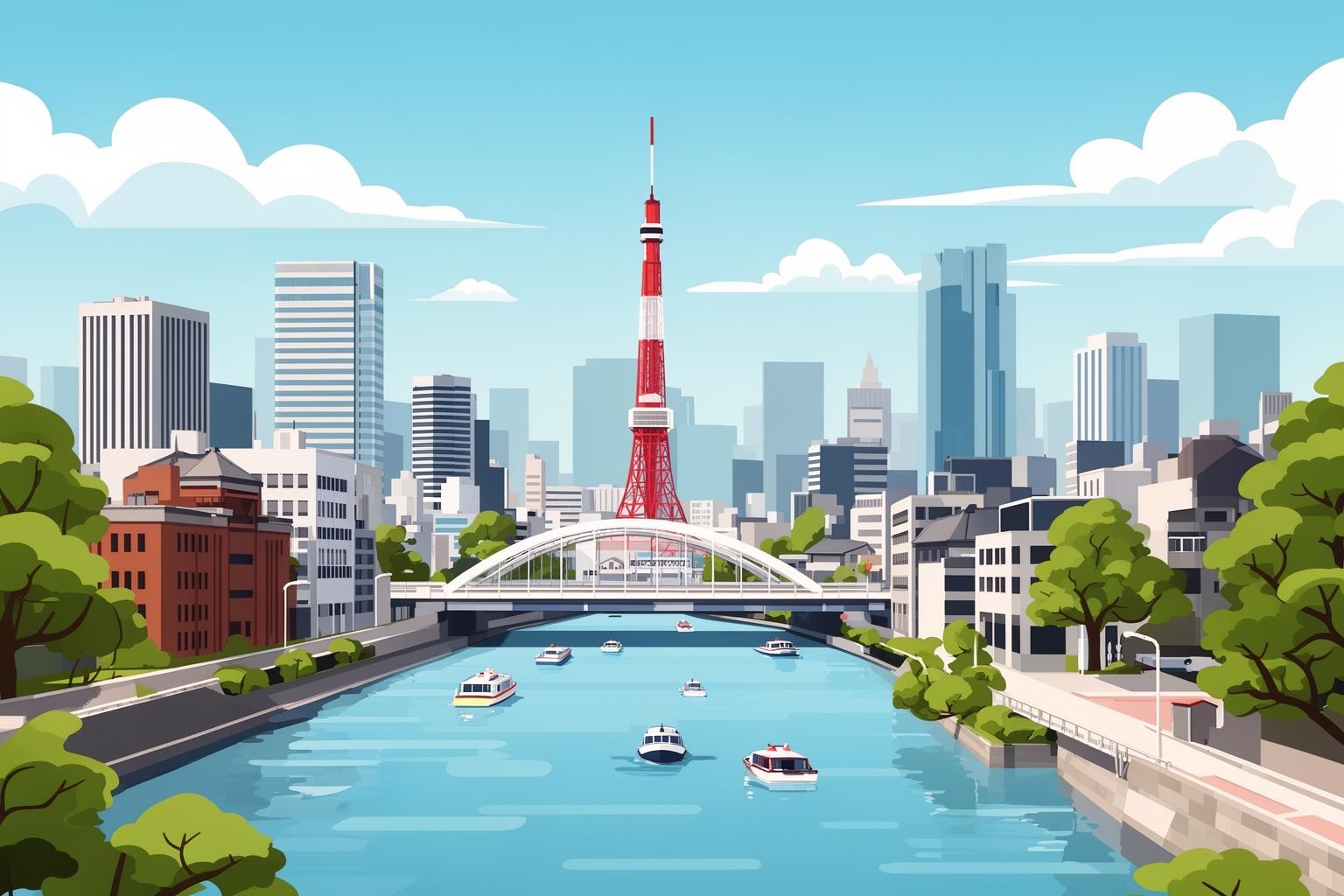
For someone used to the meticulously maintained public spaces of Tokyo, the first impression of Osaka’s riversides can be striking. You’ll notice towering, plain concrete floodwalls, graffiti beneath bridges, and walkways that are functional rather than stylish. The water itself, though cleaner than it has been for decades, can seem murky. An outsider might immediately think the area is neglected or poorly maintained, but this is a fundamental misunderstanding of Osaka’s core values.
Osaka values function over form, resilience over beauty, and the “lived-in” feel over the “brand-new.” What appears as neglect to a visitor is, to a local, clear evidence of a city that works, a city that has battled and overcome nature, and a city comfortable in its own identity.
Concrete Banks and Floodgates: Pragmatism in Safety
Osaka sits on a low-lying delta, intersected by rivers and historically vulnerable to severe floods and typhoon storm surges. The massive, seemingly plain concrete embankments and huge floodgates guarding the river mouths are not aesthetic shortcomings; they are symbols of survival. They represent centuries of hard-earned experience and serve as constant reminders that the water is both a source of life and a potential danger.
This practical mindset defines Osaka. When faced with a challenge, the question isn’t “How can we make it look nice?” but “How can we fix it so it won’t break again?” The answers are often straightforward, durable, and unembellished. This approach goes beyond engineering—it’s reflected in direct communication, emphasis on value for money (kosupa, or cost performance), and a general impatience with superficiality. The concrete walls aren’t attractive, but they keep the city dry, which to an Osakan is beauty enough.
“It’s Clean Enough”: The Lived-In Atmosphere
Osaka’s riversides aren’t immaculately clean. You might spot teenagers leaving empty cans behind, a fisherman’s tackle discarded, or the remains of an unplanned picnic. This isn’t a sign of civic neglect; it’s evidence of vitality. These spaces are actively used, not preserved as museum pieces.
This reflects a cultural acceptance of comfortable imperfection. It’s an attitude combining shouganai (it can’t be helped) with the belief that public spaces exist for people to actually use. Some mess is the natural result of daily life. This contrasts sharply with the Kanto region, where keeping a flawless public image is crucial. In Osaka, the city feels less like a pristine showroom and more like a busy, slightly cluttered, yet ultimately welcoming workshop. For many foreigners, this lack of pretense makes Osaka feel more “real” and accessible—a city unafraid to reveal its scars and wear.
Speaking the Language of the River
The physical layout of Osaka’s riverbanks—open, accessible, and largely unstructured—profoundly influences the city’s social dynamics. These areas are more than just thoroughfares; they serve as social catalysts. They establish a kind of neutral ground where the usual social barriers of a dense Japanese city seem to diminish, fostering the spontaneous interactions for which Osaka is renowned.
Spontaneous Conversations and Shared Spaces
Visit the banks of the Okawa River near Sakuranomiya during cherry blossom season. The scene contrasts sharply with the orderly, often cordoned-off hanami gatherings in Tokyo’s Ueno Park. In Osaka, it’s a grand, sprawling, and entirely informal free-for-all. Thousands flock to the riverbanks, spreading blue tarps wherever space permits. There are no reservations, no strict regulations.
Within this cheerful chaos, something magical occurs. Strangers sitting side by side begin to converse. An elderly man might share a piece of his grilled squid with nearby college students. Someone compliments your dog, sparking a ten-minute conversation about breeds. This open, friendly atmosphere is not just an Osaka stereotype; it directly stems from the environment itself. The riverbank functions as a great equalizer, a communal living space that nurtures a temporary sense of community. It’s the architectural expression of the local spirit: “We’re all in this together, so let’s enjoy ourselves.”
The Soundscape of the Waterfront
To grasp the river’s language, you just need to listen. Close your eyes on a bridge in Yokohama. You may hear a seagull’s cry, the distant horn of a departing ship, the polite murmur of passersby. The soundscape is peaceful, maritime, and carefully composed.
Now, close your eyes on a bridge over the Yodo River in Osaka. The sound is a dense, industrial, human symphony. You hear the rhythmic clack-clack-clack of a Hanshin line train crossing a steel bridge. The shouts of a university rowing team practice, their coxswain’s voice echoing against concrete walls. The drone of traffic on the expressway overhead, laughter from a riverside barbecue, and the faint, tinny tune of a passing tour boat blend together. It is not a tranquil sound. It is the sound of work, transport, leisure, and life all happening simultaneously, layered one atop the other. It is the raw heartbeat of a city constantly in motion. This soundscape reveals all you need to know. Osaka is not a city that relaxes by the water; it is a city that works, plays, and lives by it, doing so with every ounce of its formidable energy.
To understand Tokyo, you might visit the Imperial Palace. To grasp Kyoto, you visit a temple. But to truly know Osaka, you must walk its rivers. Don’t seek polished perfection or tranquil beauty. Look for the vibrant life thriving along the edges. Observe the office worker savoring a quiet lunch moment, hear the boisterous jokes of a tour guide, feel the rumble of the train overhead, and notice the concrete walls that hold this magnificent, messy enterprise together. Here, along these hardworking waterways, you’ll find the true, unapologetic, and wonderfully human spirit of Osaka.