Close your eyes for a moment and imagine. Picture yourself stepping off a train into a world where the air itself is a savory perfume, a heady blend of grilled meat, garlic, and tantalizing spices that clings to you like a warm embrace. You hear the rhythmic clatter of a train passing overhead on the JR Loop Line, a sound that, instead of being jarring, becomes the heartbeat of the neighborhood. A symphony of Japanese and Korean chatter fills the narrow alleyways, punctuated by the cheerful calls of shopkeepers and the unmistakable, mouthwatering sizzle of beef meeting a fiery grill. This isn’t a dream; this is the raw, electric, and utterly delicious reality of Tsuruhashi, Osaka’s vibrant Koreatown. This district is more than just a place to eat; it’s the undisputed epicenter of Yakiniku culture in Japan, a living museum of culinary history where every smoky doorway promises an authentic taste of soul food perfected over generations. Forget the polished, tourist-centric eateries of downtown. Tsuruhashi is where those in the know come for the real deal, a culinary pilgrimage into the very heart of what makes Osaka’s food scene so legendary. Here, the experience is as much about the vibrant, chaotic atmosphere as it is about the perfectly marbled slice of beef melting on your tongue. It’s a place that engages every single one of your senses, inviting you to get lost in its maze-like streets and discover the fiery, flavorful soul of the city.
For another quintessential Osaka dining experience, explore the vibrant standing bars of Kyobashi.
The Electric Atmosphere of Tsuruhashi
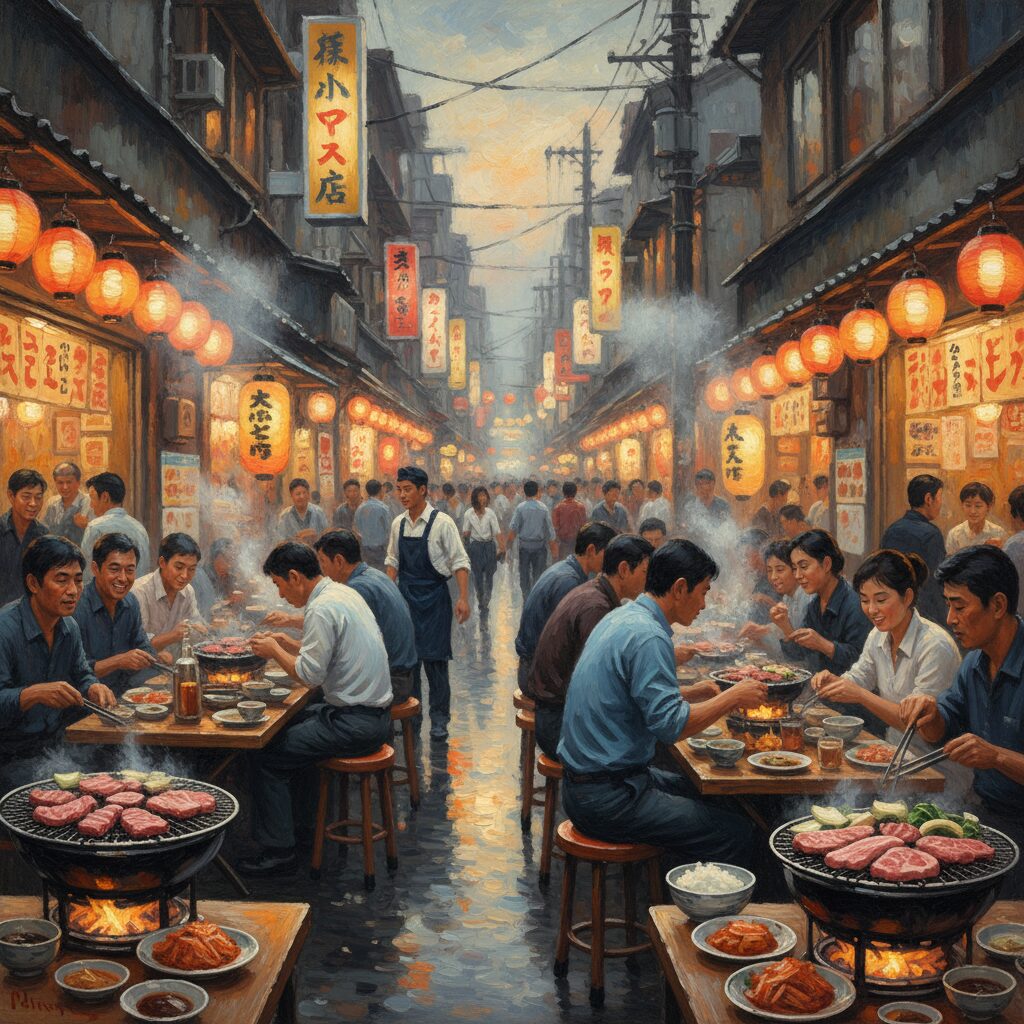
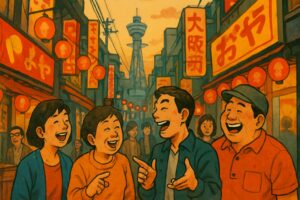
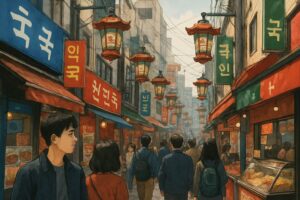
Entering Tsuruhashi feels like stepping through a portal. The moment you pass through the station’s ticket gates, a sensory overload begins, but in the most delightful way imaginable. The area is an expansive, chaotic, and captivating maze of covered shopping arcades, known as shotengai, intertwined with narrow, twisting side streets. The main market beneath the train tracks feels like a time capsule. Its low ceilings and tight passageways are packed with an extraordinary abundance of life. The air is rich with a complex mix of aromas; one moment, you’re met with the sharp, fermented funk of countless varieties of kimchi, the next, the sweet, smoky scent of grilling meat draws you in another direction. Shopfronts spill into the walkways, creating a vibrant mosaic of color and texture. You’ll see grandmothers carefully arranging bright red mounds of chili paste, butchers showcasing pristine cuts of meat you’ve likely never encountered before, and vendors offering everything from traditional Korean dresses, the chima jeogori, to K-pop merchandise.
However, the true magic unfolds as dusk begins to fall. This is when the Yakiniku restaurants, the yakiniku-ya, come alive. The neighborhood undergoes a transformation. Red lanterns, or akachochin, flicker on outside humble doorways, casting a warm, welcoming glow onto the streets. Wisps of fragrant white smoke pour from every corner, hinting at the feast inside. There’s an undeniable energy here, a tangible buzz that intensifies as the night goes on. It’s not a quiet, reflective dining experience. It’s lively, loud, and communal. You’ll hear the raucous laughter of friends catching up over beers, the focused silence of a family grilling together, and the constant, comforting sizzle that forms the area’s soundtrack. The décor in many of the most cherished establishments is refreshingly utilitarian. Don’t expect crisp white tablecloths. Instead, you’ll find well-worn wooden tables, simple stools, and walls darkened by decades of delicious smoke. This isn’t a flaw; it’s a badge of honor. It speaks to a history of serving incredible food without pretense. The focus is squarely on the grill at the center of your table, the glowing heart of the entire experience. It’s a raw, authentic, and strikingly photogenic scene—a beautiful chaos that tells a story of community, history, and a shared passion for food that nourishes the soul.
A Taste of History: The Roots of Yakiniku in Osaka
To truly appreciate Tsuruhashi’s Yakiniku, you need to understand its story, which is deeply connected to the history of the Zainichi Korean community in Osaka. The area around Tsuruhashi became home to many Koreans who moved to Japan during the early 20th century, especially before and during World War II. After the war, this community endured significant hardship and discrimination but showed remarkable resilience and ingenuity. In the bustling black markets that emerged in post-war Osaka, they began to rebuild their lives, with food playing a central role in this effort. The origins of Tsuruhashi’s Yakiniku lie in this era of scarcity and creativity. While Japanese food culture at that time rarely used animal offal, the Korean community knew how to transform these less desirable parts into something extraordinarily delicious. This gave rise to horumon-yaki. The term horumon is believed to derive from the Kansai dialect phrase horu mono, meaning “discarded things.” These resourceful cooks took what was normally thrown away and, using their knowledge of Korean grilling methods and seasonings, created a culinary sensation.
They marinated offal cuts—intestines, liver, heart, stomach—in savory, sweet, and spicy sauces made from soy sauce, garlic, sesame oil, and gochujang, then grilled them over charcoal. The outcome was an inexpensive, nutritious, and incredibly flavorful meal that provided both comfort and sustenance. These early eateries were often nothing more than humble shacks or street stalls, but their reputation for tasty food grew quickly. Over time, as Japan’s economy improved and tastes evolved, Yakiniku began to include more conventional cuts like karubi (short rib) and rosu (loin). Still, it retained its soulful Korean roots. The tradition of gathering around a communal grill, the bold marinade flavors, and the essential side dishes such as kimchi all reflect this heritage. Tsuruhashi emerged as the heartland of this evolving cuisine. The restaurants, passed down through generations, perfected their secret tare (sauce) recipes, each fiercely guarded as a family treasure. What started as a dish born of necessity transformed into a celebrated cuisine, symbolizing the Zainichi Korean community’s profound contribution to Osaka’s—and Japan’s—culinary heritage. So when you sit down at a Yakiniku table in Tsuruhashi, you’re not just eating grilled meat; you’re partaking in a rich history of resilience, cultural fusion, and culinary brilliance.
Navigating the Labyrinth: Finding Your Perfect Yakiniku Haven
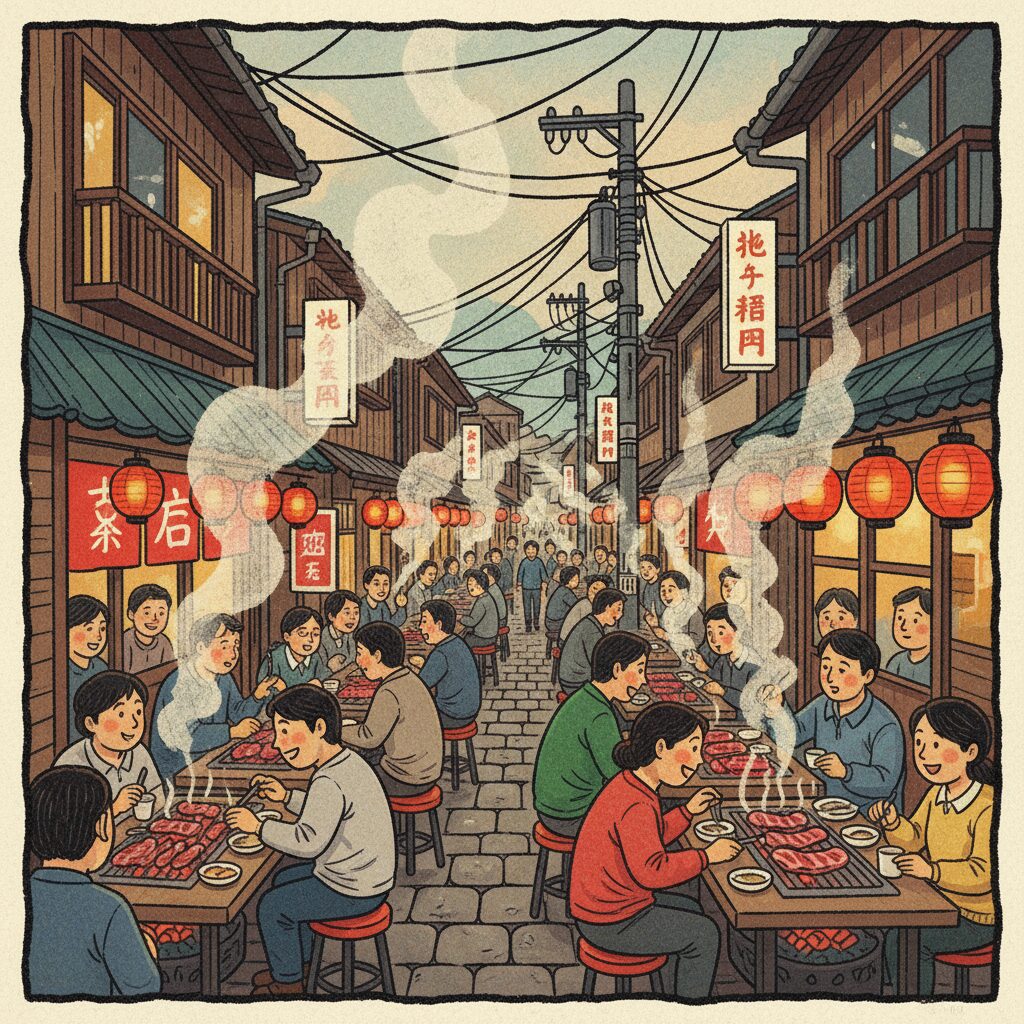
Choosing a Yakiniku restaurant in Tsuruhashi can be delightfully overwhelming. With hundreds of options concentrated in a relatively small area, ranging from legendary institutions to hidden gems, the best strategy is to trust your instincts and enjoy the adventure. Rather than hunting for a single “best” place, it’s more rewarding to appreciate the diverse styles of restaurants that embody the neighborhood’s character. Each provides a unique glimpse into the world of Yakiniku.
The Old Guard: Legendary Shops Rich in Tradition
These are the shrines of Tsuruhashi Yakiniku, establishments that have tended their charcoal grills for fifty, sixty, or even seventy years. Stepping into one of these places feels like stepping back in time. The air is thick with smoke, the floors might feel a bit sticky, and the service is straightforward and efficient. Menus are often written only in Japanese on wooden slats hanging on the walls. But here lies the soul of Tsuruhashi. These restaurants take great pride in their history, preserving recipes unchanged for decades. The highlight is often their house-made tare, a complex, savory-sweet sauce perfected over generations. It’s a flavor impossible to duplicate, a taste that embodies time and tradition. Typically, you’ll find classic beef cuts, expertly prepared, alongside a full selection of horumon. The atmosphere is lively, communal, and intensely flavorful. You may end up sharing a table with locals, all packed together in a joyful, smoky celebration of food. These places aren’t focused on fancy presentation; they’re about the pure delight of perfectly grilled meat and the timeless vibe of a neighborhood institution.
The Horumon Hotspots: A Journey into Offal Excellence
For the adventurous diner, the heart of Tsuruhashi is found in its horumon-specialty restaurants. These venues honor the very roots of Yakiniku, elevating offal from “discarded parts” to culinary artistry. Their menus can be an exciting challenge for newcomers, listing a dozen or more varieties of innards, each with distinct textures and flavors. You might encounter mino (first stomach), noted for its chewy, almost crunchy texture; techan (large intestine), which is rich and fatty; senmai (third stomach), featuring a honeycomb appearance and delicate bite; or akansen (fourth stomach), prized for its balanced texture and taste. Staff in these places are usually masters of their craft, ready to guide you on what to order and how long to grill each cut. Eating horumon is a textural adventure—some pieces are soft and tender, others springy and resilient, and some become delightfully crisp on the grill. This style of Yakiniku is deeply rooted in the Japanese philosophy of mottainai, which emphasizes not wasting. By savoring these cuts, you honor the animal and engage in the most authentic Tsuruhashi dining experience. It’s a bold, flavorful, and immensely satisfying journey that connects you directly with local history.
Modern Marvels: Contemporary Takes on a Classic
Although Tsuruhashi is celebrated for its nostalgic charm, the neighborhood is far from stuck in the past. A new generation of chefs and restaurateurs are reinventing the Yakiniku tradition. These modern spots often offer a somewhat more refined dining experience, featuring improved ventilation (a welcome addition!), comfortable seating, and menus designed to be more accessible to international guests. They might emphasize premium A5-grade wagyu beef, highlighting rare cuts with detailed descriptions. Some experiment with seasoning beyond the classic tare and shio (salt), incorporating flavors like yuzu kosho or other contemporary Japanese twists. You may also find extensive selections of wine or craft sake to complement your meal. These restaurants provide an excellent introduction for those who might find the raw intensity of the older establishments intimidating. They bridge tradition and modernity, delivering the exceptional quality of Tsuruhashi’s meat in a stylish, comfortable setting, demonstrating that the spirit of Yakiniku continues to evolve.
The Art of the Order: A Yakiniku Guide for the Curious Traveler
Stepping into a traditional yakiniku-ya for the first time can be an exciting experience, and having some knowledge about what to order can make it even more enjoyable. The menu celebrates the cow, featuring everything from its most prized cuts to the humblest innards. It offers a chance to explore a wide range of flavors and textures, all cooked by you right at your table.
Decoding the Menu
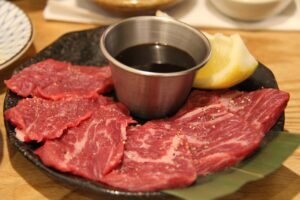
Let’s explore some highlights of the Yakiniku menu. Karubi is perhaps the most well-known cut—it’s beef short rib, richly marbled with fat that melts on the grill, making it incredibly juicy and flavorful. Rosu denotes loin cuts, which are leaner than karubi but still tender and full of beefy flavor. For a textural contrast, try tan, or beef tongue. Often served thinly sliced and seasoned with salt and lemon, it has a pleasant, slightly chewy texture when grilled briefly. Then there’s harami, or skirt steak. Though technically classified as offal, it’s a muscle from the diaphragm with the robust flavor of red meat yet the tender texture of organ meat—a favorite among enthusiasts. When you’re ready to try horumon, a mixed platter called horumon moriawase is a great way to sample various types. Don’t hesitate to ask for recommendations; even with a language barrier, a simple “Osusume wa?” (What do you recommend?) accompanied by some pointing can be very helpful.
Sauce vs. Salt: The Great Flavor Debate
When ordering, you’ll often choose between two main seasonings: tare or shio. Tare is the classic Yakiniku sauce, a marinade typically made from soy sauce, mirin, sake, sugar, garlic, and sesame. It caramelizes beautifully on the grill, coating the meat in a sweet and savory glaze. It’s ideal for richer, fattier cuts like karubi. Shio, in contrast, is a straightforward seasoning of salt, sometimes combined with pepper or sesame oil. This lets the natural taste of the meat stand out. It’s perfect for cleaner-flavored cuts such as beef tongue (tan) or premium loin (rosu), as well as many varieties of horumon where you want to fully appreciate the pure texture and flavor.
Mastering the Grill: Tips for Perfect Searing
The charm of Yakiniku lies in its interactive nature—you are the chef. The small grill at the center of your table, whether gas or charcoal, is yours to command. A few simple tips can enhance your grilling skills. First, avoid crowding the grill—place only a few slices at a time to ensure even cooking. Thin slices like tan or rosu cook quickly, usually 30-40 seconds per side, just until the color shifts. Thicker, fattier cuts like karubi require a bit more time to render fat and develop a nice char. Keep an eye on the flames—if they flare up too much from dripping fat, move the meat to a cooler section of the grill temporarily. Use your chopsticks to turn the meat; it’s considered bad manners to use the same end of chopsticks for handling raw meat and then eating. Many people use the opposite end or tongs provided for grilling. Grilling together is a communal act and an essential part of the Yakiniku experience.
Beyond the Meat: Essential Sidekicks
A Yakiniku meal isn’t complete without its array of side dishes. These add balance, cut through the richness of the meat, and refresh the palate between bites. Kimchi is indispensable; its spicy, tangy, fermented cabbage perfectly complements the savory beef. You’ll also find namul, a variety of seasoned vegetables like bean sprouts or spinach, which bring a fresh, light note. A bowl of fluffy white rice is crucial for soaking up the delicious juices. Toward the end of the meal, many diners enjoy a noodle dish such as reimen, a surprisingly refreshing bowl of chewy cold noodles in savory broth, or a hearty bibimbap, a Korean rice bowl topped with mixed vegetables. These sides are more than extras—they are vital components that make the Yakiniku experience a complete and satisfying feast.
More Than Just a Meal: Soaking in Tsuruhashi’s Culture
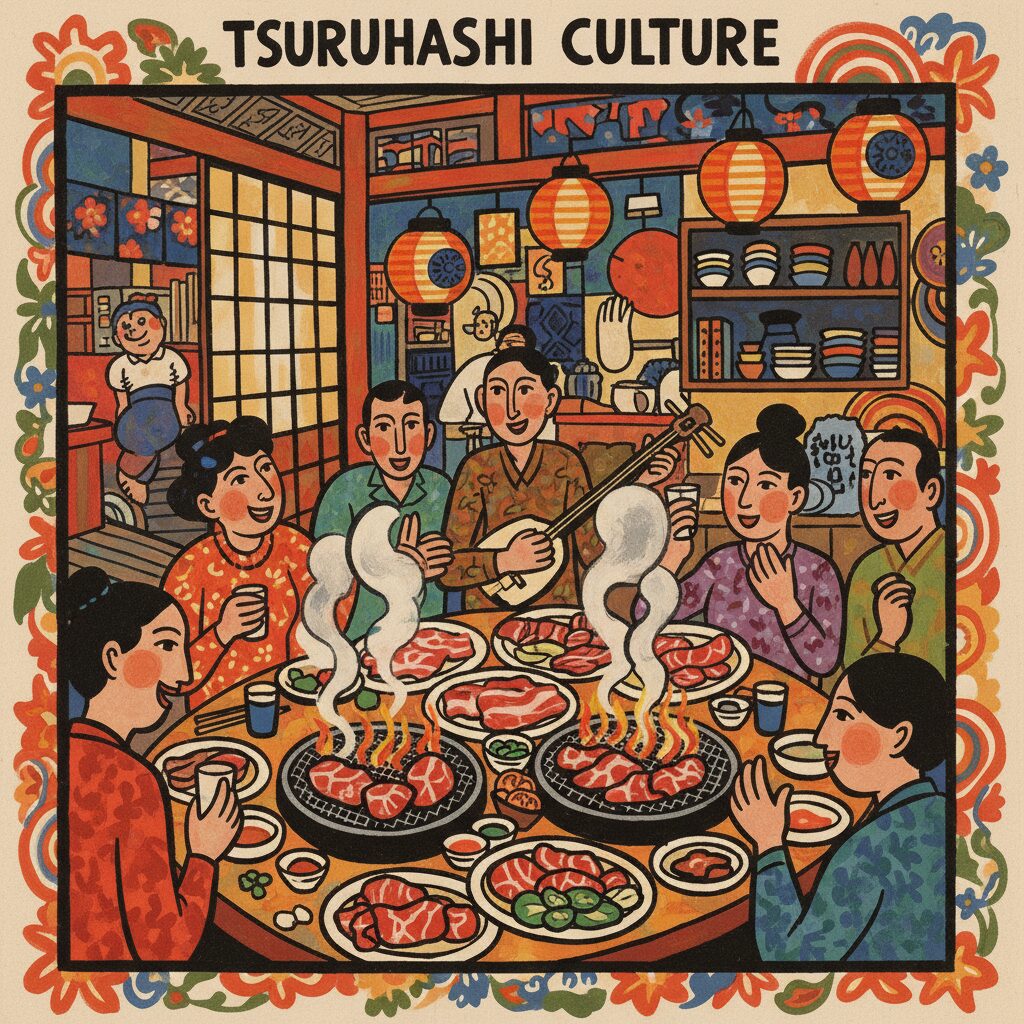
To truly immerse yourself in Tsuruhashi, see it as more than just a place to have dinner. The whole neighborhood is a cultural treasure trove waiting to be discovered. The best approach is to arrive in the late afternoon, well ahead of your dinner reservation, allowing yourself time to explore and work up a genuine appetite. The area’s vibrant energy is contagious, and a pre-dinner walk is the perfect way to take it all in.
A Feast for the Senses: The Tsuruhashi Market
Step into the heart of Tsuruhashi Market, an extensive maze of covered arcades that form the neighborhood’s pulse. Let the sights and aromas guide you. You’ll encounter shops dedicated solely to kimchi, with dozens of varieties fermenting in large tubs—from classic cabbage kimchi to more unusual ones made with cucumber, radish, or even squid. The vivid red of chili peppers is everywhere. Stop by a Korean deli, or sozai-ya, and admire the array of prepared dishes. You’ll find glistening stacks of chijimi (savory pancakes), neatly rolled kimbap (Korean sushi rolls), and a variety of stewed and seasoned vegetables. Many establishments offer free samples, making it a delicious way to savor the market’s flavors. The butchers are also a spectacle, with skilled craftsmen expertly carving large cuts of beef. It’s a fantastic place to watch people and gain a genuine sense of the local community that has flourished here for generations.
Pre-Dinner Rituals and Post-Meal Strolls
As you wander, you’ll notice the neighborhood’s tempo change as evening nears. The scent of Yakiniku fills the air, signaling that mealtime approaches. This anticipation is part of the charm. After your satisfying Yakiniku dinner, resist the urge to rush back to the train. A post-dinner stroll is ideal for digestion and offers a fresh perspective of the area. The alleyways, now illuminated by lanterns and neon signs, take on a cinematic atmosphere. You might discover a tiny hidden bar for a nightcap or a quaint café serving traditional Korean sweets. It’s in these quiet moments of discovery, away from the main streets, that some of the most memorable experiences unfold. Tsuruhashi is a neighborhood that rewards curiosity—every turn might reveal a new sight, sound, or scent, weaving together the rich fabric of this unique Osaka district.
Practicalities and Pro-Tips for Your Tsuruhashi Adventure
Navigating Tsuruhashi is part of the enjoyment, and having a bit of practical knowledge will help ensure your visit is smooth, delicious, and stress-free. This is a place that warmly welcomes newcomers, especially those who arrive with a healthy appetite and an open mind.
Getting There with Ease
Tsuruhashi is exceptionally well-connected, making it an easy destination from major Osaka hubs. Tsuruhashi Station is a major interchange served by three different lines. The JR Osaka Loop Line is the most popular way to arrive, circling the city center and connecting directly from Osaka/Umeda and Tennoji stations. The Kintetsu Nara Line also stops here, convenient for travelers coming from the Namba area or even Nara. Lastly, the Sennichimae Subway Line offers another simple route from Namba and Shinsaibashi districts. Once you exit the station, you are immediately immersed in the market and Yakiniku district—no long walk required. The sights, sounds, and smells will let you know you’ve arrived.
The Rhythm of the Town: When to Visit
Although the market is vibrant during the day, the true Yakiniku experience shines in the evening. The best time for dinner is from about 5 PM onward. This is when restaurants open and the neighborhood’s energy becomes palpable. Weekends, especially Friday and Saturday nights, are very busy. The most popular restaurants may have long lines, so reservations are strongly recommended if you have a particular place in mind. For a quieter vibe, consider visiting on a weekday evening. Keep in mind that many smaller, family-run shops in Tsuruhashi close one day a week, often Wednesday, so it’s wise to check if you’re planning a mid-week visit. Arriving a little early offers a great opportunity to explore the surrounding market before settling in for your meal.
A Note on Cash and Language
While Japan is gradually becoming more credit card-friendly, Tsuruhashi’s nostalgic charm extends to its payment methods. Many traditional, long-established Yakiniku restaurants accept cash only. It’s advisable to carry enough Japanese Yen to avoid any inconvenience after enjoying your fantastic meal. Regarding language, Japanese is the primary language, with Korean also common among the community. English menus are not always available, especially in more local, tucked-away spots. But don’t let this discourage you. The atmosphere is warmly welcoming. Menus often feature pictures, and simply pointing, smiling, and using gestures works wonders. Learning a few key phrases like “Kore, kudasai” (This one, please) and “Oishii!” (Delicious!) will be appreciated and will enhance your experience with the wonderful people who make Tsuruhashi so special.
The Sizzle That Stays With You

Tsuruhashi is far more than just a collection of restaurants. It stands as a vibrant testament to how food can build community, preserve history, and inspire joy. Dining here is a journey—a journey through smoky, intoxicating alleys, the complex history of a resilient community, and a spectrum of bold, honest, and deeply satisfying flavors. The atmosphere hums with an energy uniquely Osaka: unpretentious, heartfelt, and passionately devoted to good food. The memory of sizzling meat on the grill, the warmth of the charcoal fire, and the rich, savory taste of perfectly cooked karubi will linger long after you leave. This experience captures the very spirit of this remarkable city. So come with an empty stomach and an open heart, and let the smoke and sizzle of Osaka’s Koreatown guide you to a meal you won’t forget.