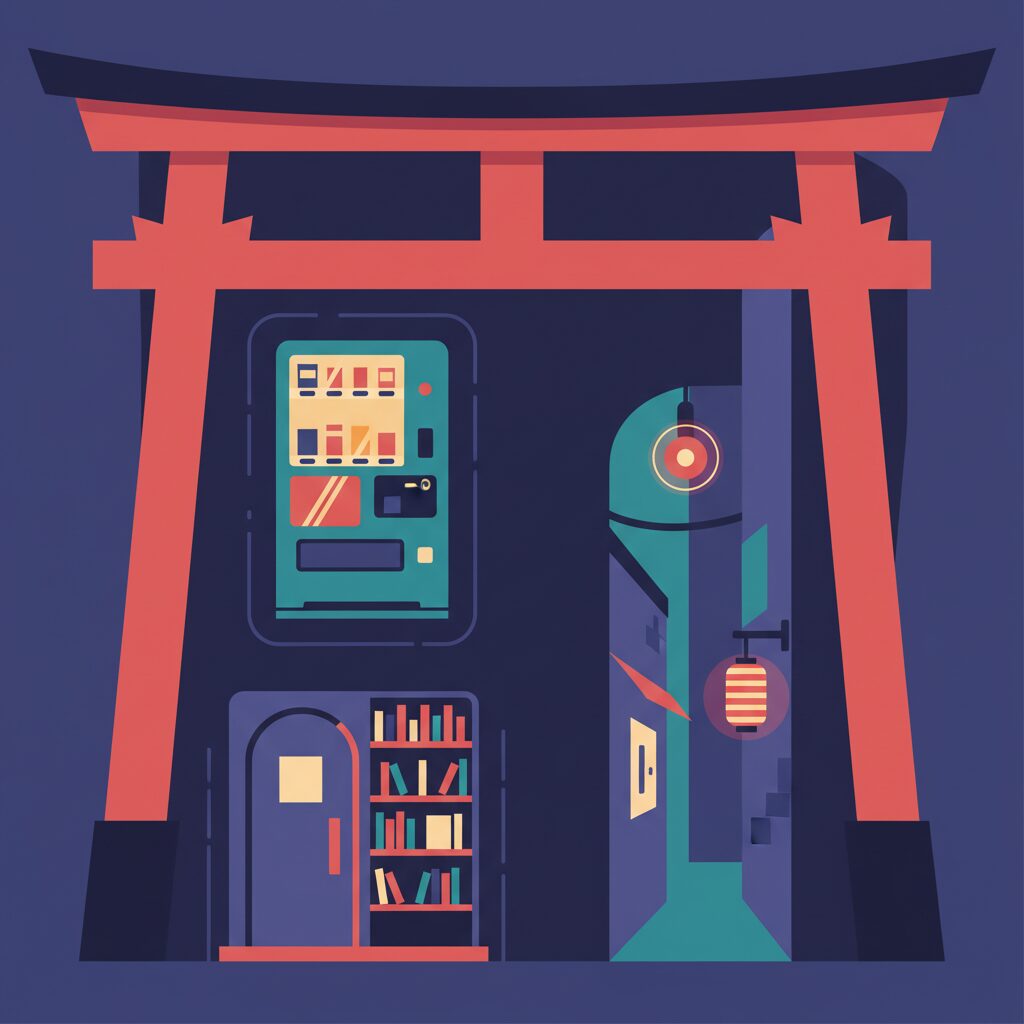
Walk through the neon-drenched canyons of Umeda or Namba after dusk, and your eyes will naturally settle on the bright, welcoming storefronts at street level. The glowing signs of ramen shops, the familiar logos of convenience stores, the clean glass facades of chain izakayas—they form a clear, legible map of the city’s nightlife. But then, you look up. And you see it. A tall, impossibly slender building, maybe a little grimy, maybe showing its age. Its face is a chaotic mosaic of signs, a vertical Babel of kanji, katakana, and the occasional burst of cryptic English. A tiny bar on the third floor, a snack bar on the fifth, a music club on the seventh, something unidentifiable on the eighth. The entrance at the bottom is often a narrow, poorly-lit doorway leading to a cramped elevator or a steep, uninviting staircase. This is the ‘zakkyo-biru’ (雑居ビル), the multi-tenant building, and it is the pulsing, hidden heart of Osaka’s social life. For many newcomers, myself included when I first moved here from the quiet countryside, these buildings are architectural question marks. They feel private, impenetrable, and frankly, a little intimidating. There are no windows to peek through, no menus posted by the door, no sounds to give you a clue. You’re left wondering: Who goes in there? How do you choose? Are you even allowed? The temptation is to stick to the safe, ground-floor options. But to do that is to miss out on understanding a fundamental truth about this city. These vertical mazes aren’t just buildings; they are a physical manifestation of the Osakan mindset—pragmatic, independent, community-focused, and deeply unpretentious. Learning to navigate them is learning to read the city’s soul.
For those eager to explore the next layer of Osaka’s hidden nightlife, discovering izakaya alleys in Tenma offers an enticing glimpse into the city’s multifaceted social scene.
The Anatomy of a Concrete Jungle
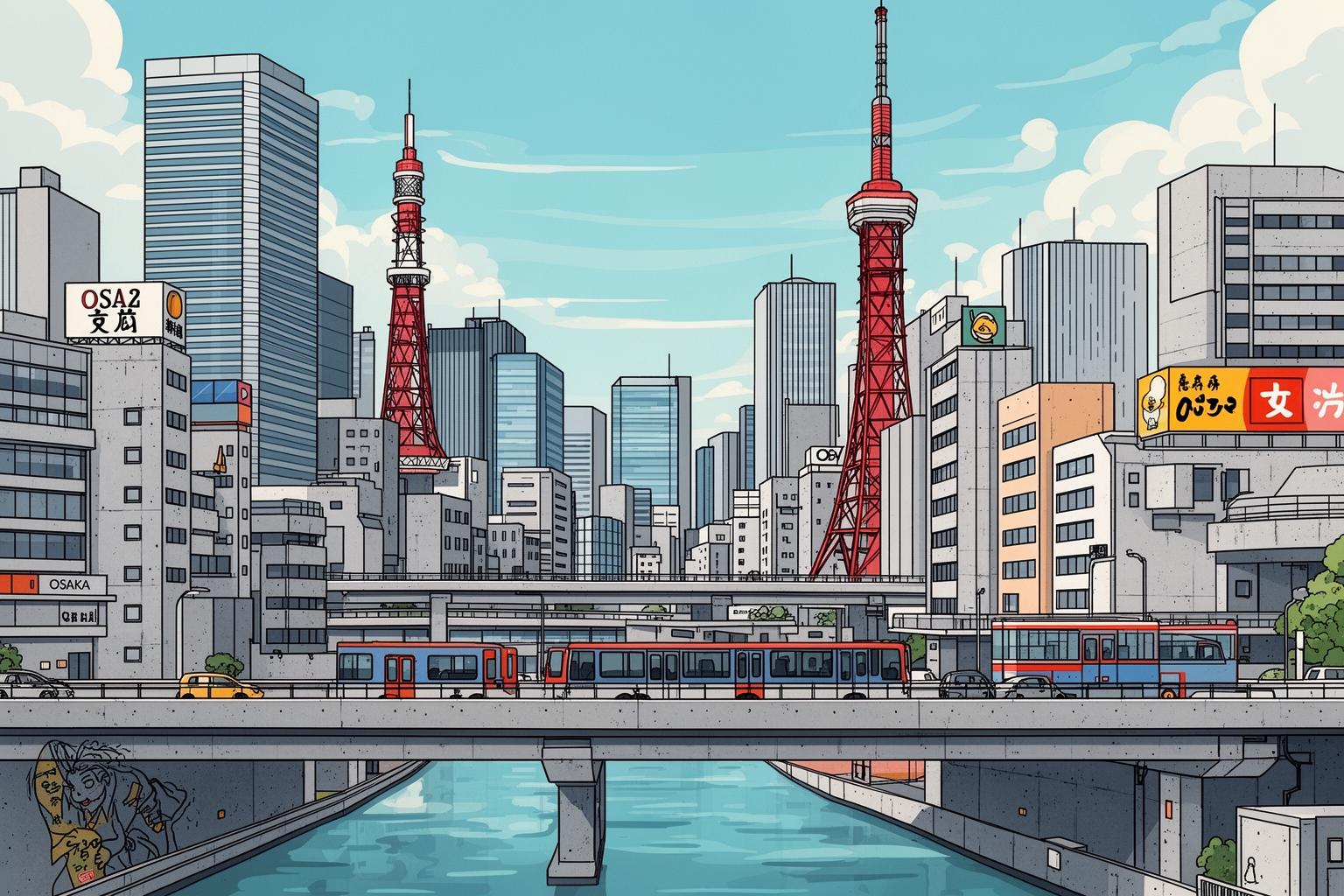
Before stepping inside, it’s important to grasp what a zakkyo-biru actually is, and why it contrasts so sharply with the sleek, corporate towers you might find in Tokyo’s Marunouchi district. The term literally translates to “miscellaneous-cohabitation-building,” which perfectly describes it. Unlike a modern office tower owned by a single large corporation, most zakkyo-biru are owned by individuals or small family businesses. Each floor, or sometimes just a portion of a floor, is rented to a different, fiercely independent business owner. The result is a vertical ‘shotengai’—a traditional shopping street, but stacked upward. The ground floor might house a pharmacy, the second floor a dental clinic, the third a tiny Italian restaurant, the fourth a nail salon, the fifth a heavy metal bar, and the sixth a quiet ‘snack bar’ for local salarymen. This architectural style thrived during the post-war economic boom, when land in city centers was scarce and costly. For an aspiring entrepreneur with limited capital but big dreams, renting a small, out-of-sight space on an upper floor was the only way to get started. This economic reality helped shape Osaka’s social fabric, creating a city of specialists and niche enthusiasts. Rather than opening a generic ‘bar,’ you open one dedicated to 1980s pop music, or one that serves only rare Japanese whiskeys, or one for fans of a particular baseball team. The zakkyo-biru acts as an incubator for these highly specific dreams. This sharply contrasts with Tokyo, where pressure to conform and high real estate costs often favor larger, more standardized chains. In Osaka, the zakkyo-biru keeps the city’s nightlife wonderfully quirky, individualistic, and deeply personal. It stands as a testament to the merchant spirit of ‘akinai,’ where success is forged through grit, personality, and carving out a unique niche in a crowded marketplace.
Decoding the Wall of Signs
The first challenge is decoding the chaotic array of signage. It’s a language unto itself, blending explicit advertising with subtle signals. Some signs are straightforward: ‘Shot Bar,’ ‘Music Bar,’ ‘Rock Bar.’ These are usually your safest picks for a first visit. A ‘Shot Bar’ (ショットバー) is most like a Western-style bar, where you pay per drink (‘shot’) and the system is clear. ‘Music Bar’ or ‘Rock Bar’ suggests a theme, where the owner, the ‘Master,’ shares their personal playlist and fosters a community centered on a shared taste. But then it becomes more complicated. You’ll encounter signs for ‘Snack’ (スナック) or ‘Girls Bar’ (ガールズバー). These represent a completely different category and often lead to misunderstandings and unexpectedly high bills for unprepared foreigners. A ‘Girls Bar’ is fairly clear: you pay for the time and conversation of female staff who drink with you. A ‘Snack’ bar is more nuanced. It’s a traditional Japanese institution, a kind of neighborhood living room overseen by a woman called ‘Mama-san.’ The patrons tend to be regulars who pay a cover charge (which includes simple snacks, hence the name) and then buy drinks. Often, karaoke is part of the experience. Though not explicitly exclusive, the atmosphere is strongly local and can be hard to enter as a newcomer, especially if you don’t speak Japanese. The key difference isn’t about being unwelcome; it’s about the business model. You’re paying not just for drinks, but for a seat, for company, for a place within that small community for the evening. However, the real key to understanding the signs is to notice what’s missing. The most intriguing and often most rewarding places have no sign at all, or just a small, discreet plaque with a name. The closed, windowless door is the ultimate symbol of the zakkyo-biru. In Western culture, this often suggests exclusivity or privacy. ‘Keep Out.’ In Osaka, it frequently means the opposite. It’s a quiet statement of confidence. It says, “We don’t need to advertise. Those who know, know. The space inside is special, and we safeguard its atmosphere.” The closed door is not a barrier but a filter, a subtle challenge enticing you to be a little brave.
The Gatekeepers: Understanding the ‘Master’ and ‘Mama-san’
If you gather the courage to open that mysterious door, you won’t find a team of uniformed bartenders. You’ll find one person: the ‘Master’ or the ‘Mama-san.’ This individual embodies everything. They are the owner, bartender, DJ, chef, therapist, and curator of the entire social experience. The bar is not a business; it is a direct expression of their personality. To truly grasp the zakkyo-biru bar, you must understand this pivotal role. In Tokyo, you often feel like a customer being served by staff. In an Osaka counter bar, you feel like a guest in someone’s home. The Master will greet you, often with a mix of surprise and curiosity if you’re a foreigner. Your first moments resemble a quiet audition. How you present yourself and greet them sets the tone. They are reading the atmosphere, making sure you won’t disturb the delicate harmony they have nurtured among the regulars. This helps explain Osaka’s ‘friendliness’ beyond simple clichés. It isn’t boisterous, back-slapping warmth. It’s an intimate, situational friendliness born from these tiny spaces. When there are only eight seats at a counter, anonymity isn’t possible. You become, by default, part of the evening’s ensemble. The Master acts as the director, subtly introducing people, sparking conversations, or knowing when to leave someone in quiet reflection. I recall my first solo visit. I walked into a tiny bar on the fourth floor of a building in Kitashinchi. The Master, a stern-looking man in his sixties, simply nodded at me. Nervously, I ordered a highball. Twenty minutes of silence passed. Then he slid a small plate of pickles in front of me. “Where are you from?” he asked. That simple question sparked a two-hour conversation—not only with him but also with the two other customers at the counter. By night’s end, I had learned about his passion for vintage cameras and received a restaurant recommendation from a fellow patron. I wasn’t a customer; I was a temporary regular. That is the magic the Master creates.
The Unspoken Rules of the Counter
Navigating these intimate spots requires understanding a subtle, unspoken etiquette. It’s not a matter of strict rules, but of social awareness. This is what often confounds visitors used to the anonymity of larger pubs or clubs. First, the economics. Many of these bars charge a cover fee, called either ‘otoshi’ (お通し) or simply ‘charge’ (チャージ). This can range from a few hundred to a couple thousand yen. It’s not a scam. It’s part of the business model. In return, you’ll often receive a small appetizer. Consider it a table fee or a ticket to the evening’s show. Asking “Charge arimasu ka?” (Is there a charge?) is perfectly fine and shows you understand the system. Once seated, order a drink promptly. Don’t ask for a menu if one isn’t offered. Look at the bottles behind the counter and order something you see, or just ask for a beer or highball. The menu is often in the Master’s head. The key rule is to read the room. Is everyone quietly listening to the music? Then this isn’t the place for a loud phone call. Are the regulars deeply engaged in conversation with the Master? You may be invited to join, but wait for a cue. Space is limited, both physically and aurally. You’re part of the atmosphere, not just a consumer of it. This is a profound difference from the Tokyo model, where large groups from a single company might dominate a big izakaya, creating their own private bubble. In an Osaka counter bar, the bubble includes everyone sitting at the counter. It’s a shared experience, and your role is to contribute positively or, at the very least, not detract from it. Respect the space, respect the Master, and respect the other guests. Do that, and you’ll be welcomed warmly.
Why Here? The Spirit of the Vertical Bar Scene
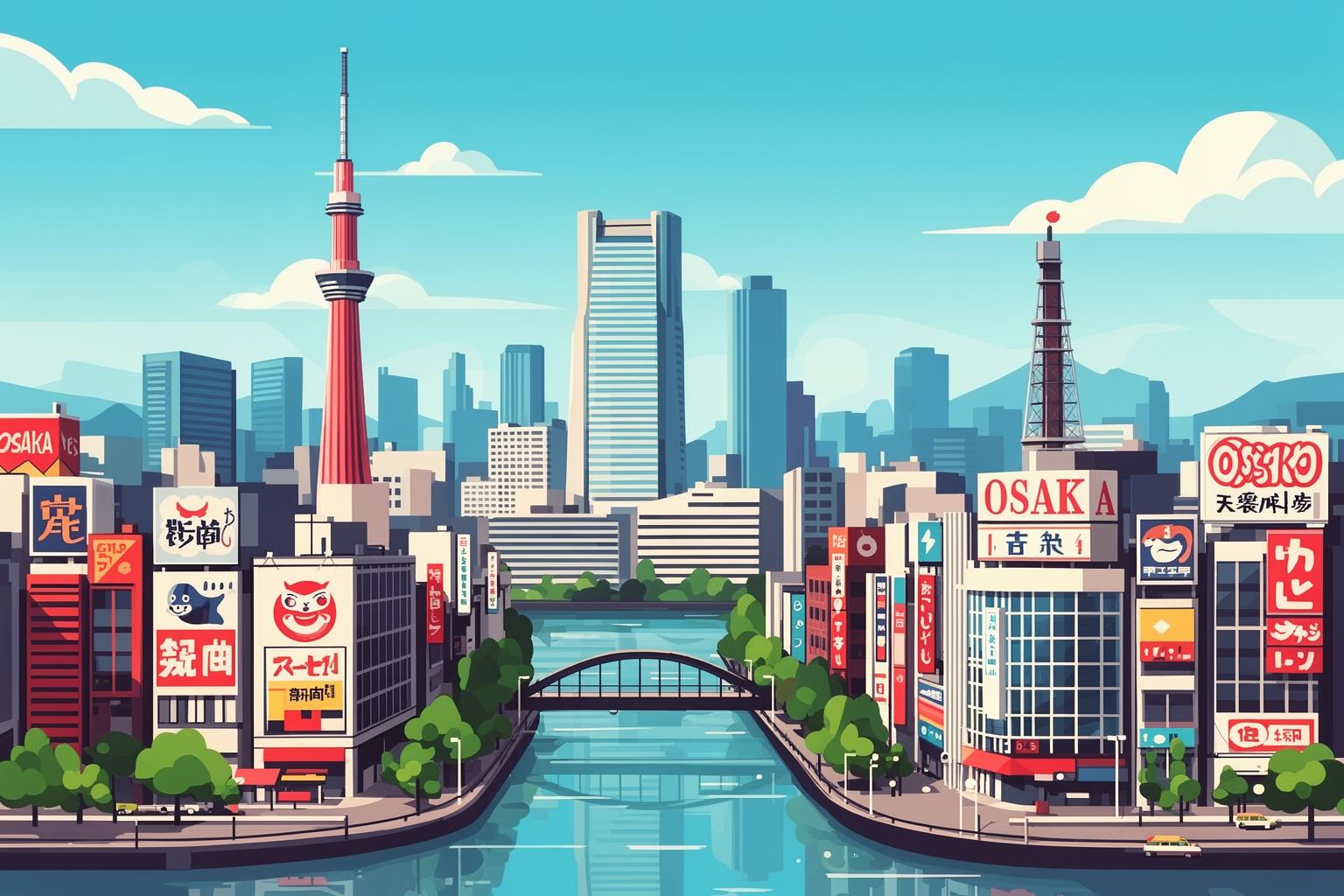
This entire ecosystem of tiny, hidden bars raises the question: why is it so common in Osaka? The answer lies in a powerful blend of history, economics, and the city’s unique character. Osaka has always been Japan’s kitchen, but it has also served as its workshop and marketplace. It’s a city shaped by merchants, artisans, and entrepreneurs rather than samurai and bureaucrats. There’s a deep-rooted respect for anyone striving to succeed independently, embodying a spirit of ‘do-it-yourself’ innovation. The zakkyo-biru is the perfect embodiment of this. It offers a low-risk, high-reward platform for individualism. Renting a 15-square-meter space on the fifth floor requires no massive investment—just a concept, a personality, and the drive to cultivate a loyal following. This encourages remarkable diversity, which is the true hallmark of the Osaka scene. Within a single building, you might find a bar run by a former magician performing tricks, another dedicated to a single distillery, and yet another playing only French pop from the 1960s. These venues could never survive in prime, street-level locations. They depend on word-of-mouth and the devotion of regulars who seek them out. This reflects Osaka’s pragmatism at its best. It’s not about flashiness or prime locations; it’s about excelling at what you do, being authentic, and creating genuine connections. People will happily climb stairs and endure rickety elevators for an authentic experience. While Tokyo often conveys status through branding, design, and location, in Osaka, status is earned through character and quality—even if hidden within a concrete tower. This difference is fundamental. Osakans inherently distrust superficial polish; they always seek the ‘honma mon’—the real thing. And more often than not, the real thing is found up a flight of stairs.
Your First Ascent: How to Take the Plunge
Understanding the culture is one thing; actually stepping inside is quite another. So, how do you make your first venture into this hidden world without feeling completely lost? Here is a practical approach—not a list of ‘best bars,’ but a strategy for exploration. First, use your eyes. Stroll through an area like Higashi-Shinsaibashi or Umeda’s Doyama-cho and simply observe the buildings. Which ones seem to have a bit of life? Sometimes, a faint trickle of music or laughter can be heard. A-frame signs placed on the sidewalk at the entrance are a godsend. These are direct invitations, often including prices, and serve as the lowest-risk entry point. A handwritten sign, no matter how messy, often indicates a passionate owner—which is a good thing. Next, start with the right kind of bar. As mentioned, ‘Shot Bars’ are your best bet. The system is familiar, and they tend to attract a more diverse crowd, not only regulars. Look for signs that include English or pictures. These are clues that the Master is open to, and perhaps even eager for, foreign visitors. When you find a potential spot, pause for a moment. Observe the entrance. Who is coming in and out? Does it look like a private office party, or are people arriving slowly one or two at a time? Trust your instincts. If it feels genuinely unwelcoming, there are plenty of others to choose from. Finally, equip yourself with a few magic words. Stepping inside and saying, “Hitoriなんですが、大丈夫ですか?” (It’s just me, is that okay?) is a perfect opener. It’s polite and gives them an easy way to refuse if they are full. Following up with “はじめてです” (This is my first time) is even better. This simple phrase transforms you from a potentially intimidating stranger into a curious guest. In Osaka, people love to teach and share their favorites. Admitting you’re a novice invites the Master and regulars to take you under their wing. It lowers the barrier and shows humility, a valued trait. Your reward for this small act of courage is access to a world you would never otherwise see.
When It Goes Sideways (And Why That’s Fine)
Let’s be honest— not every attempt will be a smashing success. The zakkyo-biru scene is a realm of trial and error. You might open a door only to find all eight seats already occupied. You’ll be greeted with a chorus of “Gomen nasai!” (We’re sorry!) and a polite bow. Don’t take it personally. These spots are tiny; a group of three can fill half the bar. Simply say “Mata kimasu” (I’ll come again) and move on to the next door. You might also stumble upon a place with an odd atmosphere or one that is completely silent. It’s perfectly fine to have a single drink, settle your bill, and leave politely— no one will take offense. The most common mistake is mistakenly entering a bar with a system you don’t understand, such as a ‘Snack’ bar with a high cover charge or a bottle-keep setup. If you sit down and are immediately served an expensive-looking plate of snacks you didn’t order, and the ‘Mama’ asks if you want to buy a bottle of whiskey for 20,000 yen, you’ve probably taken a wrong turn. The best approach is polite honesty: “すみません、システムが分かりません” (Excuse me, I don’t understand the system). Or, if you feel uneasy, you can pretend to take a phone call and make a quick, apologetic exit. It may feel awkward, but it’s better than ending up with a surprise 15,000 yen bill at the night’s end. Yet even these ‘failures’ are part of the adventure. They teach you to read the city’s subtle cues. Osakans tend to be straightforward and practical; if there’s an issue, it will be resolved without much fuss. The worst-case scenario is rarely a disaster—it’s more often a cultural lesson and a great story to share later. Every closed door and awkward encounter sharpens your instincts for the next try.
More Than a Drink: Finding Your Place in the Sky
It would be wrong to see these zakkyo-biru establishments as merely places to drink alcohol. They are far more than that. In a city of millions, where apartments are small and public areas can feel impersonal, these bars serve as essential ‘third places.’ They are neither home nor work. They act as community living rooms, neighborhood clubhouses, and social anchors where genuine connections are made. The regular patrons of a particular bar are not just customers; they form a self-chosen tribe, a close-knit family united by a shared appreciation for the Master’s taste in music, their skill in crafting a gin and tonic, or simply the comforting silence they offer. For many singles or those living far from family, the Master of their favorite bar is one of the most stable and consistent figures in their lives. To truly experience Osaka and understand its people, you must find your own ‘third place.’ This may not happen quickly. It demands patience, curiosity, and a readiness to step beyond your comfort zone. But when you finally discover that one bar, tucked away on the seventh floor of an unremarkable building, where the Master remembers your name and drink, and the regulars greet you with a nod—that’s the moment you cease being a visitor and begin to become part of the city’s fabric. You have navigated the vertical maze and found more than a bar. You have found a small piece of home, hidden in plain sight, high above the bustling streets below.