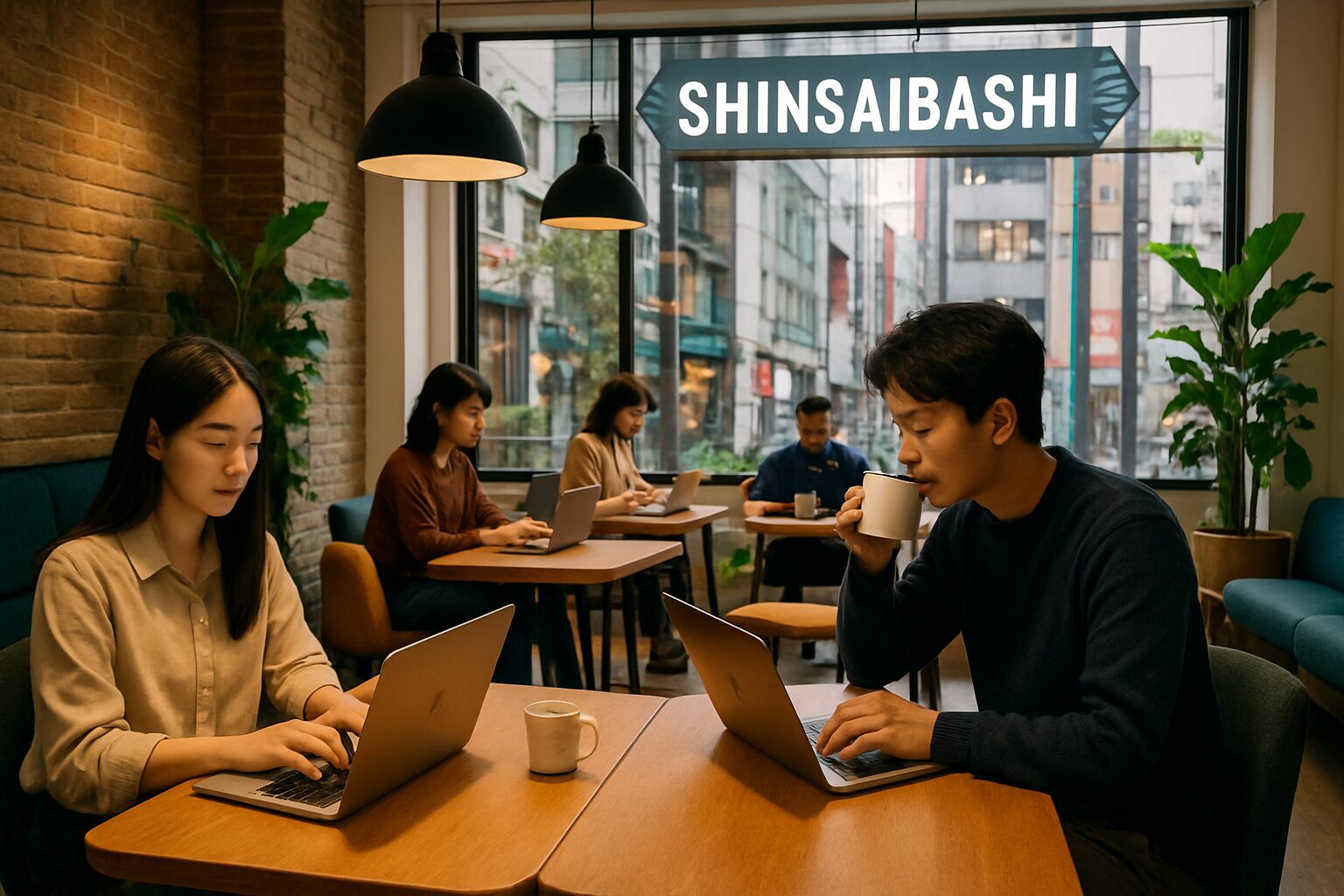
Hello, fellow creatives and urban explorers! Megumi here, your guide to navigating Japan’s vibrant cultural landscapes. As an event planner based in Tokyo, my work often sends me across the country, and I’ve developed a sixth sense for finding those perfect spots where productivity and inspiration collide. Today, we’re diving deep into the heart of Osaka’s electric energy: Shinsaibashi. This isn’t just a district; it’s a pulsating artery of fashion, food, and relentless dynamism. For the remote worker, the traveling professional, or the student burning the midnight oil, Shinsaibashi presents a dazzling paradox. It’s a place of constant motion, yet hidden within its bustling streets are serene oases perfect for focus. The challenge? Finding a cafe that not only serves a soul-affirming cup of coffee but also boasts an aesthetic that will light up your social media feed and a vibe that fuels your workflow. It’s a delicate balance between style and substance, between the perfect flat lay and the perfect Wi-Fi signal. Forget sterile co-working spaces or noisy chain restaurants. We’re on a quest for something more—places with personality, spaces that tell a story, and corners where you can comfortably open your laptop and create your own. This is your definitive guide to the most Instagrammable and productive cafes in and around the Shinsaibashi area, where every sip and every keystroke feels like a part of the grand Osaka experience.
Once you’ve found your perfect Shinsaibashi workspace, you might also want to explore some of the best cafes for digital nomads in the nearby Namba area.
The Concrete Jungle’s Green Oasis: A Morning of Focused Productivity
Our journey begins just a short, refreshing walk from the main Shinsaibashi station, away from the immediate hustle and sensory overload of the covered arcade. We’re headed to a spot where the pace eases just enough for you to breathe deeply and regain your focus. In a city defined by towering concrete and dazzling neon, finding a quiet pocket of calm feels like a genuine triumph. This is where we discover our first treasure: a café that resembles an urban greenhouse, a tribute to biophilic design long before it became a popular trend. Picture stepping off a busy street into a space where the air feels cleaner and fresher. This is more than a café—it’s a sanctuary.
Mill Pour: Sleek Lines and Exceptional Coffee
Located in the slightly more upscale neighborhood of Yotsubashi, just steps away from the Shinsaibashi hustle, Mill Pour embodies minimalist sophistication. From the outside, its clean facade and expansive glass windows offer a preview of curated tranquility inside. The interior design masterfully contrasts textures—smooth, cool concrete walls paired with the warmth of light-grain wood furnishings. Polished metal accents on the lighting and the impressive espresso machine catch the morning sunlight, crafting a space that feels both industrial and welcoming. This is a place that appreciates the power of negative space; it’s uncluttered, allowing your mind to relax in kind.
The ambiance at Mill Pour is one of quiet productivity. Here, you’ll spot local design students sketching in notebooks, freelance developers deeply focused on their coding, and impeccably dressed professionals taking a respite from nearby offices. The background music—a carefully curated playlist of ambient electronic and mellow jazz—is just audible enough to set the mood without distraction. The aroma of freshly ground single-origin beans fills the air, a constant and comforting promise of quality to come. This is where you come for deep work, to tackle projects demanding your full, undivided attention.
From a practical perspective, Mill Pour is a remote worker’s ideal haven. Power outlets are thoughtfully placed along the walls, particularly at the long communal table and counters by the window. The Wi-Fi is strong and dependable, clearly a priority for the owners. Seating is designed for comfort during extended stays, with ergonomic chairs that won’t leave you sore after two hours. For your Instagram feed, the beauty lies in the details: the vivid green matcha latte set against the grey concrete countertop, the perfectly symmetrical pour-over coffee station, the way sunlight streams in creating dramatic shadows in the late morning—every corner is a photo opportunity. Their latte art is consistently flawless, a miniature masterpiece in every cup. A visiting tip: come early on a weekday morning to secure one of the coveted window seats. You’ll enjoy the best natural light for both work and photos, watching the world pass by without feeling overwhelmed. The food menu is succinct but excellent, focusing on high-quality pastries and a delicious avocado toast that’s as visually appealing as it is satisfying.
Amerikamura’s Creative Pulse: Where Work Meets Play
As midday nears, it’s time to change pace. Let’s move beyond the calm minimalism and dive into the vibrant, chaotic core of Osaka’s youth scene: Amerikamura, or “Amemura” as locals fondly call it. This area bursts with color, sound, and style. Graffiti covers the walls, vintage shops pump indie rock into the streets, and the fashion is a daring, eclectic blend of subcultures. Although it may not seem like the most obvious place to be productive, the creative energy is contagious. Cafes in Amemura reflect this vibe—they’re quirky, bold, and uniquely expressive. This is the spot not for quiet, focused work, but for brainstorming, creative writing, or any task needing an external spark of inspiration.
Granknot Coffee: A Haven for Coffee Devotees and People-Watchers
Nestled in the heart of Amerikamura’s twisting streets, Granknot Coffee serves as a beacon of authenticity. This specialty coffee shop is serious about its craft, yet embraces a relaxed, unpretentious atmosphere. The décor combines rustic and industrial styles—exposed brick walls, reclaimed wood tables, and Edison bulbs casting a warm, golden light. It exudes a well-loved, lived-in feel, reminiscent of a favored hangout for artists and musicians. Its large storefront window is a prime feature, offering an ideal view of Amemura’s captivating street fashion parade. It’s truly one of Osaka’s best people-watching spots.
The ambiance here contrasts sharply with Mill Pour. It buzzes, but positively so. The music is more likely to be classic rock or ’90s hip-hop. Baristas are friendly, knowledgeable, and eager to discuss the tasting notes of the day’s featured beans. You’ll spot groups of friends catching up, shoppers pausing with bags piled at their sides, and plenty of laptop users drawing on the area’s creative vibes. It’s a space that feels collaborative even when you’re working solo. The steady murmur of conversation and the vibrant street views provide a perfect antidote to writer’s block or creative stagnation.
Granknot is surprisingly well set up for productivity. While not every seat has an outlet, several power strips are thoughtfully placed, especially along counter areas. Free, fast Wi-Fi easily handles video calls and large downloads. The best work spots are the high counters facing the window, where you can spread out your equipment and immerse yourself in the street scene. From a photographic standpoint, Granknot is rich with textures—the rough brick, smooth coffee mugs, intricate latte art, and colorful passersby offer endless composition possibilities. Their hallmark is the quality of their espresso. A single-origin shot served in a simple, elegant demitasse delivers pure, unfiltered coffee bliss. For a truly Instagram-worthy treat, try their affogato: rich vanilla ice cream bathed in hot, dark espresso, served in a glass. The contrast in temperature, color, and texture delights both the palate and the lens. Tip: Amemura gets crowded on weekends. For a productive session, visit Granknot on a weekday afternoon when energy remains high but crowds are smaller. It’s an ideal place to recharge creativity before re-entering the Shinsaibashi hustle.
Elk Pancake Cafe: A Fluffy, Sweet Retreat
Just a few streets from Granknot, still within Amerikamura’s creative buzz, lies a café catering to a different craving: comfort, sweetness, and unreserved joy. Elk Pancake Cafe is renowned throughout Osaka for its towering, wobbly soufflé-style pancakes. The café feels like stepping into a cozy, whimsical cottage, with natural wood accents, soft lighting, and charmingly mismatched furniture. Small nooks offer privacy, making it a surprisingly good spot for relaxed work—especially reading, journaling, or sketching.
The atmosphere is warm and cheerful, filled with the sweet scent of pancakes and syrup. Background noise includes happy chatter and the gentle clinking of cutlery. It’s a place that makes you smile the moment you enter. Though popular for its food, the pace remains calm and unhurried. This isn’t a venue for intense, deadline-driven tasks but rather a place to reward yourself, celebrate milestones, or draw inspiration from simple pleasures.
While not primarily designed as a workspace, Elk offers a decent setup for casual remote work. Most tables can accommodate a laptop and notebook, and some outlets are available if you search a bit. The Wi-Fi is dependable. The true charm of Elk, however, lies in its role as a creative break destination. Watching chefs prepare the famous pancakes in the open kitchen can be almost meditative. And then there’s the main attraction: the pancakes. Three thick, fluffy discs arrive, dusted with powdered sugar and served with whipped cream and maple syrup. The moment you cut into their cloud-like texture is pure magic. For your Instagram story, the obligatory “pancake jiggle” video is a must. Their seasonal fruit toppings and elaborate presentations are visually stunning. To make the most of your visit, try to come during off-peak times, such as weekday late afternoons, as lunch and weekends often involve long waits. Ordering a pot of their fragrant herbal tea alongside your pancakes extends your stay and offers a calming contrast to the sweetness. It’s a reminder that sometimes the most productive thing you can do is indulge in a little beautiful, delicious escapism.
A Touch of Tradition: Finding Zen Amidst the Modernity
Osaka, and Shinsaibashi in particular, is often characterized by its dynamic, forward-thinking energy. However, the charm of Japan lies in its ability to blend tradition with modernity. Even in this lively commercial district, there are places that honor the timeless customs of Japanese hospitality and aesthetics. These spots offer a unique form of productivity—not driven by caffeine-fueled busyness, but by quiet reflection and a profound sense of calm. On days when the digital clutter feels overwhelming, retreating to a space that values silence and mindfulness can be the ultimate productivity hack.
Wad Omotenashi Cafe: A Contemporary Take on the Tea Ceremony
Situated on the edge of Shinsaibashi, nearer to the quieter Minami-Horie district, Wad Omotenashi Cafe is a beautiful space that reinvents the traditional Japanese tea house for the modern era. Its name reveals its philosophy: ‘Wad’ signifies old Japan, while ‘Omotenashi’ embodies the famous Japanese spirit of wholehearted hospitality. The interior exemplifies modern Japanese design—minimalist yet inviting—using natural elements such as light wood, stone, and handmade ceramics. The open, airy layout features a large central counter where tea masters prepare each beverage with exquisite precision and elegance.
The ambiance at Wad is deeply serene. As you enter, the city’s hectic pace seems to fade away. The only sounds are the gentle whisking of matcha, the soft pouring of water, and the quiet, respectful conversations of guests. This is a space of reverence—for the tea, the craft, and the simple joy of being fully present. It attracts those who appreciate artistry and calm: art aficionados, design lovers, and anyone seeking respite from urban bustle. It’s an ideal setting for writing, focused reading, or any task requiring long stretches of uninterrupted concentration.
As a workspace, Wad presents a distinctive offering. There are no loud discussions to break your focus, and the peaceful atmosphere naturally promotes concentration. While power outlets may be less plentiful than in typical cafes, the comfortable seating and roomy tables are perfect for working on a laptop for several hours. The Wi-Fi is reliable. But the true allure is the overall experience. Watching a tea master prepare your matcha is a meditative performance. Using a traditional bamboo whisk, or ‘chasen,’ they blend the vibrant green powder with hot water into a frothy, emerald drink. It’s a demonstration of skill and heritage. For social media, the visual appeal comes from capturing this process—the bright green matcha in a rustic handmade ceramic bowl, steam rising from the iron teapot, and the understated elegance of wagashi (traditional Japanese sweets) served alongside—images that tell a story of culture and craftsmanship. A tip for first-timers: savor the moment; don’t rush. Engage with the staff—they are passionate about their craft and eager to explain the variety of Japanese teas available, from sencha and gyokuro to hojicha. Ordering a tea set with seasonal wagashi is highly recommended. It creates a complete sensory experience that will leave you feeling refreshed, centered, and ready to approach your work with clarity and calm.
The Powerhouse Workspace: For the All-Day Hustle
Sometimes, you just need a spot where you can settle in for hours—a dependable hub equipped with everything necessary to power through a long workday. You want ample space, endless coffee, strong Wi-Fi, and plenty of outlets, all set within a comfortable and inspiring environment. While Shinsaibashi itself offers many small, charming cafes, for a truly efficient workspace, it’s worth venturing to the outskirts, to a location that has become a cornerstone for digital nomads and remote workers in Osaka.
Brooklyn Roasting Company Namba: Industrial Chic and Urban Energy
Though technically in Namba, the Brooklyn Roasting Company is just a short, pleasant walk from Shinsaibashi’s southern end, making it essential for anyone serious about working in a cafe in this area. Situated in a spacious, high-ceilinged building beside the river, this cafe brings a distinct New York warehouse atmosphere to Osaka. The style is industrial-chic at its best: exposed ductwork, polished concrete floors, large factory-style windows, and a blend of vintage and modern furnishings. Its greatest strength is the sheer scale. It’s vast, offering a variety of seating options, from large communal tables ideal for collaboration to cozy armchairs and individual desks for solo work.
The vibe is constantly buzzing. It serves as a social hub, meeting place, and workspace all in one. The energy is lively and motivating. You’ll find yourself among a diverse crowd engaged in all kinds of fascinating projects, which can be incredibly inspiring. The soundtrack features an eclectic mix of indie, soul, and funk, loud enough to create an energetic backdrop but not so overpowering that it breaks concentration—especially with headphones. The aroma of roasting coffee beans—roasted on-site—provides a strong, invigorating presence. Despite its popularity and size, it’s usually possible to find a spot to settle into.
This is undoubtedly one of the most practical and well-equipped cafes for working in the entire city. Power outlets are everywhere: built into the floors, along the walls, and integrated into the large communal tables. The Wi-Fi is famously fast and free, designed to support dozens of simultaneous users. The coffee menu is extensive, featuring everything from classic espresso drinks to complex pour-overs and refreshing cold brews. They also offer a solid food menu with bagels, sandwiches, and pastries to keep you energized throughout the day. For social media, the industrial aesthetic creates an excellent backdrop. The contrast of a sleek laptop against a rough wooden table, the river views through massive windows, and the iconic BRC logo on coffee cups—all come together for a very cool, urban explorer vibe. A pro tip: the upstairs seating area tends to be quieter and offers a great view of the main floor. Also, on sunny days, the riverside terrace is a fantastic option, providing fresh air and a change of scenery for your work session. This is the place to go when you have a full day of tasks ahead and need a reliable, comfortable, and stimulating environment to get everything done.
Cafe Culture and Etiquette: A Guide for Visitors
To fully enjoy your cafe-hopping work adventure in Shinsaibashi, it’s useful to have some understanding of the local culture and etiquette. Japanese cafes, whether traditional ‘kissaten’ or contemporary third-wave spots, follow certain unspoken rules. Being aware of these will help make your visit smoother and show respect to both staff and fellow customers. First, it’s generally customary to find a seat before ordering at the counter, although a few places might ask you to order first. Look for a small sign or simply observe what others are doing. Once you’ve found a table, you can leave a personal item like a notebook or scarf to reserve it before heading to the counter. This system relies on trust and is completely safe.
Second, the perception of time is somewhat different. While many cafes in Shinsaibashi welcome laptop users, it’s polite to make additional purchases if you plan to stay for a long stretch, such as over two or three hours. Ordering another coffee or a small snack shows appreciation for using the space. During busy lunch hours or crowded weekends, be mindful of others waiting. If you notice people looking for seats, it’s considerate to wrap up your work or move to a less busy spot. Noise levels matter too. While cafes in Amerikamura tend to be livelier, in quieter places like Wad Omotenashi, it’s important to keep your voice down and take phone calls outside. Even the sound of typing can be quite loud in a tranquil environment, so be aware of your keyboard’s noise.
Lastly, payment options can differ. Although many modern cafes in a bustling area like Shinsaibashi accept credit cards and various electronic payments, smaller independent shops often operate on a cash-only basis. It’s wise to have some yen on hand just in case. Tipping isn’t part of Japanese culture, and attempting to tip can sometimes cause confusion. A simple and heartfelt ‘gochisousama deshita’ (thank you for the meal or drink) as you leave is the best way to express gratitude. By keeping these cultural subtleties in mind, you’ll not only work more productively but also enjoy a more authentic and enriching cultural experience, syncing with the local rhythm of life in Osaka.
As the afternoon sun starts casting long shadows over the Shinsaibashi-suji Shopping Arcade and the neon lights of Dotonbori begin to glow nearby, you can pack away your laptop feeling accomplished. You haven’t just worked; you’ve experienced a facet of Osaka’s rich personality. You found focus in a minimalist sanctuary, ignited creativity in a lively cultural hotspot, and found calm in a modern tea haven. Shinsaibashi is more than just a shopping and entertainment district. It’s a vibrant, living neighborhood that offers a space for everyone, including the modern professional seeking a desk away from home. So, next time you’re in Osaka with a deadline approaching, don’t just hunt for Wi-Fi. Seek out a place with character. Grab your laptop, pick a spot from this guide, and let the city’s incredible energy fuel your next great idea.