Coming from Tokyo, you think you know Japan. You’ve mastered the silent ballet of the Yamanote Line, the art of the perfectly timed nod, the serene, almost monastic experience of shopping in a pristine department store basement. Everything is clean. Everything is quiet. Everything has its place. You buy your groceries at a brightly lit, sterile supermarket where the only human interaction is a polite, formulaic exchange with a cashier, or more likely, the beep of a self-checkout machine. You think, “This is efficiency. This is modern Japan.”
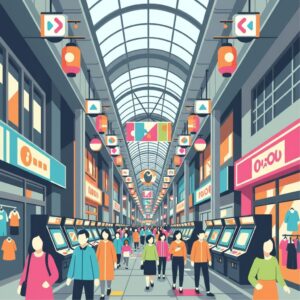
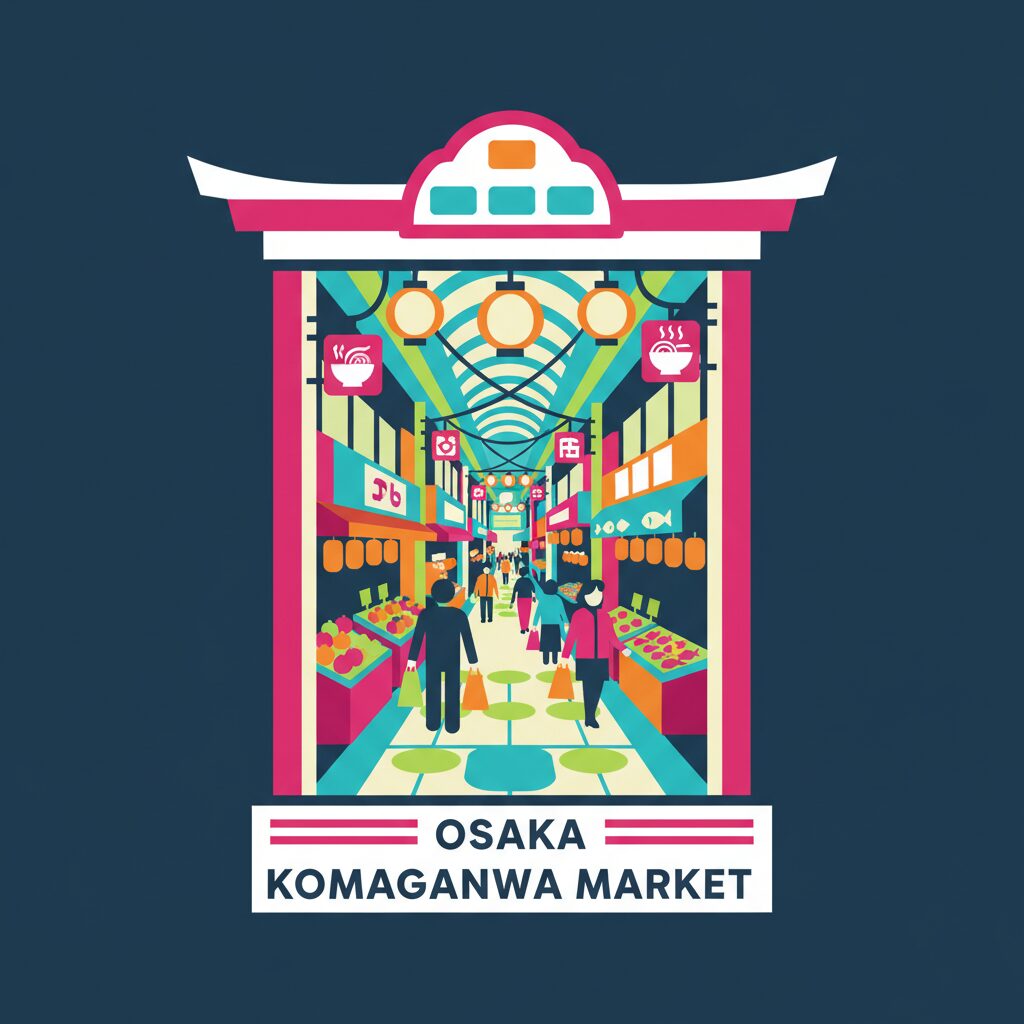
Then you come to Osaka. And you go to a shotengai, a covered shopping arcade. Specifically, you go to a place like Komagawa Nakano Shotengai, deep in the city’s southern core, far from the tourist trails. And your entire concept of Japan shatters into a million noisy, delicious, chaotic pieces. It’s not just a place to buy groceries. It’s a full-contact sport. It’s a social network made of flesh and concrete. It’s the living, breathing, shouting heart of Osaka life, and it operates on a set of rules that feel completely alien to the quiet order of Tokyo. This isn’t a tourist attraction; it’s a textbook on the Osaka mindset, a place where the city’s soul is sold by the gram, haggled over with a laugh, and wrapped in yesterday’s newspaper. Forget what you thought you knew. Your daily grocery run is about to get real.
To truly understand this community-centric spirit, you can also experience it firsthand at a traditional Osaka sento.
The Wall of Sound and Smell: Osaka’s Sensory Welcome Mat
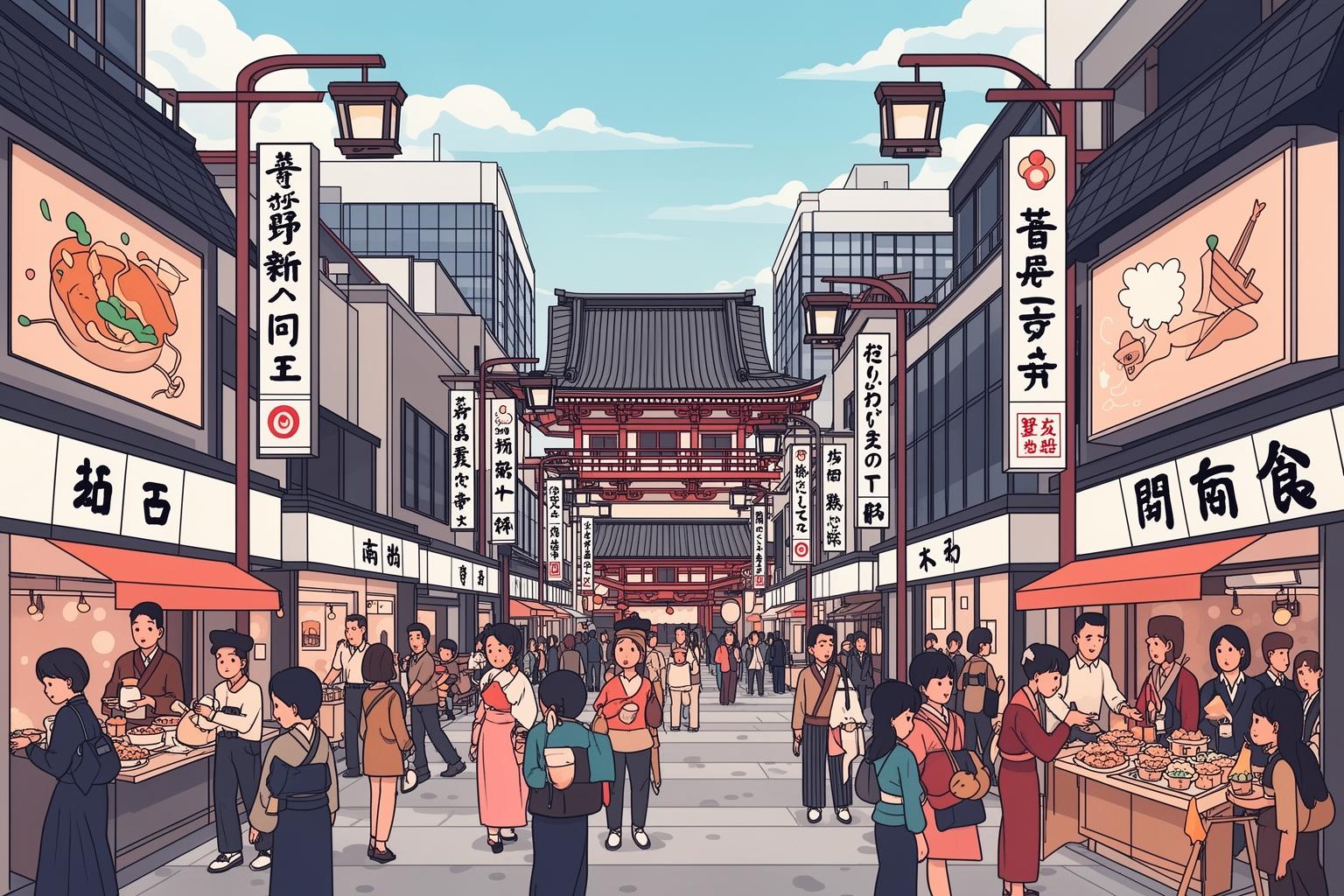
Your first steps into Komagawa Nakano aren’t merely steps—they’re a full-body immersion. The air is thick, a humid blend of sizzling tempura oil, sweet soy sauce from a grilling eel shop, the sharp, salty tang of pickled vegetables, and the deep, earthy scent of fresh burdock root. It’s not unpleasant—just dense. It’s the opposite of the filtered, neutral air you find in a Tokyo supermarket. This air tells a story: what’s for lunch, what’s fresh today, and which shop is offering a special on croquettes.
Then comes the sound. It’s a wall of noise, but not just noise—it’s information. From your left, a fruit vendor with a gravelly, honeyed voice shouts, “Amoote amai de! Mikang, yasu shito ku de!” (They’re sweet, so sweet! I’m making these mandarins cheap for ya!). He’s not yelling into the void—he’s making eye contact with a grandmother inspecting his persimmons, signaling to the entire street that his oranges are the star of the moment. Across the way, the rhythmic thump-thump-thump of a butcher’s cleaver provides a bassline. Mixed in are the high-pitched, lively calls of “Irasshaimaseeee!” that sound less like polite greetings and more like joyful battle cries. This is the soundtrack of Osaka commerce.
In Tokyo, a loud voice in a store is cause for alarm—it’s disruptive. Here, silence is suspicious; a quiet shop is a failing one. The noise signals vitality, fresh stock, and good deals. It’s a broadcast system. The vendors aren’t just selling—they’re performing, competing for your attention in a spirited, good-natured way. A Tokyoite might find this overwhelming or even aggressive, but an Osakan hears it as a symphony of opportunity. They can sift through this chaos, filtering the shouts for the information that matters: who has the fattest mackerel, where the tofu is freshly made, and who’s about to start the evening time-sale.
Woven through this symphony are the shoppers themselves. The chatter is constant—not the hushed whispers typical in a Kanto-area store, but loud laughter, full-throated gossip among neighbors who’ve bumped into each other, and direct, unfiltered questions fired at the shopkeepers. “Neechan, kono daikon, nitsuke ni shite oishii?” (Hey sis, is this daikon good for simmering?). The vendor doesn’t just nod—she grabs the daikon, slaps its side, and launches into a five-minute explanation of its specific sweetness, its perfect texture for oden, and a quick recipe, all while ringing up another customer. This isn’t an interruption—it’s the whole point.
The Price is a Suggestion: Decoding the Art of the Deal
Here lies one of the most fundamental distinctions between Osaka and the rest of Japan, especially Tokyo. In Tokyo, the price on the tag is law. It is a sacred, unchangeable figure. To question it or ask for a discount is considered a social faux pas of the highest degree. It implies the seller has undervalued their product and suggests you are cheap. Haggling simply doesn’t happen.
In Komagawa Nakano, however, the price tag acts more like the opening line in a conversation. It’s the starting point. This doesn’t mean you can walk in and lowball every item—that would be rude. But the ideas of nebiki (discounting) and omake (getting a little extra) are woven into the very fabric of the transaction.
It’s a subtle dance. You don’t just demand a discount outright. Instead, you build rapport. You admire the produce. You ask the shopkeeper’s opinion. You buy a few things. Then, as you’re about to pay, you might gesture toward a pile of spinach and say, “Kore, ato chotto dake, ne?” (This one, just a little bit more, okay?). The implication is clear: you’re hoping for it to be thrown in or for the total price to be rounded down. A good vendor will play along. They might sigh deeply, scratch their head, and say, “Shoganai naa, neechan beppin san ya kara, omake shitaru wa!” (Can’t be helped! Since you’re such a beauty, sis, I’ll throw it in for you!).
This isn’t about cheating the system. It’s a game. The flattery, the mock reluctance, the final generous concession—all part of a ritual that strengthens the human connection. You, the customer, feel like you got a special deal, and the vendor secures your loyalty. You’ll be back tomorrow because they treated you well. This exchange produces nattoku—a deep sense of mutual satisfaction and understanding. It’s a win-win that goes beyond just money.
This mindset stems from Osaka’s history as a merchant city. Value, or kosupa (cost performance), reigns supreme. An Osakan isn’t simply searching for the cheapest price; they want the best value, which includes product quality, freshness, and the human experience of purchasing it. A Tokyo shopper might pay extra for fancy packaging and a serene atmosphere. An Osaka shopper sees right through that. “Why am I paying for the fancy box? Just give me good fish and knock a hundred yen off.” It’s a pragmatic, no-nonsense approach to life that infuses everything. The shotengai is its cathedral.
Watch for the end-of-day sales. Around 5 PM, the mood shifts. The calls of “Yasu suru de!” grow more urgent. This is when the real game begins. Vendors must clear their perishable stock. A tray of sashimi priced at 1000 yen might drop to 700 yen, then 500 yen within an hour. Regulars know the exact timing. They hover, chat, and wait for the perfect moment to strike. It’s a calculated, thrilling hunt for the ultimate bargain and a perfect example of Osaka’s practical, waste-not-want-not philosophy.
Your Grocer is Your Life Coach: The Power of Relationships
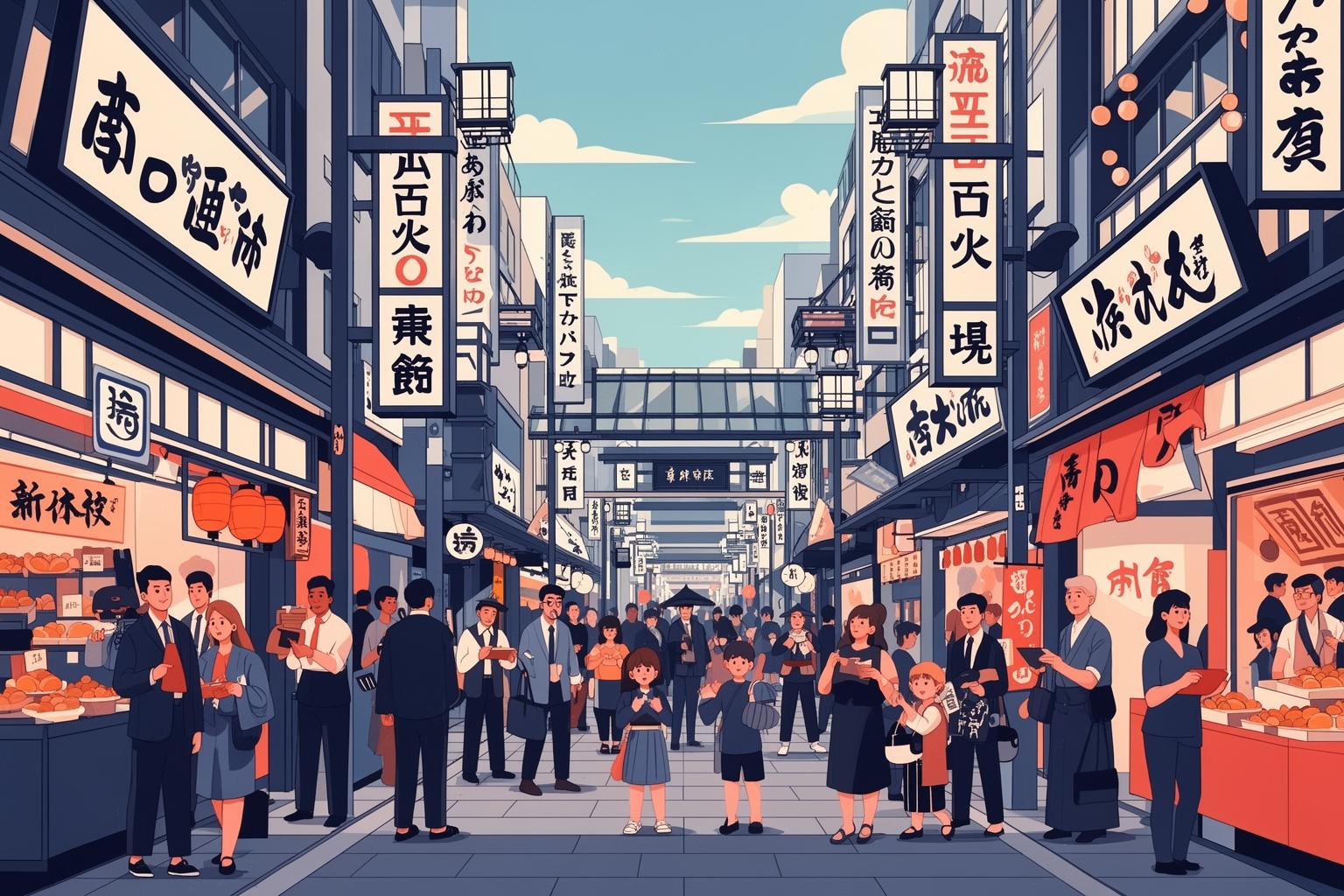
In a Tokyo supermarket, the staff are often part-time workers, trained to provide polite but impersonal service. They can scan your items and tell you which aisle the soy sauce is in, but that’s where the interaction ends. They remain anonymous, and so do you.
In Komagawa Nakano, the person selling your fish has likely been at the same spot for thirty years. Their father probably worked there before them. They are not mere staff; they are masters of their craft and serve as the neighborhood’s living database.
Visit the tofu shop, run by an elderly couple who still make it by hand in the back. The first time, you are just a customer. The second time, they might ask where you’re from. By the third visit, the woman might say, “Atsuage ni suru? Kinō no yori kyō no hō ga agari ee de.” (Getting the thick fried tofu? Today’s batch turned out better than yesterday’s.) She remembers what you bought last time, knows her product intimately, and is sharing insider information.
This is the key role of the shotengai vendor: they are curators. Foreigners often feel overwhelmed by the unfamiliar variety of vegetables or fish cuts. In a supermarket, you are on your own, relying on Google Translate. But in the shotengai, you have an expert at hand. The unspoken rule is: it’s okay to be ignorant. In fact, asking questions shows respect. Approach a fishmonger, point to an unfamiliar silvery fish, and ask, “Oji-san, kore, dōやってtaberu n ga ichiban oishii?” (Mister, what’s the best way to eat this?).
Prepare for a detailed explanation. He’ll tell you its name (sawara, perhaps), explain that at this time of year it’s best lightly salted and grilled, but in winter it’s better for miso soup. He’ll advise using gentle heat so the skin crisps but the inside remains moist. He might even offer to gut and fillet it for you on the spot, a service often provided free. He’s not just selling fish; he’s ensuring you have a successful meal. Why? Because if you cook it perfectly and it tastes great, you’ll return. His business depends not on a single sale but on a long-term relationship built on trust and shared knowledge.
This fosters a strong sense of community. Vendors know their regular customers. They know who has young children (who might prefer less bony fish), who is elderly and lives alone (and might only need a small portion), and who is a young foreigner still learning. They look out for one another. It’s common to hear a vendor call out to a passerby, “Suzuki-san! Kyō ee maguro haitteru de! Ottan no suki na toko!” (Mrs. Suzuki! We’ve got some great tuna today! The cut your husband likes!). This is highly personalized service no algorithm can match. It transforms grocery shopping from a mundane task into a series of meaningful social interactions. It’s inefficient, time-consuming, and one of the best things about living in Osaka.
The Organized Chaos: Understanding the Shotengai Ecosystem
At first glance, the shotengai might appear as a random mix of shops. You might notice three separate fruit stands within a 50-meter stretch or two butchers right next to each other. From a typical Western or Tokyo perspective, this seems like inefficient market saturation. Why would they cluster like that? The answer lies in the sophisticated, unwritten logic of the shotengai.
They aren’t merely competing; they coexist through specialization. One butcher might be famous for premium wagyu beef, the place you visit for special occasions. The next one might focus on affordable pork and chicken for everyday meals and also serve the best tonkatsu cutlets in the neighborhood. A third, a bit further down, might specialize in offal and other cuts for horumon-yaki. Locals understand this instinctively. They don’t just go to “the butcher.” They go to the right butcher for exactly what they need that day. This encourages a culture of excellence; each shop has to be the best at something to survive.
This principle applies universally. One fishmonger offers the finest sashimi-grade fish. Another specializes in shellfish. A third is the go-to for dried and salted fish. The result is an astonishing variety of choices that no single supermarket could match. The shotengai operates like a large, decentralized department store food hall, where each “department” is an independent, family-run business with generations of experience.
This ecosystem extends beyond the central grocery stores. Nestled between the fishmonger and vegetable stand is a small pharmacy whose owner knows every elderly person’s health concerns. There’s a shop selling nothing but konbu and katsuobushi for making dashi stock. A tatami mat repair shop, a dusty hardware store with that one oddly specific screw you need, and several clothing stores famous for vibrant, often leopard-print blouses favored by the stereotypical Osaka obachan. It’s a complete, self-sufficient world designed to meet every practical need of the local community. You can have your shoes repaired, buy a birthday gift, pick up your prescription, and purchase dinner, all within a single covered arcade, sheltered from rain and summer sun.
This all-in-one convenience is a key reason for the shotengai’s lasting appeal, even in the era of online shopping and massive Aeon malls. It’s the ultimate pedestrian-friendly environment, a community’s living room, where commerce and social life are seamlessly intertwined.
Fuel for the Hunt: The Unpretentious Joy of B-Grade Gourmet
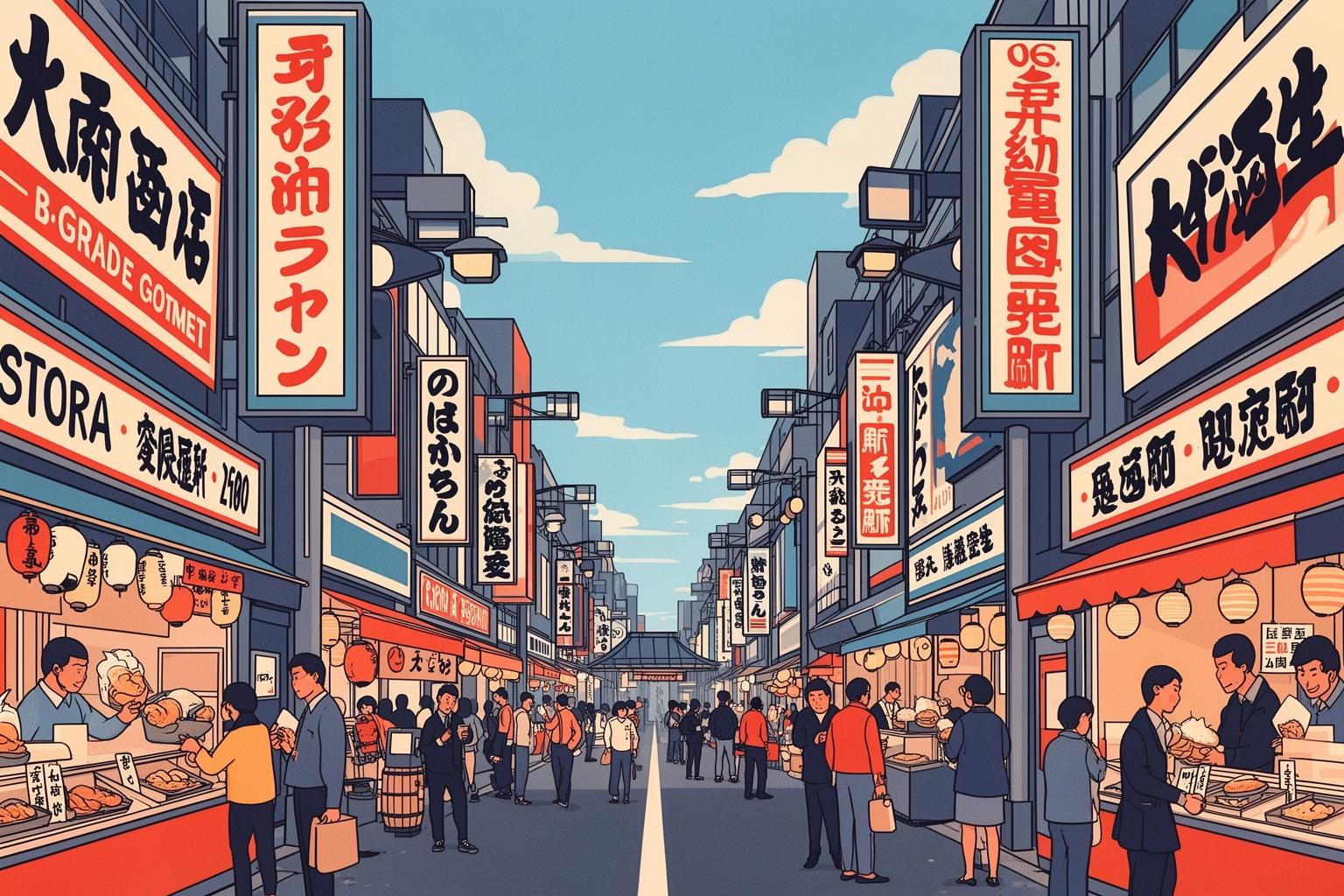
Shopping in a shotengai is more like a marathon than a sprint, demanding plenty of energy. This is where the arcade’s role as a culinary hotspot becomes essential. However, we’re not referring to upscale, sit-down restaurants. Instead, we’re talking about the heart of Osaka’s food scene: B-kyū gurume (B-grade gourmet) — affordable, unpretentious, and incredibly tasty food.
The shotengai is dotted with small stalls and standing-only counters offering quick, inexpensive fuel for shoppers. You’ll spot a takoyaki stand with a constant line, the vendor skillfully flipping the octopus-filled batter balls with a metal pick. The aroma of the batter hitting the hot cast-iron grill is irresistible. For just a few hundred yen, you get a boat of steaming takoyaki, topped with sweet brown sauce, mayonnaise, and fluttering bonito flakes. You eat it right there, standing to the side, careful not to burn your mouth.
Then there’s the croquette (or korokke) from the butcher shop, freshly fried throughout the day. These potato-and-minced-meat patties are the ultimate budget snack. People don’t only buy them to take home; many eat one while continuing their shopping. This behavior is perfectly normal — even expected. Grandmothers, salarymen, and schoolchildren alike all nibble on a korokke as they stroll the arcade.
Other vendors specialize in tempura, offering individual pieces of fried shrimp, eggplant, and sweet potato. You can buy them for dinner or enjoy one immediately. The same applies to kushikatsu (deep-fried skewers) or a simple bowl of udon from a tiny shop with only five stools. This culture of tachigui (eating while standing) and kuiaruki (eating while walking, though usually standing just off to the side) exemplifies Osaka’s practical spirit. It’s about enjoying a delicious and satisfying meal without the hassle or cost of a formal restaurant — refueling as efficiently as possible.
For a foreigner, this might feel unusual at first. Street eating is often frowned upon in Japan, but the shotengai is a unique space. It’s a semi-private, semi-public zone where the usual rules don’t fully apply. As long as you’re considerate and keep the area clean, eating there is perfectly acceptable. It underlines the idea that the shotengai is more than just a commercial passage; it’s a place to be lived in, experienced through all your senses, including taste.
The Unwritten Traffic Laws: Navigating the Human River
Now for the practicalities. Komagawa Nakano shotengai is a river of humanity, and moving through it demands a different kind of awareness than you’d use on a quiet Tokyo street. The biggest challenge for newcomers? The bicycles.
Ah, the bicycles. Grandmothers on electric-assist mamachari (mom bikes) loaded with groceries, delivery workers on rickety single-speeds, teenagers weaving skillfully through the crowd. They are omnipresent and rarely slow down. From a Tokyo perspective, it looks like pure chaos. It feels dangerous. Yet, there’s a method to this madness.
Rule number one: Avoid sudden stops or abrupt changes in direction. The cyclists and other pedestrians track your trajectory and anticipate your moves. If you abruptly stop to check out a shop window, you’ll cause a pile-up. The flow is continuous. If you must stop, smoothly peel off to the side, out of the main current.
Rule number two: Stay aware, but don’t be timid. Hesitating and waffling makes you an unpredictable obstacle. Walk at a steady, consistent pace. Cyclists will flow around you like water around a stone. It’s a system based on mutual, non-verbal communication and a shared understanding that everyone is just trying to finish their shopping.
Then there’s the queuing. Queues in Tokyo are sacred—straight, orderly lines. In Osaka, queues are more like amorphous blobs. People cluster around popular stalls. It may seem like a chaotic mob, but everyone within that cluster knows exactly who arrived before and after them. It’s a system of mental record-keeping. Don’t try to form a neat line; you’ll confuse everyone. Instead, make your presence known, make eye contact with the person at the apparent end, and hold your spot in the general cluster. When it’s your turn, the vendor will recognize you.
Finally, a note on payment. While Japan is gradually moving toward cashless payments, the shotengai remains largely cash-based. Many small, family-run stalls don’t accept credit cards or electronic money. It’s not technophobia; it’s practical. Cash is quick, avoids fees, and keeps their thin margins from shrinking further. Always carry enough yen. Fumbling for a credit card at a busy stall is a rookie mistake that will earn you some good-natured sighs.
The Takeaway: More Than Just a Shopping Trip
Exiting the shotengai and stepping back into quiet residential streets feels like surfacing for air after a deep dive. Your ears may ring slightly, your reusable bag is heavy with groceries, and you might carry a faint scent of fried food on your clothes. You’ve just completed an ordinary daily errand. But you’ve also taken part in a complex cultural ritual.
What a foreigner might initially mistake for chaos is actually a highly evolved social and economic system. The noise is communication. The bargaining is relationship-building. The lack of personal space reflects a close-knit community. The seemingly random layout is a map of deep specialization.
Living in Osaka means learning to read this system. It means understanding that efficiency isn’t always silence and order. Sometimes, it’s about direct, honest, lively human connections. The shotengai teaches you that value lies not just in the product, but in the trust you have with the seller. It’s a loud, messy, deeply human alternative to the sterile anonymity of modern consumer culture.
So, is Osaka a good place to live? If you prefer predictability, quiet order, and strict, unspoken social rules, Tokyo might suit you better. But if you appreciate pragmatism over formality, enjoy a good deal and a good laugh, and believe a grocery trip should be an adventure rather than a chore, then the chaotic, vibrant, and utterly authentic rhythm of Komagawa Nakano shotengai might just feel like home.