The quest for authentic food is the heartbeat of any true traveler’s journey. It’s a desire to taste a place, to understand its culture not just through its monuments and museums, but through the flavors that have shaped its people for generations. In Japan, this culinary exploration often leads to the incredible world of Washoku, a universe of subtlety, seasonality, and profound respect for ingredients. Yet, for Muslim travelers, navigating this landscape can sometimes feel like a beautiful, intricate maze with invisible walls. The search for Halal options, particularly for iconic dishes, can be a challenge. One of the most coveted and communal Japanese dining experiences is Yakiniku, the art of grilling exquisite cuts of meat over a searing flame right at your table. The sizzle of marbled beef, the savory smoke curling into the air, the laughter shared over a grill—it’s a ritual, a celebration. And for too long, it remained just out of reach for many. But in the quiet, residential heart of Ibaraki City, a welcoming suburb in Northern Osaka, a beacon shines brightly. That beacon is Zerohachi, a restaurant that has masterfully bridged this gap, offering a fully Halal-certified Japanese Yakiniku experience without a single compromise on authenticity or flavor. This isn’t just a place to eat; it’s a destination that unlocks a cherished piece of Japanese food culture for everyone. It’s a testament to the evolving, inclusive spirit of modern Osaka, proving that the most delicious traditions are the ones we can all share.
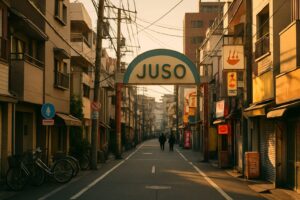
After enjoying your Halal yakiniku at Zerohachi, you can continue exploring the local culture by experiencing the unique drinking culture of Juso.
The Call of the Grill: A Journey Beyond the Neon Glow
Our adventure to Zerohachi began not with a bang, but with the gentle hum of a Hankyu train departing from the electric energy of Umeda Station. Osaka’s downtown core, a dazzling display of flashing lights, towering buildings, and rivers of people, is an intoxicating experience. Yet, to truly grasp the soul of a metropolis, you must also explore its quieter corners, the places where everyday life unfolds. The northward ride to Ibaraki is a journey of transformation. The dense urban tapestry gradually yields to a more open, serene landscape. The train windows reveal a different side of Osaka Prefecture, one marked by neat residential neighborhoods, local shopping streets, and a palpable sense of community. This isn’t the Osaka of guidebooks and postcards; this is the Osaka where families grow, where seasons are marked by the changing colors of park trees, and where life moves at a more human pace. Stepping off the train at Hankyu Ibaraki-shi Station feels like taking a deep, refreshing breath. The air is calmer, the crowds have thinned, and the atmosphere is instantly welcoming. The walk to Zerohachi from the station is a delightful immersion into suburban charm. We passed small, independent shops, bakeries with the warm scent of fresh bread wafting onto the sidewalk, and tidy homes with carefully tended gardens. It’s a simple, pleasant stroll that perfectly sets the stage for what’s to come. It strips away the sensory overload of the city center and prepares your palate and mind for something truly special. This journey itself is part of the allure, a deliberate choice to venture off the beaten path for a reward well worth the effort. It reminds us that sometimes the most memorable travel experiences are found not in the heart of the action, but in the heart of a community.
An Oasis of Authenticity: The Ambiance of Zerohachi
From the outside, Zerohachi showcases a modern and understated facade. Its clean lines and simple signage convey confidence rather than flashiness. It doesn’t need to announce its presence loudly; it lets the experience inside speak for itself. The moment you slide open the door, you are welcomed by a wave of warmth both literal and figurative. The air is filled with the most enticing aroma imaginable—the rich, savory scent of meat caramelizing over hot coals. It’s a primal, appetite-awakening fragrance that instantly assures you’ve arrived at the right spot. The interior design beautifully blends contemporary Japanese aesthetics with practical comfort. Dark wood tones, soft lighting, and uncluttered spaces create a sophisticated yet relaxed ambiance. The seating is carefully arranged, featuring comfortable booths that offer privacy, perfect for families with young children or groups seeking an intimate dining experience. You don’t feel like you’re on display; you feel invited into a personal space. What truly shapes the atmosphere, however, is the sound—a symphony of contentment: the soft murmur of conversation from other tables, cheerful greetings from the staff, and most importantly, the constant, satisfying sizzle from the grills built into each table. This sound serves as the restaurant’s heartbeat, a steady reminder of the delicious, interactive meal ahead. The staff are exceptionally warm, moving with quiet efficiency and genuine kindness that immediately puts you at ease. Their smiles are sincere, and they are quick to explain the menu or offer suggestions, patiently overcoming any language barriers with grace. This sense of being cared for is especially comforting for families traveling in a foreign country. At Zerohachi, you don’t feel like a tourist; you feel like a valued guest. It’s an environment thoughtfully designed to be inclusive, comfortable, and wholly focused on the joy of sharing a great meal.
The Art of the Flame: Demystifying the Yakiniku Ritual
To fully appreciate Zerohachi, one must first recognize that Yakiniku is much more than just a meal; it is a treasured cultural ritual. The term literally means “grilled meat,” but this simple explanation doesn’t capture the depth and interactivity of the experience. Unlike a steakhouse where a chef prepares your food out of sight, Yakiniku puts you, the diner, in the role of the chef. At the center of the table sits the grill, the stage where the culinary performance unfolds. This small act of empowerment turns dining from passive consumption into an engaging, communal event. You are handed a pair of long metal tongs, your main tool for the evening. With these, you select glistening, expertly sliced raw meat and place it carefully onto the hot grill. This is when the magic starts. You watch the fat render, hear the sharp sizzle as the meat meets the hot metal, and see the edges crisp and caramelize. You become attuned to subtle changes in color and texture, learning to flip the meat at just the right moment to achieve perfect doneness. It’s a dance of patience and attention, a skill refined with every delicious piece. This process is inherently social, sparking conversation, encouraging teamwork, and creating shared moments of discovery. There’s joy in grilling a perfectly cooked piece of karubi for a friend or debating the ideal cooking time for beef tongue. For children, it’s a captivating activity that gives them a sense of involvement and responsibility for their meal. The ritual extends beyond the grill itself. You learn to use chopsticks to dip the cooked meat into various savory sauces, known as tare, before pairing it with a bite of fluffy Japanese rice. The meal becomes a rhythm of grilling, dipping, eating, and talking—a cycle that is simultaneously relaxing and deeply satisfying. Zerohachi honors this ritual beautifully by providing high-quality grills that heat evenly along with all the necessary tools to make the experience effortless and enjoyable for both novices and seasoned Yakiniku enthusiasts.
A Menu Without Compromise: The Halal-Certified Promise
At the heart of the Zerohachi experience lies an unwavering dedication to Halal integrity. This isn’t a restaurant that merely offers a few Halal-friendly dishes on the side; the entire establishment—from the kitchen to the grill at your table—is operated strictly under Halal certification. This commitment grants Muslim diners a profound peace of mind, allowing them to relax fully and immerse themselves in the culinary journey without any doubt or need for constant questioning. It is a promise of purity and respect evident throughout every aspect of their operation.
The Seal of Trust
In Japan, obtaining official Halal certification is a thorough and exacting process. It involves detailed inspection of the entire supply chain, ensuring every ingredient—from the meat itself to the soy sauce used in marinades—adheres to Islamic dietary laws. The certification body scrutinizes animal sourcing, slaughter methods, prevention of cross-contamination with non-Halal products, and even kitchen sanitation procedures. Zerohachi proudly displays its certification, signaling to guests the significant time, effort, and resources invested to meet these rigorous standards. This seal is more than just documentation; it is a symbol of trust and a bridge of understanding. It expresses deep respect for the dietary requirements and faith of their customers, fostering an atmosphere of true hospitality and inclusivity. This commitment forms the foundation upon which their outstanding menu is built.
A Carnivore’s Canvas: Exploring the Cuts of Beef
Zerohachi’s menu is a splendid tribute to Japanese beef, showcased through the art of Yakiniku. Each cut offers a distinct experience of flavor and texture. The centerpiece of any Yakiniku meal is often the karubi, or short rib. At Zerohachi, the karubi arrives in luscious, ruby-red slices, intricately marbled with fine veins of fat. When grilled, this fat melts, bathing the meat in its rich essence and sparking dramatic flare-ups. The result is incredibly tender meat, bursting with deep, beefy flavor that is both savory and subtly sweet from caramelization—it practically melts in your mouth. Then there’s the rosu, referring to loin or chuck cuts. Though leaner than karubi, these slices are no less flavorful. The rosu pieces are perfectly uniform, offering a hearty, meaty chew. Grilling requires a gentle touch to maintain their tenderness—a quick sear on both sides reveals their savory potential. It’s a pure, unfiltered expression of premium beef. For the more adventurous, Zerohachi offers tan, or beef tongue, a prized delicacy in Yakiniku cuisine. Sliced paper-thin, it cooks in just seconds. Its defining trait is the delightful, springy texture that sets it apart. Often served with a wedge of lemon, a squeeze of citrus cuts through the richness, lending a bright, refreshing contrast. Another must-try is harami, or skirt steak. Though technically offal, it boasts flavor and texture comparable to prime muscle cuts. Harami has a rich taste and pleasingly dense texture that pairs wonderfully with bold dipping sauces.
The Flavor Alchemists: Sauces, Spices, and Marinades
While the quality of the meat is paramount, the essence of Yakiniku flavor often lies in the tare, the essential dipping sauce. Zerohachi’s house-made tare is a perfectly balanced masterpiece. This complex, dark, glossy sauce likely features a base of Halal-certified soy sauce, sweetened with mirin-like seasonings and enriched with garlic, ginger, and perhaps sesame oil. It orchestrates a harmonious blend of sweet, savory, and umami flavors that cling to every crevice of grilled meat, enhancing its natural taste without overwhelming it. Dipping a hot, sizzling piece of karubi into this cool, flavorful sauce is pure bliss. Yet the flavor journey doesn’t end there. Guests can customize their experience with additional seasonings. A dish of high-quality salt and a cruet of black pepper allow appreciation of the beef’s simpler, more direct taste. For cuts like tan or leaner rosu, a dip in lemon juice and salt is a classic pairing that refreshes the palate and accentuates the meat’s qualities. Some cuts come pre-marinated in a momi-dare, a lighter seasoning that infuses flavor before grilling. This thoughtful variety invites diners to become flavor alchemists, experimenting with combinations to find their perfect bite.
The Perfect Harmony: Side Dishes that Sing
No Yakiniku meal is complete without a vibrant ensemble of side dishes. These are far from mere afterthoughts; they provide essential balance, contrast, and refreshment. A bowl of perfectly steamed, glistening white Japanese rice is indispensable. Its fluffy texture and neutral taste serve as the ideal canvas for richly flavored meat. Each grain captures savory juices and the essence of tare sauce, creating satisfying mouthfuls. Kimchi is another must-have; its fiery, fermented cabbage provides a brilliant counterbalance to the beef’s richness. The spicy, sour crunch cuts through the fat, cleansing the palate for the next bite—a true reset for the taste buds. Namul, a selection of seasoned vegetable sides, typically includes lightly blanched bean sprouts with sesame oil, spinach dressed delicately, and other seasonal vegetables. These bring cool, refreshing contrasts in both temperature and texture. A crisp, fresh green salad, often served with savory Japanese dressing, adds welcome lightness. A simple, clean-tasting soup like wakame (seaweed) soup helps warm the stomach and adds another layer of umami. Together, these sides work in harmony to create a balanced, dynamic meal that keeps the dining experience exciting from the first bite of meat to the last.
A Family Feast: Our Night at the Zerohachi Grill

As the grill at our table ignited, casting a warm glow on my children’s eager faces, I realized we were about to enjoy a memorable evening. There is something inherently fascinating for a child about cooking their own food. The tongs, which looked like serious, grown-up tools in their small hands, were handled with intense focus. Their eyes widened with wonder as they placed their first piece of karubi on the grill, shrieking with a mix of fear and delight as the flames flickered up to kiss the meat. The interactive nature of the meal completely banished any chance of dinnertime boredom. Instead of fidgeting, they engaged fully, asking about the different cuts of meat and proudly presenting perfectly (or sometimes imperfectly) grilled bites for us to taste. The staff at Zerohachi were incredibly patient and kind, smiling at the children’s enthusiasm and ensuring our grill stayed at a safe, manageable temperature. The booth seating offered a cozy, contained space where we could relax without worrying about disturbing other diners. We settled into a comfortable rhythm, a dance of tongs and chopsticks. We discovered that the rich, fatty karubi was a universal favorite, disappearing from the grill almost as soon as it cooked. I personally fell for the harami, its robust flavor and satisfying texture perfectly paired with the sweet and savory tare sauce. My husband became a master of the delicate beef tongue, showing the kids how to grill it for just a few seconds to achieve that perfect springy bite. We ordered bowl after bowl of rice, the ideal vessel for soaking up all the delicious flavors. We laughed when a piece of meat was accidentally dropped, cheered at a particularly beautiful sear, and shared our favorite combinations of meat and sauce. It was more than a meal; it was a collaborative project, a shared experience that brought us closer together. In that warm, fragrant booth in the heart of Ibaraki, we weren’t just eating dinner; we were creating a memory.
Planning Your Pilgrimage: A Practical Guide to Zerohachi
Visiting Zerohachi is a simple and rewarding experience, though a bit of planning will help make your visit as smooth and enjoyable as possible. This culinary treasure is definitely worth the trip from central Osaka, and with these tips, you’ll be navigating your way to Yakiniku delight like a local.
Finding Your Way: Access and Location
Ibaraki City sits conveniently between Osaka and Kyoto, accessible via two major train lines. Your choice of station will likely depend on where you start. JR Ibaraki Station is on the main JR Kyoto Line, offering a direct ride from JR Osaka Station in Umeda or even Kyoto. From JR Ibaraki Station, it’s about a 15-minute walk through charming residential and commercial areas to reach the restaurant. Alternatively, you can take the Hankyu Railway. The Hankyu Ibaraki-shi Station, on the Hankyu Kyoto Main Line, is easily accessible from Hankyu Osaka-Umeda Station. Walking from this station takes slightly less time—around 10 minutes. Both routes are easy to follow with a smartphone map and provide a pleasant look at local life. For families with strollers or those with mobility needs, taxis are readily available at either station for a short ride.
Booking Your Table: The Importance of Reservations
Zerohachi is no hidden secret. It’s extremely popular not only among Muslim travelers and residents but also with locals who appreciate its high-quality meat and warm atmosphere. Because of this, making a reservation is strongly advised, especially if you plan to visit for dinner or on weekends and public holidays. Arriving without a booking, particularly in a group, could mean disappointment. Reservations are usually made by phone. If you’re worried about the language barrier, your hotel concierge can help with the call. Some online platforms may also list the restaurant. Booking in advance removes any worry and ensures your table is ready, letting you focus on enjoying your meal.
What to Expect Price-wise: A Quick Note on Costs
Thanks to the premium Halal-certified Japanese beef and overall dining experience, Zerohachi is best categorized as a mid-range restaurant. It’s not a budget option, but it offers excellent value for what you get. Your final bill will depend on your appetite and the cuts of meat selected. You can order à la carte, choosing individual meat plates, or opt for one of their set courses. Set courses are often a great way to enjoy a variety of cuts and side dishes at a fixed price per person, simplifying the ordering process. For a satisfying, hearty dinner, it’s wise to budget between 5,000 and 8,000 Japanese Yen per adult. While this is an investment, it’s one well worth making for an authentic and memorable culinary experience.
The Ibaraki Interlude: Discoveries Beyond the Dinner Plate
While Zerohachi itself is a worthy destination, the city of Ibaraki and its surrounding areas offer fantastic opportunities to enhance your day trip. Transforming your meal into a full-day adventure is simple and highly recommended, especially for families. A short distance from the city’s hustle and bustle lies a world of culture, nature, and history waiting to be discovered.
A Stroll Through Serenity: The Grounds of Ibaraki Shrine
Just a brief walk from the restaurant, you’ll find the serene Ibaraki Shrine (Ibaraki Jinja). This local Shinto shrine serves as a peaceful retreat, providing a sharp contrast to the vibrant atmosphere of the yakiniku grill. Passing through the stone torii gate feels like entering another realm. The shrine grounds are shaded by ancient trees, with an air of quiet contemplation. Admire the traditional architecture of the main hall, featuring elegant wooden structures and distinctive rooflines. It’s a place to observe local customs, watch residents paying their respects, and appreciate the subtle beauty of Japanese spiritual life. This makes for a perfect, tranquil walk before your meal—a moment to slow down and reflect.
A Legacy of the Future: The Expo ’70 Commemorative Park
For a truly spectacular outing, the Expo ’70 Commemorative Park is an absolute must-see. Situated just a short monorail ride from Ibaraki, this expansive park was the site of the 1970 Japan World Exposition. Today, it stands as a magnificent public space, combining art, nature, and recreation. The undeniable highlight is the iconic Tower of the Sun, a massive surrealist sculpture by artist Taro Okamoto. Its three faces—symbolizing the past, present, and future—make a powerful and unforgettable impression. Yet the park offers much more than just this famous tower. It features the exquisite Japanese Garden, a sprawling landscape of ponds, waterfalls, traditional bridges, and carefully manicured plants representing different historical styles of garden design. It’s a stunning place to wander for hours. The park also has wide lawns ideal for family picnics, vibrant seasonal flower gardens, and the National Museum of Ethnology. In spring, it’s a top spot for cherry blossom viewing, while autumn brings a breathtaking display of changing leaves. You can easily spend an entire afternoon here, enjoying the fresh air and stunning scenery—a perfect lead-in to a satisfying yakiniku dinner.
The Rhythm of Daily Life: Exploring Local Shotengai
For a more understated but equally authentic experience, spend some time exploring the shotengai—covered shopping arcades—near the Hankyu and JR stations. These lively arcades are the heartbeat of local Japanese communities. Here, you’ll find an appealing mix of traditional shops selling everything from tofu and tsukemono (pickles) to kimono fabric and pottery. You’ll discover green tea vendors, family-operated hardware stores, and quaint bakeries. It’s an excellent spot for people-watching and gaining a true sense of everyday life in a Japanese suburb. It offers an unvarnished, genuine glimpse into a world far removed from the international brands and tourist traps of central Osaka.
A Final, Savory Thought
Our evening at Zerohachi was more than just a culinary achievement; it was a profoundly moving experience. In a world that can often feel divided, a place like this stands as a strong symbol of connection. It’s a restaurant founded on the belief that a country’s most cherished traditions should be open to all, and that a dining table can serve as a bridge between cultures. Zerohachi doesn’t merely offer Halal Yakiniku; it delivers hospitality in its purest form. It provides a seat at the table and an opportunity to engage in the joyous, sizzling ritual central to Japanese food culture, without hesitation or compromise. It serves as a reminder to travel with an open heart and an adventurous palate, to explore beyond the city lights, and to discover those special places built on a foundation of respect. For any traveler to Osaka, especially Muslim visitors, a trip to Zerohachi is not just a suggestion; it is an essential pilgrimage to the essence of what makes travel so deeply rewarding. It is, simply put, a taste of Japan for everyone.