Step off the train at Taisho Station, and you might notice a subtle shift in the air. The relentless urban pulse of Osaka, a city that lives and breathes by the rhythm of commerce and its famous kuidaore (eat ‘til you drop) philosophy, seems to mellow. The pace slackens, just a touch. You might hear the faint, soulful twang of a three-stringed sanshin drifting from an open doorway, a sound more at home on a subtropical beach than in the concrete canyons of Japan’s third-largest city. The scent of pork simmering in a sweet, dark broth and the faint, briny aroma of the sea hangs in the air. This is Taisho Ward, Osaka’s vibrant and soulful “Little Okinawa,” a place where the heart of the Ryukyu Islands beats strong, a thousand kilometers from its native shores. For the traveler, the expat, the curious soul living in Osaka, Taisho isn’t just another district; it’s a portal. It’s a testament to the power of community, a living museum of a culture that has preserved its identity with fierce pride, and most importantly for us today, it is an absolute paradise for anyone with an appetite. This is where the food tells a story—a story of sunny islands, of a unique kingdom’s history, of hardship and resilience, and of a community that brought its most delicious traditions to a new home. Prepare yourself for a journey that will tantalize your taste buds and touch your soul, an eater’s guide to the Okinawan food scene that thrives in this remarkable corner of Osaka.
After immersing yourself in the soulful culinary traditions of Osaka’s Little Okinawa, you can continue your exploration of the city’s vibrant culture by experiencing the shared thrills and character magic at Universal Studios Japan.
The Ryukyu Beat in an Urban Heartbeat

The atmosphere in Taisho is the secret ingredient that enhances the flavor of the food. It’s a tangible feeling, a cultural fabric woven throughout the streets. Step away from the main station’s busy thoroughfare and explore the smaller side streets, and you’ll notice it. Rather than the typical Japanese storefronts, you’ll see shops proudly showcasing the striking blue and white logo of Orion Beer, the undisputed king of Okinawan lagers. Perched atop gateposts and rooftops are pairs of shisa, the fierce lion-dog guardians that protect against evil spirits, their mouths either open or closed in a silent, protective dance. These are the symbols, the visual signs that you’ve crossed an invisible boundary into a different cultural realm. While the language you overhear may be standard Japanese, listen closely among the older residents chatting in a market, and you might catch the soft, melodic rhythm of Uchinaaguchi, the native Okinawan dialect, a linguistic echo from a time before the islands were integrated into mainland Japan.
The entire ward runs on what locals affectionately call “island time.” There’s a relaxed, unhurried pace to life here. Shopkeepers greet you with a quick smile and a story. Evenings don’t flash with the neon glare of Namba or Umeda; instead, they glow warmly with a communal spirit. The true magic happens inside the numerous Okinawan izakayas (pubs) and eateries. These are more than just dining spots; they serve as community hubs, living rooms where food, music, and friendship blend together. On any given night, you might find a local musician leading an impromptu live session, their sanshin telling stories of love and longing. Before long, the entire room is clapping and singing along to folk songs passed down through generations. It’s a raw, genuine experience far removed from a polished performance. This embodies the spirit of nankurunaisa—a fundamental Okinawan belief roughly meaning “everything will be alright.” It’s a philosophy of hope and resilience, felt in the welcoming smiles and relaxed atmosphere. It’s a place that invites you to slow down, breathe, and savor not just the food, but the moment itself.
A Taste of the Islands: Essential Okinawan Dishes to Discover
Okinawan cuisine, or Ryukyu ryori, stands as a world of its own. It differs from mainland Japanese food, influenced by a distinct climate, a unique history of trade with China and Southeast Asia, and a philosophy that views food as medicine (nuchigusui). Pork reigns supreme here, used from nose to tail, but the diet is also abundant in vegetables, tofu, and seaweed. Let’s explore the dishes that characterize this remarkable culinary tradition.
Goya Chanpuru: The Heart of Okinawan Stir-fry
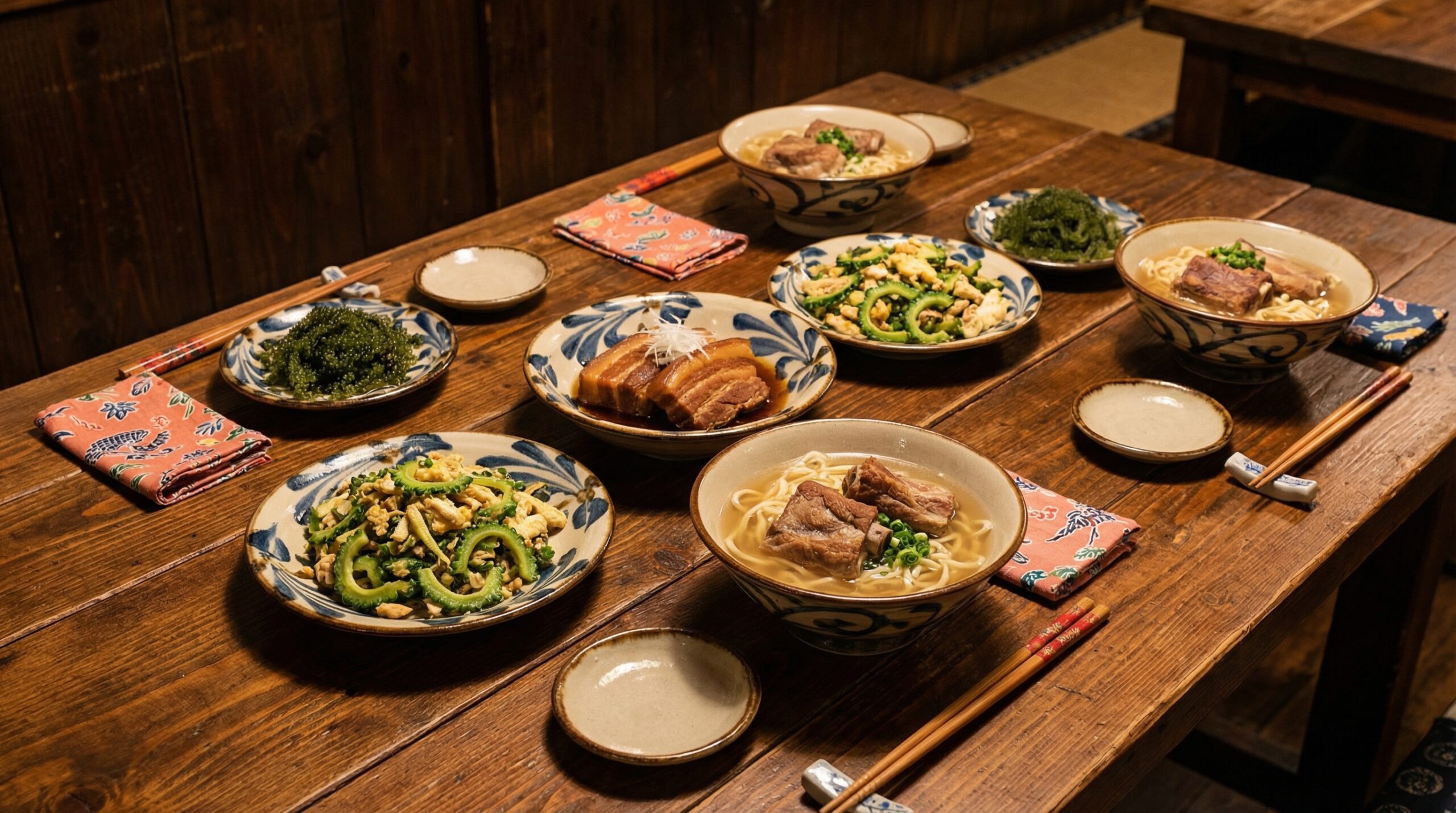
If any dish embodies the spirit of Okinawa, it’s goya chanpuru. The term “chanpuru” means “something mixed,” perfectly capturing not only the dish but the vibrant blend of cultures in Okinawa. At its core, it’s a modest stir-fry, yet its ingredients are iconic. The centerpiece is goya, the Okinawan bitter melon. This green, bumpy vegetable is famously bitter—an acquired taste cherished for its impressive health benefits. In skilled hands, the bitterness is softened but not wiped out, offering a complex, refreshing contrast to the other elements. Typically, it’s stir-fried with hearty island tofu (shima-dofu), which has a richer soybean flavor than mainland varieties. Added are fluffy scrambled eggs and, importantly, slices of pork. Often, this pork is Spam—a legacy from the post-WWII American military presence—whose salty, savory punch perfectly balances the goya’s bitterness. The resulting dish is a delightful medley—a symphony of textures and flavors: the crisp-tender goya, soft tofu curds, creamy eggs, and salty pork. It’s the ultimate comfort food, a taste of home for every Okinawan.
Soki Soba: Noodle Soup with Island Origins
Do not mistake this for the buckwheat soba found on mainland Japan. Okinawan soba is entirely different. The noodles are thick, white, and satisfyingly chewy, made from wheat flour in a process closer to udon. They float in a broth that is a subtle masterpiece. Unlike the heavy, rich tonkotsu ramen broths, Okinawan soba’s soup is typically a light, clear, deeply flavorful blend of pork and katsuo (bonito) dashi. It’s savory yet clean, highlighting the noodles and toppings. The topping defines soki soba: pork spare ribs stewed for hours in a mix of awamori (Okinawan liquor), soy sauce, and sugar until remarkably tender. The meat falls off the bone with a gentle touch of chopsticks, its sweet-savory glaze infusing the delicate broth. The bowl is finished with chopped scallions and a vibrant pink heap of beni shoga (pickled red ginger), whose sharp tang cuts through the richness, creating a perfectly balanced, deeply satisfying meal. It’s a soup that warms you inside and out—a culinary embrace in a bowl.
Rafute: The Pinnacle of Tender Pork Belly
Get ready for a pork experience that will transform your idea of tenderness. Rafute is pure indulgence, with royal origins in the Ryukyu Kingdom’s court cuisine. It highlights thick cubes of skin-on pork belly, slowly simmered with great care. The secret is in the simmering liquid: a rich blend of soy sauce, Okinawan black sugar (kokuto), and a generous dash of awamori. The alcohol in awamori is crucial as it breaks down fat and collagen, making the pork incredibly soft. The methodical process usually includes parboiling the pork to remove excess fat, then gently simmering it until the liquid thickens into a glossy glaze. When served, the rafute quivers on the plate, the fat layer transformed into a translucent, gelatinous marvel that melts on the tongue, while the meat is so tender it can be cut with a spoon. The flavor is a concentrated blend of sweet and savory, marked by deep caramelized notes from the black sugar and soy sauce, with subtle complexity from the awamori. It’s a celebratory dish, a luxurious treat that honors Okinawa’s devotion to pork in its most decadent form.
Umibudo: The Sea’s Caviar
One of Okinawa’s most unique and delightful treasures from the ocean is umibudo, or sea grapes. This edible seaweed resembles a miniature cluster of green grapes and is often called “green caviar” for good reason. When bitten, the tiny spheres burst with a satisfying pop, releasing a fresh, clean, mildly salty ocean flavor. The texture is the highlight—this popping sensation is unlike anything else. Umibudo is very delicate and typically served raw, as cooking causes it to wilt and lose its signature texture. It’s usually presented simply, often on a bed of ice, with a small dish of sanbaizu—a dipping sauce made of soy sauce, vinegar, and mirin. It serves as a perfect appetizer: light, refreshing, palate-cleansing, and a taste of Okinawa’s pristine coral reefs—a simple yet elegant delicacy that’s both fun and delicious.
Tofuyo: The Fermented Tofu for the Daring Foodie
For the truly adventurous eater, there is tofuyo. This is no ordinary tofu. It is a delicacy born from fermentation, part of a long-standing culinary tradition in the Ryukyu Kingdom. Firm shima-dofu is fermented in a mash of red yeast rice (beni koji) and awamori, a process that can take months. This transforms the humble tofu into something entirely new. The outcome has a strong, intoxicating aroma and a texture that is unexpectedly creamy and smooth, much like a rich, aged cheese. The flavor is intense, salty, complex, packed with umami, and finishes with a lingering touch from the awamori. Tofuyo is not consumed in large amounts; it’s served in tiny cubes, usually with a toothpick, encouraging you to shave off just the smallest sliver. That tiny bit releases a world of flavor. It pairs perfectly with a glass of straight awamori, its potent saltiness complementing the fiery spirit. It’s an acquired taste, absolutely, but for those who enjoy bold fermented flavors like strong cheese or natto, tofuyo is a revelation—a true expression of Okinawan culinary artistry.
Sata Andagi: The Okinawan Doughnut Dream
On the sweeter side, there is sata andagi, the quintessential Okinawan sweet treat. These are not light, airy doughnuts but dense, satisfying balls of deep-fried delight. The name reveals its essence: sata means sugar, anda means oil, and agi means fried. The dough is simple—flour, sugar, and eggs—yielding a treat that’s crispy and crunchy on the outside, moist and cake-like inside. As they fry, they crack open, forming a rugged surface that looks like a smiling flower. The flavor is straightforward with a rustic sweetness—not overly sweet or complex. It’s the kind of snack you’d buy from a market vendor, served hot in a paper bag, ideal for eating on the go. They are filling and make a perfect afternoon pick-me-up alongside a cup of Okinawan jasmine tea (sanpin-cha). Found everywhere in Taisho—from dedicated stalls to supermarket counters—they are a simple, delicious, and ever-present taste of the islands.
Awamori and Orion: The Spirits of Okinawa
No culinary journey through Okinawa would be complete without discussing the drinks. The undisputed beer of choice is Orion, which features a crisp, light, and refreshing profile ideal for Okinawa’s hot, humid climate and perfectly complements the rich flavors of Okinawan cuisine. Spotting its logo is a sure sign of authenticity. Yet, the true spirit of the Ryukyus is awamori. This is Japan’s oldest distilled liquor, made not from short-grain japonica rice like sake or shochu, but from long-grain indica rice imported from Thailand. The rice is fermented with black koji mold, a unique Okinawan method that imparts awamori’s distinctive earthy, sometimes sweet, powerful aroma. Its alcohol content is generally high, ranging from 30% to over 60% for aged varieties called kusu. Awamori is enjoyed in many ways: on the rocks, diluted with water (mizuwari), or as a cocktail base. A glass of awamori is the perfect match for the rich rafute or the pungent tofuyo, its clean fire cutting through richness and enhancing the dining experience. Tasting awamori is as essential as savoring soki soba; it is, quite literally, drinking the soul of Okinawa.
Navigating the Taisho Food Scene: Where to Begin
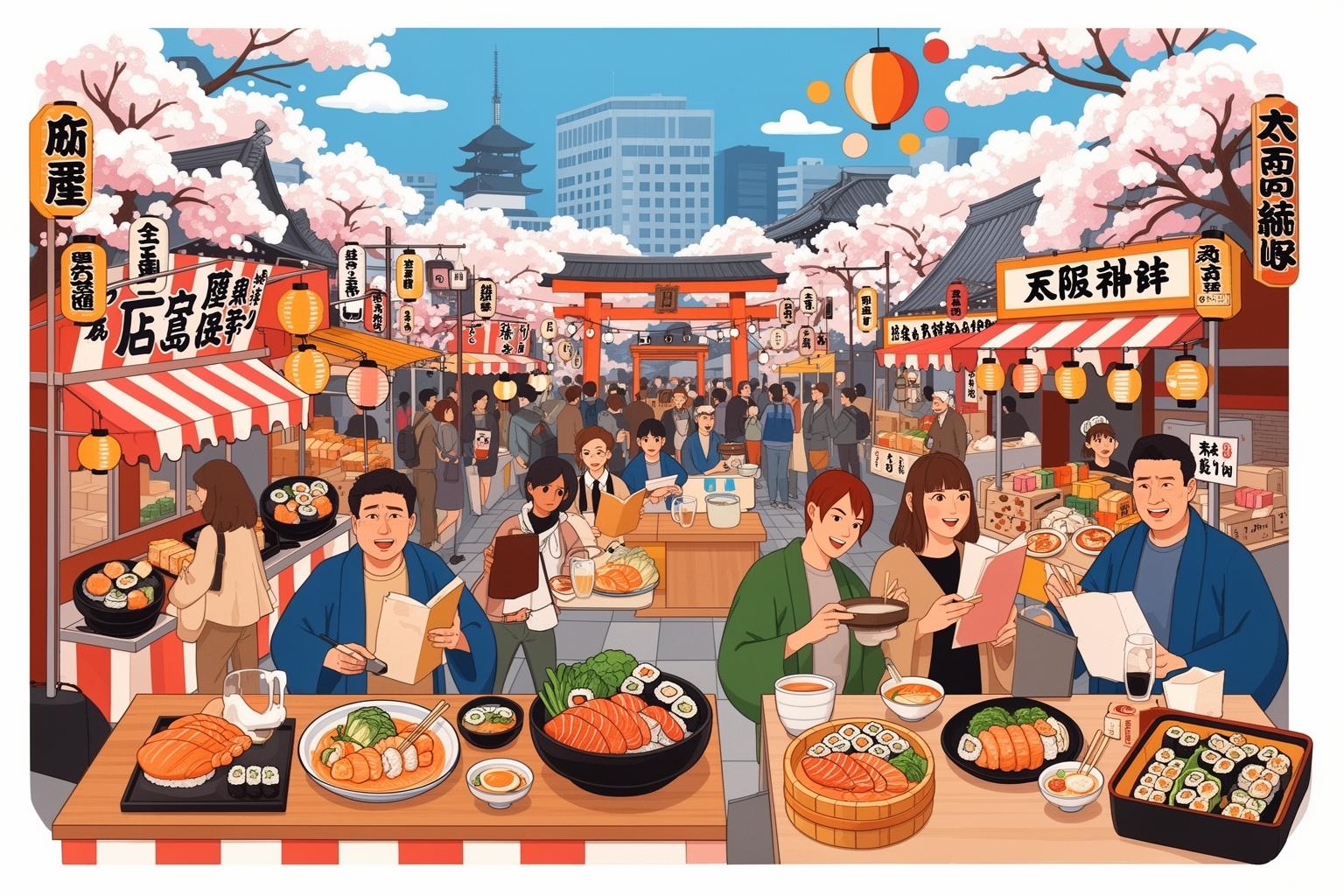
With so much to savor, the question is where to begin. The charm of Taisho lies in the fact that you really can’t go wrong. The area is packed with authentic, family-run establishments. Your adventure starts the moment you step out of Taisho Station and face the covered shopping arcades and the maze of streets branching off from them.
The Izakaya Experience: Music, Food, and Community
The heart of Taisho’s nightlife beats strongest in its Okinawan izakayas. As dusk falls, red lanterns glow warmly, casting an inviting light over the streets. Laughter and music drift out from behind noren curtains. This is the place for the full experience. Don’t expect sleek, modern designs. The best spots tend to be a little cluttered, with walls adorned with Okinawan posters, sanshins, and photos of regular patrons. If you can, grab a seat at the counter to watch the chefs work their magic and chat with the owner. The menu will read like a treasure map filled with the dishes mentioned above and more. The key is to order a variety of small plates to share. Begin with umibudo and a plate of jimami-dofu (creamy peanut tofu), then move on to a heartier goya chanpuru or some grilled agul pork (a prized local breed). And naturally, order a pitcher of Orion beer or a carafe of awamori. If you’re lucky, you’ll be there on a night with live music. There’s nothing quite like sipping awamori while a local master plays the sanshin, the whole pub joining in chorus. It’s an experience that goes beyond a simple meal and becomes a treasured memory.
Daytime Delights: Soba Shops and Local Markets
Daytime in Taisho offers a different, but equally delicious, experience. This is when you seek out the dedicated soba shops. These are often small, no-frills eateries with one focus: crafting the perfect bowl of Okinawan soba. The menus are straightforward, usually featuring just a few options—soki soba, sanmainiku soba (with sliced pork belly), or perhaps a vegetarian choice. Here, you’ll find locals on their lunch break, slurping noodles with quiet satisfaction. After lunch, wander through the local markets and shopping streets. The Tsurumachi and Hirao shopping arcades (shotengai) are the community’s heartbeat. Here, small grocery stores brim with Okinawan products rarely found in regular supermarkets. You can pick up fresh goya, blocks of shima-dofu, various Okinawan seaweeds, bags of kokuto black sugar, and bottles of sanpin-cha. This is where the locals do their daily shopping, and simply walking through connects you more deeply to the local food culture. Grab some sata andagi from a street-side vendor for a snack as you explore.
Hirao Shotengai: The Okinawan Market Heartbeat
If you only have time to explore one market area, make it the Hirao Shotengai. This covered arcade feels as if it has been transported from a town in Okinawa itself. The air is rich with the scents of frying food and fresh produce. Elderly women haggle with vendors over vegetable prices, and Okinawan music plays softly in the background. This is the ideal place to see the ingredients of Ryukyu cuisine up close. Shops specialize in kamaboko (Okinawan fish cakes), butchers proudly showcase various cuts of pork, and stalls sell colorful, locally made pickles. It’s an overwhelming sensory delight in the best way. Hidden within the arcade are tiny, standing-only bars and small cafeterias serving quick, affordable, and wonderfully authentic meals. Grabbing a bowl of soba or a plate of chanpuru at one of these spots means dining alongside the community, experiencing the food in its most genuine and unpretentious form. The Hirao Shotengai isn’t a tourist attraction; it’s the living, breathing, delicious heart of Little Okinawa.
A Deeper Dive: The History Behind the Flavor
The presence of this lively Okinawan community in Osaka is no coincidence. Its story is deeply tied to the turbulent history of the 20th century. After the formal annexation of the Ryukyu Kingdom by Japan in the late 19th century and the subsequent economic difficulties, many Okinawans began migrating to mainland Japan in search of employment. This migration surged significantly following World War II. The Battle of Okinawa was one of the war’s deadliest battles, leaving the islands in ruins. In the post-war era, as Osaka flourished as an industrial hub, its factories and shipyards—especially those in the coastal Taisho Ward—offered job opportunities. Okinawans arrived in large numbers, forming a close-knit community to support each other in a new and sometimes unfriendly environment. Despite facing discrimination and hardship, they also brought their resilient spirit, their music, language, and cuisine. The restaurants and shops present today stem from the desire to create a home away from home. Food became more than basic nourishment; it was a powerful means of cultural preservation, a way to maintain a connection to their heritage and pass it on to their children born and raised in Osaka. Dishes like goya chanpuru with Spam serve as a direct link to this post-war history—a blend of necessity and tradition that has become an iconic culinary symbol. Dining in Taisho, therefore, offers a taste of this history. Every bite of soki soba honors the resilience of a community that rebuilt itself and carved out a space to keep its unique culture vibrant and alive.
Practical Tips for Your Culinary Adventure

A trip to Little Okinawa is both easy and rewarding, though a few tips can help you get the most out of your visit.
Getting There
Access is extremely straightforward. Taisho Station is a key stop on the JR Osaka Loop Line, placing it just minutes from major hubs like Osaka Station, Namba, and Tennoji. It’s also served by the Nagahori Tsurumi-ryokuchi subway line. From the station, the main areas of Little Okinawa are within a comfortable walking distance.
Best Time to Visit
For the best atmospheric experience, plan to visit in the late afternoon and evening. This is when izakayas open, red lanterns glow, and live music is most often available. The streets fill with a warm, communal energy. If you prefer markets and a quieter lunch, daytime visits are ideal. Weekends are generally more lively than weekdays.
Tips for First-Time Visitors
Don’t worry if you don’t speak Japanese; the people of Taisho are known for their friendliness and hospitality. A genuine smile and a simple gesture go a long way. Many establishments are small and family-run, so it’s wise to carry some cash, as not all accept credit cards. Be adventurous when ordering! If you spot a menu item you don’t recognize, point and ask—it might become your new favorite. Also, watch for the shisa statues; they serve as reliable guides, marking spots where authentic Okinawan culture awaits.
More Than a Meal, It’s a Memory
Exploring the food scene of Taisho Ward is far more than just a culinary tour. It’s a full immersion. It’s the sense of community when an entire room joins in singing a folk song. It’s the savory steam rising from a bowl of soki soba on a crisp evening. It’s the unexpected, delightful burst of sea grapes on your tongue. It’s a sensory journey into a culture that has not only endured but thrived, proudly preserving its unique identity. The flavors you’ll encounter here are bold, rustic, and deeply comforting, with each dish telling a part of the Okinawan story—a tale of sunny islands, a rich royal heritage, and an unyielding spirit. So, whenever the urban rush of Osaka feels too much, take a quick train ride to Taisho. Let the rhythm of the sanshin guide your steps and your appetite lead the way. A little slice of the southern islands awaits, ready to share its warmth, its music, and its amazing food—right in the heart of the city.