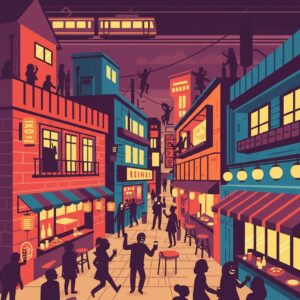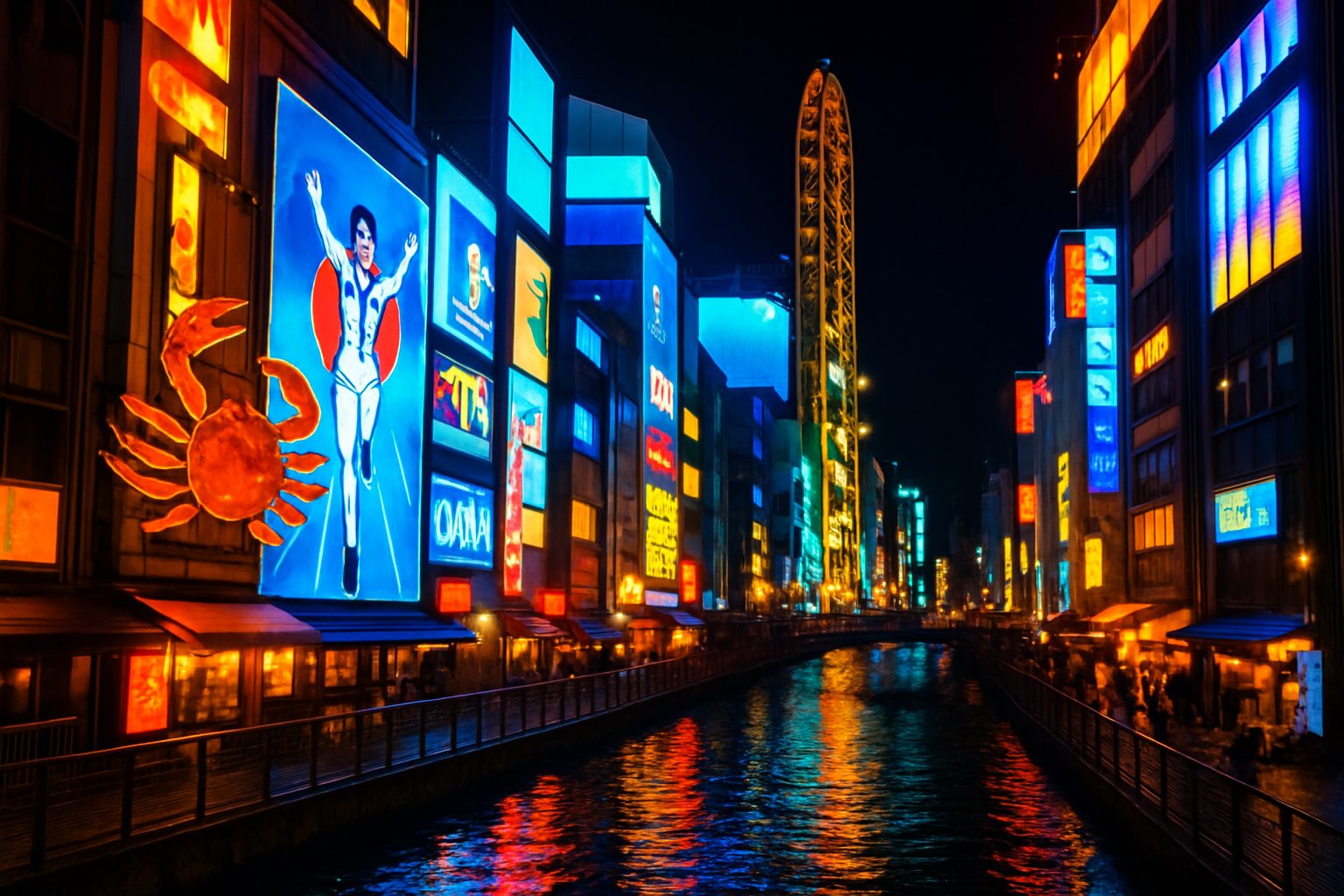
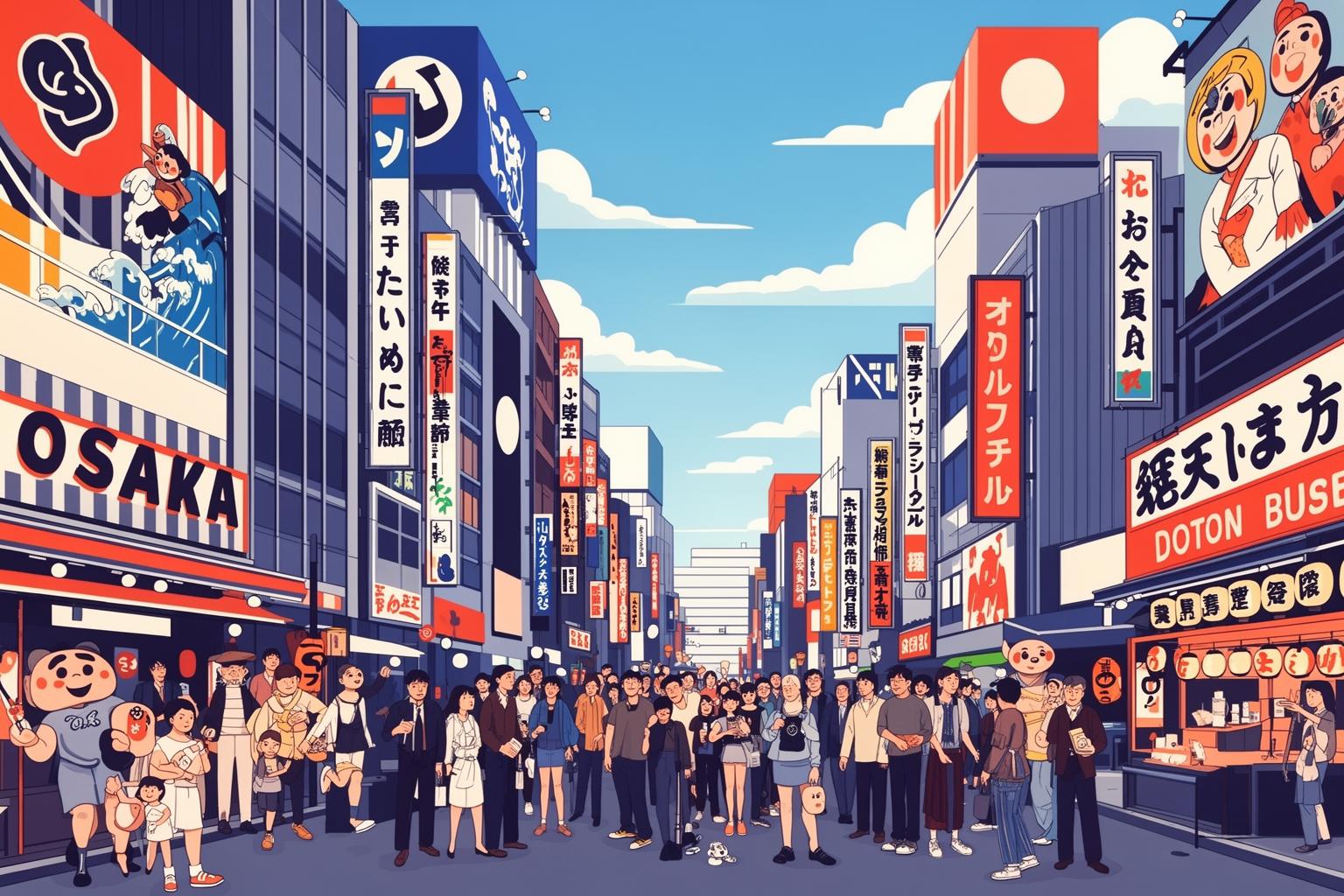
Step out of Namba station, take a deep breath, and let the city pull you in. There’s a current in the air, a palpable energy that hums through the pavement and rises with the steam from a thousand food stalls. This is the overture to Dotonbori, Osaka’s brilliant, chaotic, and utterly intoxicating theater of life. It’s a place that doesn’t just welcome you; it consumes you. Here, along the banks of a canal dug by a merchant’s dream centuries ago, the soul of Osaka is laid bare, illuminated by a galaxy of neon lights and flavored with the smoke of sizzling octopus and savory pancakes. Dotonbori is not merely a destination; it’s an experience, a full-frontal assault on the senses that promises one thing above all else: you will not leave hungry, and you will not leave unchanged. This is the heart of kuidaore culture—the noble, passionate pursuit of eating until you drop—and it’s a philosophy practiced with religious fervor. It’s a riot of sound, a kaleidoscope of color, a banquet of smells. It is, in short, everything you’ve ever heard about electrifying Japanese nightlife, amplified to a level that borders on the sublime. For the foodie, the party-goer, the seeker of urban spectacle, this is paradise. For those in search of a quiet evening, consider this a loving warning: you are about to step into the glorious, beautiful storm.
To truly embrace the kuidaore spirit, you can start your culinary journey at the nearby Kuromon Ichiba market, Osaka’s legendary kitchen.
The Canal of Dreams: A Historical Overture
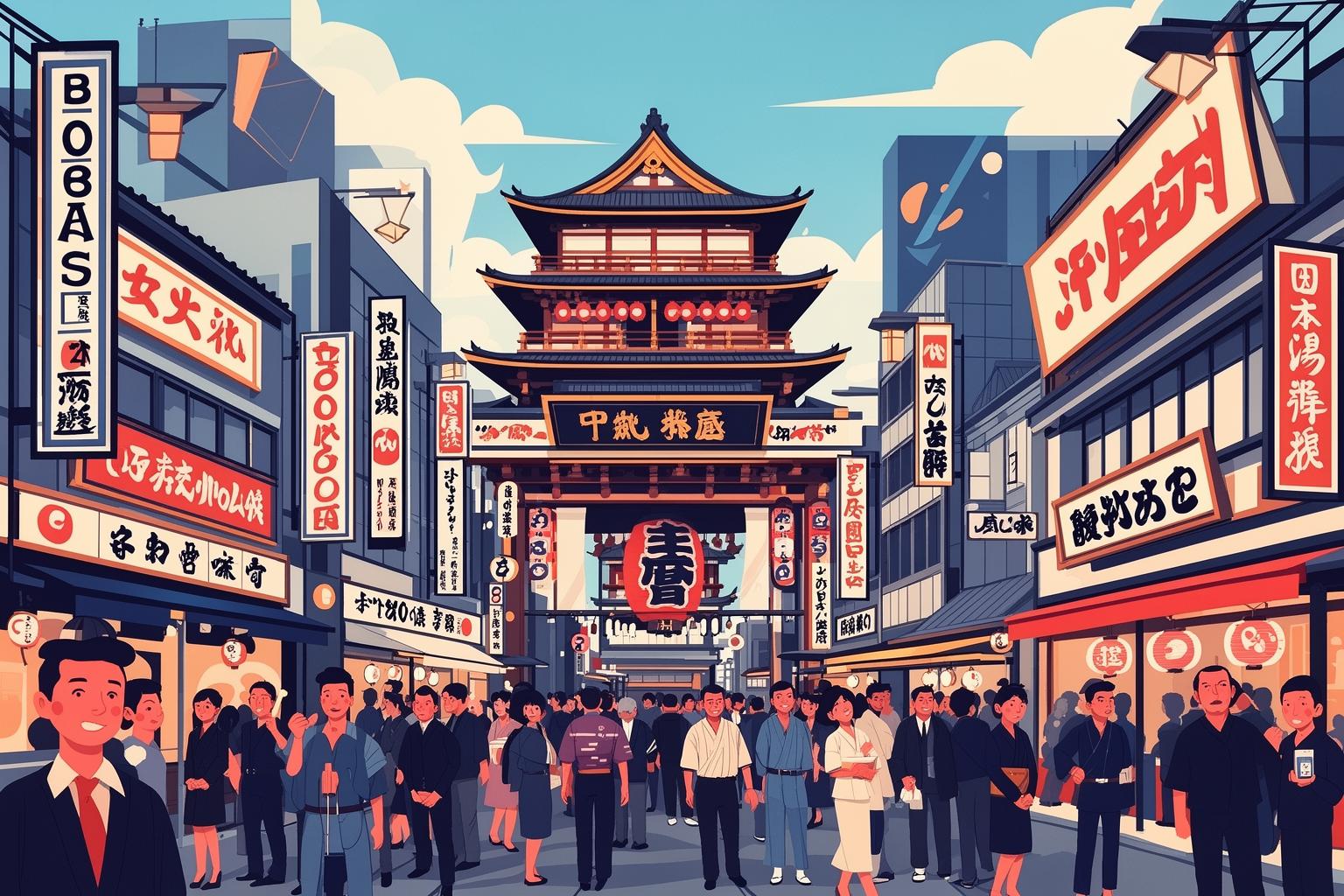
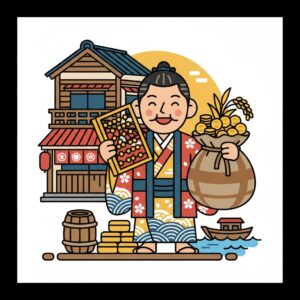
To truly grasp the vibrant chaos of modern Dotonbori, one must look back beyond the flashing LED screens and giant mechanical crabs to an era of shoguns and samurai. The story of this district is embedded in the very stones lining the canal, a tale that begins with a single visionary man. In 1612, a local entrepreneur named Yasui Doton invested his personal fortune in a monumental project: cutting a canal through the heart of Minami, the southern part of Osaka, linking the Kizugawa and Higashi-Yokobori rivers. His goal was to create a new artery for transport and commerce, a move that would forever transform the city’s landscape. Sadly, Doton did not live to see his dream fulfilled. He fell during the Siege of Osaka in 1615, a decisive conflict that solidified the power of the Tokugawa Shogunate. In his memory, his cousins completed the project, and the new waterway was named Dotonbori—the Doton Canal.
The canal’s completion ignited the transformation. The Tokugawa government, eager to centralize and control urban growth, designated Dotonbori’s southern bank as Osaka’s official entertainment district. Theaters elsewhere in the city were ordered to relocate here. Almost overnight, the area burst into life. This was the birth of Dotonbori as we know it: a place devoted to pleasure, performance, and public life. The 17th and 18th centuries marked its golden age of traditional theater. Six Kabuki theaters, magnificent wooden buildings, lined the canal, their entrances decorated with colorful banners and lanterns. Great acting dynasties emerged here, and legendary plays premiered to packed audiences of merchants, artisans, and even disguised samurai. Alongside them flourished the unique art of Bunraku, the elaborate puppet theater later recognized as a UNESCO Intangible Cultural Heritage. The air was thick not with the smell of takoyaki but with fragrant incense, the murmur of crowds, and the dramatic sounds of shamisen music drifting from the playhouses. This was not just entertainment; it was the cultural heart of a thriving merchant city.
The Meiji Restoration’s arrival in 1868 brought Westernization and modernization, which Dotonbori embraced with typical enthusiasm. Traditional teahouses and theaters began sharing space with modern cafes, billiard halls, and cinemas. The first flickering silent films captivated audiences, heralding a new era of spectacle. Yet the district never lost its core spirit. It simply incorporated new forms of entertainment into its expanding repertoire. The 20th century solidified Dotonbori’s status as the premier nighttime destination in western Japan. However, this golden age was brutally interrupted by World War II. Air raids left much of Osaka, including its beloved entertainment district, in ruins. The theaters were destroyed, the canal clogged with debris. Yet the spirit of Osaka, and of Dotonbori, is one of unyielding resilience. From the ashes, the district rebuilt itself, bigger, brighter, and louder than ever. This post-war reconstruction marked the true takeover of neon, turning the skyline into the dazzling electronic tapestry we see today. Every light, every sign, stands as a tribute to the area’s ability to constantly reinvent itself while remaining true to its founding purpose: entertaining the masses.
The Neon Symphony: A Gallery in the Sky
Dotonbori at night is a masterclass in sensory overload, with light as its primary medium. The buildings lining the canal are not just structures; they serve as canvases for some of Japan’s most iconic and extravagant advertisements. This is not Times Square; it boasts a uniquely Japanese flair for the dramatic and whimsical, a theatrical heritage expressed through glowing glass and steel.
The Glico Running Man
The undisputed monarch of this neon realm is the Glico Running Man. First erected in 1935, this enormous sign has become a symbol of Osaka itself. It portrays a victorious athlete crossing a finish line, arms raised in triumph, set against a backdrop of well-known landmarks. More than just an ad for the Glico candy and food company, the sign is a cultural icon, embodying the energy, optimism, and resilience of Osaka. Over the years, it has been updated multiple times, evolving from neon tubes to a cutting-edge LED display that animates and changes the background. Both locals and visitors gather on the Ebisu Bridge to imitate his iconic pose for photos. Following major wins by local sports teams, like the Hanshin Tigers baseball team, the bridge transforms into a site of wild celebration, with elated fans sometimes jumping into the canal below—a practice strongly discouraged but a testament to the sign’s significance in the city. It has endured war, economic slumps, and typhoons, always returning to shine as a beacon of vitality over the Dotonbori canal.
The Kani Doraku Crab
Equally famous, and perhaps even more striking to newcomers, is the giant mechanical crab adorning the Kani Doraku restaurant. This enormous three-dimensional crustacean clings to the building’s facade, its legs and claws moving slowly and hypnotically. Established in 1962, this sign was a marvel in its time and remains a beloved landmark. It perfectly captures Dotonbori’s kanban culture philosophy, where the sign itself clearly communicates what you can expect. There’s no confusion: here, you eat crab. The boldness of a multi-story moving crab in the middle of the city reflects the playful and straightforward spirit of Osaka’s merchant culture. It stands as a grand and theatrical promise of delicious food.
Cui-daore Taro
Another cherished character of the area is Cui-daore Taro, the mechanical drumming clown. Housed in the Nakaza Cui-daore Building, this cheerful, bespectacled figure has been beating his drum since 1950. His name, Cui-daore, directly references the district’s motto of “eat ‘til you drop.” For decades, he stood outside the restaurant of the same name. When that restaurant closed in 2008, the community lamented his possible departure, proving he had transcended mascot status to become a local icon. Luckily, he found a new home and continues his rhythmic drumming, serving as a cheerful, persistent symbol of Dotonbori’s essence. He embodies the district’s tireless, festive spirit.
Beyond these giants of signage, a whole menagerie of massive three-dimensional advertisements vie for your attention. A huge octopus guards the entrance to a takoyaki shop. A fierce dragon looms over a ramen restaurant. Giant models of gyoza dumplings and sushi invite you closer. Each sign is a piece of folk art—a bold declaration of culinary pride. Strolling through Dotonbori feels like wandering an open-air museum of commercial creativity, where the exhibits are alive, buzzing, and enticing you to enjoy a delicious meal.
Kuidaore: A Deep Dive into Osaka’s Stomach
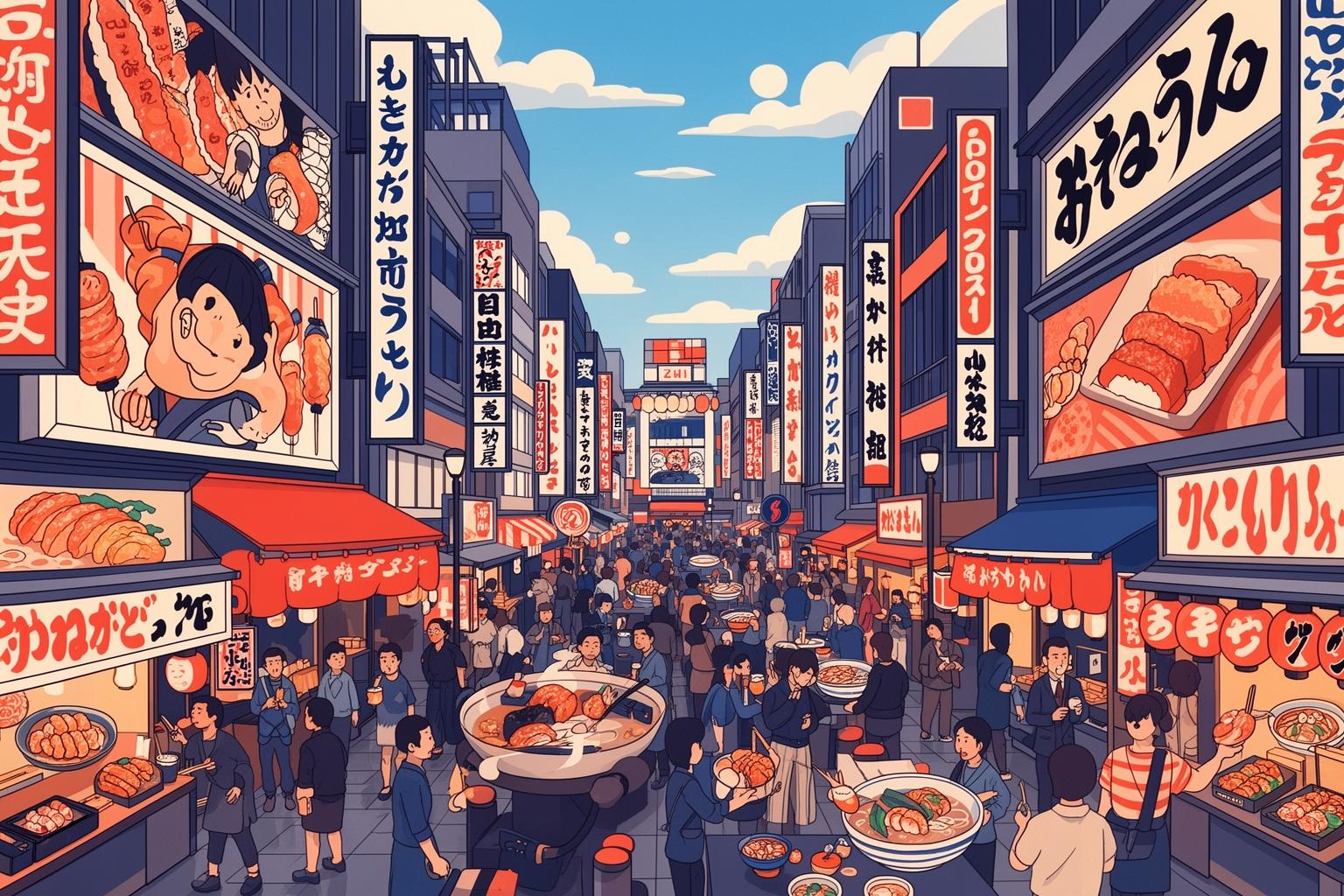
To talk about Dotonbori is to talk about food. The principle of kuidaore defines the district and gives it purpose. It embodies a joyful, almost carefree indulgence in culinary temptation. Here, food is more than just nourishment; it is entertainment, culture, and a way of life. The streets unfold like an endless buffet, and your only challenge is deciding where to start.
Takoyaki: The Quintessential Ball of Joy
If Osaka has a signature taste, it’s probably takoyaki. These steaming-hot balls of batter, filled with a generous chunk of octopus (tako), pickled ginger, and green onion, are cooked in special cast-iron pans with hemispherical molds. The cooking process itself is a captivating street performance. Skilled vendors use long picks to expertly turn the batter at remarkable speed, transforming a liquid mix into perfect golden spheres. The result is a textural delight: a slightly crisp exterior encasing a molten, savory, almost creamy center. Served in a paper boat, they are usually topped with sweet and tangy takoyaki sauce, a drizzle of Japanese mayonnaise, sprinkled green laver (aonori), and a generous layer of dancing dried bonito flakes (katsuobushi). The intense heat makes the delicate fish flakes writhe and curl as if alive, adding a final touch of magic. Each stall has its own secret recipe, with variations in the dashi-infused batter or sauce, sparking endless debates among locals about which one reigns supreme.
Okonomiyaki: The Savory Soul Pancake
The name literally means “grilled as you like it,” perfectly capturing the essence of this cherished dish. At its heart, okonomiyaki is a savory pancake made from a flour-and-egg batter mixed with heaps of shredded cabbage and your choice of ingredients—often pork belly, squid, shrimp, or a combination. This delicious mixture is grilled on a large flat-top griddle (teppan), pressed into a thick, satisfying cake. Once cooked, it’s brushed with rich okonomiyaki sauce, striped with mayonnaise, and topped with bonito flakes and aonori. Many Dotonbori restaurants have the teppan built into your table, allowing you to either cook the dish yourself—a fun, sometimes messy experience—or watch a chef prepare it before you with flair. It’s a hearty, comforting, and deeply fulfilling meal that perfectly represents Osaka’s unpretentious and generous culinary spirit.
Kushikatsu: The Art of the Skewer
Though the Shinsekai district to the south is the traditional home of kushikatsu, Dotonbori has warmly embraced this culture of deep-fried treats. Kushikatsu features various foods—meat, seafood, vegetables, cheese, and even hard-boiled eggs—threaded onto bamboo skewers (kushi), coated lightly in panko breadcrumbs, and fried (katsu) to golden perfection. They are served with a shared pot of thin, savory dipping sauce. Here, the most important rule of Osaka dining applies: NO DOUBLE-DIPPING. Each skewer is dipped into the sauce only once before the first bite. This rule is a matter of hygiene and is upheld with mock seriousness by staff and signage. A small bowl of complimentary cabbage accompanies the dish and can be used to scoop more sauce onto your skewer if desired. The variety is vast, from classic beef and onion to more adventurous choices like lotus root, asparagus, and mochi rice cakes. It’s a fun, communal, and surprisingly light way to enjoy a meal.
Ramen: A Battle of Broths
In a city passionate about food, the ramen scene is fiercely competitive. Dotonbori hosts some of Osaka’s most celebrated ramen-ya. Kinryu Ramen is famous for its giant green dragon exterior and offers a simple, classic tonkotsu-style broth that is light yet flavorful, served 24 hours a day from stalls with tatami-mat seating—making it a popular late-night destination. Perhaps even better known is Ichiran, renowned for its “flavor concentration booths”—individual cubicles designed to help diners focus solely on the taste of their ramen without distraction. Here, you can customize every element of your bowl, from the richness of the pork bone broth and firmness of the noodles to the amount of garlic and spicy red sauce. The experience is unique, and the ramen is consistently superb—a deeply personal communion with a perfect bowl of noodles.
Navigating the Labyrinth: More Than Just a Street
While the main thoroughfare of Dotonbori is a spectacle on its own, the true charm of the area reveals itself when exploring its outskirts and hidden alleys. It’s a district layered with contrasts, where a single turn can whisk you from neon-lit modernity to the quiet reverence of history.
The Tombori River Cruise
For a fresh perspective, head to the water. The Tombori River Cruise offers a 20-minute ride along the canal that gives the district its name. As you glide beneath the nine bridges spanning this short waterway, you’ll enjoy an unmatched view of the dazzling signs from below. The boat guides provide commentary in Japanese, but the visuals communicate universally. Seeing the Glico Man, the giant crab, and the glowing advertisement towers reflected in the canal’s dark waters is a uniquely captivating experience. It’s a moment of calm amid the chaos, a chance to appreciate the vast scale and density of the visual landscape.
Hozenji Yokocho: A Whisper of Old Osaka
Just steps from Dotonbori’s main street lies an alley that feels like a gateway to another era. Hozenji Yokocho is a narrow, stone-paved lane bathed in the soft, warm light of traditional paper lanterns. The noise of the main drag fades away, replaced by the gentle clack of geta sandals and quiet conversations from the tiny, intimate restaurants and izakayas lining the street. At its center stands Hozenji Temple, home to the Mizukake Fudo-son statue, a Buddhist deity covered in a thick green moss carpet. Worshippers make wishes by splashing water over the statue, a ritual practiced for so long that the moss has flourished. The atmosphere here is one of peaceful reverence, a striking and beautiful contrast to the electric energy just meters away. It’s a reminder that even within Osaka’s liveliest district, history and tranquility have secured their own sacred space.
Shinsaibashi-suji and Amerika-mura
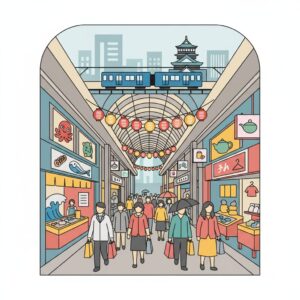
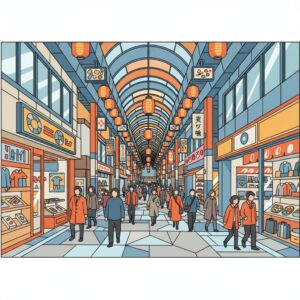
Dotonbori does not stand alone. It serves as the heart of the broader Minami entertainment district. To the north, the Ebisubashi Bridge leads straight into Shinsaibashi-suji Shopping Arcade, a covered retail haven stretching over 600 meters. This busy corridor is packed with everything from upscale department stores and international fashion brands to quirky boutiques, souvenir shops, and plentiful drugstores offering Japanese cosmetics. West of Shinsaibashi lies Amerika-mura, or “Amemura,” Osaka’s epicenter of youth culture and alternative fashion. Centered around Sankaku Koen (Triangle Park), its streets burst with vintage clothing stores, record shops, street art, and eclectic cafés. This is where you’ll witness the cutting edge of Japanese street style, a grittier, more creative vibe that perfectly complements Dotonbori’s mainstream spectacle.
A Practical Guide to the Glorious Chaos
Exploring Dotonbori for the first time can feel overwhelming, but a bit of preparation will help you get the most out of the experience. The best way to reach the district is from Namba Station, a major transportation hub served by several subway lines (Midosuji, Yotsubashi, Sennichimae), the Nankai line from Kansai Airport, and the Kintetsu and Hanshin lines. From any exit at Namba, it’s a short, clearly marked walk north.
Timing your visit is important. While Dotonbori is lively during the day, its true essence comes alive only after dark. This is an essential point. The experience revolves around the lights, so plan to arrive in the late afternoon and stay well into the evening. The streets are busiest on weekend nights, offering the most vibrant atmosphere but making it harder to move around. For a more relaxed visit, opt for a weekday evening.
Be ready for a walking and eating adventure. Comfortable shoes are essential because you’ll be on your feet for hours. Although many restaurants accept credit cards, smaller street food vendors usually require cash, so it’s smart to carry some yen. Note that eating while walking is generally frowned upon in Japan. Most food stalls provide small designated areas where you can stand and enjoy your food. Trash cans can be scarce, so be prepared to hold onto your rubbish until you find one, often near convenience stores or train stations. Most importantly, come hungry and with an open mind. Don’t hesitate to try items you can’t pronounce. Pointing works perfectly for ordering, and a simple “Kore, kudasai” (“This one, please”) will be very effective.
Lastly, embrace the lively chaos. Dotonbori is noisy, crowded, and sometimes bewildering—that’s part of its charm. Don’t resist the flow; let it guide you. Follow tempting aromas, wander down intriguing side streets, and let yourself get a little lost. This is not a place for strict schedules; it’s made for spontaneous discovery and joyful indulgence.
The Ever-Beating Heart
Dotonbori is far more than just a cluster of restaurants and bright lights. It embodies the very spirit of Osaka: bold, unpretentious, endlessly resilient, and passionately devoted to good times and exceptional meals. Here, history isn’t trapped in museums but lives on in the lantern-lit alleys and the tales behind its iconic mascots. It stands as a tribute to the city’s capacity to rebuild, innovate, and never lose its sense of humor. Strolling these streets means joining a celebration that has thrived for four centuries. So come, be part of the parade. Let the neon lights surround you, let the chorus of sizzling sounds and lively shouts be your soundtrack, and plunge into the vibrant, unforgettable feast that is Dotonbori. You may leave with a full stomach and an empty wallet, but your spirit will be all the richer for it.