They’ll warn you, you know. Mention to a resident of Osaka, someone from the polished north or the comfortable suburbs, that you’re thinking of living in Nishinari Ward, and watch their face change. A flicker of concern, a subtle intake of breath, followed by a hesitant, “Are you sure?” or a more direct, “Be careful there.” In the collective imagination of Japan, Nishinari is less a district and more a cautionary tale. It’s the city’s shadow, the place where the economic miracle ran out of steam, a concentration of everything modern Japan tries to keep neatly out of sight. The reputation precedes it, a heavy cloak of poverty, crime, and social decay. And for the foreign resident, looking for a foothold in this vibrant, chaotic city, Nishinari presents a stark, unavoidable question: Is the reputation deserved? And more importantly, can you actually build a life here?
This isn’t a guide to gloss over the hard truths. We’re not here to tell you that Nishinari is a misunderstood paradise. It’s not. But it’s also not the lawless wasteland of popular myth. It is, perhaps, one of the most complex, contradictory, and brutally honest places in all of Japan. It’s a place where rock-bottom rents sit next to unparalleled transport links, where a profound sense of community exists alongside visible hardship, and where the relentless pressure to conform that defines so much of Japanese society simply evaporates. To understand Nishinari is to weigh a set of pros and cons so extreme they barely seem to belong in the same city. It’s a deep dive into the socio-economic realities that underpin Osaka’s flashy surface, a lesson in what people are willing to trade for a place to call home. This is the unvarnished truth about daily life, cultural integration, and the raw, unfiltered reality of living on Osaka’s edge.
To truly understand the unfiltered reality of Nishinari, one must first grasp the city’s complex social dynamics, which are perfectly explained by understanding Osaka’s unique culture of honne and tatemae.
Deconstructing the Nishinari Narrative: History, Reputation, and Reality
To begin to truly understand Nishinari, you must first peel away layers of deeply ingrained stigma. The ward’s identity is closely tied to one small, notorious neighborhood within its borders—a place whose name is often whispered: Kamagasaki. Grasping this history isn’t merely an academic exercise; it is essential for interpreting others’ reactions and understanding the very fabric of everyday life in the area.
The Shadow of Kamagasaki (Airin-chiku)
First, an important geographical detail often missed by those outside the region: Nishinari Ward is a large administrative district. Kamagasaki, officially called Airin-chiku, is just a tiny part of it, centered around Shin-Imamiya Station. Yet, the reputation of this small neighborhood has overshadowed the entire ward. Kamagasaki is Japan’s largest doyagai, or day-laborer town. Its modern history began during the post-war boom when Japan was rapidly rebuilding. Massive construction projects, such as the 1970 Osaka Expo, required a vast and flexible workforce. Men from across the country, often with fractured family ties or seeking to escape their pasts, flocked to Kamagasaki. They lived in cheap flophouses called doya and gathered early each morning hoping to be hired for a day’s work on construction sites.
This shaped a distinctive and enduring social structure. The population was overwhelmingly single, male, and transient. As Japan’s economy moved away from heavy construction and the original generation of laborers grew older, the nature of the issue evolved. The once robust men became elderly and unemployable, frequently without family, pension, or social safety nets to rely on. The area emerged as a focal point for problems related to homelessness, alcoholism, and poverty. This is the reality underpinning Nishinari’s reputation—a history of hard labor, marginalization, and the men who built modern Osaka but were abandoned once the work was done.
How Osakans See Nishinari: A Wall of Preconception
This history directly informs the current perception. Mention to a coworker from Umeda or a friend from Kobe that you live in Nishinari, and their mental map instantly conjures images of Kamagasaki. They don’t think of the quiet residential streets of Kishinosato or the lively shopping arcade in Tamade; instead, they picture elderly men drinking sake on the street at 10 AM, overflowing garbage bins, and vague, media-fueled fears of crime and unrest. Although the riots happened decades ago, they still linger in public memory.
This wall of preconception is formidable. It is built on a mixture of media sensationalism, classism, and a genuine lack of firsthand experience. For most Osakans, Nishinari is just a place to pass through on the train, mental doors firmly shut. They have never walked its streets, shopped in its stores, or spoken to its residents. Their fear is not of a real, present danger, but of a deeply ingrained idea. It sends a powerful social signal. Choosing to live in Nishinari is often seen as odd, perhaps even reckless. It places you outside the norms of middle-class Japanese life, and you will frequently, if subtly, be expected to explain your choice. For a foreigner, this can be doubly alienating, adding neighborhood stigma atop your existing outsider status.
The Unvarnished Pros: Why People Choose Nishinari
Given the heavy weight of its reputation, why would anyone—especially a young foreigner—choose to live in Nishinari? The answer lies in a powerful mix of pragmatism and a yearning for something genuine. The ward provides such compelling advantages that, for the right person, they far outweigh the social stigma and aesthetic drawbacks.
The Unbeatable Economics of Everyday Life
Let’s be straightforward: the primary reason people live in Nishinari is money. Or, more precisely, the astonishingly low cost of living here. In a country where expenses can be overwhelming, Nishinari stands out as an oasis of affordability that almost seems like a system glitch.
Housing: More Space for Your Yen
Apartment prices in Nishinari can be shockingly low. A basic 1K apartment (a single room with a small kitchenette) within a five-minute walk of a major train station might cost between ¥30,000 and ¥40,000 per month. In Chuo Ward or Kita Ward, a comparable apartment in a less convenient spot could easily cost twice as much or more. The difference extends beyond monthly rent. The notoriously high upfront rental costs in Japan—key money, gift money, guarantor fees—are often waived or sharply reduced in Nishinari. Landlords can’t afford to be choosy; they want tenants and are willing to lower barriers to fill vacancies. This means your move-in cost can be a fraction of what you’d pay elsewhere, a huge benefit for someone just starting out with limited funds.
Daily Expenses: Stretching Your Budget Further
Savings don’t end with rent. Nishinari’s entire commercial ecosystem is designed for those with tight budgets. The most iconic example is Super Tamade, a neighborhood supermarket famous for its neon-lit chaos and impressively low prices. You can find bento boxes under ¥300, produce for just a few coins, and legendary ¥1 sales on select items. The local shotengai (covered shopping arcades) are filled with affordable food stalls, discount clothing stores, and simple services. Vending machines sell drinks for ¥50. Small eateries serve hearty bowls of udon or curry for mere hundreds of yen. Living here fundamentally redefines what things should cost—you’re operating in a different economic reality than the rest of Osaka, allowing you to save aggressively or live with considerably less financial pressure.
A Hub of Unparalleled Connectivity
Here lies Nishinari’s great paradox. Logically, the cheapest area of a city should be the most remote and inconvenient. Yet, Nishinari is the opposite. It is, without exaggeration, one of the best-connected transport hubs in all of Osaka. The ward centers around a cluster of major stations: Shin-Imamiya, Dobutsuen-mae, and Tengachaya. Together, they offer access to an impressive number of train lines. The JR Osaka Loop Line circles the city’s core. The Nankai Line provides a direct, affordable link to Kansai International Airport (KIX) and southward to Wakayama. The Midosuji, Yotsubashi, and Sakaisuji subway lines cut through the city, granting direct access to major hubs like Namba, Shinsaibashi, Tennoji, and Umeda. From a logistical perspective, living in Nishinari is highly efficient. You can reach anywhere in central Osaka within 15-20 minutes. This rare combination of extreme affordability and convenience is Nishinari’s unique selling point, a secret residents deeply appreciate.
An Atmosphere of Raw Authenticity
If you’re tired of the polished, polite, and often suffocatingly reserved atmosphere typical of mainstream Japan, Nishinari can feel like a breath of fresh, albeit gritty, air. This is a place stripped of all pretense. There is no tatemae (public facade). What you see is what you get. The streets are loud, the people are straightforward, and the overall vibe is one of unvarnished reality. No one is trying to impress you, nor do they care about the brand of clothes you wear or where you studied.
This fosters a unique sense of freedom. The prevailing attitude is “live and let live.” As long as you’re not causing trouble, no one will bother you. This can be incredibly liberating for a foreigner who feels the ongoing, low-key stress of trying to fit in and avoid breaking some unspoken social norms. In Nishinari, the rules are simpler: mind your own business, and others will mind theirs. For artists, musicians, and anyone who feels like a square peg in Japan’s round hole, this absence of social judgment can be the ward’s most attractive quality.
The Uncomfortable Cons: Facing the Challenges of Nishinari
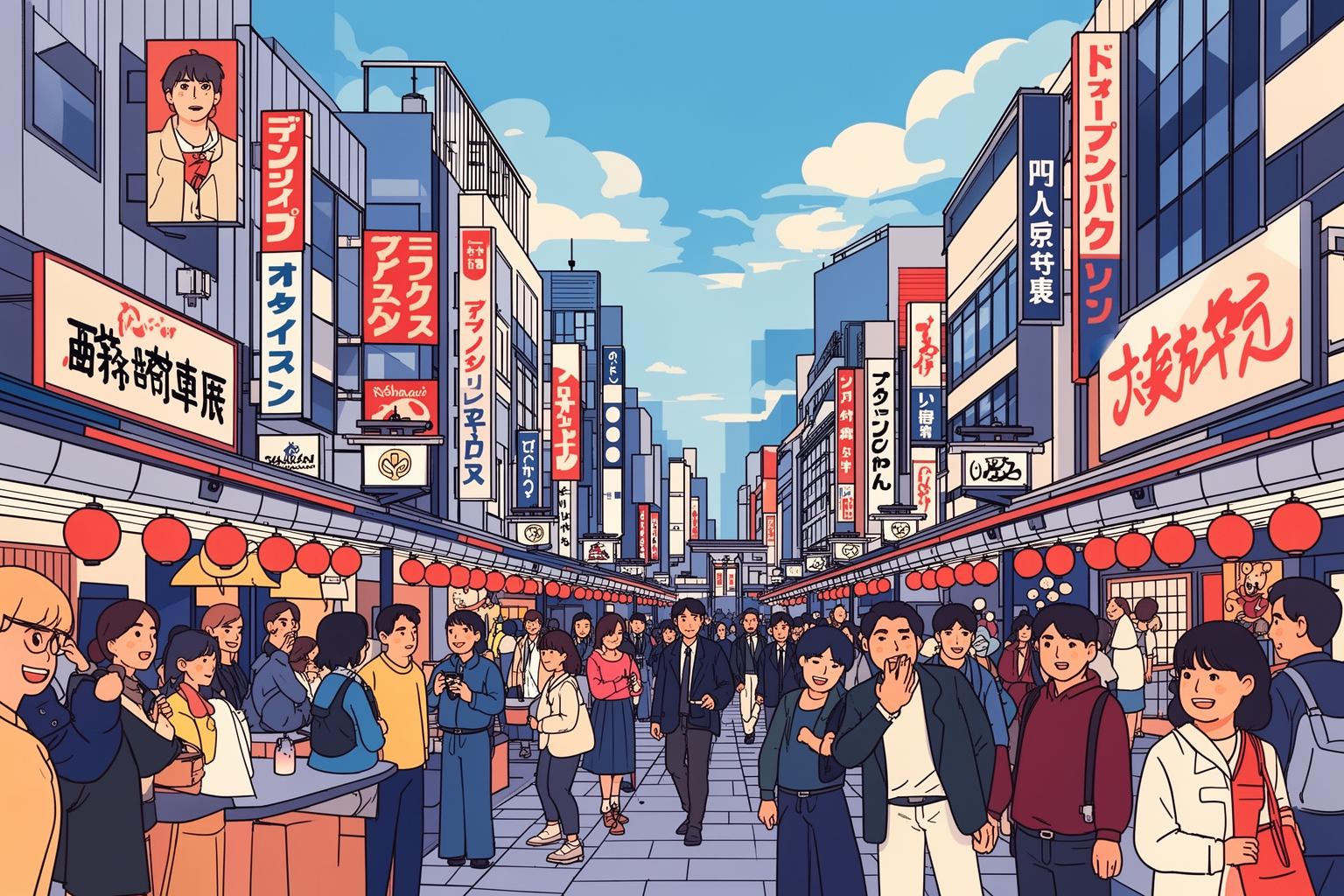
Certainly, there is a reason behind the low rent and the laissez-faire attitude. The trade-offs associated with living in Nishinari are tangible and significant, and for many, they are deal-breakers. Overlooking these challenges would be irresponsible. You must approach the neighborhood with full awareness of its daily realities.
Navigating the Social Landscape: Safety and Perception
The biggest challenge for most newcomers is the immediate and unavoidable exposure to a side of Japan they may never have witnessed before. This is where the neighborhood’s reputation is grounded in reality, and adjusting can be difficult.
The Visible Signs of Hardship
Poverty in Nishinari is not an abstract idea; it is a visible, everyday reality. You will encounter homelessness. You will see elderly men gathering in parks and beneath overpasses, with their belongings stored in shopping carts. Public drinking occurs at all hours. In certain areas, the air is thick with the smell of cheap alcohol and unwashed bodies. For those coming from the nearly pristine environments of other Japanese cities or from Western contexts where such issues are typically hidden, this can be a profound shock. It constantly reminds you of the failures of the social safety net and the human cost of economic exclusion. You cannot ignore or wish it away. It forms the backdrop of life here.
Personal Safety: Reality vs. Rumor
Let’s confront the obvious question: is Nishinari dangerous? The answer is complex. Compared to genuinely dangerous neighborhoods in major American or European cities, it is not. Violent crime, especially random attacks on strangers, remains exceedingly rare, as throughout Japan. However, the feeling of safety differs. The atmosphere can be intimidating. Streets, especially around Shin-Imamiya station at night, often host drunk or mentally ill individuals. Women, in particular, may feel uneasy due to the persistent male gaze and occasional catcalls—something uncommon in other areas of Japan.
Petty crimes, like bicycle theft, are more frequent here. The crucial distinction is between feeling uncomfortable and being in real danger. The visible signs of social disorder—shouting, arguments, people passed out on sidewalks—heighten your alertness. You must be street-smart. You learn which areas to avoid after dark. You avoid displaying expensive electronics. You carry yourself attentively. This level of urban vigilance is not needed in, for example, suburban Nara, and adjusting to it can be exhausting.
The Quality of Life Compromises
Beyond the social environment, living in Nishinari means accepting a lower standard for your physical surroundings. You pay less, and in many ways, you receive less.
Cleanliness and Infrastructure
The ward is, frankly, dirty. On garbage collection days, piles of trash bags overflow into the streets, often scavenged through. Graffiti is widespread. Many buildings are old, poorly maintained, and show signs of decades of wear. Infrastructure is aging. While you won’t encounter potholes—Japan avoids those—the overall impression is one of neglect. The crisp, clean aesthetic that characterizes much of the country is missing here. If visual clutter and lack of cleanliness distress you, Nishinari will be a constant source of low-level irritation.
Limited “Lifestyle” Amenities
Your daily life will revolve around what is available, and Nishinari’s options cater primarily to basic needs rather than modern lifestyles. You’ll find many pachinko parlors, inexpensive izakayas, and 100-yen shops. What you won’t find are third-wave coffee shops, artisanal bakeries, organic grocery stores, contemporary fitness centers, or trendy boutiques. The commercial landscape reflects the local economy. If you envision relaxing Saturdays with brunch at a stylish cafe followed by yoga classes, you will need to commute outside the ward for leisure. Though seemingly minor, this affects your daily rhythm and your ability to feel “at home” if your lifestyle preferences clash sharply with your surroundings.
The Challenge of Cultural Integration
For foreigners desiring deep cultural immersion, Nishinari poses a paradox. You are living in a uniquely Japanese environment, yet genuine integration is extremely difficult. The local community—especially long-term residents and day laborers—is insular and closed. They are not hostile, but neither are they especially welcoming. They have their own complex social codes and support systems, and you will almost certainly remain outside them.
Interactions tend to be transactional and straightforward. The friendly curiosity you might find elsewhere in Japan is often replaced by weary indifference. People are focused on getting by and lack the time or energy to engage with foreign newcomers. This can result in a sense of isolation. While you are free from pressure to conform, you are also cut off from the easy social connections that can make living abroad more manageable. You are an observer, a resident, but seldom a true community member.
The Nishinari Profile: Who Thrives Here and Who Doesn’t?
Ultimately, whether Nishinari is the right choice depends on personality, priorities, and resilience. It is not a one-size-fits-all option, and it’s essential to be honest with yourself about who you are and what you need from a neighborhood.
The Ideal Nishinari Resident: The Pragmatist
The person who flourishes in Nishinari is a true pragmatist. They view their living situation as a means to an end. They are sharply focused on their budget, whether they are a language student aiming to minimize debt, an artist investing every yen into their craft, or an entrepreneur saving startup capital. They prioritize function over form, seeing their apartment merely as a place to sleep and a base to access the city.
This individual is not easily discouraged. They tolerate grit and social disorder well. They are independent, self-reliant, and do not need external validation for their choices. They have a keen sense of observation and an open mind, able to recognize the humanity beneath hardship and appreciate the raw, unfiltered character of the area. For them, Nishinari’s financial freedom and unbeatable convenience are not just benefits; they are tools that help them pursue their broader goals in Japan.
Who Should Steer Clear: The Comfort-Seeker
On the other hand, some people should avoid Nishinari entirely. If you prioritize cleanliness, quiet, and order in your everyday surroundings, you will find it difficult to live here. If visible signs of extreme poverty and social distress upset you deeply, being immersed in that daily will take a heavy emotional toll. Families with young children will probably find the environment unsuitable due to the lack of parks and family-friendly amenities.
Anyone seeking a “quintessential” or “beautiful” Japanese living experience—the kind shown in travel brochures—will be greatly disappointed. Nishinari is the opposite of that polished image. It’s messy, noisy, and demanding. If you need your neighborhood to be a peaceful sanctuary, a refuge from the pressures of work and city life, this is not the place. The compromises required to live in Nishinari will feel less like a smart bargain and more like a constant, exhausting sacrifice.
Beyond the Stereotypes: Finding Pockets of Change and Community
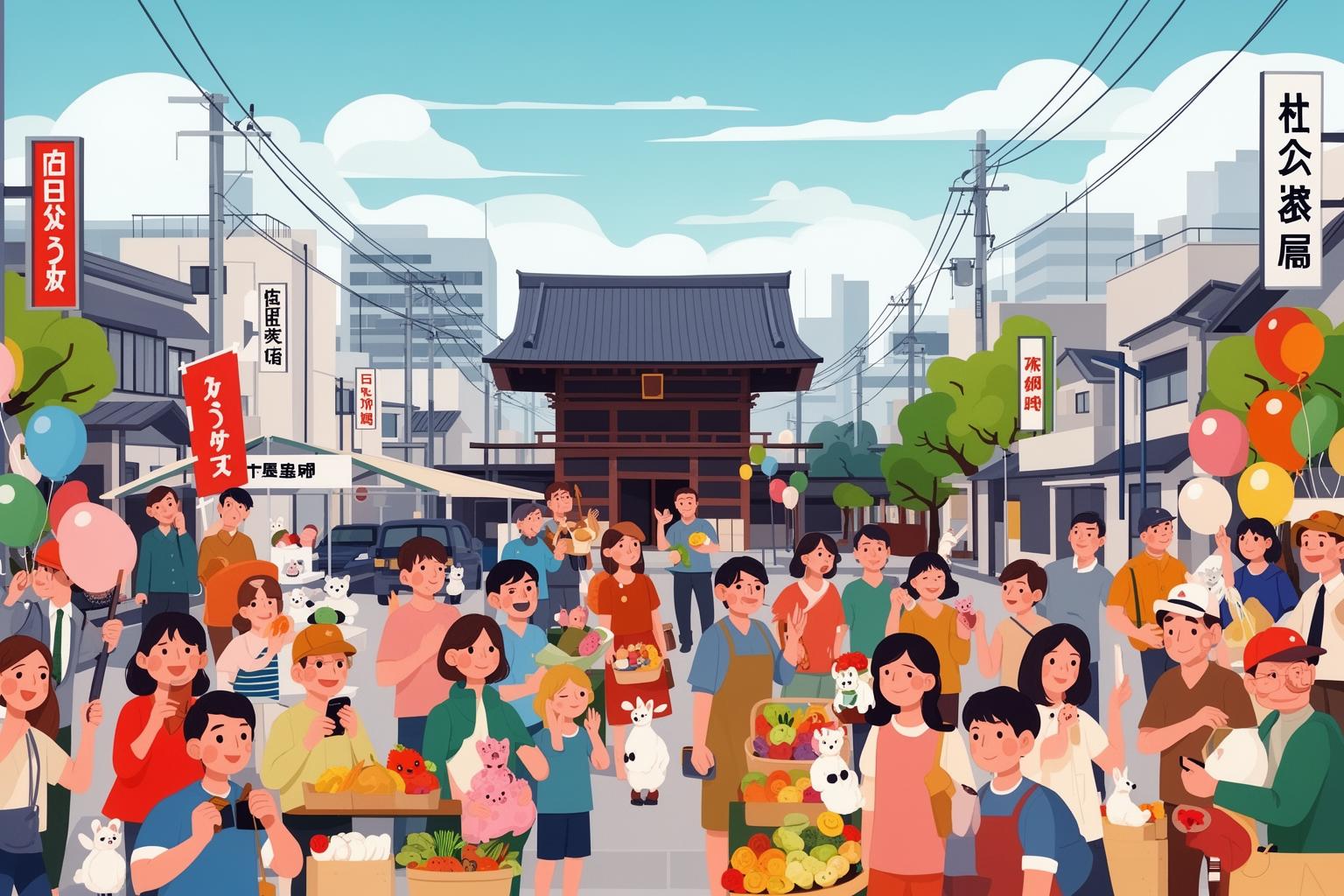
It is important to understand that Nishinari is not a uniform entity. The narrative is gradually evolving, and the ward is more diverse than its reputation implies. The same affordable rents that attract budget-conscious individuals have also started drawing a different crowd: young Japanese artists, musicians, and a steady stream of international backpackers seeking inexpensive accommodation.
This has sparked the gradual appearance of new spaces. Small galleries, quirky bars, and community-oriented guesthouses have begun to emerge, especially on the edges of the ward. These venues serve as small hubs of a different kind of community, injecting fresh energy into the area. Moreover, once you cross south of the Nankai tracks, moving away from Kamagasaki’s core, the ward’s character changes considerably. Neighborhoods like Kishinosato and Tamade are more typical, working-class residential districts. They are quieter, cleaner, and resemble the rest of blue-collar Osaka more closely. For those seeking Nishinari’s affordability without the intensity of its northern section, these neighborhoods offer a practical and often overlooked alternative.
The Final Verdict: Nishinari as a Calculated Choice
Living in Nishinari Ward is not a decision to take lightly. It is a deliberate and calculated choice, involving a conscious trade-off. You are exchanging social prestige, aesthetic comfort, and a sense of refined order for two of the most valuable assets in a major city: money and time. The savings on rent and daily expenses are significant, and the time gained from the excellent transport connections is a daily advantage.
Your experience will directly reflect your expectations and resilience. If you come hoping for a charming, hidden gem, you will be disappointed. But if you arrive with a clear understanding of its challenges and a pragmatic appreciation of its strengths, you may discover it to be one of the most practical and freeing places to live in Osaka. Nishinari holds up a mirror to the rest of the city. It represents Osaka’s industrial heritage, honoring the people who built its skyscrapers and railways. It is inconvenient, uncomfortable, and impossible to overlook. To live here is to see the city in its entirety, beyond its sparkling highlights. It is a choice to live in the genuine, unfiltered core of it all—a bargain worth making for the right person.