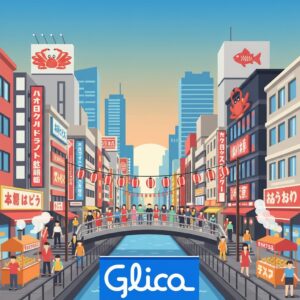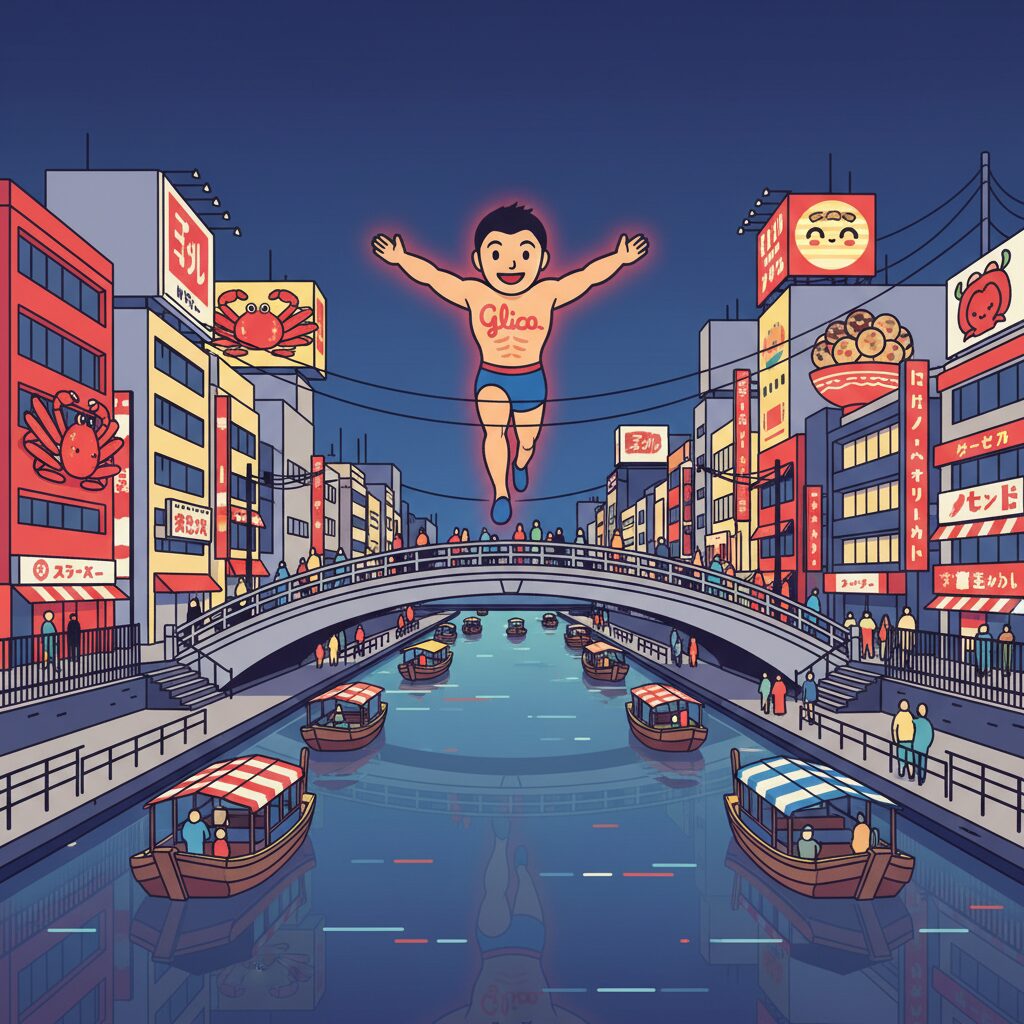
Hello, beautiful people! Sofia here, ready to peel back the layers of Osaka’s most dazzling, confusing, and utterly electrifying neighborhood. When you think of Osaka, what’s the first image that flashes in your mind? I’m willing to bet my favorite pair of sunglasses it’s the Glico Running Man, frozen in perpetual victory over a shimmering canal. Or maybe it’s the giant mechanical crab, its legs waving a slow, hypnotic welcome. That, my friends, is Dotonbori. It’s the city’s glittering, chaotic, neon-drenched postcard to the world. It’s loud, it’s proud, and it smells intoxicatingly of grilled octopus and fried batter. For any visitor, it’s an absolute must-see. But for those of us who call Osaka home, who navigate its rhythms and quirks day in and day out, Dotonbori presents a fascinating paradox. It is both the most honest expression of Osaka’s soul and a complete caricature of what it’s actually like to live here. It’s the city’s booming, unapologetic id, put on display for all to see. To understand Osaka, you must first understand its relationship with this brilliant, overwhelming spectacle. It’s the key that unlocks the city’s mindset, but it’s also a beautifully decorated door that can easily distract you from the real life happening just beyond its frame. So, let’s take a stroll down that famous canal-side promenade together, look past the selfie sticks and tour groups, and ask the big question: What does Dotonbori truly tell us about the heart of Osaka? Let’s dive in, not into the canal like the baseball fans, but into the culture that makes this place tick.
To truly understand the local perspective on this iconic area, you should read this resident’s guide to Dotonbori.
The Pros: What Dotonbori Gets Right About the Osaka Spirit
Don’t misunderstand me—Dotonbori isn’t merely a tourist trap; it’s a vibrant living museum of the Osakan spirit. Here, the city’s core values are magnified, dazzlingly lit in neon, and served hot on plastic trays. If you want to grasp the cultural DNA of Osaka, Dotonbori is your flashy, lively, and unexpectedly profound introduction. It’s an intentional sensory overload, a place that perfectly embodies the city’s distinctive blend of exuberant pragmatism.
The Bold Embrace of Kote-Kote
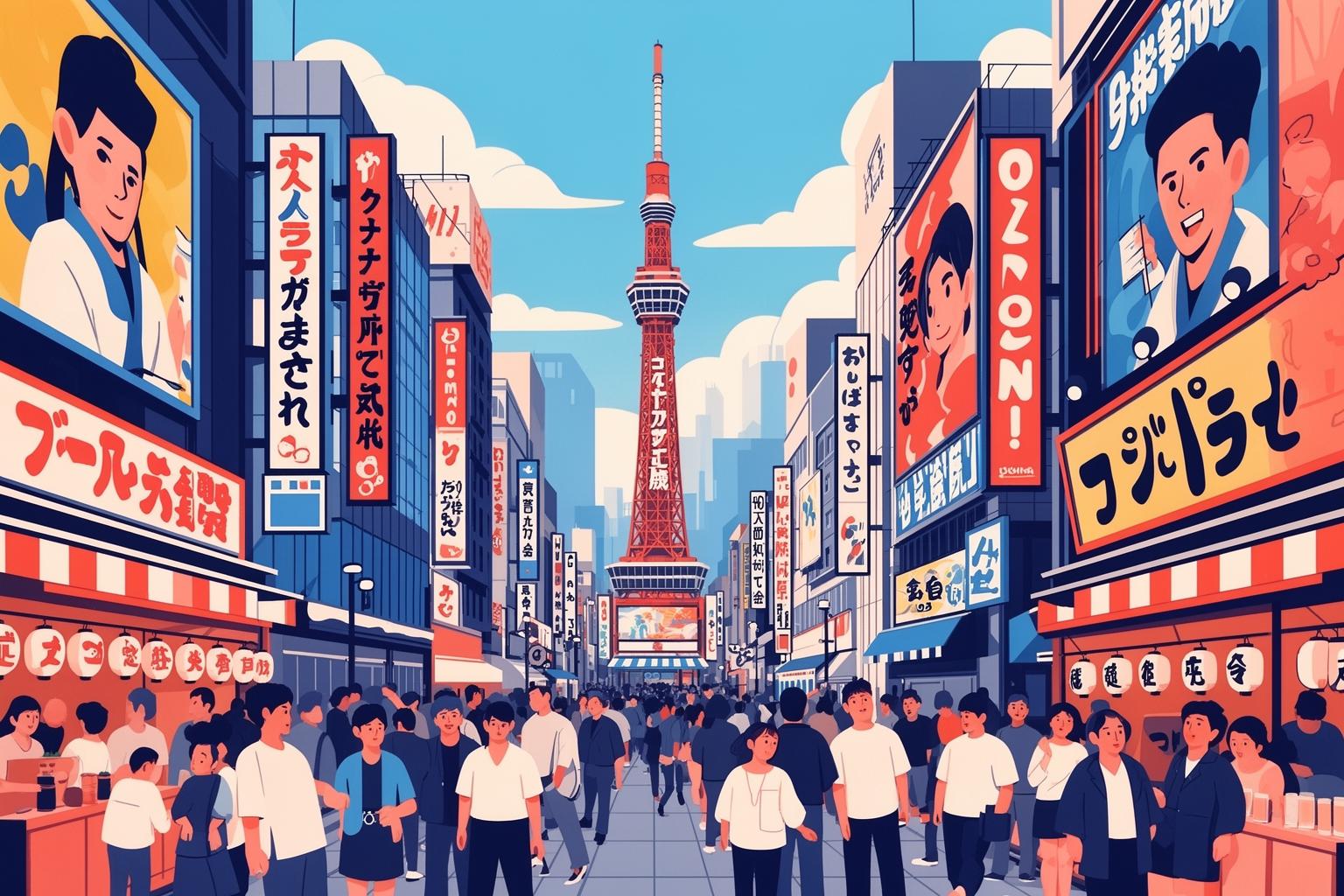
Your initial stroll through Dotonbori is a full-on sensory assault, and that’s exactly the intention. Giant, three-dimensional sculptures burst from buildings: a dragon clutching a ramen bowl, a glowing pufferfish lantern, a giant hand holding a flawless piece of sushi. This style is known as kote-kote. While it translates roughly as thick, heavy, or gaudy, it means much more—it’s a philosophy. It stands in complete contrast to the subtle, minimalist elegance often linked with Japanese design, like that found in Kyoto’s tranquil temples or Tokyo’s chic Aoyama boutiques. Kote-kote is about being loud, direct, and impossible to ignore.
This aesthetic choice reflects the Osaka mindset. In a culture that often values subtlety and indirectness, Osaka carves out a space for bold, blunt honesty. The reasoning is straightforward: why have a modest, elegant sign for your crab restaurant when you can have a giant, animatronic crab broadcasting your offerings for blocks? There’s a raw, commercial pragmatism here that’s pure Osaka—an unmistakable “what you see is what you get.” This isn’t just for tourists; it’s a deeply rooted local style. Osakans value straightforwardness and making a big impact. This rejection of subtlety goes beyond signage—it’s seen in fashion, with bright colors and animal prints that might seem garish in Tokyo, and in speech, where people are direct, lacking the layers of polite ambiguity common elsewhere. Dotonbori’s kote-kote landscape isn’t just a collection of odd signs—it’s a declaration of cultural independence. It declares, “We are not Tokyo. We are not quiet. We are bold, vibrant, and here to have fun and make money. What’s not to love?”
The Religion of Kuidaore
Just a few steps into Dotonbori, you’re struck by the irresistible aroma of something delicious being cooked. This is the heartland of kuidaore, a famous Osaka phrase meaning “to eat oneself into ruin.” Though it may sound like a warning, in Osaka it’s a cherished goal. Dotonbori is the cathedral of this culinary faith, with its sacraments being takoyaki, okonomiyaki, and kushikatsu. This is not mere gluttony—it reveals a deeply democratic, social approach to food that defines the city. Osaka’s most beloved dishes are not served in hushed, exclusive eateries with waiting lists but as street food, made before your eyes by skilled vendors, consumed standing shoulder-to-shoulder with businessmen, students, and tourists alike.
Watch a takoyaki stand—it’s a performance. The vendor deftly flips dozens of batter balls with two metal picks in a cast-iron pan, a smooth and captivating dance. The process is open, the ingredients simple, and the result is a steaming, outrageously delicious snack costing just a few hundred yen. This embodies kuidaore: it’s not about pricey ingredients or elaborate techniques but about maximum tastiness at a fair price. Focus on value, or “cos-pa” (cost performance), is an Osaka obsession. A true Osakan takes pride in knowing where to get the best food for the best deal. Dotonbori is the city’s public showcase of this principle. The culture insists that good food is a right, not a privilege—something to be enjoyed loudly, joyfully, and with friends. Sharing takoyaki, debating sauces, and navigating crowded streets is a communal experience that breaks down social barriers in ways a formal meal never could. It’s a great equalizer, a cultural bond uniting the city through a shared love of good, honest, affordable food.
A Stage for Everyone
Dotonbori is more than a collection of shops and eateries; it’s a public stage where everyone is invited to perform. The most famous example is the tradition of Hanshin Tigers fans jumping from the Ebisubashi bridge into the murky canal below to celebrate a big win. This chaotic, unsanctioned, slightly wild ritual perfectly captures the city’s passionate, unrestrained spirit. Where else in famously orderly Japan would such behavior be tolerated, even celebrated? It embodies the Osaka love for being a me-dachi-gariya—a show-off who revels in the spotlight. Elsewhere in Japan, standing out is discouraged—the saying “the nail that sticks up gets hammered down” guides social behavior. In Osaka, the nail that sticks up often gets a microphone and applause.
Dotonbori is the natural home for the me-dachi-gariya. You see it in street performers drawing large crowds with comedy and magic, in flamboyant fashion that isn’t about following trends (like Tokyo’s Harajuku) but about creating unique, eye-catching personal styles, and in the lively atmosphere of playful banter. People here talk to strangers more freely. The Ebisubashi bridge is a famous nampa (pick-up) spot, where flirting plays out publicly and theatrically. This isn’t rudeness; it’s engagement with the world around you. Dotonbori offers a safe, encouraging environment for expressive individualism. Here, being loud, funny, and a little eccentric is not just accepted—it’s the norm. It’s a constant, bubbling festival of human connection, revealing a side of Japanese culture often hidden: the joyous, uninhibited, and deeply human desire to connect and be seen.
The Cons: Where Dotonbori Misrepresents Daily Osaka Life
For all its genuine energy, Dotonbori is an intensely concentrated expression of Osakan culture. It’s the city turned up to full volume. Just as you wouldn’t judge an entire country by its largest theme park, you can’t grasp what life in Osaka is really like by only seeing Dotonbori. In many respects, this dazzling area creates a misleading expectation of everyday life here, forming a tourist bubble that’s fun to visit but essential to burst if you want to truly understand the city.
The Tourist Bubble vs. The Real Neighborhoods
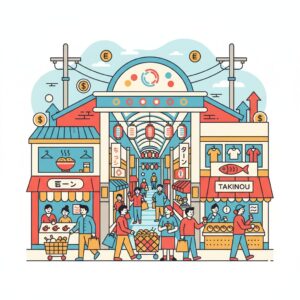
Here’s the most crucial point: almost no one actually lives in Dotonbori. It’s a commercial and entertainment district—a place you go to, not where you come home from. Believing that all of Osaka is a nonstop neon spectacle is the biggest misconception foreigners can have. The real Osaka, where millions live, work, and raise families, consists of distinct, surprisingly peaceful neighborhoods, each with its own unique character. The genuine heart of daily life isn’t a tourist-packed canal but the local shotengai—a covered shopping arcade. Spots like Tenjinbashisuji Shotengai, Japan’s longest, are the city’s true lifeblood. Here, it’s not about flashy signs but longstanding tofu shops, grocers who remember your name, cozy cafes, and cluttered hardware stores. The pace is slower, interactions more personal, and the rhythm set by everyday community needs.
Living in neighborhoods like Nakazakicho, with its quiet, winding streets and beautifully preserved old wooden houses now housing chic cafes and vintage shops, feels worlds apart from Dotonbori, though it’s just a few subway stops away. Life in residential areas like Tenma or Fukushima revolves around local train stations, surrounded by fantastic, affordable eateries, standing bars, and bakeries. This is Osaka’s daily commute side, the routine of grocery runs, and chance encounters with neighbors—a lifestyle far more relaxed, community-driven, and manageable than Dotonbori’s sensory overload suggests. The dazzle of Dotonbori can obscure this calmer, more intimate side of the city. It’s important to remember that Dotonbori is a destination, not the whole story.
The Performance of “Osaka Friendliness”
A common stereotype about Osaka is that its people are exceptionally friendly—much more so than the supposedly reserved Tokyoites. There’s some truth to this, but Dotonbori offers a commercialized, exaggerated version that can be deceptive. The takoyaki vendor shouting a cheerful “Maido! Ookini!” (“Welcome! Thanks a lot!”) is genuinely friendly but also performing. It’s part of the brand. In a fiercely competitive place like Dotonbori, loud, enthusiastic service is a tactic to draw customers. This is “service with a show,” and part of the appeal.
However, real Osaka friendliness is quite different. It’s less about bright smiles and more about straightforward, witty, and occasionally blunt interaction. It’s rooted in pragmatic intimacy. A local shop owner in a shotengai might notice you hesitating between two vegetables and say, “That one’s no good today. Get this one instead. It’s better, and I’ll give you a discount.” There’s no excessive politeness or bowing, but the exchange is genuinely warm and helpful. Osaka humor plays a big role. People enjoy banter, teasing, and good-natured back-and-forth. A bartender at a local izakaya might joke about how much you’re drinking or tease your favorite baseball team. This isn’t rudeness; it’s acceptance. You’re being treated like a regular, not just another customer. This directness can be mistaken for brusqueness by those used to more formal Japanese etiquette, but it expresses a desire for authentic connection, free from superficial niceties. The friendliness of Dotonbori is a tasty appetizer, but the true social flavor of Osaka is found in these subtler, everyday interactions.
The Cost-Performance Illusion
Dotonbori’s reputation is built on kuidaore—the joy of eating—and the idea of cheap, delicious food. While it’s definitely more affordable than high-end dining in Ginza, it’s not truly the capital of “Cos-Pa” (cost performance) for those in the know. As a famed tourist hotspot, prices in Dotonbori are naturally marked up. The 500-yen takoyaki is a decent deal, but a real Osakan can point you to a spot just a few blocks away where the takoyaki is equally tasty, the pieces bigger, and it costs only 350 yen. This pursuit of the best value for money is central to the Osaka merchant spirit. The city was built by traders and businessmen, and the skill of hunting down a great deal is highly prized.
To find true “Cos-Pa” champions, you need to explore further. Head to Umeda or Yodoyabashi’s business districts at lunchtime, and you’ll find fantastic teishoku (set meals) with fish, rice, miso soup, and pickles for just 500 yen. Wander into Tenma, a maze of standing bars and izakayas near the JR station, where you can get a draft beer and sashimi plate for less than the price of a coffee at a chain café. Or dive into the gritty retro charm of Shinsekai, where kushikatsu (deep-fried skewers) go for as little as 100 yen each. These are locals’ favorite spots. Discovering and supporting these places is almost a sport in Osaka. Being a savvy consumer is a source of pride. Dotonbori provides a great introduction to Osaka’s cuisine, but truly mastering cost-performance is what makes you feel you understand the city’s practical, no-nonsense soul.
Navigating Dotonbori Like a Resident
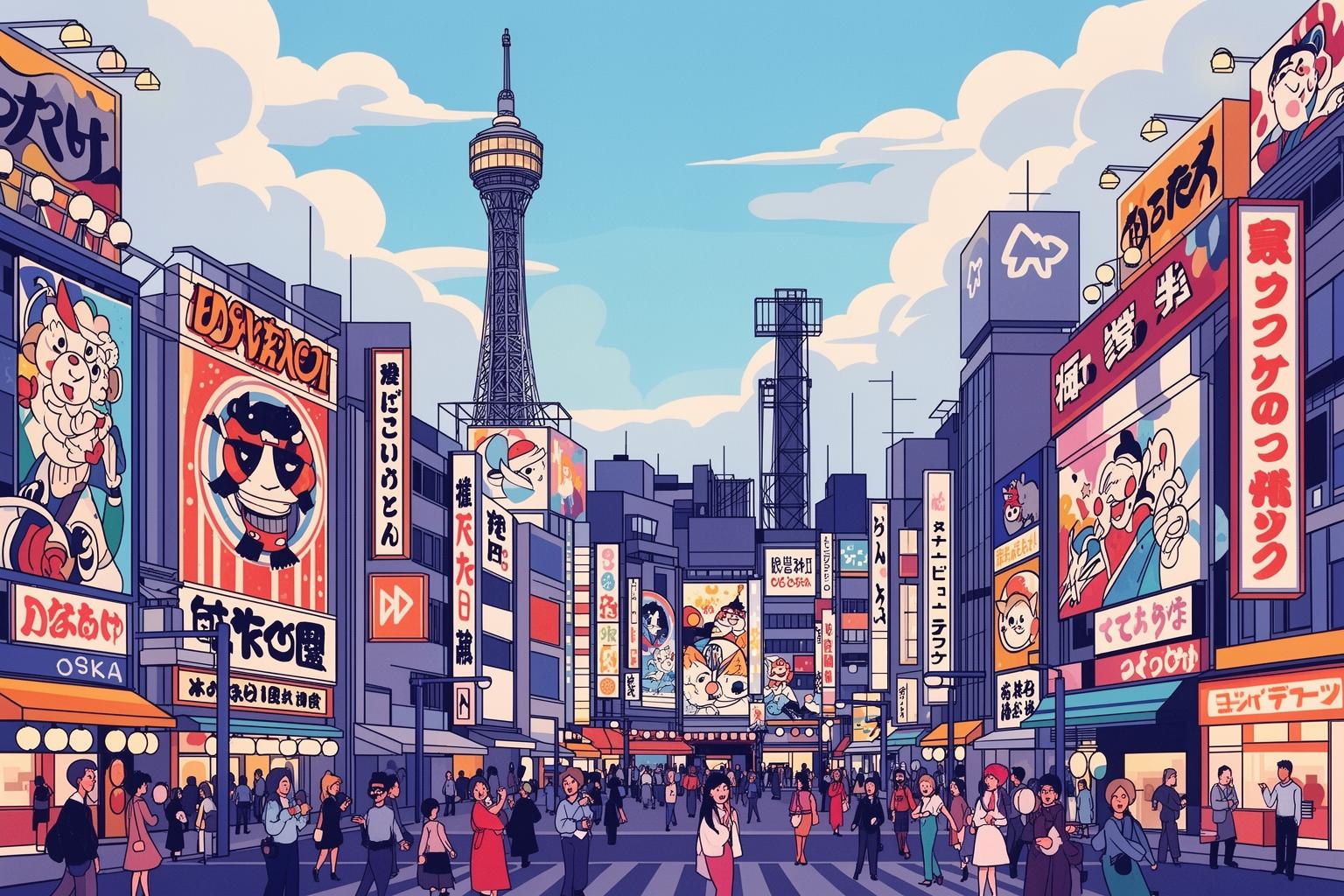
Dotonbori serves as both an authentic reflection and a distorted funhouse mirror of Osaka. So, how should someone who lives here approach it? The key is to view it not as a single destination to be consumed superficially, but as a complex space with layers waiting to be explored. It’s about learning to see it through an insider’s perspective, discovering the quiet corners amid the chaos, and understanding its ever-changing moods. By doing this, you can appreciate the spectacle without feeling overwhelmed and connect with the deeper currents of the city flowing just beneath the neon glow.
The Art of the Side Street
The most important rule for experiencing Dotonbori like a local is to stray from the main path. The canal-side walk and main Dotonbori street are tourist highways. The real charm often lies a street or two away. A prime example is Hozenji Yokocho. Just steps from the noisy main drag, you slip into a narrow, stone-paved alley illuminated by traditional paper lanterns. The crowd’s noise fades immediately, replaced by the soft murmur of conversations in tiny, intimate restaurants and the subtle scent of incense. At the center stands Hozenji Temple, home to a famous moss-covered statue of the deity Fudo Myo-o. Worshippers pour water over the statue as they pray, and over time, a thick, vivid green moss has grown, lending it a mystical, ancient aura. This striking contrast—the sacred, serene alley existing within the heart of the city’s most commercialized and raucous zone—is quintessentially Osaka. The city abounds with such surprising juxtapositions. It knows how to be loud but also treasures these pockets of history and calm. Discovering these hidden gems—whether Hozenji Yokocho or a tiny, third-generation coffee shop tucked away in an alley—is essential to truly appreciating the city’s multifaceted character.
Timing is Everything
Dotonbori is never static; its personality shifts dramatically depending on the time of day. Visiting at different hours reveals different facets of its complex character. Arrive at 10 AM on a Tuesday, and the streets are unexpectedly calm. Delivery trucks make their rounds, shopkeepers sweep the pavement, and you can admire the scale of the signage without the crush of people. It feels like a stage set before the show begins. Come around 5 PM, and the after-work crowd starts to gather—a mix of office workers and students seeking an inexpensive dinner and drink. The energy begins to build. The real spectacle, naturally, starts after sunset when neon lights flicker to life, reflecting off the dark canal water. This is the postcard Dotonbori, buzzing with tourists and nightlife seekers. But stay even later, after the last trains leave around midnight, and you’ll notice another shift. The crowds thin, and those who remain are often service industry workers grabbing a late-night bowl of ramen after their shifts. Understanding these daily rhythms connects you to the reality that despite its tourist-facing glamour, Dotonbori remains part of a living, breathing, working city. It’s not a theme park that closes at night; it’s an ecosystem with its own temporal flows.
Look Up, Look Down, Look Around
In a visually overwhelming place like Dotonbori, it’s easy to focus only on the big attractions: the Glico Man, the giant crab, the crowds. But the essence of the place often lies in the details. Challenge yourself to look beyond the obvious. Look up at the upper floors of the buildings. Many are zassho biru, or multi-tenant buildings, packed with an array of tiny, specialized bars, niche clubs, and mysterious offices. These vertical labyrinths are a hallmark of Japanese urban landscapes, harboring countless hidden worlds. Look down at the pavement. On Ebisubashi Bridge, you might find plaques detailing its history. Notice the architecture of the Shochikuza, a beautiful Western-style theater from the 1920s hosting kabuki performances—a striking contrast to the modern chaos around it. Pay attention to the smaller signs, the hand-written menus, the little details revealing a human touch amid the corporate branding. By actively observing your surroundings rather than passively consuming the spectacle, you engage with the space more deeply. You begin to see the layers of history, commerce, and human life that make Dotonbori more than just a photo opportunity. It’s a lesson in noticing the city not only for what it shouts at you but also for what it quietly whispers.
Conclusion: Dotonbori as a Metaphor
Ultimately, Dotonbori serves as a perfect metaphor for Osaka itself. It is a place of brilliant, charming, and sometimes overwhelming contradictions. It is both authentic and theatrical, a welcoming spot for all yet a fiercely competitive commercial arena, a historic area and a symbol of modern consumerism. It proudly displays the city’s core values: a love for a good bargain, a bold and honest aesthetic, a democratic approach to enjoyment, and a celebration of flamboyance. It is the city’s heart, worn openly for the world to see. Yet, like any heart, it is not the entire body. To confuse Dotonbori with all of Osaka is to judge a flashy book cover and assume you know the full, complex story inside.
The true lesson of Dotonbori for anyone seeking to understand life in this city is to embrace its energy while always looking beyond it. Use it as your cultural Rosetta Stone. Notice the kote-kote style and recognize that same straightforwardness in your neighbor’s speech. Enjoy the kuidaore on the street, and let it inspire you to discover your own favorite hidden-gem restaurant with even better “Cos-Pa.” Watch the performers on the bridge and appreciate the city’s love for individuality and humor. Dotonbori is the grand, theatrical opening act—it is meant to capture your attention and leave you breathless. But the true soul of Osaka lies in the following acts—in the quiet residential streets, the bustling local markets, the tiny standing bars filled with laughter. Come to Dotonbori for the photos and the takoyaki, certainly. But stay in Osaka for the genuine conversations, the unexpected kindness, and the daily rhythms of a city that is far more than its glittering, neon reflection in the canal. That is the real picture of Osaka life, a scene worth a thousand Glico men.