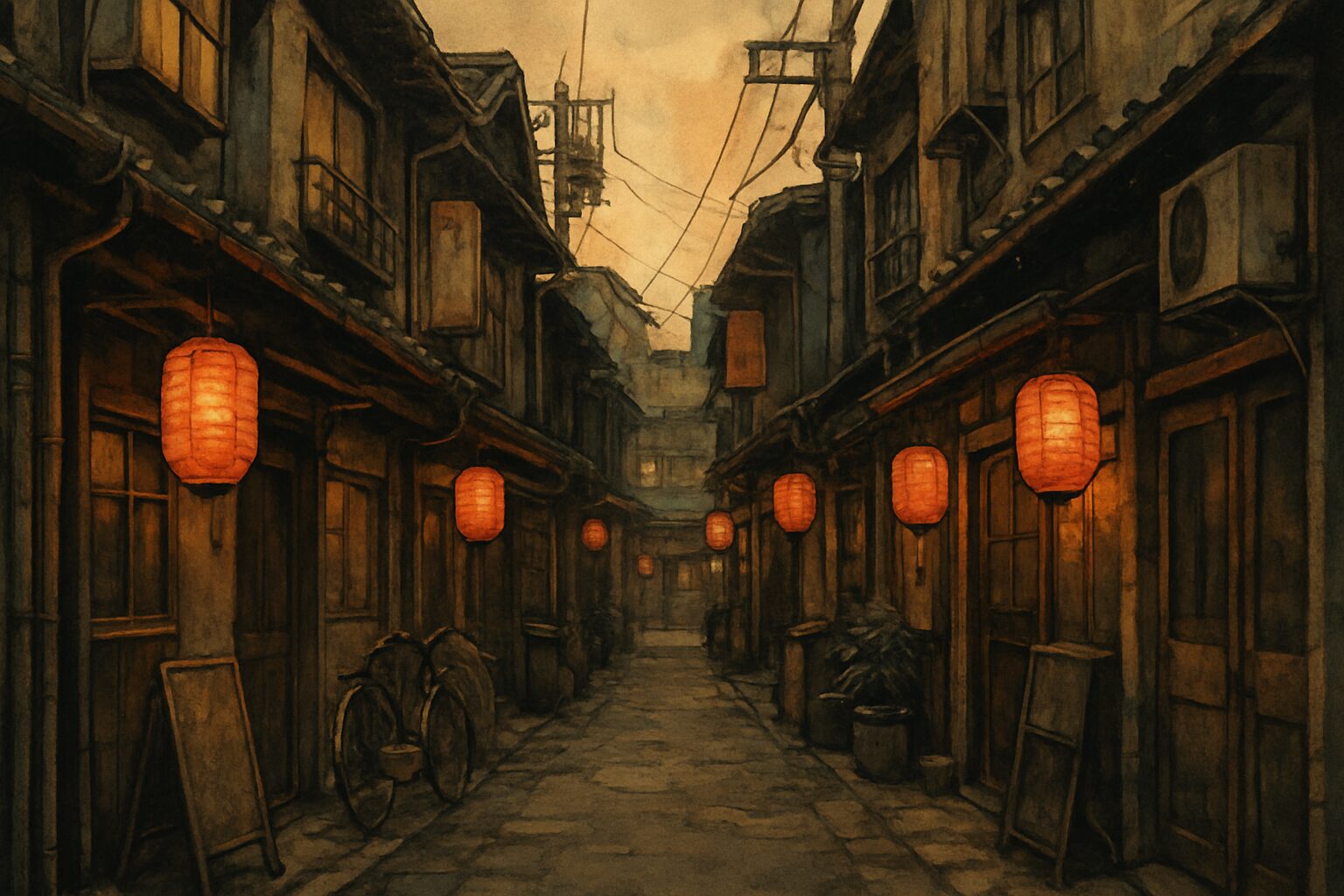
There’s a certain magic that hangs in the air of Osaka, a city that pulses with a modern, relentless energy yet holds its past close to its heart. Nowhere is this beautiful contradiction more tangible, more delicious, than in the bustling Osaka Bay area. Here, nestled within the contemporary gleam of the Tempozan Marketplace, lies a portal to another time. It’s called Naniwa Kuishinbo Yokocho, a meticulously crafted food theme park that isn’t about futuristic rides, but about a journey back to the Showa era, that vibrant, optimistic period of mid-20th century Japan. It’s a place where the scent of sizzling takoyaki and savory okonomiyaki mingles with the faint, sweet smell of nostalgia. This isn’t just a collection of restaurants; it’s a living, breathing diorama of a bygone Osaka, a city affectionately known by its old name, ‘Naniwa’. For any traveler seeking the soul of this city’s legendary food culture, known as kuidaore or ‘eating until you drop’, this labyrinth of retro stalls is an essential pilgrimage. And at the heart of this culinary time capsule is the undisputed king of Osaka street food: kushikatsu. These golden-fried skewers are more than just a snack; they are a taste of history, a symbol of the city’s unpretentious, hearty, and deeply satisfying culinary spirit. Prepare to step through the looking glass, where the neon signs are a little warmer, the flavors are a lot bolder, and every bite tells a story of the Osaka that was.
For a different take on Osaka’s modern culinary energy, explore the unconventional ramen scene in Amerikamura.
Stepping into Showa: The Atmosphere of an Era
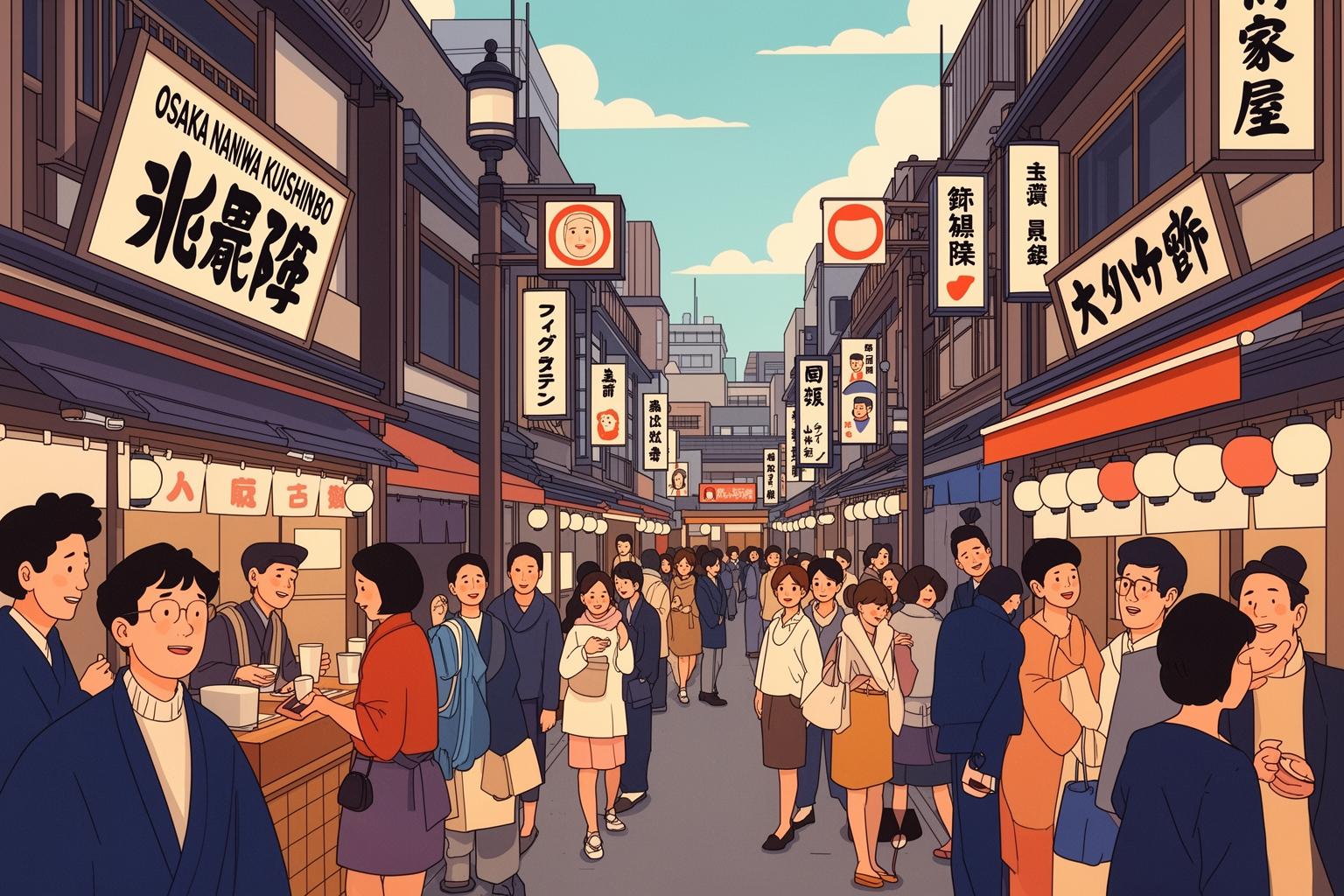
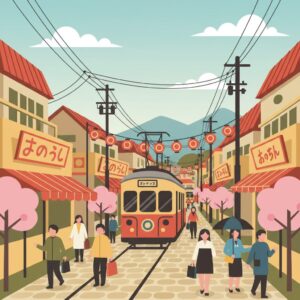
The transition is sudden and delightfully striking. One moment, you’re surrounded by the bright, modern expanse of Tempozan Marketplace, filled with familiar global brands and sleek floors. The next, you step through a modest entrance and the atmosphere changes completely. The lighting softens to a warm, amber hue, reminiscent of vintage incandescent bulbs. The air thickens with the tempting scents of frying batter, sweet soy-based sauces, and grilled squid. This is the sensory greeting of Naniwa Kuishinbo Yokocho. The experience is a full immersion into 1960s Japan. Every detail has been carefully crafted to recreate the bustling, slightly chaotic energy of a post-war Osaka downtown alleyway, or yokocho.
Your eyes will take a moment to adjust and absorb everything. Narrow lanes are lined with facades of old-fashioned shops. Weathered wooden signboards, adorned with beautifully painted Japanese characters, advertise everything from local sake to classic sweets. Tin advertisements for long-forgotten soap and beer brands are nailed to the walls, their colors dulled by a layer of artificial aging. Look closely and you’ll spot a vintage three-wheeled Daihatsu Midget delivery truck tucked in a corner, a true icon of the Showa era’s economic boom. A classic, rounded red postbox stands proudly, ready to receive letters that will never be sent. Old-fashioned lanterns cast intricate shadows on the ground, while from deep within the alley, the cheerful, slightly tinny sound of Showa-era pop music, or kayokyoku, drifts through the air. You might even glimpse an old black-and-white television in a shop window, flickering with scenes from a classic samurai film or family sitcom.
It’s a masterful piece of stage design, yet it feels completely genuine. The atmosphere is alive with the chatter of diners, the rhythmic clatter of spatulas on hot griddles, and the sizzle of food freshly cooked before your eyes. This is far from a silent museum display; it’s a place bursting with joyous energy. The space is compact, creating an intimate feeling. You’ll brush past families admiring the decor, couples deciding their next food stall, and groups of friends laughing over plates of steaming dishes. This shared experience—a collective journey into a common memory, even for those who never lived it—is what makes the atmosphere so enchanting. It’s warm, loud, incredibly welcoming, and perfectly primes you for the culinary adventure ahead.
The Golden Skewer: A Deep Dive into Osaka Kushikatsu
While the Yokocho offers an extensive tour of Osaka’s culinary scene, one dish reigns as its centerpiece and raison d’être: kushikatsu. To the uninitiated, it might appear simple—just fried food on a stick. However, dismissing it as such means overlooking the art, culture, and sheer, unfiltered joy embodied by this iconic Osaka specialty. The name itself is a straightforward blend of kushi, meaning skewer, and katsu, derived from ‘cutlet’. Yet, the result is far greater than the sum of its parts.
What Exactly is Kushikatsu?
Picture an assortment of perfectly bite-sized pieces of meat, seafood, and vegetables. Imagine succulent cubes of pork belly, tender chicken thigh, plump prawns, sweet scallops, and even whole quail eggs. Vegetables are equally celebrated, with thick slices of onion, sweet pumpkin, earthy shiitake mushrooms, crisp lotus root, and vibrant green asparagus all featured. Each piece is carefully threaded onto a bamboo skewer, dipped in a light, airy batter, then coated with fine, crisp panko breadcrumbs. The skewer is then submerged in hot, clean oil and fried to a flawless golden brown. The goal is a crust that shatters delightfully upon the first bite, revealing a steaming, perfectly cooked interior, free from any greasiness. This is a marvel of culinary technique, transforming humble ingredients into irresistible treasures. The stalls here, like the famed ‘Katsu,’ have honed this craft over generations, each safeguarding secret recipes for their batter and sauce.
The Sacred Ritual: No Double-Dipping!
When your freshly fried skewers arrive, glistening and hot, the most important part of the experience begins. At most traditional kushikatsu spots, including those in Naniwa Kuishinbo Yokocho, you’ll find a communal stainless-steel container filled with a dark, sweet-and-savory dipping sauce. This sauce is the soul of the dish, accompanied by one inviolable rule: no double-dipping under any circumstances. You must dip your skewer once—and only once—before taking your first bite. This rule arises from basic hygiene in a communal dining environment, and following it shows respect for fellow diners and the establishment. Breaking this rule is considered the ultimate culinary faux pas in Osaka.
But what if you want more sauce halfway through your skewer? The locals have devised a clever, delicious workaround. Alongside your kushikatsu plate, you’ll almost always receive a small bowl of raw, crisp cabbage leaves. These are not merely a garnish or palate cleanser—they are your tool. You can use a clean cabbage leaf to scoop sauce from the communal container and drizzle it over your skewer. The cabbage itself is wonderfully refreshing, its cool crunch perfectly balancing the hot, crispy katsu. This simple yet ingenious system exemplifies the practical, communal spirit of Osaka’s food culture.
My Kushikatsu Journey
Finding a spot at one of the bustling counters, I felt a thrill of anticipation. The air was rich with the scent of frying oil and the joyous sounds of dining. Using a combination of pointing and my best Japanese, I placed my order. I began with the classics: butabara (pork belly), a flawless cube of alternating meat and fat that melted in the mouth; ebi (prawn), sweet and juicy within its crispy shell; and renkon (lotus root), delivering a fantastic, slightly fibrous crunch. The chef, a true master, moved with an elegant efficiency, dipping, breading, and frying each skewer fresh to order. They arrived on a metal tray, piping hot and irresistibly tempting. Taking my first skewer—the pork—I gave it a single, decisive dip into the shimmering tonkatsu-like sauce. The first bite was revelatory. The panko crust was airy and shattering, revealing the rich, savory pork flavor balanced perfectly by the tangy, slightly sweet sauce. It was comfort food elevated to artistry. I paired it with a classic bottle of Ramune soda, wrestling with the marble stopper as tradition dictates, its sweet, fizzy lemon-lime flavor cutting through the richness of the fried food beautifully. Skewer after skewer followed—shiitake mushroom, quail egg, and even a surprising, delightful skewer of melted cheese. Each was a small, perfect culinary bliss.
Beyond the Skewer: Exploring the Yokocho’s Other Delights
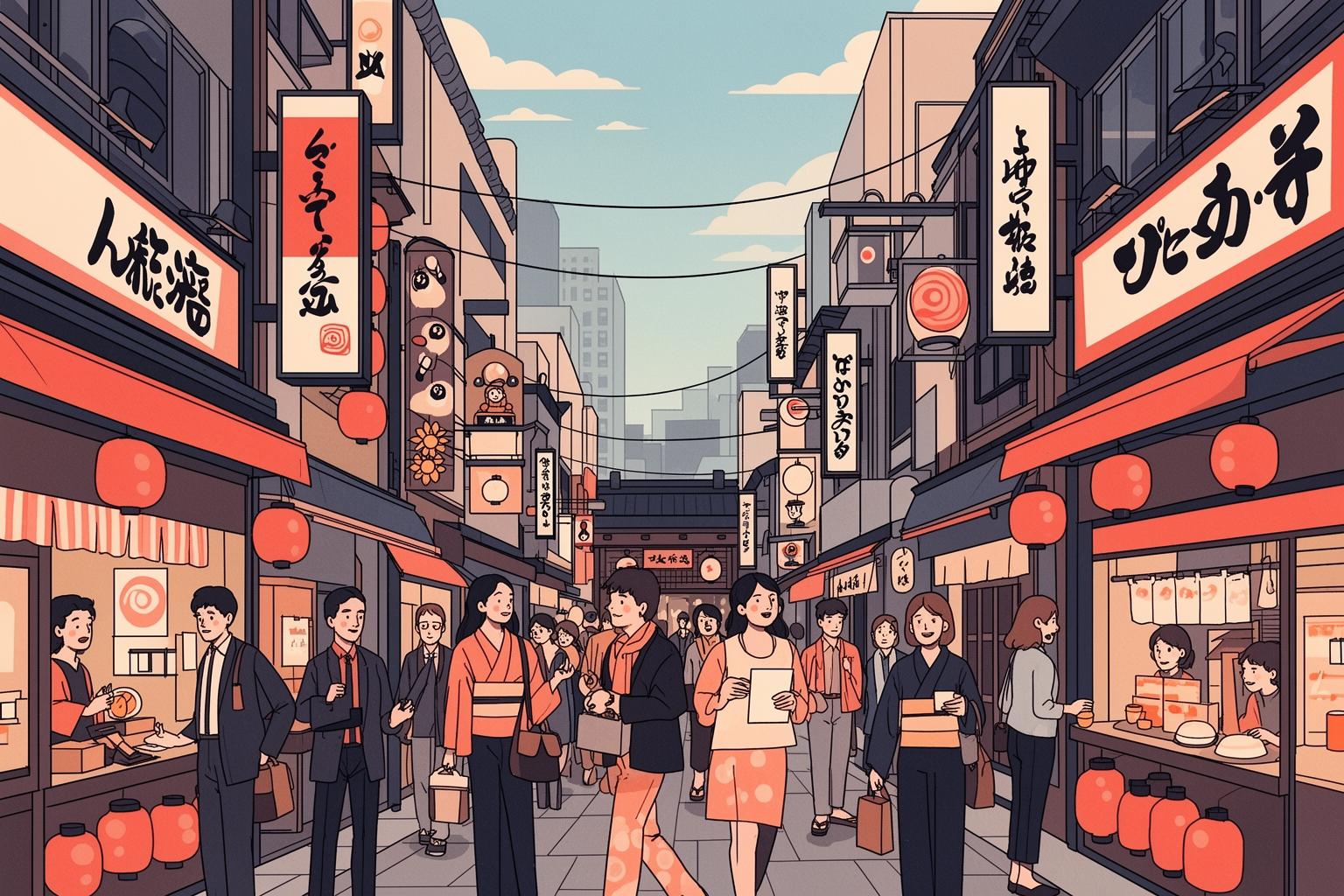
To focus exclusively on kushikatsu, no matter how magnificent, would be to read only one chapter of the epic story that Naniwa Kuishinbo Yokocho tells. This alleyway serves as a comprehensive library of Osaka soul food, with each stall specializing in a different, equally cherished delicacy. It is a true ‘kuidaore’ paradise, inviting you to roam, sample, and savor the diverse flavors that define this city.
The Sizzle of the Griddle: Okonomiyaki, Takoyaki, and Ikayaki
Follow the rhythmic chopping sounds and the unmistakable aroma of grilling batter, and you’ll find stalls dedicated to Osaka’s famous griddle-cooked dishes. Here, you can witness the theatrical craft of okonomiyaki, often called a ‘Japanese savory pancake.’ This hearty, rustic dish is made from a flour-and-cabbage-based batter mixed with ingredients of your choice, from pork to squid to shrimp. Watching chefs expertly flip the large pancakes with two metal spatulas is a spectacle in itself. Once cooked, it’s coated with a sweet brown okonomiyaki sauce, drizzled with Japanese mayonnaise, and topped with a sprinkle of green aonori seaweed and a generous handful of dancing katsuobushi (bonito flakes) that writhe and curl in the heat.
Nearby, another stall is sure to be devoted to takoyaki, the small molten-hot balls of batter filled with tender octopus. Chefs use special cast-iron pans with hemispherical molds, skillfully turning the balls with a pick until they’re perfectly round and golden brown. Served hot off the grill with sauce, mayo, and bonito flakes, they epitomize Osaka street food. For an authentic local flavor, seek out a stall selling ikayaki. Not to be confused with grilled squid on a stick, Osaka’s ikayaki is a unique treat where whole squid is blended into a simple batter and pressed between two heavy iron plates, producing a thin, chewy, and intensely flavorful squid pancake. This simple, savory snack has been beloved by Osakans for generations.
Legendary Tastes and Sweet Nostalgia
The Yokocho also hosts branches of legendary Osaka eateries. One such institution is Hokkyokusei, widely credited as the creator of omurice. This comfort food features a fluffy omelet draped over a bed of savory fried rice, often chicken-flavored, finished with a swirl of ketchup. Tasting Hokkyokusei’s omurice is to experience the original—a dish that has delighted Japanese families for over a century. After indulging in these savory treats, your journey through time isn’t complete without exploring the sweeter side of the Showa era. You’ll find old-fashioned candy shops, known as dagashiya, filled with colorful, inexpensive treats that were once the after-school delight of children in the 1960s. Pick up a bottle of Ramune, or perhaps some soft-serve ice cream in classic flavors like melon or vanilla. These simple sweets provide the perfect finale to your culinary time-travel, cleansing your palate and leaving you with a final, sweet taste of yesteryear.
A Practical Guide for Your Culinary Time-Travel
Exploring Naniwa Kuishinbo Yokocho feels more like a delightful stroll than a tactical endeavor, but a few handy tips can ensure your visit is as smooth and enjoyable as possible. This charming slice of history is easily accessible, yet being prepared allows you to focus on what truly counts: the food.
The Journey to Osaka of Yesteryear
Reaching Tempozan Marketplace is simple and quite scenic. The most popular way is via the Osaka Metro. Take the Chuo Line (the green one) to Osakako Station. From there, enjoy a pleasant, clearly marked five to ten-minute walk toward the giant Ferris wheel—you can’t miss it. If you’re coming from the Universal Studios Japan (USJ) area, a fun and unique alternative is the Captain Line ferry. This shuttle boat crosses the Aji River directly from Universal City Port to the pier beside the Osaka Aquarium Kaiyukan, which is adjacent to the marketplace. It’s a short and refreshing ride offering fantastic views of the port and the iconic red Minato Bridge, adding an extra touch to your bay-area exploration.
Timing is Key
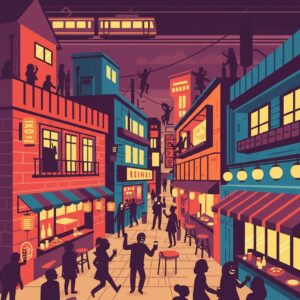
Naniwa Kuishinbo Yokocho operates daily, usually from about 11:00 AM to 8:00 PM, in sync with the Tempozan Marketplace hours. It tends to get quite busy, especially on weekends, national holidays, and during peak lunch hours between noon and 2:00 PM. For a more relaxed visit where you can take your time and easily find seating, try to go on a weekday. An early lunch around 11:00 AM or a later meal after 2:00 PM often works well. Alternatively, visiting in the evening offers a different vibe. As night falls, the warm glow of the Yokocho’s lanterns intensifies, creating a lively, bustling izakaya atmosphere. It’s a perfect time to enjoy some kushikatsu and a cold beer to round off your day.
Finding Your Way Through the Tasty Labyrinth
The Yokocho isn’t very large, but its winding layout and the many tempting stalls can be wonderfully overwhelming. For first-timers, my suggestion is to hold off on stopping at the very first stall. Instead, take a complete lap around the area first. This helps you get your bearings, see all the food options, and appreciate the intricate details of the setting. Nearly all the stalls display plastic food models (sampuru) or clear picture menus, making ordering easy even if you don’t speak Japanese. Simply point and say ‘Kore o kudasai‘ (‘This one, please’) and you’ll be fine. Keep in mind that seating is often limited to small counters or shared tables, which adds to the cozy communal charm. If seats are full, don’t hesitate to wait a few minutes; turnover tends to be quick. While many places in Japan are shifting to cashless payments, it’s wise to carry some yen just in case. Some of the smaller, traditional stalls may accept only cash, and you wouldn’t want to miss out on a tasty treat due to a lack of coins.
The Tempozan Harbor Village Context
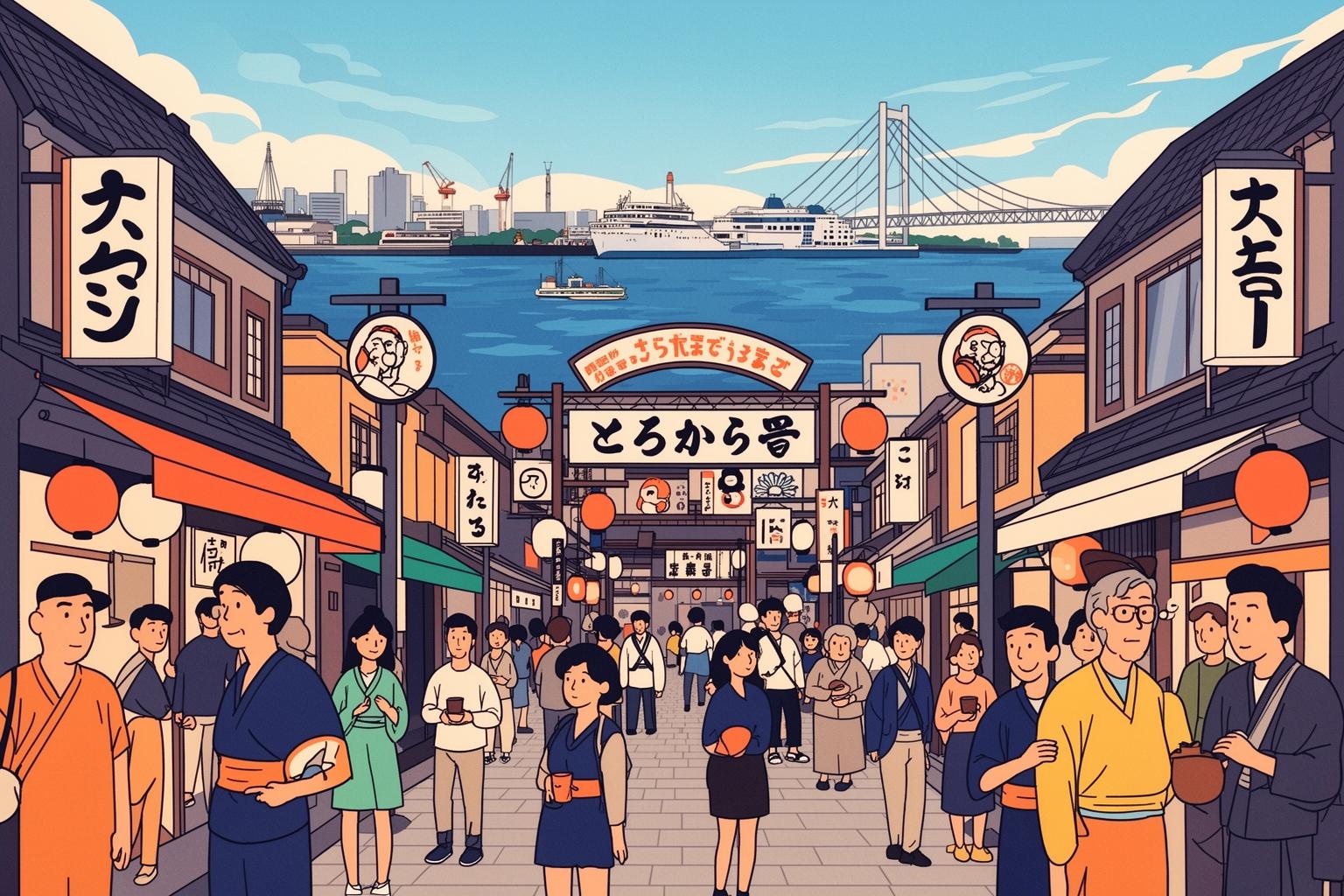
One of the biggest draws of Naniwa Kuishinbo Yokocho is its location. Rather than being a standalone attraction, it is an integral part of the larger Tempozan Harbor Village, a lively entertainment complex that provides a full day of activities for every type of traveler. This setup makes it incredibly convenient to pair your nostalgic food adventure with some of Osaka’s other top attractions. Your trip into the past is beautifully complemented by the marvels of the contemporary bay area.
The undeniable centerpiece of the area is the Osaka Aquarium Kaiyukan, one of the largest and most impressive aquariums worldwide. Its innovative design takes visitors on a spiral descent from the surface to the ocean floor, displaying marine life from the Pacific Rim in vast, awe-inspiring tanks. The highlight is the central tank, which houses the majestic whale sharks—the largest fish on the planet. Spending a morning or afternoon exploring the ocean’s depths before enjoying a Showa-era lunch is a popular and fantastic itinerary.
Dominating the entire complex is the Tempozan Giant Ferris Wheel. Once the tallest in the world, it remains an impressive attraction, offering unmatched panoramic views of Osaka city, the harbor, and the distant mountains. A sunset ride is especially magical, as the city lights begin to sparkle below. For families with young children, the Legoland Discovery Center offers a creative world of indoor fun. All these attractions are located just minutes apart on foot, making for a seamless and activity-filled day. You can start your morning underwater at the Kaiyukan, step back in time for a hearty kushikatsu lunch at Naniwa Kuishinbo Yokocho, browse the marketplace shops, and finish your day with a stunning view from the Ferris wheel’s summit. It’s a perfect miniature representation of Osaka itself—a place where world-class modern entertainment and treasured historical culture coexist in perfect harmony.
A Hearty Farewell from Yesterday’s Osaka
Leaving Naniwa Kuishinbo Yokocho feels like emerging from a vivid dream. As you step back into the bright, open reality of the modern marketplace, the scents and sounds of the Showa era begin to fade, replaced by the fresh, clean air of the bay. Yet the experience lingers—in the satisfying warmth in your stomach from the freshly fried katsu, the faint, sweet aftertaste of dipping sauce on your tongue, and the vibrant images of faded posters and glowing lanterns that remain etched in your mind. This place is far more than a food court; it’s a carefully crafted, heartfelt tribute to Osaka’s past. It celebrates a time of optimism and simplicity, when the greatest pleasures were found in simple, delicious food shared with others in a lively, bustling atmosphere.
It offers a taste of the city’s kuidaore spirit at its purest—unpretentious, generous, and full of heart. It serves as a reminder that beneath the futuristic skyline and busy subways of modern Osaka lies a deep well of history and tradition still shaping its identity. For any traveler, it’s an opportunity to connect with that soul, to understand the city not only through its iconic landmarks but through its most treasured flavors. So when you find yourself in Osaka, make the trip out to the bay. Come for the whale sharks, stay for the view, but whatever you do, don’t leave without taking a journey through time in the warm, welcoming, and utterly delicious alleys of Naniwa Kuishinbo Yokocho. It’s an adventure that will satisfy not only your hunger but also your curiosity and your spirit.