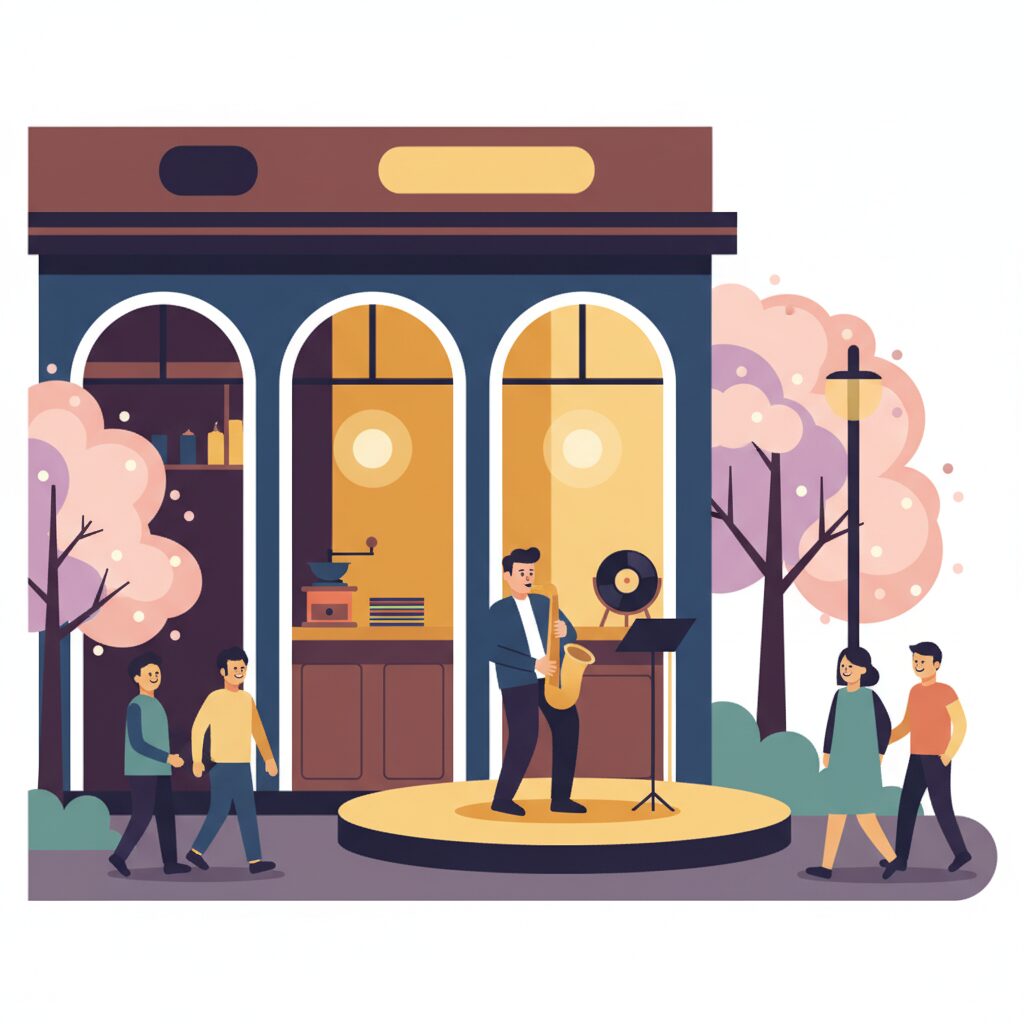
They don’t tell you about the sound. Not in the travel guides, anyway. They tell you about the neon river of Dotonbori, the endless arcades of Shinsaibashi-suji, the kinetic crush of people moving with a purpose that feels both chaotic and choreographed. But they don’t tell you about the specific frequency of Osaka, a city that hums with a different kind of energy. It’s a lower, warmer, more human thrum than the electric, high-strung silence of Tokyo. And for a remote worker, a digital nomad, a creative trying to carve out a space to think and type and exist, that sound is everything. Your first mission in any new city is to find The Spot. You know the one. The cafe with the holy trinity: solid Wi-Fi, an available power outlet, and coffee that doesn’t taste like burnt disappointment. But here in Osaka, especially in the vibrant, beating heart of Shinsaibashi, the search is for something more. You’re not just looking for a utility; you’re looking for a frequency you can tune into. You’re looking for a place that understands the Osaka hustle – a unique blend of commerce, community, and a fierce, unpretentious pragmatism.
This isn’t a listicle of the “Top 5 Instagrammable Cafes.” This is a field guide to navigating the complex social and cultural ecosystem of Osaka’s cafe scene. It’s about understanding why a cafe in the frantic, fashion-forward America-mura feels worlds away from a serene, minimalist spot just a few blocks west in Horie. It’s about decoding the unspoken contract between you, the laptop warrior, and the cafe owner who is, at their core, a Shōbainin, a merchant. In Tokyo, you might find cafes that are sterile, silent temples of productivity, where the loudest sound is the clatter of a keyboard. In Osaka, your workspace might be filled with the laughter of shopkeepers on their break, the animated chatter of friends catching up, and the clinking of glasses. The challenge, and the beauty of it, is learning how to plug into that energy without letting it overwhelm you. It’s about realizing that in Osaka, work and life aren’t separated by high walls; they bleed into each other in a messy, vibrant, and ultimately productive way. Choosing a cafe here is choosing your soundtrack for the day, and in Shinsaibashi, the orchestra is vast and varied. Let’s find your seat.
To truly understand the distinct energy of the frantic, fashion-forward America-mura mentioned in your search, exploring its youth culture and street fashion scene provides essential context.
The Osaka “Work-Life Blend”: More Than Just Coffee and Wi-Fi
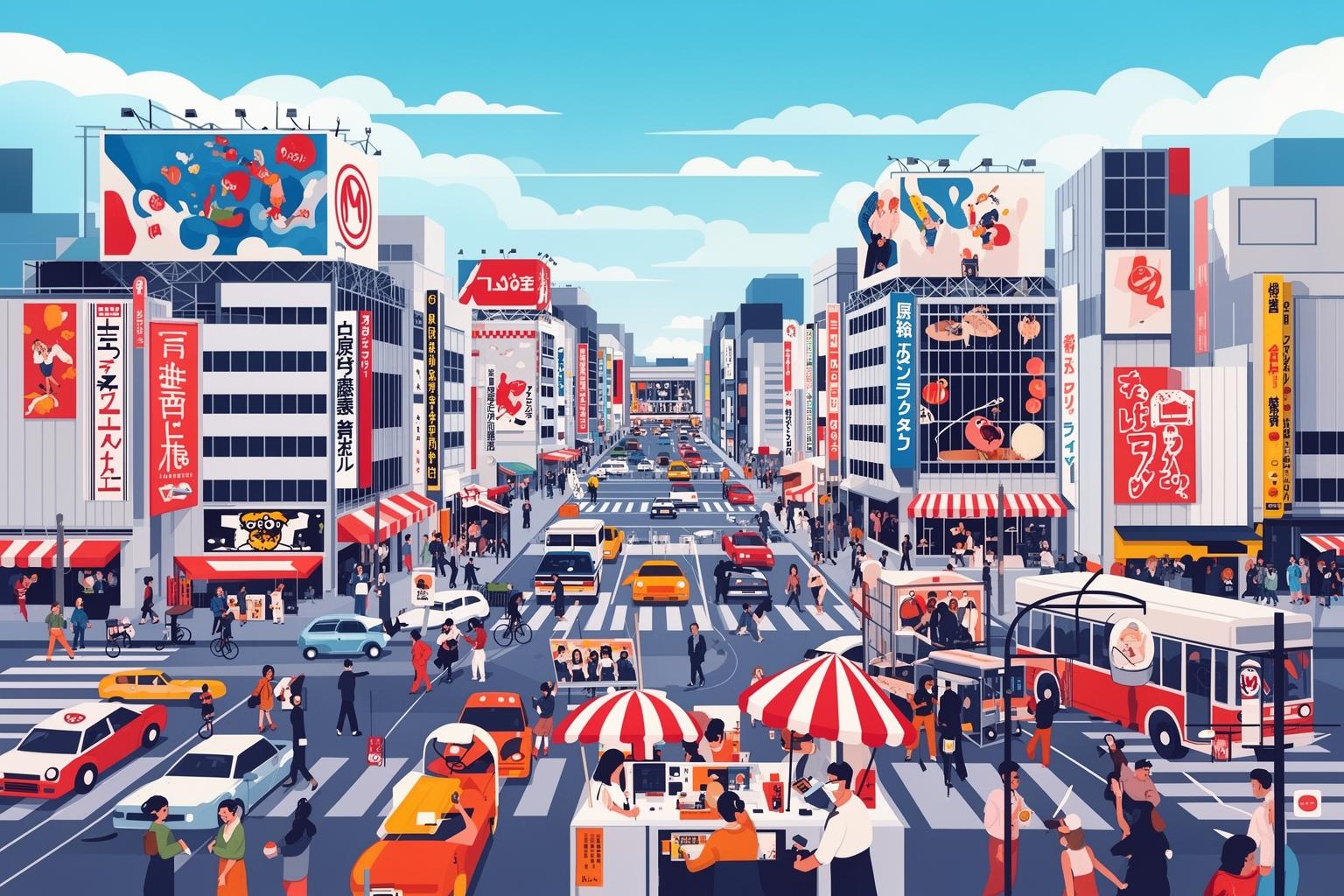
To grasp why finding a work-friendly cafe in Osaka differs greatly from Tokyo, you first need to understand the city’s essence. Osaka was, and in many ways still is, Japan’s merchant capital. The guiding spirit here isn’t the stoic, rule-bound decorum associated with samurai-era Edo (Tokyo), but the practical, value-driven ethos of the akindo, the merchant. This mindset permeates everything, including the use of public spaces. An Osakan enters a cafe not just to purchase a drink, but to transact in time and space. They are keenly aware of the value they’re receiving. Am I getting my money’s worth for the seat I’m occupying? Is this a fair deal?
This attitude shapes a distinctly different cafe culture. In Tokyo, the idea of a “third place” – a space between home and work – can sometimes feel like a carefully staged, almost sterile setting. There are cafes meant for quiet, solitary work where speaking above a whisper feels out of place. It’s about maintaining an unspoken collective harmony of focused individuals. Osaka, conversely, embraces a more fluid, lively, and ultimately more forgiving version of the third place. One cafe might host a salaryman having a hushed but intense meeting, a group of students sharing laughs over a towering parfait, an elderly woman reading the newspaper, and you, trying to finish a report. The boundaries are delightfully and maddeningly blurred. It’s not about silence; it’s about a shared, bustling environment.
This brings us to the fundamental, unspoken rule of cafe camping in Osaka: be fair. It’s not a strict set of rules posted on the wall. It’s about kuuki wo yomu – reading the air – through a merchant’s pragmatic perspective. If the cafe is crowded and a line is forming at lunchtime, the expectation is that you shouldn’t be nursing a single cold coffee you bought hours ago while occupying a table meant for four. It’s simply bad business for the owner, and by extension, inconsiderate to the community using the space. This isn’t about shame or passive aggression, as might be the case elsewhere in Japan. It’s a practical matter. You’re part of a temporary, transactional ecosystem. Do your part. Order another coffee. Be aware of the flow. In Osaka, respect for the establishment isn’t just about being quiet; it’s about ensuring the business you support can thrive. It’s a refreshingly straightforward and honest social contract.
Navigating the Shinsaibashi Grid: Finding Your Zone
Shinsaibashi is far from a monolith. It’s a vast mosaic of micro-neighborhoods, each boasting its own unique rhythm and personality. To find the ideal cafe that suits your work style, you need to grasp the local vibe landscape. You can’t simply drop a pin on a map expecting a tranquil workspace. You must select your battlefield—or your sanctuary—with deliberate intent.
The Main Drag (Shinsaibashi-suji): The High-Energy Hustle
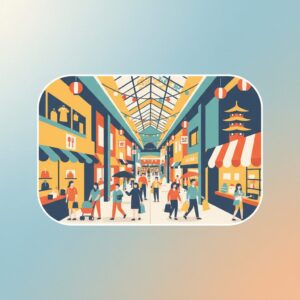
This is the Shinsaibashi often seen in photos: an endless covered shopping arcade, a river of people flowing between brightly lit storefronts. The sounds form a constant roar—a blend of J-pop blasting from cosmetic shops, vendors calling out their goods, and the buzz of countless conversations. Cafes here are designed for speed and volume—mostly major chains like Starbucks, Tully’s, and Doutor. They serve as familiar refuges amid overwhelming sensory input.
Trying to focus deeply here is a fool’s errand unless you have monk-like focus and top-tier noise-cancelling headphones. While Wi-Fi is usually dependable and power outlets are often available, the environment is pure chaos. People don’t linger—they dash in, grab their caffeine fix, and plunge back into the consumer rush. Tables are small, turnover is rapid, and personal space is a distant memory. Still, there’s a method to it. This spot epitomizes Osaka’s raw commercial energy. It’s unapologetically intense. Working here is less about productivity and more about immersion. You’re not an observer—you’re immersed in the city’s bloodstream. It’s ideal for quick, administrative tasks—answering emails, making a brief call (if you can hear it)—before the current sweeps you away. This embodies Osaka’s “get it done now, get it done fast” ethos applied to caffeine and connectivity.
America-mura: The Youthful, Creative Hub
Just west of the main arcade lies America-mura, or “Amemura,” Osaka’s response to Tokyo’s Harajuku but with a grittier, more individualistic vibe. Fashion is bolder, street art more pervasive, and the focus less on fitting trends and more on forging unique identity. The cafes here mirror this spirit—they’re often independent, stylish, and serve as social centers for the creative crowd.
Working in an Amemura cafe means navigating creative distractions. Interiors tend to be a spectacle—vintage furniture, local art adorning the walls, and curated playlists. Coffee quality is typically elevated, emphasizing single-origin beans and expert baristas. Yet practicality for remote work is hit or miss. That cool vintage stool might become uncomfortable after an hour; Wi-Fi may be clogged with aspiring musicians streaming videos; power outlets can be scarce as quiet moments. But what you lose in pure productivity, you gain in inspiration. The vibrant energy is contagious. It’s a place to see and be seen, and the steady stream of unique styles and characters wards off creative block. It reflects an Osaka that celebrates bold self-expression. Choosing to work here means prioritizing atmosphere and creative stimulation over sterile efficiency. It’s a spot for brainstorming, sketching, or writing, where the ambient buzz fuels your process.
West of Midosuji (Horie / Yotsubashi): The Chic and Serene Escape
Crossing the grand Midosuji boulevard transforms the scene. The noise fades from roar to hum; crowded arcades give way to tree-lined streets and wide sidewalks. This is Horie and its neighbor Yotsubashi—home to high-end furniture stores, independent fashion boutiques, and art galleries. It’s Osaka’s chic capital, but its style carries a relaxed, approachable confidence, distinct from the often-intimidating cool of Tokyo’s Daikanyama or Aoyama.
Cafes here are destinations unto themselves—serene, thoughtfully designed spaces prioritizing comfort and quality. This is a haven for the discerning remote worker. Here, Osaka’s merchant spirit takes the form of commitment to premium experience rather than frantic hustle. You’ll likely pay a bit more for coffee, but gain a large table, a comfortable chair, reliable high-speed Wi-Fi, and plenty of power outlets. The owners understand their clientele—they know you’re settling in to focus and be productive. The atmosphere radiates mutual respect. They provide an ideal environment, and you reciprocate with loyalty and frequent visits. These cafes are perfect for long work sessions, deep thought, and client calls. It’s in the calm, sophisticated streets of Horie that you find a perfect blend of Osaka’s pragmatism and global style.
The Unspoken Etiquette of Cafe Camping in Osaka
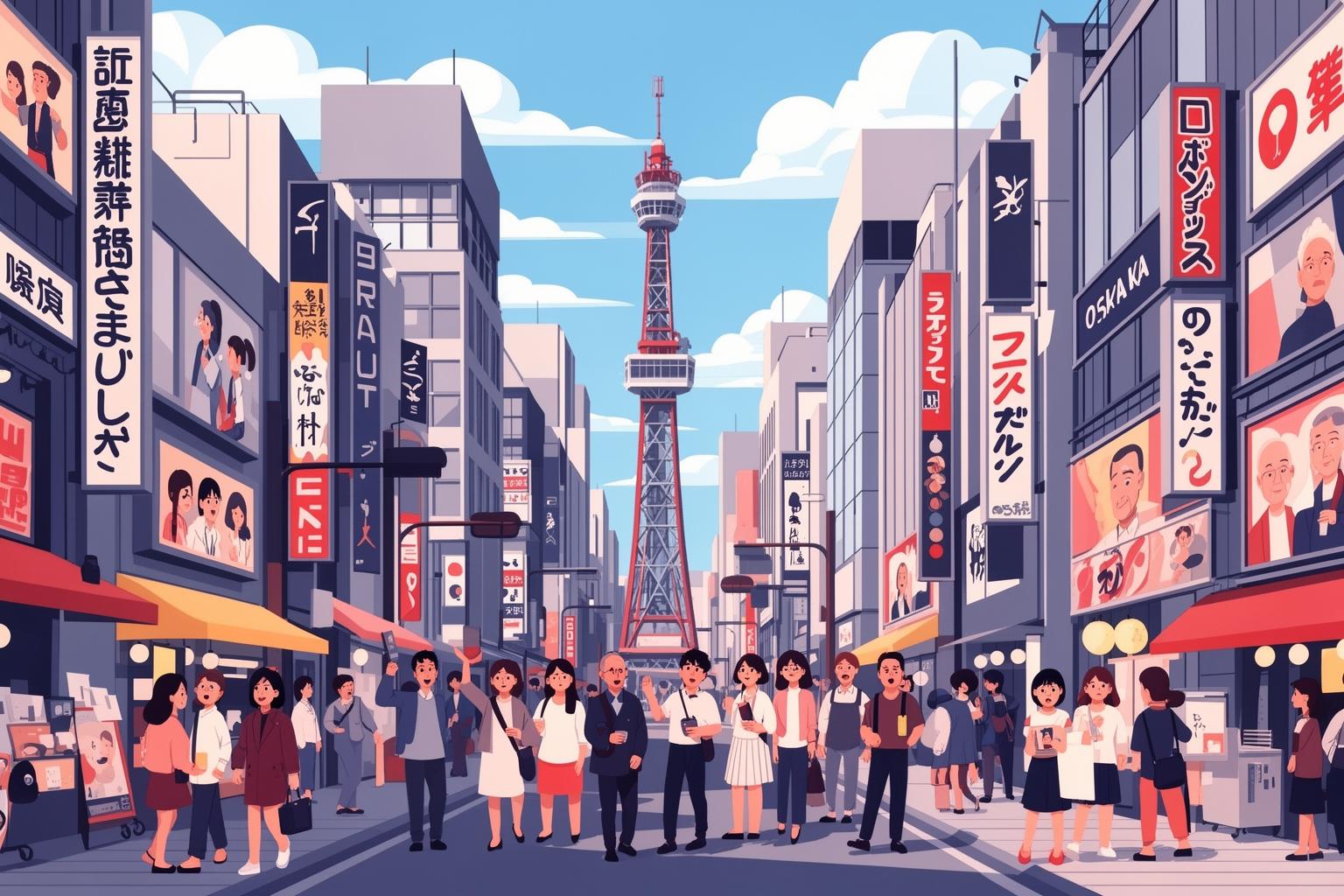
Once you’ve selected your zone and your cafe, it’s important to grasp the local unwritten rules of engagement. These are essential for a harmonious experience as a remote worker. It’s a delicate dance of social awareness, and in Osaka, the rhythm is guided by a culture of directness and mutual respect in business.
The Art of the Re-Order
This is probably the most crucial etiquette point. When you buy a coffee, you are essentially renting a seat, but that rental isn’t indefinite. While no one will forcibly remove you, there is an unspoken understanding that your stay has a time limit linked to your consumption. The general guideline is to place an order roughly every 90 minutes to two hours. It doesn’t have to be another full-priced latte; a small pastry, juice, or a second, cheaper cup of tea works. This small gesture communicates, “I recognize I am using your resources and appreciate your business.” In a merchant-driven city, such a little act of commercial respect makes a big difference. It changes you from a freeloader into a valued patron. You’re not just occupying space; you’re supporting the cafe’s livelihood, ensuring it’s there for you tomorrow as well. It’s straightforward, transactional, and genuinely appreciated.
Power Outlet Politics
Many modern cafes offer plenty of power outlets, but in smaller or older ones, they can be scarce and prized. The etiquette here is simple: don’t monopolize them. If outlets are limited, avoid using a power strip to plug in your laptop, phone, tablet, and portable battery all at once. Charge multiple devices one at a time. It’s also polite to ask staff before plugging in, even if the outlet is next to your table. A simple “Tsukattemo ii desu ka?” (May I use this?) suffices. More importantly, don’t treat the cafe like your personal charging station. Charging your laptop while working is fine; plugging in your phone and leaving for an hour to shop is not. This directness is very Osaka. While Tokyo might respond with a sideways glance, in Osaka, a staff member or even a customer might politely but firmly call you out. It’s not rudeness; it’s a shared respect for fairness.
Noise Levels: Reading the Soundscape
Osaka is a loud city. People talk, laugh, and express themselves with a volume and energy that can surprise those used to Tokyo’s reserved nature. But this general loudness doesn’t mean every cafe is chaotic. Each has its own soundscape, and your job is to adjust accordingly. If you enter a large, lively cafe where espresso machines are grinding and music plays, no one will mind your keyboard clicks or a moderately voiced call. But in a small, quiet, minimalist Horie coffee shop, where the only sounds are turning pages and soft background music, taking that same call would be a significant faux pas. The rule is simple: match the atmosphere. For long or loud conversations, step outside. This is not a city-wide silence mandate but about adaptability and situational sensitivity—a valued skill in Osaka’s pragmatic culture.
The “Sumahen” Mentality
If you learn one word in the Osaka dialect, let it be “Sumahen.” It’s a local variation of the standard Japanese “Sumimasen,” packed with cultural nuance. It’s a versatile social tool meaning “sorry,” “excuse me,” and “thank you” all in one, often within a single breath. You say “sumahen” when squeezing past someone’s chair, to staff bringing your coffee to acknowledge their effort, or when dropping a pen near someone’s foot by accident. It’s a small, reflexive word that signals you are a considerate part of the social fabric. It recognizes minor impositions or kindnesses and smooths over everyday frictions in a crowded space. Using it shows you’re not just a passing foreigner taking a seat but someone trying to understand and engage with the local culture. It’s a key that opens the door to warmer, more forgiving social interactions.
Case Studies: A Deep Dive into Shinsaibashi’s Remote Work Havens
To truly understand the landscape, let’s shift from the abstract to the concrete. While individual cafes come and go, their archetypes endure. Here are three distinct types of work-friendly cafes you’ll encounter in and around Shinsaibashi, each reflecting a different aspect of Osaka’s character.
Cafe Archetype 1: “The Minimalist Loft”
Location: A quiet side street in Horie.
The Vibe: You sense it even before entering. Clean lines and floor-to-ceiling windows bathe the space in natural light. Inside, it’s a study in tasteful restraint: polished concrete floors, custom oak tables, and a handful of carefully placed green plants. The air is scented with freshly ground specialty coffee. The clientele includes local designers, architects poring over blueprints, freelance writers, and stylish couples enjoying a quiet moment. Ambient electronica plays softly in the background, adding texture rather than distraction. This is a space that takes itself seriously but carries no trace of pretension.
The Remote Work Scorecard:
- Wi-Fi: Fast and reliable. The password is displayed elegantly on a small card at your table. Dropped calls here are unheard of.
- Power: Plentiful outlets are thoughtfully integrated into communal table bases and along the walls. There’s never a need to hunt for a plug.
- Seating: A combination of large communal tables ideal for spreading out and smaller two-person tables for focused work. The chairs are ergonomic, designed for extended stays.
- Noise: A gentle, productive hum—the clatter of keyboards, the soft hiss of the espresso machine, low murmurs of conversation—creating perfect white noise for concentration.
- Price: Premium. You’re paying for outstanding coffee, refined design, and impeccable infrastructure. A drip coffee may cost 700 yen, but it’s worth every yen for hours of uninterrupted productivity.
The Osaka Insight: This cafe embodies the modern, globally minded Osaka. It competes on coffee culture and design sophistication with Tokyo, Melbourne, or Portland. Yet, what sets it apart is its service: the barista, likely the owner, won’t just serve silently. They’ll ask where you’re from, what you do, and excitedly share details about the Ethiopian beans they recently roasted. There’s an approachable warmth and genuine curiosity here, stripping away the intimidating coolness that often marks similar venues elsewhere. It’s high-end without the attitude—a perfect reflection of Osaka’s combination of world-class quality and down-to-earth friendliness.
Cafe Archetype 2: “The Retro Kissaten Reimagined”
Location: Tucked away on a side street near America-mura.
The Vibe: Stepping inside feels like traveling back in time, but with a contemporary twist. Dim light filters through ornate, vaguely Art Nouveau lamps. Seating consists of plush velvet booths and dark, worn wooden chairs. A faint, sweet scent of stale tobacco from a bygone era lingers, though smoking is now prohibited. The clientele is wonderfully eclectic: a group of brightly colored-haired students chat in one booth; an elderly man in a flat cap methodically reads a sports newspaper at the counter; others are like you, laptops glowing in the warm, vintage ambiance. It’s a living museum with excellent Wi-Fi.
The Remote Work Scorecard:
- Wi-Fi: Adequate but not perfect. Suitable for emails and browsing, though heavy uploads or HD streaming can be challenging.
- Power: Limited and somewhat hidden. A few outlets line one wall, requiring strategic seating choices. Bring a fully charged device as backup.
- Seating: Extremely comfortable for lounging but not designed for an eight-hour workday. Tables may be low, and booths soft — fine for a few hours, but not a full day.
- Noise: Lively and unpredictable chatter. The acoustics encourage conversation over silence. Expect laughter, debates, and clinking coffee cups. It’s warm and welcoming.
- Price: Mid-range and very reasonable. The coffee is simple yet good, with “morning service” or lunch sets often including a drink at great value.
The Osaka Insight: This cafe exemplifies Osaka’s ability to honor its past while moving forward. It hasn’t been sterilized into a minimalist box; instead, its history is preserved and embraced. The owner might be a descendant of the original proprietor, continuing a family tradition. There’s a strong sense of community here, with staff knowing regulars by name. This isn’t just a trendy spot but a cherished institution. In Osaka, tradition isn’t fragile or disposable; it forms a strong foundation for modern life. This comfortable, unpretentious cafe values loyalty and history above fleeting trends.
Cafe Archetype 3: “The All-Day Diner”
Location: Near a main subway exit, just off the Shinsaibashi-suji arcade.
The Vibe: Bright, spacious, and unapologetically practical. It feels like a hybrid of a Japanese family restaurant and an American diner. The decor is simple and durable, designed for easy cleaning. Its patrons are a diverse mix: shoppers taking breaks, large groups of students studying (or socializing), families with children, and salarymen holding casual meetings. It’s loud and busy, buzzing with everyday energy. The laminated menu is extensive, ranging from coffee and cake to spaghetti, curry, and giant ice cream parfaits.
The Remote Work Scorecard:
- Wi-Fi: Usually provided by a dependable national chain (like Wi2 or Free Wi-Fi Passport), designed for heavy traffic and generally reliable.
- Power: Ample, especially in booth seats along the walls, accommodating those who plan to stay connected.
- Seating: Offers variety, with spacious booths as the highlight. Plenty of room to spread out your laptop, notebook, and a full meal without feeling cramped.
- Noise: Consistently loud—the sound of a city’s lunchtime rush. Not a place for quiet reflection, but ideal for feeling the pulse of daily life while working.
- Price: Value-oriented. The standout feature is often the “drink bar”—a fixed price for unlimited refills of coffee, tea, and soft drinks. For long work sessions, this is an unbeatable deal, perfectly suited to Osaka’s value-conscious spirit.
The Osaka Insight: This cafe epitomizes Osaka’s pragmatism. It doesn’t aim to be the coolest or most beautiful spot but strives to be the most useful. A one-stop destination for work, food, and socializing, its business model is smart and simple: attract customers with a good deal, then make them comfortable enough to stay and spend more. The drink bar concept perfectly captures the akindo spirit—generous, practical, and inviting you to linger, perhaps ordering a plate of pasta later. It’s a no-frills, efficient solution to urban work-life needs and thrives within Osaka’s practical, business-savvy culture.
Beyond the Cafe: The Osaka Mindset at Work
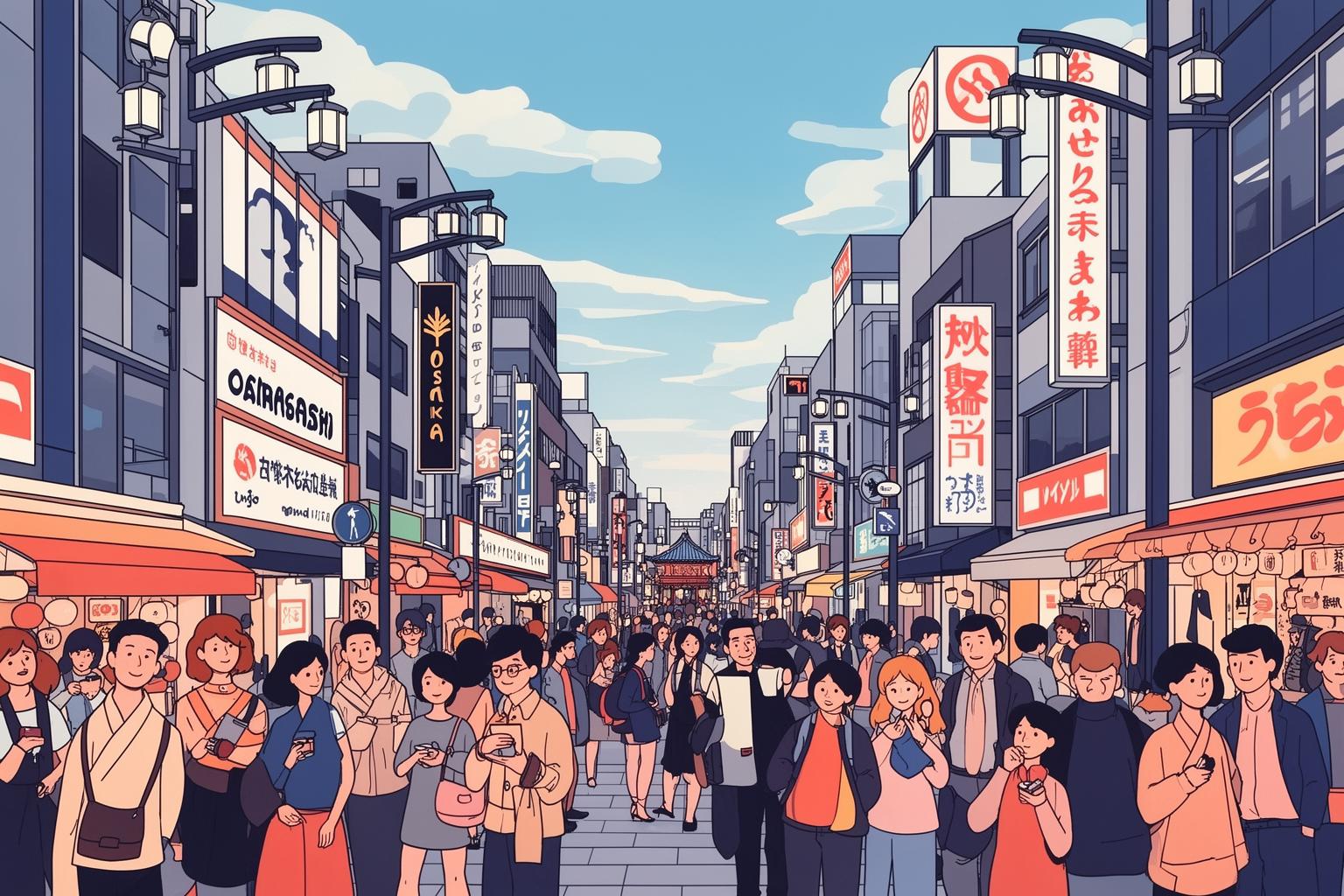
Your quest to discover the ideal remote work cafe in Shinsaibashi is ultimately a journey into the essence of Osaka itself. It serves as a daily lesson in the city’s character. You come to understand that productivity here isn’t necessarily defined by silence and solitude. Instead, it can be found in the lively energy of a bustling diner, the creative spark of a trendy hub, or the serene focus of a minimalist retreat. Each venue offers a unique way to sync with the city’s rhythm.
What truly distinguishes Osaka from Tokyo in this respect is the broader acceptance of public behavior. There’s a tangible sense of “live and let live.” As long as you follow the unspoken rules of fairness and respect, you’re free to be yourself. You might be the quiet coder tucked away in the corner, headphones on, immersed for hours. Or you could be the chatty freelancer striking up conversation with the owner. Both are equally valid. There’s less pressure to conform to a single, prescribed role. This flexibility is the great gift Osaka extends to foreigners trying to establish a life here. It lets you find your own way of being, your own style of working, without the constant, low-level anxiety about breaking some invisible rule.
Ultimately, a Tokyo cafe can sometimes feel like a library, where the goal is to minimize your presence and impact. An Osaka cafe often feels more like a communal public workshop. It might be a bit noisy, a bit disorderly, but it’s a place where things are actively created, connections are formed, and business moves forward. Your presence with your laptop isn’t an anomaly to be tolerated; it’s simply one of many activities the space is designed to support. You become part of the dynamic, productive, and wonderfully human chaos. So go out and find your spot. Find the coffee that fuels you, the chair that supports you, and the atmosphere that inspires you. Because by doing so, you won’t just find a good place to work; you’ll discover your own personal connection to Osaka’s vibrant, beating heart.