Walk into any department store in Tokyo, and you’re met with a symphony of polite precision. The bows are deep, the greetings are standardized, and the transaction is a silent, efficient ballet. It’s clean, it’s respectful, and it’s completely anonymous. Now, step off the train in Osaka and wander into a shotengai, one of the city’s covered shopping arcades. The air is thick with the smell of grilled eel and fresh tempura. It’s not a symphony; it’s a jam session. A fishmonger with a voice like gravel shouts about the day’s catch. An old woman at a fruit stand bellows that her melons are the sweetest in the world. A pickle vendor playfully argues with a customer about which radish is best. It’s loud, it’s chaotic, and it can feel incredibly intimidating if you’re not used to it. Your first instinct might be to lower your head, grab what you need, and escape the sensory overload. But if you do that, you’re missing the point entirely. In Osaka, the shotengai isn’t just a place to shop. It’s the city’s living room, its theater stage, and its social network, all rolled into one. The cacophony you hear isn’t noise; it’s conversation. And learning the rhythm of that conversation is your key to understanding what it truly means to live here. It’s about moving past the transactional and into the relational, a skill that defines daily life in this city far more than any landmark or famous dish.
For those who wish to explore Osaka’s culinary vibrancy further, our specialty diet survival guide reveals how local flavors intertwine with the energetic pulse of the shotengai.
The Unspoken Language of the Arcade

Before you even begin to learn how to bargain, you first need to grasp the baseline frequency of shotengai communication. It functions on a completely different wavelength than the formal, reserved Japanese you may have studied. This language is filled with playful jabs, inside jokes, and a distinctive commercial philosophy that has evolved over centuries in this merchant city. Mastering it isn’t about memorizing phrases; rather, it’s about tuning your ear to the city’s unique social rhythm and understanding that what might sound abrupt or intrusive elsewhere here signals warmth and acceptance.
“Mokarimakka?” – The Osaka Business Greeting
You’ll often hear it exchanged between shopkeepers as they set up in the morning or during a quiet spell in the afternoon. One vendor might lean out of his stall and call to his neighbor, “Mokarimakka?” which literally means, “Are you makin’ money?” The usual reply is a wry smile alongside a casual, “Bochi bochi denna,” meaning, “Yeah, so-so,” or “Can’t complain.” For someone unfamiliar, especially from a culture where talking about money is taboo, this can be surprising. Is he really inquiring about her profits? The answer is both yes and no. This isn’t an audit. It’s Osaka’s equivalent to “How’s it going?” or “What’s up?” This greeting is deeply rooted in the city’s history as Japan’s commercial hub. Here, business isn’t a detached or sterile part of life; it is life. The well-being of your neighbor’s store directly impacts the entire arcade and, by extension, the community. Asking if they’re making money is a way of checking in on their overall welfare—a gesture of solidarity. The casual “bochi bochi” response is just as significant. To brag about outstanding sales would come off as arrogant, while complaining about poor business would drag everyone down. “So-so” strikes the perfect humble balance, maintaining harmony while acknowledging the daily hustle. Understanding this exchange is your first step to seeing the shotengai not as a collection of isolated shops, but as a single, interconnected entity that thrives on the collective fortunes of its members.
The Art of the “Tsukkomi”
Osaka is famously the home of Japanese stand-up comedy, particularly the manzai style, which features a comedic duo: the boke (the silly, air-headed one who says absurd things) and the tsukkomi (the sharp, straight man who corrects the boke, often with a light smack or a witty retort). This comedic format isn’t just for the stage; it’s embedded in the fabric of everyday conversation here. The shotengai serves as the stage for this ongoing performance. The interaction between vendor and customer is a continuous, improvised manzai routine. For example, a customer might pick up a slightly misshapen daikon radish and say, with mock sincerity, “Wow, this one’s got character. Are you sure it’s a radish and not a piece of modern art?” That’s the boke. The vendor, without missing a beat, plays the tsukkomi, replying, “It’s art you can pickle! And for 100 yen, it’s the cheapest masterpiece you’ll ever own. Now buy it before the museum curators show up.” This rapid-fire exchange is the lifeblood of the arcade. For outsiders, it might be confusing. Is the customer being rude? Is the vendor dismissive? Not at all. This playful banter signals a healthy, comfortable relationship. It’s a way of testing the waters, demonstrating that you’re on the same wavelength. A perfectly polite, humorless interaction can feel cold and distant in Osaka. Joining in a little tsukkomi shows that you’re not just a faceless consumer; you’re an active participant in the local culture. You get it. And when a shopkeeper starts tossing witty comebacks your way, you know you’re on the path to acceptance.
Breaking the Transactional Barrier
In most retail settings, the primary aim is efficiency: you find your item, pay for it, and leave. The interaction is designed to be as seamless as possible. However, in an Osaka shotengai, friction is intentional. The transaction serves merely as a reason for the surrounding human interaction. This is where many non-Japanese residents struggle. They attempt to apply the norms of polite, anonymous shopping to a place that thrives on personal connection, causing confusion over what is considered friendly versus intrusive. The key is to shift your perspective: you’re not just there to buy goods, but to engage in a community ritual.
It’s Not Intrusion, It’s Connection
Don’t be surprised if, after a few visits to the same butcher, he scrutinizes you and asks, “So, what are you making for dinner tonight?” Or if the woman at the vegetable stand inquires, “You live nearby? On your own?” In Tokyo, such personal questions from a stranger would be unusual and even unsettling, feeling like an invasion of privacy. But in the Osaka shotengai, it’s quite the opposite. It’s an invitation. These questions aren’t a form of surveillance; they are tools vendors use to form a mental profile of you, shifting you from ‘stranger’ to ‘neighbor’ in their minds. If they know you’re cooking fish, they can recommend the perfect ginger. If they know you live alone, they won’t push a family-sized bag of onions. They remember these details. Next time you visit, they might say, “Hey, got some great pork today, perfect for the tonkatsu you made last week!” This isn’t a sales tactic; it’s a sign of recognition and care. They aim to be your butcher, your vegetable vendor. Responding with a curt one-word answer and looking away signals disinterest in connection. But if you open up—“I’m trying to make curry tonight, any good potatoes?”—you’ll see their whole attitude shift. You’ve just opened the door, and they’re eager to walk through it.
Beyond the Price Tag: The Art of Bargaining
Let’s clarify something: bargaining in an Osaka shotengai isn’t like haggling in a Moroccan souk. You won’t get 50% off; attempting that is considered rude and misunderstands the culture. The price on the tag is usually fixed. So what is Osaka-style bargaining about? It’s a subtle, playful exchange. It’s less about saving money and more about strengthening the interaction. The most common form isn’t for discounts, but omake—a small freebie. For example, if you buy three apples for 300 yen, after paying, you might grin and say, “Ne, ochan, chotto omake shite kureru?” (“Hey, boss, can you give me a little extra?”). The shopkeeper might laugh, feign annoyance, and then toss in a slightly bruised but perfectly good fourth apple with a dramatic sigh. Both know the extra apple is worth about 30 yen. The monetary value is secondary; the true value lies in the shared moment—the friendly request, the playful reluctance, and the good-natured concession. This game reinforces your relationship. Another tactic is gently asking for a small price adjustment on a larger purchase. If buying a basket of vegetables, you might say, “Zenbu de, kirei ni shite kureru?” (“For the whole lot, can you make it a nice, round number?”). This might turn 1,030 yen into a flat 1,000 yen. It’s a small gesture, but it transforms a straightforward purchase into a successful negotiation, a tiny win for both. The customer feels they got a deal, while the vendor shows generosity and secures loyalty. It’s a win-win performance.
How to Become a “Joren-san” (A Regular)
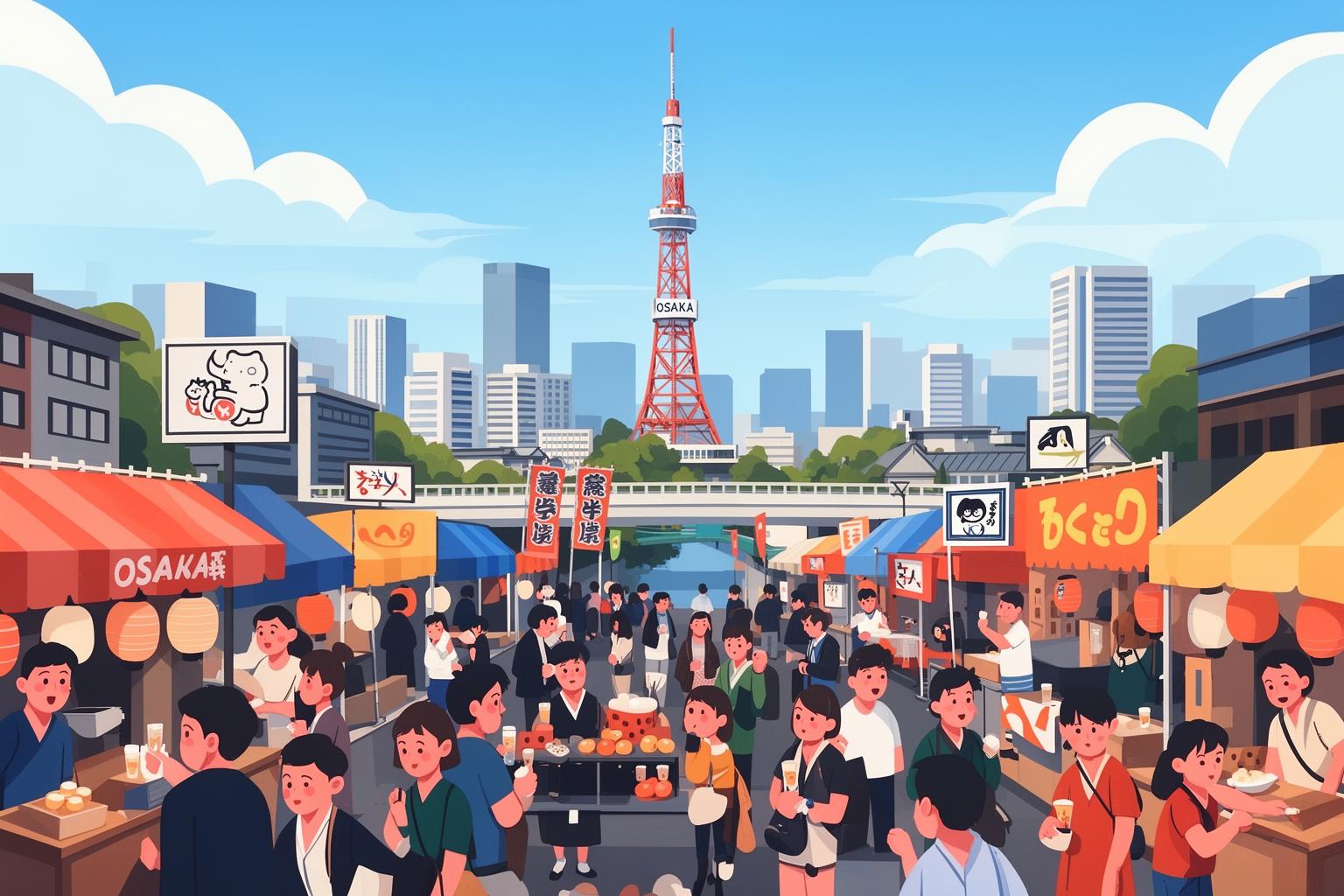
In the world of the shotengai, there are three kinds of people: tourists, customers, and joren-san. Tourists are simply passing through. Customers are those who make purchases. But a joren-san, a regular, is something more. A joren-san belongs to the community. They are greeted by name, their preferences remembered, and they are treated not just with respect, but with genuine warmth. Becoming a joren-san is a process. It doesn’t happen instantly. It’s a status earned through consistency, engagement, and a willingness to step outside one’s comfort zone. Achieving this status is when you truly begin to feel at home in Osaka. It’s the moment the city stops being just where you live and starts being where you truly belong.
The Power of Showing Your Face
The first and most important step is simple: show up. Consistently. Don’t visit a different fishmonger each week. Choose one. Go there every Friday. Don’t buy your tofu at the supermarket one day and from a local shop the next. Stick with your chosen shop. At first, you might not get noticed. Or rather, you’ll be noticed but filed away as “new face.” After the third or fourth visit, something changes. The vendor realizes you are not just a random passerby. You are a local. You are choosing them. This act of loyalty lays the foundation for your future relationship. You don’t even need to say much at first. Just make eye contact, offer a slight nod, and complete your transaction. Your repeated presence speaks volumes. It says, “I live here, and I choose you.” In a world of endless options and anonymous online shopping, this simple, repeated act of showing up in person is a powerful statement. It’s the silent handshake that begins your journey from customer to regular.
Your First Words: Starting the Conversation
Once you’ve established a presence, it’s time to move beyond silent nods and start a conversation. This can feel intimidating, but it’s easier than you think. You don’t need to be fluent in Japanese or a born comedian. You just need to show curiosity and respect for their craft. Instead of simply pointing and saying, “Kore wo kudasai” (“I’ll take this”), try asking a question that opens a conversation. One of the best is, “Kyo no osusume wa nan desu ka?” (“What’s your recommendation for today?”). This is a magic phrase. It does two things at once: it shows you’re open and flexible, and more importantly, it shows you trust their expert opinion. They’re no longer just a clerk, but a professional whose judgment you value. Their face will brighten as they explain why the mackerel is especially fresh today or why a certain cut of beef is perfect for stew. Another great opener is to ask for advice: “Kono sakana, do yatte taberu no ga ichiban oishii?” (“What’s the best way to cook this fish?”). Be ready for a passionate, detailed answer—maybe even a secret family recipe. This is how you learn and connect. You’re no longer just purchasing a fish; you’re receiving wisdom, a piece of their culture handed down to you. These simple questions turn the interaction from a monologue (you ordering) into a dialogue (a shared exchange).
Graduating from Customer to Neighbor
You’ll know you’ve arrived when small signs start appearing. It’s a gradual process, but unmistakable. One day, you’ll approach the butcher and he’ll say, “Ah, Tanaka-san, I saved the good chicken liver for you because I knew you’d be coming today.” The vegetable vendor will see you coming and have your usual bag of spinach ready before you ask. They’ll stop calling you okyakusan (customer) and start using your name or even a friendly nickname. Conversations will shift from products to your life. “How was your trip?” “Did your son pass his exam?” They’ll share neighborhood gossip, complain about the Hanshin Tigers’ latest loss, and offer you a piece of candy as you leave. This is the goal. This is the moment you stop being an outsider. You’ve successfully integrated into the shotengai community. You are now a joren-san. Your grocery run is no longer just a task; it’s a social visit. You’re not just stocking your pantry; you’re checking in with your network, your neighbors, your people. This deep sense of community, built from hundreds of small daily interactions, is the true treasure of the shotengai.
Why This Matters: Shotengai as a Cultural Barometer
Understanding the subtle communication of the shotengai goes beyond simply making your everyday shopping more convenient. It’s about embracing the core spirit of Osaka itself. Founded by merchants, the city reflects the marketplace’s values—relationships, reputation, humor, and practical common sense—that permeate every facet of life here. The shotengai is not a relic of the past; it is a living, breathing embodiment of Osaka’s cultural identity, standing in sharp contrast to the ways things unfold just a few hundred kilometers to the east.
A Contrast with Tokyo’s Efficiency
Life in Tokyo is often defined by smooth, precise efficiency. Public transportation runs punctually to the second. Service is impeccably polite and lightning-quick. Social exchanges are usually guided by a desire not to inconvenience others, fostering a comfortable but noticeable distance. A purchase in a Tokyo store is a flawless, clean transaction designed to be completed with minimal fuss and maximum speed. In Osaka, however, this efficiency is often sacrificed for the sake of human connection. A quick two-minute errand to buy scallions can easily turn into a fifteen-minute experience as the shopkeeper finishes sharing a story about her grandson, while the customer ahead of you engages in a lengthy, humorous debate over the merits of two types of miso. To a Tokyoite or a visitor used to that pace, this might feel maddeningly inefficient. But for an Osakan, it’s simply how things are done. Conversation is as important as commerce. Relationships matter more than saved time. This distinction is fundamental. Tokyo prioritizes the smooth operation of the system; Osaka prioritizes the strength of the social bonds within it.
The Heartbeat of the City
In the end, the shotengai perfectly captures the essence of Osaka. It’s a bit rough around the edges. It’s loud. It’s unapologetically straightforward. It values laughter over silent dignity and strong relationships over quick sales. Foreigners often arrive with the stereotype that “Osaka people are friendly.” They are, but it’s not a passive or automatic friendliness. It’s an interactive, participatory warmth that you must engage with to experience. It’s not simply given; it’s co-created in the everyday banter at the fish stand and the playful bargaining over fruit. To truly thrive in Osaka and call it home, you need to step onto this stage. You must be willing to play a little boke and appreciate a good tsukkomi. You have to regard personal questions as bridges rather than barriers. You need to understand that in this city, your identity isn’t defined solely by your job or origin, but also by which tofu shop you’re loyal to. By learning the language of the shotengai, you’re learning the language of Osaka itself—becoming not just an observer of this vibrant, chaotic city, but an active, valued member of its community.