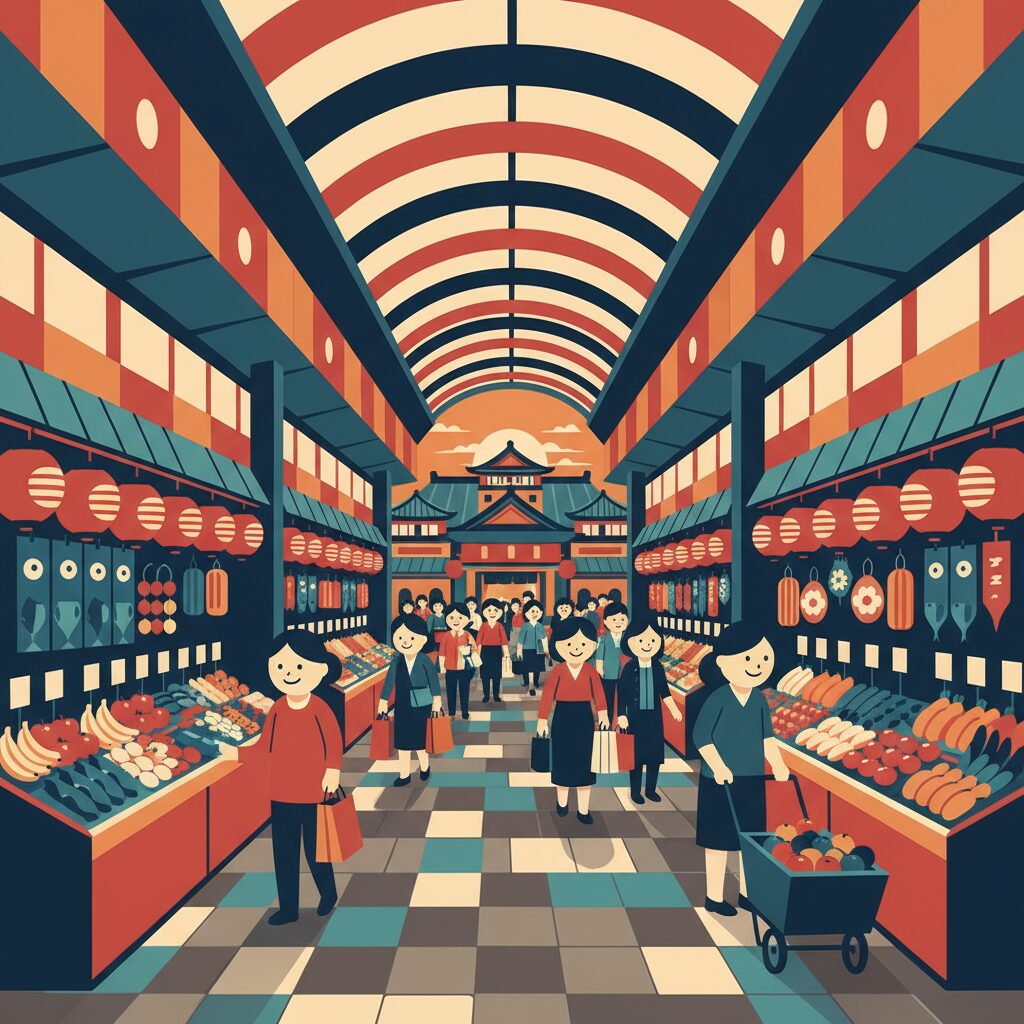
People will tell you Osaka is cheaper than Tokyo. They’ll point to rent, maybe transit fares, and they’re not wrong. But that’s just the surface, the easy data points on a spreadsheet. The real difference, the one you feel in your bones and see in your bank balance month after month, isn’t found in a real estate listing. It’s found under the arched plastic roofs of the city’s sprawling, chaotic, and profoundly human shotengai—the local shopping arcades.
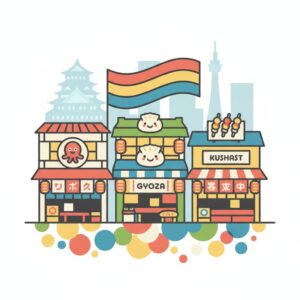
To the uninitiated, a shotengai can feel like a sensory assault. It’s a riot of sound and color, a tight corridor of commerce that hums with a relentless energy. The air is thick with the scent of grilled eel, sweet soy sauce, fresh daikon, and the faint, clean smell of soap from a corner drugstore. Bicycles weave through crowds with the practiced grace of fish in a current. Shopkeepers, voices raspy from a day of hawking their wares, shout out deals in the thick, melodic Kansai dialect. It’s a world away from the serene, curated aisles of a Tokyo department store basement or the sterile gleam of a nationwide supermarket chain. This isn’t just a place to buy things. It’s the engine room of Osaka’s economy of daily life, and understanding it is the key to unlocking the city’s legendary affordability.
This exploration of Osaka’s shotengai economy gains even deeper layers when one examines how Osaka’s arcade kitchens seamlessly blend culinary traditions with cost-saving innovation.
The Psychology of a Good Deal

To truly grasp the shotengai, you first need to understand the Osaka attitude towards money. In Tokyo, money is often tied to status, appearance, and paying a premium for flawlessness. In Osaka, money is seen as a tool, and the aim is to use it as efficiently as possible. There’s an important difference between being kechi (stingy or cheap) and being skilled at shimatsu (frugal, economical, and making the most of what you have). No one in Osaka wants to be labeled as kechi. But mastering shimatsu? That’s a mark of pride. It signifies you’re smart, practical, and unwilling to be fooled.
This mindset is evident every day in the shotengai. Prices aren’t merely displayed; they’re shouted out. Handwritten signs, marked in bold black or bright red ink, are taped to heaps of produce. “Daikon, 100 yen each! Cheap, cheap, cheap!” a woman might shout from her stall—not in desperation, but with a sense of proud defiance. This isn’t the quiet, respectful commerce typical of other Japanese cities. It’s a dialogue, a challenge, a game. The shopkeeper’s job is to convince you they offer the best deal in town, and your job as the customer is to recognize it and respond.
A foreigner might enter a shotengai, see a pile of slightly bruised tomatoes with a sign cutting the price in half, and think, “That’s low-quality produce.” An Osakan sees the same tomatoes and thinks, “I’m making tomato sauce tonight, so these are perfect.” It’s a fundamental difference in viewpoint. The shotengai doesn’t hide flaws; it profits from them. It values practicality over pure aesthetics. Why pay for a perfectly round, blemish-free tomato that will be crushed and simmered anyway? This acceptance of the “good enough” plays a powerful role in lowering your daily expenses.
An Ecosystem of Affordability
A shotengai is much more than a random assortment of stores. It’s a finely tuned, hyper-local ecosystem founded on relationships, specialization, and a shared commitment to eliminating waste. It represents an alternative economic model that flourishes alongside corporate giants.
The Specialists and Their Supply Chains
Stroll through a proper Osaka shotengai, and you won’t find just a single grocery store. Instead, you’ll encounter a chain of specialists: the yaoya (vegetable grocer), the sakana-ya (fishmonger), the niku-ya (butcher), the tofu-ya (tofu maker), and the okome-ya (rice merchant). Many of these businesses have been run by third or fourth generations of the same family. Their success relies not on large marketing budgets but on expertise and trust.
The yaoya owner likely maintains personal ties with farmers in nearby prefectures. They understand what’s in season, what’s abundant, and therefore, what’s cheapest right now. They purchase directly, bypassing layers of corporate middlemen who inflate costs at every stage. This explains why a bag of onions might be incredibly cheap one week and a bit pricier the next. Their pricing reflects the natural harvest rhythm, not a centralized corporate pricing scheme. Similarly, the fishmonger can tell you exactly where that mackerel came from and why it’s today’s best deal. This specialized knowledge is passed on to the consumer not only as a story but also as a lower price.
The Currency of Conversation and Community
This concept often puzzles those used to anonymous, transactional shopping. At a shotengai, your loyalty is a tangible asset. When you stop buying tofu at the supermarket and start purchasing it from the elderly lady who makes it fresh in the back of her tiny shop, something changes. At first, it’s just a transaction. But you come back every few days. You learn to greet her. She asks where you’re from. You compliment her ganmodoki. Then one day, as she bags your order, she tosses in an extra block of fried tofu. “Omake,” she says with a smile. A little something extra. A bonus. A gift.
This is not part of a formal discount program. There are no punch cards or loyalty apps involved. This is the social economy of the neighborhood. The omake is a symbol of your relationship. It’s a thank-you for being a regular. Over a year, these small gestures—a spare potato, a handful of bean sprouts, a larger piece of fish—accumulate. More importantly, they weave you into the community’s fabric. You become more than a consumer; you become a neighbor. This feeling of belonging holds a value beyond yen, even though the economic benefits are real. A self-checkout machine at a major supermarket will never offer you omake.
The Gospel of “Wakeari”
Delve deeper into the shotengai, and you’ll encounter the cult of wakeari. The term literally means “with a reason,” and it embodies a wonderfully pragmatic philosophy. A wakeari product may be imperfect but remains perfectly usable. It could be a bag of rice crackers with a few broken pieces, a batch of fish cakes cut slightly off-center, or a box of udon noodles nearing expiration, too close for a major supermarket to stock. For shotengai vendors, these items represent opportunity. For savvy Osakan consumers, they are a goldmine.
Shops specializing in wakeari goods are treasure troves. You can find high-end senbei, usually sold in department stores for thousands of yen, available in a simple plastic bag for just a few hundred yen, simply because some pieces are chipped. This approach goes against the Japanese stereotype of obsessive perfection and pristine packaging. Osaka’s culture values substance over form. If it tastes the same, who cares if it’s broken? This readiness to accept and even seek out imperfection directly translates into significant savings on everything from snacks to staples.
The Ready-Made Meal Revolution
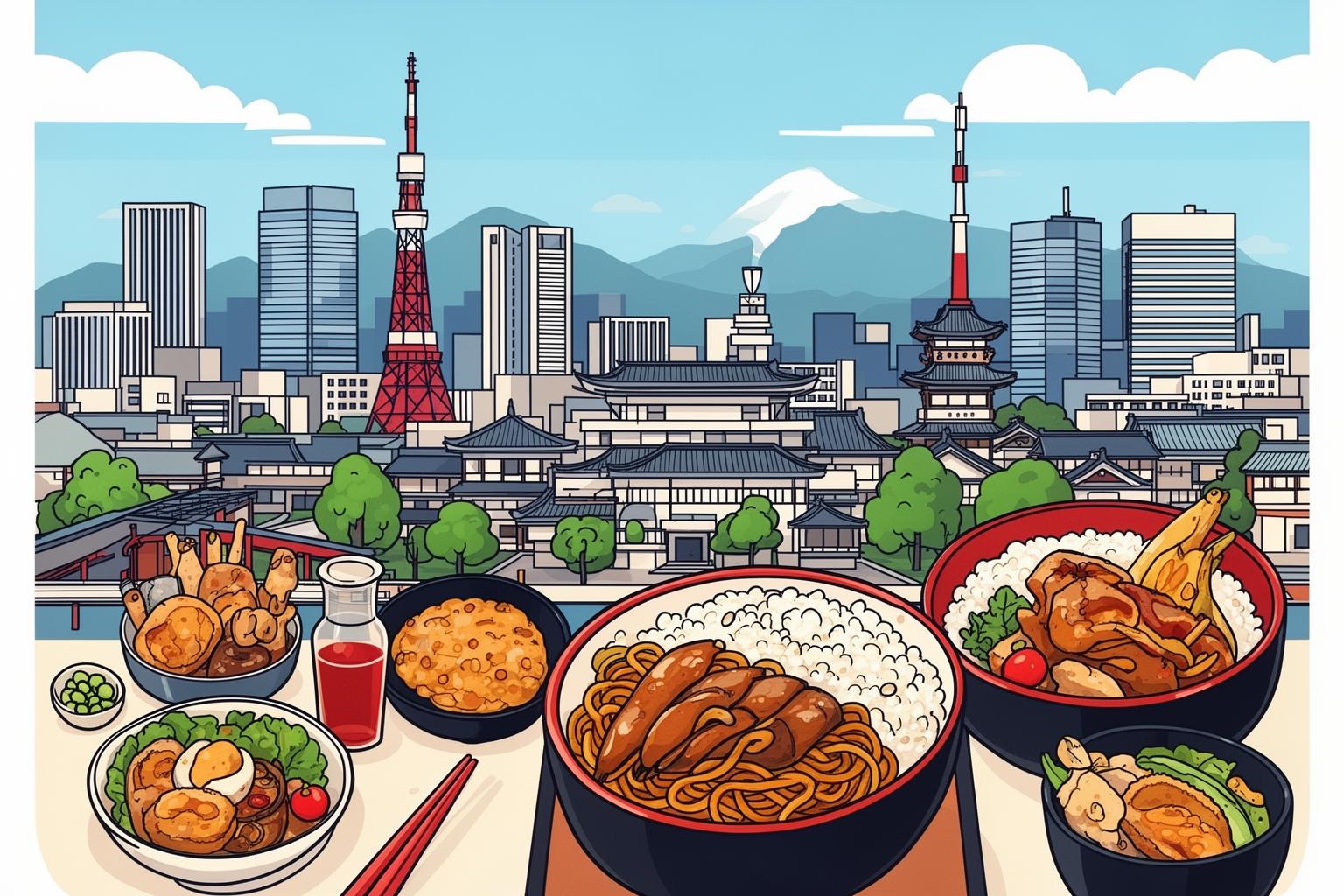
The shotengai’s greatest contribution to lowering the cost of living may lie in its solution to the daily dilemma: “What’s for dinner?” The arcade is a haven for sozai, or prepared side dishes. As the afternoon progresses, the shops become filled with an incredible variety of freshly made food.
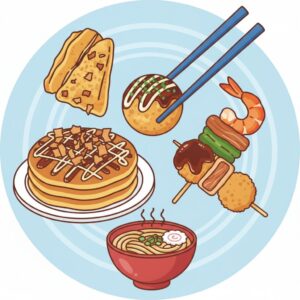
There are vendors selling dozens of types of tempura, piece by piece. Stands offering golden, crispy potato croquettes for under 100 yen. Butchers grilling chicken skewers. Fishmongers selling perfectly grilled fillets of mackerel or salmon. Entire stores devoted to beautifully crafted, complex salads and simmered vegetables. You can put together a diverse, tasty, and nutritious meal at a fraction of the cost of dining out, without any of the effort of cooking from scratch.
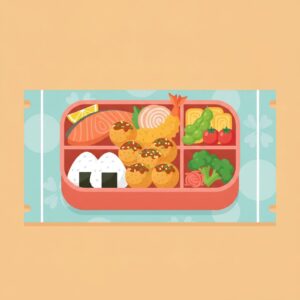
Then comes the magic hour. Around 5 or 6 PM, the “time sales” begin. You’ll hear voices echoing through the arcade. Staff appear with red markers, energetically marking down prices on pre-packaged bento boxes and remaining sozai. Discounts move from 20% off to 30% off, and eventually to the coveted han-gaku—half price. For singles, couples, and busy families, this has become a daily ritual. You can pick up a hearty, balanced meal, made fresh that day in the shop’s own kitchen, for 300 or 400 yen. It’s cheaper than fast food, healthier than convenience store offerings, and a world apart in flavor and quality. The shotengai offers a strong, affordable alternative to the time-consuming and often costly routine of home cooking or eating out.
A Complete Lifestyle Infrastructure
The economic advantages of the shotengai reach far beyond the dinner table. These arcades function as self-contained ecosystems supporting a low-cost lifestyle. Nestled between the butcher and the vegetable stand, you’ll find other essential businesses that follow the same principle of high volume and low margin.
There are no-frills barbershops where a haircut costs a flat 1,200 yen, a quick twenty-minute process marked by practiced efficiency. Independent drugstores, often considerably cheaper than big chains for items ranging from painkillers to laundry detergent, display hand-drawn signs advertising the day’s specials. You’ll also find second-hand clothing shops, tiny stationery stores, and old-fashioned kissaten (coffee shops), where a 400-yen “morning set” of thick toast, a boiled egg, and a cup of coffee remains a cherished tradition.
Living near a lively shotengai means you can fulfill most of your daily needs without ever stepping into a high-end mall or a national chain store. You are choosing a different economic reality, one grounded in local relationships, intense competition, and a shared understanding that value matters more than branding.
It’s Not Cheap, It’s Smart: The Osaka Way

For an outsider, the noise, the crowds, and the direct, sometimes blunt communication style of the shotengai can be overwhelming. It might seem a bit rough compared to Tokyo’s polished politeness. But to misinterpret this is to miss the essence of Osaka entirely. The shotengai is not a relic of the past; it is the vibrant, living core of the city’s identity.
The loud calls of the vendors are not aggressive; they serve as a form of transparency, sharing information to help you make an informed choice. The constant chatter and bargaining are not impolite; they reflect a community engaging, with commerce as a human-to-human exchange. The pride Osakans take in securing a good deal isn’t about being cheap; it’s about being a savvy participant in the local economy.
Living in Osaka and embracing the shotengai culture is a deliberate decision. It’s choosing community over corporate convenience, substance over style, and smart frugality over flashy spending. You learn the rhythms of the arcade: which days bring the best fish, when the croquettes are freshest, and what time half-price stickers appear. You recognize the faces of those who nourish you and your neighborhood. In doing so, you don’t just save money—though you will save plenty. You become part of a system that is more resilient, more human, and ultimately, a richer way to live. And that’s a secret worth far more than any price tag.