So you’ve heard the talk on the street. Osaka is cheaper than Tokyo. Your rent is lower, your train pass doesn’t sting quite as much, and a beer after work feels a little less like a luxury. But the real story, the day-to-day truth of Osaka’s affordability, isn’t written on a real estate listing or a train fare chart. It’s shouted from the back of a vegetable stand. It’s scribbled on a piece of cardboard advertising fresh fish. It lives and breathes in the sprawling, covered arteries of the city: the shotengai, or traditional shopping arcades.
Most newcomers to Japan quickly learn the supermarket routine. It’s a clean, quiet, and predictable world. You walk in, grab a sterile basket, and navigate aisles of perfectly packaged produce under the hum of fluorescent lights. Everything has a barcode. Every price is fixed. It’s efficient, it’s easy, and it’s exactly the same in Sapporo as it is in Fukuoka. But if you only shop at the supermarket in Osaka, you’re not just missing out on deals—you’re missing the entire point of this city. You’re watching the game from the nosebleed seats when you could be on the field. The shotengai is where Osaka’s famous pragmatism, its love for a good deal, and its deeply ingrained community spirit collide in a beautiful, chaotic symphony. This isn’t just about saving money. It’s about participating in a way of life, a daily ritual that reveals the true heart of this city, one bargain at a time.
Explore more about cheap living in Osaka to see how the local spirit transforms everyday routines into vibrant experiences beyond the sterile supermarket aisles.
The Supermarket vs. The Shotengai: A Tale of Two Shopping Carts
The Supermarket Mentality: Clean, Quiet, and Costly
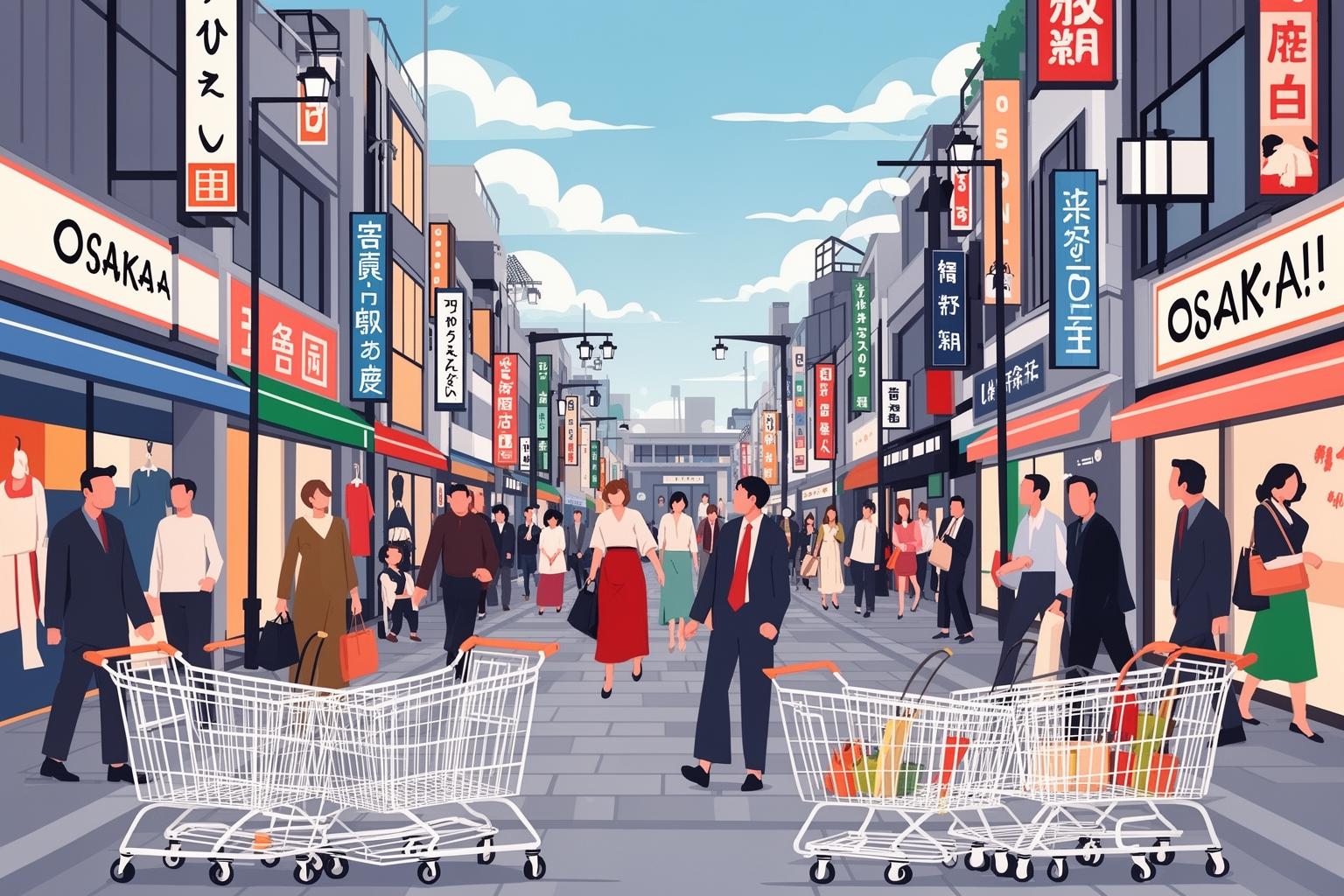
Imagine the scene. You enter a large supermarket chain like Life or Aeon. The air is cool and still. Music, so generic it’s almost unnoticeable, plays softly from hidden speakers. The vegetables are immaculate, individually wrapped in plastic, displayed in perfectly chilled cases. A bag of three onions costs exactly the same as it did last week. The staff are impeccably polite, bowing as they hand you your change, but the interaction is rehearsed and brief. There is no bargaining. There is no surprise. You are simply a consumer completing a transaction.
This is the typical Japanese shopping experience, especially prevalent in Tokyo. It emphasizes consistency, presentation, and a kind of sterile perfection. You pay a premium for the convenience of knowing exactly what to expect, for trusting a corporate brand, and for the polished look of your food. There is an unspoken belief that something beautifully packaged must be good. It’s a quiet, orderly, and profoundly impersonal system. It works, but it feels lifeless.
The Shotengai Symphony: A Beautiful, Bargaining Chaos
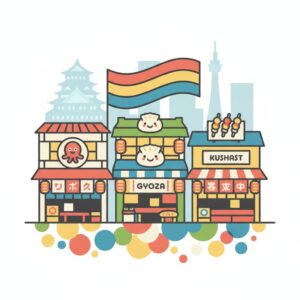
Step into the shotengai, and the atmosphere changes instantly. The air is thick with the aroma of grilled eel from one stall, fresh daikon from another, and sweet red bean paste from a third. Instead of soft background music, you hear the rhythmic chopping at the fishmonger’s counter and the gravelly voices of vendors shouting, “Irasshai, irasshai!” (Welcome, welcome!) and “Yasukattんで!” (It’s cheap!).
Prices aren’t printed by machine; they’re handwritten in bold black marker on cardboard signs. A pile of slightly bruised tomatoes sells for a fraction of the cost of their flawless supermarket counterparts. A whole fish might be cheaper than a small, pre-cut fillet. The crowd is a diverse river of people—elderly women with wheeled carts, young parents with children in tow, salarymen grabbing a quick croquette on their way home. Here, you’re not just a faceless consumer. You are part of the living ecosystem. This is commerce stripped to its most fundamental and human form, a vivid contrast to the supermarket’s quiet precision. It’s a performance, and you’re invited to take part.
Cracking the Code: The Unspoken Rules of Shotengai Shopping
For a newcomer, the shotengai can feel overwhelming. Prices appear random, vendors are loud, and everyone seems confident in what they’re doing. However, there is a method to the chaos, a set of unspoken rules guiding this environment. Understanding these is essential to grasping the Osaka mindset.
“Nebo-hiki” (Price Haggling): It’s Not Rude, It’s About Building Relationships
Let’s be clear: this isn’t a Moroccan souk. You don’t usually approach and offer half the listed price. Direct, aggressive haggling remains somewhat unusual in Japan. But in Osaka’s shotengai, there’s a gentler, more nuanced exchange going on. It’s less about bargaining and more about fostering a relationship.
Become a regular at a fruit stand. After a few visits, when you’re buying several items, you can ask with a friendly smile, “Chotto omake shite kureru?” (Can you give me a little extra?). More often than not, the vendor will gladly include an extra orange or a handful of green onions. It’s a gesture of goodwill, a thank you for your loyalty. Another approach is buying in bulk near closing time. Pointing to the last three bundles of spinach and asking, “Kore zenbu de ikura?” (How much for all of this?) often results in a better price than buying them individually. In Tokyo, questioning the price can seem disrespectful to the shop. In Osaka, this gentle, friendly negotiation is a form of communication—a sign that you’re an engaged, savvy shopper rather than a passive buyer. It’s a conversation.
The Art of the “Mekiki”: Evaluating Quality with Your Own Eyes
Supermarkets eliminate uncertainty. A corporate buyer has already decided which apple meets the standards based on uniform size, color, and shape. The shotengai works by a different rule: the principle of mekiki, or the discerning eye. You’re expected to actively choose your food.
Here, you’ll see shoppers picking up daikon radishes, judging their weight, and tapping them to assess freshness. They’ll examine the gills of fish carefully or ask the butcher which pork cut is best for tonkatsu today. Vendors aren’t just sellers; they’re experts who expect you to be discerning, too. They often offer guidance. “This mackerel is perfect for grilling tonight,” the fishmonger might say, “but if you want sashimi, you should get this one.” This stands in stark contrast to grabbing a plastic-wrapped tray from a refrigerated shelf. In Osaka, there’s a strong pride in recognizing quality and value. Trust isn’t placed in brand names but in your own judgment and the advice of the product expert. It’s a skill that’s highly respected.
Timing is Everything: The Evening “Time Sale” Rush
The shotengai follows a daily rhythm, and experienced shoppers know how to keep pace. The biggest change comes in the late afternoon, usually around 5 PM. This is the golden hour. As shops prepare to close, vendors’ calls grow louder and more urgent. This is the time of the “time sale” (taimu seru) and uri-kiri (sell-out) prices.
Perishable goods—fresh fish, tempura, salads, tofu, pre-made side dishes—must be sold before the day ends. Handwritten signs with sharply reduced prices are taped over the original ones. A pack of sushi priced at 800 yen at noon might drop to 500 yen by 5 PM, and 300 yen by 6:30 PM. This isn’t an occasional event; it happens daily and predictably. Locals plan their shopping around this. It’s a frantic, thrilling rush as everyone scrambles to grab the last deals of the day. This captures the Osakan mindset: waste nothing, and never pay full price if you can avoid it. It reflects a deeply practical, anti-waste philosophy that transforms the end of the workday into a city-wide treasure hunt.
Why This Matters: The Shotengai as a Window into the Osaka Soul
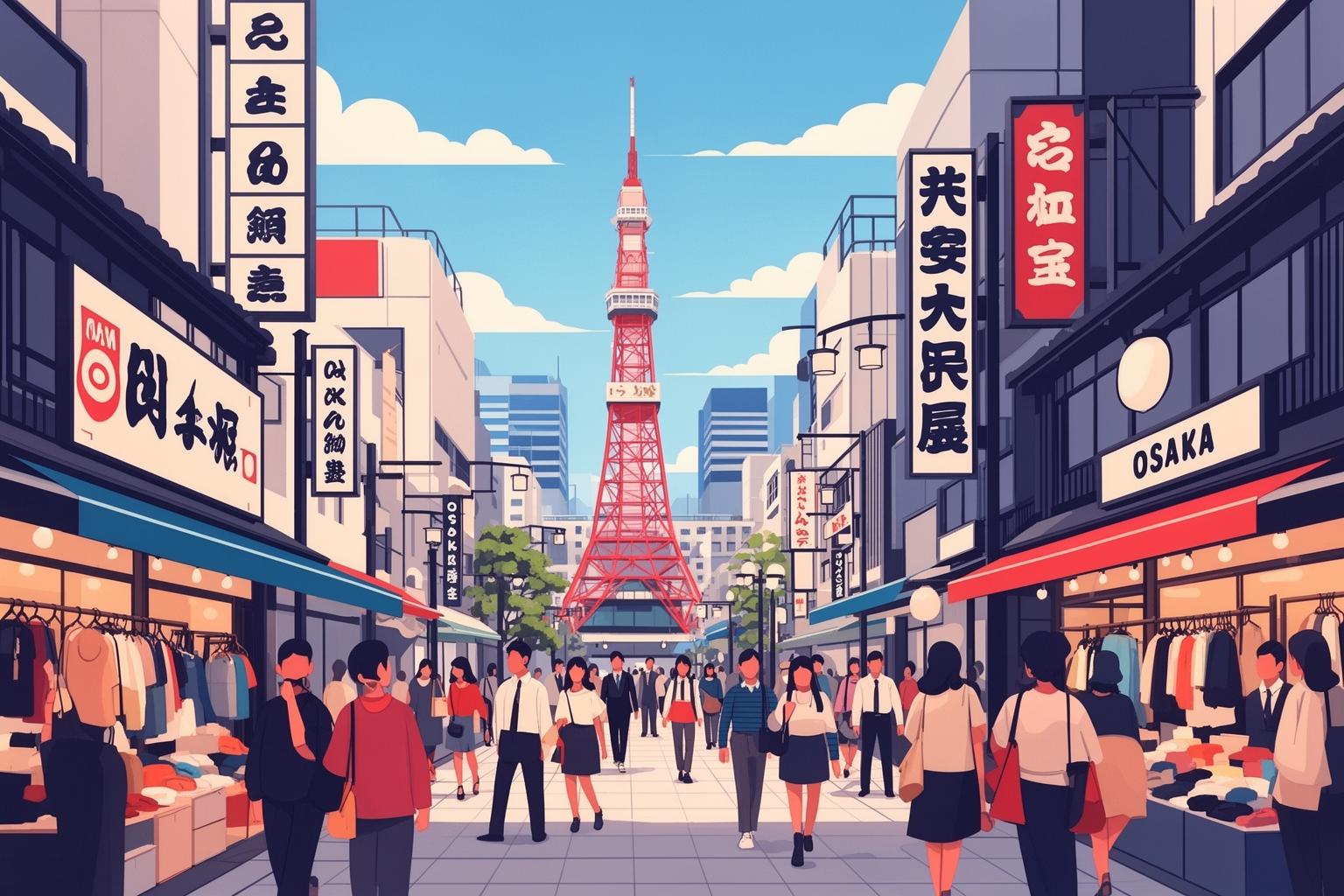
Shopping in a shotengai offers more than just a way to save money—it provides an immersive introduction to Osaka culture. The shopping habits here reveal a great deal about local values and how they contrast with the rest of Japan.
Practicality Over Polish: The “Kechi” Myth
There’s a common stereotype that people from Osaka are kechi, or stingy, but this is a misinterpretation. Osakans aren’t stingy; they are highly practical. They avoid paying for things they don’t see as valuable, such as fancy packaging, a brand name, or overly formal service. Why pay 150 yen for a single, perfectly shaped onion wrapped in plastic at a supermarket when you can buy a bag of three slightly misshapen—but equally tasty—onions for 100 yen at the shotengai?
This highlights a significant cultural divide with Tokyo, where appearances (gaiken) and maintaining a certain image are very important. In Tokyo, choosing the cheaper, slightly bruised option might be considered mittomonai, or shameful. In Osaka, it’s viewed as smart. An Osakan will proudly share the great deal they found. There is no embarrassment—only pride. They prioritize the substance of the product over its polished appearance. This practical mindset fuels the city’s spirit.
Community Over Corporation
Shopping at a supermarket sends your money to a distant corporate headquarters, but shopping at a shotengai keeps your money within the neighborhood. You’re paying the person directly handing you your purchase. These shops are typically small, often family-run businesses spanning multiple generations. The tofu shop might be operated by a family making tofu for fifty years. The butcher remembers customers by name and their preferred way to slice meat. The elderly woman at the pickle stand will inquire about your day and offer you a sample.
This isn’t an anonymous transaction but a community interaction. Over time, you stop being just another customer. You become a familiar face and part of the local community fabric. The shotengai serves as a town square, a social safety net, and a living museum of the city’s commercial heritage. It’s a place where relationships are nurtured alongside the exchange of goods and money. This strong sense of community, built through daily, face-to-face commerce, feels increasingly rare in the highly modernized, convenience-focused environment of other major Japanese cities.
A Practical Guide for the Foreign Resident
Ready to get started? It’s simpler than you might expect. The shotengai welcomes your business, and a small effort goes a long way.
Where to Begin: Discovering Your Local Shotengai
Osaka is known for its huge shopping arcades, such as Tenjinbashisuji, the longest in Japan, or Kuromon Ichiba Market, which, although now heavily focused on tourists, still has vendors catering to local needs. However, the true charm lies in the smaller, neighborhood shotengai. Almost every train station outside the main downtown areas has one nearby. Step out of your local station and look for the covered walkway—that’s your starting point. Explore it. See what’s available. Absorb the rhythm of your own neighborhood.
What to Bring and What to Say
First, bring cash. While some larger stores may accept cards, many smaller stalls and vendors only take cash. Second, bring your own bag, an eko-baggu. It’s customary and environmentally friendly. Third, come prepared with a few basic phrases. A cheerful “Konnichiwa!” is a great way to start. If you want a suggestion, ask, “Kyou no osusume wa nan desu ka?” (What’s today’s recommendation?). When receiving your purchase, a warm “Oki ni” (the Osaka-ben way of saying “thank you”) will likely earn a smile. Don’t hesitate to simply point and say “Kore, kudasai” (This, please). The effort to communicate is what truly counts.
Don’t Hesitate to Interact
The most important advice is to stay open. Smile. Make eye contact. Ask questions, even if your Japanese isn’t perfect. The vendors are often lively, humorous, and happy to engage with someone who shows genuine interest. They might come across as gruff or loud at first, but that’s part of the market’s style. Beneath that is a warmth and friendliness characteristic of Osaka. This is how you shift from being a resident to a local. This is how you find your place in the community.
The Real Cost of Living in Osaka
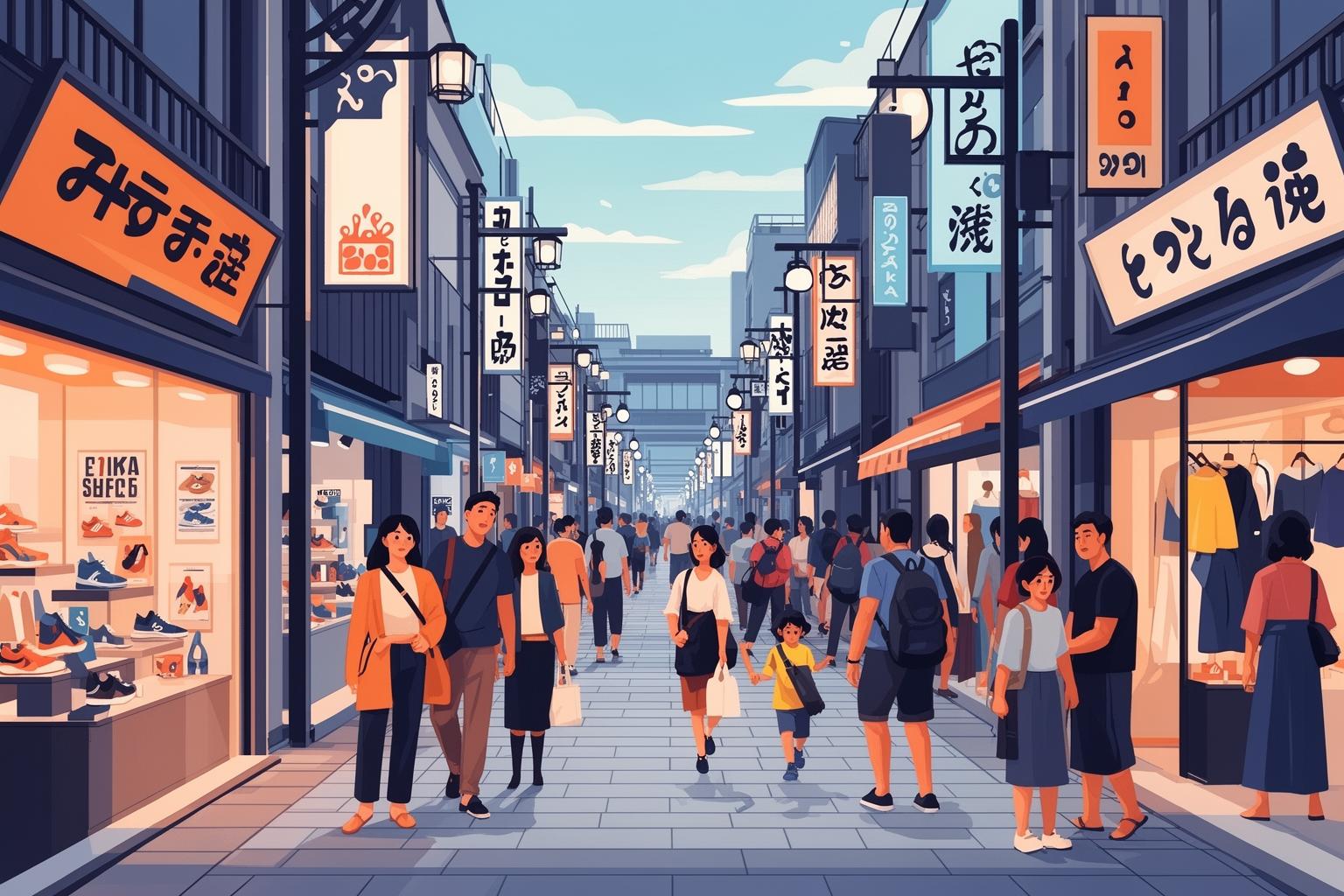
Ultimately, the lower cost of living in Osaka goes beyond just the numbers. It reflects a culture that values substance over style, community over corporations, and resourceful savvy over passive consumption. Choosing the shotengai instead of the supermarket is an intentional choice to engage with that culture.
Yes, you will definitely save money. Your grocery bills will decrease, and the quality of your fresh food will often improve. But the real value isn’t measured in yen. It’s found in the relationships you build with the people who nourish your neighborhood. It’s in the confidence you gain from navigating a system rooted in human connection. It’s in the sense of belonging to the city’s vibrant, pulsating heartbeat. The best deal you’ll find in an Osaka shotengai isn’t the discounted fish or inexpensive vegetables. It’s the priceless feeling of coming home.