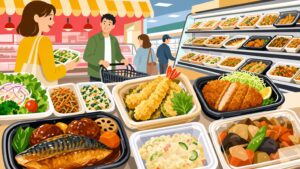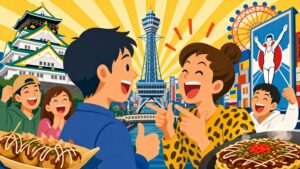
You’re on a packed train, maybe the Midosuji Line heading south from Umeda. The city’s energy hums through the floor. Beside you, two women, classic Osaka obachan with vibrant scarves and perfectly coiffed hair, are deep in conversation. You don’t need to be fluent to catch the drift. Words like “depachika,” “se-ru,” and “hangaku” – department store basement, sale, half-price – fly back and forth like a high-speed rally. One of them holds up a small bag of premium senbei rice crackers and declares, with the pride of a hunter returned from the wild, “Kore, san-wari biki yatta de!” This was 30% off!
To a newcomer, especially one from a culture where discussing money is a private affair, it can be jarring. It feels like everyone in Osaka is obsessed with price tags. This observation often leads to the first, and most misunderstood, label applied to the people here: “kechi.” It’s a word you’ll hear from folks in Tokyo, a word whispered in travel guides, a word that translates, rather uncharitably, as stingy, cheap, or miserly. But to accept that translation is to miss the point of Osaka entirely. It’s like describing a masterful chess match as just moving pieces of wood. You see the action, but you miss the strategy, the thrill, and the deep, abiding intelligence behind it all.
Living in Osaka is an education in a different kind of consumerism. It’s a philosophy rooted not in cheapness, but in value. It’s a city-wide, multi-generational, and highly competitive sport to extract the absolute maximum satisfaction, quality, and experience out of every single yen. This isn’t about hoarding money; it’s about the profound satisfaction of spending it wisely. It’s a mindset that shapes everything from where you buy your groceries to how you make friends. Forget the stereotype. This is the real story of how Osaka’s culture of ‘value over price’ works, and how understanding it is the key to truly living in this vibrant, practical, and deeply human city.
For those intrigued by Osaka’s unique art of spending wisely, exploring its vibrant bargain culture offers yet another lens into how the city transforms shopping into a spirited, value-driven pursuit.
The ‘Kechi’ Myth: It’s Not Stingy, It’s Strategic

To truly understand Osaka, you need to perform a bit of linguistic surgery on the word “kechi.” In most parts of Japan, calling someone “kechi” is unmistakably an insult. It suggests they are a tightwad, someone who annoys others by being stingy. It’s the person who fusses over a 10-yen difference when splitting a bill, ruining the atmosphere for everyone. However, in Osaka, the word has a fascinating dual meaning. While it can still be an insult, it can also serve as a backhanded compliment, recognizing someone’s sharpness. Being a smart shopper, a deal master, means being a little “kechi,” which is seen as a sign of intelligence.
Deconstructing the Stereotype
The key difference lies in what is valued. Consider Tokyo as a contrast. The capital values image, brand, and social status. Where you dine, what you wear, and the neighborhood you live in—all these are signals. People pay a premium for the label’s name, the minimalist design of a café, and the prestige of the location. It’s a culture focused on presentation. No one shopping in a chic Aoyama boutique would boast about buying a designer bag on sale; doing so would undermine the exclusive image they invested in.
Osaka follows a different logic. The story is the status. The journey is the reward. A Tokyoite might impress you by saying, “I ate at a three-star Michelin restaurant in Ginza.” An Osakan gains respect by saying, “I know a spot in Tenma where you can get blowfish sashimi that surpasses Ginza’s quality, at a third of the cost.” One story highlights the ability to spend; the other celebrates the ability to discover. One depicts passive consumption; the other active engagement with the city. In Osaka, you don’t impress with your wallet. You impress with your cleverness.
This mindset rejects the notion that price equals quality. It’s a deeply ingrained cultural skepticism. Why pay more just because of a brand? Is it truly better? Can I find something equal or superior for less? This persistent questioning drives Osaka life. It’s not negativity or cynicism; it’s empowerment. You control your money, not the other way around.
The Merchant City DNA
This attitude didn’t arise out of nowhere. It’s embedded in the city’s history. For centuries, during the Edo period, Osaka was known as “Tenka no Daidokoro” – the Nation’s Kitchen. It served as Japan’s commercial hub, a bustling port city where rice, produce, and goods from all over the country were gathered, graded, and traded. The city was shaped not by samurai or aristocrats, but by merchants, artisans, and financiers. Life was constant negotiation. Survival and success depended on assessing true value, reading people, bargaining with a smile, and building relationships grounded in trust and benefit.
This merchant DNA still pulses through modern Osaka. The lively calls of vendors in shopping arcades, the straightforward communication, and the love of friendly bargaining all arise from this heritage. In a city of traders, talking about money and value isn’t shameful—it’s everyday language. The Japanese notion of “kosupa,” a blend of “cost performance,” has become popular nationwide in recent decades. But in Osaka, it’s no trend. It’s a tradition centuries old. They were perfecting cost performance long before it became fashionable.
The Art of the Deal in Daily Life
The philosophy of value is not an abstract idea; it’s a concrete, everyday reality. It unfolds in the city’s markets, restaurants, and homes. Living here means engaging in the ongoing, grand game of finding the best deal, the smartest purchase, and the most satisfying experience.
Shopping: The Urban Safari
Shopping in Osaka is seldom a passive or sterile experience. It’s an adventure, a hunt. The city is woven with “shotengai” – covered shopping arcades that serve as the lifeblood of its neighborhoods. Places like Tenjinbashisuji, the longest arcade in Japan, are more than just retail corridors; they are value ecosystems. Here, a fruit stand competes with another twenty meters away, not only on price but on the sweetness of its melons and the friendliness of its owner. A butcher proudly showcases prime cuts, offering recipe tips while wrapping your purchase. The air hums with the sounds of commerce: the rhythmic chop of a knife, the sizzle of something delicious frying, and the cheerful, loud greetings of “Maido!” (Thanks for your business!) and “Ookini!” (Thank you!).
An Osaka shopper moves through this scene with intention. They know exactly which butcher has the best pork on Wednesdays, which fishmonger brings the freshest squid, and which small shop offers the finest handmade tofu. They’re not simply buying groceries; they’re curating meals, balancing quality and cost. You might see someone inspect a daikon radish from different angles, tap it lightly, and then ask the shopkeeper, “Ochan, kore oishii no?” (Mister, is this one tasty?). This exchange is crucial. It’s a relationship. The vendor respects a knowledgeable customer, and the customer trusts an honest vendor. Occasionally, this connection is rewarded with an “omake” – a small extra given for free. A few green onion sprigs, an extra potato. A small gesture, but a significant one. It’s the closing handshake of a successful deal, a symbol of mutual respect in the grand value game.
Eating Out: The Gospel of ‘Cost-Performance’
Nowhere is the Osaka mindset clearer than in its food culture. The city’s unofficial motto, “Kuidaore,” is often translated as “eat until you drop,” but more precisely means “to ruin oneself by extravagance in food.” This doesn’t imply splurging; it means chasing the ultimate in taste, which in Osaka is often found in shockingly affordable places. The guiding rule is “Yasui, Umai, Hayai” – Cheap, Delicious, Fast.
This trio forms the benchmark for most eateries. While a fancy restaurant with elegant decor and a famous name may earn respect, a tiny standing-room-only udon shop near the station serving an astonishingly delicious bowl of kitsune udon for 400 yen is revered. This is the core of Osaka’s B-kyu-gurume, or “B-class gourmet,” culture. It celebrates unpretentious, high-value, soul-satisfying food. The city is a battlefield of takoyaki stands, okonomiyaki joints, and kushikatsu bars, all vying to offer the fullest flavor for the fewest coins. Fierce competition drives quality up and prices down, a haven for the value-conscious eater.
In Osaka, a long line outside a humble eatery is the most trustworthy review. It signals that the “kosupa” (cost performance) is exceptional. Businessmen in sharp suits happily squeeze into tiny counters, slurping noodles alongside construction workers and students. Here, the quality of the dashi broth is the great equalizer, outweighing anyone’s job title. This is the essence of kuidaore: a relentless, democratic quest for deliciousness, where the clever diner, not the wealthy one, eats best.
The Unspoken Rule of ‘Mottainai’
At the heart of both shopping and dining habits lies a potent cultural idea: “mottainai.” On the surface, it expresses regret over waste. You don’t leave rice in your bowl because it’s mottainai. You turn off the lights when leaving a room because it’s mottainai. But in Osaka, this concept is amplified and applied broadly to daily life’s economy. Paying full price for something you could have bought on sale is mottainai. Buying a monthly train pass and not using it enough to justify the cost is mottainai. Missing a good bargain opportunity is mottainai.
This mindset fuels the local obsession with point cards, stamp rallies, and discount coupons. Wallets in Osaka are often thick not with cash but with loyalty cards from drugstores, supermarkets, and coffee shops. To outsiders, it may seem an amusing effort to save a few yen. But that misses the essence. It’s not about the money saved. It’s about the principle. It’s about avoiding the feeling of mottainai by ensuring every ounce of potential value is squeezed from each transaction. Every point earned, every stamp collected, is a small win in the quiet, daily fight against wastefulness.
How ‘Value’ Shapes Social Interactions
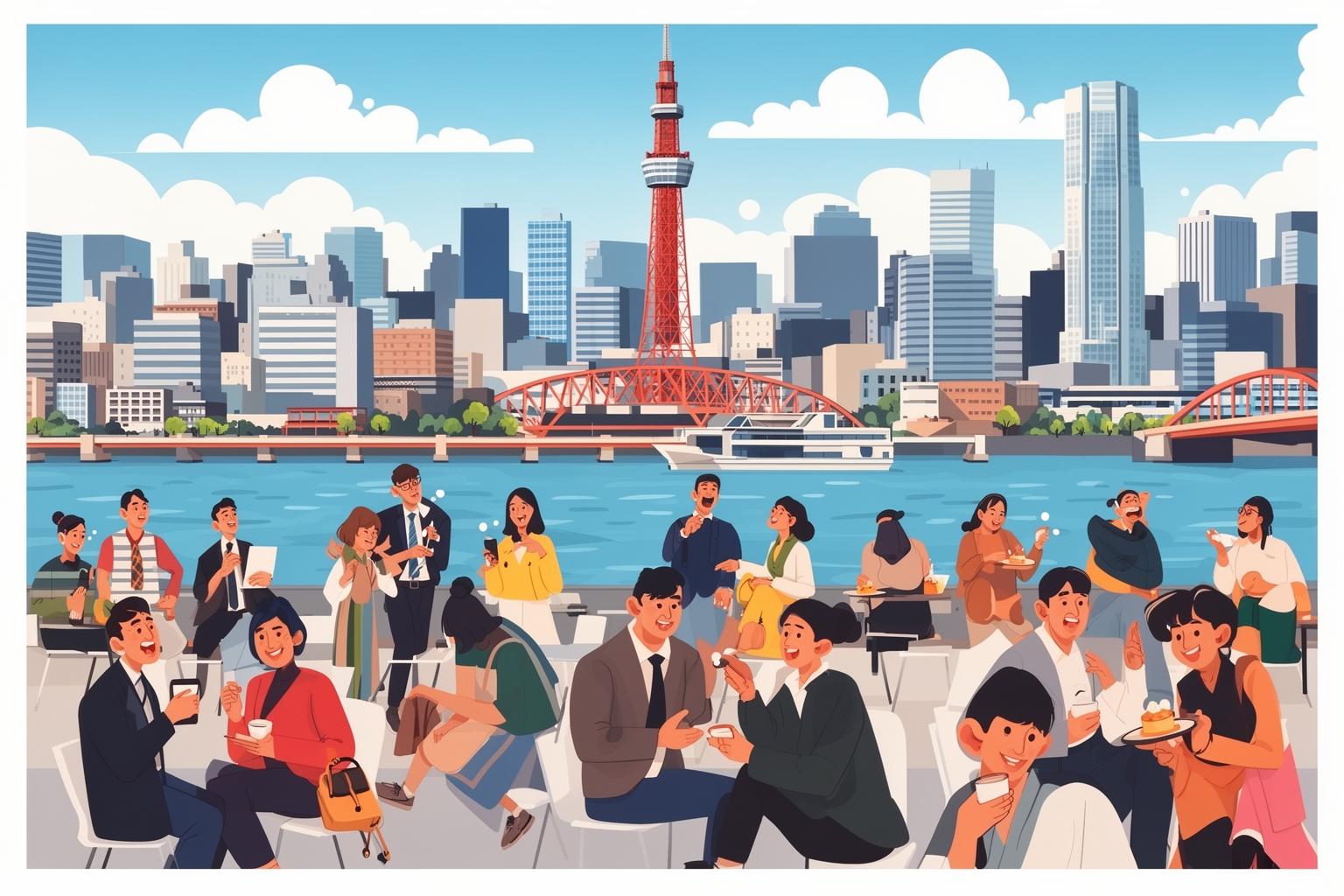
If the story concluded with savvy shopping and budget-friendly meals, the “kechi” stereotype might seem accurate. However, the value-focused mindset also permeates the social realm in intricate and often unexpected ways, creating a social fabric that is practical, straightforward, and, paradoxically, frequently very generous.
‘Ogochansuru’ Culture: The Paradox of Calculated Generosity
This is the greatest contradiction for those who think Osakans are frugal. The very person who carefully calculates their share of a group dinner down to the last yen might, an hour later, exclaim “Koko wa ogoru de!” (This one’s on me!) and generously treat everyone to another round of drinks or dessert. This isn’t hypocrisy; it reflects a distinct social logic.
The precise splitting of a bill, or “warikan,” emphasizes fairness and transparency. It prevents the discomfort of unequal spending and ensures everyone pays their rightful portion. This practical approach addresses a common social issue. Generosity, in contrast, is a separate, intentional gesture. When an Osakan decides to treat others, it’s a purposeful social investment. A senior colleague treats a junior to encourage mentorship and goodwill. A host treats a guest as a deliberate show of hospitality. Friends reciprocate by taking turns treating each other, maintaining an informal, unspoken balance over time.
Unlike the sometimes ambiguous social spending customs elsewhere, generosity in Osaka is typically clear and intentional. The spending serves a defined social purpose. It builds relationships. It conveys respect. It’s not about flaunting wealth; it’s about strategically using resources to reinforce social ties. It’s generosity with purpose, which, from the Osaka perspective, is the cleverest kind.
The Language of the Bargain
One of the most revealing aspects of this culture is how openly prices are discussed. In many Western cultures, and even in Tokyo, asking someone how much they paid for a new coat would be considered rude and intrusive. In Osaka, however, it’s a common and often expected conversation starter. The question “Sore, nanbo shitan?” (How much was that?) isn’t an interrogation of your finances; it’s an invitation to share a story. The expected answer isn’t merely a number, but the story behind it: “You won’t believe it, I found it on sale in Shinsaibashi, and it was the last one in my size!”
Bragging about a bargain is a communal activity. It’s a way of sharing valuable information. If you discover a new supermarket with incredibly cheap and fresh produce, you tell your neighbors. If you find a restaurant with a fantastic lunch special, you tell your coworkers. This ongoing exchange of information acts as a form of social currency. It’s a crowd-sourced, city-wide effort to help everyone live more wisely. By sharing your successes, you add to the community’s collective knowledge and strengthen social bonds. It turns the solitary act of shopping into a shared, collaborative experience.
Practical Takeaways for Living in Osaka
For anyone living in Osaka or considering moving here, adopting this mindset is the quickest way to feel at home. It’s not about being cheap; it’s about learning to appreciate the city through a perspective of value.
Embrace the Hunt
Don’t view shopping as a burden. See it as an adventure. Explore the local shotengai. Chat with the vendors, even if your Japanese is limited. A simple “Kore, oishii?” (Is this delicious?) can spark a conversation. Learn to enjoy the process of comparing, evaluating, and selecting. The city will reward your curiosity with hidden treasures and great deals.
Understand the Compliment
If someone admires your new purchase and immediately asks about the price, don’t take offense. Recognize it as a sign of respect. They aren’t judging how much you spent; they’re admiring your savvy as a shopper. Share the story of your successful find. It’s a way to connect and show that you understand the local language of value.
Find Your ‘Cost-Performance’ Paradise
Ultimately, the charm of Osaka’s value culture is that it allows you to define what “rich living” means on your own terms. It’s not about following trends or buying what’s popular. It’s about creating a life that offers you the greatest satisfaction within your budget. Your goal is to build your personal value map of the city. Discover your favorite ramen shop, your preferred second-hand bookstore, the greengrocer who always greets you with a smile and an omake. Living wisely in Osaka means filling your life with things you’ve actively chosen, things you know are worth every yen spent. It’s a life founded on small, daily victories, bringing a deep and lasting sense of fulfillment.