Step out of the sleek, glass-and-steel canyons of Umeda, and you might think you’ve seen the face of corporate Osaka. The towering buildings, the crisp suits, the quiet hum of global commerce—it all feels familiar, a scene you could find in any major international city. This is the Osaka that shows up in brochures, the polished facade of Japan’s second city. But if you want to understand the city’s heart, its raw, beating, commercial soul, you have to go deeper. You have to head south, into the tangled, low-rise labyrinth of Semba. This isn’t a detour; it’s a journey into a different dimension of work, one that explains more about the Osaka mindset than any skyscraper ever could. Umeda is the manicured trail map handed to visitors, clear and easy to follow. Semba is the worn, unmarked path known only to locals, a place where the real navigation begins. It’s where business isn’t just a job; it’s a living, breathing culture called “shobai,” and understanding it is key to understanding Osaka itself.
Embracing a broader view of Osaka’s vibrant local life, you may also want to explore our tachinomi guide to uncover the dynamic atmosphere of the city’s well-loved standing bar culture.
The Semba DNA: Where “Shobai” is a Way of Life
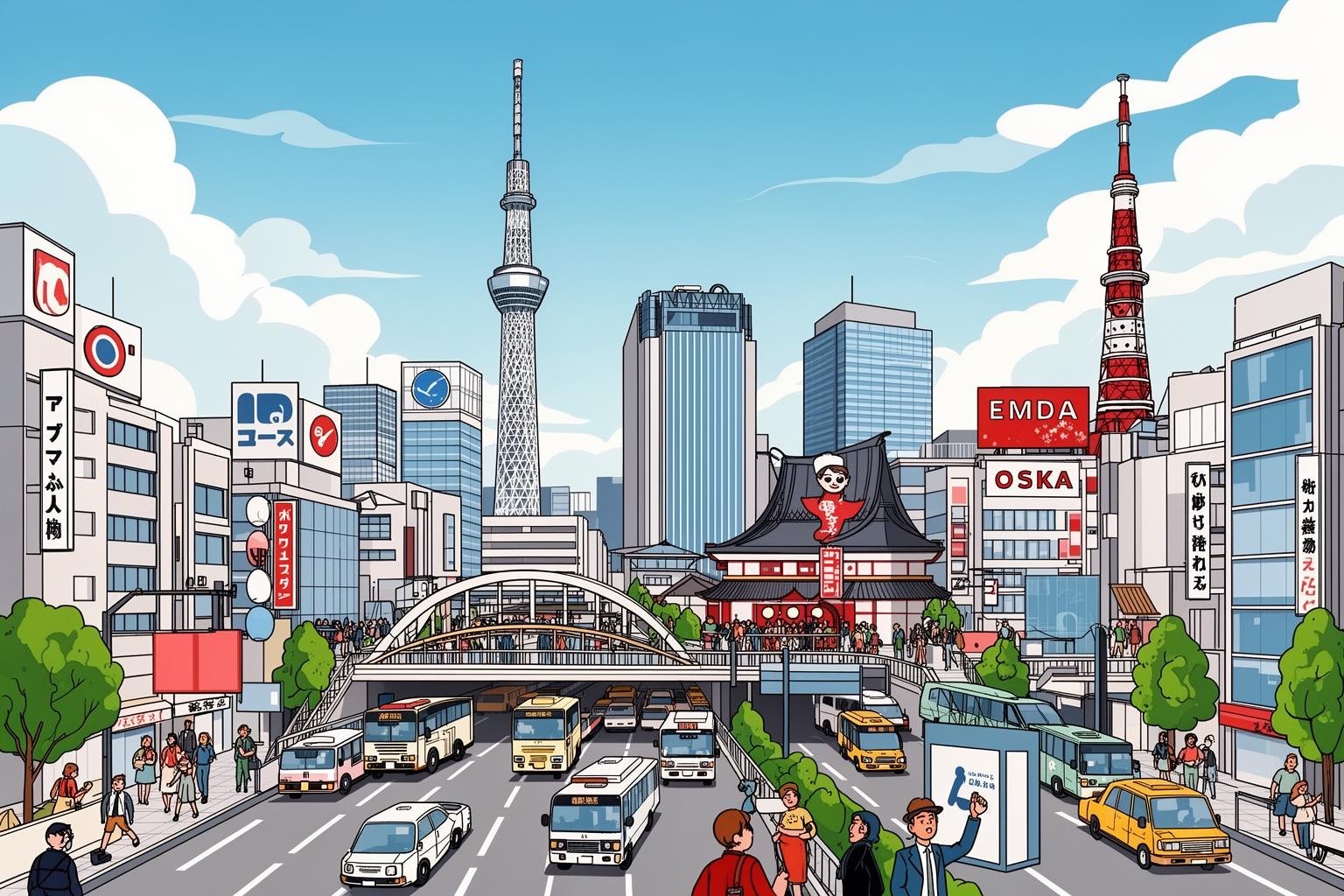
Stroll through the covered shopping arcades and narrow side streets of Semba, and you’ll sense an energy distinctly different from the rest of the city. It’s a place driven by purpose, a district alive with the focused buzz of countless small deals taking place. This is Osaka’s historic merchant quarter, where a unique approach to commerce has been coded into its DNA and sustained for centuries. To outsiders, it may appear chaotic, a remnant of a bygone era. But to insiders, it is a highly refined ecosystem guided by a concept far richer than the English word “business.”
More Than Just Business: The Spirit of “Shobai”
In Tokyo, you engage in “bijinesu” (ビジネス). This English-derived term suggests corporate frameworks, strategic planning, and formal procedures—it’s a system. In Osaka, especially in Semba, you practice “shobai” (商売). This native Japanese term encompasses far more than a mere transaction. It is a craft, a trade, and a way of life. It signifies a personal investment, a relationship between buyer and seller, and an ongoing exchange. Shobai is not about climbing a corporate ladder; it’s about protecting your reputation on the street. It involves building a trust network so strong that a phone call and a nod carry more weight than a hundred-page contract.
A Tokyo meeting might open with a 30-minute PowerPoint presentation outlining market analysis and synergies. In Semba, a meeting might begin with an elderly shop owner asking where you’re from, what your parents did, and what you had for lunch, all while sharing tea. This isn’t mere small talk; it’s a diagnostic exercise. He’s not assessing your proposal yet; he’s evaluating you. Is this person dependable? Do they have staying power? Can I trust their word? In the world of shobai, a person’s character forms the deal’s foundation. The numbers come afterward. This personal-first approach can feel jarring to those accustomed to a more impersonal, data-driven style, but it is the cornerstone of Semba’s durability. Businesses in Umeda might change their name and logo every few years, but in Semba, you will find companies run by the third or fourth generation of the same family, with their name itself serving as their most prized brand.
The Living History of the Wholesale District
Semba’s identity is deeply entwined with its history as a wholesale center—a place where the city’s renowned textiles, medicines, and household goods were traded. It was not a district for the general public but a locale where specialists engaged with other specialists. This heritage remains strong today. The area hosts a dense cluster of experts. You won’t find just a “fabric store” in Semba; instead, you’ll find a tiny, cluttered office trading exclusively in indigo-dyed cotton from a specific region, another sourcing only high-grade lace, and yet another known as the go-to for industrial-strength zippers. This specialization nurtures an almost scholarly expertise in each product. The people here are not salespeople in the modern sense—they are masters of their craft.
The physical surroundings reflect this reality. Forget spacious lobbies and panoramic views. Semba consists of narrow buildings squeezed tightly together, with cramped offices stacked above street-level shops. The air is thick with the scent of old paper, coffee, and textiles. The soundscape is a symphony of ringing landline phones, rattling handcarts, and the distinctive, guttural tone of Osaka-ben as merchants haggle and greet one another across the street. It feels less like an office district and more like a vast, interconnected workshop. This environment compels interaction. You cannot hide in cubicles here. Walls, hallways, and local diners are shared by competitors, suppliers, and customers alike. Everyone knows everyone else, and reputations—good or bad—spread like wildfire. This constant, close-quarters connection is the thread of trust that holds the entire system together.
The Unspoken Rules of the Semba Deal
Navigating the world of Semba involves mastering a new set of rules, many of which are unspoken and often contradict conventional Japanese business etiquette. It’s a practical and refreshingly straightforward culture, yet its subtleties can easily confuse newcomers. This isn’t about memorizing polite expressions; it’s about grasping a fundamentally different approach to communication and negotiation, one focused on speed, clarity, and building long-term relationships.
Direct Talk and the Art of the “No”
One of the first things that surprises outsiders about business discussions in Osaka is the straightforwardness, with Semba as the core of this style. In a Tokyo business meeting, a “no” is usually hidden beneath layers of polite vagueness. You might hear phrases like “That might be a bit difficult” (chotto muzukashii) or “I will take it back and consider it” (mochikaette kentou shimasu), which almost always mean the proposal is effectively rejected. This indirectness serves to maintain harmony and avoid confrontation.
In Semba, however, this approach is seen as a significant waste of time. If an idea is poor or a price is too high, you will be told plainly, often without hesitation. A quick “Akan!” (“No good!” or “Forget it!”) or “Sonna unai hanashi aru ka!” (“You think a deal that good actually exists!?”) may come off as blunt or even rude to those used to more delicate exchanges. Yet in the shobai context, it’s a form of respect. The merchant respects your time by not wasting it with false hope. The assumption is that both parties are professionals focused on getting things done, not avoiding the issue. Clarity takes precedence over comfort. A prompt “no” lets everyone move on or immediately start renegotiating from a more realistic standpoint. This directness isn’t about aggression; it’s about efficiency. In the Semba mindset, true rudeness is wasting someone’s time with unrealistic expectations.
The Handshake is Mightier Than the PowerPoint
In Umeda’s corporate environment, deals are sealed through presentations, spreadsheets, and carefully prepared contracts. In Semba, deals are often finalized over coffee and a handshake. Although formal paperwork eventually follows, the true agreement—the foundation of trust—is made face-to-face. A person’s reputation and word are their bond. Many businesses have maintained relationships for decades, transcending individual employees and passing down through generations. A long-term partner understands your business, recognizes your needs, and will go the extra mile when necessary, something a new supplier found through a sterile procurement process wouldn’t do.
This is where the idea of “kimae” (気前がいい) comes in, roughly meaning being generous or a good sport. A Semba merchant might offer you a better price than requested or include extra stock for free, not out of poor calculation but as an investment in the relationship. It’s a gesture that says, “I value our partnership and want it to last.” This creates a virtuous cycle of mutual obligation and benefit that is far more durable than any legal document. The aim isn’t to win every negotiation but to ensure both sides feel positive about the result, establishing a solid foundation for future shobai. A slick PowerPoint deck may impress, but it won’t build the trust earned through a simple, honest, mutually beneficial handshake.
The “Naniwa no Akindo” Mindset
The iconic figure in this world is the “Naniwa no Akindo” (なにわの商人), the traditional Osaka merchant. This archetype embodies a strong duality: they are extremely careful with money but recognize the importance of strategic generosity. They live by the principle “shimalu toko wa shimaru” (締まるとこは締まる), meaning “to be tight where it counts.” They haggle intensely over a few yen on unit costs, carefully calculating margins. They detest waste and inefficiency and expect you to be well-prepared on pricing.
Yet this frugality is not mere stinginess. It’s a strategic allocation of resources. The same merchant who battled fiercely over pennies will, once the deal is done, take you out for an extravagant meal and cover the entire bill without hesitation. This isn’t contradictory; it’s a tactic. Money spent on goods impacts their livelihood and competitiveness, while money spent on dinner is an investment in relationships—their most valuable long-term asset. Understanding this dual nature is essential. They’re not cheap; they’re extremely strategic. They save on the business side to spend on the people side. This pragmatism—the ability to focus tightly on cost details while also seeing the broader scope of a multi-year partnership—defines the genius of the Naniwa no Akindo.
A Day in the Life: Semba’s Rhythms
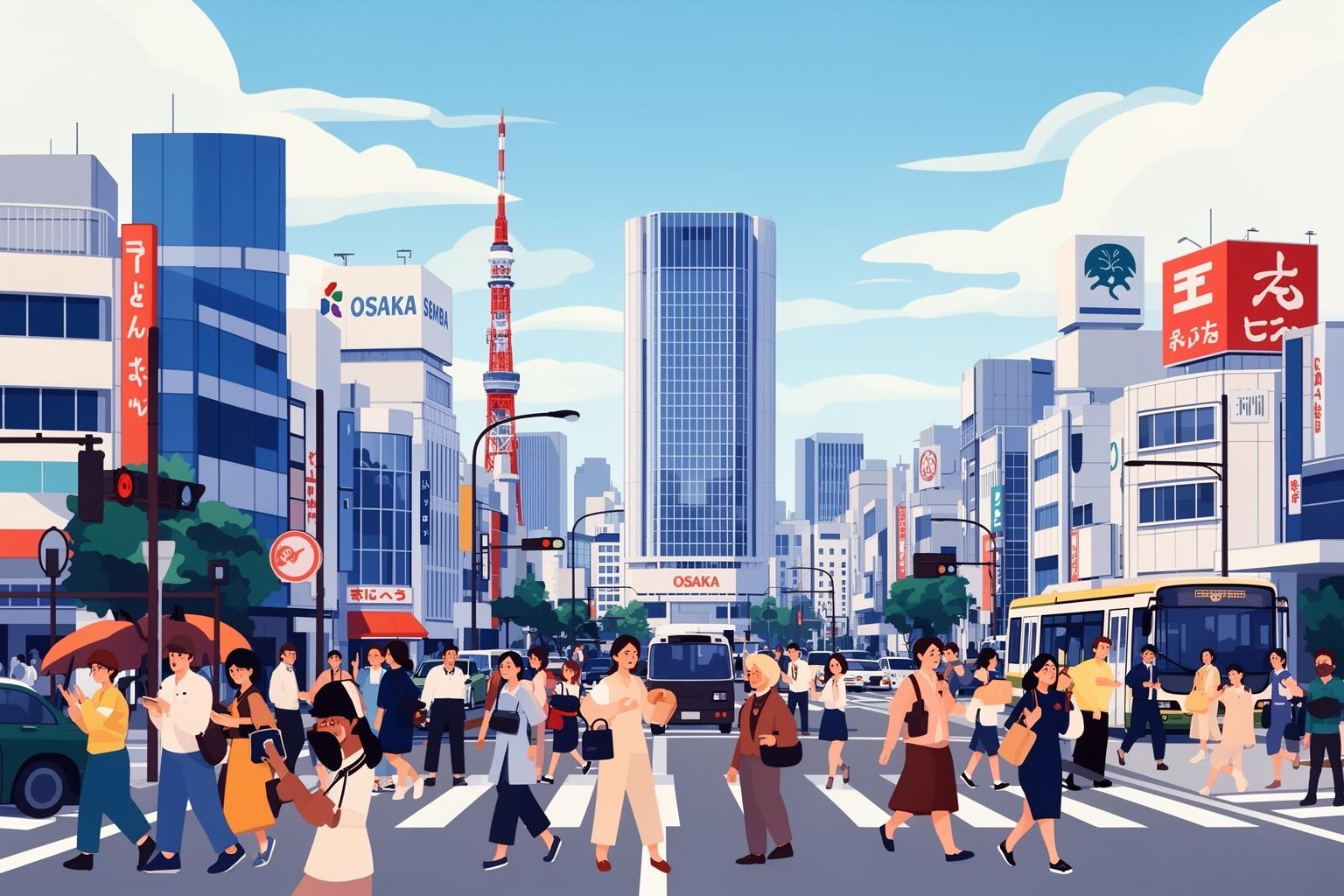
The work culture of a place is reflected not just in its deals, but in its daily rhythms—the flow of its mornings, the pace of its lunches, and the character of its evenings. The daily life of Semba functions like a well-oiled machine, refined over generations to maximize efficiency and connectivity. It runs on a different schedule from the 9-to-5, email-driven world of a modern office park. This rhythm is deeply human, fueled by coffee, conversation, and a shared sense of purpose.
The Morning Rush and the Kissaten Meeting
Semba wakes early. Long before office workers in Umeda swipe their keycards, the streets of Semba are already alive. Delivery trucks navigate narrow lanes, shop shutters clatter open, and the first wave of merchants is on the move. There’s an urgency in the morning here, a feeling that the day’s business is already underway. Yet, the true heart of this morning activity is not in offices but in the countless “kissaten,” the old-fashioned coffee shops dotting every corner. These are not trendy cafes with laptops; they serve as the district’s unofficial boardrooms.
Step inside one and you’ll find groups of older men in work jackets gathered around small tables, speaking in hushed but intense tones, enveloped in clouds of cigarette smoke. They drink siphon coffee and eat “morning sets” of thick toast and boiled eggs. This is where information is exchanged, new products are discussed, and deals are set in motion. The “master” of the kissaten often acts as a central node in the information network, greeting everyone by name and discreetly observing the business flow. A casual chat at the coffee counter can be more productive than a week’s worth of formal emails. This is relationship-building at its purest, a daily ritual that strengthens community bonds before the formal workday even begins.
Lunchtime: Fast, Cheap, and Delicious (“Hayai, Yasui, Umai”)
Lunch in Semba is not a formal occasion; it’s a pit stop. The philosophy is famously summed up by the Osaka mantra: “hayai, yasui, umai” (fast, cheap, and delicious). The district is packed with small, no-frills eateries built for rapid turnover. You’ll find curry rice stands where you’re in and out within ten minutes, udon shops where the dominant soundtrack is the sound of slurping noodles, and tiny restaurants serving a single, perfectly executed set meal. Long, leisurely business lunches don’t exist here. Time is money, and an hour away from the phone is an hour lost.
This sharply contrasts with lunch culture in business districts like Marunouchi in Tokyo, where formal lunch meetings are an important part of the process. In Semba, key conversations have already occurred at the morning kissaten or will take place over drinks in the evening. Lunch is simply for refueling. Value is paramount. A 500-yen bowl of kitsune udon is judged not only by its price but also by the quality of the dashi broth and the noodles’ texture. The merchants of Semba demand the same value for money from their lunch as their customers expect from their products. This reflects the district’s core pragmatism: do the job, do it well, and don’t waste time or money.
The After-Hours Ritual
Just as the day begins early, it often ends late—but the work doesn’t stop; it transforms. As shops close, the action shifts to local “tachinomi” (standing bars) and izakayas tucked into side alleys. Here begins the second, more informal shift of the Semba workday. Sharing a beer and small plates with a supplier or client is not just social; it’s a vital part of the business ecosystem.
This is where the directness of daytime conversation softens. With a drink in hand, people speak more freely. Here, you might hear about a competitor in trouble, learn of a new opportunity before it goes public, or receive honest feedback on a recent deal. The strict roles of buyer and seller blur, and deeper personal connections form. It is in these moments that the strongest layers of trust are established. Frequently declining such invitations can signal that you’re not serious about forging a real, lasting partnership. For the people of Semba, business isn’t confined to office hours—it’s woven into the social fabric, embedded in daily rituals of coffee, lunch, and after-work drinks. It’s a 24/7 commitment to the shobai way of life.
What Foreigners Often Misunderstand
For those coming from a different business culture, particularly a Western one or even a typical Tokyo environment, Semba can be quite confusing. Its practices may appear outdated, its communication style harsh, and its reasoning unclear. These first impressions often cause fundamental misunderstandings that hinder newcomers from truly engaging with and thriving in this distinctive setting. Overcoming these challenges requires looking beyond appearances and grasping the ‘why’ behind the ‘what.’
“They Seem Aggressive, Not Friendly”
The most frequent misconception is that the straightforward communication style of Semba merchants comes across as aggression or rudeness. The absence of honorifics (keigo), the swift rejections, and the intense bargaining can feel like a personal affront to someone accustomed to a gentler approach. However, this view confuses directness with hostility. In Semba, such communication represents a high level of professional respect. They treat you as an equal, a fellow professional capable of handling the unvarnished truth. Their goal is not to make you comfortable but to conduct business. The real challenge lies not in the first exchange, but in how you react. If you falter or take offense, you signal that you might not be suited for the fast-paced, high-pressure shobai environment. Conversely, if you hold your ground, respond with a logical counter, and demonstrate seriousness and expertise, you will earn their respect. The bluntness serves as a filter, designed to weed out the uncommitted and identify those genuinely ready to do business. Once you pass this test, you often find these “aggressive” merchants to be deeply loyal and supportive partners.
“It’s So Old-Fashioned and Inefficient”
Observing the cluttered offices, reliance on landline phones and fax machines, and paper-based ledgers, it’s easy to write off Semba as a technological relic, seemingly inefficient compared to a modern, digitized corporation. This is a classic example of missing the bigger picture. Semba’s efficiency doesn’t lie in its tools but in its network. What looks like disorder is actually a highly streamlined system for moving goods and information. A Semba merchant can achieve with three five-minute phone calls what a corporate manager might take two weeks and a dozen emails to do. Decades of personal relationships and deep expertise are condensed into a single conversation. Need a particular type of button from a factory in Fukui by tomorrow? A seasoned Semba merchant knows exactly who to call, what to say, and at what price. There are no procurement forms, no multiple-bidder processes, no approval chains. The system operates on trust, which is the most effective lubricant for commerce ever devised. The technology may be analog, but the outcomes are often faster and more adaptable than any digital procedure. It’s like the difference between a high-tech GPS stuck in traffic and an old cab driver who knows all the shortcuts to get you there quicker.
“Is Haggling Always Expected?”
Osaka merchants’ reputation as relentless negotiators can lead to the mistaken notion that every price is negotiable and open to steep discounts. Foreigners sometimes approach negotiations like a tourist market, aiming to cut prices dramatically. This is a crucial mistake. Negotiation in Semba is not about outwitting the other party; it’s a refined discussion about value. The initial price is a starting point, a proposal. Your counteroffer is not merely a lower figure; it expresses your understanding of the market, product quality, and your own position. Haggling is expected, but it must be informed. You need a rationale for your price. “Because I want it cheaper” isn’t a reason. “Because your competitor offers a similar product at this price,” or “Because at this volume, the unit cost should be lower,” provide valid grounds for genuine discussion. The aim is not to “win” by beating the other side but to agree on a price both consider fair. A good deal leaves everyone feeling respected and ready to do business again tomorrow. It’s a dance, not a battle.
Semba vs. Umeda: Two Sides of Osaka’s Coin
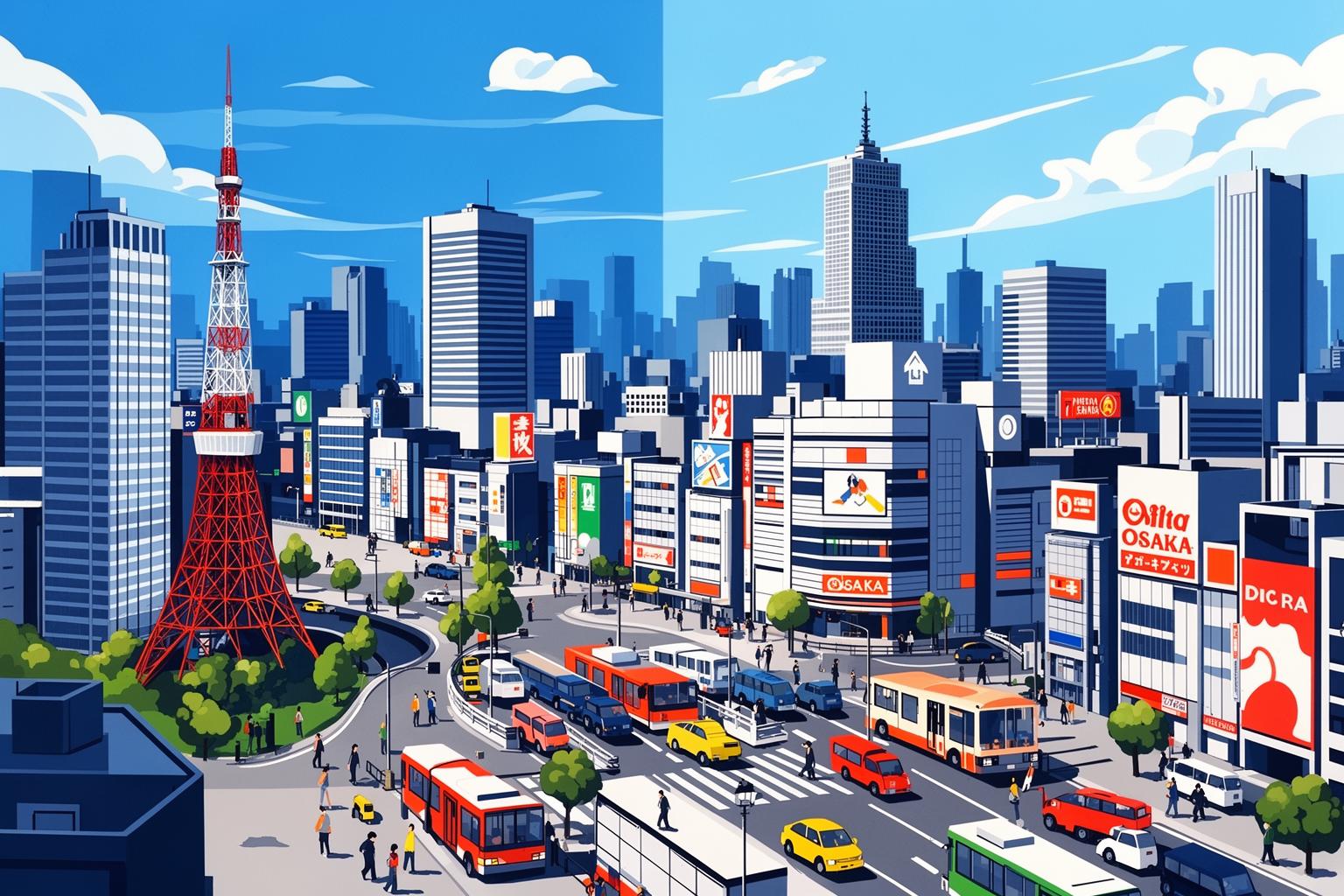
To truly understand the working soul of Osaka, you need to hold the images of Umeda and Semba in your mind simultaneously. They aren’t rivals; rather, they are two essential and complementary aspects of a whole. They embody the duality of a city that is both a global metropolis and a fiercely local enclave of merchants.
Umeda is the face Osaka shows to the world. It’s where multinational corporations have their Japanese headquarters, where the bullet train from Tokyo arrives, and where business is commonly conducted in standardized Japanese or English. It represents logic, process, and global best practices. The currency here is the presentation, the quarterly report, the strategic alignment. It is a necessary and vital part of Osaka’s economy, linking the city to broader international trade networks. Umeda is the wide, paved, well-signposted highway.
Semba, by contrast, is the city’s heart. It’s the engine room that has driven Osaka’s commercial spirit for centuries. It’s where business is carried out in pure, unfiltered Osaka-ben, where deals are forged on generations of trust, and where the rules follow the unshakeable logic of profit and loss. Its currency is reputation, relationships, and an encyclopedic knowledge of a specific trade. Semba embodies the pragmatism, resilience, and keen commercial instinct associated with the Osakan character. It is the network of hidden trails, shortcuts, and secret paths that get you where you need to go with an efficiency no map can capture.
Living and working in Osaka means learning to navigate both worlds. Umeda may be where your office is, but Semba is where you truly learn how the city thinks. It teaches you that business is more than a balance sheet, that a deal is more than a contract, and that the most powerful technology in commerce will always be human relationships. Understanding Semba is understanding that in Osaka, business is never just business. It is, and always has been, shobai.