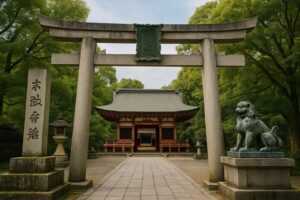
Welcome, traveler, to a story whispered on the banks of the Okawa River, a narrative that flows from the stone ramparts of a legendary castle to the welcoming doorways of modern kitchens. This is the tale of Temmabashi, a district that serves as more than just a station on a map; it is the very heart of Osaka’s historical grandeur, a place where the echoes of shoguns and merchants still resonate in the air. Standing here, you feel the city’s pulse, a rhythm compounded of centuries. It’s a nexus point, a bridge—both literally and figuratively—connecting Osaka’s feudal past with its dynamic, global present. But for the discerning global traveler, especially for our Muslim friends journeying through this incredible land, the question often arises: amidst this tapestry of history and modernity, where can one find a meal that nourishes both body and soul, a meal prepared with respect for Halal principles? The answer, you will be delighted to find, is unfolding right here, a short, scenic walk from the bustling platforms of Temmabashi Station. Osaka’s renowned spirit of kuidaore—to eat oneself into ruin—is a generous, expansive concept, and today, it is joyfully making room for everyone at the table. This guide is your invitation to discover that burgeoning scene, to explore the Halal-friendly gems tucked away in the shadow of Osaka Castle, proving that this ancient city’s hospitality knows no bounds. It’s a journey into flavor, faith, and the beautiful confluence where Japanese omotenashi meets global culture.
To further explore the deep history of this area, consider visiting the nearby Naniwa-no-Miya Palace ruins, which offer a glimpse into Osaka’s ancient imperial past.
The Resonant Soul of a City: Understanding Temmabashi

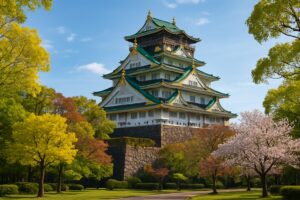
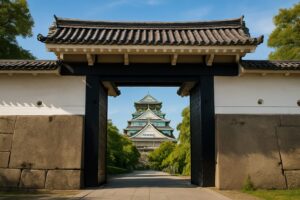
To truly savor the food you discover here, you must first grasp the significance of the ground beneath your feet. Temmabashi is more than just a name; it is a story of Osaka’s ascent. The name itself means “Temma Bridge,” a historic crossing over the Okawa River, which was the city’s lifeblood. For centuries, this river served as a commercial superhighway, transporting rice, textiles, and treasures from across Japan to the warehouses lining its banks. The area prospered under the watchful eye of Osaka Castle, the monumental fortress originally built by the great unifier Toyotomi Hideyoshi in the late 16th century. This was the political and military heart of power, and where power gathers, commerce and culture inevitably thrive. The district grew into a bustling center, filled with samurai residences, artisan workshops, and the grand homes of influential merchants who financed the nation. Imagine the sounds: the rhythmic chant of boatmen poling their barges, the clang of a blacksmith’s hammer, the rustle of silk in a merchant’s shop. This history lives beyond museums; it fills the very air. As you walk from the station toward the castle, you tread paths once traveled by feudal lords and their devoted retainers. The imposing granite walls of the castle grounds, expertly fitted together without mortar, stand as a tribute to the immense power and ambition that shaped the city. Their scale is meant to inspire awe, a reminder that this was the center of a universe.
Today, that historic legacy is balanced by vibrant modernity. The area around Temmabashi Station is an intriguing mix of old and new. Sleek office towers housing government offices and corporate headquarters rise alongside quiet residential streets where life proceeds at a gentler pace. The river no longer hosts rice barges but is now graced by elegant water buses like the Aqua-Liner, offering panoramic views of the skyline. The parks lining the riverbanks provide an urban oasis, a space for quiet reflection, morning runs, and most spectacularly, for celebrating the fleeting beauty of cherry blossoms in spring. In early April, the riverside bursts into a breathtaking cloud of pale pink, drawing thousands for hanami picnics. This is the modern Temmabashi: a place of business, leisure, historical reflection, and profound natural beauty. It is this unique blend of activity—tourists visiting the castle, office workers heading out for lunch, and residents enjoying their neighborhood—that has fostered the perfect environment for a diverse and inclusive culinary scene to flourish. The demand from a global audience meets the passion of dedicated chefs, creating a delicious new chapter in Temmabashi’s long and rich history.
A Culinary Welcome: The Rise of Halal-Friendly Dining
For many Muslim travelers in Japan, finding Halal food can sometimes feel like a challenging journey. It demands careful effort, research, and a certain level of trust. Yet, the situation is evolving rapidly and positively, fueled by Japan’s long-standing tradition of omotenashi, or wholehearted hospitality. This spirit goes beyond good service; it involves anticipating guests’ needs and ensuring their comfort and reassurance. As Japan welcomes increasing numbers of visitors worldwide, this philosophy has naturally expanded to include diverse dietary needs, with Halal being a significant focus. In a food-centric city like Osaka, this challenge has been met with creativity and respect. Chefs and restaurateurs are learning, adapting, and innovating to warmly welcome Muslim diners with delicious, worry-free meals.
It is important to clarify what “Halal-friendly” usually means in the Japanese context. While some places hold full Halal certification from recognized Islamic authorities, many others identify as “Halal-friendly” or “Muslim-friendly” based on their own standards. This generally indicates a sincere commitment to catering to Muslim diners’ requirements, even without official certification. Measures often include using only Halal-certified meat and poultry, avoiding pork or pork-derived ingredients entirely, excluding alcohol (such as mirin or cooking sake) from recipes, and sometimes maintaining separate cooking utensils and cutlery to prevent cross-contamination. Many of these establishments are operated by Muslims themselves, who bring inherent knowledge of these principles to their work. Others are run by Japanese chefs who have thoroughly studied Halal guidelines and frequently collaborate with local mosques and Muslim community leaders to ensure proper adherence. The outcome is a variety of options, but the core intention remains one of hospitality and respect. This growing scene in Temmabashi mirrors Osaka’s character: practical, generous, and deeply committed to the pleasure of a great meal. It is a prime location where the influx of international visitors from the nearby castle meets the openness of local business owners, creating a sanctuary of Halal hospitality.
Flavors of the World: A Tour of Temmabashi’s Halal Havens
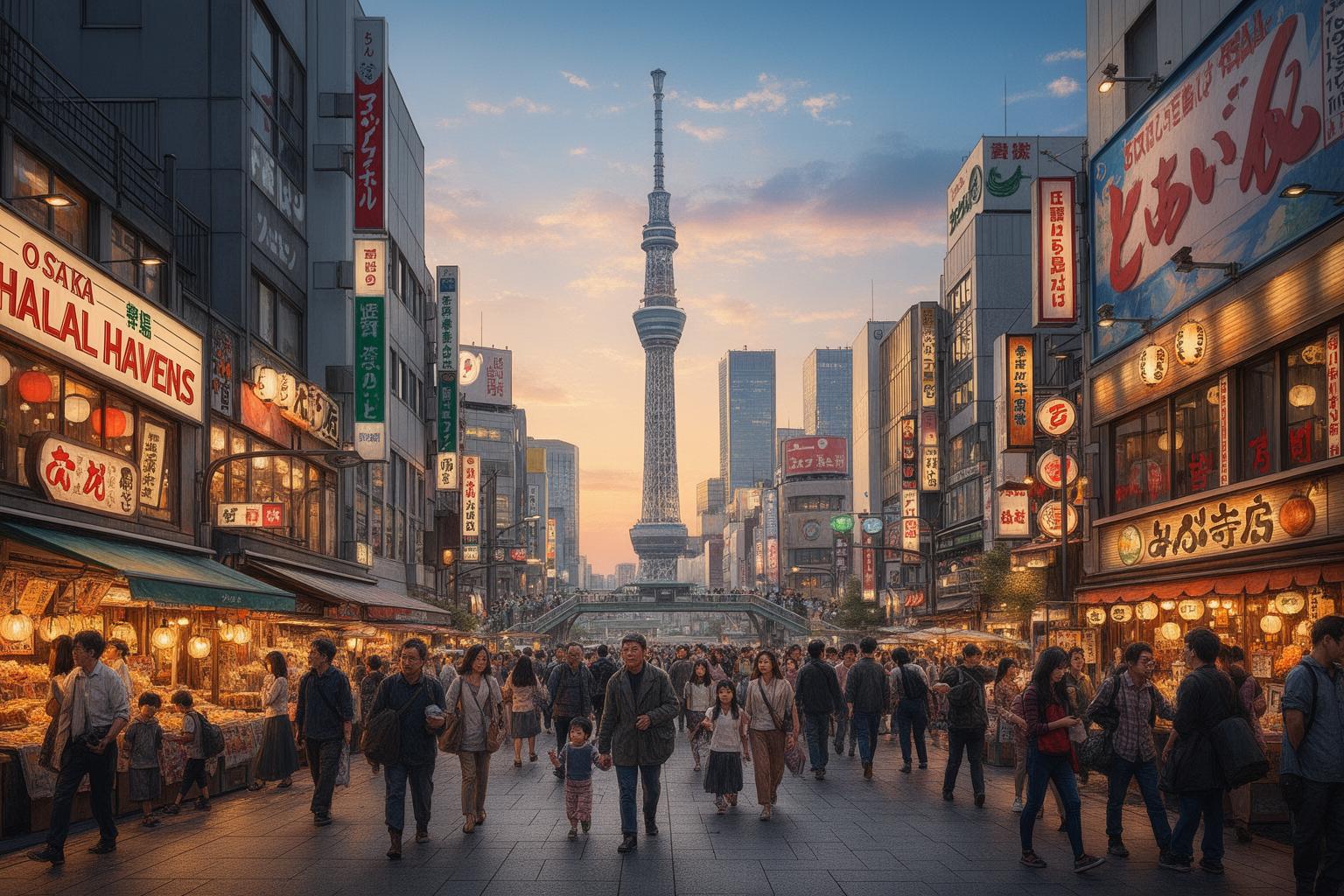
Take a stroll through the streets around Temmabashi, and you’ll uncover a world of inviting aromas. In this area, the culinary offerings stretch far beyond Japan, presenting authentic flavors from distant lands, all carefully prepared in accordance with Halal principles.
The Warmth of the Subcontinent: A South Asian Spice Haven
Imagine turning off a busy main road into a quieter, cozier side street. The air shifts, filled suddenly with the rich scent of toasted spices—cumin, coriander, cardamom, and turmeric. You’ve arrived at a sanctuary of South Asian cuisine, a place that feels like a warm embrace from the moment you enter. The decor often features intricate tapestries, soft golden lighting, and the gentle melodies of sitar music, creating an immersive atmosphere. These restaurants, often family-run by those from Pakistan, India, or Bangladesh, stand as pillars of the Halal community.
Their dedication is absolute. Menus boldly declare that all meat is 100% Halal, sourced exclusively from trusted, certified butchers. The staff, well-versed in Islamic dietary laws, readily answer any questions with confidence and clarity. Often, a small, spotless prayer area is tucked away in a quiet corner, a thoughtful detail reflecting their deep respect for their patrons’ needs. This experience goes beyond food; it’s about offering a space of comfort, community, and peace of mind.
And the food? It is a vibrant symphony of flavors. Naan arrives at your table fluffy and piping hot from the tandoor, its surface shimmering with melted ghee or speckled with fragrant garlic. The biryani is a masterpiece of slow-cooked perfection, each grain of basmati rice infused with saffron and spices, concealing tender, fall-off-the-bone lamb or chicken. You might savor daal makhani, a creamy black lentil stew simmered for hours to reach silky richness, or paneer butter masala, featuring soft cubes of fresh cheese swimming in a rich, tangy tomato and cream sauce. Every dish honors generations of culinary tradition, crafted with love and strict adherence to Halal standards. A local tip: visit on a weekday lunchtime. Many spots offer excellent-value lunch sets, or thali, presenting a wonderful variety of curries, rice, naan, and salad for a generous flavor journey at a modest price.
Echoes of the Bosphorus: An Anatolian Feast by the River
Walk closer to the Okawa River, and you may stumble upon another culinary gateway, this time to the vibrant soul of Turkey. Turkish restaurants burst with warm hospitality. Their décor instantly transports you, with colorful mosaic lamps casting jewel-toned light across the room, handwoven kilim rugs adding cozy texture underfoot, and walls adorned with images of Istanbul’s iconic skyline. The air carries the enticing aroma of grilling meats and baking bread—an irresistible invitation.
Here, Halal commitment is woven into the fabric of the cuisine. The proprietors, often Turkish natives, bring the culinary traditions of their homeland alongside its ingrained Halal principles. With pride, they explain how their kebabs are made from the finest Halal lamb and chicken, marinated in yogurt, herbs, and spices, then grilled over charcoal to smoky tenderness. Must-tries include the Adana kebab, with its spicy kick, or the mild, yogurt-marinated Shish Tavuk. Beyond the grill, a world of delights awaits. The meze platter offers a vibrant array of small dishes—creamy hummus, smoky baba ghanoush, tangy ezme salad, stuffed vine leaves—all paired with fresh, warm pide bread. For the main course, consider a hearty stew or lahmacun, a thin Turkish-style pizza topped with minced meat and herbs. No Turkish meal is complete without dessert: indulge in flaky, honey-soaked baklava or the comforting sweetness of sutlac, traditional rice pudding. For a truly special experience, try to reserve a window seat in the evening. As you dine, watch Osaka’s city lights shimmer and reflect on the calm Okawa River—a magical setting for an unforgettable meal.
The Japanese Heart, Reimagined: Washoku with a Halal Spirit
Possibly the most exciting evolution in Osaka’s Halal scene is the rise of Japanese restaurants that have thoughtfully adapted traditional washoku cuisine to be entirely Halal-friendly. This is a notable achievement, as classic Japanese cooking often uses ingredients like mirin (sweet rice wine) and soy sauces that may contain alcohol. Finding a place that has overcome these challenges feels like discovering a rare treasure.
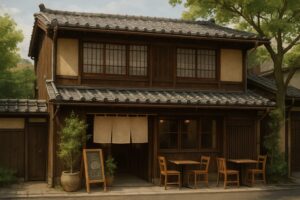
The ambiance here is often one of serene, minimalist beauty: clean lines, natural wood, soft indirect lighting, and a tranquil atmosphere designed to focus the diner on the food’s pure flavors. The innovation lies not in altering the soul of Japanese cuisine, but in creatively upholding its essence while strictly following Halal guidelines. Chefs at these pioneering venues have mastered substitutions. To replicate mirin’s complex umami and sweetness, they craft unique syrups from fruit extracts and sugar. Their dashi stock, fundamental to Japanese cooking, becomes a pure umami blend made from kombu seaweed, dried shiitake mushrooms, and bonito flakes, with no alcohol-based additives. They collaborate with specialty suppliers to source Halal-certified wagyu beef, allowing Muslim diners to savor the legendary melt-in-your-mouth texture of this prized delicacy. Halal-certified soy sauce and miso paste ensure every ingredient complies with dietary laws.
Here, you can truly experience the full spectrum of Japanese cuisine. Picture savoring a bowl of ramen with a rich, cloudy chicken-based paitan broth, simmered for hours to coax out every nuance, topped with tender chicken chashu and a perfectly soft-boiled egg. Imagine delicate tempura with batter light and crisp as air, highlighting the natural sweetness of shrimp and seasonal vegetables, fried in fresh oil in a dedicated fryer. You might enjoy classic chicken teriyaki featuring a glossy, savory-sweet sauce made entirely without sake or mirin. Even sushi and sashimi are served with utmost care, celebrating seafood’s pristine freshness. A helpful tip: while many offer a la carte menus, some of their most exclusive Halal dishes—like multi-course kaiseki tasting menus—often require a reservation one or two days ahead. This allows chefs to source the freshest ingredients and prepare your meal with the focused attention it deserves. A simple phone call is a small step toward what promises to be an extraordinary culinary journey.
Beyond the Meal: Immersing Yourself in the Temmabashi Experience
A visit to Temmabashi offers a holistic experience, where a delightful meal serves as the centerpiece of a broader cultural exploration. After satisfying your hunger, take time to uplift your spirit by exploring the remarkable historical and natural beauty surrounding you. This area is a treasure trove of experiences waiting to be uncovered.
The Timeless Majesty of Osaka Castle
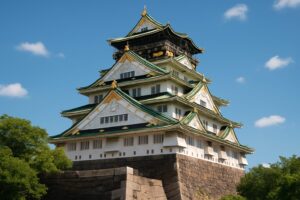
No visit to this district is complete without seeing the magnificent Osaka Castle. It stands as the city’s undisputed icon, symbolizing power, resilience, and beauty. The best way to approach it is leisurely. Start with a walk through the expansive Osaka Castle Park that encircles the castle. The park is a destination in itself, featuring wide lawns, exquisite gardens, and the impressive moats and stone walls that form the castle’s outer defenses. As you draw nearer, the sheer scale of the fortress is awe-inspiring. The main tower, or tenshukaku, is a beautifully reconstructed version of the original, with white walls, green-tiled roofs, and dazzling gold accents that sparkle in the sunlight. Inside, the tower houses an intriguing museum that chronicles the castle’s tumultuous past and the life of its founder, Toyotomi Hideyoshi. Climb to the observation deck on the top floor for a stunning reward: a 360-degree panoramic view of Osaka. From there, you can see the city sprawling around you, from the modern skyscrapers of Umeda to the distant mountains framing the city. This vantage point connects you to the feudal lords who once stood in this very spot, surveying their domain. To make the most of your visit, try to arrive early in the morning, soon after opening. You’ll be able to enjoy the grounds and museum in relative quiet before larger tour groups arrive, providing a more thoughtful and personal experience.
The Gentle Flow of the Okawa River
The Okawa River lies at the heart of Temmabashi, and experiencing it is a must. There are several ways to enjoy it. For a relaxing and scenic ride, consider taking a cruise on the Aqua-Liner. This futuristic, glass-roofed boat glides along the water, offering a unique view of the city. You’ll pass beneath historic bridges, see the Nakanoshima Rose Garden, and get a beautiful view of Osaka Castle from the river. The cruise is a perfect way to rest your feet while still taking in the sights, with commentary adding interesting context to the landmarks you encounter. Alternatively, enjoy a peaceful walk along the riverside promenades of Kema Sakuranomiya Park. This long and picturesque park stretches for several kilometers along the riverbank, lined with thousands of cherry trees. During spring’s sakura season, it’s arguably the most beautiful spot in the entire city, forming a tunnel of blossoms. However, it’s lovely year-round, offering a green and tranquil retreat from the city’s hustle and bustle. In summer, the area becomes the vibrant center for one of Japan’s greatest festivals, the Tenjin Matsuri. The festival culminates in a stunning procession of decorated festival boats on the river, followed by a spectacular fireworks display—a lively and unforgettable celebration of Osaka’s spirit.
Essential Advice for the Thoughtful Traveler
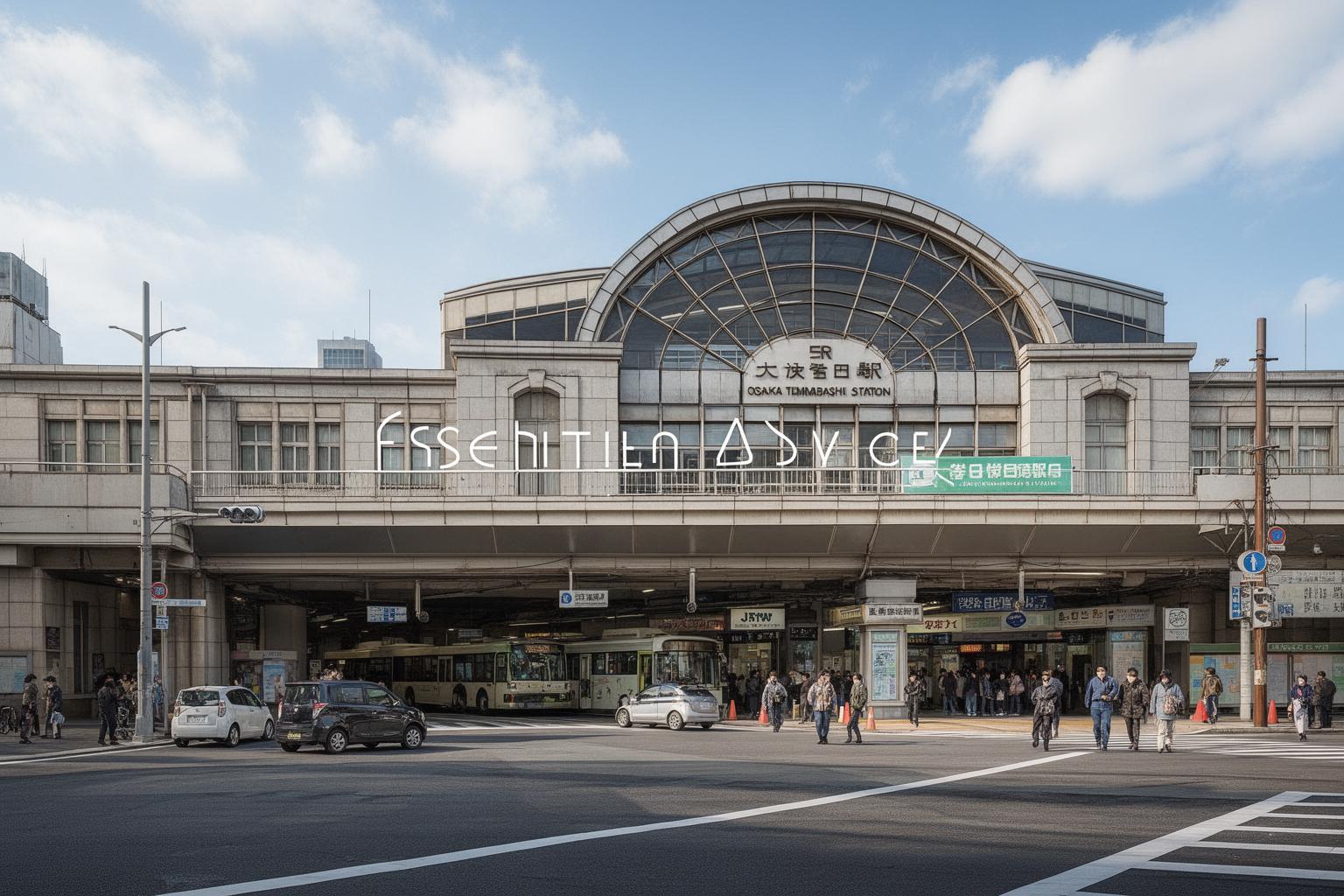
Exploring a new city can be an exciting adventure, and a bit of preparation can help make the experience smoother and more enjoyable. Here are some practical tips for your visit to the Temmabashi area.
Getting Around with Ease
Temmabashi Station is exceptionally well-connected, making it an excellent base for exploration. It serves two main subway and train lines. The Osaka Metro Tanimachi Line (the purple line) runs north-south, offering easy access to neighborhoods like Umeda in the north and Tennoji in the south. The Keihan Main Line, a private railway, is perfect for day trips, linking Osaka directly with the cultural heart of Kyoto. When you arrive at the station, take a moment to check the station maps. Exits are clearly numbered and labeled in English. Generally, the north side exits lead toward the Okawa River and the Japan Mint, while the south side exits head directly to Osaka Castle Park.
Bridging Cultures Through Communication
Although English signage is common in major tourist areas and many restaurant staff speak some English, learning a few key Japanese phrases can greatly enhance your interactions and demonstrate respect for the local culture. A simple “Konnichiwa” (Hello) or “Arigato gozaimasu” (Thank you very much) is always appreciated. For dining, a useful phrase is “Kore wa Halal desu ka?” (Is this Halal?). You can point to a menu item or product when asking. Don’t hesitate to use a translation app on your phone; they are extremely helpful and widely accepted. Above all, remember that a smile and polite, patient demeanor are a universal language. The people of Osaka are known for being particularly friendly and outgoing, and they will almost always do their best to assist you.
A Moment for Prayer
For Muslim travelers, finding a quiet and clean space for daily prayers is essential. While dedicated public prayer rooms are not yet common in Osaka, the situation is improving. Some Halal-friendly restaurants in the Temmabashi area may offer a small, private space if you ask politely. For a dedicated and welcoming community space, the Osaka Masjid (Osaka Central Mosque) is the city’s main mosque. It’s not located directly in the Temmabashi area, but is easily reachable via the Osaka Metro. Visiting can be a wonderful way to connect with the local Muslim community, who often provide valuable information and recommendations for other Halal spots around the city. Planning your day around prayer times and knowing the nearest mosque location can bring a great sense of peace and organization to your travels.
A Confluence of Cultures in the Heart of Osaka
Temmabashi is far more than just a point on a transit map or a simple entrance to a renowned castle. It stands as a living, breathing tribute to Osaka’s extraordinary ability to respect its deep-rooted history while embracing the vibrant diversity of the world. This is a place of convergence, where the ancient waters of the Okawa River meet the dynamic energy of a modern global city, and where the enduring Japanese spirit of hospitality offers a genuine and thoughtful welcome to travelers of all faiths and backgrounds. The emergence of Halal-friendly dining in this historic area is not simply a passing trend; it embodies that heartfelt welcome. It reflects a city that is attentive, adaptable, and committed to ensuring that everyone who visits can share in its greatest pleasure: enjoying a delicious meal together. So come, stroll these historic streets. Let the majesty of the castle inspire you, the calmness of the river soothe you, and the remarkable flavors you find here connect you to the warm, vibrant heart of Osaka. Your adventure awaits.