
You push your cart past the vibrant pyramids of produce, the immaculate rows of seafood shimmering on ice, and the endless aisles of snacks with packaging so loud it practically screams. But then you arrive. You’ve reached the heart of the Japanese supermarket, a sprawling, steaming, sizzling landscape of prepared foods known as the souzai (惣菜) section. It’s a sensory overload in the best possible way—the sweet and savory scent of teriyaki sauce, the sharp tang of pickling vinegar, the comforting aroma of fried chicken and dashi-simmered vegetables. For a newcomer, this section can feel like an indecipherable culinary labyrinth. For an Osakan, it’s not just a convenience; it’s a way of life. It’s the engine room of the city’s famous food culture, the place where the spirit of kuidaore—eating until you drop—comes home for dinner. This isn’t about fancy takeout. This is the daily fuel of a pragmatic, food-obsessed metropolis. To understand the rhythm of life in Osaka, to really get a feel for how this city ticks, you have to learn to navigate the glorious, organized chaos of the prepared foods aisle.
To truly grasp this spirit, you can also explore how the city’s vibrant shotengai shopping streets reveal the authentic soul of Osaka.
The Philosophy of Souzai: More Than Just a Meal

Before you even pick up a pair of tongs, it’s essential to grasp the mindset driving this entire section of the store. In Tokyo, the equivalent section in a high-end department store basement, the depachika, often feels like a curated gallery of gourmet art—beautiful, expensive, and designed to impress. The Osaka supermarket souzai corner, however, operates on a different, more fundamental principle. It’s less about presentation and more about performance: delivering maximum flavor and satisfaction at a reasonable price, allowing local residents to maintain their exceptionally high culinary standards even on a tired Tuesday night after work. This isn’t a compromise; it’s a strategy.
Ken’yaku, Not Kechi: The Art of Smart Frugality
There’s a common stereotype that people from Osaka are cheap, or kechi (ケチ). This is a fundamental misunderstanding of the local mindset. In reality, people in Osaka are masters of ken’yaku (倹約), better translated as ‘wise frugality’ or ‘resourcefulness.’ It’s not about spending the least possible; it’s about getting the absolute most value from every single yen. The souzai section is the grand temple of this philosophy. Why spend an hour and a half preparing a complex meal from scratch when you can buy three impeccably prepared, home-style dishes for 800 yen that taste just as good, if not better? Time is money, and flavor is non-negotiable. An Osakan sees a perfectly fried pork cutlet for 300 yen not as a lazy shortcut, but as a clever hack—an efficient use of resources that provides a delicious, satisfying meal without unnecessary cost or effort. This mindset permeates the city, from the cheerful bargaining in shotengai shopping arcades to the preference for practical, straightforward solutions in daily life.
The “Mou Ippin” (もう一品) Culture
One of the biggest mistakes foreigners make is treating the souzai aisle as an all-or-nothing choice. You don’t have to buy a fully assembled bento box. In fact, many customers come for something else entirely: the mou ippin, or “one more dish.” Imagine a home kitchen where rice is cooked, miso soup is ready, and maybe a piece of grilled fish is prepared. But the table feels a little bare—it needs one more dish to feel complete. That’s where the souzai section steps in. You might pick up a small portion of kinpira gobo (braised burdock root and carrot), a couple of creamy potato croquettes, or a scoop of vibrant spinach dressed in sesame sauce. This isn’t a substitute for home cooking; it’s an enhancement—a way to add variety, texture, and another layer of flavor to the meal with minimal effort. It reflects a flexible, improvisational approach to dining, where homemade and store-bought elements blend seamlessly to create a satisfying whole. This is how Osaka families eat: a collaboration between the home cook and the supermarket kitchen.
A Reflection of the Local Palate
Step into a supermarket in Tokyo and then one in Osaka, and you’ll notice subtle differences even in the same dishes. Osaka’s flavor profile is built on a foundation of dashi, a savory broth typically made from kombu (kelp) and bonito flakes. Kansai-style dashi, which strongly influences Osaka cuisine, is known for its lighter color and more delicate, pronounced umami, thanks to the high-quality kombu that historically flowed into the city when it was Japan’s commercial hub, the “Nation’s Kitchen.” This dashi serves as an invisible base note in many simmered dishes (nimono) found in the souzai section. The soy sauce used is often a lighter variety (usukuchi), and overall seasoning tends to be slightly sweeter than in Kanto (Tokyo). This is no flaw or accident; it’s a deliberate choice reflecting a regional palate that prefers to highlight the natural flavors of ingredients, enhanced by clean, deep umami and a touch of sweetness. So when you eat simmered daikon radish or a bowl of nikujaga from an Osaka supermarket, you’re tasting a piece of the city’s culinary history.
A Field Guide to the Osaka Souzai Aisle
Alright, let’s dive into the delicious details. The souzai section is usually arranged by cooking method. Grasping these categories is your first step toward mastering the art of the supermarket deli. We’ll explore the must-try items in each section, focusing on the staples you’ll find in every store, from the massive multi-level Life to the cozy neighborhood Mandai.
The Agemono (揚げ物) Kingdom: The Fried Food Frontier
This is often the largest and most popular section—a golden-brown realm of pure comfort. Osakans have a profound love for fried foods, and the variety and quality here are impressive. It’s the first stop for anyone seeking a quick, satisfying protein to build a meal.
Korokke (コロッケ): The Humble Hero
The Japanese croquette, or korokke, is a cherished staple. It’s a breaded and deep-fried patty, most commonly filled with mashed potatoes and minced meat, though the variations are endless. You’ll find creamy crab croquettes (kani kureemu), sweet pumpkin croquettes (kabocha), and simple vegetable versions. They’re incredibly affordable, often under 100 yen each, and epitomize comfort food. A warm korokke grabbed on the way home from work is one of life’s simple joys. It’s a taste of childhood for many Japanese and a symbol of affordable, unpretentious deliciousness that perfectly captures the Osaka spirit.
Tonkatsu (とんかつ) and Chicken Katsu (チキンカツ)
A breaded and fried pork loin (tonkatsu) or chicken breast/thigh (chikin katsu) steak is a meal in itself. Supermarkets sell them ready to eat, often with a small packet of tangy brown tonkatsu sauce. At home, you can slice it and serve it with rice and shredded cabbage for a classic set meal, or use it to make katsudon by simmering it with egg and onion over rice. The quality ranges from basic thin cutlets to premium thick-cut pork from specific prefectures. This perfectly exemplifies the ken’yaku mindset—it saves time, mess, and oil splatter compared to deep-frying at home.
Karaage (唐揚げ): The King of Fried Chicken
Forget what you know about American fried chicken. Japanese karaage is a different creature altogether. Typically made with bite-sized, marinated chicken thigh pieces, dredged in potato starch, and fried to crispy, juicy perfection. The marinade usually combines soy sauce, ginger, and garlic, giving it a deeply savory flavor. Supermarkets sell it by weight; it’s a staple in bento boxes, a popular drinking snack, and a kid favorite. Each store has its own recipe, and locals often have favorites. Good karaage is a point of pride, and Osaka’s supermarket versions are held to a surprisingly high standard.
Tempura (天ぷら): From Shrimp to Sweet Potato
While high-end tempura is an art, supermarket tempura is its everyday, accessible cousin. Here, you buy it piece by piece. The selection is vast: large shrimp, squid, various white fish, sweet potato, lotus root, eggplant, and large sheets of nori seaweed. There’s often also kakiage, a mixed fritter of julienned vegetables and sometimes small shrimp. This lets you build your own custom tempura platter. It’s a popular way to quickly enjoy tendon (tempura over rice) at home—just buy a few pieces, place them on hot rice, and drizzle with soy sauce or genuine tentsuyu dipping sauce.
The Nimono (煮物) Nook: Simmered and Stewed Delights
This section embodies Japanese home cooking, or ofukuro no aji (mother’s taste). These slow-simmered dishes are steeped in dashi, soy sauce, and mirin, providing a comforting, nourishing contrast to the crispy treats of the agemono section and are essential for a balanced meal.
Chikuzenni (筑前煮) and Root Vegetable Stews
A classic home-style dish found in every souzai section. Chikuzenni is a rustic stew of chicken and root vegetables, including lotus root (renkon), burdock root (gobo), taro (satoimo), carrots, and shiitake mushrooms. The vegetables are cut into lovely, irregular shapes and simmered until tender in a slightly sweet, savory broth. It’s highly nutritious and tastes like something a grandmother would lovingly prepare. Buying a small container is the ultimate mou ippin move.
Nikujaga (肉じゃが): The Ultimate Comfort Food
If Japan has a national comfort food, it’s nikujaga (literally, meat and potatoes). This stew of thinly sliced beef or pork, potatoes, carrots, and onions simmered in a sweet soy-dashi broth is universally loved. It’s the dish Japanese people abroad often crave. The Osaka version may use beef and feature the characteristic Kansai sweetness. Wholesome, filling, and deeply satisfying, it’s a complete one-pot meal that brings instant warmth and nostalgia.
Kabocha no Nimono (かぼちゃの煮物): Simmered Pumpkin
Simplicity at its best. Chunks of Japanese kabocha squash are simmered in dashi, soy sauce, and a bit of sugar until tender yet still holding their shape. The result is a dish both savory and sweet—a perfect side that complements almost any main dish. Healthy, tasty, and colorful, it’s an excellent way to add a touch of sweetness to your plate. You’ll also find other simmered vegetables, like daikon radish with minced meat or tender hijiki seaweed with fried tofu and carrots.
Grilled and Pan-Fried Goodness: Yakimono (焼き物)
This section offers simple, savory proteins forming the backbone of a traditional Japanese meal. For many living in small apartments, cooking fish or meat can be daunting due to lingering odors. The yakimono section provides an ideal solution.
Grilled Fish (焼き魚): Saba, Sake, and More
A piece of grilled fish, a bowl of rice, and some miso soup make up the quintessential Japanese breakfast or light dinner. The souzai aisle makes this possible in minutes. Common options include salt-grilled mackerel (saba no shioyaki), a rich, oily fish with crispy skin, and salmon (sake no shioyaki). You’ll find fish marinated in sweet miso paste (saikyo-yaki) or dried horse mackerel (aji no himono). These are perfectly cooked and ready to be gently reheated at home.
Teriyaki Chicken (照り焼きチキン)
A flavor famous worldwide, but the version here is authentic. Chicken thighs are pan-fried until the skin crisps, then glazed with a classic sauce of soy sauce, sake, mirin, and sugar. The sweet-savory balance is spot-on. This versatile main dish is excellent both hot and at room temperature, making it a bento box staple.
Hamburg Steak (ハンバーグ)
Japanese hamburger steak, or hanbagu, isn’t meant for a bun. It’s a juicy, tender patty made from a mix of ground pork and beef, often combined with sautéed onions and panko breadcrumbs. Served without a bun, it’s typically topped with rich demi-glace sauce or a lighter Japanese-style sauce featuring daikon radish and ponzu. This Western-inspired dish (yoshoku) has been fully embraced and adapted into Japanese home cooking.
The Osaka Soul Food Section: Konamon (粉もん) Corner
Here you’ll notice the starkest contrast between an Osaka supermarket and one in Tokyo. Konamon, or “flour-based things,” are at the heart of Osaka street food, and their strong presence in daily supermarkets highlights their significance in the local diet. While Tokyo stores may carry these items, in Osaka, they take center stage.
Okonomiyaki (お好み焼き) and Modanyaki (モダン焼き)
You can buy a fully cooked, ready-to-heat savory pancake in the supermarket. Is it as good as one fresh from a specialty restaurant? Of course not. But on a random Wednesday when a sudden craving strikes, it definitely hits the spot. It comes complete with its sweet, tangy brown sauce, a mayonnaise packet, and sometimes bonito flakes and powdered seaweed. You’ll often find modanyaki too—a version of okonomiyaki with a layer of fried noodles inside—a hearty, belt-busting Osaka invention.
Takoyaki (たこ焼き)
Another Osaka street food icon, sold in plastic trays in the chilled section. These grilled octopus balls come in packs of six or eight, often pre-sauced and ready for a quick microwave spin. They’re a popular snack for kids and a nostalgic favorite for adults. The quality is surprisingly good, showcasing how deeply this food is embedded in the city’s identity.
Yakisoba (焼きそば)
Simple, inexpensive, and always satisfying, supermarket yakisoba is a heap of fried noodles with pork and cabbage, coated in a distinctively fruity, savory Japanese Worcestershire-style sauce. The Kansai version of the sauce tends to be richer and sweeter than the eastern style. Sold in single-serving packs, it’s a go-to lunch for students and office workers on a budget.
Salads and Sides: The Aemono (和え物) Assortment
This section features cold dishes, salads, and vegetable preparations that round out a meal, offering a fresh, often tangy or creamy contrast to the other dishes.
Potato Salad (ポテトサラダ)
Japanese potato salad is a national obsession. Creamier and smoother than most Western versions, it’s made with Japanese mayonnaise (like Kewpie), richer and tangier. The potatoes are partially mashed and combined with thinly sliced cucumber, carrot, and sometimes onion and ham. It’s a staple side in bento boxes and a beloved comfort food.
Goma-ae (胡麻和え): Sesame Dressed Vegetables
A classic preparation where blanched vegetables, most commonly spinach or green beans, are tossed in a sweet, nutty dressing made from ground sesame seeds, soy sauce, and sugar. It’s a simple, elegant, and incredibly flavorful way to enjoy your greens.
Sunomono (酢の物): Vinegared Dishes
Sunomono are light, vinegared salads that cleanse the palate. The most common is a cucumber and wakame seaweed salad dressed with rice vinegar. They provide a sharp, refreshing counterpoint to richer or fried foods, adding essential balance to the meal.
The Art of the Supermarket Bento (弁当)
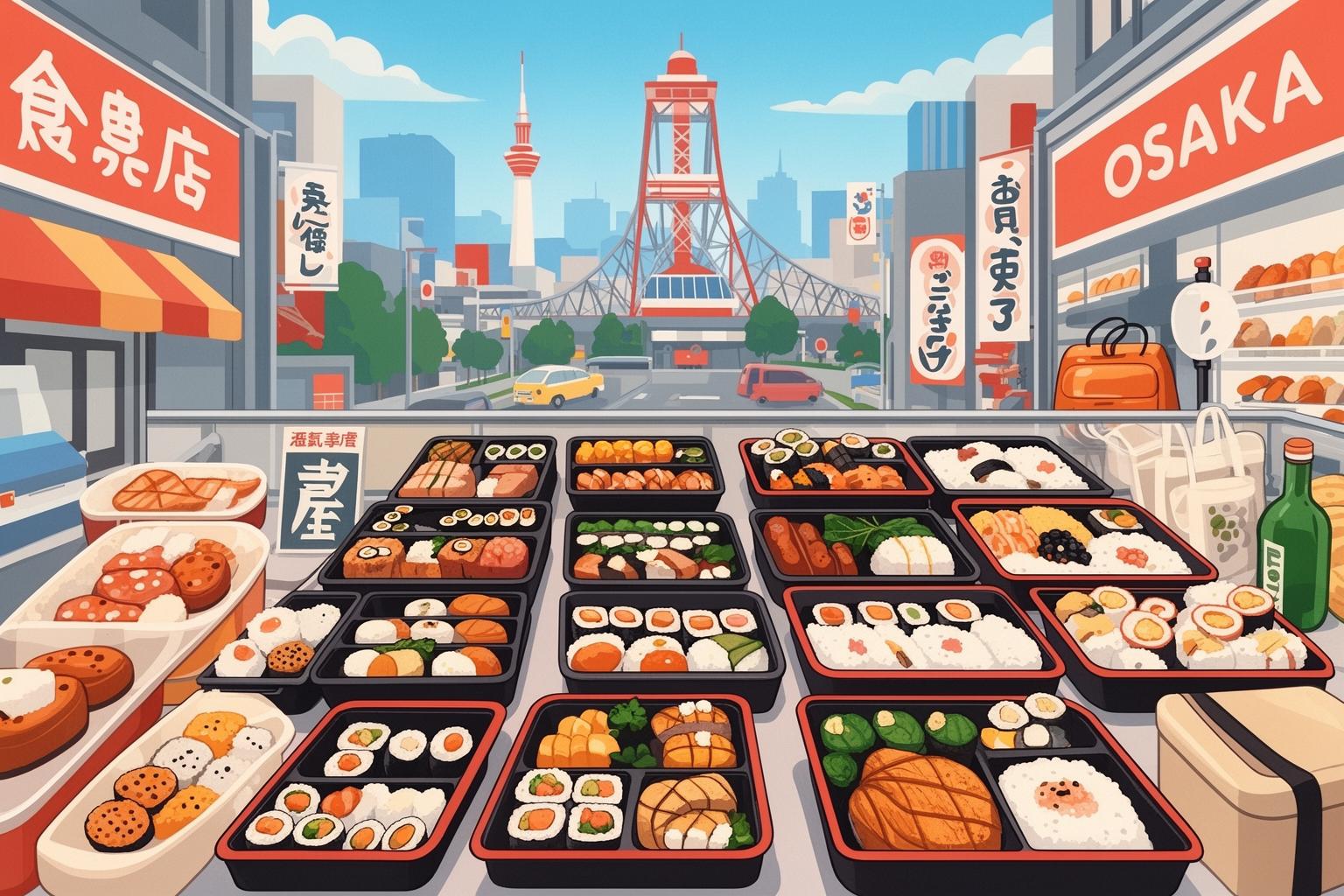
For those seeking a complete, ready-to-eat meal, the bento box is an ideal choice. The bento represents a microcosm of Japanese cuisine, a thoughtfully balanced and visually attractive single-serving meal with a rich and enduring history in Japan.
Understanding the Bento Box
A typical bento exemplifies balance. It’s not merely a random collection of foods but a carefully composed meal. You will almost always see distinct separation between components. There is the main carbohydrate, usually rice, often garnished with a pickled plum (umeboshi) or black sesame seeds. Then comes the main protein, the centerpiece, which might range from tonkatsu to grilled salmon. Surrounding these are several smaller side dishes, or okazu. These can include a slice of Japanese-style omelet (tamagoyaki), simmered vegetables, a small serving of potato salad, and pickles (tsukemono). The aim is to provide a variety of flavors, colors, and textures in one convenient package.
The Range of Bentos: From 298 Yen to 798 Yen
You’ll notice a broad spectrum of prices, which is no coincidence. The 298 yen “Nori Ben” (seaweed bento) is a classic budget-friendly option, typically consisting of rice topped with soy-sauce-soaked bonito flakes and a sheet of nori, accompanied by a piece of fried white fish and a small croquette. It’s simple, filling, and incredibly affordable. As the price rises, so do the variety and quality of ingredients. A 500 yen bento might include a generous portion of teriyaki chicken or hamburger steak with more elaborate sides. The 798 yen bento could feature grilled eel (unagi) or premium steak. This tiered pricing ensures there’s a bento for every budget and occasion, reflecting Osaka’s philosophy of value at every price point.
Bento vs. Donburi: A Comparison of Two Bowls
Next to the bento boxes, you’ll find donburi (丼) bowls. A donburi is simpler: a bowl of rice with a single topping. Classic examples include Katsudon (pork cutlet and egg), Oyakodon (chicken and egg, literally “parent and child bowl”), and Tendon (tempura). Donburi are generally cheaper and quicker to eat than bento, making them a very popular option for a speedy lunch. They deliver a hearty, focused meal in contrast to the variety-packed bento.
Unspoken Rules and Pro-Tips: The Souzai Code
To truly master the souzai section, you must grasp the unspoken rules and rhythms that govern it. Here, you can witness the subtle choreography of daily life in Osaka.
The Rhythm of the Day: When to Shop
The variety and pricing of souzai shift dramatically throughout the day. In the morning, around 10 or 11 AM, shelves are stocked with freshly prepared items for the lunchtime rush, offering the best and widest selection. By late afternoon, around 3 or 4 PM, the offerings might appear more picked over. But as evening draws near, the magic begins. This is the Golden Hour—the time of discount stickers. Staff come out with sheets of stickers, marking down items that must be sold before closing. First appear the 20% or 30% off stickers, but the true prize is the hangaku (半額) sticker—50% off. The exact timing varies by store, usually between 7 and 9 PM.
Sticker Etiquette
Observing the discount sticker process is a lesson in Japanese social etiquette. As the Golden Hour approaches, people subtly gather in the souzai aisle. However, an unspoken but strict rule applies: do not crowd the staff member applying the stickers. Hovering over them or, worse, pointing to an item you want discounted is considered extremely rude. The proper etiquette is to act as if you’re casually browsing nearby, inspecting tofu or milk while keeping the sticker-wielding employee in your peripheral vision. Once they move on, a silent, swift, and orderly rush follows, as everyone moves in to grab the newly discounted items. There is no pushing or shouting—just a polite, practiced dance of frugal determination.
The Microwave Situation
Most large supermarkets have a small station equipped with microwaves, disposable chopsticks (waribashi), and sometimes small packets of soy sauce or mustard. This service is for customers who want to eat their purchases right away. The etiquette here is simple and universal: clean up after yourself. If you make a mess, wipe it down with the provided cloths. Avoid heating up excessively smelly foods if possible, and don’t monopolize the microwave if others are waiting. It’s a shared space that thrives on mutual respect.
How Souzai Explains Osaka
At the end of the day, a tray of supermarket fried chicken or a container of simmered pumpkin represents more than just food. It serves as a cultural artifact, telling a story about the city it originates from. The souzai section is a living, breathing expression of Osaka’s core identity.
A Contrast with Tokyo’s “Depachika”
The difference between the everyday Osaka supermarket and the upscale Tokyo depachika reveals much about the two cities. The depachika is a stage for luxury: the food is exquisite, the packaging an art form, and the prices are sky-high. It caters to special occasions and lavish gifts, reflecting Tokyo’s role as a hub of branding, image, and international glamour. Meanwhile, the Osaka souzai aisle functions as a workshop, focused on utility, flavor, and quantity. It is simply what it is: tasty, affordable food for ordinary people. This reflects Osaka’s historical identity as a city of merchants, artisans, and pragmatists who prioritize substance over style and trust their own palates unwaveringly.
Experiencing “Kuidaore” at Home
The well-known Osaka phrase kuidaore (食い倒れ), meaning “to eat oneself into bankruptcy,” is often linked with the bright lights of Dotonbori and an endless array of street food and restaurant visits. However, the true, sustainable spirit of kuidaore resides in the city’s homes, supported by the supermarket souzai aisle. This invaluable resource enables Osakans to maintain their passionate dedication to good food every day—not just on weekends or special occasions. Even after a demanding 10-hour workday, a delicious, diverse, and genuinely local meal is always within reach. This daily, unwavering pursuit of flavor forms the real foundation of the city’s food culture, rather than the tourist-oriented attractions.
A Practical Lifeline for Modern Life
Ultimately, the souzai section is a clever, practical response to the demands of modern living. It supports dual-income families with long work hours, as well as nourishing, convenient meals for elderly individuals and those living alone. It does not signify a decline in cooking skills; rather, it is a smart adaptation. It serves as a tool that helps the people of this city preserve a vital part of their identity—a deep, steadfast love for good food—amid contemporary challenges. It embodies Osaka’s spirit: resourceful, unpretentious, community-focused, and above all, unapologetically delicious.