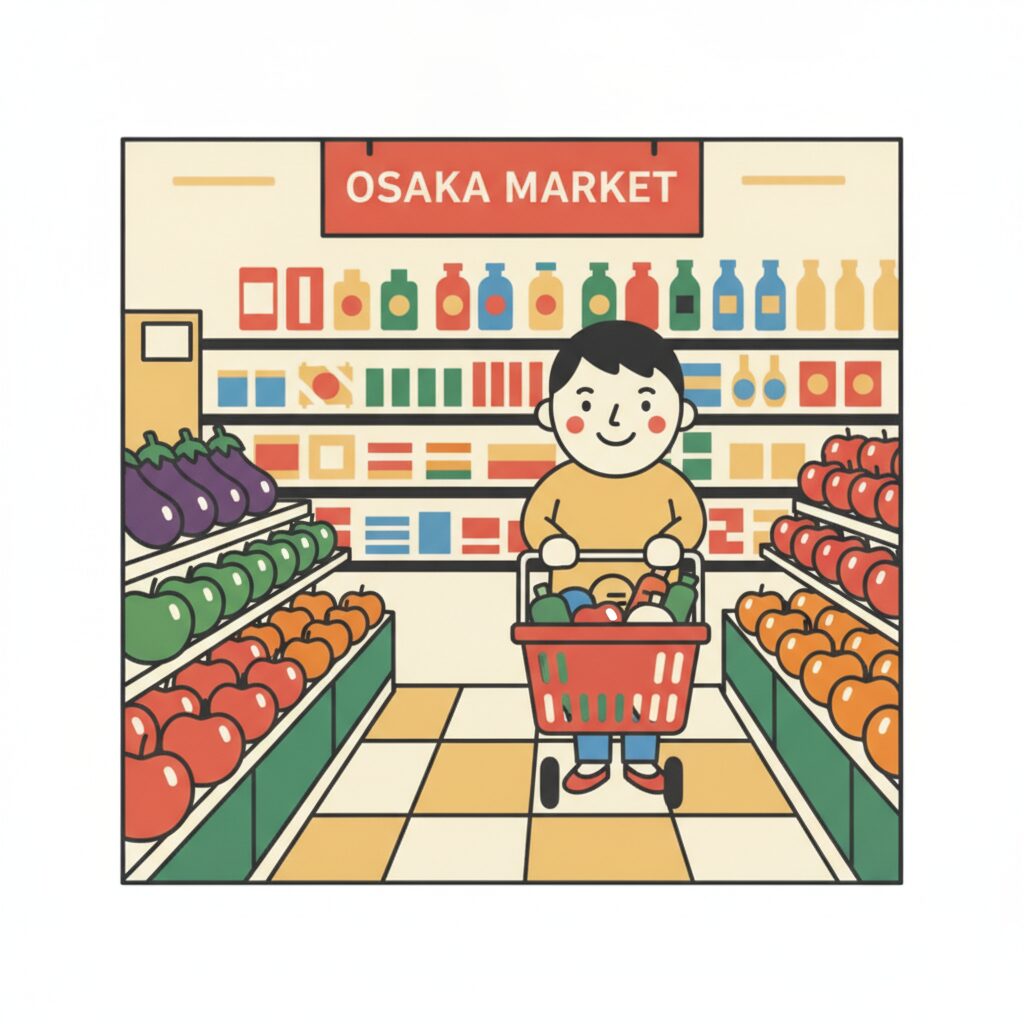
You think you know what a supermarket is. It’s a place with aisles, carts, and checkout counters. You buy milk, bread, maybe some vegetables. Simple, right? But then you move to Osaka, and you walk into a grocery store, and the rules you thought you knew dissolve under a barrage of flashing neon lights and the deafening roar of a store jingle that will haunt your dreams. You’ve just entered Super Tamade, and you’ve realized that in Osaka, a supermarket is never just a supermarket. It’s a statement. It’s a battlefield. It’s a direct window into the city’s very soul.
Forget the castles and the tourist traps for a moment. If you truly want to understand what makes Osaka tick—the unwritten social codes, the fierce local pride, the deep-seated obsession with value—you need to look at where people buy their dinner. The grocery store aisles of this city tell a story of class, ambition, and a relentless pragmatism that sets Osaka apart from the polished, reserved aesthetic of Tokyo. It’s a tale of two extremes, from the chaotic, almost psychedelic budget world of Super Tamade to the hushed, refined elegance of Ikari Supermarket. Navigating the space between them is key to understanding the daily rhythm and mindset of the Osakan people. This isn’t just about choosing where to buy your groceries; it’s about finding your tribe and learning the local language of survival and satisfaction.
For a deeper perspective on Osaka’s vibrant cultural contradictions, consider exploring humorous insights into Osaka’s spirit to see how local wit mirrors the city’s unique flavor.
The Neon Jungle: Deciphering Super Tamade
More Than a Store, It’s a Spectacle
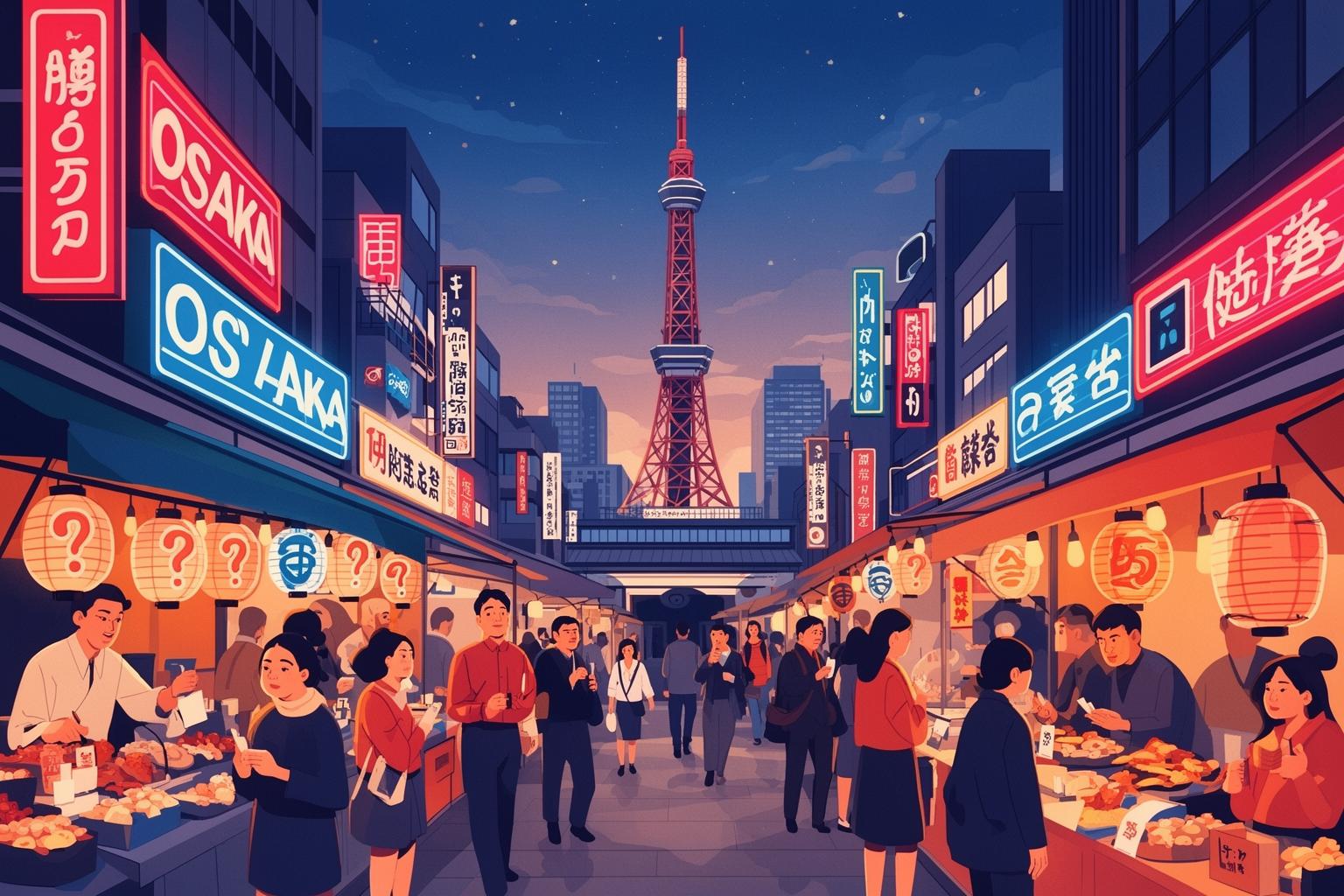
Your first visit to a Super Tamade is an intense sensory experience, and that’s precisely intentional. The exterior resembles less a grocery store and more a pachinko parlor after an especially wild night. Flashing, strobing neon lights in eye-popping shades of yellow and red promise unbelievable bargains. Inside, the atmosphere only intensifies. The music is a nonstop, upbeat J-pop or a custom store jingle played at a nearly overwhelming volume. The aisles are narrow and packed, with products stacked sky-high. Everywhere you look, vivid, hand-drawn signs marked with thick black and red strokes shout words like 「激安」 (gekiyasu – dirt cheap) and 「衝撃価格」 (shōgeki kakaku – shock price).
This isn’t just haphazard design; it’s a deliberately crafted ambiance of chaotic excitement. In Osaka, shopping for essentials doesn’t have to be dull. It can be entertaining, even like a treasure hunt. The visual clutter, the loud music, the sheer density of goods—all work together to create a sense of urgency and opportunity. You feel as if you’ve discovered a secret spot where incredible deals await around every corner. It taps right into the Osakan passion for anything lively, loud, and unapologetically bold. It stands in stark contrast to sterile, curated retail environments. It’s raw commercial energy, and for many locals, it’s exhilarating.
The Philosophy of “Gekiyasu”
Central to the Tamade experience is the concept of gekiyasu. This goes well beyond just being cheap. Tamade is renowned for its legendary 1-yen sales. You might spot ads offering a carton of eggs, a block of tofu, or a head of lettuce for just one yen. Naturally, there’s a catch—you usually have to spend at least 1,000 yen on other items to qualify. Is it a gimmick? Definitely. But it’s a gimmick that Osakans both recognize and appreciate.
The 1-yen item isn’t the end goal; it’s the opening move in a game between the store and the shopper. The store draws you in, and you gain the thrill of snagging an unbelievable deal. This whole exchange is rooted in the essential Osaka value of kosupa, or cost performance. It’s not about being cheap merely for the sake of saving money. Rather, it’s about maximizing the value you get from every single yen spent. An Osakan shopper doesn’t just want to save money; they want to win at shopping. They seek a deal so good that they can proudly share it with family and friends. Walking out of Tamade with a 1-yen item and a bag full of other bargains feels like a small but satisfying victory.
The quality of products at Tamade is, to put it mildly, variable. The produce may be slightly bruised or close to its expiration date. The meat and fish are sold at prices that seem almost unbelievable. Experienced Tamade shoppers develop a sixth sense. They learn to distinguish truly good deals from items that are cheap for a reason. They know which days fresh stock arrives. This demands a degree of street smarts and discernment that Osakans cultivate and take pride in. Shopping at Tamade isn’t passive—it’s strategic.
Who Shops at Tamade?
A common misconception among newcomers, especially Tokyoites, is that Tamade caters only to those struggling financially. But standing in the checkout line reveals a different story. Sure, there are students on tight budgets. But you’ll also see elderly women who have been bargain hunting for decades, salarymen in suits grabbing affordable pre-made bentos for lunch, and families stocking up on drinks and snacks. Tamade serves a broad cross-section of people.
Shopping here signals a particular kind of pragmatism. It’s an embrace of substance over style. The message is clear: Why pay 150 yen for a bottle of tea at a fancy store when the exact same brand costs 70 yen here? The packaging may be dusty, and the store chaotic, but the product itself is identical. This no-frills, practical approach to consumption is a cornerstone of the Osaka identity. It quietly rebels against the emphasis on image and presentation that often defines retail elsewhere in Japan. At Tamade, value is what truly counts.
The Other End of the Spectrum: Ikari Supermarket and the Hanshin Elite
The Sound of Silence and Imported Cheese
Step away from the neon frenzy of Tamade and enter the calm, understated realm of Ikari Supermarket. The contrast is so pronounced, it can leave you feeling culturally disoriented. The first thing that strikes you is the silence—or rather, the absence of noise. There are no loud jingles here. Instead, soft classical music may play gently in the background. The lighting is warm and soothing, crafted to showcase the food at its best. The aisles are spacious, spotless, and never overcrowded.
The products themselves are worlds apart from what Tamade offers. You won’t see handwritten signs screaming about discounts. Instead, elegant small placards describe the origin of an organic fruit or the tasting notes of artisanal French cheese. The meat counter features perfectly marbled wagyu beef cuts, while the bakery section presents European-style breads and delicate pastries. This isn’t a place for bargain hunting; it’s a space for curation. Every item is carefully chosen for its superior quality, and the prices mirror that.
Shopping at Ikari is a peaceful, unhurried experience. The staff are highly trained, courteous, and knowledgeable. The entire environment is designed to reflect quality, trust, and a refined sense of sophistication. It is the complete opposite of Tamade in every possible way.
Serving the “Hanshin-kan” Corridor
To truly understand Ikari, you need to grasp the geography of wealth and class in the Kansai region. Ikari’s main locations are not in central Osaka. Rather, you’ll find them concentrated in the affluent residential suburbs nestled between Osaka and Kobe, an area known as the Hanshin-kan (阪神間). Neighborhoods such as Ashiya, Shukugawa, and Nishinomiya have historically been home to wealthy industrialists, doctors, and academics.
This region has its own unique subculture, often called “Hanshin Modernism.” It is marked by a more subtle, Western-influenced, and globally minded lifestyle compared to the lively, straightforward culture of central Osaka. For residents here, owning an Ikari tote bag is a quiet status symbol. It signifies membership in a group that values quality over quantity and has the means and taste to appreciate finer things. Shopping at Ikari is not just about buying food; it’s about participating in and affirming a particular social identity.
The Price of Prestige
So, what exactly are you paying for at Ikari? It’s more than imported prosciutto or single-origin coffee beans. You’re paying for a guarantee of quality. You know that everything you purchase there will be excellent. You’re paying for a pleasant, stress-free shopping atmosphere. You’re paying for knowledgeable service. In essence, you’re paying for peace of mind and the luxury of not having to worry.
This illustrates the other side of Osaka’s consumer coin. While the Tamade shopper enjoys the buzz and thrill of a bargain hunt, the Ikari shopper values time, comfort, and a curated experience. They willingly pay a premium to delegate the task of distinguishing the good from the bad. This fundamental difference in priorities—the excitement of the hunt versus the quiet assurance of quality—highlights the fascinating social and economic diversity that exists within the greater Osaka metropolitan area.
The Middle Ground: Where Most of Osaka Actually Shops
Life, Mandai, and the Everyday Hustle
While Tamade and Ikari embody the dramatic extremes of Osaka’s supermarket culture, the reality for most residents falls somewhere in between. This is the realm of the large, dependable chains: Life, Mandai, and Kansai Super Market. These stores are the backbone of the city’s grocery scene, where the majority of families do their weekly shopping.
These supermarkets strike a careful balance between the two extremes. They are clean, well-organized, and offer a wide range of products, yet they are also deeply rooted in the bargain culture. They may lack the theatrical chaos of Tamade, but they excel at weekly sales, point card systems, and limited-time offers. Their success hinges on delivering consistent quality at a competitive price—the very essence of kosupa.
Shopping here is a more straightforward experience, but the underlying Osaka mindset remains very much alive. You’ll observe shoppers meticulously comparing prices, planning their purchases around daily specials, and stocking up when favored items go on sale. This is the practical core of Osaka’s consumer culture.
The Unspoken Rules of the Aisle
Spend enough time in a Life or Mandai, and you’ll begin to notice the unspoken rules. You’ll see the obachan (a familiar term for middle-aged or older women), the undisputed experts of the supermarket. They come prepared with well-worn reusable bags and a mental map of the entire store. They know exactly which day eggs are cheapest (“Tamago no Hi”) and when discounted bento boxes appear in the evening.
The key to this world is the chirashi, the paper flyer delivered to mailboxes each week. This isn’t junk mail; it’s a sacred text. Osakan families study chirashi from several stores, planning meals and shopping trips around the best deals. This ritual of planning, comparing, and executing is a deeply ingrained part of daily life. It reflects the same shrewd, practical intelligence that characterizes the city’s business culture.
The checkout process offers another glimpse into the local culture. It’s fast, efficient, and no-nonsense. There’s little time for small talk. The goal is to move through the line as quickly as possible. This efficiency is a valued trait in Osaka, a city long known as a center of commerce and industry.
Beyond the Big Chains: Gyomu Super and the Professional Shopper
Not Just for Businesses
There’s another key player in Osaka’s grocery scene you should know about: Gyomu Super, which means “Business Supermarket.” As the name implies, it was originally designed for restaurant owners and other food industry professionals. The stores have a simple, warehouse-style atmosphere, with many products displayed in their original cardboard shipping boxes. Everything is sold in bulk.
Over time, however, Gyomu Super has become a hidden gem for everyday shoppers, especially large families, budget-conscious individuals, and—importantly—the international community. The no-frills setup leads to incredibly low prices on essentials like cooking oil, flour, and frozen foods. By cutting out all the usual supermarket extras, Gyomu Super delivers pure, unadulterated kosupa.
The Global Pantry on a Budget
For non-Japanese residents, Gyomu Super is an absolute lifesaver. Thanks to its business-oriented approach and global supply chain, it offers a vast selection of imported goods that are either hard to find or excessively costly elsewhere. Looking for a giant jar of Italian tomato sauce, a kilogram of frozen halal chicken, a bulk bag of Vietnamese rice noodles, or authentic Thai curry paste? Gyomu Super has it all, at a fraction of the price you’d pay at upscale import stores.
This showcases another side of Osaka’s character. At its core, it’s a practical port city with a long history of international trade. While Ikari provides a curated, high-end take on global cuisine, Gyomu Super delivers a democratic, budget-friendly alternative. It lets people from all backgrounds bring the flavors of the world into their home kitchens. It’s a testament to Osaka’s ability to embrace global influences and blend them into something accessible, unpretentious, and consistently focused on value.
What Supermarkets Tell You About the Osaka vs. Tokyo Divide
Image vs. Substance
The contrast between Osaka’s supermarkets and those in Tokyo serves as an apt metaphor for the distinction between the cities themselves. In Tokyo, presentation and image frequently hold much greater importance. High-end Tokyo supermarkets like Kinokuniya or Seijo Ishii are more than just stores; they represent lifestyle brands. They sell the image of sophisticated urban living. The packaging is elegant, the displays are artistic, and the overall experience is meticulously refined.
In Osaka, the emphasis is almost always on the substance of the product relative to its price. Even at upscale stores like Ikari, the focus tends to be more on the actual quality of the food rather than on a branded lifestyle. The ultimate question for an Osakan shopper, whether at Tamade or Ikari, is: “Am I getting a good deal?” The meaning of “good deal” varies—at Tamade it means the lowest possible price, while at Ikari it stands for the highest quality for the money—but the underlying principle remains the same. It’s a city of savvy consumers who refuse to be influenced by mere appearances.
The Culture of “Nebaru”
This mindset originates from Osaka’s history as Japan’s merchant capital. It’s a city founded by people skilled in negotiation, bargaining, and recognizing value. While you can’t literally haggle over the price of carrots in a supermarket, the spirit of nebaru—a persistent, tenacious determination to achieve the best possible outcome—thrives throughout the aisles.
Osakans are unashamed to discuss money and prices openly. In fact, it’s a common subject of conversation. Boasting about a great deal you found is a way to showcase your cleverness and practicality. In contrast, in Tokyo, openly discussing prices can sometimes be viewed as lacking sophistication. This cultural difference is significant. In Osaka, being a shrewd consumer is a source of pride, not something to conceal. Your skill in navigating the complex supermarket scene directly reflects your ability to succeed in the city itself.
Your Supermarket Survival Guide
Reading the Room
So, how does a newcomer navigate this intricate landscape? The key is recognizing that each type of supermarket serves a distinct purpose. There isn’t a single “best” option. The savvy Osakan resident uses all of them strategically.
A Practical Framework
- Super Tamade: Visit for the experience and unbeatable prices on drinks, snacks, and basic pantry staples. Expect chaos and be selective with produce and fresh items.
- Ikari Supermarket: Ideal for special occasions, high-quality meat or fish for particular recipes, or when you need a specific imported ingredient unavailable elsewhere. It’s more of a treat than a daily stop.
- Life, Mandai, etc.: These are your everyday supermarkets—reliable, with a good balance of price and quality, perfect for your main weekly shopping.
- Gyomu Super: The go-to for bulk buying and international ingredients. Stock your freezer and pantry here to save money over time.
Embrace the Chaos, Appreciate the Calm
Don’t be overwhelmed by it all. Head to Tamade on a Saturday afternoon to experience the city’s raw energy. Wander through Ikari on a quiet Tuesday to see a different side of Kansai life. Observe how the locals shop, and you’ll learn more about the culture than any guidebook could offer.
Each store is an authentic piece of the Osaka puzzle. Favoring one over the others means missing part of the story. The city’s identity lives in the tension between the gaudy and the refined, the chaotic and the calm. Understanding this duality is the first step to truly feeling at home here.
It’s Not Just Groceries, It’s a Conversation
Ultimately, the shopping choices you make will begin to shape your life in Osaka. You’ll develop your own strategies, favorite stores, and personal victories in the aisles. In doing so, you’ll join a daily conversation that has defined this city for centuries.
It’s a conversation about value, pragmatism, and what it means to live well. Whether you’re grabbing a 1-yen pack of noodles under Tamade’s flashing lights or picking a perfectly ripe avocado in Ikari’s peaceful aisles, you’re learning the local language. You’re not just buying food—you’re learning how to be an Osakan, one shopping trip at a time.