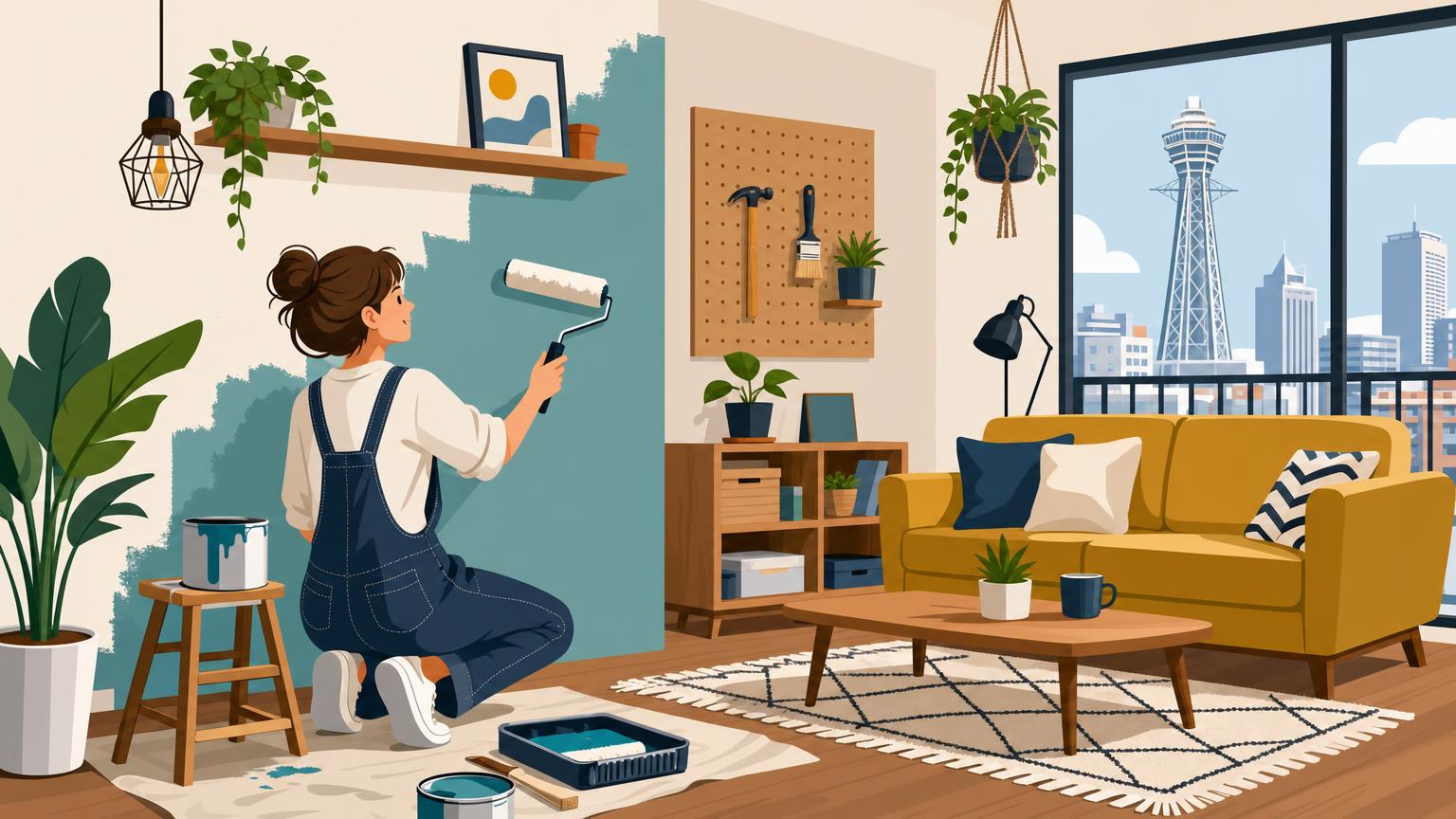
When we first hauled our lives, our overstuffed suitcases, and our thoroughly jet-lagged children across the ocean to settle in Japan, the initial thrill of the adventure quickly collided with the stark reality of the Japanese real estate market. If you have spent any time browsing expat forums or talking to fellow foreigners who have made the leap, you have probably heard the horror stories. Finding an apartment in Japan as a foreigner is often framed as an insurmountable bureaucratic mountain. But once you actually secure a place, hand over a terrifying amount of upfront cash, and finally unlock the door, a new, quieter realization sets in. You stand in the middle of a meticulously clean, brightly lit room with pristine white wallpaper and flawless, usually beige, flooring. The silence of the empty room is heavy, but not as heavy as the weight of the standard Japanese rental contract sitting on the kitchen counter. That document essentially dictates that you must live in this space like a ghost. You are expected to leave absolutely no trace of your existence when you move out. No thumbtacks in the walls to hang your family photos. No changing the light fixtures without permission. No painting, no drilling, no customizing. For a family that loves to create, build, and adapt our environment to suit our chaotic, joyful daily life, this felt incredibly stifling.
However, moving to Osaka changed our entire perspective on what living in Japan could look like. Osaka is not Tokyo. Where Tokyo is often rigid, bound by strict adherence to rules and a culture of quiet conformity, Osaka operates on a different frequency. This is a city built by merchants, a city of traders and pragmatists who value a good deal, a good laugh, and a common-sense approach to problem-solving. The people here are loud, warm, fiercely loyal, and remarkably flexible when it comes to negotiating the rules of everyday life. This flexible mindset extends deeply into the housing market, provided you know exactly what to look for and how to ask for it. While the vast majority of expats and digital nomads default to short-term vacation rentals or sterile, pre-furnished corporate apartments because they seem easier, they are entirely missing out on a growing, secret housing revolution in Japan: the DIY-ka, or DIY-friendly, rental property.
This is not a guide about where to find the best takoyaki or how to navigate the tourist crowds at Dotonbori. This is a practical, honest, and deep dive into the reality of setting up a long-term, highly personalized life in Osaka. We are going to explore how the Japanese real estate mindset works, why the rigid restoration rules exist, and how you can bypass them by finding apartments that actually encourage you to paint the walls, build shelves, and make the space truly your own. We will look at how the Osakan personality makes this process easier than anywhere else in the country, how to navigate the bureaucratic hurdles that trip up so many Westerners, and where to find the incredible local hardware stores that will become your second home. If you are planning a long-term stay in this vibrant city and want a home rather than just a place to sleep, understanding the DIY rental market is the most valuable knowledge you can possess.
What Are DIY-Friendly Rentals in Japan?
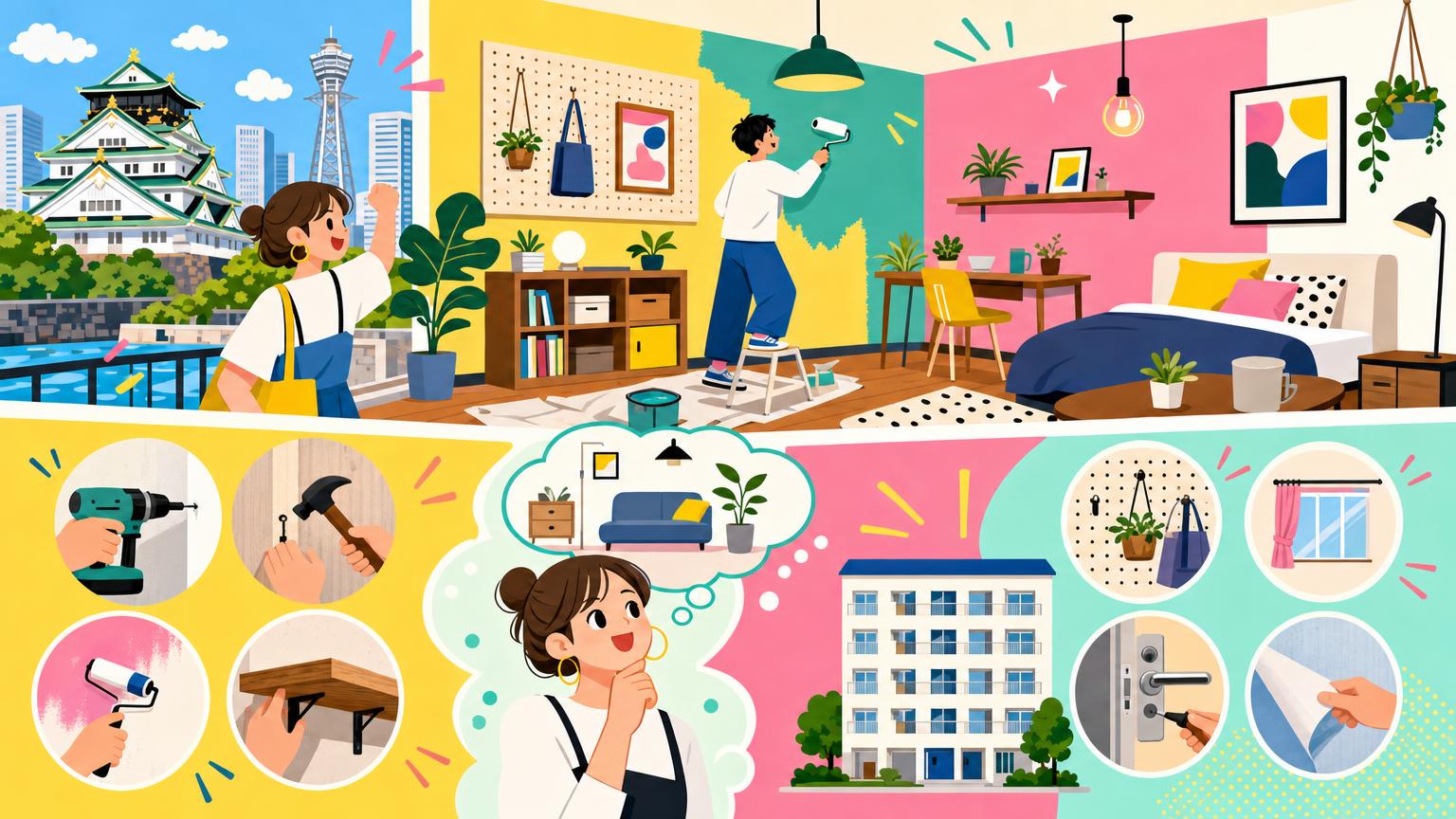
To grasp why a DIY-friendly rental is such a significant development in Japan, you first need to understand the deeply rooted cultural and legal concept of Genjo Kaifuku.
Standard Leases vs. DIY Leases: Understanding Restoration Rules
In conventional Japanese real estate, Genjo Kaifuku roughly means ‘restoration to the original condition.’ When you sign a typical residential lease, you are legally required to return the apartment to the exact pristine state it was in on the day you moved in, aside from normal, unavoidable wear and tear. However, the definition of ‘wear and tear’ in Japan is extremely narrow. For example, if you accidentally scratch the soft wooden flooring by moving a chair, you have to pay for repairs. If you smoke inside and the white wallpaper discolors even slightly, you must replace the wallpaper in the entire room. If you drill a hole to mount a television or a heavy bookshelf, expect a substantial deduction from your deposit, known as Shikikin.
This system creates a widespread sense of anxiety among renters, especially foreigners who are not accustomed to treating their own homes so delicately. We know families who have lived in the same apartment for five years yet still hang posters using special, non-damaging putty out of sheer fear of the final inspection. Historically, the Japanese rental market has been landlord-driven, heavily favoring property owners and ensuring their asset remains standardized and easily rentable to the next occupant seeking a clean, blank slate.
A DIY lease fundamentally disrupts this model. It completely rewrites the tenant-landlord relationship.
The Concept of ‘DIY-Ka’ (Renovation-Allowed) Apartments
The key term to remember is ‘DIY-ka.’ ‘Ka’ means allowed or permitted. These properties explicitly state in the contract that tenants have permission to modify the space and, most importantly, waive the dreaded Genjo Kaifuku clause for the changes made. If you want to paint the living room walls a deep ocean blue, you can. If you want to tear up the old carpet and lay laminate flooring, you can. If you want to build custom wooden shelves directly into the wall studs, you have the green light.
Why would Japanese landlords suddenly allow this? It boils down to demographic shifts and economic realities. Japan is facing a massive crisis of vacant homes, known as Akiya. Even in bustling cities like Osaka, older apartment buildings, especially those from the Showa era (pre-1989), struggle to attract young tenants. Young Japanese typically prefer brand-new, highly automated, spotless apartments. Landlords of older buildings face a tough choice: spend millions of yen on renovations with no guaranteed return or allow the property to remain empty and deteriorate.
This is where the DIY-ka solution comes in. Practical landlords, particularly in Osaka where business pragmatism often outweighs tradition, recognized that by offering spaces “as is” and letting tenants renovate themselves, they could solve several problems at once. They avoid upfront renovation expenses, attract a niche of creative tenants who tend to stay longer because of their personal investment, and the property gets upgraded for free. For foreigners from the USA, Australia, or Europe—where customizing your living space is a standard aspect of nesting—discovering a DIY-ka property is like finding an oasis in a desert of white wallpaper. It allows you to create a true home, rather than just occupying a temporary box.
Why Choose Osaka for Your Long-Term DIY Rental?
If you plan to embark on the journey of renting and customizing a Japanese apartment, there is arguably no better city to do so than Osaka. The reasons go well beyond just the availability of properties; they are closely connected to the city’s mindset and its residents.
Affordable Cost of Living and Rent
Foremost among these reasons is cost. Tokyo is extremely expensive, and its real estate market is fiercely competitive. Landlords in Tokyo can be exceptionally selective and strict with their rules because if you reject one apartment, there are ten others waiting in line. Osaka, though still a major global economic center, offers a much more relaxed and affordable cost of living. Rent for a spacious, older apartment in a decent Osaka neighborhood can be half the price of a comparable unit in Tokyo.
This affordability is vital for a DIY project. With lower base rent, you have more disposable income to spend on quality paint, beautiful timber, and the tools needed to personalize your space. Additionally, the Osakan merchant mindset—the spirit of the ‘Akindo’—means everything is negotiable. While negotiating rent in Tokyo is often frowned upon, in Osaka, requesting a small rent reduction or asking the landlord to cover material costs if you’re improving their property is not only accepted but sometimes expected. An Osakan landlord respects a skilled negotiator. They recognize value. If you can explain to them, perhaps through a bilingual real estate agent, that your custom shelving will enhance the apartment’s appeal to future tenants, an Osakan landlord is much more likely to smile, nod, and agree to waive the key money.
Access to Great Local Home Centers and Hardware Stores
Osaka is an industrial powerhouse with a deep manufacturing heritage. Because of this, the city and its suburbs are filled with some of the best home centers and hardware stores in Japan. These aren’t just small corner shops—they are massive, sprawling complexes offering everything from raw lumber and power tools to tatami mats and custom kitchen sinks.
The DIY culture here is vibrant, supported by local tradespeople and a growing community of young creatives. Unlike more transient cities, Osaka boasts established neighborhoods where residents take great pride in their local communities. Living here means you’re not just another anonymous person in a high-rise; you become part of a local ecosystem. You’ll find yourself chatting with staff at the timber yard, who will gladly cut your wood to exact measurements for a small fee, and you’ll meet neighbors who, rather than complaining about noise, might stop by to offer unsolicited but genuinely helpful advice on installing your new flooring properly.
How to Find DIY-Friendly and Foreigner-Friendly Rentals in Osaka
Finding these properties requires a shift in your search approach. If you rely solely on English-language vacation rental sites or platforms aimed at short-term digital nomads, you will only find highly polished, heavily restricted, and overpriced furnished units. To discover a genuine DIY-ka apartment, you need to connect with local systems.
Specialized Real Estate Agencies for Expats
The most straightforward way is to use a real estate agency, but not just any agency. You need one that specifically markets itself as foreigner-friendly and understands the DIY-ka concept. When you enter a standard Japanese real estate office, the first question they typically ask isn’t about your budget but about your nationality and visa status. Unfortunately, nationality-based rejection remains a reality in the Japanese housing market. However, Osaka is home to an increasing number of specialized agencies staffed by bilingual agents who serve as cultural intermediaries.
These agents know exactly which landlords are open to foreigners and which embrace the DIY concept. When you meet with them, be very clear about your intentions. Don’t just say you want a large apartment. Specify that you are looking for a ‘DIY-ka bukken’ (DIY-allowed property). Explain that you want to paint, build, and stay long-term. A knowledgeable Osaka agent will immediately understand this niche. They will pull out binders of older properties, possibly located a bit farther from major train stations, that hold great potential for customization. They will advocate on your behalf, explaining to landlords that Western tenants often take great pride in home improvement.
UR Housing (UR-DIY System) Explained
If you want to avoid the private landlord system altogether, the ultimate option for foreign residents in Japan is UR Housing. UR stands for Urban Renaissance, a semi-public government agency managing large apartment complexes, often called Danchi, nationwide.
UR Housing is popular among expats for three key reasons: no key money (Reikin), no guarantor required (Hoshonin), and no renewal fees (Koshinryo). For a foreigner moving from the USA, where paying a landlord a non-refundable ‘gift’ of two months’ rent just to move in seems unreasonable, UR offers significant financial relief.
What many don’t realize is that UR has strongly embraced the DIY movement through their specialized ‘UR-DIY’ program. To refresh the outdated look of their older buildings, UR designates select units specifically for DIY tenants. In these units, you have extraordinary freedom. You can remove tatami mats and install wooden floors, paint walls, and even remove non-structural partition walls to create open-plan living spaces. Upon moving out of a designated UR-DIY unit, you are not obligated to restore any approved modifications.
Applying for UR housing can be competitive, and the paperwork is extensive and entirely in Japanese. You need to demonstrate a certain level of monthly income—usually three to four times the rent. However, the staff at Osaka UR offices are typically very patient, and if you bring a Japanese-speaking friend or hire a relocation consultant to assist with the initial application, securing a UR-DIY apartment offers the most secure, legally protected, and affordable opportunity to personalize your home in Japan.
Long-Term Rental Platforms (No Key Money / No Deposit)
In recent years, the internet has somewhat democratized the housing search. There are now specific Japanese web portals dedicated entirely to DIY-friendly properties. Websites like ‘DIYP’ (DIY Real Estate) curate listings specifically for those interested in renovating. While these sites are mostly in Japanese, you can use browser translation tools to navigate the listings.
When exploring these platforms, pay close attention to financial terms. Many DIY properties come with reduced upfront costs to encourage tenants to take on renovation projects. Look for listings marked ‘Shikikin Zero, Reikin Zero’ (Zero Deposit, Zero Key Money). This means you can redirect the money usually spent on arbitrary fees directly into your renovation budget. The trade-off is often that the apartment is handed over in a very raw state. The wallpaper may be peeling, the floors scuffed, and the kitchen might look like it hasn’t been updated since 1985. But for true DIY enthusiasts, this is not a drawback; it’s a blank canvas.
Overcoming Common Hurdles (Insights from Reddit & Expat Forums)
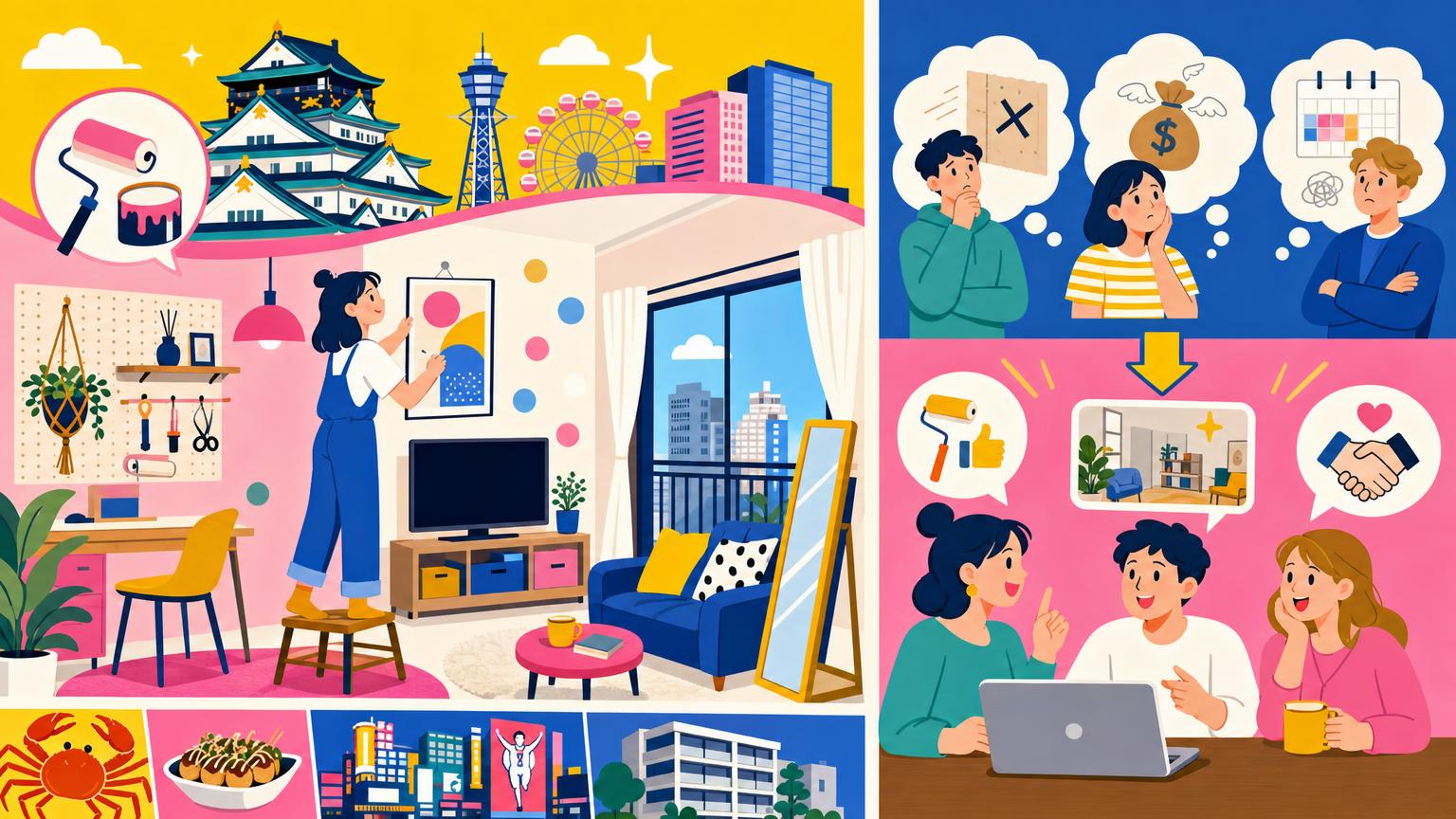
If you frequent Reddit’s Japan relocation forums, you’ll notice the same concerns arise daily. Moving from a Western country to Japan involves a significant change in expectations, and the bureaucratic obstacles can seem deliberately designed to keep you out. Understanding these challenges is the crucial first step to overcoming them.
Dealing with Guarantors and Language Barriers
The most frequently mentioned obstacle is the Guarantor, or Hoshonin. In Japan, having a good job and a solid bank balance is rarely sufficient. The system requires a guarantor, a Japanese citizen with a stable income who signs a legally binding document agreeing to pay your rent if you disappear and cover any damages you cause. For a newly arrived foreigner, finding someone willing to accept this considerable financial responsibility is nearly impossible.
The modern workaround is the Guarantor Company (Hoshonin-gaisha). For a fee, typically between half a month’s to a full month’s rent, a specialized financial company will act as your guarantor. Almost all agencies now insist on using one of these firms. The challenge for foreigners is that these companies conduct strict background checks and often deny applicants who do not speak Japanese or have yet to set up a Japanese bank account.
This is where the Osakan approach stands out. Real estate agents in Osaka are incredibly persistent. If a guarantor company rejects your application because you are a foreigner, an agent in Tokyo might politely say there’s nothing more they can do. However, an Osaka agent will often pick up the phone, contact their counterpart at the guarantor company, and advocate on your behalf. They will explain your employment, character, and push for approval. In this relationship-driven business culture, having a dedicated local agent fighting for you is invaluable.
Moving from the USA: What to Expect with Japanese Leases
For expats coming from the USA, the physical reality of Japanese apartments can be surprising. We frequently see posts from puzzled Americans wondering why their new apartment has a large hole in the kitchen where the stove should be or why there are no ceiling lights.
In Japan, it is standard for apartments to be rented completely unfurnished. You are expected to buy and install your own gas stove, ceiling light fixtures, and sometimes even air conditioning units. When you leave, you take these items with you. This is one reason why a DIY-ka lease is especially advantageous. Since you are already purchasing essential fixtures, having the freedom to customize your space allows you to integrate your appliances seamlessly.
Additionally, American expats often find the size of the space and absence of central heating challenging. Japanese homes are designed to ventilate well during humid summers, which results in them being quite cold in winter. When undertaking DIY renovations, a smart investment is focusing on insulation. Adding thick thermal curtains, installing DIY double-glazing window films, and placing thick insulating carpets over older floors are crucial practical steps that will significantly improve your comfort during Osaka’s winter months.
Best Neighborhoods in Osaka for Larger, Customizable Spaces
Where you decide to live in Osaka shapes the kind of DIY lifestyle you’ll have. In ultra-central areas like Umeda or Namba, you’ll encounter tiny, costly apartments with strict landlords. To secure enough space for both family and a workbench, you’ll need to look a bit further out.
Suburban vs. Central Osaka Stays
For families and those wanting larger spaces, the Hokusetsu area in northern Osaka—which includes cities like Suita, Toyonaka, and Minoh—is an ideal choice. Developed extensively after the war, this area features wide streets, large parks such as Expo ’70 Commemorative Park, and a high concentration of UR Danchi complexes. These older, spacious buildings offer many UR-DIY units. The atmosphere is calm, family-focused, and distinctly suburban, providing a peaceful escape from the bright chaos of downtown while remaining just a twenty-minute train ride away.
If you’re drawn to a grittier, artistic, and authentic local vibe, head south to Taisho Ward. Known for its large Okinawan community and industrial heritage, Taisho is filled with factories, narrow alleys, and older, affordable housing. Landlords here tend to be relaxed, increasing your chances of renting an entire house—whether a kominka or an old nagaya terraced home—at a low cost with full DIY freedom. The neighborhood’s ambient noise, dominated by sounds from small manufacturing workshops, means neighbors are less likely to mind the noise of your electric drill on a Saturday afternoon.
Further south is Sakai City, a historic town renowned for its centuries-old knife-making tradition. Sakai offers expansive suburban landscapes and larger, older homes. Although it is technically a separate city from Osaka, it is seamlessly connected by train, and rents here are significantly lower. The local culture is deeply Kansai—proud and traditional, yet welcoming to those who respect local customs. In Sakai, it’s quite possible to find a large, older property with a garden that you can fully renovate, making it a favorite spot for long-term expats seeking a true house rather than an apartment.
Tips for a Successful DIY Project in Your Osaka Apartment
Once you have secured a DIY-friendly lease and received the keys, the real work begins. However, undertaking construction in a Japanese neighborhood requires a careful approach and an understanding of unspoken social customs.
Knowing Exactly What You Can and Cannot Modify
Even in a DIY-ka apartment, there are restrictions. The fundamental rule is that you cannot alter the building’s structural integrity. Load-bearing walls cannot be removed, the main electrical breaker box cannot be tampered with, and the primary plumbing stacks must remain unchanged.
Cosmetic changes are generally permitted. Painting walls, changing flooring (often by laying click-lock laminate over existing floors without glue), swapping out light fixtures, and installing freestanding or lightly anchored shelving are all common modifications. The most important advice is to document everything thoroughly. Before you start painting, take high-resolution photos of every corner of the apartment. Send these photos to the landlord or managing agent. Keep a paper trail of every planned modification and obtain written approval, even if the lease broadly allows such changes. Japanese bureaucracy relies heavily on paperwork, and having documented consent will protect you from any misunderstandings when it’s time to move out.
Navigating Neighborhood Etiquette and Trash Disposal
The quickest way to upset neighbors in Japan is by causing a disturbance, or ‘meiwaku’. Walls in Japanese apartments, especially older ones, can be very thin. Starting noisy work like hammering and sawing without notice will quickly lead to noise complaints and cool treatment from the local community association.
Before beginning any loud work, you must practice the art of ‘Aisatsu’ (greeting). It is customary to bring small gifts, such as a box of nice cookies or high-quality hand towels, and visit your immediate neighbors. This includes those on both sides, as well as the apartments directly above and below yours. Present the gift, bow, and explain that you will be doing some DIY work over the coming weeks, apologizing in advance for any noise. In Osaka, this gesture is especially appreciated. The locals will value your respect for their peace and will likely respond warmly, waving off your apologies with typical Osakan friendliness.
The second major cultural challenge is trash disposal. You cannot simply throw construction debris into regular garbage. Japan enforces strict and complex sorting rules. Wood scraps, old carpets, and broken fixtures are classified as ‘Sodai-gomi’ (oversized trash). To dispose of these items, you must go to the local convenience store to purchase specific disposal tickets, call the municipal waste management center to schedule a pickup date, write your reservation number on the tickets, attach them to your trash, and place the items at the designated spot at a very specific time in the morning. Attempting to bypass this process by placing wood in combustible trash bags will result in the garbage collectors refusing to accept your trash, accompanied by a stern reprimand from the neighborhood association president.
Where to Buy Your DIY Supplies in Osaka
Finally, you need materials. Forget everything you know about small, boutique hardware stores—Japanese home centers are a true wonderland of efficiency, specialized tools, and exceptional organization.
The Wonderland of Japanese Home Centers
The undisputed leader among home centers in the Kansai region is Kohnan. You’ll find Kohnan stores dotted throughout Osaka. These are massive, warehouse-style outlets offering everything from bicycles and pet food to professional-grade lumber and plumbing supplies. For DIY enthusiasts, Kohnan feels like a second home. The lumber section is particularly impressive. You can choose your raw timber, and for a small fee, typically around 50 yen per cut, the staff in the woodworking area will use industrial panel saws to cut the wood precisely to your millimeter-perfect specifications. This service is incredibly helpful if you don’t have room for a table saw in your apartment.
If you need to transport heavy materials, Kohnan provides an amazing service: free light truck rental. When purchasing large items, you can borrow one of their small ‘keitora’ (light trucks) free of charge for the first 60 or 90 minutes. Driving a manual-transmission keitora loaded with timber through Osaka’s narrow, bustling streets is an unforgettable rite of passage for any local.
For even bigger projects, look for a Super Viva Home. These enormous, sprawling complexes, usually located in the suburbs like Neyagawa, cater equally to professional contractors and amateur DIYers. The vast selection of screws, brackets, paints, and specialized Japanese hand tools (such as incredibly sharp pull-stroke saws) is astounding. Spending a Sunday afternoon wandering through a Super Viva Home, planning your next apartment upgrade, is a deeply satisfying part of daily life here.
Budget-Friendly Hacks at Local Shops
For minor decorative changes, a massive home center isn’t always necessary. Japan’s 100-yen shops, like Daiso and Seria, have developed impressively robust DIY sections. They sell surprisingly high-quality removable wallpapers, specialized hooks that leave barely noticeable holes, attractive drawer pulls, and small tools. For renters wanting to personalize a kitchen inexpensively and quickly, these shops offer endless options. Nitori, basically Japan’s version of IKEA, is also invaluable for affordable, stylish storage solutions that you can easily incorporate into your custom projects.
Living in Osaka means embracing the city’s lively, practical, and chaotic reality. Choosing to move beyond the sterile, temporary feel of typical expat housing and immersing yourself in the world of DIY rentals is the most genuine way to experience this city. It takes patience, a willingness to navigate language barriers, and a good sense of humor when you inevitably drill a crooked screw. But when you finally sit back on a custom-built bench, admiring walls you painted yourself, in a city that respects hard work and individuality, you’ll realize you haven’t just rented an apartment—you have built a home in the heart of Japan.