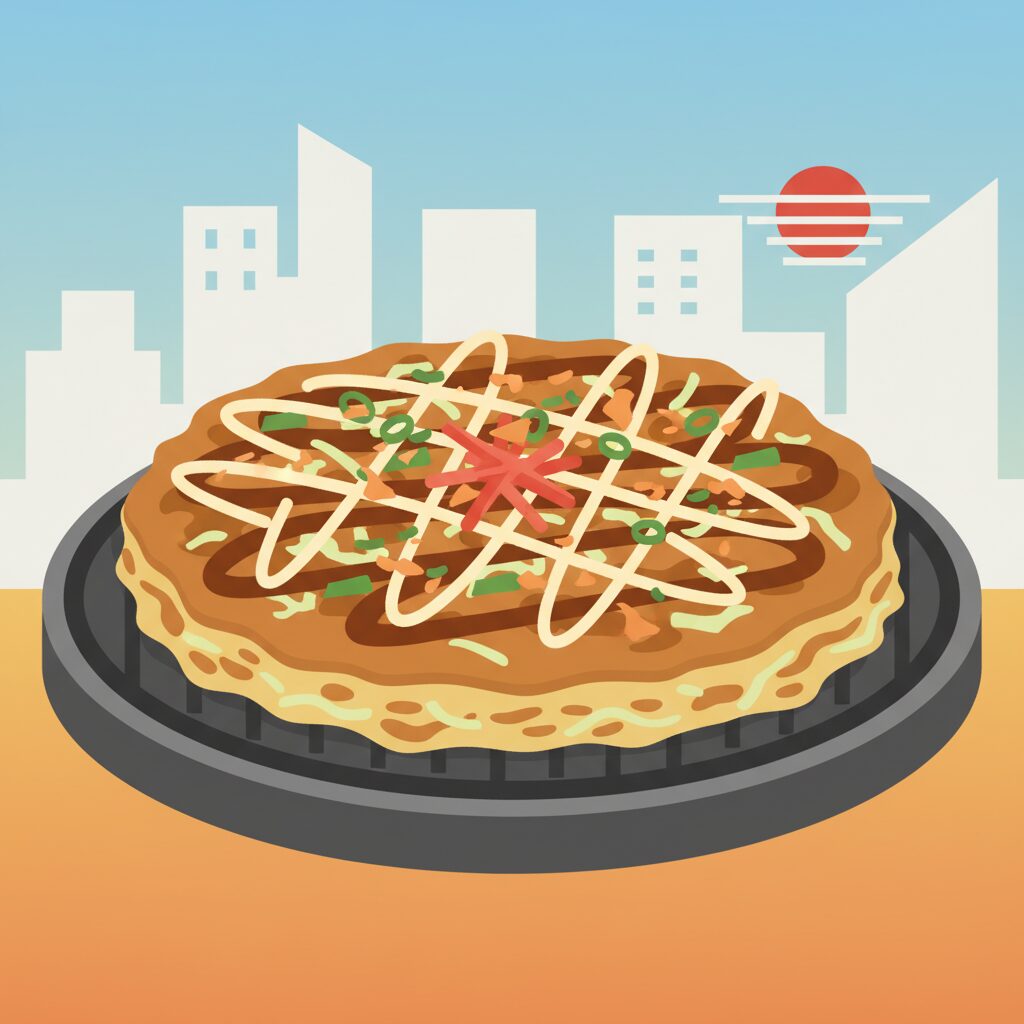
You’ve made it. You’re in Osaka. The energy hits you differently here. It’s not the polished, almost silent hum of a Tokyo train platform. It’s a city with its volume turned up, a vibrant, chaotic symphony of bicycle bells, shopkeepers shouting welcomes, and the endless sizzle coming from street-side stalls. Your nose leads you through the covered arcades, the Shotengai, where the air is thick with the sweet, savory, and slightly smoky scent of grilling batter and rich, dark sauce. This is the smell of Osaka’s soul. It’s the scent of konamon, the flour-based culture that defines this city. You see the masters at work, effortlessly flipping cabbage-filled pancakes and spinning perfectly round octopus balls. You’re ready to dive in, to taste the very essence of your new home. But then, a thought hits you, a question that feels like a barrier between you and true belonging: “Can they make it gluten-free? How about plant-based?” This simple question isn’t just about dietary needs; it’s the start of a journey into the heart of Osaka’s mindset, a deep dive into why this city is fiercely, proudly, and unapologetically itself.
Embracing Osaka’s culinary evolution also invites you to explore Osaka-ben banter insights, which reveal the profound cultural nuances embedded in the city’s vibrant local language.
The Soul of the City is Made of Flour

First, you need to grasp what you’re facing. In Osaka, okonomiyaki and takoyaki are much more than just menu items. They are not merely food. They form a cultural cornerstone, the city’s comfort food, party fare, and the go-to after a long day—all combined. This is konamon culture, and it’s taken very seriously. The term translates to “flour things,” embodying a culinary philosophy rooted in Osaka’s core values: umai, yasui, hayai—delicious, affordable, and quick. This isn’t refined cuisine presented on minimalist plates. It’s sustenance for the people, served piping hot from a shared griddle, often eaten standing or sitting on a tiny stool, shoulder-to-shoulder with strangers who, for a brief time, become your companions in culinary delight.
Imagine a traditional okonomiyaki-ya in the Tenma district. The air is thick with steam and savory aromas. A large, well-seasoned teppan (iron griddle) commands the space, a stage where chefs work their craft. The steady clack-clack-clack of metal spatulas striking steel forms the rhythm of the restaurant. There’s no quiet reflection here. It’s a hub of lively chatter and laughter over sizzling pancakes topped with swirling bonito flakes. Likewise, a takoyaki stand beneath the train tracks in Namba bursts with activity. A vendor, with movements honed through thousands of repetitions, pours batter into a cast-iron mold, adds a piece of octopus, and skillfully spins the batter with two metal picks into perfect spheres. It’s a performance of speed and finesse. This food acts as the social glue of the city, the heart of family gatherings and late-night snacks with friends. It’s deeply woven into the everyday life of Osaka, carried with fierce and proud devotion.
The Gluten and Dashi Wall
So you approach, full of hope, and ask your question. The response you often receive is a polite but firm shake of the head, maybe a furrowed brow of confusion, and an apologetic “Sumimasen…” This is where many foreigners experience frustration. Is it that they don’t want to help? The reality is much more complex, and it begins with the ingredients themselves. The base of both okonomiyaki and takoyaki is a batter made primarily from wheat flour. It’s not just any flour; the specific blend is often a closely guarded secret, perfected to achieve a texture that’s fluffy on the inside and slightly crisp on the outside. Requesting a substitute is like asking a Neapolitan pizzeria to use a cauliflower crust. It fundamentally alters the product.
Next comes the issue of cross-contamination. In these busy kitchens, the teppan is a shared space. Pork belly is fried right alongside where your batter will be poured. Everything uses the same oil, the same spatulas, the same searing heat. For a bustling shop handling dozens of orders each hour, setting aside a separate, thoroughly cleaned space for a single gluten-free order is an operational challenge. It disrupts the rhythm, the flow that keeps the whole umai, yasui, hayai system running smoothly.
For those looking for a plant-based option, the challenge is even greater and often unseen. You might think, “Great, I’ll just order one without meat or egg.” But the soul of the flavor, the deep, savory umami that supports the entire dish, comes from dashi. And in 99% of traditional shops, dashi is a broth made from bonito fish flakes (katsuobushi) and kelp (kombu). It’s in the batter. It’s in the sauce. It’s everywhere. Additionally, the standard okonomiyaki often contains tenkasu (crunchy bits of deep-fried tempura batter) mixed in for texture and flavor. The iconic dancing flakes on top? Those are more bonito. So even if you remove the obvious pork or seafood, the dish is essentially not vegetarian or vegan. You’re not simply asking to omit an ingredient; you’re requesting the removal of the very foundation of the flavor.
Osaka Pragmatism vs. Tokyo Trends

Here’s where you notice a significant cultural divide between Osaka and Tokyo. In Tokyo, a global capital fixated on trends, image, and serving an international clientele, finding a vegan ramen spot or a gluten-free bakery is comparatively easy. The market exists, and businesses adapt to reach niche demographics, often at a premium price. Tokyo is a city of specialists.
Osaka follows a different logic. It’s a city founded by merchants, and the merchant’s mindset—practical, efficient, no-nonsense—permeates everything, especially food. An Osaka shop owner views their teppan as a machine for generating profit through volume. The standard recipe is optimized for broad appeal, speed of production, and low cost. A special request for a gluten-free, vegan okonomiyaki is, from a business standpoint, inefficient. It requires special ingredients they don’t usually stock, disrupts their workflow, and increases the chance of messing up a dish they haven’t perfected. The profit margin is thin, and the hassle is considerable. It’s simply not good business.
This approach isn’t rooted in stubbornness but in deep-seated pragmatism. In Osaka, good service isn’t about accommodating every individual preference. Good service means delivering a delicious, satisfying meal quickly at a price that feels like a great deal. They honor their part of the bargain by offering an authentic, time-tested experience. Requesting changes can feel, to them, like you’re asking for an inferior product or, worse, that you don’t appreciate the perfection they’ve already achieved. They’re proud of their konamon just as it is, because generations of Osakans have cherished it this way.
Cracking the Code: How to Navigate the Konamon Scene
So, are you doomed to never savor Osaka’s most cherished dishes? Not at all. It simply means you need to approach it like a local: with some research, a bit of ingenuity, and the right plan.
The Rise of the Specialists
While traditional establishments likely won’t change, a new wave of restaurants is appearing, often led by younger chefs or those with international backgrounds. These places focus entirely on meeting modern dietary needs. Venues like OKO -Fun Okonomiyaki Bar- or Megumi have become havens for gluten-free and plant-based diners. They use rice flour for their batter and offer truly delicious vegan versions with plant-based dashi and inventive toppings such as konnyaku and mushrooms. The trick is to seek out these specialists deliberately. Don’t just walk into a random spot in the backstreets of Shinsekai expecting accommodation. Use online tools, find the experts, and support them. They’re pioneers demonstrating that innovation can honor tradition.
The DIY Osaka Solution: The Home Takoyaki Party
Here’s the ultimate insider tip, the most authentically Osakan way to solve the problem: make it yourself. This perfectly captures the city’s spirit of thrift, creativity, and socializing. Osakans love house parties, and one of the most popular is the tako-pa, or takoyaki party. Nearly every Osaka home has a portable takoyaki maker—a small electric griddle with half-sphere molds. It’s an inexpensive and incredibly fun way to spend an evening with friends.
This lets you take full control. Visit a local supermarket like LIFE, AEON, or the lively but beloved Super Tamade. In the flour section, you’ll find komeko (rice flour), ideal for gluten-free batter. For a plant-based version, pick up kombu and shiitake mushrooms to make vegan dashi from scratch or opt for instant vegan dashi powder. Instead of octopus, get creative! Konnyaku chunks, cheese, kimchi, edamame, or corn are popular, tasty fillings. You can buy gluten-free and vegan okonomiyaki sauce and mayonnaise online or at specialty health food stores. Hosting a tako-pa isn’t just a workaround; it’s joining a true Osaka social tradition. You’ll experience the fun of flipping perfect spheres, laughing over batter spills, and customizing every bite exactly how you like.
Communication Strategies: Asking the Right Way
If you decide to try your luck at a restaurant, your approach is important. First, pick your spot wisely. Larger, more modern restaurants in department stores in Umeda or tourist-heavy spots like Dotonbori are better bets than tiny, family-run places that have stuck to tradition for decades. Second, be prepared with the right language and a respectful tone. Instead of asking, “Can you make it vegan?”—which might not be well understood—be specific. Say, “Kono ryouri ni butaniku ya katsuo dashi wa haitteimasu ka?” (Does this dish contain pork or bonito dashi?). For gluten, say, “Komugiko arerugii ga arimasu. Komeko no menyuu wa arimasu ka?” (I have a wheat allergy. Do you have rice flour menu items?). Even if they can’t accommodate you, a polite, specific question usually earns a more helpful and apologetic response. Keep your expectations realistic. The answer may be no, but that’s not a personal rejection—it’s about their process. Thank them and move on. No hard feelings. That’s the Osaka way.
More Than Just a Pancake: What This Teaches You About Osaka

The search for gluten-free takoyaki or vegan okonomiyaki ends up teaching you more about Osaka than any guidebook ever could. It uncovers a city fiercely proud of its traditions, with a culture rooted in simple, communal joy. It reveals a people driven by a strong sense of pragmatism, where efficiency and value are paramount. Foreigners often mistake this for inflexibility, but it is actually a deep commitment to their identity. They aren’t trying to exclude; they are striving to be authentic.
Understanding why the old man at the takoyaki stand can’t simply make a special batch for you is key to grasping the city’s soul. He isn’t being difficult; he’s safeguarding a legacy, one perfectly browned, dashi-infused ball at a time. The true beauty of living in Osaka isn’t about forcing the city to adapt to your needs. It’s about learning its rhythms, understanding its logic, and discovering creative, resourceful ways to embrace its culture as your own. And there’s nothing more Osakan than lighting up your own takoyaki grill at home, surrounded by friends, creating a new tradition that is perfectly and uniquely yours.