
Hola! Sofia here. When I first moved to Osaka, my feed was all about graceful temples, impossibly stylish cafes, and the neon ballet of Dotonbori at night. I built my vision of this city on clean lines, curated aesthetics, and that unique Japanese knack for making everything beautiful. Then, one evening, while wandering through a quiet residential neighborhood, my world was visually shattered. A building, glowing with the intensity of a thousand suns, pulsed on the corner. It was a riot of screaming yellow, flashing red lights, and a chaotic symphony of buzzing neon tubes that could rival a Las Vegas casino. My first thought? It must be a massive, slightly terrifying pachinko parlor. But the sign, written in bold katakana, read: スーパー玉出 (Super Tamade). A supermarket. I stood there, utterly baffled. How could a place dedicated to something as mundane as selling onions and milk look so… loud? This wasn’t the Japan I had curated on my Instagram. This was something else entirely. It was raw, unapologetic, and frankly, a bit of an assault on the senses. That night, I realized that to truly understand the heart and soul of Osaka, you have to look past the picture-perfect postcards. You have to step inside the glowing, chaotic, and utterly brilliant world of Super Tamade. It’s not just a grocery store; it’s a living, breathing lesson in the Osaka mindset.
Sometimes, the overwhelming neon chaos of Super Tamade makes discovering a quiet junkissa workspace rooted in retro charm all the more refreshing.
The Sensory Overload: It’s Not a Supermarket, It’s a Pachinko Parlor for Groceries

My initial impression was quite accurate. Entering a Tamade for the first time is an immersive, full-body experience. It’s a deliberate dismissal of subtlety, a place where any notion of calming store design is not only ignored but actively resisted. Forget the warm, wooden tones and soft instrumental music typical of a high-end Tokyo grocer. Tamade operates on an entirely different wavelength, one geared toward maximum stimulation and minimal cost.
The Visual Assault
The exterior is your first alert. The signature color scheme is a vivid, nearly radioactive yellow alongside a striking fire-engine red. Neon signs—many of which look like they’ve been flickering since the 1980s—flash erratically, promoting prices and specials. There’s no unified design concept other than to be as eye-catching and unavoidable as possible. Inside, the effect only escalates. The lighting is harsh, industrial-grade fluorescent that hums with tangible energy. Every surface seems covered with signs. These aren’t sleek, professionally printed corporate placards; they are chaotic works of calligraphy, handwritten on bright paper with thick black markers. Prices are scrawled in enormous, aggressive digits, often accompanied by multiple exclamation marks. The aisles are narrow and stacked high with products, producing a feeling of overwhelming abundance and slight claustrophobia. It feels less like a shopping space and more like the inside of a pinball machine.
The Aural Experience
If the visuals don’t disorient you, the sounds will. The first thing you’ll notice is the jingle. Each Tamade has its own unique, endlessly looping, maddeningly catchy theme song. It drills into your mind and will linger for days—a cheap, synthesized soundtrack to your daily routine. It’s cheerful, relentless, and a defining part of the Tamade brand. Layered on top is the sound of the staff. There are no soft, pre-recorded announcements here. Instead, an employee wielding a microphone will occasionally burst into a rapid-fire Osaka-ben tirade, shouting about the start of a taimu sēru (time sale) on eggs or the unbelievably low price of mackerel. Their voice is far from calm; it’s charged with the urgency and enthusiasm of a boxing ring announcer. The energy is contagious and slightly stressful. It creates a sense of immediacy—a feeling that if you don’t grab that discounted tofu right now, you’ll miss out forever. This direct, unfiltered, loud style of communication is quintessentially Osaka. It’s not about being polite and reserved; it’s about delivering the message as powerfully as possible.
The Philosophy of “Yassui”: The Unspoken Religion of Osaka
To grasp why Tamade looks and sounds the way it does, you need to understand a core principle of the Osaka mindset: a deep, almost spiritual passion for a bargain. In Tokyo, value is often linked to quality, presentation, and service. You pay extra for a flawless piece of fruit or a beautifully presented bento box. In Osaka, the main virtue is yassui (cheap). Getting something at a low price isn’t just about saving money; it’s a triumph. It’s a skill. Boasting about how little you spent on something is a common and celebrated topic of conversation.
Price Over Everything
Tamade is the temple of yassui. Its entire business model is based on sacrificing everything—aesthetics, ambiance, sometimes even immaculate quality—at the altar of the lowest possible price. This is best illustrated by their famous 1-yen sales. You’ll spot signs shouting「1円!」throughout the store. The catch is you usually need to spend 1,000 yen on other items to qualify for the 1-yen product, which might be anything from a carton of eggs to a bottle of tea. It’s a clever psychological marketing tactic that turns shopping into a game. You’re not merely buying groceries; you’re strategizing to unlock the ultimate prize. Everyday items are consistently priced rock-bottom. You’ll find huge bento boxes packed with rice, fried chicken, and pickles for under 300 yen. Vegetables can be just a fraction of the cost compared to those in more upscale supermarkets. This relentless focus on price reflects Osaka’s history as a merchant city. It’s a place built on commerce, where people understand the value of money and take pride in stretching it.
What’s the Catch? A Lesson in Pragmatism
Naturally, there’s always a catch. You can’t sell things this cheaply without making compromises. This is where Osaka pragmatism comes into play. The produce at Tamade might not be the most visually appealing. Apples may be slightly bruised, lettuce a bit wilted. Expiration dates on dairy and meat are often… imminent. A foreigner used to the flawless standards of a Japanese department store food hall might see this as low quality. But local shoppers perceive it differently. They aren’t asking, “Is this the best quality available?” They’re asking, “Is this good enough for the price I’m paying?” The answer is a firm yes. That slightly bruised apple is perfect for a pie. Vegetables that must be used today are ideal for a hot pot. This is the art of practical shopping. It involves understanding the trade-off between price and perfection, recognizing that for most everyday meals, “good enough” is more than sufficient. It’s a mindset valuing resourcefulness over luxury, a fundamental contrast to Tokyo’s often appearance-focused culture.
Decoding the Tamade Shopper: A Cross-Section of Real Osaka
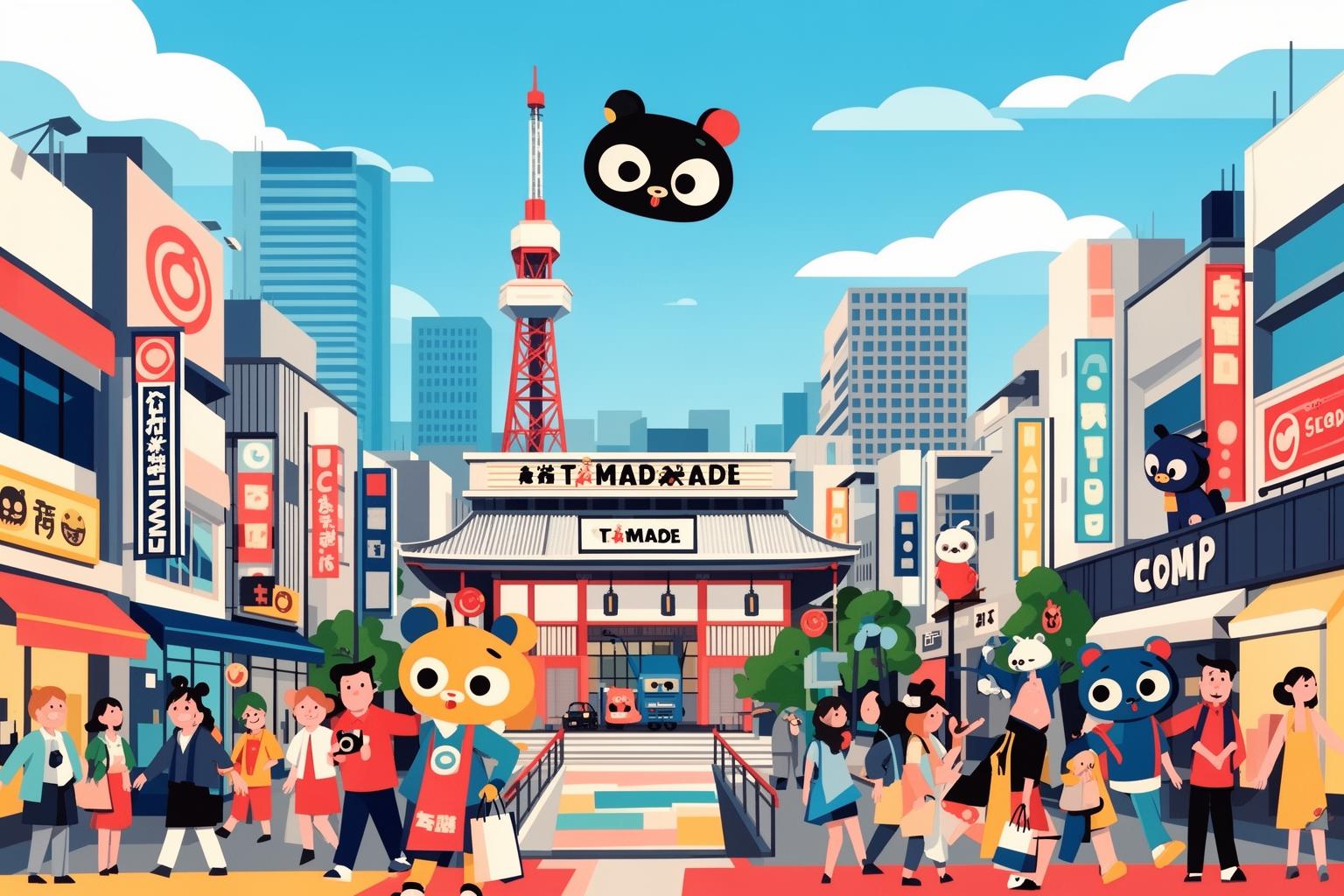
The people you encounter in the aisles of Tamade reveal as much about Osaka as the products displayed on the shelves. This is not a place for the trendy foodie searching for artisanal cheese or organic, fair-trade coffee. Tamade is the heartbeat of working-class Osaka, a snapshot of the city’s unpretentious, diligent population.
Who You’ll Meet in the Aisles
The customers form a vibrant mosaic of genuine local life. You’ll spot elderly grandmothers (obaa-chan), pushing their carts with focused determination, their eyes sharp for the best deals thanks to decades of bargain hunting. They know the regular prices of every item by heart and can recognize a real sale from afar. Young families on a budget fill their carts with large packs of meat, bulk bags of rice, and snacks for their children. For these families, Tamade isn’t a choice; it’s a necessity that helps them feed their household well without overspending. University students come here late at night, snapping up discounted bento boxes and instant noodles. Single office workers, weary after a long day, head straight for the prepared foods section. These are the people who keep the city running, and Tamade serves them with an unapologetic focus on what matters most: value.
The Unspoken Etiquette
Shopping at Tamade is a fast-paced, no-nonsense experience. There’s an unspoken etiquette that everyone respects. You’re there with purpose. There’s no leisurely browsing or wandering absentmindedly. The aisles are narrow and crowded, and blocking them is a serious faux pas. You move efficiently, grab what you need, and keep the flow going. The checkout process is a masterclass in speed and efficiency. The cashiers work lightning-fast, scanning and bagging with an intensity that can be overwhelming. They don’t engage in small talk or pleasantries. They expect you to have your wallet, points card, and payment ready as soon as your total is announced. This isn’t rudeness; it’s a shared respect for everyone’s time. In a city that prizes efficiency and straightforwardness, the Tamade checkout line perfectly embodies that spirit: get in, get it done, and get on with your day.
Tamade’s Treasure Trove: The Good, The Bad, and The Unbelievable
Wandering through the aisles of Tamade is an adventure. You’ll discover fantastic bargains, genuinely tasty food, and some items that are simply strange. It’s a treasure hunt where the rewards are edible and incredibly affordable.
The Legendary Bento and Souzai
The prepared foods section, or souzai, is the core of any Tamade. For many visitors, it’s the primary reason to come. The sheer volume and variety are astonishing. You’ll encounter dozens of different bento boxes, ranging from simple karaage (fried chicken) bentos to more elaborate fish and vegetable assortments. The standout feature is the price. A satisfying, complete meal for the cost of a cup of coffee is typical. The quality is unexpectedly good—hearty, flavorful, and reminiscent of home cooking. This section is a lifeline for students, singles, and anyone too tired or busy to cook. The fried food counter is another favorite, offering everything from croquettes and tempura to tonkatsu, all sold by the piece at pocket-change prices. As closing time nears, the real magic unfolds. Staff armed with discount sticker guns sweep through, marking items down by 20%, 30%, and eventually 50%. This nightly event, dubbed the “discount sticker feeding frenzy,” is a spectacle to witness.
The Produce Aisle Gamble
The fresh produce section is where your bargain-hunting skills really come into play. Exceptional deals are available here, but it demands a discerning eye. You learn to examine items carefully. You might spot a bag of ten bell peppers for 200 yen, but you have to make sure they’re all firm. You might find a huge daikon radish at a bargain price, but it needs to be used within a day or two. This isn’t a flaw in the system; it’s part of the challenge. Shopping at Tamade teaches you to be a more mindful and resourceful cook. You plan your meals based on what’s on sale and what needs to be eaten quickly. It’s completely different from entering a supermarket with a fixed recipe in mind. Here, the supermarket guides what you’ll be having for dinner, and you appreciate the savings.
The Mysterious Middle Aisles
Beyond the food, the central aisles of Tamade are a chaotic mix of general goods. It feels like a discount store and a supermarket merged. You’ll find cheap kitchen utensils, questionable cleaning products in bright packaging, socks, underwear, and occasionally, oddly enough, small electronics or toys. There’s no pattern to the selection. It’s just a random collection of items the store managed to buy in bulk at low prices. This adds to the treasure-hunt vibe. You might come in for milk and eggs and leave with a new pair of slippers and a strangely appealing toilet brush. It’s all part of the store’s unpredictable charm.
Beyond the Neon: What Tamade Teaches You About Living in Osaka
At first glance, Super Tamade appeared to be a flashy, overwhelming oddity. However, after living here, I’ve come to recognize it as one of the most genuine expressions of Osaka culture. It reveals the truth about the city and its people—a truth often concealed behind the more polished veneer of tourist spots.
Osaka vs. Tokyo: The Supermarket Showdown
The contrast between Tamade and a typical Tokyo supermarket perfectly symbolizes the differences between the two cities. A Tokyo store, such as a Kinokuniya or Seijo Ishii, focuses on the experience. The lighting is gentle, products are artfully arranged, and the ambiance exudes calm sophistication. It sells a lifestyle. Super Tamade, on the other hand, sells groceries. That’s all. It has no intention of offering an experience, unless that experience is the thrill of saving money. Its loud, cluttered, in-your-face style directly reflects Osaka’s character. This city prioritizes substance over appearances. It’s straightforward, practical, and has a great sense of humor about itself. Tamade embodies Osaka in all its unpretentious, garish, and wonderful vibrancy.
A Symbol of Economic Reality
Tamade also serves as a stark reminder of the economic realities faced by a large portion of the population. While Japan is often seen as a wealthy, homogenous nation, Tamade reveals the diversity of financial circumstances. It thrives because it meets a real need. For many, saving a few hundred yen on their weekly grocery bill makes a significant difference. Appreciating the role Tamade plays in the community is key to understanding Osaka as a living city, not just a tourist destination. It stands as a testament to the resilience and resourcefulness of its people, who value practicality and community above superficial luxury.
The Hidden Warmth in the Chaos
Finally, beneath the buzzing lights and boisterous staff, there is a unique warmth at Super Tamade. It’s not the polite, deferential service common elsewhere. It’s something more communal. Everyone, from staff to shoppers, shares a common goal: securing the best deal. There’s a shared understanding, a sense of solidarity. The cashier’s rapid-fire pace isn’t impersonal; it serves the long line of waiting customers. The loud announcements of time sales aren’t just noise; they’re announcements for the bargain-hunting community. This is Osaka’s version of friendliness—not quiet and reserved, but loud, practical, and genuinely helpful. It might not be conventionally beautiful, but it’s honest, lively, and one of the most authentic windows into the heart of this remarkable city.