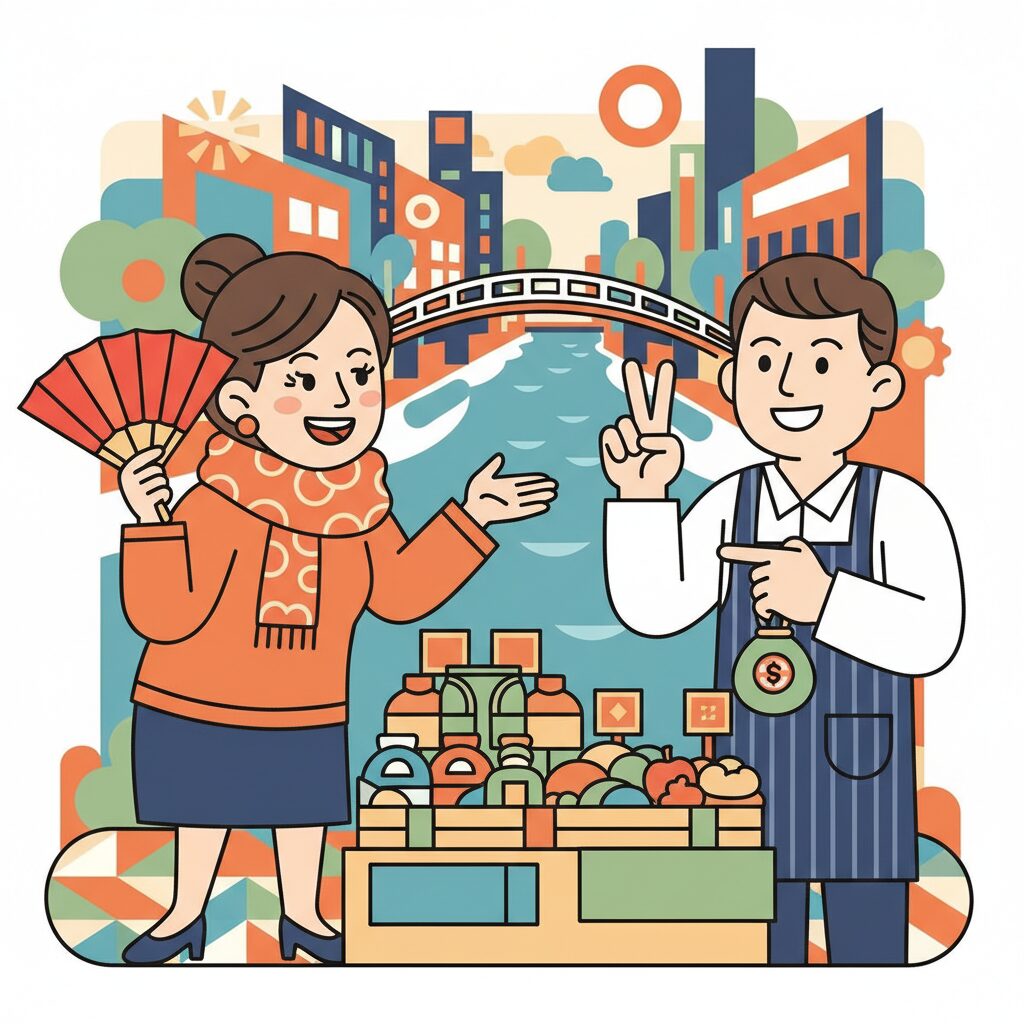
You see it before you properly understand it. A flicker of motion in a crowded shotengai, a covered shopping arcade buzzing with the low hum of daily life. An obachan—an older, spirited Osaka woman—is locked in a playful, high-speed verbal dance with a fruit vendor. There’s a theatrical gasp, a wave of the hand, a hearty laugh from the vendor, and then the transaction happens. An extra mikan orange is tossed into her bag, a few coins are exchanged, and both parties walk away with a smile. You, the foreign resident, stand there for a moment, clutching your groceries bought at the fixed, non-negotiable price at the local supermarket. You’ve just witnessed ‘nebiki kosho’—price negotiation—in its natural habitat. It’s a moment that shatters the stereotype of Japan as a land of rigid formality and unspoken rules. And in Osaka, it’s not just about saving a hundred yen; it’s a language, a performance, and a fundamental piece of the city’s soul. For anyone trying to understand what makes Osaka tick, what makes its rhythm so different from the steady, metronomic beat of Tokyo, this dance of the deal is the perfect place to start. It’s where commerce, communication, and comedy collide.
This dynamic interplay of haggling mirrors a broader local flair, where mastering Osaka’s two-wheeled rules offers another window into the city’s vibrant street culture.
The Spirit of the ‘Akindo’: More Than Just Money
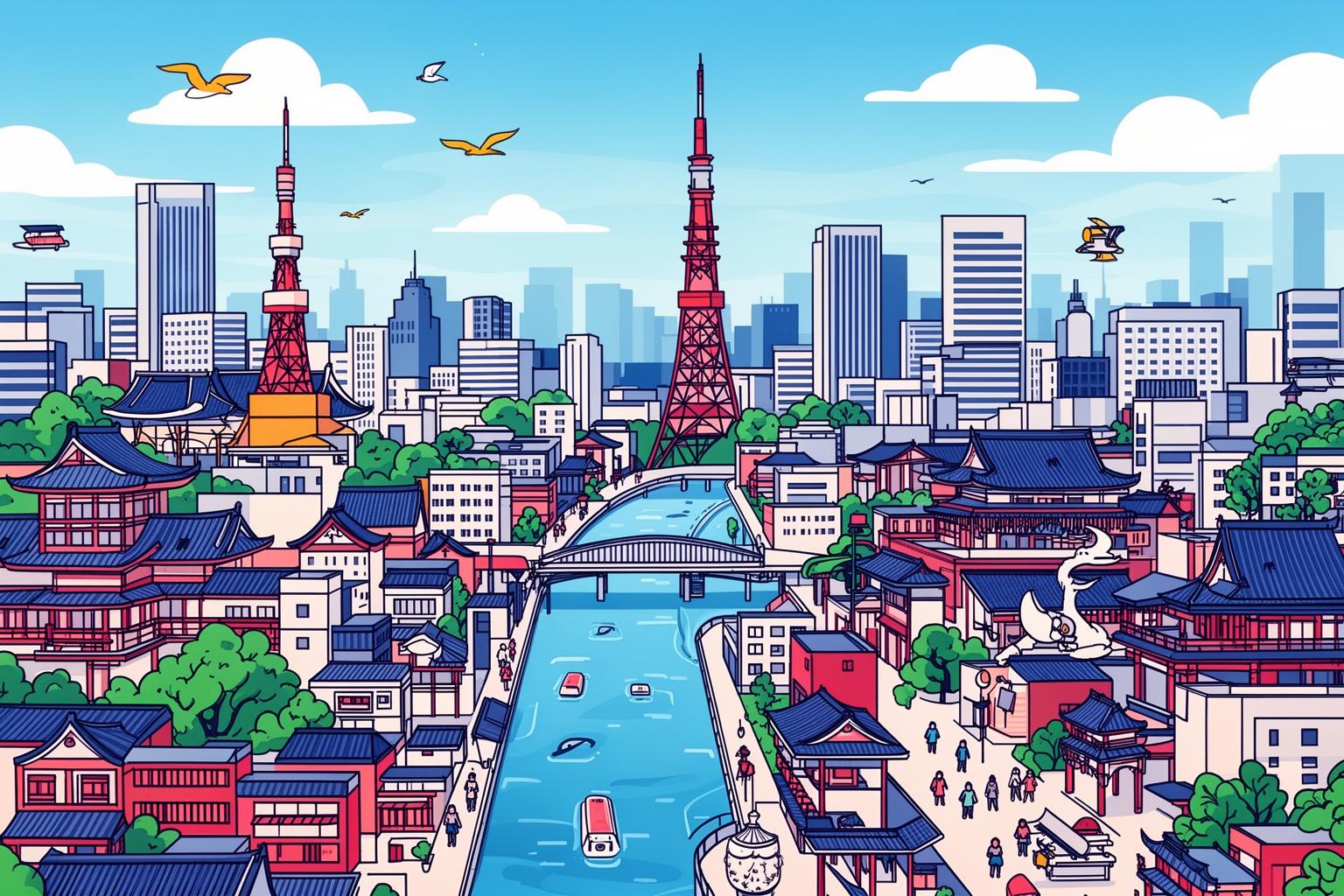
To understand Osaka, you need to grasp its history. This was not the city of samurai and shoguns; that was Edo, present-day Tokyo. Osaka was the ‘tenka no daidokoro’—the Nation’s Kitchen. It was a city built by merchants, or ‘akindo,’ a class of people who lived and thrived on their wit, their relationships, and their skill in turning a phrase as deftly as they turned a profit. While Tokyo’s culture was shaped by the stoic, hierarchical world of warriors, Osaka’s character was forged in the lively, pragmatic, and deeply human world of the marketplace. This is a vital distinction. In Tokyo, the price on the tag is a rule, an absolute. Questioning it challenges the system itself, causing social disruption. In Osaka, that same price tag often serves as the opening line of a conversation.
The akindo spirit isn’t about greed. It’s about value, and value is a dialogue. A successful negotiation isn’t a win for the customer and a loss for the vendor; it’s a win-win. The customer feels clever, knowing they’ve secured a fair, good deal from a person, not a faceless corporation. The vendor makes a sale, strengthens a relationship with a customer who will likely return, and enjoys a bit of playful banter that breaks up the monotony of the day. This is why the best haggling resembles a performance. It’s an expression of mutual respect hidden within a playful argument. The aim is to settle on a price or arrangement that leaves both parties feeling satisfied. It’s a profoundly human-centered approach to commerce that seems almost revolutionary in hyper-modern Japan, yet in Osaka, it’s as natural as breathing.
The Unspoken Rules: Where, When, and How to Play the Game
Before you storm into your local FamilyMart and try to bargain down the price of an onigiri, pause. The art of nebiki kosho is subtle, governed by a strict, though unwritten, code. Misreading the situation is the quickest way to cause offense and embarrassment. This isn’t a free-for-all; it’s a particular cultural practice tied to specific settings.
The Right Arena: Know Your Battlefield
Understanding where to even attempt negotiation counts for ninety percent of success. Winning depends largely on picking the appropriate stage for your act.
Prime Haggling Territory
Your best chance is almost always where the owner personally sells the goods. Think of the sprawling, covered shotengai like Tenjinbashisuji or the somewhat more chaotic Kuromon Ichiba Market. Small, independent stalls selling everything from vegetables and fish to clothes and pottery are prime spots. The older the proprietor, the more likely they are to engage in bargaining. Flea markets, antique shops, and the quirky, independent electronics stores in Den Den Town are also venues where friendly haggling is often expected. The key is the human element. If you’re dealing directly with the person whose livelihood relies on that sale, you’re in the right place.
The No-Go Zones
On the other hand, attempting to haggle in the wrong setting is a serious social faux pas. Department stores like Hankyu or Daimaru are off-limits. Their entire identity is built on prestige, fixed prices, and a formal, impeccable style of service. The staff are employees, not owners; they lack the authority to alter prices and would be deeply embarrassed by such a request. The same applies to chain stores—Uniqlo, Muji, Don Quijote—as well as supermarkets and, naturally, convenience stores. Prices are set by computer, and that’s final. Restaurants are also firmly off-limits. You don’t negotiate the price of your ramen. Trying to do so would be deemed extremely rude and imply you believe their food isn’t worth the asking price.
The Method: It’s All in the Delivery
Once you’ve located the right spot, how you proceed is crucial. This is where foreigners often stumble. The Western idea of haggling can be confrontational—a direct back-and-forth over numbers. The Osaka approach is more of a delicate dance, a gradual warming-up before gently proposing the final question.
Building the Foundation: Rapport First
Never, ever start by discussing the price. Your initial move is to build rapport. Show sincere interest in the product. Pick it up and admire it. Ask the shopkeeper a question like, “Kore, doko no sakana?” (Where is this fish from?). Or say, “Kono fuku, ii iro ya na!” (This piece of clothing has such a nice color!). Compliment their shop or display—anything. The aim is to shift from being a faceless customer to a friendly, interested individual. The shopkeeper will relax, opening the way for genuine conversation. In Osaka, personality is currency—spend it wisely.
The Art of the Gentle Probe
After some small talk, you can advance to the next phase. Crucially, do not state a lower price outright. That’s far too blunt, framing the interaction as a demand. Instead, use softer, more ambiguous language. The magic word is ‘chotto’ (a little). Combining this with a hopeful, friendly tone is essential. Here are classic phrases:
- “Mou chotto dake, makete kurenai?” (Could you discount it just a little for me?)
- “Kore to are, futatsu kattara, chotto wa dou?” (If I buy this one and that one together, how about a little something?)
- “Kore, kyou no saabisu dekinai?” (Could this be today’s special price?)
The phrasing is intentionally vague. It’s an invitation, not a command. It gives the vendor control. They can say yes, no, or meet you halfway. By asking this way, you show respect for their role as owner and expert.
The Secret Weapon: Humor and Humility
Osakans love humor, which lubricates the negotiation process. A little light-hearted, self-deprecating humor can work wonders. You might glance at the price, take a theatrical breath, and grin, saying, “Uwaa, chotto takai naa! Boku binbo nan desu yo!” (Wow, that’s a bit expensive! I’m a poor guy, you know!). Said with a laugh, this isn’t an insult; it’s an invitation to join the game. The vendor will often laugh along and respond, “Anata, joudan umai na!” (You’re good at joking!). This playful exchange is the heart of the experience. It shows cultural understanding. If they do agree to a discount, they often do so with a mock sigh: “Ah, shoganai naa…” (Ah, it can’t be helped…). This signals your success.
Finally, be ready to accept ‘no’ graciously. If the vendor shakes their head or says the price is fixed, the negotiation is done. Thank them with a smile (“Wakarimashita, arigatou!”—Understood, thank you!), and either buy at the listed price or leave politely. Pressing further after a firm refusal is a major mistake and will destroy any goodwill you’ve built.
A Double-Edged Sword: Communication and Misinterpretation
At its essence, nebiki kosho is a powerful form of communication, but to outsiders, it’s fraught with potential misunderstandings. Approaching it with the wrong attitude can cause offense instead of connection.
The Upside: Weaving Yourself into the Community
When done correctly, haggling is one of the most effective ways to feel like a true local. It’s a rite of passage. That first time a shopkeeper laughs and knocks 50 yen off your daikon radish, you experience a sense of belonging that buying from a vending machine could never provide. You’re no longer just a consumer; you become a participant in the neighborhood’s daily life. These small interactions accumulate over time. The fishmonger starts reserving the best cuts for you. The vegetable seller offers tips on cooking the seasonal bamboo shoots she just sold you. This is how community is built in Osaka—through a series of small, personal, and sometimes financially motivated exchanges. It transforms the mundane act of shopping into a social event.
The Downside: The Foreigner’s Folly
The greatest risk for a non-Japanese person is misunderstanding the dynamic. Many come from cultures where haggling is a more direct, even aggressive, negotiation of lowballing and compromise. Using that approach here is disastrous. A blunt, demanding attitude will be seen as arrogant and disrespectful. It suggests the vendor is trying to cheat you and that their prices are unfair. This is deeply offensive to a small business owner who prides themselves on their work and reputation. You’re not simply questioning the price; you’re implicitly questioning their integrity. The warmth in their eyes will fade, the conversation will close down, and you will face a polite but firm refusal. Remember, the aim is to make a friend, not to win a battle.
The Psychology of the Deal: It’s Not About the Discount

Here’s a secret that many outsiders overlook: the actual monetary discount is often the least significant part of the exchange. What you’re truly negotiating for is a gesture of goodwill. This is frequently expressed through ‘omake’ culture. ‘Omake’ means a small extra something, a bonus, or a gift. Instead of reducing the price of the three tomatoes you’re buying, the vendor might simply add a fourth one to your bag for free. Or the butcher might include an additional chicken wing with your karaage order. This is the ultimate sign of a successful interaction. The omake is a symbolic gesture. It costs the vendor very little, yet it communicates, “I like you. You’re a valued customer. Please come back.” It shifts the relationship from transactional to relational. This exemplifies ‘giri-ninjo,’ the intricate Japanese concept of duty and human emotion. You, the customer, have a duty to pay, but the vendor responds with ‘ninjo,’ a human feeling of generosity, forging a balanced and warm social connection. This is far from the cold efficiency of a Tokyo transaction, where interactions are designed to be as quick and seamless as possible. In Osaka, a bit of friction, a bit of banter, is what makes the relationship endure.
Your Life in Osaka: Finding Your Rhythm
So, what does all this mean for you, a foreign resident trying to establish a life here? It means recognizing that Osaka operates on a unique social wavelength. This city values human connection, humor, and pragmatism rather than strict formality. Nebiki kosho is just one reflection of this wider cultural reality.
Don’t be overwhelmed by it, but don’t rush into it either. Spend time in your local shotengai. Observe the experts—the obachan—at work. Pay attention to their tone of voice and body language. Notice how they turn a simple purchase into a mini-drama filled with laughter and playful surprise. Start small. Try asking for a tiny omake when you’re buying a few items from one stall. The worst that can happen is a polite ‘no.’ But the best outcome is sharing a laugh, receiving a free potato, and walking away feeling a bit more connected to this loud, chaotic, and wonderfully human city you’ve chosen to call home. The discount may fade, but the sense of connection is what truly makes life in Osaka so rewarding.