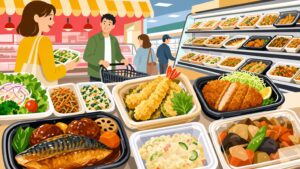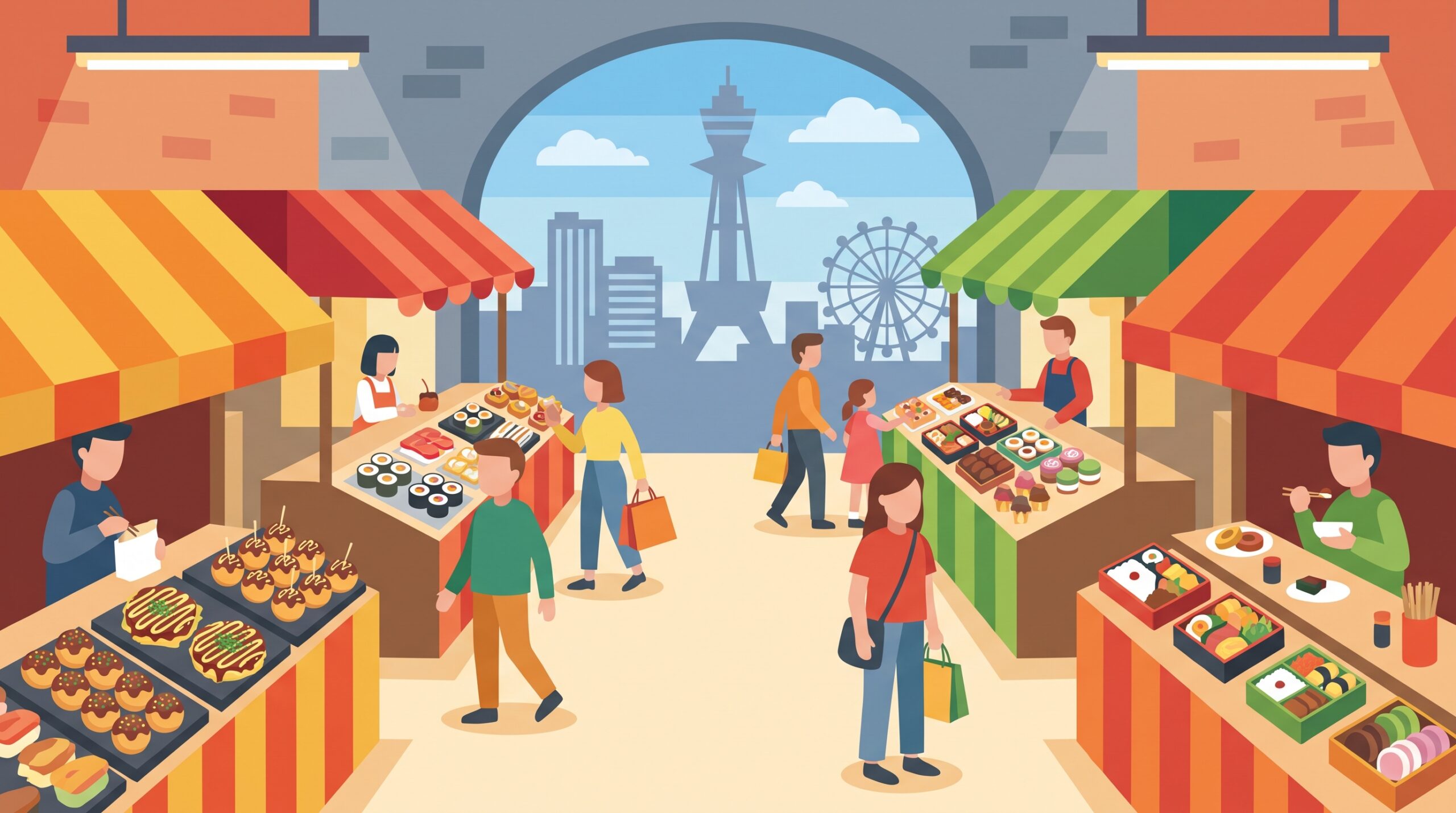
Step off the bustling street level of any major station in Osaka, ride the escalator down into the subterranean depths, and you will instantly find yourself engulfed in a sensory symphony. The bright, clinical lights of the train concourse fade away, replaced by the warm, golden glow of intricate display cases. The air shifts dramatically. Suddenly, you are breathing in the rich, savory aroma of dashi broth, the sweet, buttery scent of freshly baked financiers, and the unmistakable oceanic brine of premium grilled eel. A chorus of voices rises above the ambient hum, singing out welcomes with a melodic cadence that feels less like a retail greeting and more like an invitation to a grand feast. Welcome to the depachika.
For the uninitiated, the word depachika is a simple portmanteau of department and chika, the Japanese word for basement. But translating it merely as a department store food hall is a tragic understatement. In Osaka, a city entirely defined by its historic and unyielding obsession with food, the depachika is not just a place to buy groceries. It is a cultural institution. It is a stage where the city’s philosophy of kuidaore, the act of eating until you drop, is performed daily by thousands of locals. While tourists often flock to Dotonbori for street food, the true everyday culinary heart of Osaka beats down here, beneath the concrete. If you want to understand how the people of this city live, how they treat themselves, how they navigate their daily routines, and how they express love and gratitude, you must spend a weekend afternoon wandering the aisles of a depachika alongside them.
Why Osaka Depachika are a Food Lover’s Paradise
To understand the Osaka depachika, you first need to grasp how it contrasts with its Tokyo counterparts. In the capital, a department store food hall is a showcase of silent efficiency and understated elegance. Customers point politely, staff bow with practiced precision, and transactions are carried out with a clinical grace that emphasizes speed and quietness. It is beautiful, yet it can feel somewhat distant. Osaka, true to its merchant city heritage, operates on a completely different wavelength. Here, the depachika is lively, conversational, and full of energy.
When a local in Osaka approaches a counter to purchase a slab of roast beef or a carefully prepared bento box, they don’t simply point and pay. They ask questions—inquiring about the origin of the beef and seeking confirmation that the chosen cut is the most tender available that day. There is a subtle, playful negotiation of trust across the glass display cases. Osaka’s staff embrace this dynamic, eagerly informing you if the yellowtail is especially fatty or gently advising you to wait for a fresher batch of pastries coming out of the oven in ten minutes. This embodies Osaka’s unique brand of omotenashi, or hospitality. It’s not about rigid formality but about warm, genuine interaction and ensuring the customer receives the best value for their hard-earned money.
Value holds a sacred place in this city. While Osaka residents appreciate luxury and willingly invest in high-quality ingredients, they abhor paying too much for mediocrity. Depachika here survive through a harsh, relentless Darwinism of taste. If a shop opens in a major Osaka basement and its food isn’t exceptional or its prices aren’t justified by quality, locals simply ignore it. Those stalls that have flourished for decades have done so because they consistently satisfy the impossibly high standards of local housewives, businessmen, and food enthusiasts. When you buy a meal at an Osaka depachika, you’re purchasing food that has been rigorously vetted by some of the most discerning palates in Japan.
Top Depachika in Umeda (The Kita Area)
The northern district of Osaka, Umeda, is an extensive maze of interconnected underground shopping arcades and soaring skyscrapers. Commonly referred to as Kita, this area stands as the undisputed heavyweight champion of department store culture in western Japan. The sheer concentration of retail space here is astonishing, with the depachika scene dominated by a revered trio of massive stores, each sporting a unique character and boasting a fiercely loyal customer base.
Hankyu Umeda Main Store: The Unrivaled King of Sweets
For a glimpse of pure, unfiltered retail glamour, you step through the doors of the Hankyu Umeda Main Store. Hankyu is more than just a department store; it is a cathedral of fashion and lifestyle. Its depachika perfectly mirrors this elevated status. Descend into the Hankyu basement, and you are greeted by expansive, wide aisles, gleaming marble floors, and an atmosphere reminiscent of a luxury jewelry exhibition.
Hankyu is nationally renowned for its vast array of premium sweets and desserts. It is arguably where the concept of the luxury snack was perfected. Here, you’ll encounter long, winding lines of people patiently waiting for exclusive, enhanced versions of everyday Japanese snacks. Local brands collaborate with Hankyu to produce limited-edition potato chips sprinkled with truffle salt or buttery, chocolate-coated pretzel sticks encased in sleek, sophisticated packaging. Locals don’t queue just to buy a snack; they are purchasing social currency. In Japanese culture, bringing a gift, or temiyage, when visiting someone’s home or office is a deeply rooted social custom. Offering a beautifully wrapped box from Hankyu Umeda conveys deep respect and a touch of urban sophistication. Yet, beneath the luxury lies Osaka pragmatism: locals might buy the fancy box for their boss but quietly grab a flawless, freshly baked fruit tart from a neighboring counter to enjoy in the comfort of their own home that evening.
Hanshin Department Store: Flavors of Local Osaka
Directly across from Hankyu’s refined elegance stands its corporate counterpart and spirited opposite, the Hanshin Department Store. If Hankyu dons a tailored silk suit, Hanshin sports a comfortable, well-worn baseball jersey. This department store is deeply intertwined with local working-class culture and is famously the unofficial headquarters for fans of the Hanshin Tigers baseball team.
The Hanshin depachika is louder, considerably more crowded, and full of charm. It lacks Hankyu’s sweeping wide aisles, replaced instead by a lively, bustling energy akin to a traditional street market brought indoors and air-conditioned. Hanshin is the go-to spot for everyday gourmet. It’s the best place in the city to find high-quality Osaka soul food. The legendary Snack Park area in the basement is a pilgrimage site. Here, you can stand side-by-side with local businessmen and elderly ladies, savoring freshly pressed ikayaki, a savory squid pancake unique to Osaka. The emphasis at Hanshin is on hearty, savory, deeply satisfying food. The deli counters brim with massive fried shrimp, glistening sweet and sour pork, and towering piles of potato salad. It’s unpretentious, entirely authentic, and utterly delicious.
Daimaru Umeda: Convenience and Variety
Located directly within the expansive Osaka Station City complex, Daimaru Umeda plays a slightly different yet equally essential role in the local retail landscape. Due to its close proximity to Shinkansen connections and major commuter lines, Daimaru is the depachika for movement. It caters to travelers, busy commuters, and locals heading home after a long day at work.
Daimaru’s strength lies in its remarkable variety of bento boxes. Bento culture in Japan is not about assembling leftovers; it is an art form centered on balance, seasonal ingredients, and visual appeal. Daimaru understands that its customers often enjoy these meals on a train or in a hotel room, so the packaging is carefully secure, and the flavors designed to delight at room temperature. You’ll see locals skillfully weaving through the crowds, making quick decisions, and grabbing stunning boxes of seasonal bamboo shoot rice or perfectly grilled salmon just minutes before their train leaves. It’s a masterclass in culinary convenience without compromising an ounce of quality.
Top Depachika in Namba and Shinsaibashi (The Minami Area)
Heading south on the Midosuji subway line takes you to Minami, a vibrant entertainment district glowing with neon lights, encompassing Namba and Shinsaibashi. The atmosphere here is famously raw, youthful, and chaotic. However, the depachika in this area offer a striking contrast, presenting pockets of deep history and refined tradition amid the urban bustle.
Takashimaya Osaka: Traditional Gourmet Excellence
At the heart of the vast Namba station complex stands Takashimaya, a historic establishment that commands great respect from the older, established families of southern Osaka. Entering the Takashimaya depachika feels like stepping into a sanctuary dedicated to traditional Japanese culinary arts. The lighting is a touch warmer, the pace slightly slower, and the emphasis strongly on heritage ingredients.
This is the place to go when seeking the finest traditional Japanese foods. The counters are staffed by artisans selling hyper-regional specialties. Here you’ll find exquisitely marbled Wagyu beef from neighboring prefectures, delicate sashimi selections that rival the best sushi restaurants, and Kyoto-style pickled vegetables showcased in wooden barrels. Takashimaya is also celebrated for its wagashi, traditional Japanese confections made from mochi and sweet red bean paste. These sweets are crafted to reflect the changing seasons, resembling delicate plum blossoms in winter or maple leaves in autumn. For the older generation of Osaka locals, weekend grocery shopping in the Takashimaya basement is a cherished ritual, reflecting a life well-lived and a deep appreciation for the timeless flavors of the Kansai region.
Daimaru Shinsaibashi: Historic Elegance and Fine Foods
A short walk north brings you to Daimaru Shinsaibashi. The building itself is an architectural gem, featuring stunning Art Deco designs by the renowned architect William Merrell Vories. The beauty of the exterior flows seamlessly into the basement food hall.
Directly above the basement lies the Shinsaibashi-suji shopping arcade, one of the busiest and most crowded tourist streets in the country. Descending into the Daimaru depachika feels like entering a secret, tranquil garden. The selection here is highly curated and boutique. You’ll find premium international chocolates, rare imported wines, and an exceptional variety of fine teas. This spot is popular among wealthy locals from nearby upscale neighborhoods who come to purchase luxurious ingredients for weekend dinner parties. The stark contrast between the hectic energy at street level and the calm, opulent atmosphere of the basement perfectly encapsulates Osaka’s multifaceted character.
The Giant of Tennoji: Kintetsu Abeno Harukas
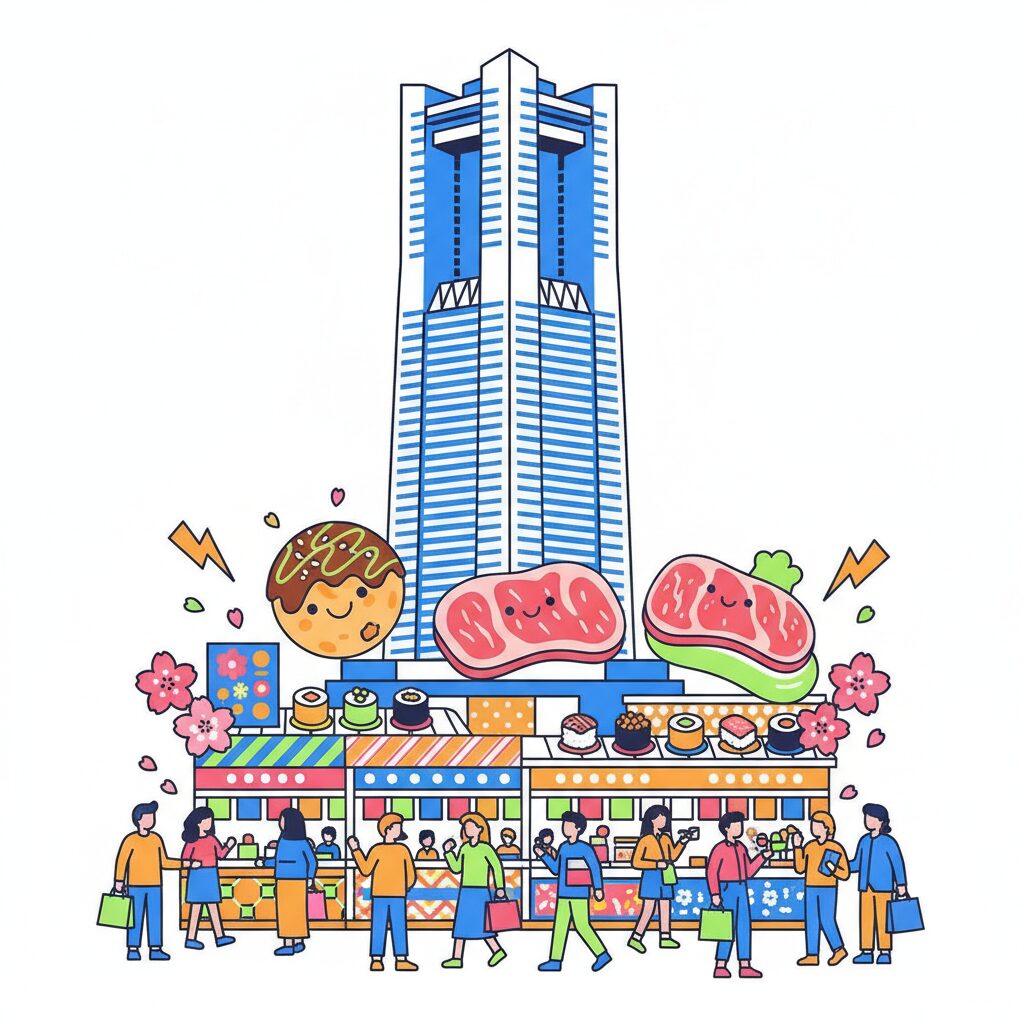
Further south lies the district of Tennoji, historically known as the gritty, working-class core of the city. Yet now, the skyline is dominated by Abeno Harukas, Japan’s tallest skyscraper, which houses the massive Kintetsu Department Store. The Kintetsu depachika is an extensive, multi-level marvel serving a vast portion of southern Osaka and the neighboring prefectures of Nara and Wakayama.
Since Kintetsu operates the railway lines linking Osaka to the far south of the Kansai region, its depachika offers an impressive selection of regional specialties that are rare to find in Umeda or Namba. You’ll discover persimmon leaf sushi from Nara, incredibly sweet and juicy mandarins from Wakayama, and uncommon mountain vegetables. The scale of this depachika is nearly overwhelming. It epitomizes the modernization of Tennoji, providing a bright, spacious, and richly comprehensive food experience that attracts families from across the southern suburbs for their weekend outings.
Must-Buy Foods and Souvenirs in Osaka Depachika
Navigating the endless aisles can feel overwhelming, but understanding what locals prioritize will help you get the most out of your visit.
Premium Bento Boxes and Savory Deli
The savory section of the depachika is largely defined by sozai, which are prepared side dishes and deli items. In many Western cultures, purchasing pre-made deli food might be viewed as a compromise in quality. In Japan, especially in Osaka, the opposite is true. The sozai culture thrives because local food standards are incredibly high, yet modern life leaves little time for elaborate home cooking.
Local families typically cook a simple pot of rice at home and then head to the depachika for the main dishes. You’ll find perfectly fried tonkatsu pork cutlets, delicate salads made with seasonal vegetables and yuzu dressing, and skewers of charcoal-grilled yakitori. When choosing bento boxes, look for those featuring Kansai regional beef, such as Kobe or Matsusaka, served over expertly seasoned rice. Don’t hesitate to try the seafood either—the sushi sold in an Osaka depachika often surpasses what you’d find in a mid-range restaurant abroad.
Signature Kansai Treats
For those with a sweet tooth, the depachika is a true paradise. Move beyond generic cookie boxes and seek out items that represent the local flavors. Matcha sweets are immensely popular, using high-grade powdered green tea from the nearby Uji region in Kyoto. You’ll find matcha integrated into everything from delicate terrines to rich, dense parfaits.
Savory snacks are equally important. Senbei, traditional roasted rice crackers, are a staple. In Osaka, premium versions come flavored with rich soy sauce, wrapped in crisp nori seaweed, or even infused with local seafood flavors like shrimp and octopus. The packaging alone is often worth the price, featuring intricate paper wrapping and elegant seasonal motifs, making them ideal for gifts.
Practical Tips for Your Depachika Visit
Visiting a depachika is an adventure, but a few insider tips can help you navigate the experience like a seasoned local.
Timing Your Visit for Evening Discounts
One of the most exciting daily events in any Japanese department store is the evening discount rush. Because depachika pride themselves on extreme freshness, they cannot keep perishable items overnight. As closing time approaches—usually around seven or eight in the evening—staff members emerge from the back rooms wielding red discount stickers.
Watching this unfold is a cultural experience in itself. Osaka locals, who take pride in hunting for bargains, start to strategically circle their favorite deli counters. There is a polite but palpable tension in the air. As soon as a staff member slaps a twenty or thirty percent off sticker on a premium box of sashimi or an upscale bento, hands quickly dart out to claim the prize. It becomes a highly civilized, thrilling game of culinary chicken. If you want a spectacular dinner at a fraction of the price, timing your visit for the final hour of operation is a brilliant strategy.
Navigating Tax-Free Shopping
If you are visiting Osaka on a tourist visa, depachika offer an excellent opportunity to take advantage of Japan’s tax-free shopping system. Most major department stores have a dedicated tax-free counter, usually located on an upper floor or near the customer service desk.
When buying souvenirs such as sealed boxes of sweets, premium teas, or packaged rice crackers, be sure to keep your receipts. If your total purchase of consumable goods at the same department store exceeds the required threshold on the same day, you can present your receipts and passport at the counter to receive a refund on the consumption tax. However, it’s important to remember that food you intend to eat immediately—like a bento box for dinner or a fresh pastry—does not qualify for the tax exemption. The staff will seal your tax-free goods in a special bag that must remain unopened until you leave the country.
Where to Eat Your Depachika Haul
Perhaps the most important unspoken rule of the depachika, and Japanese culture in general, is that you do not eat while walking. It is considered deeply impolite and messy. So, once you’ve gathered your treasure trove of food, where do you eat it?
If you’re taking your food back to your hotel or apartment, the problem is solved. But if you want to eat immediately, you’ll need a strategy. Many department stores feature rooftop gardens created precisely for this purpose. These spaces are often beautifully landscaped, offering quiet benches, fresh air, and spectacular views of the city skyline. It’s the perfect place to unwrap your bento and enjoy a peaceful meal above the busy streets. Alternatively, you can take your food to a nearby park, like Nakanoshima Park if you’re in the Umeda area, and enjoy a picnic by the river.
Spending a weekend afternoon in an Osaka depachika is about more than just satisfying your hunger. It’s an immersive crash course in local culture. It’s where you see the city’s famous friendliness in action, witness their deep respect for seasonal ingredients, and experience the pragmatic, joyful, food-obsessed spirit of Osaka in its purest form. So grab a basket, follow the scent of grilled eel, and dive in.