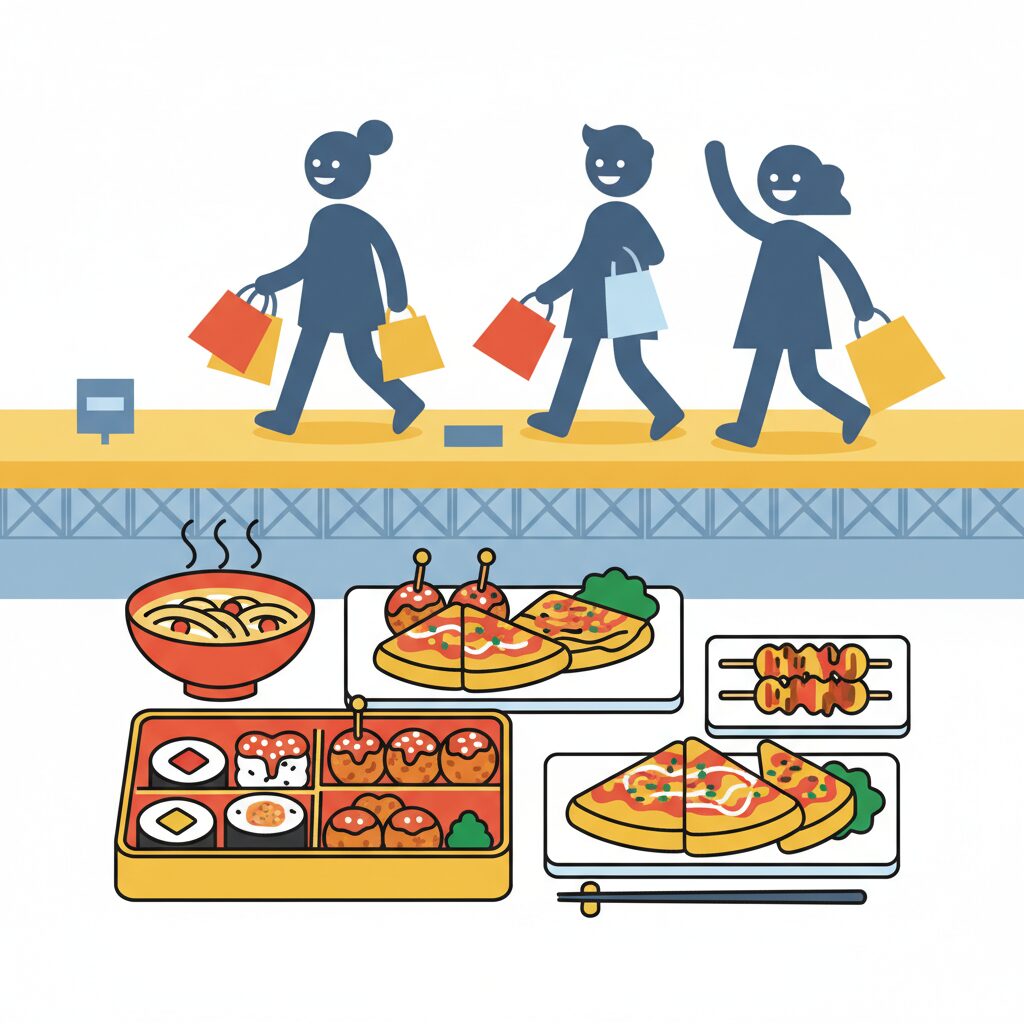
When I first landed in Osaka, the basement floor of a department store—the depachika—felt like a museum. It was a dazzling, disorienting labyrinth of immaculate food displays, a universe away from the grab-and-go supermarkets I knew. You had gleaming lacquer boxes filled with jewel-like morsels, perfectly marbled beef resting on chilled platters, and cakes that looked more like architectural models than dessert. My initial thought, the one many newcomers share, was that this was a place for splurging. It was for finding that exquisitely wrapped box of sweets for a special gift, or for picking up a ridiculously expensive bento box as a once-a-year treat. I saw it as a performance of luxury, a place where you’d go to be impressed, not to solve the relentless, daily question of “what’s for dinner?” But I was wrong. I was looking at it through a foreign lens, missing the brilliant, pragmatic utility that hums just beneath the polished surface. For a huge number of Osakans, this glittering food wonderland isn’t a luxury. It’s a lifeline. It’s the secret weapon in the daily battle for a delicious, convenient, and surprisingly economical meal. It’s where the city’s deep-rooted food obsession meets its equally powerful love for a good deal. This isn’t just where you buy food; it’s where you see the Osaka mindset in action.
Osaka’s creative approach to transforming everyday meals into a cultural ritual is mirrored by a dynamic shift in regional hospitality, as seen in Kansai’s ambitious new hotel project, which redefines luxury with a modern twist.
Deconstructing the Depachika: Beyond the Gift Box
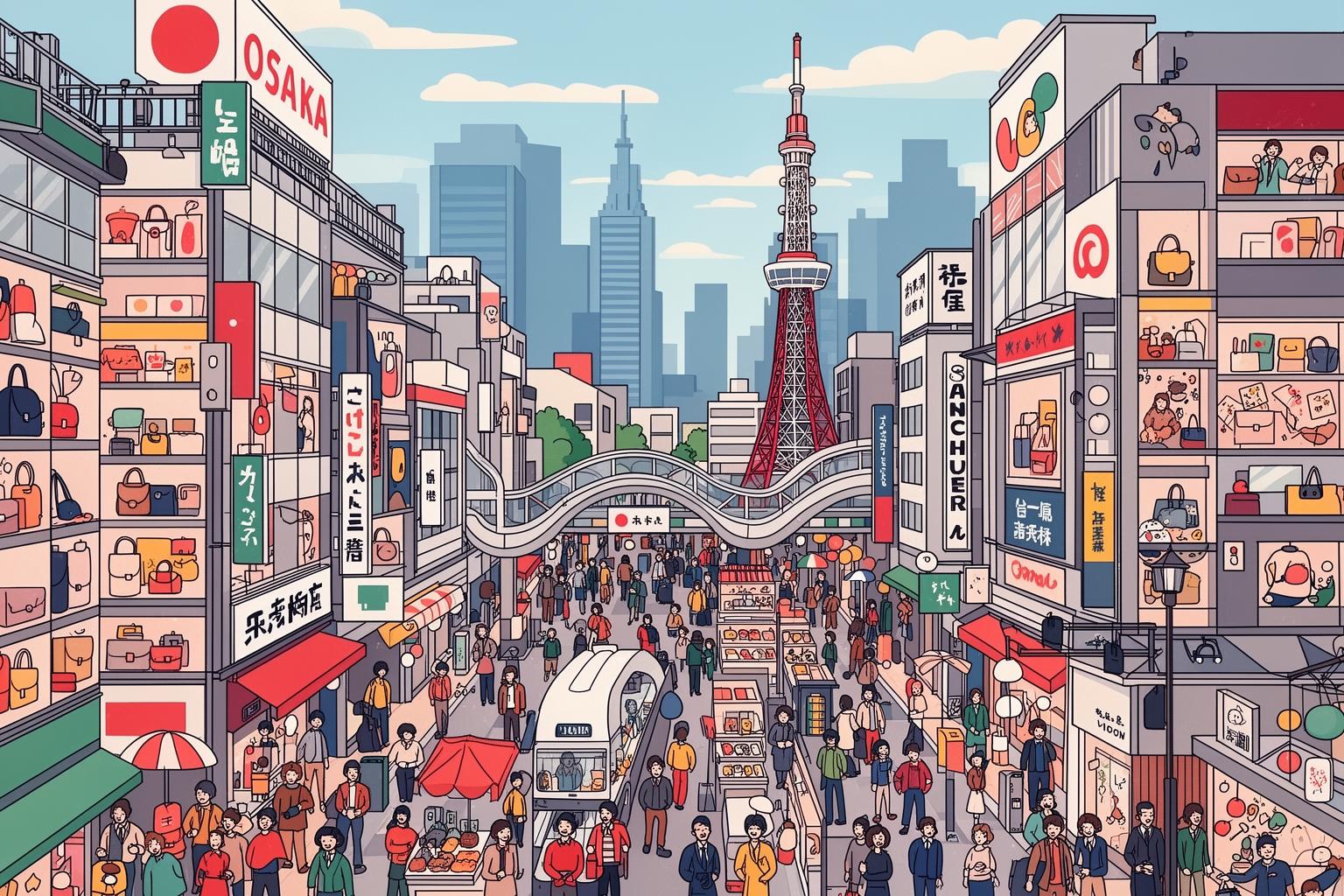
To truly understand the depachika, you need to mentally split it into two zones: the ‘front stage’ and the ‘backstage.’ The front stage is what immediately catches your eye—elegant counters showcasing famous brand names, carefully arranged cookies, premium sake, and seasonal fruits priced higher than a good pair of shoes. This is the gift-giving, special-occasion area, deeply rooted in Japanese culture, but it’s only part of the picture. The real everyday activity takes place backstage, in the extensive section devoted to sōzai—prepared dishes ready to take home and enjoy.
The Gospel of ‘Kospa’: A Calculation of True Value
Osakans are well known for their shrewdness. The stereotype of locals hunting for bargains and watching prices closely isn’t entirely off base, but it’s often misinterpreted. It’s not about being cheap, but about being clever. The guiding concept is kospa, short for ‘cost performance.’ Is the quality, taste, and convenience I’m getting worth the price I’m paying? This calculation unfolds every evening in the depachika.
For example, if you want to prepare a classic Japanese side dish like kinpira gobo (braised burdock root and carrot), you would need to buy an entire burdock root, a bag of carrots, soy sauce, mirin, sake, and sesame oil. Then you’d spend time washing, peeling, and julienning the vegetables before cooking them carefully. For a small family of two or three, you’d likely have leftover ingredients that might spoil. Alternatively, you could visit a sōzai counter and purchase a perfect 100-gram portion, freshly made that morning by a professional chef, for about 300 yen. The kospa here is unmistakable. You save time, reduce food waste, and get a dish probably tastier than what you could make at home after a long day. Applying this logic across several dishes reveals the brilliance of the system. You’re not simply buying a ‘takeaway meal’; you’re assembling a home-cooked dinner, delegating the most labor-intensive tasks to experts.
A World of Choice, A Universe of Specialization
The sheer variety is astounding. A depachika isn’t just one big kitchen—it’s a collection of dozens of small, highly specialized shops under one roof. There’s a stall selling only tonkatsu and croquettes, another specializing in Shanghai-style dumplings, a shop for grilled fish, one for traditional simmered vegetables, and yet another devoted solely to salads. One of the most famous and perpetually busy chains is RF1, a salad specialist offering everything from classic potato salad to elaborate creations with roast beef, avocado, and yuzu dressing.
This focus on specialization is central to its charm. Osakans appreciate quality, knowing that a family producing tsukemono (pickles) for three generations will do it far better than a generic factory. The depachika gathers all these masters of their craft in one convenient place. You can piece together a meal of exceptional quality by selecting the best items from each stall. This isn’t a food court, where everything tends to be variations of fast food. It’s a culinary marketplace, a modern reflection of Osaka’s historic title, Tenka no Daidokoro—The Nation’s Kitchen.
The Unspoken Rules of the Depachika Dance
Navigating the depachika during peak hours is quite an experience. It’s a polite yet purposeful chaos, an intricate dance governed by its own unwritten rules and rhythms. It’s not a place for leisurely browsing when the evening rush begins. You need a plan. You need to understand the flow.
The Main Event: The Evening Discount Rush
If you want to witness Osaka pragmatism at its finest, visit a depachika any day of the week around 6:30 PM. This is when the magic unfolds. The ‘Time Sale’ starts. Staff members appear with sheets of stickers, marking down items that must be sold before closing. A pack of sushi might first get a 100 yen discount sticker. A little later, it gets a 20% off sticker. As closing time nears, the ultimate prize appears: the 半額 (hangaku) sticker, indicating 50% off.
This sparks a silent, city-wide alert. Office workers, mothers, and elderly couples converge, their eyes searching for the best deals. There’s a tangible energy in the air, a sense of shared purpose. It’s a game of strategy and nerve. Do you grab the 30% off tempura now, or wait another fifteen minutes, hoping for a 50% off sticker, while risking it being taken by someone else? It’s a fast-paced, high-stakes hunt for value. This nightly ritual is at the heart of the depachika experience. It’s not viewed as cheap or undignified; it’s seen as smart shopping. It’s a victory. You’re not just buying dinner; you’re winning it.
The Culture of the Free Sample
Another distinctive aspect is the shishoku, or tasting sample. Many vendors, especially those selling items like sausages, pickles, or sweets, have staff offering tiny portions on toothpicks. In many cultures, taking a sample without buying might feel rude. Here, it’s part of the transaction. Osakans, with their roots in merchant culture, expect to be convinced. They want to taste the quality before committing their hard-earned yen.
This interaction is a snapshot of Osaka business culture. It’s direct, honest, and all about the product. The vendor is essentially saying, “Try my food. I’m confident you’ll love it.” The customer responds by engaging in that offer, making an informed judgment. It’s a friendly but serious exchange. This contrasts sharply with the more reserved, formal atmosphere you might find in a high-end Tokyo depachika. Here, it’s a lively dialogue between buyer and seller, a tradition that feels more like an open-air market than a luxury goods hall.
The Symphony of the Sell
Listen to the sounds. A depachika is far from quiet. It’s a chorus of competing voices. Vendors shout their specials. “Iかがですかー?” (“How about it?”). “Yakitate desu yo!” (“Freshly baked!”). It’s energetic and inviting. This constant auditory buzz adds to the market-like atmosphere. It’s designed to draw you in, making you feel part of the action. It’s worlds apart from the silent, piped-in muzak of a typical supermarket. It’s commerce with a human voice.
How the Depachika Explains Osaka
The way people use the depachika offers a perfect glimpse into the city’s soul. It uncovers a set of values that sets Osaka apart from Tokyo and other regions of Japan. It’s a tale of practicality, a profound appreciation for food, and an unapologetic love for a good bargain.
Pragmatism Over Prestige
This is perhaps the most significant contrast between the Osaka and Tokyo mindsets, as observed through the depachika. While a purchase from a renowned Tokyo department store might be wrapped and presented with immense prestige, the emphasis in Osaka is firmly on the contents of the bag. The aim is an outstanding dinner. The elegant paper bag from Hankyu or Daimaru is nice to have, but the real treasure lies in the perfectly fried shrimp, the savory simmered daikon, and the tangy pickled cabbage inside.
An Osakan will proudly share the story of scoring incredible half-price sashimi, whereas in a more status-conscious city, admitting you waited for a discount might seem somewhat gauche. In Osaka, it’s a point of pride. It shows you’re savvy. This doesn’t mean Osakans don’t value luxury, but they balance it with practicality. The depachika perfectly embodies this: luxury-quality food made accessible and practical for daily life.
The Merchant’s Soul in a Modern World
Osaka has always been a city of merchants, not samurai. This legacy has cultivated a culture that is straightforward, unpretentious, and centered on tangible value. The depachika serves as a modern marketplace operating on these enduring principles. Vendors must prove their worth daily. Customers are discerning and vocal. A vibrant, dynamic relationship thrives on the shared understanding that good food and fair prices are what truly matter.
Foreigners often hear that ‘Osaka people are friendly,’ which is true, but it’s a specific kind of friendliness. It’s an approachable, down-to-earth openness, born from a culture of trade and communication. You see this at the depachika counters. You can ask the staff, “What goes well with rice tonight?” and receive a sincere, enthusiastic answer. It’s a transactional relationship, but it’s also a human one. The depachika isn’t a sterile or intimidating culinary hall; it’s a lively, bustling community hub where the city feeds itself smartly and deliciously every single night.