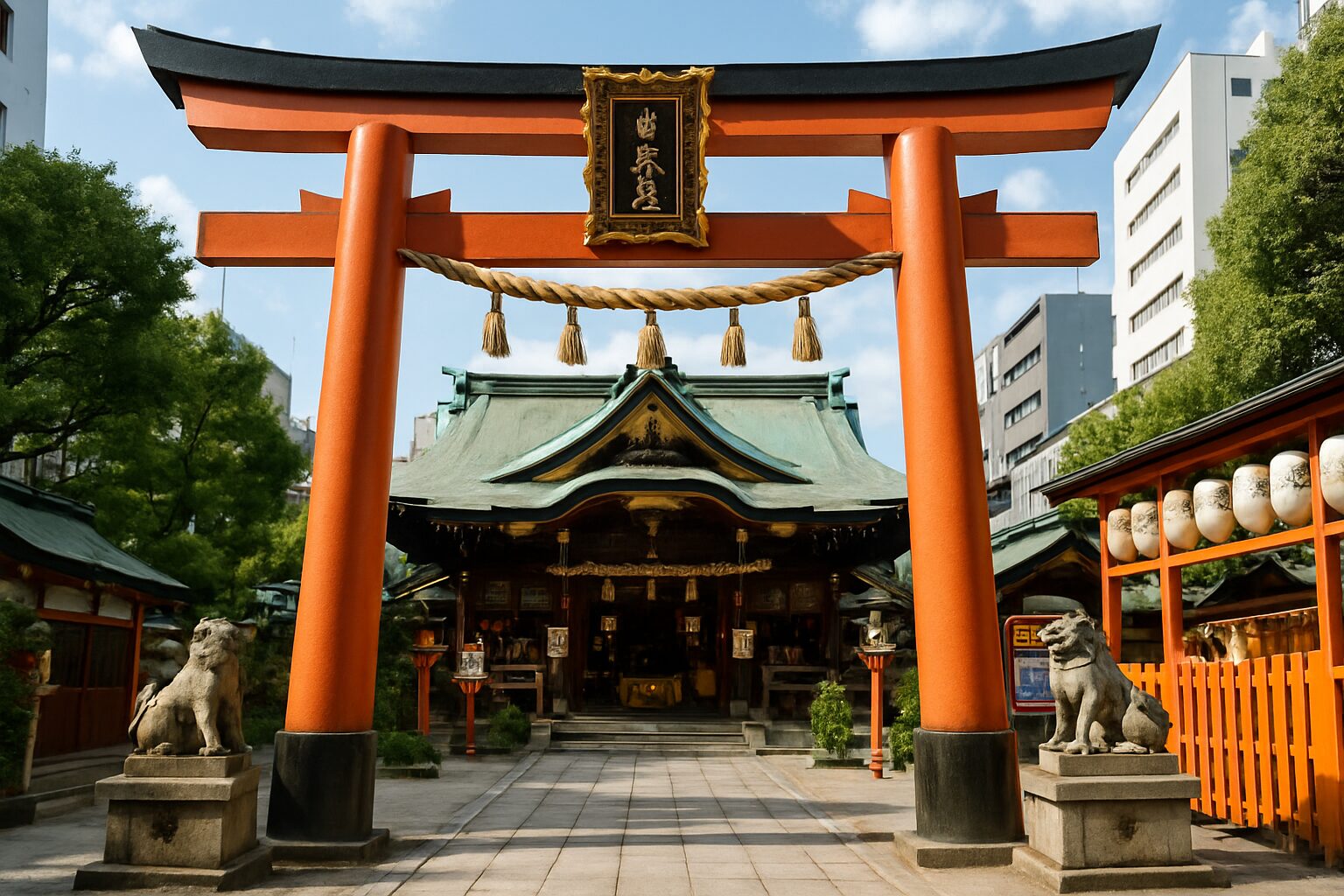
In the electric heart of Osaka, where rivers of people flow through canyons of steel and glass, there exists a pocket of profound silence. It’s a place where the frantic pulse of the city softens to a reverent whisper, where neon reflections are replaced by the gentle sway of camphor leaves. This is Tsuyunoten Shrine, though it lives in the hearts of locals and lovers by another name: Ohatsu Tenjin. Tucked away in the bustling Kita-area, a stone’s throw from the sprawling Umeda and Osaka Station complex, this small shrine carries a weight of history far greater than its modest size would suggest. It’s not just a place of worship; it’s a stage, a memorial, and a living sanctuary dedicated to one of Japan’s most famous and tragic love stories. To step through its stone torii gate is to leave the 21st century behind and enter a world where art, tragedy, and faith have been intertwined for over three hundred years, a story of lovers who chose an eternal bond in death over a life lived apart. This shrine is a testament to their tale, a pilgrimage site for modern hearts seeking blessings, solace, and a connection to a profoundly human drama that has never faded.
To delve deeper into the shrine’s poignant history and its enduring legacy as a sanctuary for lovers, explore the full story of Ohatsu Tenjin’s tragic love tale.
The Heartbeat of Umeda: A Shrine Amidst the Skyscrapers
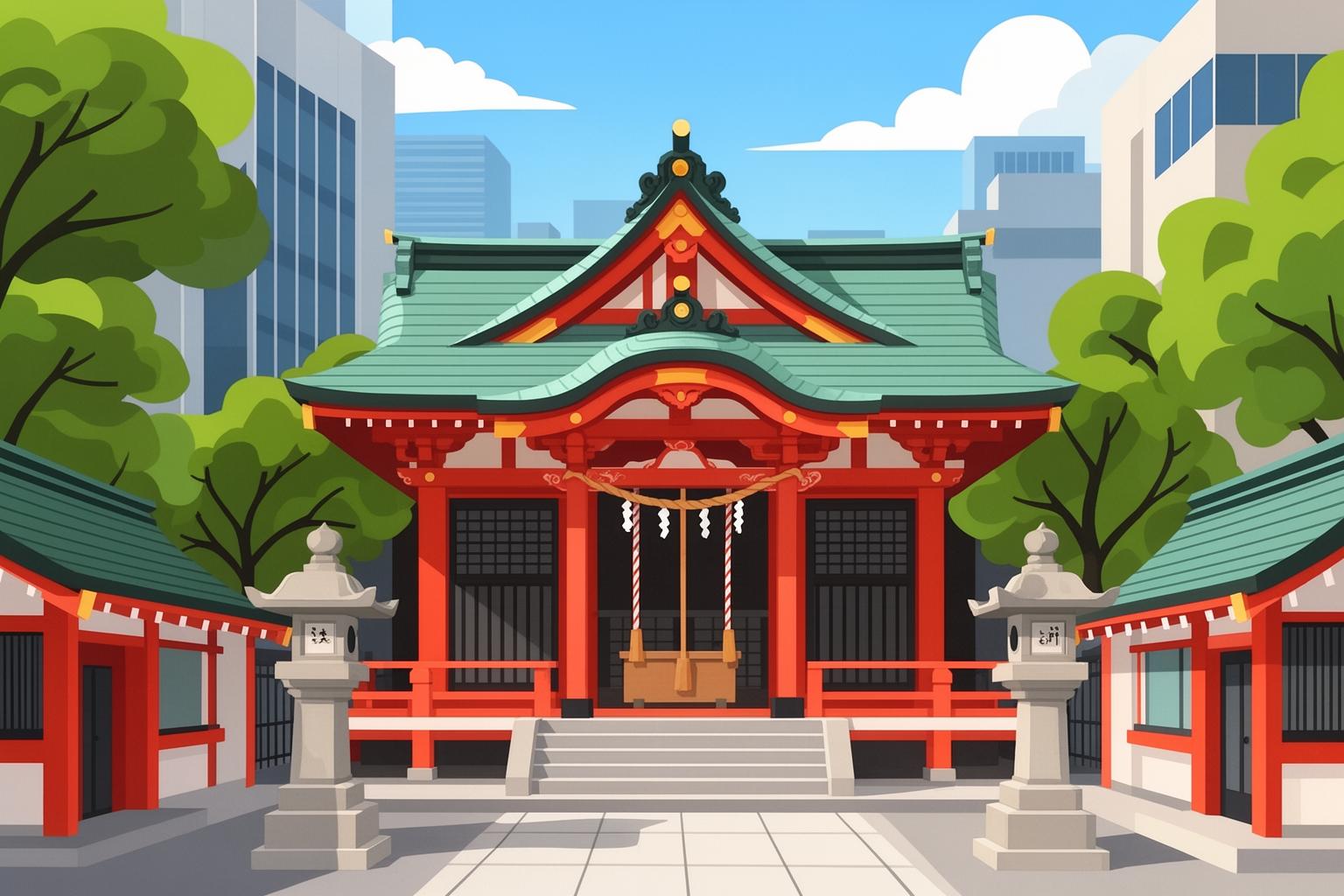
The journey to Ohatsu Tenjin is a study in contrasts, perfectly embodying the essence of Osaka itself. You start in the Umeda district, which feels like the central nervous system of western Japan. The immense scale is overwhelming. JR Osaka Station is a city within a city, a complex maze of platforms, department stores, and underground tunnels. Emerging from this depth, you are greeted by a symphony of urban energy. The roar of traffic, the chime of crosswalk signals, the murmur of countless conversations, and the towering facades of the Umeda Sky Building and Grand Front Osaka all vie for your attention. Moving through this environment is like hiking a futuristic canyon, where the paths are paved and the peaks are adorned with glowing logos.
To reach the shrine, you enter a network of narrower streets, specifically the Sonezaki Ohatsu Tenjin Dori Shotengai. This covered shopping arcade contrasts sharply with the polished malls nearby. It’s grittier, more intimate, bursting with color and aroma. The air is thick with the smoky scent of yakitori grills and the sweet, appetizing smell of okonomiyaki sizzling on a teppan. Red paper lanterns hang from the eaves of small izakayas, their warm glow spilling onto the pavement, inviting you into cozy spaces alive with laughter and clinking glasses. It’s a vibrant, living artery of the city, pulsating with unmistakably local energy.
Then, you spot it. Almost tucked between a pachinko parlor and a multi-story restaurant, a simple stone torii gate marks the entrance to Tsuyunoten Shrine. The shift is startlingly sudden. The moment you pass the stone guardian dogs, the city slips away. The noise is muffled, replaced by the crunch of gravel beneath your feet and the whisper of wind through ancient tree branches. The air feels cooler, calmer, carrying a faint, clean scent of incense and moist earth. It serves as a decompression chamber for the soul. Looking up, the sky is no longer a vast expanse but a small, framed patch of blue, glimpsed through the dense canopy of a sacred camphor tree and the geometric outlines of surrounding buildings. In this sacred clearing, surrounded on all sides by the relentless advance of modernity, Ohatsu Tenjin stands firm, a quiet yet powerful testament to the stories that shape a city’s spirit.
A Love Story Etched in Time: The Tale of Ohatsu and Tokubei
To grasp why this small shrine exerts such a powerful attraction, one must understand the story that consecrated its grounds not through ceremony, but through tragedy. It is the tale of Ohatsu and Tokubei, immortalized in the 1703 Bunraku puppet play Sonezaki Shinju (The Love Suicides at Sonezaki). The playwright, the masterful Chikamatsu Monzaemon—often hailed as the Shakespeare of Japan—captured the intricate interplay of duty, passion, and social constraint in the Edo period with unparalleled brilliance.
His play was not mere fiction; it was based on a true event that shocked the city of Osaka. The drama centers on two young lovers ensnared by circumstance. Ohatsu was a captivating courtesan working in the Sonezaki entertainment district, bound by her profession yet pure of heart. Tokubei was an honest young apprentice diligently working at a soy sauce shop in Uchihonmachi. Their deep love was a secret flame burning brightly against the rigid social structures of their time. Their path to happiness seemed assured, as Tokubei’s kind uncle had arranged his marriage and provided a dowry. But fate—and human cruelty—had different plans.
Tokubei, too honest for his own good, was deceived by a treacherous friend named Kuheiji. Kuheiji, desperate for money, begged Tokubei for a loan, promising swift repayment. Trusting his friend, Tokubei lent him the dowry money his uncle had given him. However, when the time came to repay, Kuheiji not only refused but publicly labeled Tokubei a fraud, accusing him of extortion. In a society where honor and reputation were paramount, such public humiliation was a death sentence. Tokubei was beaten, disgraced, and left unable to clear his name or repay his uncle. His future was destroyed—along with any hope of a legitimate life with Ohatsu.
Desperate and trapped, Tokubei secretly met Ohatsu at the teahouse where she worked. Overhearing Kuheiji boast about his deceit, Ohatsu grasped the depth of their plight. In a heart-wrenching moment, she showed her unwavering devotion to the distraught Tokubei by touching his foot with her own beneath her long kimono—a subtle, desperate gesture of solidarity. They understood then that a life together in this world was impossible. Society would never allow it. Their honor was shattered, their future blocked. So, they made a solemn vow: if they could not live together, they would die together, believing that through a shinju, or love suicide, their souls would be forever united in the next life.
Under the cover of night, they slipped away toward the Forest of Tenjin—the very grounds of the shrine you stand in today. The play’s final act, a poetic account of their last journey, is among the most beautiful and tragic passages in Japanese literature. Chikamatsu depicts their walk through the sleeping city, past landmarks and beneath a moonlit sky, each step drawing them closer to their fate. “This world is a fleeting dream of a night,” Tokubei laments, “Our lives are like dew on the path to the graveyard.” Upon reaching a twin-trunked pine tree in the shrine’s forest, they said their final farewells. In a devastating climax, Tokubei took Ohatsu’s life with his blade before turning it on himself. They were found the next morning, their bodies bound together—a final, tragic testament to their love.
The play was an instant sensation. It resonated deeply with the common people of Osaka, who saw their own struggles reflected in Ohatsu and Tokubei’s plight against a strict, unforgiving social system. The story’s powerful and romantic tragedy inspired a wave of copycat love suicides throughout Japan. The phenomenon became so widespread that the Tokugawa shogunate, fearing social unrest, banned the play in 1723. Yet the story could not be erased. It endured in the hearts of the people, and Tsuyunoten Shrine became forever known as Ohatsu Tenjin—a sacred ground sanctified by the memory of their ultimate sacrifice.
Walking with the Lovers: Exploring the Shrine Grounds
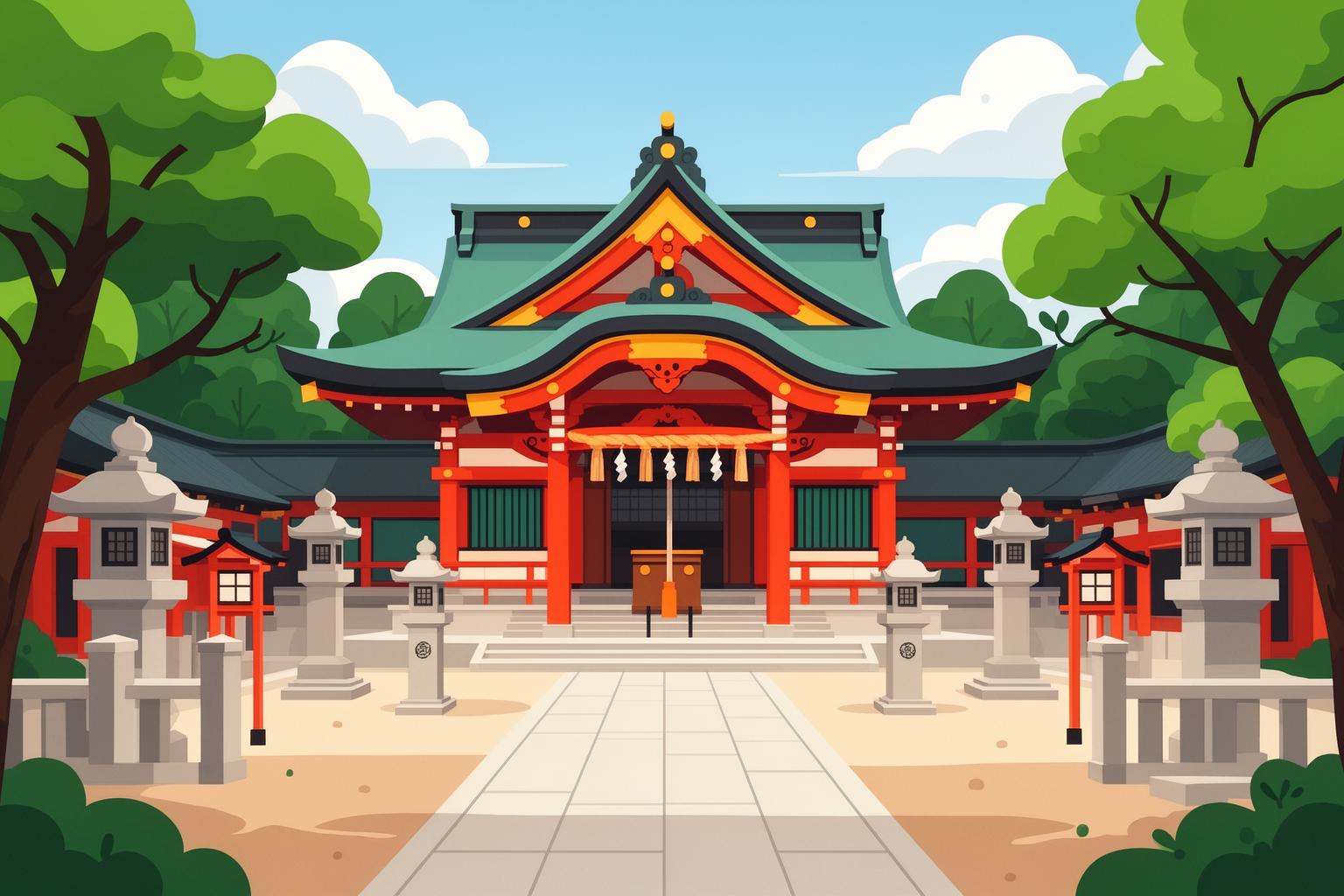
A visit to Ohatsu Tenjin is like walking through the layers of this poignant tale. Though the grounds are compact, every corner is imbued with meaning, inviting quiet reflection. Here, you are not merely a tourist; you become a witness, called to connect with the spirits of the past and the hopes of the present.
The Bronze Statues of Ohatsu and Tokubei
One of the first sights is a striking bronze monument showing the lovers in a final, heartfelt embrace. Ohatsu stands firm, her face a mask of calm determination, while Tokubei kneels before her, his expression a mixture of sorrow and devotion. The sculpture embodies the essence of their story: a love so strong that it transcends fear and death. Their intertwined forms symbolize their yearning to be united as one. This statue has become a powerful focal point for visitors. You’ll often see people gently touching the figures, offering silent prayers for strength in their own relationships or assistance in finding a partner. The cool, smooth bronze feels solid and enduring, a sharp contrast to the fleeting lives it commemorates. It is a place for quiet contemplation, absorbing the heavy weight of their decision and the lasting power of their bond.
The Main Hall (Honden)
At the heart of the shrine stands the main hall, or Honden. Its architecture is classic Shinto, with elegant, sloping roofs and clean wooden lines that speak of a history much older than the surrounding skyscrapers. While the shrine is renowned for Ohatsu and Tokubei, its principal deities are Sukunahikona no Mikoto and, most notably, Sugawara no Michizane. Michizane, a 9th-century scholar, poet, and politician, was deified as Tenjin, the god of scholarship and learning. This is why many students come here to pray for success in their exams, their earnest wishes blending with the romantic hopes of others. To pray, you toss a coin into the offering box, bow deeply twice, clap your hands twice to summon the gods, offer a silent prayer, and then bow once more. The air around the Honden feels charged with centuries of hopes and prayers—a tapestry woven from human desires for love, knowledge, and good fortune.
Ema Votive Plaques: A Gallery of Modern Wishes
To the side of the main hall, you’ll find one of the most visually and emotionally captivating sights at any shrine: the walls of ema, or wooden votive plaques. At Ohatsu Tenjin, many are beautifully designed—some shaped like hearts, others featuring a gentle illustration of Ohatsu herself, her face turned toward the viewer with a knowing expression. Visitors purchase these plaques, write their wishes on the back, and hang them for the gods to read. These wishes offer a window into the human heart. You’ll see pleas for finding soulmates, prayers for happy marriages, hopes for reconciliation, and messages of gratitude for blossoming relationships. They are written in Japanese, English, Korean, Chinese, and many other languages—a testament to the shrine’s universal appeal. The gentle clacking of hundreds of wooden plaques knocking together in the breeze sounds like a collective, whispered prayer.
Omikuji and Charms for Love’s Fortune
No visit to a shrine is complete without discovering your fortune. Ohatsu Tenjin offers several varieties of omikuji, or paper fortunes. You might find a special “love fortune” providing specific guidance on romance and relationships. The process is simple: you make a small donation, shake a container of numbered sticks until one falls out, then retrieve the corresponding fortune from a drawer. Fortunes range from Great Blessing (dai-kichi) to Great Curse (dai-kyo). If you receive a favorable fortune, you can take it with you as a reminder of your luck. If it’s unfavorable, don’t lose heart! The custom is to tie the paper slip to a designated wire or tree branch on the shrine grounds, leaving the bad luck behind to be purified by the gods. You can also purchase omamori, protective amulets. The shrine sells a variety of beautiful charms specifically for enmusubi (matchmaking) and relationship harmony, often adorned with images of Ohatsu and Tokubei, allowing the lovers’ spirit to watch over your own quest for happiness.
The Sacred Camphor Trees and Hidden Spots
As someone who loves the outdoors, I’m naturally drawn to the natural elements that endure here despite the urban setting. The shrine is shaded by several majestic camphor trees, their twisted trunks and sprawling branches telling stories of centuries of silent witness. They were here long before the skyscrapers and likely heard the final whispers of Ohatsu and Tokubei. Standing beneath them, one feels a profound sense of grounding and history. Look carefully around the edges of the compound, and you might discover smaller sub-shrines dedicated to other deities, such as Inari, the god of commerce, identified by a row of small red torii gates. These quiet corners offer a deeper sense of discovery, making you feel as if you’ve found a secret space within an already hidden sanctuary. They remind us that even in the most developed environments, nature and spirituality find ways to thrive, providing refuge and a connection to something ancient and enduring.
Beyond the Shrine Gates: The Ohatsu Tenjin Dori Shopping Street
Stepping back out of the shrine’s tranquil precinct feels like re-entering the everyday world. Yet, the experience of Ohatsu Tenjin doesn’t end at the gate. The nearby Sonezaki Ohatsu Tenjin Dori Shotengai is an indispensable part of the visit. This covered arcade serves as a time capsule of Showa-era charm, preserving the vibrant spirit of old Osaka. When evening falls, the street truly comes alive. Neon signs from restaurants and bars flicker on, casting a lively, colorful glow over the pavement. The air becomes rich with the enticing aromas of grilled meat, dashi broth, and fried batter.
This is the ideal spot to dive into Osaka’s famed food culture, known as kuidaore—to eat until you can eat no more. Step into a small, bustling eatery and take a seat at the counter. Order a plate of okonomiyaki, the city’s iconic savory pancake, and watch the chef expertly prepare it on the large iron griddle before you. Or sample some takoyaki, steaming hot octopus balls, the perfect street snack. For a heartier meal, find an izakaya, a Japanese-style pub, where you can enjoy a variety of small dishes, from fresh sashimi to crispy tempura, all complemented by a cold beer or a warm flask of sake.
The atmosphere here is contagious. It’s lively, welcoming, and completely unpretentious. You’ll find yourself sitting shoulder-to-shoulder with local office workers unwinding after their day, couples on dates, and friends catching up over drinks. It’s a delightful contrast to the solemnity of the shrine. Just steps away from the site of a legendary tragedy, modern life unfolds in all its messy, joyous, and delicious splendor. This blend is the essence of Ohatsu Tenjin’s role in the city. It honors a story from the past while being fully woven into the living, breathing present.
Practical Guidance for Your Pilgrimage of the Heart
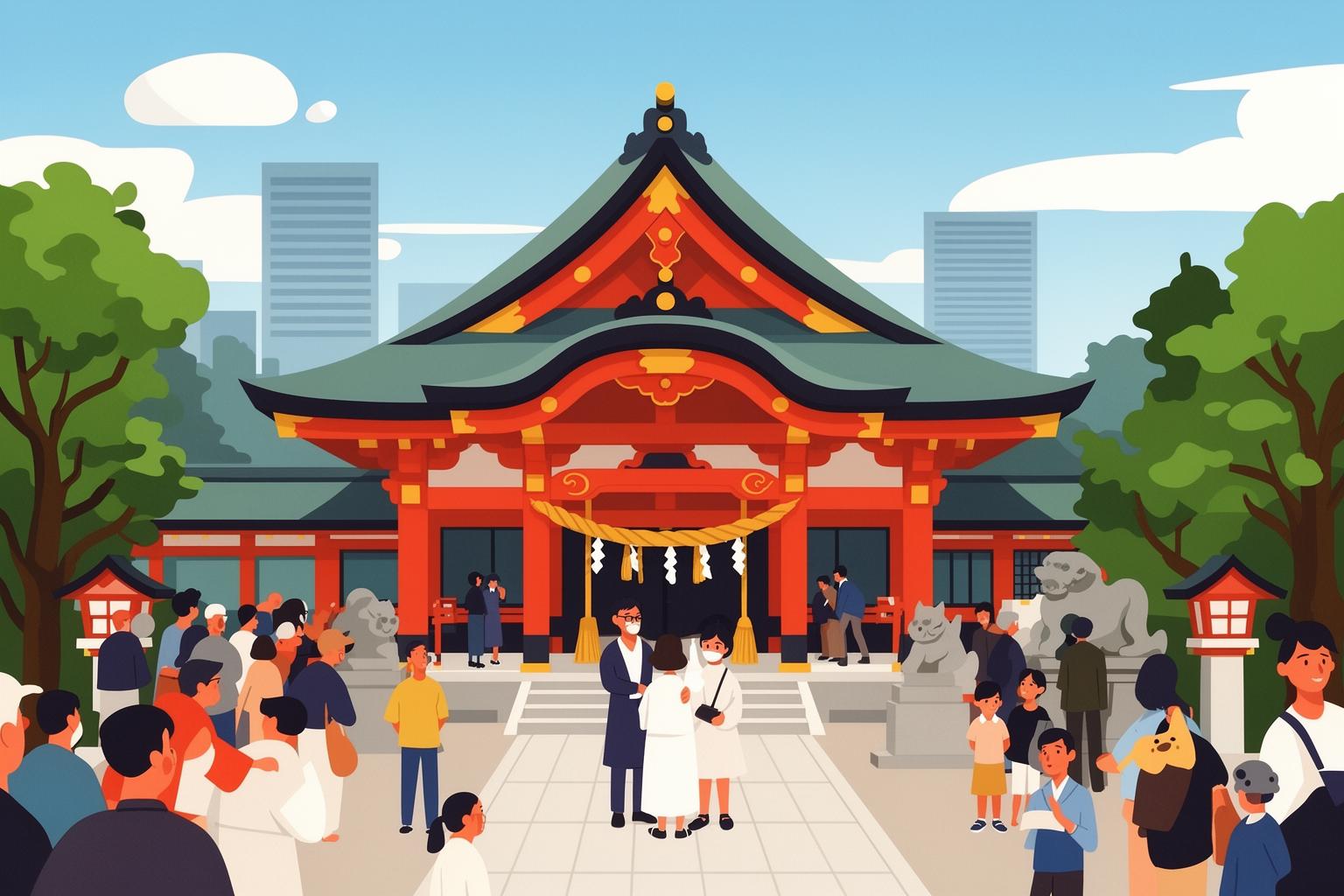
Visiting Ohatsu Tenjin is simple, but a little preparation can help make your experience more seamless and meaningful. Here is some practical advice for your journey into this hidden corner of Osaka’s history.
How to Get There
The shrine’s central location makes it easily reachable. It is tucked within the dense network of streets east of the main railway lines. The nearest subway station is Higashi-Umeda on the Tanimachi Line; from Exit 4, it’s just a 3-4 minute walk. If you are coming from the large JR Osaka Station or the various Umeda stations (serving the Hankyu, Hanshin, and Midosuji lines), it’s a pleasant 10 to 15-minute walk. Your best approach is to head east, aiming for the covered shotengai arcades. Don’t hesitate to use a map app since the streets can be somewhat confusing, but the shrine is well-signposted. Look for signs directing you to “Sonezaki Ohatsu Tenjin Dori,” which will lead you right to the entrance.
When to Visit
Ohatsu Tenjin is beautiful at any hour, but different times offer unique atmospheres. A morning visit is quiet and serene. You’ll have the grounds mostly to yourself, allowing for peaceful reflection. The soft morning light filtering through the trees is especially charming. An evening visit, however, has its own magic. The stone lanterns on the grounds are lit, casting a warm, mysterious glow, while the neon lights of the nearby shotengai create a dramatic backdrop. The contrast between the sacred calm and the lively nightlife just outside the gates is at its most striking after dark. The shrine also hosts festivals, with the main annual event, or Reitaisai, taking place on the third Friday and Saturday of July. This is a festive time to visit, featuring special rituals, processions, and a lively atmosphere, though it will be much busier.
Shrine Etiquette for First-Time Visitors
For those unfamiliar with Japanese shrines, a few simple etiquette tips will help show respect. Before entering the main shrine area, you will find a water basin called a temizuya for purification. Hold the ladle in your right hand and pour water over your left hand. Then, switch hands and pour water over your right hand. Return the ladle to your right hand, pour a small amount of water into your cupped left hand, and use it to rinse your mouth (don’t drink directly from the ladle and be sure to discreetly spit the water beside the drain on the ground). Lastly, tilt the ladle upright to let the remaining water run down the handle, cleansing it for the next visitor. When praying at the main hall, remember the order: make your offering, bow twice, clap twice, pray silently, then bow once more. Photography is generally allowed on the grounds, but avoid taking pictures of the altar inside the main hall or of individuals while they are praying.
Local Tips from a Hiker’s Perspective
Think of your visit to Ohatsu Tenjin as a starting point for exploring Umeda’s urban wilderness. Wear your most comfortable walking shoes, as you’ll cover quite a bit of ground. After paying your respects at the shrine, consider extending your journey upward. A short walk will bring you to the Umeda Sky Building, where the Floating Garden Observatory offers stunning panoramic views of the city. Alternatively, for a different vantage point, ride the bright red Hep Five Ferris Wheel. Combining the grounded, historical experience of the shrine with the soaring, modern views from these landmarks provides a well-rounded sense of Osaka’s vibrant character. Take note of the unique geography of the shrine—an “urban canyon” where history has carved out a special space. It serves as a reminder that even in the most densely built environments, pockets of beauty and meaning patiently await discovery.
A Legacy of Love: Why Ohatsu Tenjin Still Resonates
Why does a 300-year-old tale of two star-crossed lovers still captivate people from around the world? Standing quietly on the grounds of Ohatsu Tenjin, the answer seems both simple and profound. The story of Ohatsu and Tokubei is more than just a historical anecdote or classic literature; it represents a fundamental human experience. It speaks to the universal longing for a love so deep that it’s worth sacrificing everything. It explores themes of honor, betrayal, social pressure, and the desperate search for a place where one’s heart can be free.
In today’s world, where relationships often feel as fleeting as a social media post, the steadfast devotion of Ohatsu and Tokubei holds a powerful, almost mythical resonance. Their tragedy reminds us of the profound value of love and connection. Visitors come to this shrine not to mourn their deaths, but to celebrate the enduring strength of their bond and to seek blessings for their own relationships, hoping to capture a spark of that same unwavering devotion.
As you leave the shrine and blend back into the vibrant chaos of Osaka, you carry a piece of their story with you. Ohatsu Tenjin is more than a destination; it’s an experience that connects you to the deep, romantic, and tragic spirit of the city. It offers a moment to reflect on your own journey, to leave a wish for the future, and to honor a timeless love story that, like the sacred trees in its forest, continues to grow and reach for the heavens, forever rooted in this sacred patch of earth.