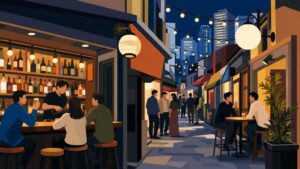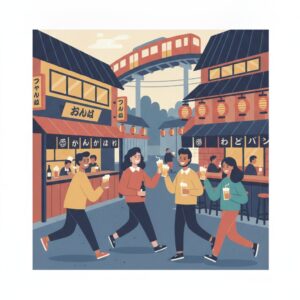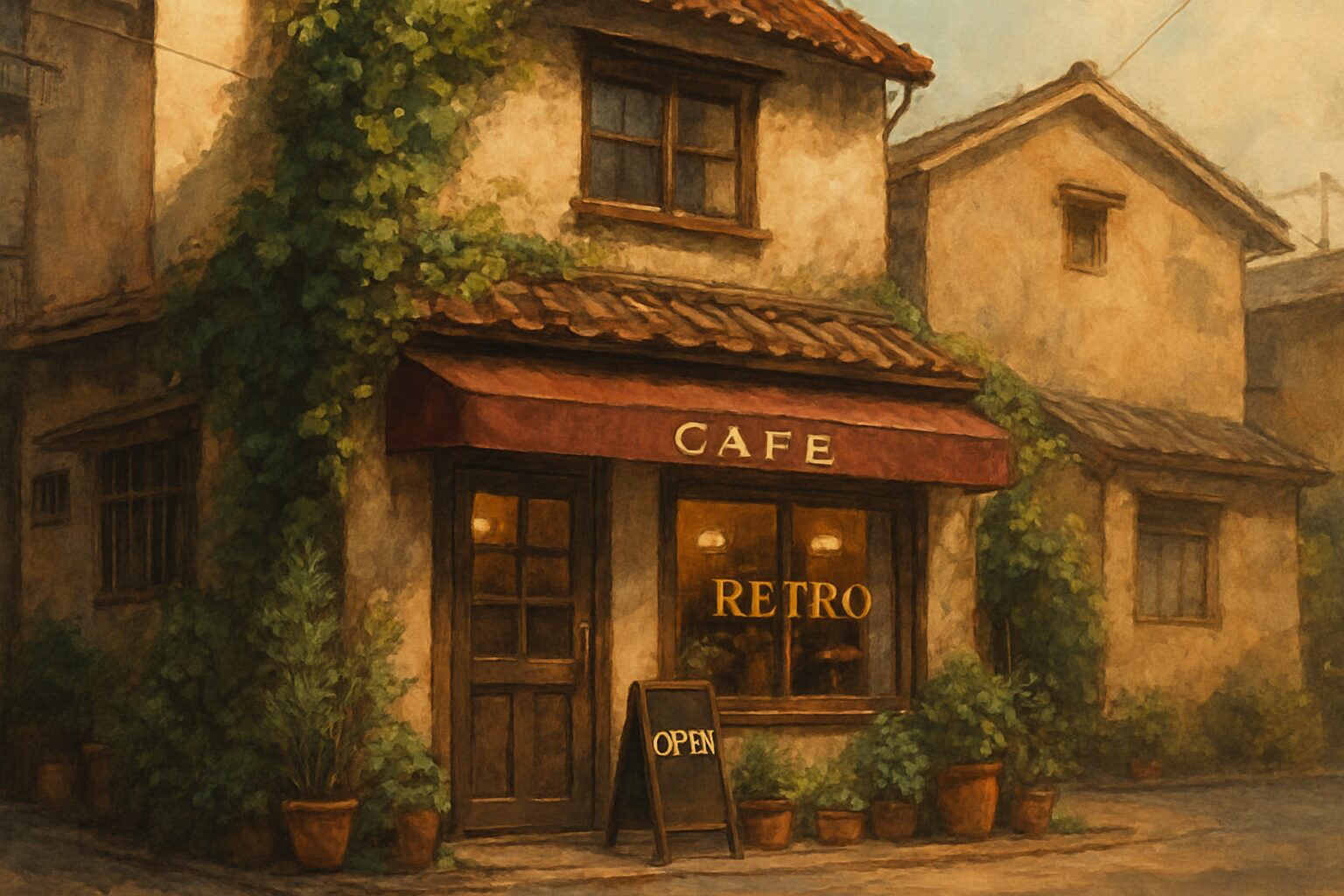
Step off the train at Umeda, and you’re immediately swallowed by a concrete and glass canyon, a river of humanity flowing through one of the world’s most complex transport hubs. The air hums with the energy of commerce, digital billboards flash a thousand promises a second, and the pace is relentless, forward-facing, unapologetically modern. It’s the Osaka everyone knows. But walk just ten minutes, a mere thousand steps east, and you’ll find the current of time flows differently. You’ll cross an invisible threshold into Nakazakicho, a neighborhood where the city’s frantic pulse softens to a gentle, rhythmic heartbeat. Here, the canyons are narrow alleyways, the rivers are quiet lanes where cats sunbathe, and the billboards are replaced by hand-painted signs on weathered wooden storefronts. For the digital nomad, the creative soul searching for a workspace that inspires rather than just facilitates, Nakazakicho isn’t just a location; it’s a revelation. It’s a living, breathing testament to a Japan that has managed to hold onto its soul amidst the rush of progress. This is where the Showa era isn’t a museum piece but the very fabric of daily life, offering a uniquely textured backdrop for your next project, your next big idea, your next moment of quiet focus. It’s a place to plug in your laptop and simultaneously unplug from the chaos of the 21st century.
For a different kind of Osaka evening, explore the vibrant nightlife and culinary scene in the nearby Fukushima district.
The Unmistakable Atmosphere: A Timeless Workspace

To truly grasp Nakazakicho’s charm as an office space, you first need to understand its essence. The atmosphere here feels distinct. It carries the subtle, sweet aroma of roasting coffee beans, the earthy fragrance of potted plants spilling over every doorstep, and the lingering whisper of history embedded in the dark wooden slats of the old nagaya, or row houses. These buildings define the neighborhood—two-story structures that remarkably survived the extensive bombing of Osaka during World War II. While much of the city was rebuilt with steel and concrete, Nakazakicho was allowed to age gracefully, preserving its architectural heritage. Strolling through its maze-like streets is a sensory journey. Your footsteps softly echo on the worn pavement. You’ll catch the distant ring of a bicycle bell, the gentle clink of ceramic cups inside a hidden café, and the rustle of leaves in a small garden nestled between two homes. This soundscape promotes focus, a striking contrast to the harsh urban noise just blocks away. The visual detail is equally vivid. Walls serve as canvases for peeling paint, creeping ivy, and playful street art. Hand-drawn maps and quirky sculptures appear in surprising spots. Every corner offers a new scene: a vintage clothing shop with a carefully curated window display, a tiny gallery featuring local artists, a pottery shop with its door wide open, inviting you inside. This isn’t a staged theme park; it’s a natural, lived-in community that cherishes its history. For a digital nomad, this setting is a treasure. It provides a steady stream of subtle, ambient inspiration. When creativity stalls, there’s no need to scroll through a feed for a spark; simply look up from your screen and gaze out the window of a café as this gentle world unfolds. The lifestyle here fosters mindfulness—a slower, more intentional way of thinking that’s ideal for deep work.
Finding Your Retro-Futuristic Office: A Trio of Café Sanctuaries
Nakazakicho is home to dozens of cafes, each boasting its own unique character. While not all are designed for long work sessions, many have welcomed the rise of remote workers, offering a perfect mix of nostalgic comfort and modern essentials. Here’s a glimpse of the kinds of havens you’ll find—places that can become your office away from home.
The Living Room: Salon de AManTo
Picture yourself working in your wonderfully quirky grandmother’s house—that’s the vibe at Salon de AManTo. More than just a café, it’s a community project made up of renovated old houses forming a cultural hub. The main café space feels like a sprawling, bohemian living room, furnished with an eclectic mix of vintage sofas, antique wooden tables, and well-worn armchairs. Soft, warm light filters through old latticed windows, illuminating dust motes that dance in the air. The floorboards creak with comforting familiarity. Outlets can be a bit of a treasure hunt but are usually hidden near walls or floor lamps. Wi-Fi is stable and sufficient for emails, research, and document editing, though video calls might be challenging during busy times. For focused writing or coding, it’s perfect. What makes AManTo special is its strong sense of community. The staff are artists and volunteers, friendly and unhurried. You’ll see locals stopping by for a chat, students sketching in notebooks, and fellow nomads quietly typing away. The menu is simple and wholesome, with hand-dripped coffee, various teas, and light meals like curry or toast sets. Ordering a second coffee after a few hours is a welcomed sign of appreciation for the space. Weekday mornings are the best time to work here when the atmosphere is calm. Find a small window table, let the quiet energy settle around you, and watch your creativity flow. It’s a place that proves productivity doesn’t have to be sterile or corporate—it can be warm, human, and deeply personal.
The Alchemist’s Lab: Ute an Nånsens
If your work calls for intense focus and a hint of magic, seek out Ute an Nånsens. Tucked away in a narrow alley that you might overlook many times, this café is a testament to meticulous curation. The interior is often dark and moody, evoking an old apothecary or an alchemist’s lab. Think dark wood, brass fixtures, walls lined with books and curious artifacts, and the captivating aroma of specialty coffee beans. The lighting is precise and intimate, with small lamps casting warm pools of light on individual tables, creating a private sanctuary even in a shared room. These cafés take their coffee seriously, offering single-origin beans, complex pour-over techniques, and baristas who are true artisans. This is the fuel for a sharp, alert mind. Power outlets are usually plentiful and cleverly placed, catering to patrons who value both craft and practicality. The Wi-Fi is robust and reliable, an unspoken acknowledgment that customers come here to create. The atmosphere is hushed and reverent. Conversations remain low, and the soundtrack often features instrumental jazz or ambient electronic music. It’s not suited for loud conference calls, but for deep, uninterrupted work, it is unmatched. You come here to write a challenging chapter, debug intricate code, or finalize a critical presentation. The expertly crafted coffee serves as your creative potion, and the carefully designed environment provides the perfect vessel for focus. You feel less like a customer and more like a scholar granted temporary access to a sacred library of concentration.
The Sunny Hideaway: Picco Latte
Sometimes, what you need is brightness and a touch of cheerful energy to power through your tasks. On a sunny day, nothing beats a café that embraces natural light. Many Nakazakicho cafés occupy the ground floors of old houses, featuring large windows or even open fronts that blend the indoors with the outdoors. Picco Latte, or a similar spot, captures this spirit beautifully. The aesthetic combines Japanese minimalism with Scandinavian warmth—light wood, white walls, and plenty of green plants. Large windows flood the space with natural light, an instant mood lifter and relief for screen-weary eyes. Seating options often include a counter along the window, ideal for people-watching during mental breaks, plus a few small tables. These cafés are often independently owned, with exceptionally personal and friendly service. They understand the rhythm of remote workers well. The Wi-Fi is usually excellent, and outlets are thoughtfully placed along counters or walls. The menu typically focuses on high-quality espresso drinks—lattes, flat whites, cappuccinos—and delicious baked goods, from scones to homemade cakes. It’s the perfect fuel for an afternoon of work. The vibe is quietly industrious. You’ll likely share the space with other freelancers, local designers, and those enjoying a peaceful respite. The gentle hum of the espresso machine and soft indie pop music create a productive and positive soundscape. It’s a place that feels optimistic and clean, a blank canvas for your thoughts. Working here feels less like a chore and more like a lifestyle choice—a conscious decision to surround yourself with beauty and simplicity as you work.
The Art of the Screen Break: Recharging in the Alleys

One of Nakazakicho’s greatest benefits for digital nomads is the quality of its potential breaks. When your focus starts to fade or your eyes feel heavy, the answer lies just outside the café door. Closing your laptop and wandering the maze-like alleys for fifteen minutes acts as a form of active meditation—a reset button for your brain. Leave your map behind. The charm of Nakazakicho lies in serendipitous discovery. You might come across a tiny independent bookstore specializing in art zines, a shop selling delicate handmade jewelry, or a gallery no larger than a walk-in closet showcasing the work of an emerging painter. These small creative encounters can be incredibly revitalizing. The neighborhood is also a hotspot for vintage clothing lovers. The shops range from carefully curated boutiques featuring high-end designer pieces from the ’80s and ’90s to more chaotic, treasure-trove-style stores where you can sift through racks of unique finds. Even if you don’t plan to buy anything, window shopping offers a visual feast—a journey through decades of fashion history. Pay close attention as you walk. Notice the unique tile work on an old building, a collection of mismatched pottery outside a home, or the intricate design of a metal drain cover. These small details draw you into the present moment and away from the digital world. You might even discover a small shrine, like the Hakuryu Ogozen Daitoku Inari Shrine, a tiny sacred space tucked between buildings. Taking a moment to observe a local visitor’s rituals or simply enjoy the quiet sanctity of the spot can bring a deep sense of peace and perspective. These short breaks aren’t procrastination; they’re a vital part of the creative process in Nakazakicho. They replenish your well of inspiration, ensuring that when you return to your screen, you do so with a fresh mind and renewed purpose.
The Nomad’s Field Guide: Practicalities and Etiquette
To establish Nakazakicho as your office, it’s crucial to approach it with respect and awareness. This area isn’t a designated co-working district; rather, it’s a residential neighborhood that has kindly welcomed visitors. The foremost guideline is to remain mindful of your environment. These are people’s homes. Keep your voice low when passing through the quietest alleys, and never photograph private residences or individuals without their consent.
Getting There and When to Go
Access is surprisingly easy. Nakazakicho Station on the Osaka Metro Tanimachi Line serves the neighborhood and is just one stop from Higashi-Umeda. However, the most enjoyable way to arrive is on foot. From the vast Osaka-Umeda Station complex, it takes about 10 to 15 minutes to walk. This brief stroll provides a smooth transition, letting you sense the city’s energy shift from hectic to calm. The ideal time to work in Nakazakicho is on a weekday. Cafes tend to be quieter, the vibe more laid-back, and you’ll have a better chance of finding a prime seat with a power outlet. On weekends, especially sunny ones, the neighborhood becomes a lively spot for shoppers, tourists, and locals out for a walk. Cafes fill up quickly, and the peaceful, studious atmosphere can disappear. If you need to work on a weekend, arrive early to secure your place.
The Unwritten Rules of Café Work
Working from a small, independent Japanese café has its own etiquette, which, while informal, is rooted in respect for both the owner and fellow patrons. First and foremost, be a considerate customer. Don’t occupy a table for four hours with just a single 500-yen coffee. A good guideline is to order something new every 90 minutes to two hours, such as another drink, a slice of cake, or a light snack. This demonstrates appreciation for the space. Be mindful of your footprint. Avoid spreading your belongings across a large table if smaller ones are free. Keep bags and coats tucked away neatly. Above all, control your noise level. Loud video calls are generally discouraged. If you need to take a call, step outside. Minimize keyboard noise when possible and use headphones for audio. Many of these cafes are small, where noise can quickly dominate. Lastly, cash remains important in Nakazakicho. While some modern cafes accept credit cards or digital payments, many older, charming spots are cash-only. Always carry enough yen to avoid any awkward moments. It’s part of the area’s nostalgic charm.
The Soul of a Survivor: A Neighborhood That Remembers
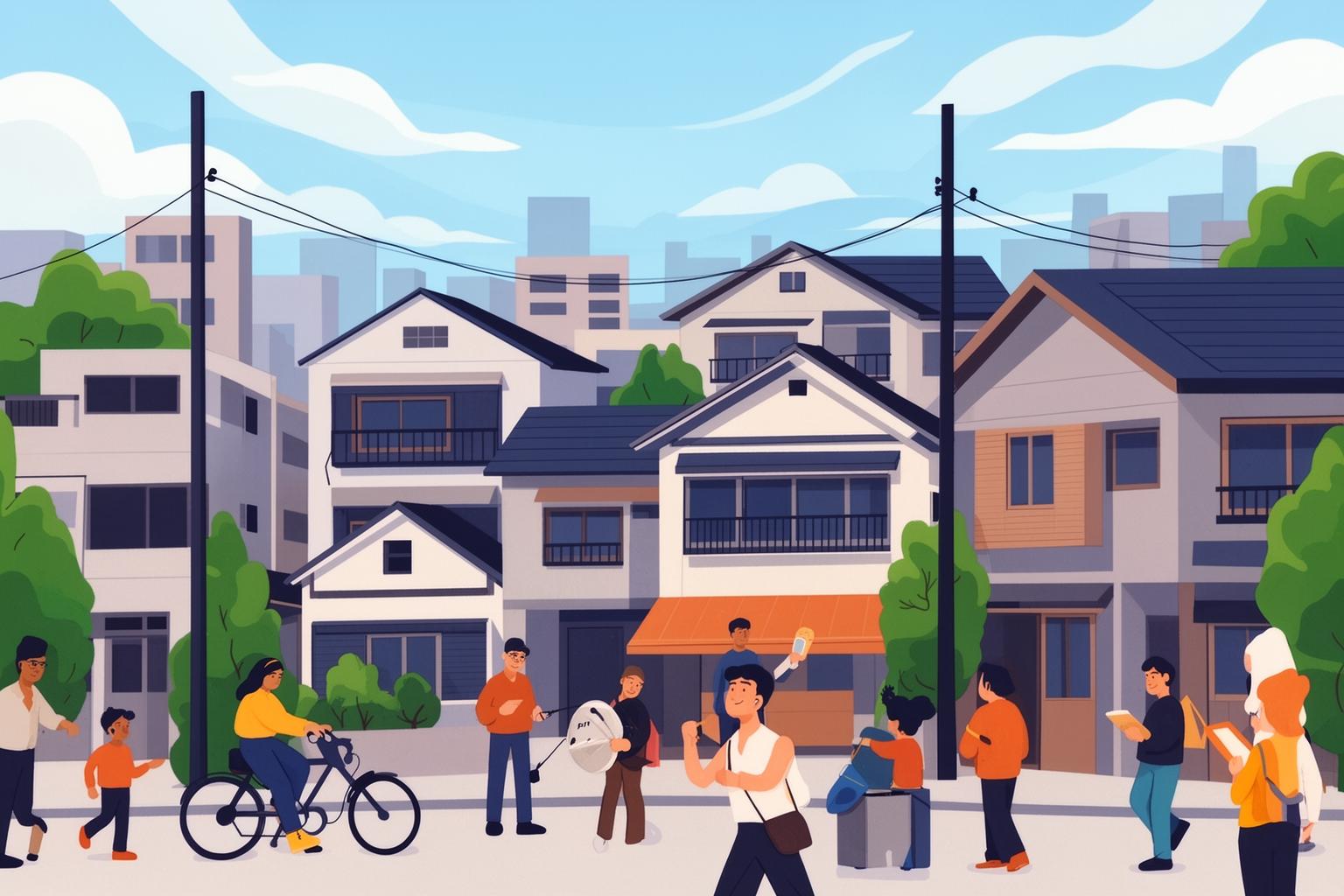
To truly appreciate Nakazakicho, it’s essential to understand its history. The presence of these old wooden houses and narrow streets is largely due to chance and geography. During the World War II air raids, much of Osaka was devastated by incendiary bombs. However, Nakazakicho lay between a large railway line to the west and a major industrial district to the east. These strategic targets were the focus of the bombings, sparing this small residential area from widespread destruction. After the war, as Osaka rebuilt into a modern city, Nakazakicho remained a time capsule of the pre-war and Showa-era urban landscape. For decades, it was a quiet and somewhat overlooked residential neighborhood. Its revival began in the late 1990s and early 2000s when artists, designers, and young entrepreneurs, attracted by low rents and the unique ambiance, started moving in. Instead of demolishing the old buildings, they restored them. They appreciated the charm of imperfection, the value of aged wood, and the eccentric layouts. They transformed the old nagaya into cafés, boutiques, galleries, and hair salons, preserving the architectural spirit of the area while injecting it with fresh creative energy. This grassroots-driven revitalization is what gives Nakazakicho its genuine, non-commercial vibe. It wasn’t the work of a major developer but grew naturally from the passion of individuals. When you sit in a café here, you’re often inside a piece of living history—a space thoughtfully repurposed to connect past and present. This historical backdrop adds depth to your workday. You’re not just working in a café; you’re part of the ongoing story of a neighborhood that survived, adapted, and flourished.
A Final Sip: More Than Just a Workspace
Nakazakicho presents a profound alternative to the traditional workspace. It questions the idea that productivity demands a sterile, optimized setting. Here, creativity flourishes through history, focus emerges in calmness, and inspiration is found in the subtle details of a world moving at a more human rhythm. It’s a place that encourages you to slow down, enjoy your coffee, look up from your screen, and engage with your surroundings. For the digital nomad tired of the generic, soulless, and overly efficient, this small corner of Osaka offers a sanctuary. It provides not just the Wi-Fi and caffeine necessary to complete your work, but also the atmospheric nourishment your spirit longs for. So, the next time you’re in Osaka with a deadline approaching, resist the pull of Umeda’s shining towers. Take a short walk east, get lost in the alleys, find a café that resonates with you, and uncover a new, more rewarding way to work. You’ll leave not only with your tasks done but with a story to share and a lasting sense of peace long after you’ve packed up your laptop.