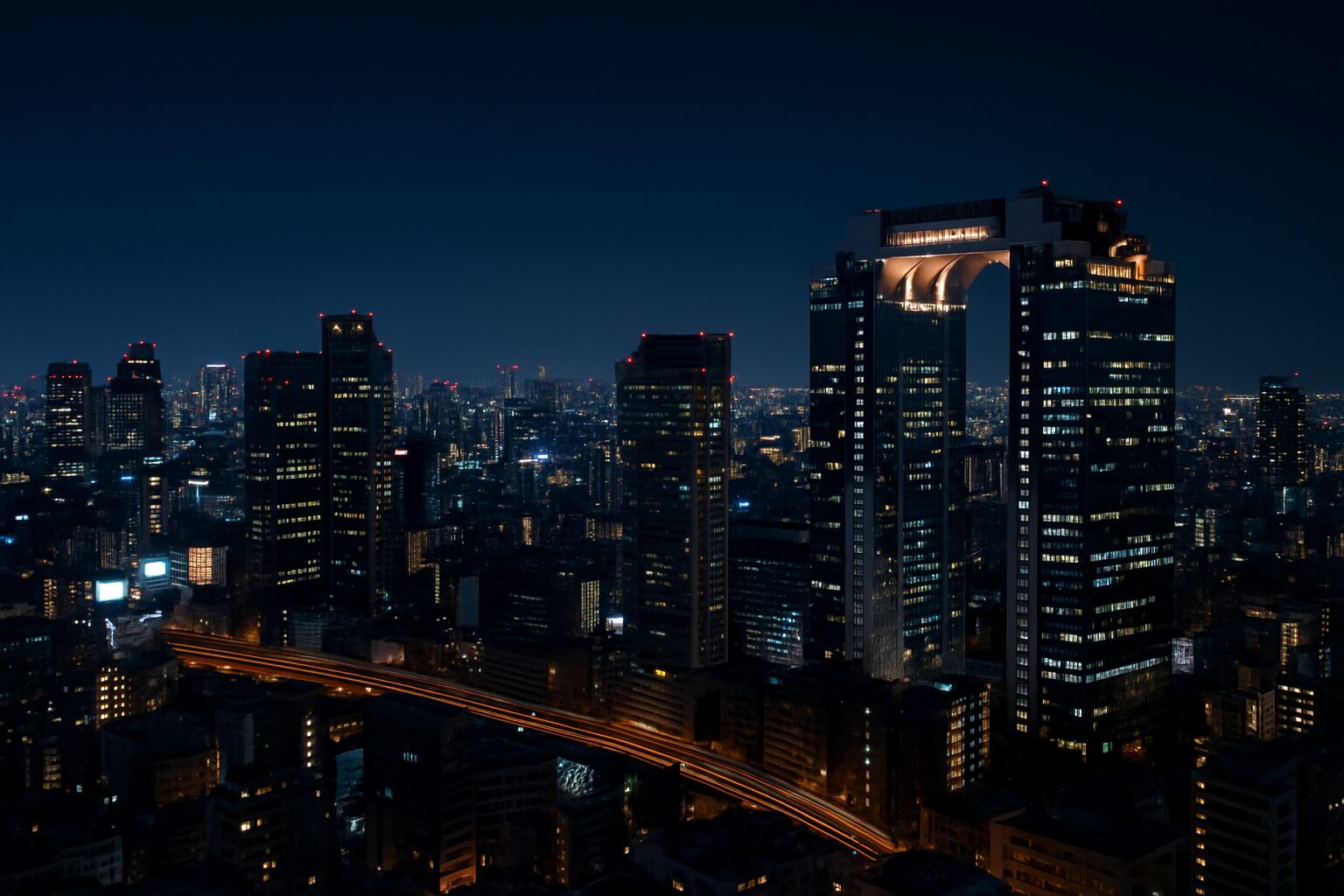
Alright, let’s talk about a place that feels like the future, a city within a city, the thumping, glittering heart of modern Osaka. We’re diving headfirst into Umeda, a neighborhood that’s less of a place you visit and more of a current you get swept up in. Forget quiet temples and ancient traditions for a moment; Umeda is a symphony of glass, steel, and kinetic energy. It’s where salarymen in sharp suits stride purposefully, where fashion-forward youths strut with effortless cool, and where the entire Kansai region seems to converge in a dazzling display of urban life. This isn’t just a train station—though it is, spectacularly, one of Japan’s busiest. No, Umeda is the epicenter of commerce, the pinnacle of shopping, a universe of dining, and a playground of entertainment, all stacked, layered, and woven into an electrifying urban tapestry. From the moment you step off the train, you’re not just in a district; you’re plugged into the main circuit board of Osaka. It’s a place that can feel intimidating, a glorious, beautiful maze, but trust me, getting lost here is half the fun. Umeda is where you feel the pulse of the 21st century, where every turn reveals a new vista, a new flavor, a new style. It’s the ultimate expression of Osaka’s forward-momentum, a dazzling world just waiting for you to explore its every shining corner.
If you’re looking for a more retro and relaxed vibe after experiencing Umeda’s high-energy pulse, consider exploring the work-friendly retro cafes in nearby Nakazakicho.
The Labyrinthine Heart: Understanding the Osaka-Umeda Station Complex
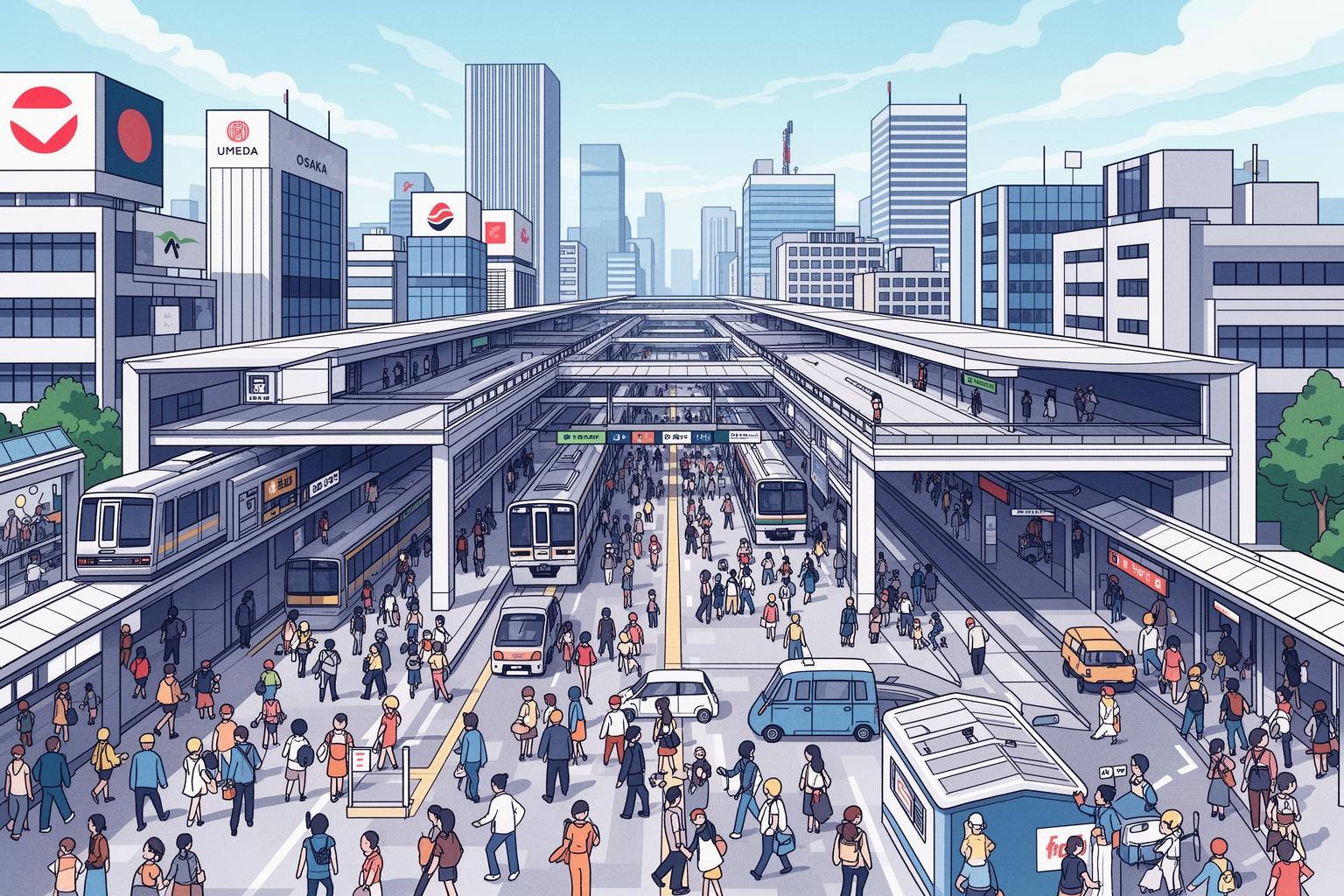
Before we can soar to the rooftops or dive into the department stores, we need to discuss the beast, the beautiful monster at the heart of it all: the station. Calling it “Umeda Station” is a charming simplification. In reality, it’s a colossal, multi-layered hub comprising several distinct yet interconnected stations. There’s JR Osaka Station, a vast, arching glass-roofed cathedral of transportation. Then Hankyu Umeda Station, with its grand, cinematic terminal where rich, burgundy trains line up in perfect formation. Not to be outdone, Hanshin Umeda Station lies deep below, a vital artery for commuters. And running through all of this are three different subway lines: the Midosuji, Tanimachi, and Yotsubashi lines, each a unique color, carving separate paths through the underground. The first time you arrive, the sheer scale can be overwhelming. Signs point in every direction, crowds flow like rivers, and the underground passages seem to extend into infinity. But here’s the secret: embrace the chaos. See it not as a challenge to conquer but as your first adventure. The key to navigation is to latch onto landmarks. Look for the big, iconic clocks at JR Osaka Station—the Water Clock at the South Gate, a mesmerizing display of falling water droplets that form images and the time, or the Golden Clock at the Central Gate, a classic meeting spot. Choose a major department store—Hankyu, Hanshin, Daimaru—and use its towering presence as your North Star. The underground is a city unto itself, a sprawling network known as the chikagai. This isn’t just a series of tunnels; it’s a fully realized world of its own, with shopping streets like Whity Umeda and Diamor Osaka. On rainy or scorching days, you can spend hours down here, shopping, eating, and exploring without ever seeing the sky. My best advice for first-timers? Give yourself extra time. Don’t rush from one line to another in five minutes. Stroll. Observe. Let the signs guide you, but if you take a wrong turn, don’t panic. That’s often how you discover a tiny juice stand with the freshest melon smoothie, a quirky boutique, or a quiet corridor offering a moment of peace. The station isn’t just a place to pass through; it’s the connective tissue of the entire neighborhood, and learning its rhythms is the first step to truly understanding Umeda.
A Shopper’s Paradise: From High-Fashion Runways to Subterranean Alleys
Umeda is unquestionably the unrivaled champion of shopping in Osaka. It’s a dazzling ecosystem that caters to every taste, budget, and style with breathtaking variety. Your adventure starts at the modern, sleek giants flanking JR Osaka Station. To the north stands the magnificent Grand Front Osaka. This is more than just a mall; it’s a lifestyle complex. Its South and North buildings are connected by walkways, forming a vast, light-filled space that feels airy and sophisticated. Here, you’ll discover flagship stores of international brands, cutting-edge tech showrooms like the Panasonic Center where you can interact with the latest gadgets, and interior design shops that might inspire you to redecorate your entire apartment. Yet, the true charm of Grand Front lies in its harmonious blend with nature. As you wander through the complex, you’ll encounter a stunning rooftop garden, a terraced oasis with cascading water features and lush greenery, offering a peaceful retreat with breathtaking views of the station’s architectural roof. It’s a place to shop, yes, but also to relax and be inspired. Directly connected to the station are LUCUA and its sister building, LUCUA 1100. Together, they form Japan’s largest shopping complex. If Grand Front exudes sophistication and worldly charm, LUCUA is trendy, youthful, and impossibly chic. This is where you find the latest Japanese fashion brands, unique accessories, and cosmetics. LUCUA 1100, in particular, is a sanctuary for curated goods, featuring an enormous Tsutaya Bookstore that serves as more of a cultural hub than a mere shop, complete with a Starbucks and numerous cozy reading nooks. The basement food floors are a whirlwind of gourmet delis, artisanal bakeries, and stylish sweet shops, perfect for picking up fashionable and delicious souvenirs. Then there are the giants, the grand department stores that define Japanese retail culture. The Hankyu Umeda Main Store reigns supreme among them. Entering feels like stepping into a world of refined luxury. The customer service is legendary, the displays are works of art, and the selection is impeccable. Their renowned window displays along the main concourse are a seasonal highlight, attracting crowds with elaborate and imaginative themes. But the true soul of Hankyu is its depachika, the basement food hall. It’s a culinary wonderland, a brightly lit maze of counters offering everything from exquisite French pastries and single-origin chocolates to perfectly packaged bento boxes and traditional Japanese sweets. It’s a feast for the senses and an absolute must-see. Across the street is its friendly rival, Hanshin Department Store. Also outstanding, Hanshin is famed for its food hall, characterized by a more casual, bustling, and foodie-oriented atmosphere. It’s known for the standing-room-only “Snack Park,” a collection of small stalls serving quick, delicious, and affordable eats like the iconic ikayaki, a simple yet addictive grilled squid pancake considered an Osaka soul food classic. For a burst of pure pop culture, head to the building topped with a giant red Ferris wheel—that’s HEP FIVE. Inside, it’s a vertically stacked mall buzzing with youthful energy, filled with stores targeting teens and twenty-somethings. A giant red whale sculpture, designed by artist Tatsuya Ishii, hangs dramatically from the ceiling, enhancing the fun, slightly surreal vibe. And then there’s the underground. The chikagai, such as Whity Umeda, offers a completely different shopping experience. It’s a seemingly endless labyrinth of smaller shops, affordable boutiques, and cozy cafes, all sheltered from the weather. It’s where you can find everyday items, hunt bargains, and feel like a true local navigating the city’s hidden pathways.
Reaching for the Sky: Umeda’s Architectural Marvels and Panoramic Views
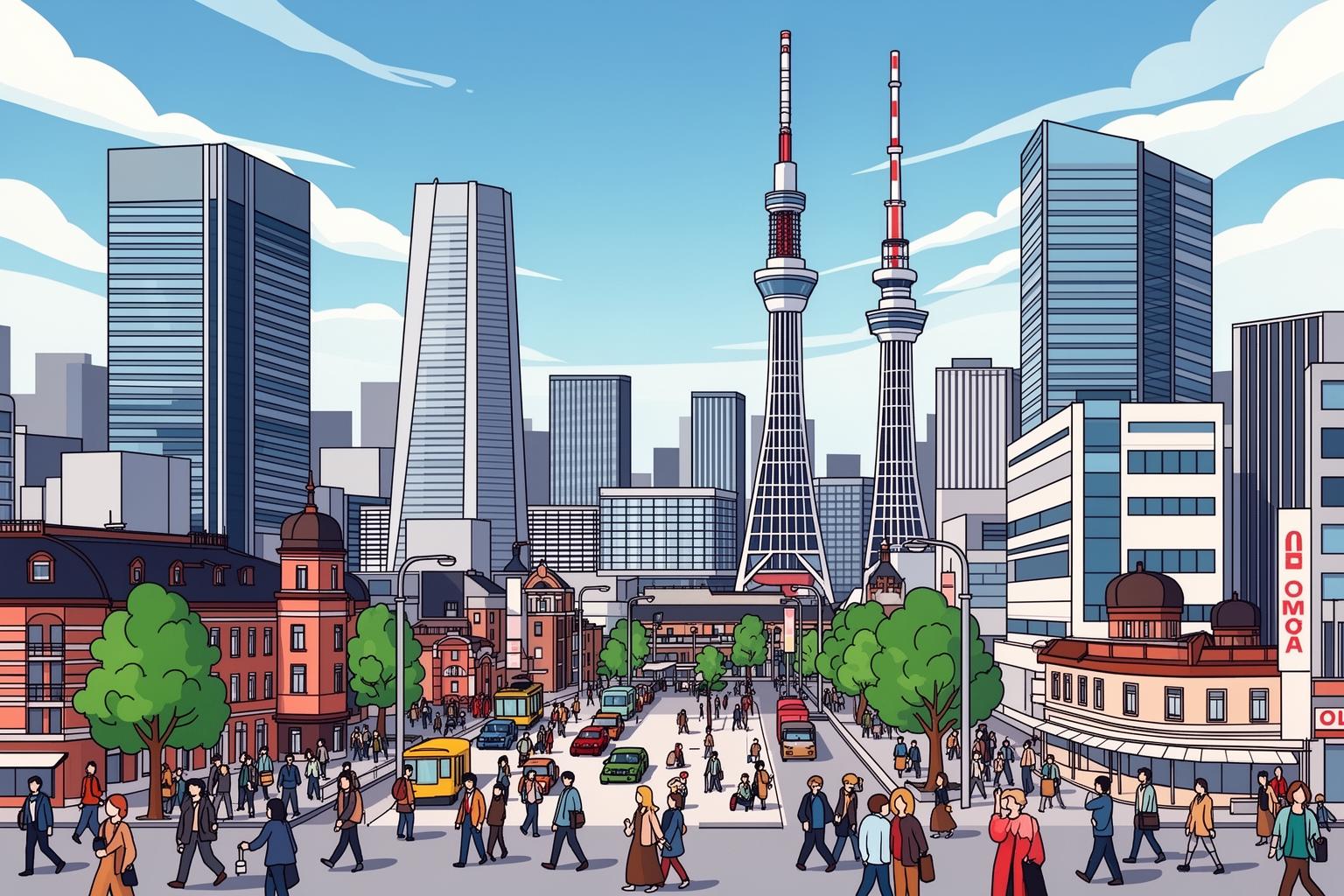
While much of Umeda’s charm unfolds at street level and below, you absolutely must lift your gaze upward. The skyline here stands as a testament to bold, innovative architecture, with observation decks offering some of the most breathtaking views in all of Japan. The undisputed centerpiece of the Umeda skyline is the Umeda Sky Building. This isn’t just another tall structure; it’s an architectural landmark. Two 40-story towers are joined at the top by the stunning “Floating Garden Observatory.” The ascent itself is part of the experience. First, a high-speed elevator with windows whisks you to the 35th floor, where you step onto a glass-enclosed escalator that spans the open space between the towers. As you rise, suspended high above the ground with the city spreading out below, it’s a moment of pure, exhilarating wonder. At the summit, you are treated to a 360-degree, open-air observatory. Feeling the wind on your face as you take in the vast urban landscape is simply unforgettable. On clear days, you can see all the way to the mountains and even Awaji Island. But it’s truly at night that the view transforms into something magical. The city becomes a sea of glittering lights, rivers of glowing traffic, a mesmerizing panorama that feels both infinite and intimate. Embedded in the observatory’s floor are stones that glow under blacklight, creating a romantic “Lumi Sky Walk.” This is a favorite spot for couples, who often leave padlocks on a dedicated fence as a symbol of their love. Without exaggeration, it’s one of the most romantic places in Osaka. For a different yet equally thrilling perspective, there’s the bright red HEP FIVE Ferris Wheel. It offers a more dynamic, playful view. Each enclosed, climate-controlled gondola has a speaker so you can play your own music as you slowly orbit above the bustling district. Rising 106 meters, it provides fantastic bird’s-eye views of train lines, surrounding buildings, and the endless flow of people below. This 15-minute ride captures the vibrant, pop-infused energy of Umeda perfectly. But Umeda’s high-altitude experiences aren’t limited to dramatic observation decks. There are also tranquil, hidden retreats tucked away on rooftops. JR Osaka Station City hosts several gardens, most notably the Tenku no Noen, or “Sky Farm,” on the 14th floor of the North Gate Building. It’s a genuine farm in the sky, featuring a small vineyard, vegetable patches, and beautiful flowers—a surprising green refuge amid the concrete jungle. Likewise, the rooftop gardens at Grand Front Osaka offer a chic, modern space to relax. With sleek wooden decking, shallow water features, and ample comfortable seating, it’s the perfect spot to enjoy a coffee and watch the city buzz from a peaceful distance. These green spaces show that even in the densest urban environments, there’s always room to breathe fresh air.
A Culinary Universe: Dining from Basement Food Halls to Retro Alleyways
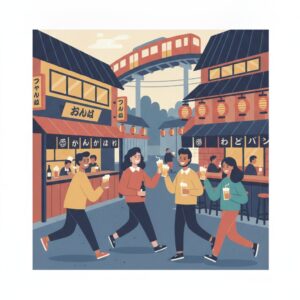
Saying you can eat well in Umeda is a huge understatement. This neighborhood is a culinary universe, presenting an almost overwhelming variety of options that can satisfy any craving at any price range. The adventure begins in the magnificent depachika, the basement food halls of the major department stores. We’ve mentioned Hankyu and Hanshin, but they merit a closer look. Spending an hour browsing these halls is a quintessential Japanese experience. Presentation is everything. Perfectly marbled beef is displayed like precious jewels. Fruits appear so flawless they could be wax models. The pastry counters showcase cakes and tarts that are miniature masterpieces. You can create an amazing picnic or gourmet dinner to bring home just by sampling from the various stalls. Try some freshly fried korokke (croquettes), grab a beautifully arranged bento box, or treat yourself to a slice of world-class melon cake. It’s both a visual and gastronomic paradise. When it’s time for a sit-down meal, almost every shopping complex has dedicated restaurant floors, usually near the top. These floors, or resutorangai, offer a convenient way to explore a wide array of cuisines all in one place. In buildings like Grand Front Osaka, LUCUA, or the Daimaru department store, entire levels are filled with restaurants specializing in everything from high-end sushi and tempura to authentic Italian pasta, sizzling Korean barbecue, and hearty tonkatsu. The quality is generally outstanding, and the views from these upper-floor eateries can be spectacular. For a more authentic and atmospheric experience, however, you should explore the hidden corners. Tucked away beneath the train tracks near Hankyu station lies Shin-Umeda Shokudogai, a maze of narrow alleys that feels like a time warp back to the Showa era. This is the complete opposite of the sleek, modern malls. It’s loud, a bit gritty, and full of character. Red lanterns cast a warm glow, the air is thick with the irresistible aroma of grilled meats and savory broths, and the tiny restaurants sit packed shoulder-to-shoulder with locals relaxing after work. Here, you can enjoy a no-frills meal of kushikatsu (deep-fried skewers), slurp a bowl of ramen, or share plates of yakitori over inexpensive beers. It’s a lively, unpretentious, and immensely enjoyable dining experience. For a more refined evening, a short walk south of JR Osaka Station leads you to Kitashinchi, Umeda’s upscale entertainment district and the modern counterpart to Kyoto’s Gion. The streets here are quieter, the venues more exclusive. This is where you’ll discover some of Osaka’s finest restaurants, including Michelin-starred sushi bars, elegant kappo establishments where chefs craft elaborate tasting menus, and chic, hidden bars perfect for a meticulously prepared cocktail. It’s a world apart from the bustling station, ideal for special occasions and sophisticated palates. Don’t overlook the endless options in the underground arcades either. Whity Umeda is packed with casual eateries, coffee shops, and bars, making it an ideal spot for a quick, affordable, and delicious lunch on the go.
Beyond the Concrete: Culture, Art, and Unexpected Green Spaces
Although Umeda is known primarily for commerce and concrete, it’s wrong to assume that’s all it offers. The area serves as an excellent starting point for exploring some of Osaka’s top cultural institutions and surprisingly lush green spaces, providing a perfect counterbalance to the urban intensity. A pleasant fifteen-minute walk southwest from the station, crossing the river to the island of Nakanoshima, brings you to The National Museum of Art, Osaka (NMAO). The building itself is a masterpiece, a dramatic, sculptural steel structure designed by César Pelli that symbolizes the strength and vitality of bamboo. The museum’s galleries are entirely underground, a unique design choice that preserves the island park’s landscape. Inside, the collection centers on Japanese and international contemporary art from the post-war period onwards. It’s a thought-provoking and often challenging display that offers a wonderful contrast to the historical art found elsewhere in Japan. The serene, minimalist interior provides a cool, quiet retreat, allowing visitors to fully engage with the world of modern creativity. For performing arts enthusiasts, the Umeda Arts Theater is a key cultural venue. Featuring a main hall and a smaller theater, it hosts a diverse range of productions, from large-scale Broadway musicals and traditional Japanese plays to concerts and ballets. Checking its schedule is always worthwhile if you’re seeking a world-class evening of entertainment. The neighborhood is also notably close to one of Osaka’s most beautiful parks. Nakanoshima Park, nestled between the Dojima and Tosabori rivers, is a lush oasis. This long, narrow park is ideal for a leisurely stroll or a jog along the waterfront. In May and October, its magnificent rose garden bursts into color and fragrance, with thousands of bushes showcasing hundreds of varieties. The park also houses impressive historical buildings such as the neo-Renaissance Osaka Central Public Hall and the classical Osaka Prefectural Nakanoshima Library, adding a touch of European elegance to the scenery. It’s an ideal spot to read a book, enjoy a picnic, and watch city life drift by from a peaceful distance. Even within Umeda’s dense urban environment, pockets of tradition remain. Tucked away almost improbably among towering office buildings and hotels is the Tsunashikiten Shrine Honden. Discovering this small, tranquil Shinto shrine feels like uncovering a secret. The contrast between its ancient wooden architecture and the modern glass and steel around it is striking. It serves as a quiet reminder of the layers of history present even in Osaka’s most futuristic district—a place to pause, reflect, and appreciate the city’s ability to blend past and present in delicate harmony.
Practical Tips for the Urban Explorer
Navigating a vast and dynamic area like Umeda can be easy with a few insider tips. First, timing is crucial. Weekdays, especially mornings, tend to be less crowded than weekends. However, evenings bring Umeda to life, with illuminated buildings and a vibrant after-work crowd. If you visit during the winter holidays, expect spectacular Christmas lights that transform the entire district into a festive wonderland. When dealing with crowds, the best approach is to move like water—keep to the left on escalators and walkways to let others pass, and simply go with the flow of pedestrian traffic. Rush hours at the stations (morning and early evening) can be very busy, so if you’re not in a rush, it’s a perfect time to find a café and enjoy some people-watching. One of the most convenient features for visitors, especially shoppers, is the plentiful coin lockers found in every station and department store. For just a few hundred yen, you can store your shopping bags, luggage, or heavy coat and explore freely. This small convenience makes a big difference. Feeling overwhelmed or in need of a break? Umeda offers plenty of spots to recharge. Beyond the usual cafés, look for free seating areas inside shopping malls and rooftop gardens. The upper floors of department stores tend to be quieter and often have comfortable sofas. Don’t hesitate to take a moment to sit, check your map, and relax. Staying connected is simple, as most major facilities, including JR Osaka Station City and Grand Front Osaka, provide free public Wi-Fi. It’s reliable enough for checking maps, train schedules, or sharing photos from the Sky Building. Getting there couldn’t be easier. Umeda serves as the main transportation hub for the region. Whether you’re arriving from Kyoto, Kobe, or Nara via JR, Hankyu, or Hanshin lines, you’ll likely come through here. It’s also the central interchange for many Osaka subway lines, making it very accessible from other city areas like Namba or Shinsaibashi. The key takeaway is to be prepared but not intimidated—Umeda is designed for people, and once you get familiar with its layout, you’ll find it surprisingly walkable and user-friendly.
Umeda’s Evolving Story
It’s captivating to recall that this sparkling metropolis was once merely a marshy, undeveloped floodplain, literally the “plum field” from which it derives its name. Its transformation began with the opening of Osaka Station in 1874, planting the seed that would grow into the city’s northern hub, rivaling the traditional southern center of Namba. Throughout the 20th century, competing railway companies constructed their terminals and grand department stores here, each competing for dominance and, in doing so, creating the dense, layered urban center we see today. Yet, Umeda’s story is far from complete. It is a place in constant flux, perpetually reinventing itself. The opening of Grand Front Osaka and the renovation of JR Osaka Station City over the past decade have already dramatically altered its landscape and atmosphere. And the evolution continues. The enormous Umekita Phase 2 project, currently underway just north of Grand Front, stands as one of the world’s largest redevelopment efforts. It aims to transform a former freight yard into a vast urban park, complete with innovative facilities, commercial spaces, and residential areas. The emphasis on creating a large green space at the city’s core reflects a forward-thinking vision for a more sustainable and livable urban future. When you visit Umeda, you’re not merely seeing a finished product; you’re witnessing a city actively composing its next chapter. It’s a dynamic, living entity, and part of the excitement of exploring it lies in knowing that the next time you return, there might be a new tower piercing the skyline, a new park to uncover, or a new underground passage to navigate. This continuous forward momentum embodies the very spirit of Umeda. It’s a place that honors its commercial heritage while relentlessly advancing toward the future, ensuring it remains Osaka’s shining, modern heart for decades ahead.
Ultimately, Umeda is an experience. It’s the thrill of stepping onto that suspended escalator at the Sky Building, the delightful bewilderment of the depachika, the vibrant energy of a retro food alley, and the tranquil peace of a rooftop garden. It’s a neighborhood of wonderful contradictions—a place that is both an immense transportation hub and a destination in its own right, a landscape of futuristic towers alongside hidden, traditional shrines. My advice is to come with a spirit of adventure. Allow yourself to get lost in the station’s beautiful labyrinth. Ride the Ferris wheel for no other reason than pure joy. Splurge on a perfectly ripe piece of fruit in a basement food hall. Find a bench with a view and simply watch the endless, fascinating parade of humanity pass by. Umeda isn’t a checklist to finish; it’s a rhythm to feel. So immerse yourself, let its powerful current guide you, and discover your own favorite melody in the grand, exhilarating symphony of Osaka’s modern soul.