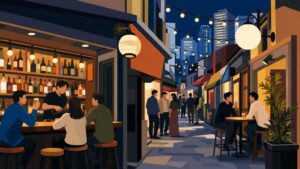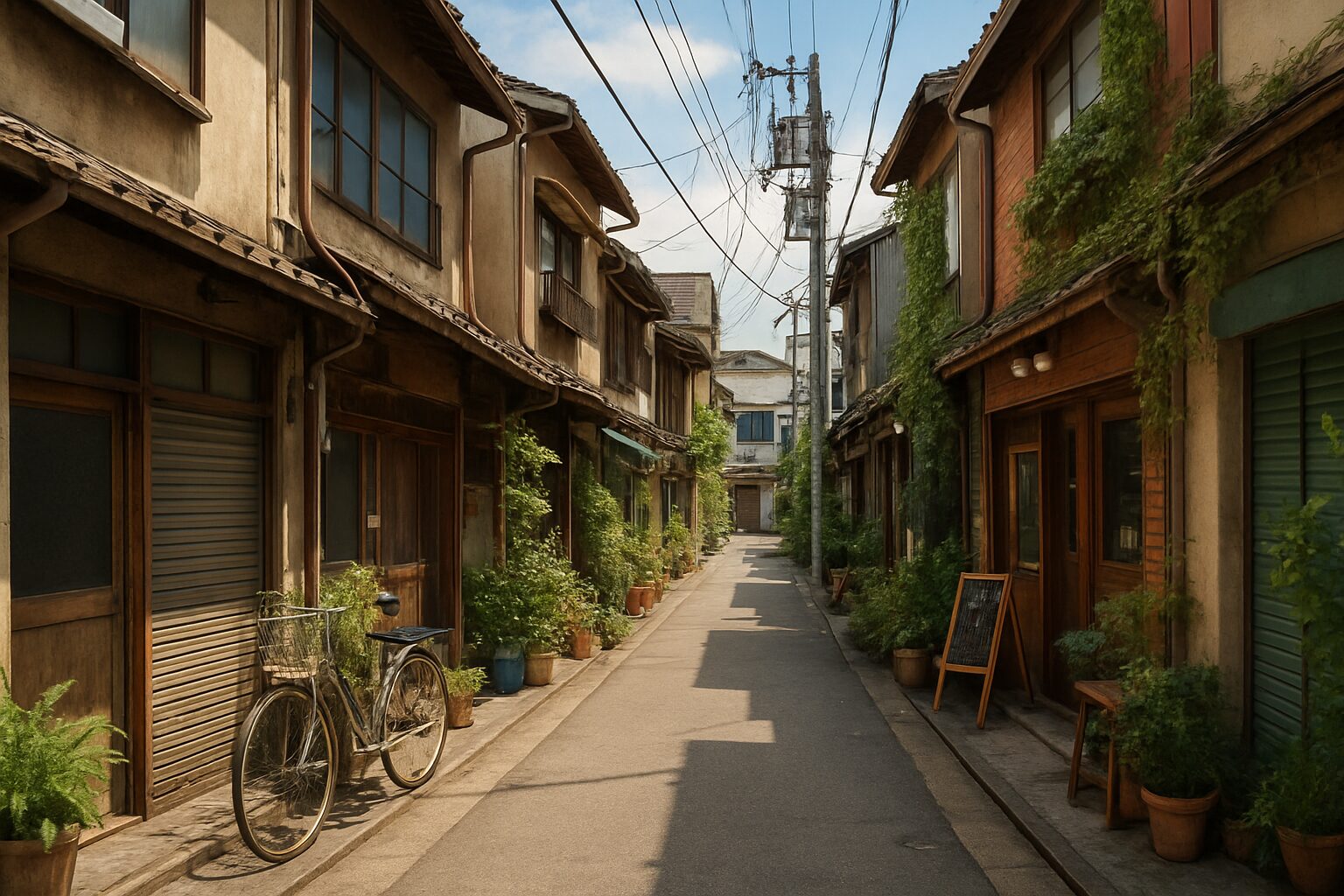
Just a ten-minute stroll from the glittering, high-tech canyons of Umeda, where bullet trains hum and department stores soar into the clouds, lies a neighborhood that feels like it belongs to a different century altogether. This is Nakazakicho, Osaka’s quiet, beating heart of nostalgia. It’s a place where time doesn’t just slow down; it meanders, eddies, and pools in the sun-dappled alleyways. Forget the neon glare and the frantic pace of modern urban life. Here, the city’s soundtrack shifts from the roar of traffic to the gentle clinking of coffee cups, the whisper of wind through overgrown ivy, and the lazy meow of a resident cat stretching in a warm patch of sunlight. Nakazakicho is not a destination you conquer with a map and a checklist; it’s a feeling you sink into, a living museum of Showa-era charm that miraculously survived the ravages of time and war. It’s a labyrinth of narrow lanes, creaking wooden houses, and hidden treasures, where every corner turned reveals a new story, a tiny independent boutique, or a retro café so steeped in atmosphere it feels like walking onto a film set. For those of us seeking the soul of Osaka beyond the famous landmarks, Nakazakicho offers an authentic, unhurried glimpse into the city’s past and its vibrant, creative present. It’s a testament to the beauty of preservation, community, and the simple joy of getting wonderfully, completely lost.
For a practical perspective on the modern city just a short walk away, consider the cost of living in Osaka’s Umeda district.
The Echo of History: A Neighborhood That Endured
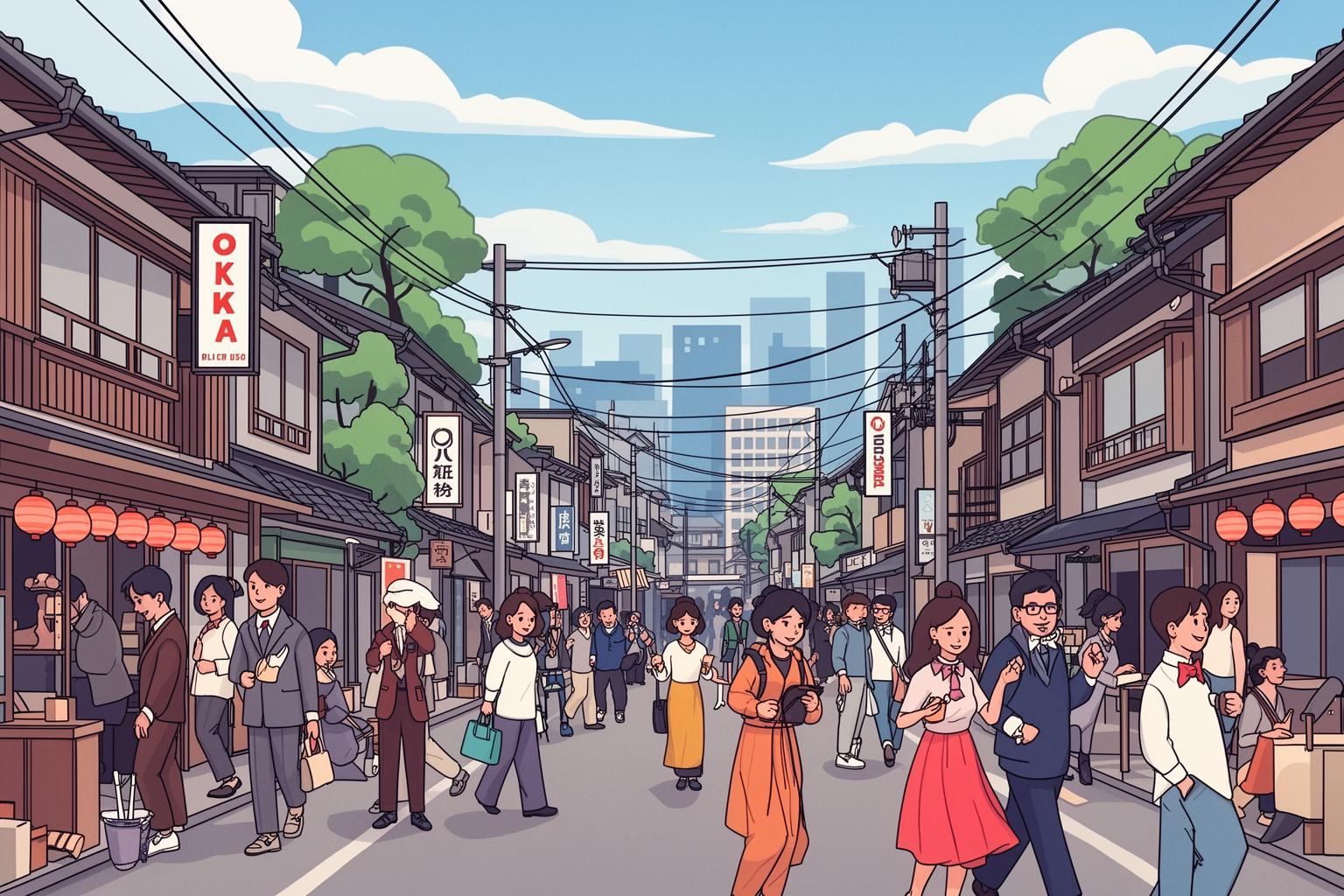
To fully appreciate the magic of Nakazakicho, one must grasp its history—or more precisely, its extraordinary tale of survival. During World War II, massive air raids devastated much of central Osaka, leaving large parts of the city as ash and rubble. In the post-war reconstruction era, a new, modern city of concrete, steel, and towering skyscrapers emerged from the ruins. Yet, by a stroke of luck, the small, densely packed residential neighborhood of Nakazakicho largely escaped this destruction. This unique circumstance is central to its preserved character. The buildings you see today are neither replicas nor retro-styled constructions; they are authentic. These are the original nagaya—traditional two-story wooden row houses that once characterized urban living in Japan. Their dark, weathered timber, tiled roofs, and intricate latticework are genuine remnants of a bygone era, specifically the Showa Period (1926-1989), a time deeply cherished with nostalgia in Japan.
Strolling through these streets evokes a strong connection to that past. One can almost hear echoes of daily life from decades ago: the call of a tofu vendor, the laughter of children playing in the alleys, the soft rattle of a sliding paper screen. The atmosphere itself feels dense with memory. The narrow alleyways, originally designed for pedestrians and bicycles long before cars took over, encourage a slower, more personal interaction with the environment. You notice small details: a carefully tended bonsai on a doorstep, colorful glass bottles shimmering in a window, the worn pattern of paving stones beneath your feet. This is not a sanitized historical district cordoned off for tourists; it is a living, breathing community where residents have creatively adapted these old structures for contemporary life, blending innovation with respect for their architectural heritage. This delicate balance between preservation and progress is what makes Nakazakicho so utterly enchanting. It powerfully reminds us that history is not merely something to read about, but something to walk through, touch, and experience firsthand.
The Kissaten Culture: Sanctuaries of Siphon Coffee and Solitude
At the core of Nakazakicho’s retro charm lies its vibrant café scene, which stands in stark contrast to the sterile efficiency of modern coffee chains. These cafés are more than just spots to grab a quick caffeine fix; they serve as destinations in their own right—sanctuaries of calm and vintage aesthetics. Many of these venues are known as kissaten, traditional Japanese coffee houses that thrived during the Showa era. Stepping inside one feels like entering a time capsule. The lighting is consistently dim and warm, casting a gentle glow over dark wood paneling, velvet-upholstered armchairs, and shelves brimming with well-worn books and manga. The air is permeated with the rich, intoxicating aroma of dark-roast coffee, often carefully brewed with a siphon, a theatrical, nearly alchemical method involving glass globes, open flames, and vacuum pressure principles. The result is a coffee that is exceptionally smooth, clean, and richly flavorful.
The soundtrack of a Nakazakicho kissaten is never overwhelming. It might be the soft crackle of a vinyl record playing classic jazz standards, the steady, meditative ticking of a grandfather clock nestled in a corner, or simply the quiet murmur of conversation. These spaces are meant for lingering. You’ll encounter university students bent over their notebooks, elderly couples sharing a slice of cake, and solo patrons absorbed in novels for hours on end. The menus offer a charming journey into nostalgia. Along with expertly brewed coffee, you’ll find iconic kissaten treats: the bright green melon cream soda topped with a scoop of vanilla ice cream; a plate of Napolitan spaghetti, a distinctively Japanese comfort food with its sweet ketchup-based sauce; or a thick, fluffy slice of toast (atsu-giri toast) generously spread with butter and red bean paste.
One emblematic spot that captures this spirit is Salon de AManTo, a sprawling, eccentric café housed in a 100-year-old nagaya. It feels more like a community art project than a simple coffee shop, featuring a maze of interconnected rooms, each filled with an eclectic array of art, antiques, and found objects. Finding a seat here is an adventure in itself, whether in a cozy nook surrounded by books or on the weathered wooden veranda overlooking a small, overgrown garden. Another standout is Utena Kissaten, known for its moody, almost cinematic interior and unwavering commitment to the craft of coffee. The owner, a quiet and focused master of his trade, treats every cup as a work of art. Visiting these cafés is not merely about consumption; it is a participation in a cherished cultural ritual. It is about finding a moment of stillness in a hectic world, a quiet corner to recharge, reflect, and simply be.
A Treasure Hunt in the Alleys: The World of Independent Boutiques
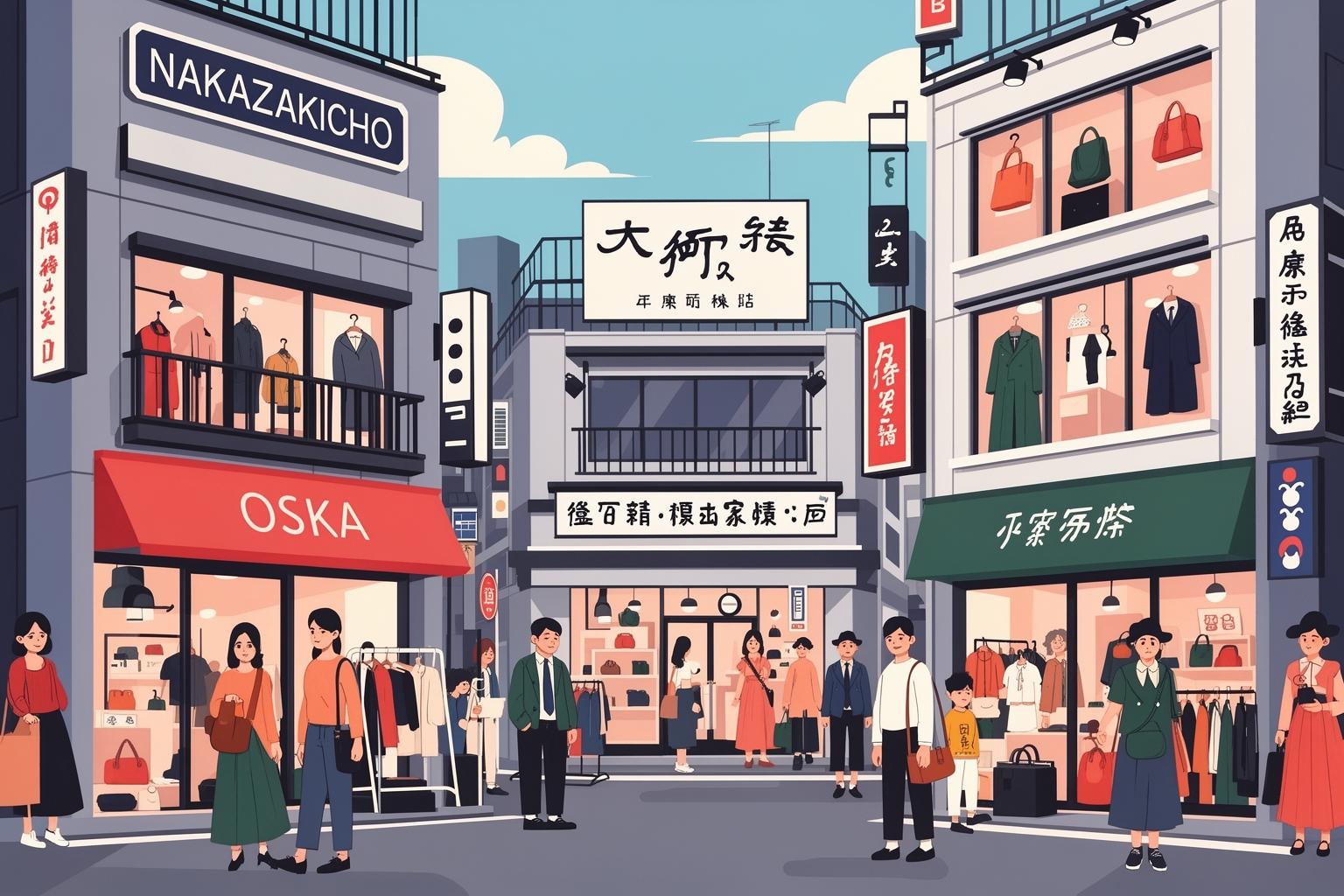
Nakazakicho is a shopper’s paradise for those who appreciate uniqueness, craftsmanship, and a personal touch. The neighborhood thrives as a vibrant ecosystem of small, independent boutiques, art galleries, and workshops, each reflecting its owner’s passion and creativity. Here, you won’t find global brands or mass-produced souvenirs. Instead, you’ll uncover a world of one-of-a-kind treasures, lovingly handmade and carefully curated. Shopping in Nakazakicho is an adventure, a treasure hunt where exploring the winding alleys is just as rewarding as the discoveries themselves.
Many shops are hidden within renovated nagaya, their traditional exteriors giving little away about the creative wonders inside. You might push open a creaky wooden door to reveal a space filled with delicate, handcrafted silver jewelry, each piece inspired by natural elements. Another could be a vintage clothing store, a kaleidoscope of fabrics and styles from the ’60s, ’70s, and ’80s, where every item carries its own history and story. Imagine flowing floral dresses, perfectly worn-in denim, and quirky leather accessories. Stores like Elulu by JAM are well known for their expertly curated vintage and secondhand fashion collections, offering a stylish and sustainable alternative to fast fashion.
Beyond apparel and accessories, the neighborhood is a hub for artisans of all kinds. You’ll find shops selling exquisite handmade ceramics, with glazes reflecting the colors of the Japanese seasons. There are stationers offering beautiful handmade paper, unique ink pens, and whimsical rubber stamps. Art galleries showcase the work of local painters, photographers, and illustrators. One of the most enchanting aspects of shopping here is the chance to meet the creators themselves. In many small workshops, the person behind the counter is the very one who designed, stitched, hammered, or painted the items. This direct connection between maker and customer is increasingly rare in today’s world. It turns a simple purchase into a meaningful exchange, where you can learn about the inspiration, techniques, and passion behind each piece. It’s a reminder that the objects we bring into our lives can be more than possessions; they become vessels of creativity, craftsmanship, and human connection.
The Art of Wandering: Embracing the Labyrinth
If there’s one tip for visiting Nakazakicho, it’s this: put your phone away. Slip your map into your pocket. The real pleasure in this neighborhood lies not in efficiently getting from point A to point B, but in the art of aimless wandering. Nakazakicho’s layout is a charming, organic maze. Its narrow alleys, or roji, twist and turn without obvious pattern, unexpectedly opening into tiny hidden courtyards or ending abruptly at a private home’s wall. Following a strict itinerary here only leads to frustration; embracing the confusion is the secret to unlocking its charm.
Let curiosity guide you. Follow the sound of a wind chime. Let a brightly painted door catch your eye. Chase after a calico cat as it slips around a corner. This is how you discover the true treasures of Nakazakicho—the unmarked café with the perfect window seat, the small gallery run by a friendly artist, the quiet residential street where wisteria vines drape over an old wooden fence. Getting lost isn’t a mistake here; it’s the whole point. Every wrong turn is simply a new path to discovery. As a parent, I found this approach wonderful for exploring with my child. It felt like a real-life adventure game, a quest to see what awaited around the next bend. The neighborhood’s size is ideal for little legs, and the absence of car traffic in the inner alleys creates a safe, stress-free space to explore.
As you roam, notice the subtle street art and creative details sprinkled throughout the neighborhood. It’s not loud or aggressive graffiti, but rather whimsical, artistic touches. You might find a beautifully painted mural on a roll-down shop shutter, a tiny ceramic figure tucked in a wall’s crack, or a bicycle transformed into a planter brimming with colorful flowers. These small creative acts reflect the community’s artistic spirit. They are a dialogue between residents and their environment, a shared effort to make their home more beautiful and engaging. In Nakazakicho, the whole neighborhood serves as a canvas. So take a deep breath, pick a direction at random, and walk. See where the day leads you. You’re guaranteed to discover something wonderful that no guidebook could ever reveal.
Practical Guidance for Your Nakazakicho Sojourn
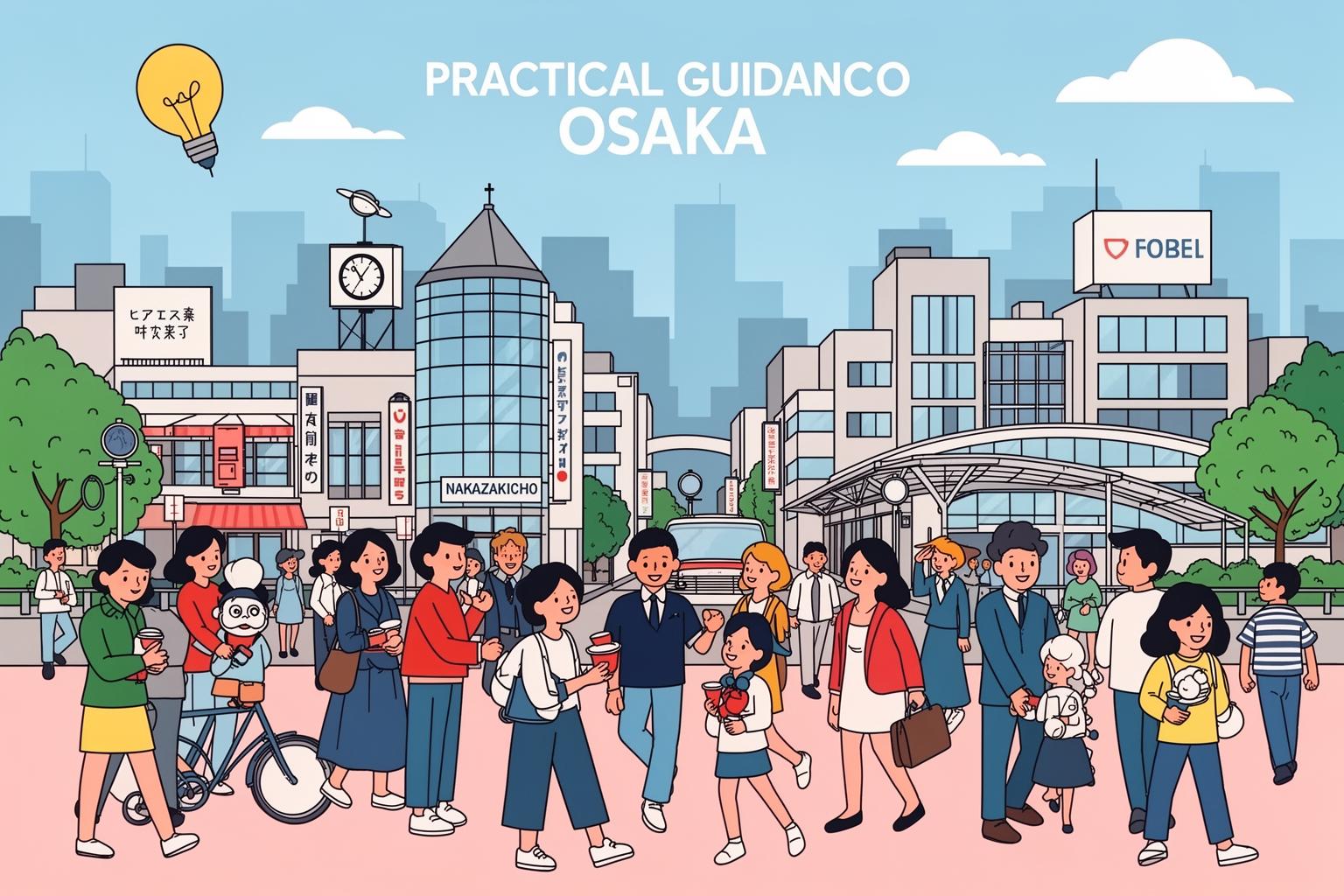
While wandering is encouraged, a few practical tips can help make your visit smoother and more enjoyable. Getting to Nakazakicho is incredibly easy. It’s situated just east of the large JR Osaka and Hankyu Umeda Station complex. You can comfortably walk there in about 10-15 minutes, and the route offers a fascinating transition from the ultra-modern to the charmingly old-fashioned. Alternatively, you can take the Osaka Metro Tanimachi Line just one stop from Higashi-Umeda to Nakazakicho Station. Exiting at 2 or 4 will place you right in the heart of the action.
Timing is essential to experience the neighborhood at its best. Weekday afternoons tend to be the quietest, allowing for a more peaceful and reflective visit. You’ll find the cafes and shops mostly to yourself. On weekends, especially Saturday and Sunday afternoons, foot traffic increases significantly, with young couples, groups of friends, and fashionably dressed locals exploring the area. The atmosphere becomes more lively and buzzing but can feel somewhat crowded in the narrowest lanes. Be aware that many small, independent shops and cafes have irregular opening hours. It is quite common for them to close one or two days a week, often Tuesday or Wednesday. Many also don’t open until late morning, around 11:00 AM or even noon. It’s always wise to check the social media pages of specific places you want to visit, but it’s best to simply arrive with an open mind, ready to explore whatever is open.
A few final tips for first-time visitors: Wear your most comfortable shoes, as the alleys can be uneven and you’ll be doing a lot of walking. Bring cash. Although more spots are beginning to accept credit cards, many of the smallest, family-run establishments still operate on a cash-only basis. Be mindful and respectful that you’re walking through a residential neighborhood—these are people’s homes. Keep your voice down, avoid peering into private windows, and always ask permission before taking photos inside a shop or of its owner. This simple courtesy goes a long way in preserving the peaceful, welcoming atmosphere that makes Nakazakicho so special.
A Final Thought: The Enduring Allure of the Imperfect
In a country that frequently celebrates sleek modernity and flawless perfection, Nakazakicho stands as a beautiful tribute to the charm of the imperfect, the old, and the handmade. It’s a neighborhood that embraces its age with pride, where weathered wood is cherished more than polished chrome, and a crooked alleyway holds more intrigue than a straight boulevard. It offers a powerful counter-narrative to the relentless push of progress, reminding us of the value of slowing down, observing more closely, and appreciating the stories woven into the world around us. A visit to Nakazakicho is more than just a sightseeing trip; it’s an experience that stays with you. It’s the flavor of a perfectly brewed siphon coffee, the sensation of a handmade ceramic cup in your hands, the memory of a warm conversation with a shop owner. It’s the quiet joy of uncovering a hidden gem all on your own. So when the hustle of Osaka starts to feel overwhelming, take a short walk and step through the invisible gateway into Nakazakicho. Lose yourself in its timeless lanes, and you may just discover a small piece of your own soul waiting there.