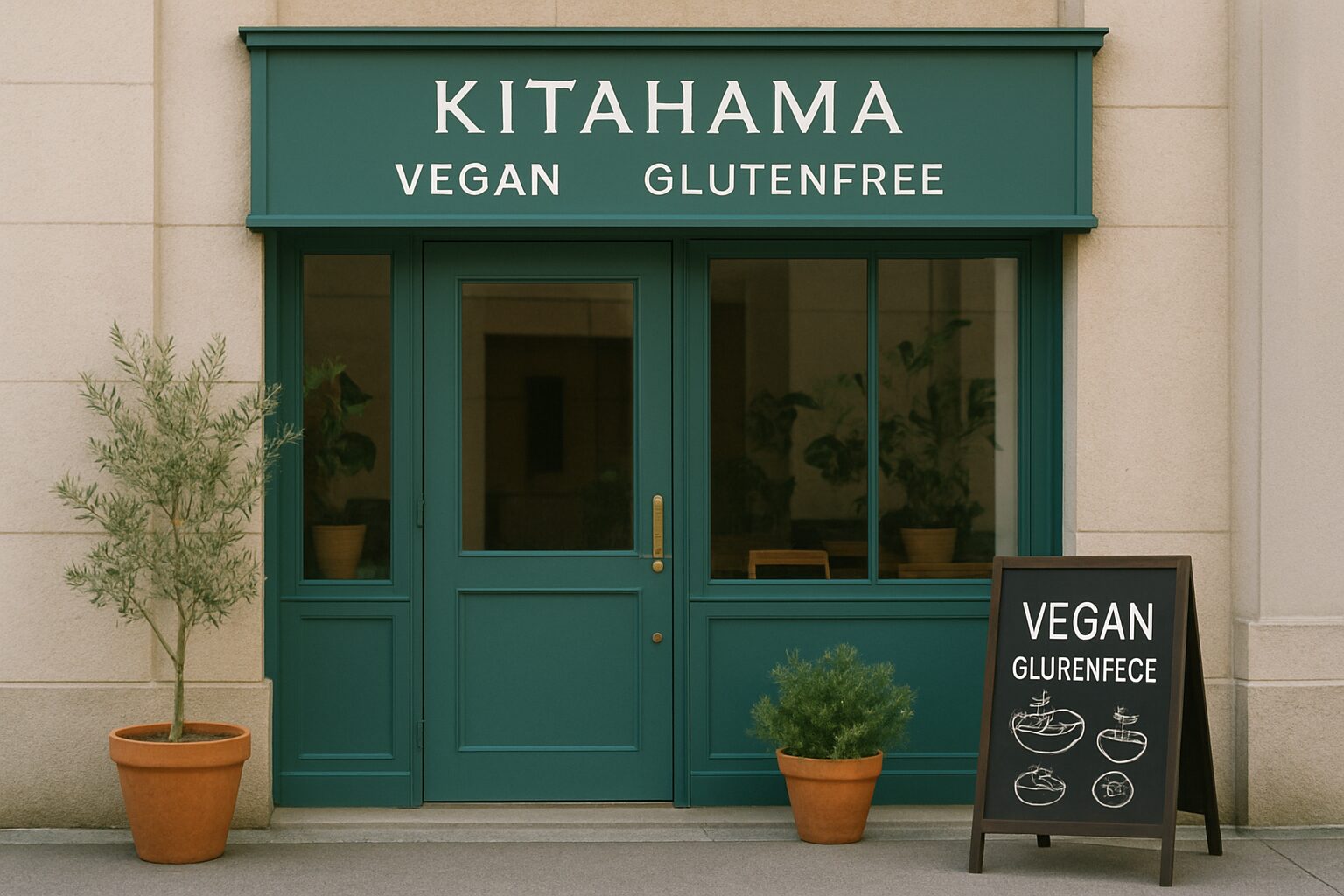
Osaka, a city celebrated for its boisterous energy and an unapologetic devotion to hearty, soul-satisfying cuisine, often presents a delightful yet daunting challenge for the discerning diner with specific dietary needs. The city’s culinary fame is built upon pillars of wheat and dashi, from takoyaki and okonomiyaki to udon and ramen. For the vegan or gluten-sensitive expat, navigating this gastronomic wonderland can sometimes feel like a treasure hunt without a map. Yet, tucked away along the gentle currents of the Tosabori and Dōjima Rivers, lies a district that offers a sophisticated respite and a surprising wealth of culinary inclusivity: Kitahama. This is not the neon-drenched Osaka of popular imagination; this is a more graceful, elegant version, a place where historic, European-inspired architecture stands in quiet conversation with sleek modern design, where the rhythm of the city slows to the pace of a riverside stroll. Kitahama is Osaka’s answer to a Parisian quay, a place where the city’s financial heart beats within a shell of cultural and aesthetic refinement. For those of us seeking not only nourishment for the body but also for the soul, and particularly for those navigating the landscapes of plant-based and gluten-free living, Kitahama emerges as an essential sanctuary, a stylish haven where your dietary preferences are not an afterthought, but a celebrated feature of its contemporary cafe culture. It’s here, amidst the roses of Nakanoshima Park and the stoic grandeur of Meiji-era buildings, that one can truly find a delicious and serene home away from home.
For a different kind of serene, retro charm in Osaka, consider exploring the nostalgic streets of Nakazakicho.
The Soul of Kitahama: Where Water, History, and Modernity Converge

To truly appreciate Kitahama’s culinary scene, one must first grasp its distinctive character, shaped by a rich and influential history. This district was, and in many respects still remains, a vital hub of Japanese commerce. In the late 19th and early 20th centuries, as Japan rapidly modernized during the Meiji Restoration, Osaka earned the nickname “the Manchester of the Orient,” highlighting its industrial and economic strength. Kitahama stood at the heart of this financial transformation. It houses the Osaka Exchange, successor to the Dōjima Rice Exchange, which is widely regarded as the world’s first modern futures exchange. This heritage of finance and global trade is deeply ingrained in the district’s very foundations. A stroll through its streets offers a lesson in architectural history, surrounded by grand, sturdy buildings crafted in the Neo-Baroque and Renaissance Revival styles—designed to convey permanence, power, and global sophistication. The Osaka Exchange building itself is the most imposing and dignified of these. Nearby, historic landmarks like the former Koraibashi Nomura Building and the Sanjusan Bank building display the intricate stonework, elegant arches, and ornamental details that defined the corporate architecture of the era. These structures are more than offices; they are monuments to a defining period in Japan’s history, when Osaka boldly engaged with the world.
This historical weight is beautifully balanced by the district’s natural surroundings. Kitahama is defined by water, bordered to the north by the Tosabori River and embraced on the east by the Higashi-Yokobori River, with the slender Nakanoshima island—a verdant parkland—providing a peaceful counterpart. This riverside setting infuses the area with an openness and tranquility rare in a city as dense as Osaka. Tree-lined promenades and the gentle sound of lapping water create a soothing ambiance that softens the urban environment. Here, the district’s modern identity comes alive. Visionary developers and restaurateurs have embraced the appeal of this waterfront, transforming old warehouses and office ground floors into some of the city’s most stylish and sought-after cafes, restaurants, and boutiques. They have installed expansive floor-to-ceiling windows and wide terraces overlooking the river and the greenery of Nakanoshima Park. The outcome is a striking blend of old and new, stone and glass, commerce and leisure. The atmosphere exudes sophisticated calm. During weekdays, one sees impeccably dressed office workers enjoying thoughtful coffee breaks by the water. On weekends, the mood shifts to a relaxed yet chic buzz, as couples, friends, and solo visitors gather for brunch, shop, and savor the cultured ambiance. This is a place that invites you to slow down, to admire the play of light on the water, the texture of century-old stone facades, and the delicate aroma of freshly brewed coffee mingling with river breezes. This rare fusion of history, nature, and contemporary style is the backdrop against which Kitahama’s exceptional cafe culture is set.
The Main Event: Navigating Kitahama’s Vegan and Gluten-Free Cafe Scene
In this refined environment, Kitahama has quietly earned a reputation as a sanctuary for health-conscious and dietary-aware dining. The cafes here do more than follow trends; they embody the district’s core values of quality, elegance, and mindful living. For those seeking vegan or gluten-free options, the experience is not about settling for a single uninspired dish but about being offered genuinely delicious and varied choices. The chefs and bakers in Kitahama clearly understand that plant-based and gluten-free cuisine is not about restriction but about creativity and innovation.
Picture beginning your weekend at a place we might call “The Green Terrace,” a fictional yet representative café situated right on the riverbank. The interior would showcase minimalist design: light wood, polished concrete floors, and large glass panes that softly blend indoors with the outdoors. The space would be bathed in natural light, accompanied by the gentle murmur of conversation. Here, the menu is a vibrant tribute to plant-based whole foods. Your brunch might start with their signature avocado toast—an elevated version featuring a thick slice of house-baked, naturally leavened sourdough (with an excellent gluten-free multigrain loaf option), topped with perfectly ripe, smashed Hass avocado, a colorful scatter of heirloom cherry tomatoes, delicate radish sprouts, finished with Hawaiian black lava salt and a drizzle of extra virgin olive oil. Alternatively, you might be drawn to the Savory Quinoa Power Bowl, a beautifully composed mosaic of fluffy tricolor quinoa, massaged kale, roasted sweet potatoes, spiced chickpeas, pickled red onions, and creamy avocado, all united by a tangy house-made lemon-tahini dressing. For those desiring something more substantial, a vegan shepherd’s pie, featuring a rich, umami-packed filling of lentils and wild mushrooms simmered in savory gravy and crowned with a golden-brown, fluffy mashed sweet potato topping, offers comforting satisfaction. Even the pancakes impress—light, airy, made from oat and almond flour, served with fresh seasonal berries, a dollop of thick coconut cream, and pure Canadian maple syrup. The beverage menu is equally thoughtful, showcasing expertly crafted oat milk cappuccinos, freshly pressed vibrant green juices, and a curated collection of organic herbal infusions. Dining here is a restorative experience, a reminder that nourishing food can be both delicious and visually stunning.
Just a short walk away, down a quiet side street, you might stumble upon a different kind of refuge: a small, dedicated gluten-free patisserie we’ll call “Komeko & Co. Bakehouse.” Its name, derived from the Japanese word for rice flour, signals its mission. Upon entering, you’re greeted by the warm, intoxicating scent of freshly baked cakes and pastries. The atmosphere is cozy and intimate, featuring a single, beautifully illuminated display case showcasing the day’s offerings like precious jewels. Here, the art of Japanese baking is expertly applied to gluten-free ingredients. The crown jewel is the chiffon cake, a Japanese dessert renowned for its impossibly light and airy texture. At Komeko & Co., they use finely milled rice flour to achieve that signature fluffiness, offering delicate flavors such as Uji matcha with a subtle grassy bitterness; aromatic yuzu with bright citrus notes; or rich, nutty black sesame. You’ll also find an exquisite Mont Blanc, where sweet chestnut purée is piped in delicate strands over a light almond-flour tart base. Their seasonal fruit shortcake, another Japanese classic, is a vision of perfection, with layers of tender gluten-free sponge, ethereal soy-based whipped cream, and perfectly ripe strawberries or sweet figs, depending on the season. Beyond sweets, they also provide savory treats, like a delicate mini-quiche with a crisp gluten-free crust filled with creamy silken tofu and soy milk custard, studded with seasonal vegetables such as asparagus and cherry tomatoes. This place unequivocally proves that giving up gluten doesn’t mean sacrificing the joy of exceptional baking. While gluten-free is their main focus, they thoughtfully label a selection of cookies and financiers as vegan, crafted with equal precision and care.
Rounding out our culinary journey, we might find ourselves in a spot like “Retro Roast & Remedy,” a café housed on the ground floor of one of Kitahama’s historic buildings. This establishment pays homage to the Japanese tradition of the kissaten—the classic coffee house. Inside feels like a nostalgic dream of dark polished wood, plush velvet seating, the soft glow of Tiffany-style lamps, and smooth jazz playing from a vintage sound system. It’s a place for quiet contemplation, for losing yourself in a good book over a meticulously prepared cup of coffee. You might watch the barista, a true craftsman, expertly brew single-origin beans using a siphon brewer—a captivating performance. At first glance, the menu seems traditional, but it’s highly adaptable. On request, you’d receive a thoughtfully designed vegan and gluten-free menu. Here, you might enjoy a vegan Keema curry—a fragrant, deeply savory dish of minced soy protein with a complex blend of Japanese and Indian spices and finely diced vegetables, served with perfectly cooked brown rice. Alternatively, you could try gluten-free Hayashi rice, a beloved Japanese comfort food with a rich demi-glace-style sauce thickened with toasted rice-flour roux instead of wheat, accompanied by tender mushrooms and onions. For dessert, choices might include a decadent, intensely rich flourless chocolate gateau or a smooth, wobbly vegan pudding (purin), made with a soy milk custard base set with agar-agar and topped with glistening caramel sauce. “Retro Roast & Remedy” beautifully merges old and new, demonstrating that even the most traditional settings can embrace a modern, inclusive dining philosophy.
Beyond the Cafes: Exploring the Cultural Fabric of Kitahama

While the café culture is a major attraction, the true charm of Kitahama lies in how effortlessly these culinary experiences blend into the rich cultural and natural fabric of the area. A day spent here is not merely about dining; it’s about soaking in a distinctive and enriching atmosphere. The centerpiece of the district’s natural beauty is Nakanoshima Park, a lush oasis stretching over a kilometer and a half, located on the island that divides the river. Opened in 1891 as Osaka’s first public park, it serves as the city’s elegant front yard. The park is carefully landscaped with expansive lawns, shaded walking paths, and stunning sculptures, but its highlight is the Nakanoshima Rose Garden. Boasting over 3,700 rose bushes across roughly 310 varieties, the garden is a breathtaking display of color and fragrance. The best time to visit is during the peak blooming seasons in mid-May and mid-October. Strolling through the garden then offers an almost overwhelming sensory experience, with the air thick with the sweet, complex scent of countless blossoms, and the vibrant reds, pinks, yellows, and whites creating a romantic spectacle against the river and the city’s modern skyline. It is an ideal spot for a pre-lunch walk or a post-coffee daydream.
From the park, your eyes are naturally drawn to the magnificent architectural landmarks surrounding it. I highly recommend taking a self-guided architectural walking tour. The most iconic building is the Osaka City Central Public Hall (Nakanoshima Kokaido). Completed in 1918, this stunning Neo-Renaissance structure, with its distinctive red-brick facade and bronze-domed roof, is a designated Important Cultural Property. Its grand, palatial design evokes a sense of Vienna or Budapest transported to the heart of Japan. It continues to host concerts and lectures, and its stately presence sets the cultural tone for the neighborhood. Just a short stroll away stands another architectural gem, the Osaka Prefectural Nakanoshima Library. Built in 1904, its Baroque-style exterior, featuring a majestic colonnaded entrance and a beautiful green copper dome, shelters a peaceful and scholarly interior. Even if you don’t enter, admiring the craftsmanship and historical significance of these buildings enhances your appreciation of the district’s layered identity. For art enthusiasts, the Museum of Oriental Ceramics, Osaka, is a must-visit. Situated in a subtly modern building within the park, it houses one of the finest collections of Chinese and Korean ceramics worldwide. The way the exhibits are presented is an art form itself, with natural light and innovative rotating platforms enabling you to fully appreciate the subtle beauty and form of each piece. A visit here adds another dimension of cultural richness to your Kitahama experience, linking Osaka’s past as a port and trade hub with the broader artistic traditions of East Asia.
Practical Guidance for the Discerning Visitor
Navigating Kitahama is pleasantly simple, thanks to its excellent transport connections and pedestrian-friendly design. The area is directly served by Kitahama Station, which is on both the Keihan Main Line and the Osaka Metro Sakaisuji Line. It is also a short, enjoyable walk from Yodoyabashi Station, a major interchange on the Keihan Main Line and the essential Midosuji Line, Osaka’s main north-south subway route. Once you arrive, the best way to explore is on foot. The district is compact, and its most delightful spots are best discovered at a leisurely pace.
The timing of your visit can greatly influence your experience. On weekdays, Kitahama has a professional, purposeful vibe. Cafes are filled with local office workers, offering a great chance to observe the district’s daily rhythm. It tends to be quieter, making it an ideal time for peaceful remote work or focused museum visits. On weekends, a more relaxed and festive mood emerges. Riverside terraces buzz with brunch crowds, and Nakanoshima Park attracts families and couples enjoying the open space. The best seasons to visit are definitely spring and autumn. In late March and early April, cherry blossoms along the riverbanks form fleeting pink clouds, a classic Japanese scene. As mentioned, May and October are peak seasons for the rose garden, which showcases a world-class floral display. Autumn brings crisp, comfortable weather perfect for long walks, while the changing leaves of ginkgo and maple trees add golden and crimson hues to the landscape.
For first-time visitors, especially those with specific dietary needs, a few simple tips can help ensure a smooth visit. Although allergy-friendly cafes are becoming more common, it’s always wise to clearly communicate your requirements. If you have a severe allergy such as celiac disease, asking about cross-contamination is essential. Even if a dish uses gluten-free ingredients, it might be prepared in a kitchen where wheat flour is present. Carrying a small card written in Japanese explaining your dietary restrictions can be very helpful and appreciated. Regarding etiquette, many cafes, especially during busy times, often follow an unspoken “one order per person” rule, so each member of your group is generally expected to order something. While most modern establishments in Kitahama accept credit cards, it’s a good idea to carry some cash, as smaller, independent, or older shops might be cash-only. Finally, embrace the district’s unhurried pace. Don’t rush. A perfect day in Kitahama might include a morning coffee and pastry, a leisurely stroll through Nakanoshima Park and the rose garden, time spent admiring the architecture or ceramics museum, followed by a late, relaxed lunch on a riverside terrace, watching water taxis glide by as the afternoon sun bathes the historic buildings in warm light.
A Concluding Reflection: Kitahama’s Enduring Allure

In a city as vibrant and diverse as Osaka, Kitahama truly stands out. It is more than just a district filled with sights to see or trendy eateries to try; it offers a complete experience, a sense of place that is both intellectually engaging and profoundly soothing. For the expat community, especially those of us who rely on dietary guidelines, it is an invaluable find. It is the comfort of discovering a menu where you are not merely accommodated but genuinely cared for. It is the delight of enjoying a slice of exquisite gluten-free cake or a richly flavored vegan curry without a single worry. Yet, Kitahama’s charm goes beyond that. It is the joy of being in a space that appreciates beauty, history, and calm. It is about uncovering a corner of this sprawling metropolis that feels at once cosmopolitan and intimately peaceful. It is a place to recharge, to find inspiration in the conversation between a Meiji-era facade and a contemporary sculpture, and to feel connected to the elegant, flowing heart of Osaka. So, when you next seek a break from the city’s exhilarating rhythm, I encourage you to head to the river. Come explore Kitahama for yourself. Find your favorite bench in the rose garden, your go-to table on a sunlit terrace, and let the refined charm of this extraordinary district quietly enchant you.