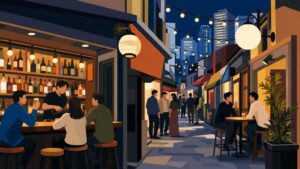
Walk through the canyons of Umeda, and your gaze is inevitably drawn upward. Past the roaring train lines, the seas of pedestrians, and the glowing storefronts, the city rises into towers of glass and steel. They are immense, silent, punctuating the sky with corporate logos and blinking aviation lights. From the ground, they seem impenetrable, the realms of big business and high finance. You might catch a glimpse of a warm glow on the 40th floor or a hint of an open-air terrace near the summit and wonder, who is up there? What does Osaka look like from that vantage point? It’s a natural question for anyone trying to decipher this city. The typical image of Osaka is grounded, literally, at street level—the steam rising from takoyaki stalls, the clatter of pachinko parlors, the crush of humanity in the Shinsaibashi arcade. But to truly understand the modern Osaka psyche, you have to ascend. The rooftop bars of Umeda are more than just expensive places to get a drink; they are observation decks for the city’s complex soul. Here, high above the frantic energy of the streets, you can witness the confluence of Osaka’s relentless commercial ambition, its deeply ingrained pragmatism, and a social code that operates on a frequency entirely different from that of Tokyo. These elevated spaces are where the city’s competing identities converge, offering a surprisingly clear view into how Osaka residents think, work, and celebrate. Forget the tourist maps for a moment. To grasp the city’s aspirations and its unspoken rules, we need to rise above the neon din and see Osaka as its power brokers and dreamers do.
To see how this creative energy manifests in a different, more grounded part of the city, explore the vibrant artist loft scene in Kitakagaya.
The Umeda Paradox: Where Corporate Polish Meets Osaka Frankness
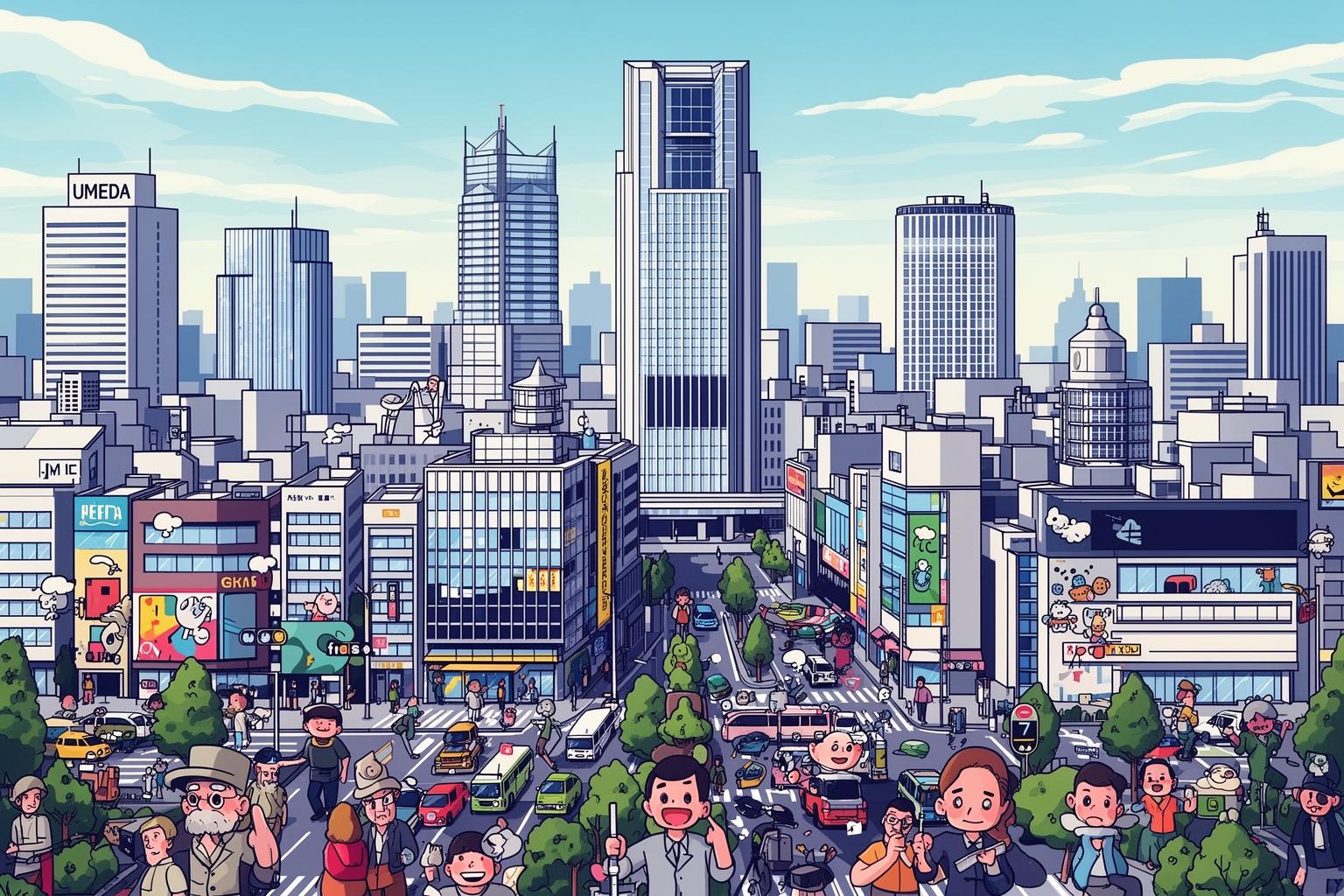
First, you need to grasp what Umeda truly represents. If Namba is the chaotic, pulsing heart of Osaka, Umeda is its impeccably dressed, corporate brain. This area serves as the city’s principal business district, its transportation hub, and its gateway to the rest of Japan via Osaka Station, which is adjacent to the Shinkansen. It’s a landscape dominated by flagship department stores like Hankyu and Hanshin, gleaming office towers, and luxury international hotels. In many respects, Umeda represents Osaka’s most deliberate attempt to project an image of global sophistication—an architectural and commercial statement intended to compete on the world stage, particularly against Tokyo’s Marunouchi or Shinjuku. The rooftop bars crowning these buildings are the pinnacle of this ambition. They are sleek, minimalist spaces with mood lighting, expensive Italian furnishings, and impeccably trained staff who speak English. The cost of a single cocktail here could cover a multi-course meal in the Tenma neighborhood just a few train stops away. This entire setting is designed to feel exclusive, powerful, and far removed from the gritty, vibrant Osaka of popular imagination.
Yet here lies the central paradox that reveals so much about the city. While the atmosphere is undeniably formal and aspirational, the people within it remain stubbornly, wonderfully Osakan. You see it in their interactions. In a comparable high-end bar in Tokyo, business meetings are often conducted in hushed, almost reverential tones. The ritual of exchanging business cards, the subtle hierarchical seating arrangements, the carefully coded language—it’s a choreography of propriety. An Osakan business meeting in the same setting, say at the 40 Sky Bar & Lounge in the Conrad, might appear superficially similar, but the energy is entirely different. Initial formalities may be observed, but they quickly give way to a more direct, human-to-human connection. Laughter is louder and more frequent. Jokes are shared. Conversations might shift unexpectedly from quarterly earnings to a spirited debate about the Hanshin Tigers baseball team. There’s a strong sense that while the environment demands a certain decorum, the real goal is not to stage a corporate performance but to build a genuine connection. This is the essence of Osaka’s business culture: relationships (ningen kankei) are founded on trust and mutual understanding, not merely shared interests and formal agreements. A Tokyo businessman might seek to impress a client with his company’s prestige; an Osaka businessman aims to win him over with his personality. The rooftop bar, with its stunning views and costly drinks, provides a powerful setting for this process. It says, “We are successful, we’ve made it, but we remain straightforward people. Let’s do business, but let’s keep it human.” This often leads to misunderstandings among foreigners, especially those from Tokyo, who expect stiff, formal encounters and are often caught off guard by the frankness and humor they encounter instead. The Osakan executive isn’t being unprofessional; rather, they are employing a different, more direct approach to building the trust essential for a long-term partnership.
Reading the Air, Osaka-Style: A Different Kind of Social Currency
In Japan, the concept of `kuki wo yomu`, or “reading the air,” is an essential social skill. It involves perceiving the unspoken mood, subtle social cues, and the underlying power dynamics of a situation. In Tokyo, especially within elite social circles, this is a refined art form. The atmosphere is dense with nuance. The brand of your watch, the cut of your suit, the university you attended, and the company you work for—all serve as silent signals situating you within a complex and often rigid hierarchy. Navigating a high-end Ginza bar requires a delicate dance of inference and understatement. Saying the wrong thing, or even the right thing in the wrong way, can immediately mark you as an outsider.
At a rooftop bar in Umeda, the ambiance feels different—clearer and less heavy. While wealth and success are certainly on display—this is, after all, a place where people come to see and be seen—the metrics of social value are defined differently. Social currency here depends less on pedigree and more on personality. The crucial skill is not just reading the air but actively shaping it with your own energy. A foreigner might walk into a place like The Bar at The Ritz-Carlton Osaka, notice the opulence, and feel an immediate pressure to conform, to be quiet and reserved. This would be a misreading of the atmosphere. What truly commands respect here is not silence, but wit. It’s about telling a good story, engaging in clever banter (`tsukkomi` and `boke` dynamics, even in a suit), showing genuine curiosity about others, and holding your own in lively conversation.
Observe a group of Osakans at a table. The conversation flows freely, punctuated by gestures and laughter. They are unafraid to be loud, express strong opinions, and gently tease one another. It’s a performance, yes, but one of authenticity rather than conformity. The person drawing the most attention isn’t necessarily the one with the most expensive suit, but the one sharing the funniest anecdote from a recent business trip, or the woman who can passionately and articulately defend her choice of wine. This is the merchant city’s mentality played out in a luxury setting. For centuries, Osaka’s merchants succeeded by relying on their wit, salesmanship, and ability to quickly build rapport and trust. That legacy persists, even forty floors above ground. The social game here isn’t about fitting into a pre-existing hierarchy; it’s about proving your individual worth through character. For a foreigner, this can be both liberating and challenging. You are not judged as harshly on your background or your mastery of Japanese social subtleties. However, you are expected to bring something to the table—a personality, a viewpoint, a sense of humor. Being a quiet wallflower is a greater social misstep here than in Tokyo. Participation is the expectation. If you’ve paid for the view, you’re expected to contribute to the atmosphere.
The Pragmatic Splurge: How Osakans Justify the High Life
There is a persistent, and not entirely unfair, stereotype that Osakans are thrifty. The term often used is `kechi`, meaning stingy, but a more accurate concept is a deep, abiding belief in `kosupa`, or cost-performance. An Osakan will willingly spend a significant amount of money, but they need to feel they are receiving excellent value in return. This isn’t solely about the tangible product; it’s about the entire experience. So, the question arises: how does a culture so focused on value reconcile a 3,000 yen gin and tonic? The answer is that the drink itself represents only a small part of the purchase. You are not just buying a cocktail; you are buying the view, the plush armchair, the impeccable service, the live jazz music, the feeling of escape, and the social status that comes with being there. It is a calculated, pragmatic splurge.
For many Osaka residents, a night at a rooftop bar is not a casual outing but a planned event, a reward for a specific achievement: a signed contract, a promotion, a significant anniversary, or the successful completion of a major project. It’s a way of converting hard work into a tangible, memorable experience. The high price acts as a filter, ensuring the moment feels special and distinct from everyday life. It’s a conscious choice to step outside the usual routine of work, commute, and home life, inhabiting a different version of their city for a few hours. Conversations around the table typically reflect this. You’ll hear toasts to success and reflections on the hard work that made the moment possible. The splurge is justified because it is earned.
This contrasts with how luxury is sometimes viewed in Tokyo, where it may be more about sustaining a certain lifestyle or social status. In Osaka, luxury feels more episodic, more celebratory. The true beauty of Osaka’s social fabric is seen in the coexistence of these extremes. Just beneath the gleaming towers of Umeda, you’ll find the EST food hall or the maze of small standing bars under the JR train tracks. In these spots, a draft beer and grilled skewers cost less than the service charge at the hotel bar above. An Osaka salaryman may celebrate a bonus at a rooftop bar on Friday night and enjoy 300-yen highballs with neighborhood friends on Saturday. The ability to navigate and appreciate both worlds—the high and the low—is a hallmark of the Osaka identity. It rejects the notion that you must belong to only one social stratum. You can enjoy luxury without letting it define you. The rooftop bar is a temporary costume, a role to play for one night before returning to a pragmatic, value-driven everyday life. This, in itself, is the ultimate expression of `kosupa`: gaining emotional and social return on a well-timed, well-deserved investment.
A Look at the Landscape: Different Views, Different Vibes
Not all rooftop experiences in Umeda are the same. The specific type of venue you choose dramatically changes the social dynamics and offers a different perspective on the city’s culture. Grasping these distinctions is key to understanding the various social strata and occasions that shape life in the city. Elevated bars can be broadly categorized, each with its own unwritten rules and clientele.
The International Hotel Apex
At the top of the hierarchy are bars in luxury hotels such as the Conrad, InterContinental, or St. Regis. These spaces cater to a global elite. The architecture is stunning, the art contemporary, and the menus curated by world-class mixologists. The atmosphere is one of polished international sophistication. Here, you are most likely to encounter a mix of foreign business executives, wealthy tourists, and high-profile Japanese from finance, law, and medicine. Conversations often occur in English or fluidly blend Japanese and English. Topics are global: stock market trends, international travel, technological disruption. This is Osaka presenting its most cosmopolitan face. For local patrons, frequenting these bars is a statement—a sign that they are not just participants in a regional Japanese city but active players in the global economy. It’s a place to network with international peers, absorb global perspectives, and demonstrate comfort and success on a world stage. Service is impeccably discreet, music ambient, and focus placed on quiet conversation and admiring panoramic views. It is a controlled, curated experience symbolizing Osaka’s aspiration to be recognized as a truly international city alongside other global hubs.
The Department Store Summit
More accessible in price and atmosphere are rooftop spaces atop Umeda’s famous department stores like Hankyu, Hanshin, and Daimaru. In warmer months, these often transform into large beer gardens. The vibe here contrasts sharply with the solemnity of hotel bars. It’s lively, communal, and unabashedly commercial. Instead of plush sofas, there are long communal tables; instead of artisanal cocktails, all-you-can-drink beer, highballs, and sours served in plastic cups. This is the democratic rooftop experience. Company teams unwind here, groups of young women celebrate birthdays, and families with children share meals with a view. The dress code is casual, laughter loud, and the air filled with the aroma of grilled food. This experience captures Osaka’s merchant spirit—the ability to take a concept—drinking with a view—and package it for the mass market in an engaging, profitable way. Department stores serve as pillars of community life; they’re not only for shopping but also for dining, socializing, and entertainment. The rooftop beer garden embodies this, providing everyday people with a taste of high life and reinforcing a shared urban experience.
The Office Tower Overlook
Lastly, bars located within major office complexes like the Umeda Sky Building or Grand Front Osaka have a distinct character shaped by their corporate surroundings. These are quintessential after-work spots for the thousands working nearby. Atmosphere changes dramatically throughout the day. At 6 PM on a weekday, the bars bustle with the energy of release. Teams celebrate successful presentations, bosses treat their teams, and colleagues discuss the day’s events. The view is striking; you see the very city you helped build and run. It’s a moment of detachment and reflection—a chance to observe the vast, intricate machine of which you are a part. These bars are vital social lubricants in the Japanese corporate world. Hierarchies relax here. Younger employees feel freer to voice ideas, and managers may offer mentorship in a casual setting. The view provides shared context, a reminder of collective efforts. This space is both an escape from work and an extension of it, embodying the work-hard, play-hard ethos that drives the city.
What the Skyline Tells You About the City
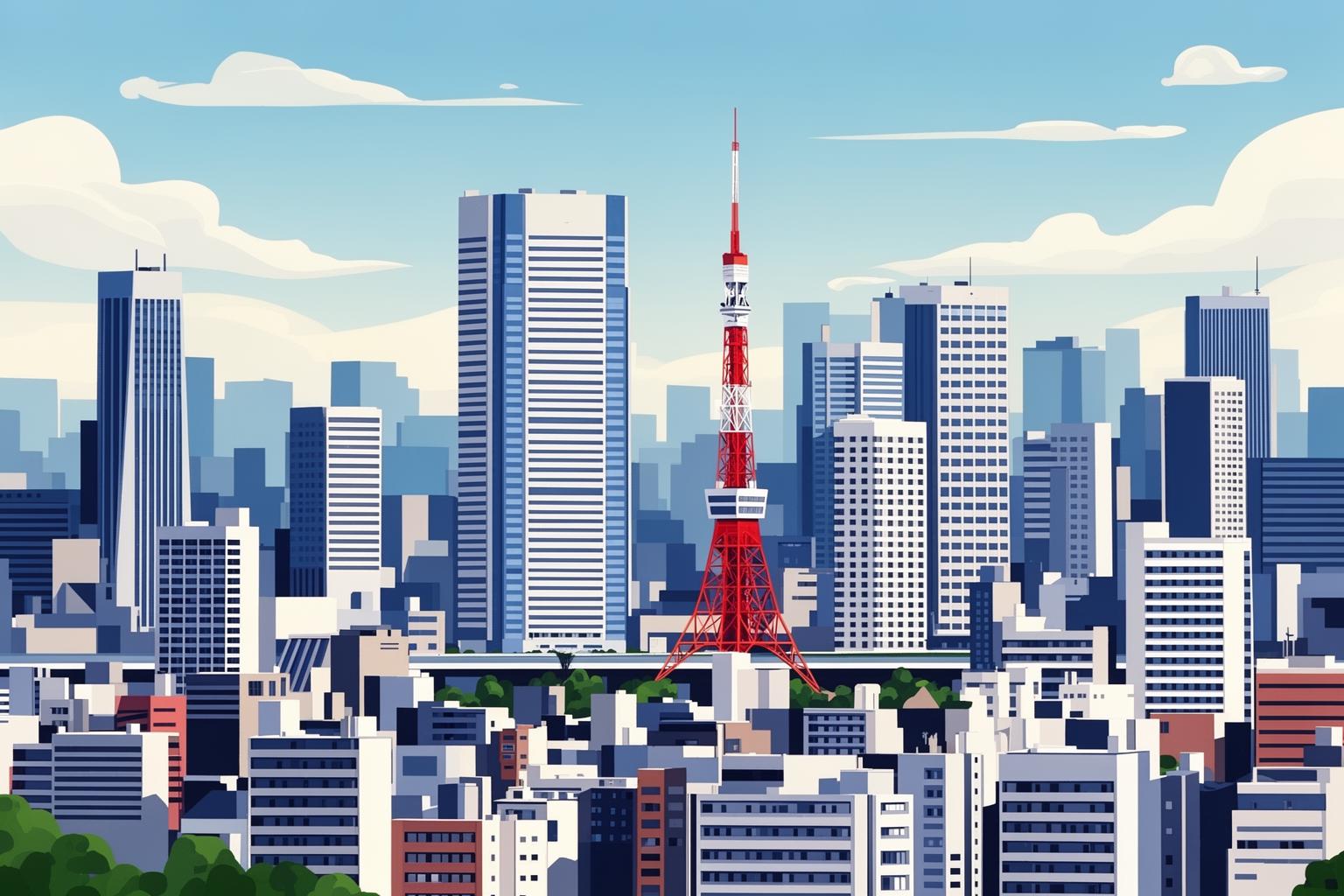
Stand on any of these terraces and take in the view. The scene itself tells a story about Osaka. In Tokyo, especially when seen from vantage points in Shinjuku or Shibuya, the city seems infinite. It stretches out as a sprawling, seemingly endless sea of lights reaching a hazy horizon, a vast megalopolis that feels like a world unto itself. The view from Umeda, however, is different. It is expansive, certainly, but it is also clearly defined. It has edges. To the west, the lights of Kobe shine, with the dark silhouette of the Rokko mountain range beyond them. To the northeast, the path of the Yodo River can be traced as it flows down from Kyoto. To the south, the dense cluster of towers gives way to the lower neighborhoods of southern Osaka, and further still, the distant mountains of Nara and Wakayama. What you see here is not just a city; it is a region.
This perspective is deeply embedded in the Osakan identity. People from Osaka are fiercely proud of their city, but equally proud of being from Kansai. Their identity is closely tied to the surrounding cities of Kobe, Kyoto, and Nara. They see themselves not as residents of an isolated metropolis, but as citizens of a historic and culturally rich region that has been the heart of Japan for centuries. The view from an Umeda rooftop strengthens this regional awareness. You can actually see the connections—the train lines, the arteries of commerce and culture—spreading out to unite the entire region. An Osaka businessperson doesn’t only think about the Osaka market; they consider the Kansai market as a whole. This outlook fosters a mindset distinct from the Tokyo-centric view. In Tokyo, there’s a prevailing notion that Tokyo is Japan. In Osaka, the belief is that Osaka forms the vibrant, beating heart of a diverse and interconnected Kansai. This sense of being a central hub, rather than an all-encompassing entity, nurtures a more outward-looking, collaborative, and sometimes competitive spirit. They remain constantly aware of their neighbors, continuously measuring themselves against them, and always striving to uphold their status as the region’s undisputed economic and cultural engine.
The Final Takeaway: More Than Just a Pretty View
Ultimately, spending a night in a rooftop bar in Umeda offers a profound insight into the spirit of modern Osaka. It’s a place full of striking contradictions. The city erects towering symbols of corporate ambition, yet its workforce values a hearty laugh more than a formal bow. It embodies a culture that champions pragmatism and good value, while also appreciating the emotional reward of a well-calculated, luxurious indulgence. Its social scene may seem exclusive and intimidating from the outside, but is often more approachable and warm on a personal level than the more rigid counterparts in Tokyo. For any foreigner seeking to understand this vibrant, complex city, it’s crucial to look beyond the superficial stereotypes. Osaka is not merely a city of comedians and affordable food; it is also a place of immense wealth, global aspirations, and refined taste. The true brilliance of Osaka lies in its ability to encompass all these facets simultaneously without losing its essence. The executive closing a multi-million-yen deal over a single malt whiskey at the Conrad is often the same person who passionately debates the best kushikatsu spot in Shinsekai. To truly grasp Osaka is to understand this fluidity, this capacity to move seamlessly between different worlds. Rising above the city in a glass elevator and watching the urban expanse transform into a shimmering tapestry below reveals more than just a breathtaking view—you glimpse the city’s soul: fiercely proud, unapologetically direct, and forever reaching for the sky.