Walk out of Shinsaibashi Station and the first thing that hits you isn’t a landmark or a particular sight. It’s a sound. A wall of sound. It’s the clatter of a thousand different footsteps on pavement, the pulsing beat of J-pop leaking from storefronts, the sizzle of takoyaki on a griddle, and above it all, a chorus of voices. Sales clerks calling out deals in rhythmic chants, tourists from Seoul and Shanghai chattering excitedly, and local Osakans laughing with a hearty, open-throated sound you don’t hear as often in the capital. For many foreigners living in Osaka, Shinsaibashi is the weekend playground, the go-to spot for shopping and dining. But if you look closer, past the neon signs and endless displays of sneakers and cosmetics, you’ll see another side of this organized chaos: the “Help Wanted” signs. They’re taped to windows, propped on stands, and flashing on digital screens, often with a crucial line: “Foreign Staff Welcome.”
This isn’t just a friendly suggestion; it’s a business strategy. Shinsaibashi’s retail engine runs on global fuel, and stores are desperate for staff who can bridge the gap between their products and the international customers flooding the arcade. For a foreigner looking for work, this seems like a golden ticket. A chance to use your language skills, get a job in the heart of the city, and immerse yourself in Japanese culture. And it is. But working retail in Shinsaibashi is not just any job. It’s a full-contact sport, an improvisational theater performance, and a crash course in the raw, unfiltered spirit of Osaka itself. This is a world away from the hushed, deferential service you might find in a Tokyo department store. Here, business is loud, personal, and relentlessly pragmatic. To succeed on the Shinsaibashi sales floor, you need more than just language skills. You need to understand the unwritten rules of Osaka’s merchant culture, a tradition that’s been honed over centuries. This guide is your look behind the curtain, a practical, honest breakdown of what it truly means to join the ranks of Shinsaibashi’s retail army, from decoding the job ads to surviving the daily grind and discovering why it might just be the most authentically Osakan experience you can have.
To truly understand the city’s vibrant energy, consider exploring the nearby Dotonbori district and its famous bar scene.
The Shinsaibashi Vibe: More Than Just Shopping, It’s a Performance
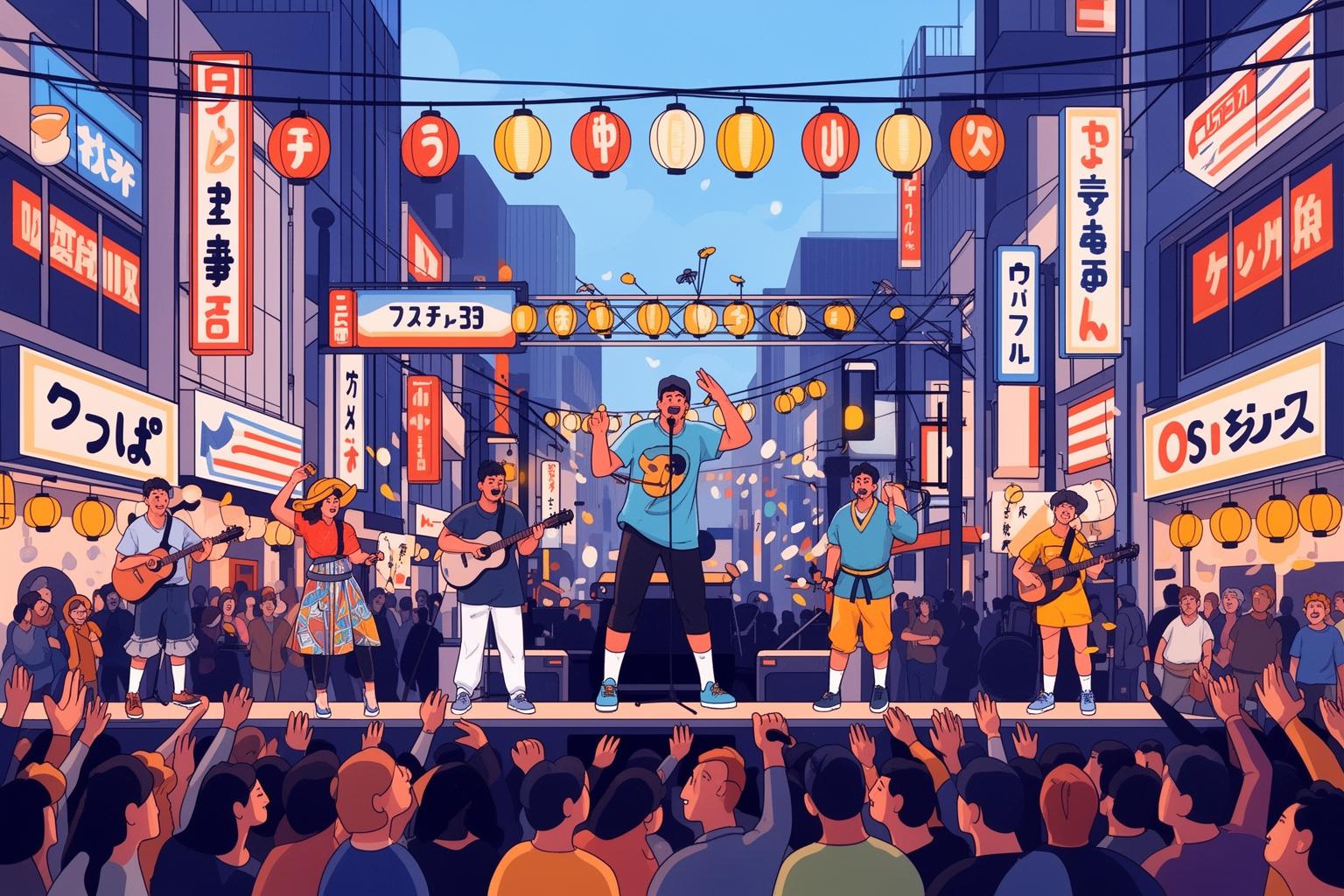
Before you even consider submitting a resume, you need to understand the environment you’re entering. Shinsaibashi is more than just a collection of shops; it’s a dynamic ecosystem of commerce operating on its own unique wavelength. The energy is tangible, a constant buzz of activity that can overwhelm those unfamiliar with it. This vibe isn’t accidental—it’s a deliberately nurtured atmosphere designed for one purpose: to drive sales. The people behind this environment are the frontline retail workers. Their role goes beyond stocking shelves and running cash registers. They perform. They are actors, psychologists, and negotiators all at once, speaking the distinctive language of Osaka business.
The “Akindo” Spirit: Osaka’s Merchant Heritage
To truly understand why retail in Shinsaibashi feels so distinct, you need to know the term akindo. It translates as “merchant,” but that word barely scratches the surface. An akindo is more than a seller; they are a savvy, personable, and pragmatic businessperson whose roots reach back to Osaka’s past as Japan’s commercial center. The akindo spirit infuses every deal in the city, whether it’s a multi-million yen contract or just selling a pair of socks. It’s a philosophy grounded in a few key values: value, speed, and human connection. Osakans don’t simply want to purchase something; they want to feel they’ve struck a good bargain with a genuine person.
This approach contrasts sharply with Tokyo. In a luxury boutique in Ginza, customer service often embodies reverent, silent perfection. Staff move with practiced elegance, speaking in quiet, formal Japanese (keigo). The process is highly ritualized, following a strict manual or manyuaru. The aim is to cultivate an aura of untouchable luxury and flawless service. It’s exquisite and precise, but it can sometimes feel detached. In Shinsaibashi, a similar upscale boutique carries a different energy. Staff remain impeccably dressed and knowledgeable but are more likely to smile warmly, crack a small joke, and engage in authentic conversation. They strive to build rapport within a minute. They may ask where you’re from, compliment your style, and then passionately explain why this handbag isn’t just an accessory but a life-changing investment. It’s a performance, yes, but one rooted in connection and persuasion rather than rote scripting.
I witnessed this directly at a cosmetics counter in Daimaru. A tourist hesitated over an expensive face cream. In Tokyo, the approach might be to patiently recite ingredients and benefits in a calm, measured way. The Osaka saleswoman, however, leaned in conspiratorially. “Honestly,” she whispered, “this one is good, but for your skin type, the other is a much better value. Plus, if you buy it today, I can give you these three samples. It’s a secret, okay?” She winked. The sale was immediate. It wasn’t about pushing more products; it was about building trust and making the customer feel like a winner. That’s the akindo spirit—reading the room, adapting your style, and understanding business as a dialogue between two people.
Language as a Superpower, Not Just a Skill
Given this context, it’s clear why foreign staff are in such demand. Shinsaibashi attracts many international tourists, especially from East and Southeast Asia. A store’s ability to serve these customers in their native language is a huge competitive edge. But what they need isn’t a mere translation machine. Your value goes beyond saying “This costs 5,000 yen” in Mandarin or Korean. Your true strength lies in cultural fluency.
This means grasping the subtle ways different cultures shop. For instance, some customers may be more direct and open to bargaining, a common practice in their home countries but nearly unheard of in standard Japanese retail. A typical Japanese staff member might be embarrassed or offended by haggling attempts. A culturally fluent foreign employee, however, handles it with ease. You can politely explain the store’s fixed-price policy while making the customer feel heard and respected—perhaps by offering a tax-free discount or a small free gift (omake) with their purchase. This simple gesture of understanding turns a potentially uncomfortable moment into a positive interaction. You don’t just save the sale; you enhance the store’s reputation.
Moreover, your ability to connect culturally builds instant rapport. You can chat about popular TV shows from their country, recommend a local restaurant they might enjoy, or share a laugh about the shared experience of being abroad. This transforms a simple purchase into a memorable human exchange. Customers leave not just with a product but with a story. They remember the friendly salesperson from their home country who helped them in Osaka. Such positive experiences drive larger sales, repeat visits, and glowing online reviews. So when a job posting asks for English or Chinese speakers, what they’re really seeking is a cultural ambassador who can turn language barriers into bridges for business.
Navigating the Job Hunt: Where and How to Look
Feeling confident about having the right mindset? Excellent. Now, onto the practical side: securing the job. Shinsaibashi is bursting with opportunities, but navigating the job market means learning to read between the lines. Japanese job ads often use euphemisms and coded language that can confuse non-natives. Grasping what employers are truly seeking is the first step to landing an interview and proving you embody the Osaka spirit they desire.
Decoding Job Postings: What They Say vs. What They Mean
As you browse job sites or glance at flyers in shop windows, you’ll notice recurring phrases. Let’s decode some common ones and translate them from HR jargon into Shinsaibashi reality.
What they say: 未経験者歓迎 (mikeikensha kangei) – “No experience necessary.” What they mean: “We will train you, but expect you to learn very quickly. We prioritize a positive, energetic attitude over prior retail experience. We’d rather hire an enthusiastic beginner than a jaded veteran. Be ready for a steep learning curve and to be on your feet, smiling from day one.” It’s an open door with the expectation that you hit the ground running.
What they say: 元気で明るい方 (genki de akarui kata) – “An energetic and cheerful person.” What they mean: This is arguably the most crucial requirement for a Shinsaibashi retail job. It’s not optional; it’s a must-have. Genki means more than not being tired – you’re the store’s energy source. You must project your voice over the arcade’s noise (koe-dashi), greet every passerby warmly, and maintain a genuine, high-energy smile throughout an eight-hour shift. Akarui means radiating positivity that makes customers feel comfortable and welcome. In Shinsaibashi’s competitive environment, the store’s atmosphere is its frontline defense, and you create it. They want you to be a human beacon of positivity.
What they say: コミュニケーション能力のある方 (comyunike-shon nouryoku no aru kata) – “Someone with communication skills.” What they mean: This highlights the sharp Osaka-Tokyo difference. In Tokyo, it often means proficiency in formal, polite Japanese (keigo) and reading subtle social cues. In Osaka, it’s far more dynamic. It means building rapport quickly, handling bold, direct customers asking many questions, and giving straightforward answers. It means bantering, joking, and thinking on your feet. It’s about being a conversationalist, not just a clerk. Can you persuade hesitant customers? Handle complaints calmly? Make a customer laugh? That’s Osaka-style communication.
What they say: 外国人歓迎 (gaikokujin kangei) – “Foreigners welcome.” What they mean: “We genuinely need your language and cultural skills to serve international customers. However, this isn’t a ‘foreigner bubble.’ You’ll be expected to fully integrate into the Japanese work environment: be punctual, follow rules, help with cleaning, and communicate effectively with Japanese colleagues and managers. We value your unique background but require you to adapt to our team culture.”
Types of Retail Jobs in Shinsaibashi
Shinsaibashi hosts a variety of retail settings, each with its own style and demands. Your best fit depends on your personality, language level, and career goals.
Department Stores (e.g., Daimaru, Takashimaya)
These are the district’s giants. Work here is structured and corporate. You’ll receive formal training on everything from correct bowing to gift wrapping. Standards are high, and strong Japanese skills (usually N2 or above) are often required. Still, the Osaka vibe remains – the sales floor is livelier, and customer interactions warmer than in Tokyo. These are excellent for those seeking stable, long-term careers.
Drugstores (e.g., Matsumoto Kiyoshi, Daikoku Drug, Don Quijote)
This bustling, high-volume sector is a common entry point for foreign workers. The pace is relentless: stocking shelves, announcing deals, and handling long lines of tourists buying everything from face masks to luxury watches. Japanese language requirements may be somewhat relaxed if you speak other in-demand languages like Chinese. Key skills include speed, efficiency, and multitasking in a noisy, crowded environment. It’s exhausting but a great place to hone your retail rhythm.
Luxury Boutiques (e.g., stores on Midosuji Avenue)
Here, the focus shifts from volume to value. The pace slows but pressure rises. You’re expected to know the brand’s history, craftsmanship, and current lines inside out. Customers spend heavily and expect matching service quality. As a foreign staff member, your role is to deliver a seamless, refined experience for international VIPs. This demands flawless language abilities (often multiple languages), polished appearance, and projecting confident expertise. The Osaka touch makes luxury feel warm and personal, never cold or intimidating.
Streetwear and Independent Shops (e.g., stores in Amerika-mura)
This realm thrives on subculture and passion. You don’t just sell the product; you live the brand. The vibe is casual and informal. Your personal style, knowledge of music or skate culture, and ability to connect personally with customers are key. Japanese used here tends to be casual and slang-filled. This is less about formal service and more about becoming part of a community. If you have a genuine passion for a niche, this environment can be extremely fun and rewarding.
The Interview: Selling Yourself, Osaka-Style
Once you’ve found the right listing and your application passes, the interview awaits. While basic Japanese interview etiquette applies (punctuality, professional dress, politeness), success hinges on letting your personality shine. Osaka retail managers aren’t hiring just hands; they want an energy source.
In Tokyo, you might be expected to be reserved and modest. In Osaka, they want your genki spirit. When asked for a self-introduction (jikoshoukai), don’t just state your name and nationality. Explain why you love Osaka, why you’re passionate about their products, and what energy you bring to the team. Smile a lot. Make eye contact. Speak confidently and clearly. They’re testing your ability to communicate and connect.
Be ready for role-playing. They might say, “Imagine I’m a customer from Taiwan looking for a souvenir. Sell me this.” This isn’t testing product knowledge (you can learn that), but your attitude. Do you smile? Ask questions? Try to build a connection? Don’t just describe the item – create a story: “Great choice! It’s made by local Osaka artisans, so it’s a truly authentic gift. And the color would look fantastic with your jacket!” Show you’re not robotic. Show you’re a salesperson. Show you understand that in Shinsaibashi, every sale is a small theatrical moment. Show you’re ready to shine.
The Daily Grind: Unspoken Rules of the Shinsaibashi Sales Floor
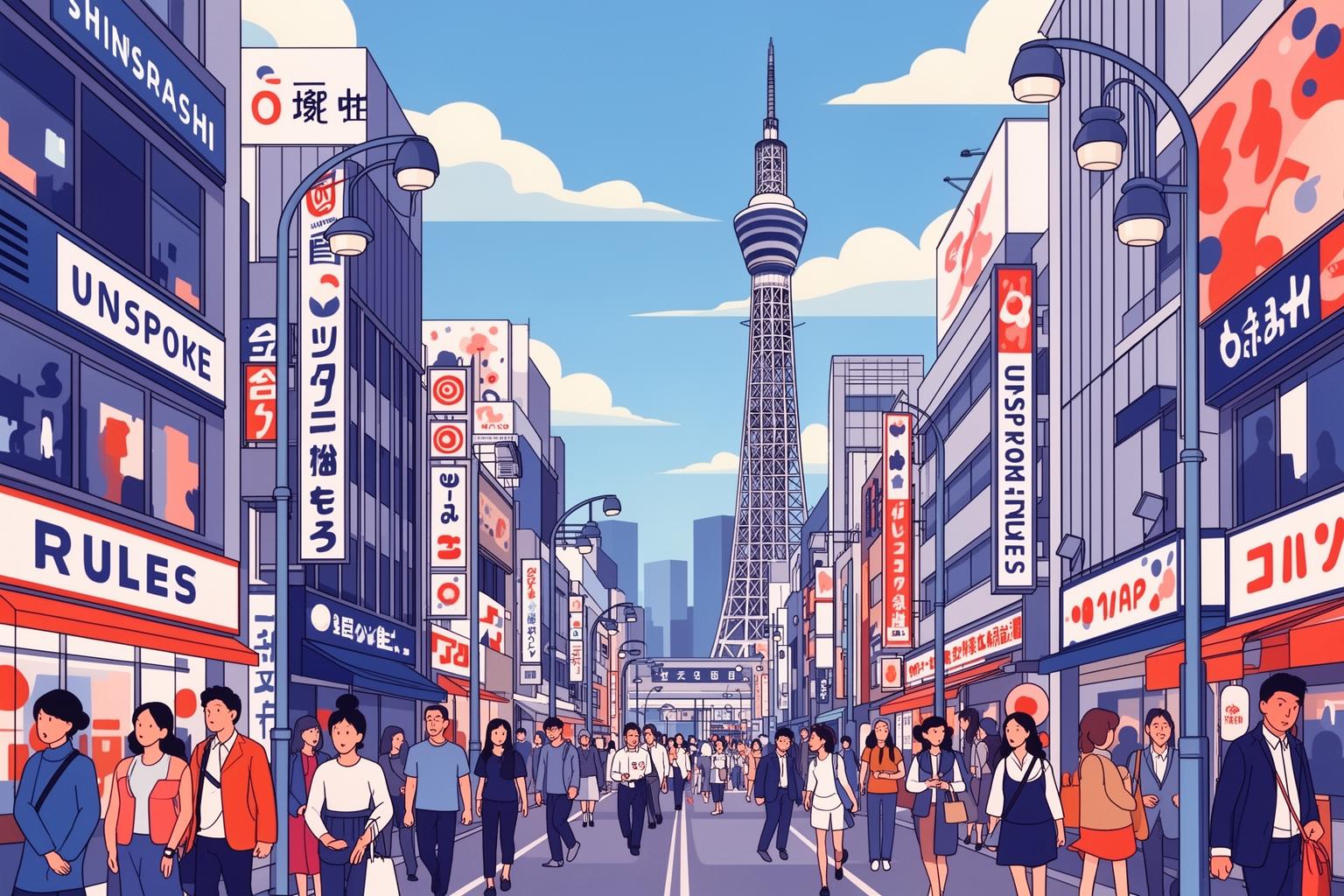
Landing the job is only the beginning. The true education begins on your first day. The Shinsaibashi sales floor runs on a set of unwritten rules and cultural norms that can confuse newcomers. It’s a physically demanding and mentally exhausting environment that requires constant vigilance and resilience. To survive and excel here, you must learn the choreography of the daily retail rhythm—a performance that starts before opening and continues long after the last customer has left.
“Koe-dashi”: The Skill of Projecting Your Voice
One of the most startling aspects of Japanese retail for foreigners is koe-dashi, which literally means “letting out your voice.” This practice involves loudly and repeatedly shouting greetings and sales pitches, such as “Irasshaimase!” (Welcome!), “Konnichiwa!” (Hello!), and “Taimu se-ru desu, ikaga desu ka!?” (It’s a time sale, how about it!?). In most areas of Japan, this is done with a measured enthusiasm, but in Shinsaibashi, it’s taken to the level of an Olympic event.
Your voice is your most important tool. It cuts through the noise of the arcade, grabbing a potential customer’s attention in the brief moment they pass by. It’s not about shouting randomly; there is rhythm and intent behind it. The entire team joins in a unified chant, creating a wave of sound that signals energy and excitement. This is what Osakans call nigiwai—a lively, bustling atmosphere. A quiet store is a dead store, while a loud one is where business happens and deals are made.
Many foreigners struggle with this at first. It can feel awkward, embarrassing, or even aggressive. You might worry about sounding foolish or feel self-conscious. Your throat may be sore after the first shifts. This is normal. But not participating in koe-dashi is viewed as a serious breach of team etiquette, implying a lack of engagement, team spirit, or genki (energy). My advice is to jump right in. Observe your senior colleagues (senpai), imitate their pitch and rhythm. Treat it as part of your uniform—another aspect of the job you put on when you clock in. It feels strange initially, but soon becomes second nature, and you’ll often find a surprising sense of camaraderie in shouting about a 20% discount on socks.
The Customer is Kami-sama (God)… But an Osaka Kami-sama
You’ve probably heard the saying “Okyaku-sama wa kami-sama desu” (The customer is a god). This concept shapes all Japanese customer service, demanding exceptional politeness, respect, and attentiveness. However, the gods of Osaka differ somewhat from those of Tokyo.
Osaka customers are known for being direct, practical, and focused on value. They won’t hesitate to speak their minds. If they think something is too expensive, they may say, “Chotto takai naa” (A bit pricey, isn’t it?). They ask pointed questions about quality and origin, expecting you to be knowledgeable and give honest answers. While strong haggling is uncommon in most stores, playful negotiations or requests for discounts or freebies are part of the shopping experience. “Mou chotto makete kurenai?” (Can you give me a slightly better price?) is typical.
The key is not to take this personally. It’s not rudeness—it’s a form of engagement, a dance between customer and staff. A Tokyo customer who is unhappy often just leaves quietly, leaving you guessing. An Osaka customer will tell you directly. Though this blunt feedback can be intimidating, it offers an excellent opportunity to learn. Handling it well requires balancing professional politeness with friendly confidence. You can’t be a pushover, but you mustn’t be rude. Find the middle ground: acknowledge their concern, politely explain the store’s policy, then seek alternative ways to provide value, perhaps by suggesting a different, more affordable product or highlighting tax-free benefits. Mastering this interaction is essential for any Shinsaibashi retail worker.
Team Dynamics: A Fast-Paced Family
The intense environment of the Shinsaibashi sales floor creates exceptionally strong bonds among colleagues. You’re all in the trenches together. This isn’t a place for lone wolves. Teamwork is not just encouraged—it’s vital for survival. The culture relies on a strict senpai (senior) and kouhai (junior) hierarchy, but during busy moments, everyone supports one another.
An unspoken rule is constant awareness. You must watch your own customers and remain alert to what’s happening around you. Is a colleague struggling with a language barrier? Step in to help without being asked. Is the checkout suddenly crowded? Pause your task to assist. Are stock shelves running low? Take the initiative to restock during quiet times. This proactive mutual support is what keeps the store running smoothly during hectic weekend rushes.
The store manager, or tenchou, is the captain of this ship. Often charismatic and energetic, they set the tone for the entire store. While strict about sales targets and rules, they are often fiercely protective of their staff. The tenchou is your first teacher, toughest critic, and main source of support. Earning their respect, as well as that of your senpai, is crucial. This is achieved not by being submissive, but by showing you are hardworking, dependable, and eager to learn. Ask questions. Observe how they interact with customers. Volunteer for routine tasks like cleaning and organizing. In this fast-paced, sometimes chaotic family, your willingness to contribute is your most valuable asset.
Money, Hours, and the Reality of a Retail Career
While working in Shinsaibashi offers a rich cultural experience, cultural value alone won’t cover your rent. It’s crucial to have a realistic understanding of the financial and lifestyle demands of retail work. The vibrant energy and excitement on the sales floor come with modest pay and a challenging schedule, both of which can significantly affect your daily life in Osaka. This is where adopting a pragmatic akindo mindset benefits you as an employee: you must carefully weigh the costs against the benefits.
Let’s Talk Yen: Pay, Perks, and Progression
Most entry-level and part-time (arubaito) retail jobs in Shinsaibashi pay an hourly wage, which as of the early 2020s typically ranges from ¥1,100 to ¥1,500 per hour. Your language skills can influence this rate; fluency in English and Chinese may earn you a higher starting wage. While these rates are competitive for part-time work in Japan, it’s important to budget wisely since living expenses in a major city like Osaka can add up quickly.
A significant variable in your take-home pay might be sales commissions, or insentibu (incentives). These aren’t universal but are common in sectors where individual sales are easily tracked, such as high fashion, cosmetics, or electronics. Here, your sales skills and Osaka-style customer engagement can directly boost your earnings. If you excel at building rapport and closing sales, commission-based roles can be far more profitable. Don’t hesitate to politely inquire about the compensation structure and whether incentives are included during interviews.
Considering a long-term career? Moving from a part-time arubaito to a full-time, salaried employee (seishain) is possible but not guaranteed. It requires consistent high performance, reliability, and deep dedication to the company. Crucially, it almost always demands advanced business-level Japanese—to attend strategy meetings, write reports, and communicate with headquarters. Transitioning to seishain offers significant benefits: a stable monthly salary, bonuses, health insurance, and paid vacation. From there, you can advance to shift leader, assistant manager, and eventually tenchou. It’s a demanding path that requires commitment, but for those drawn to the energy of retail, it can be a fulfilling career.
The Schedule: It’s Not Your Typical 9-to-5
This is likely the biggest lifestyle adjustment for anyone used to a standard office job. Retail operates when others are off. Your work hours will follow a shift system, or shifuto-sei, requiring you to work weekends, national holidays, and peak shopping periods such as Golden Week, Obon, and New Year’s sales — the busiest times for the business when all hands are needed.
As a result, your “weekend” will often fall midweek, like Tuesday and Wednesday. This has its advantages and disadvantages. On one hand, you get to enjoy a less crowded Osaka, with easier access to banks, government offices, and popular cafes on weekdays. On the other hand, it can feel isolating if most of your friends work traditional Monday-to-Friday schedules, making socializing more complicated.
Additionally, the work is physically demanding. You’ll be on your feet for most of an 8-hour shift, often with only brief breaks. Tasks include lifting boxes, rearranging displays, and constant movement. Alongside the mental effort of ongoing customer interaction and koe-dashi, it’s easy to feel exhausted by day’s end. The reality isn’t always glamorous; it’s hard work requiring both physical stamina and mental resilience. Before committing, be honest with yourself about whether this kind of schedule and physical demand suits your lifestyle and personality. It’s a trade-off: you get to work in the vibrant heart of the city, but you must operate according to its schedule, not your own.
Why Work in Shinsaibashi? The Payoff Beyond the Paycheck
Given the demanding schedule, the physical strain, and the modest starting pay, you might wonder: is it truly worth it? For many, the answer is a firm yes. Working in Shinsaibashi retail provides intangible rewards you won’t find in an office cubicle or an English classroom. It’s an immersion, a trial by fire that can profoundly change your connection with Japan, the Japanese language, and the city of Osaka itself. The skills and experiences you gain on the sales floor are genuine, transferable, and can open unexpected doors.
A Crash Course in Real-World Japanese
No textbook or language school can prepare you for the linguistic challenge of the Shinsaibashi sales floor. This is where your Japanese shifts from theoretical to practical. You will learn and internalize various levels of politeness, from the ultra-formal keigo used with discerning customers to the casual slang shared with colleagues in the breakroom. You’ll master the specific vocabulary of your industry thoroughly. Most importantly, you’ll acquire Kansai-ben, the distinctive dialect of the Osaka region. You’ll begin to pick up its unique rhythm, softened vowel sounds, and direct, expressive phrases. Being able to understand and even use some Kansai-ben is a huge key to building a deeper connection with locals.
You’ll also learn to listen carefully. You’ll notice the subtle cues in a customer’s tone and body language. You’ll learn how to handle ambiguity, clarify questions without offending, and navigate conversations moving at a rapid pace. This isn’t just language learning; it’s communication mastery. The fluency you gain in this high-pressure setting is a powerful asset that will benefit any future career in Japan.
Building a Network and Understanding Japan’s Consumer Pulse
In a single day on the job, you may interact with hundreds of people. You’ll meet tourists from all over the world, each with their own story. You’ll work alongside Japanese colleagues from diverse backgrounds and regions. You’ll build a professional network and, often, close friendships with those who understand the unique challenges of your job. These are the people you’ll grab drinks with after a long shift, venting about difficult customers and celebrating sales milestones.
Beyond personal connections, you stand on the front lines of Japanese consumer culture. You witness trends in real time. You learn what motivates buyers, what customers value, and how marketing campaigns translate into actual sales. You gain a ground-level, unfiltered education in business, marketing, and economics more practical than any university lecture. You’re not merely observing the culture; you’re an active participant in its commercial engine. This deep, intuitive insight into the Japanese market is an incredibly valuable perspective.
Discovering the Real Osaka
Finally, working in Shinsaibashi lets you claim a piece of the city as your own. When you work somewhere, you uncover its secrets. You move beyond the tourist map. You find the tiny, family-run curry shop tucked away in a back alley that serves the best lunch for 600 yen. You discover the quiet, third-wave coffee stand that’s a perfect refuge from the chaos of the main arcade. You learn the best route from the station to avoid the thickest crowds. The neighborhood transforms from a place you visit into a place you truly know.
You become part of Osaka’s daily rhythm. You watch the city wake up in the morning with delivery trucks rolling through, and see it wind down late at night as restaurant staff head home. You stop being a temporary observer and become part of the fabric of everyday life. It’s a challenging, exhausting, and often frustrating job. But it’s also vibrant, educational, and deeply human. To work in Shinsaibashi retail is to experience the city’s true character firsthand: loud, pragmatic, a little chaotic, but always, always open for business.