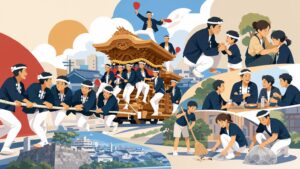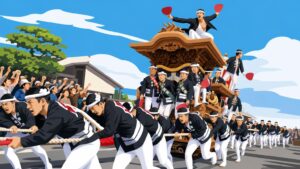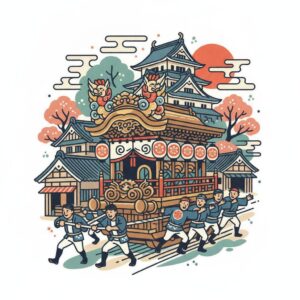
Ask anyone in Japan about Kishiwada, and you’ll get a one-word answer: Danjiri. It’s a name that conjures images of pure, unadulterated chaos. Massive, intricately carved wooden floats, weighing up to four tons, careening around tight corners at full speed, piloted by teams of men in a beautiful, terrifying display of kinetic energy. It’s a festival of controlled violence, a city-wide explosion of pride and tradition that burns brightly for two days in September. But then, the music stops. The floats are stored away. The crowds vanish. And a question hangs in the salty air: what is Kishiwada for the other 363 days of the year? This is where the real story begins, a story not of a festival, but of a place. It’s a question that gets to the heart of what it means to live in Osaka, beyond the bright lights of Umeda and the tourist throngs of Namba. It’s about understanding that Osaka isn’t one single entity, but a mosaic of fierce, independent city-states, each with its own rhythm, its own dialect, its own soul. To understand Kishiwada on a quiet Tuesday is to understand a deeper, more fundamental layer of Osaka’s identity, one forged by castle walls, salty winds, and an unbreakable sense of community. This isn’t a guide to seeing the sights; it’s a map to feeling the town’s pulse.
To truly feel this pulse, consider planning a weekend getaway to Kishiwada to experience its soul beyond the festival frenzy.
The Echo of the Castle: How History Shapes Today’s Streets
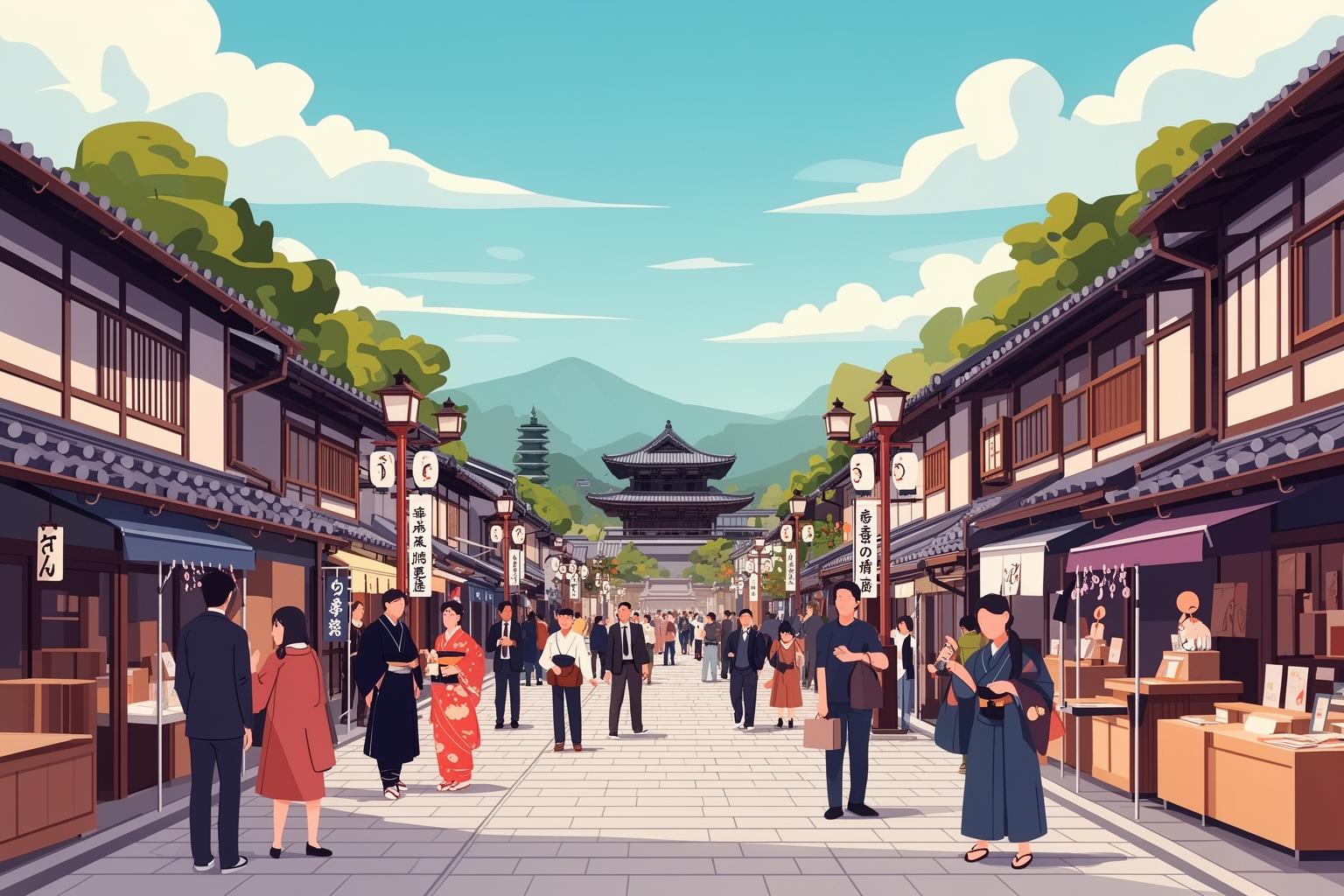
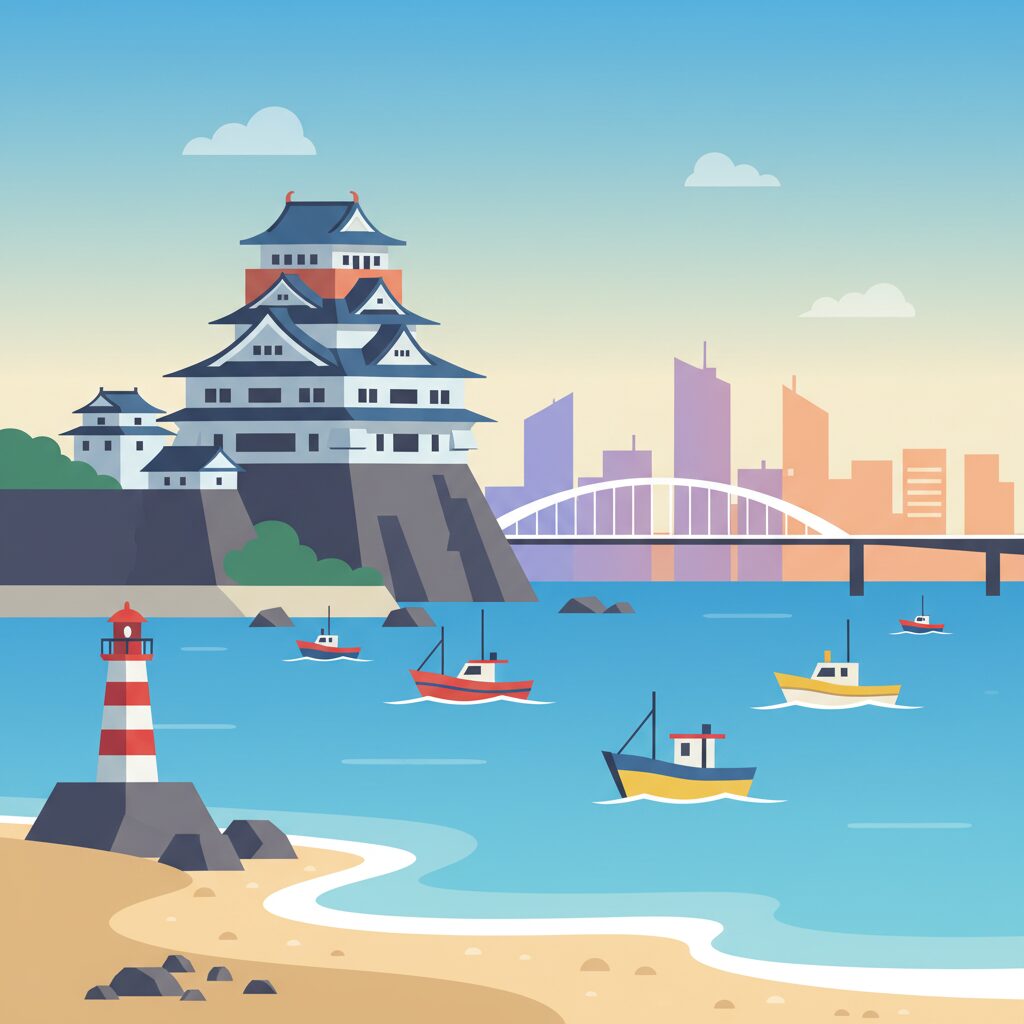
Walking through Kishiwada feels fundamentally unlike walking through central Osaka. The urban layout, if it can be called that, does not follow the logic of subway lines or commercial efficiency. Instead, it responds to the spirit of Kishiwada Castle. This city is a `jokamachi`, a castle town, and the stone walls of its history still shape the rhythm of life today. The streets don’t form a tidy grid; they curve and twist, originally designed centuries ago to confuse invading armies, and today they baffle anyone trying to navigate with a smartphone. Yet within that confusion lies the city’s charm. The presence of the castle is felt not only when you see its reconstructed keep towering above the rooftops but throughout the very fabric of its neighborhoods. Unlike Tokyo, where a sense of place is often defined by the nearest train station, or central Osaka, where it is marked by a particular shopping street, Kishiwada’s identity is intensely local, tied to the specific `machi` or district surrounding the castle. People don’t just say they’re from Kishiwada; they say they’re from Kankodori or Uomachi. This is more than an address; it’s a declaration of loyalty. This historic layout encourages a distinct type of public life. The winding lanes create intimate spaces, small parks, and local shrines that serve as communal gathering spots. Life is lived openly on the streets here in a way that has become rare in larger, more impersonal city centers. You see children playing, elderly neighbors chatting on benches, and the local tofu vendor making his rounds. The castle stands as a constant, visible anchor—a reminder that this community has endured for generations and intends to remain. It inspires a deep, unwavering pride in place, palpable in every interaction. This is a city that fully understands itself, where history is not confined to a museum but is etched into the asphalt and alleyways.
Speaking Kishiwada: The Sound of the Senshu Coast
To truly grasp the difference between Kishiwada and the rest of Osaka, you need to listen carefully. The dialect here, called `Senshu-ben`, is vastly different from the more common `Osaka-ben` heard in television comedies. While the standard Osaka dialect is known for its melodic, almost playful rhythm, `Senshu-ben` is tougher, quicker, and more guttural. It is often viewed by other Japanese people, including other Osakans, as rough, coarse, or even intimidating. Words are shortened, sentences are delivered with a striking force, and the intonation can seem aggressive to an unfamiliar ear. However, to dismiss it as simply “rough” misses the deeper meaning. This dialect directly reflects the region’s history and character. The Senshu area, which includes Kishiwada, has long been home to fishermen, farmers, and factory workers—a community shaped by hard, physical labor, unlike the polished negotiations of Osaka’s merchant class. The language mirrors this reality. It is direct, efficient, and straightforward. There is no room for the elaborate, indirect expressions you might find in Kyoto or the corporate world of Tokyo. Here, people say exactly what they mean, and the dialect perfectly conveys that directness. It serves as a badge of honor, a sign of authenticity that instantly distinguishes insiders from outsiders. For a foreigner living here, learning a few phrases of `Senshu-ben` earns respect and acceptance that standard Japanese cannot. It shows you are not merely a visitor but someone genuinely trying to understand the spirit of the place.
Pride in the Rough Edges
The dialect’s perceived roughness is, itself, a point of local pride. Kishiwada residents are aware of their reputation and embrace it. That gruff greeting from a shop owner is not hostility; it signals that you’re viewed as a regular, not a tourist who needs to be treated with overly polite, formal language. The directness represents a form of closeness. In Tokyo, social exchanges are often softened by layers of politeness and carefully chosen words to avoid offense. In Kishiwada, those layers are stripped away. This can feel startling at first. A question may sound like an interrogation, advice like a command. But once you adjust your expectations, you understand it comes from genuine, unfiltered honesty. The community values building true relationships on frank talk, not on performances of politeness. This creates a social atmosphere that, once familiar, is incredibly refreshing. You almost never have to guess someone’s thoughts. This contrasts sharply with the common `tatemae` and `honne` (public face versus true feelings) culture that often confuses foreigners in other parts of Japan. In Kishiwada, what you see is mostly what you get, and the roughness of the speech is merely the outer expression of a deeply loyal and straightforward nature.
The Unspoken Hierarchy of Danjiri
Here’s the most important thing to understand about life in Kishiwada: the Danjiri festival isn’t just a two-day event; it functions as a year-round social system. The entire town revolves around it. Each neighborhood has its own float and a complex, multi-generational organization responsible for its upkeep, storage, and operation. At the top of this structure are the elder statesmen, followed by various committees, with the `seinendan`, or youth association, forming the backbone. For a young man growing up in Kishiwada, joining the local `seinendan` isn’t optional; it’s a rite of passage. It’s where lifelong bonds are forged, reputations established, and one’s place in the community secured. This structure governs everything—it shapes who you do business with, who your children play with, and even who you marry. The ties formed through pulling the Danjiri surpass any corporate team-building activity. It’s a shared experience of risk, pain, and exhilaration that builds a tribal level of trust and solidarity. For outsiders, especially foreigners, this system can seem impenetrable. It is a closed network of relationships developed over generations. While people may be outwardly welcoming, truly becoming part of the community often means connecting with this deep-rooted social organization. It contrasts sharply with the fluid, transient social scenes of Tokyo or even central Osaka, where friendships often revolve around work or hobbies. In Kishiwada, your primary identity is your neighborhood, your `machi`, and your connection to its Danjiri. This creates a powerful safety net—if you’re in trouble, the whole neighborhood will come to your aid—but it also brings intense pressure to conform to the group’s norms and expectations.
The Rhythm of the Sea: Life by Kishiwada Port
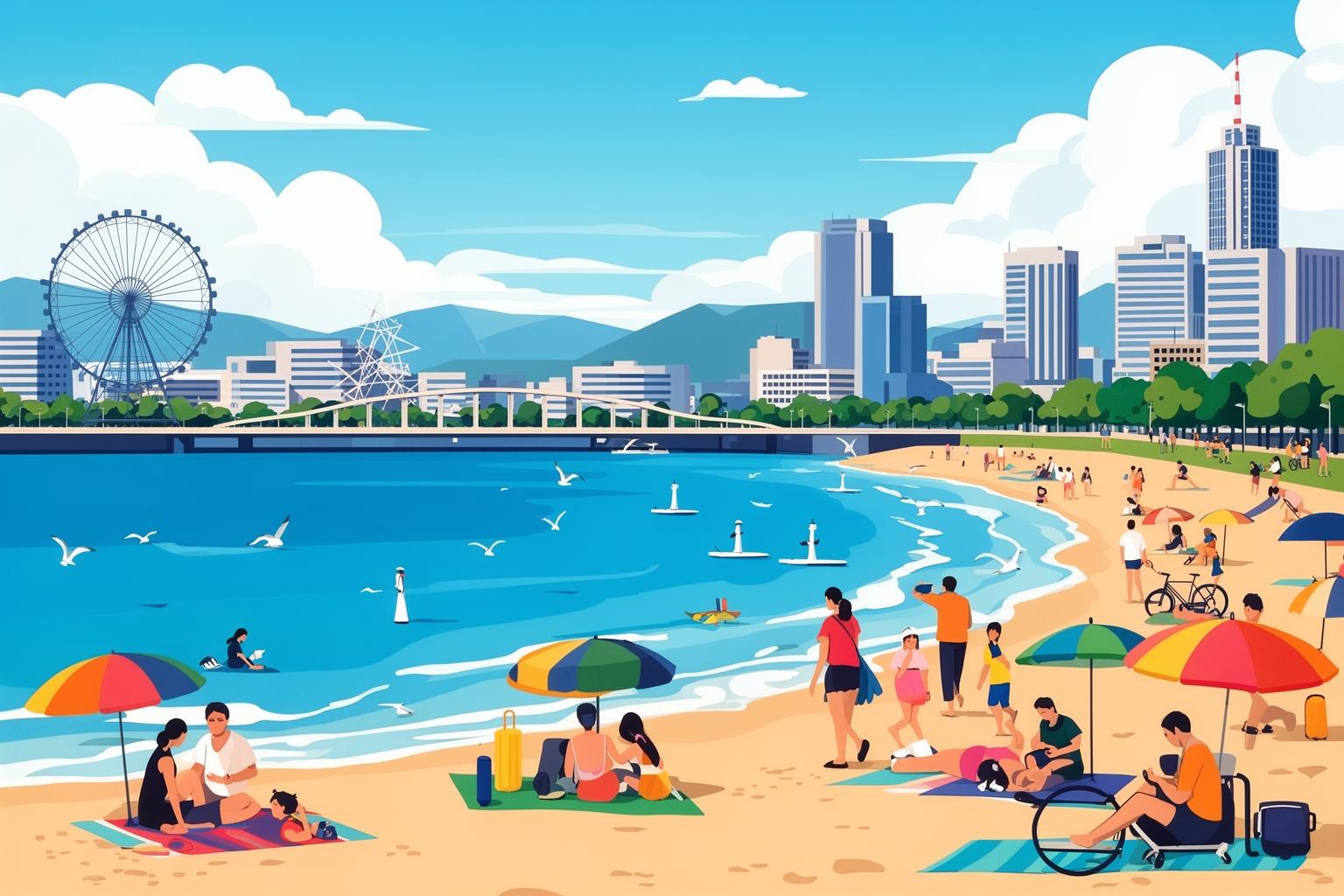
Turning your back on the castle and heading toward the coast reveals another side of Kishiwada’s spirit. The sea breeze carries the sharp scents of salt and diesel—a working perfume that signals this is no leisurely shore. This is an industrial zone. As an avid hiker accustomed to reading landscapes, the coastline here tells a tale of relentless, practical labor. The port isn’t dotted with trendy cafes or touristy souvenir shops; it’s a gritty, functional area filled with fishing boats, warehouses, and maritime machinery. This unvarnished reality is exactly what makes it so compelling. It anchors the city in a tangible, physical economy that feels both ancient and modern simultaneously. The people here carry a different bearing than the office workers in Osaka’s business districts. Their connection to the city is forged through their hands, the tides, and the changing seasons. This steady rhythm with the sea shapes the local character. There’s a patience, resilience, and respect for nature’s power that permeates the air. It serves as a reminder that Osaka is more than a sprawling metropolis; it’s a port city, and that identity is fiercely kept alive in places like Kishiwada.
Not a Beach, But a Workplace
Many coastal towns in Japan reinvent themselves as tourist hotspots with sandy beaches and resort hotels, but Kishiwada has mostly resisted this trend. While recreational areas like Marble Beach lie further south, the city’s main waterfront remains unapologetically industrial. Early in the morning, the fish market hums with a raw, genuine energy. This isn’t a performance for tourists, unlike what Tokyo’s old Tsukiji market became. Here, local restaurateurs and fishmongers come for the day’s catch. The auctions are a blur of `Senshu-ben`, shouted numbers, and hand signals—a language unto itself. Witnessing this daily ritual reveals the backbone of the local economy. Many families’ lives are directly tied to the success of that morning’s catch. This fosters a culture that values hard work, practicality, and intimate knowledge of one’s craft. The sea isn’t a scenic backdrop for a holiday; it is a provider, a challenge, and a constant factor in daily life. This working-class, maritime identity forms an essential contrast to Osaka’s more famous image as a city of lively merchants and comedians. It adds depth and grit necessary to fully grasp the breadth of the Osakan character.
The Shotengai’s Salty Flavor
The lifelines carrying energy from the port into the town’s heart are the `shotengai`, or covered shopping arcades. Kishiwada’s main arcade feels like a time capsule. It lacks the trendy boutiques and chain stores infiltrating so many other `shotengai` across Japan. Instead, there are shops run by the same families for generations. Fishmongers sell the very fish auctioned at the port just hours before, their stalls gleaming under fluorescent lights. Specialized fishermen’s workwear shops, hardware stores stocked with every imaginable tool, and humble `kissaten` (old-style coffee shops) where elderly regulars have sat in the same seats for decades are all found here. The interactions are the opposite of the anonymous, transactional vibe of city-center department stores. The `kamaboko` (fish cake) stall owner doesn’t merely sell products; she asks about your family, comments on the weather, and offers you a sample. She knows her customers by name, and they know hers. This is commerce as community. It’s the place where town gossip circulates, relationships flourish, and the slow, steady rhythm of daily life is most palpable. For a foreigner, spending an afternoon in the `shotengai` provides a better language lesson and cultural orientation than any textbook. Here, the sharpness of `Senshu-ben` softens into friendly banter, revealing that beneath the town’s tough exterior lies a tightly-knit and supportive community.
The Kishiwada Mindset: Beyond the Osaka Stereotype
So, what does spending a weekend in Kishiwada reveal about the broader Osaka mindset? It shows that the common stereotype of the loud, food-loving, joke-telling Osakan is a caricature—a simplified portrayal of a far more intricate identity. Kishiwada exemplifies a strong undercurrent of this identity: one grounded in fierce localism, historical pride, and prioritizing community over the individual. This is an Osaka less focused on impressing outsiders and more dedicated to preserving its own traditions and social frameworks.
Community vs. Individualism
The key difference between life here and in a megacity like Tokyo lies in the relationship between the individual and the group. Tokyo permits, and even encourages, a degree of anonymity. You can live there for years without knowing your neighbors; it’s a place where constant reinvention is possible. Kishiwada stands in contrast. Here, you are known. Your family is known. Your history is known. This is the hallmark of life in a genuine community. The trade-off is clear: in exchange for the freedom that anonymity brings, you accept the burden of expectation. But in return for the pressure to conform, you gain an unmatched support network. This insight is crucial for any foreigner thinking of living here. You’re not merely renting a place; you’re implicitly applying for membership in a deeply rooted social organism. Success and contentment depend less on your career accomplishments and more on your ability to navigate these complex local relationships, respect tradition, and engage in community life. It’s a different—and for some, a more demanding—definition of what it means to be a resident.
The Misunderstanding of “Roughness”
A common misconception foreigners have about places like Kishiwada concerns its perceived roughness. The loud dialect, blunt mannerisms, and initial insularity can be misread as unfriendliness or xenophobia. This interpretation usually misses the cultural cues. The toughness is a protective shell—a cultural shorthand for authenticity and straightforwardness. This is not a service-oriented culture where friendliness is performed to smooth interactions. Social currency here is not politeness, but trust—and trust isn’t given lightly; it’s earned over time through consistent, genuine engagement. You earn it by shopping locally, participating in neighborhood clean-ups, and simply showing up. Once trust is built, the “rough” exterior fades, revealing a warmth and loyalty that is fiercely protective. People will go to great lengths to support those they consider part of the community. Understanding this dynamic is essential. The initial barrier isn’t meant to keep you out; it’s a filter testing your intentions. Are you just passing through, or are you here to become part of the town’s fabric?
A Weekend vs. A Lifetime
It’s important to distinguish between visiting and living here. A weekend visitor will find a charming, peaceful castle town with a beautiful coastline and a friendly, nostalgic atmosphere. You can enjoy the castle, stroll through the `shotengai`, and leave with a pleasant impression. But living here means engaging with the complex social machinery of the Danjiri, navigating expectations, obligations, and the intricate network of relationships governing everything. It’s not a life suited for someone craving privacy and anonymity above all else. Instead, it’s for those wanting to be deeply rooted in a community, to experience a powerful sense of belonging as part of something larger than oneself. It requires a willingness to observe, listen, and adapt to a social rhythm that has persisted for centuries.
A Different Kind of Osaka Living
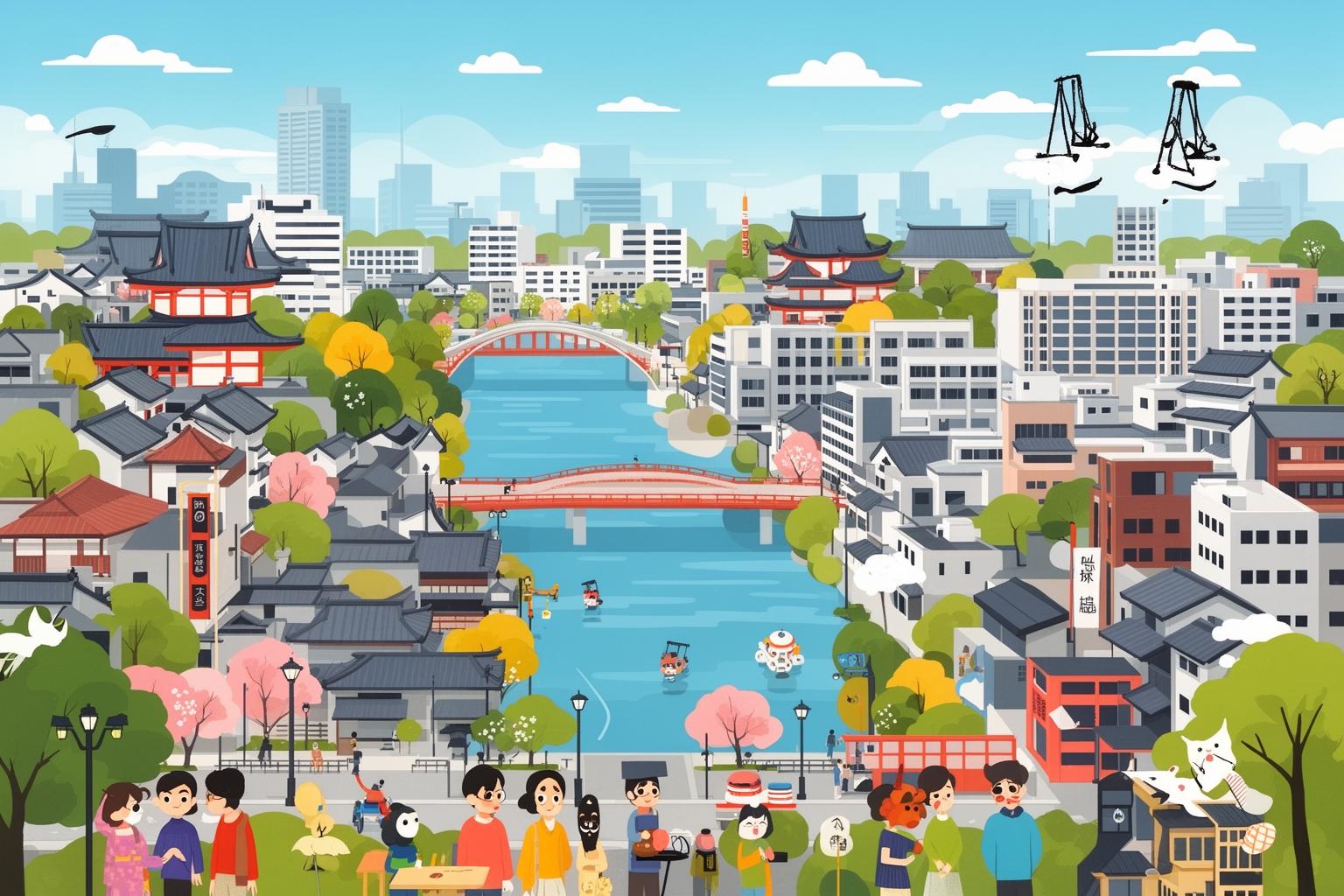
Ultimately, Kishiwada stands as a powerful reminder that Osaka is not a single entity. It is a collection of distinct neighborhoods and cities, each with its own history, character, and rules. The city’s identity is not solely found in the neon lights of Dotonbori or the skyscrapers of Umeda. It is also discovered in the narrow, winding streets of a castle town, the rhythmic beat of a coastal dialect, and the year-round dedication to a two-day festival. Kishiwada challenges easy stereotypes and compels closer examination. It reveals an Osaka built on traditions, community, and a fierce, unwavering pride in its place. While it may not be the easiest city for outsiders to live in, those who make the effort gain a glimpse into the true heart of the region. To understand Osaka, you must realize that the chaotic energy of the Danjiri festival and the quiet, steadfast pride of a Tuesday afternoon in the shotengai are two sides of the same coin—public and private faces of a city that, above all, knows exactly who it is.