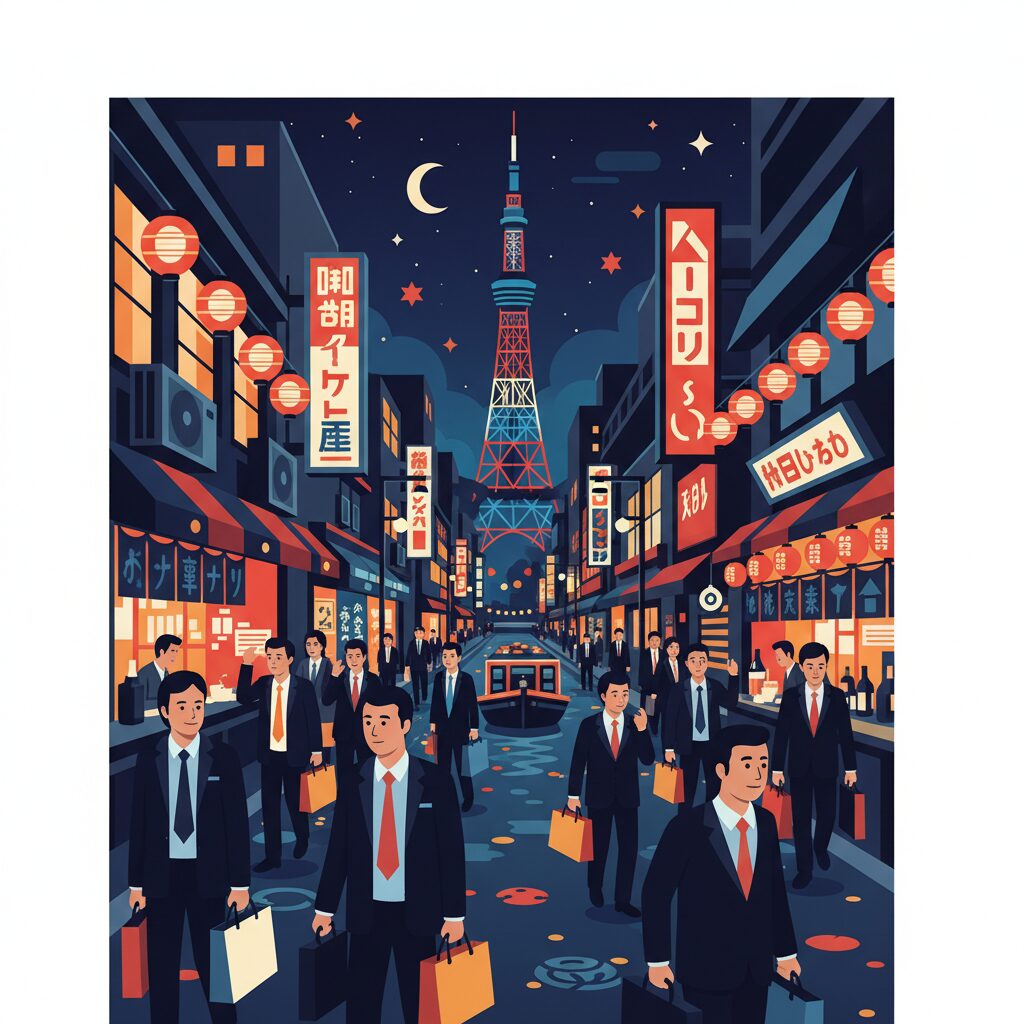
The first time I stumbled into a real Osaka tachinomi, it felt like walking through the wrong door. Fresh off the train from a sterile Tokyo corporate assignment, I was looking for a quiet beer, a moment of decompression before heading home. What I found under the rumbling train tracks of Kyobashi was a wall of sound, steam, and humanity. Men in suits, women in office wear, and workers in their uniforms were packed shoulder-to-shoulder against a long, worn wooden counter. There were no chairs, no tables, just a vertical crush of people laughing, shouting orders, and clinking glasses. It wasn’t a bar; it was a living organism, a pulsating cell of pure, unfiltered Osakan energy. I almost turned around. In Tokyo, after-work drinks felt like an extension of the office—structured, polite, with unspoken seating charts. This felt like social anarchy.
But that initial confusion, that feeling of being an outsider peering into a secret club, is the entry point to understanding one of the most fundamental aspects of daily life in this city. For foreigners trying to decode Osaka, the tachinomi, or standing bar, is more than just a place for a cheap drink. It’s a classroom, a boardroom, and a confessional all rolled into one. It’s where the city’s true personality is on display, stripped of pretense and powered by highballs and fried skewers. This is where you learn that in Osaka, business and pleasure don’t just mix; they’re shaken, stirred, and served up in the same crowded glass. It’s a core ritual that explains why living and working here feels so fundamentally different from anywhere else in Japan.
Discover how Osaka’s collective spirit thrives in every corner by exploring the community sentō experience.
The Illusion of “Just a Quick Drink”

A common misconception among foreigners—and even visitors from Tokyo—is to view the tachinomi purely as a functional space. The absence of chairs and the often dirt-cheap prices for a draft beer or a glass of sake imply a transient stop. It seems like a human pit stop, a place to refuel on alcohol and nicotine before the final journey home. While it does fulfill that role, its true purpose runs much deeper. It acts as the city’s social pressure valve, a “third space” that is neither the strict environment of the office nor the private sanctuary of home. It’s neutral ground where the day’s frustrations are vented, ideas take shape, and connections form amid heat and noise.
The sensory experience can be overwhelming at first, but that’s part of the process. The air is thick with the aroma of dashi from simmering oden, the greasy scent of kushikatsu frying, and the sharp tang of inexpensive shochu. You hear the constant hiss and sizzle from the open kitchen, the staccato calls of “Biru ippon!” (One beer!), and above all, the rising and falling rhythm of Kansai-ben, a dialect that sounds more like a rolling, percussive argument than a conversation. You’re physically pressed against your neighbors, a forced intimacy unthinkable in a more reserved culture. This closeness breaks down mental barriers—it’s impossible to remain aloof when you’re literally sharing elbow room with a stranger. This isn’t just a bar; it’s a full-contact social sport, and the goal is connection.
Osaka vs. Tokyo: The Horizontal Divide and the Vertical Solution
To truly understand the significance of tachinomi in Osaka, you need to compare it with Tokyo’s after-work culture. My experience there was shaped by the nomikai—formal drinking parties that are almost always seated events, often reserved weeks ahead. An unspoken seating hierarchy exists, with the most important person placed farthest from the door (kamiza), while the most junior employee sits near the entrance, responsible for pouring drinks and placing orders. You are generally confined to conversing only with those seated directly around you. This system reinforces the established corporate structure, fostering horizontal bonding within a pre-set team.
Osaka’s tachinomi culture completely upends this idea. It is quite literally a vertical approach. By requiring everyone to stand, it instantly breaks down hierarchy. There is no kamiza when everyone leans against the same sticky counter. The department head might find themselves squeezed between a new intern and a regular who works in logistics for a competing company. This fluidity is crucial. You aren’t tied to a seat; you can change your position, join a different group, and drift between conversations. This creates a lively, almost chaotic atmosphere where social interaction isn’t just possible—it’s practically unavoidable. It’s a culture of social osmosis. Ideas, gossip, job leads, and introductions flow across the crowded room, moving from one small group to another. While a Tokyo nomikai aims to strengthen bonds within a team, an Osaka tachinomi breaks down those silos, building a broader, more resilient network throughout the entire business community.
The Unspoken Rules of the Standing Game
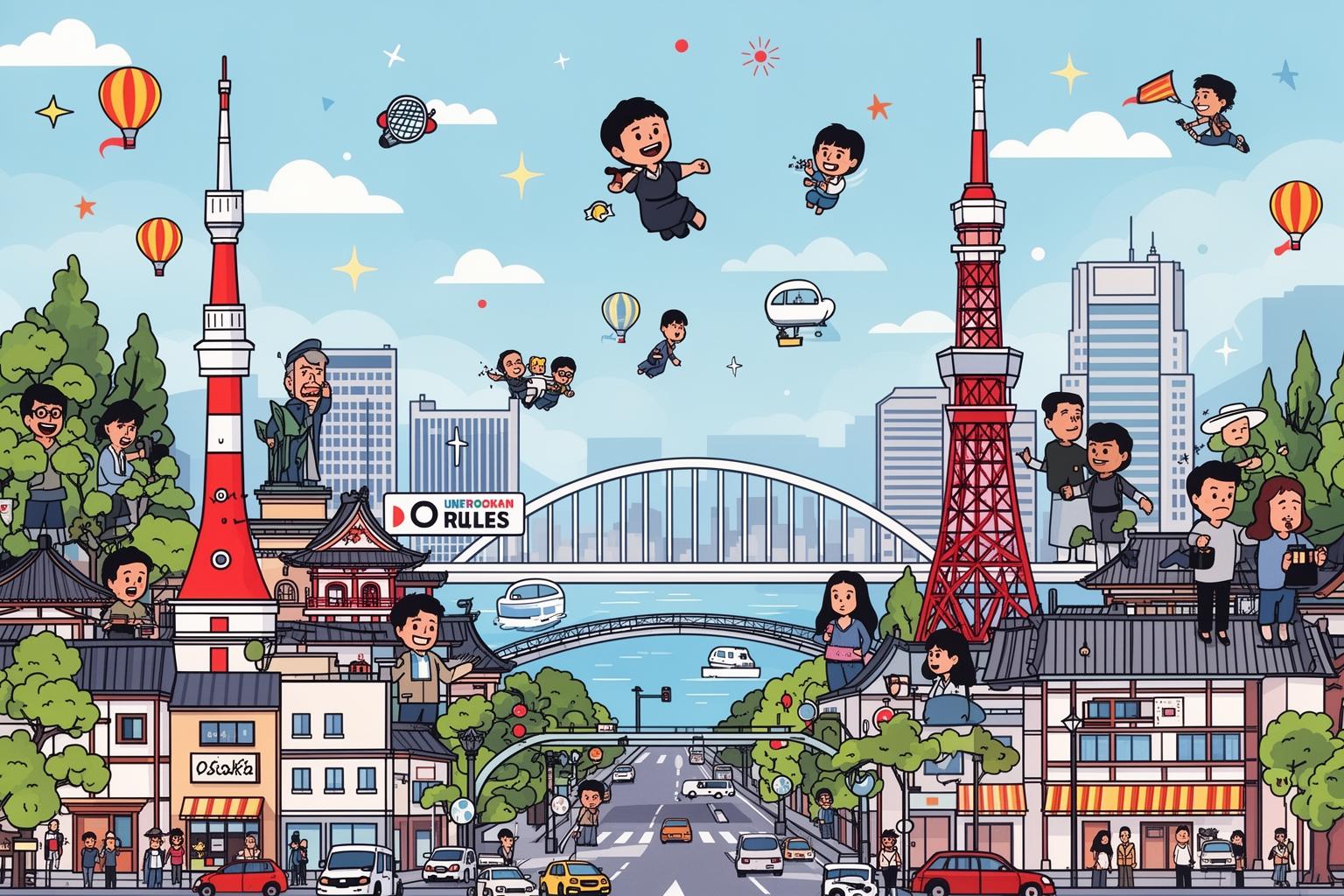
Like any deeply rooted cultural ritual, tachinomi comes with its own unwritten set of rules. Mastering these is crucial for anyone hoping to move from a confused onlooker to an engaged participant. It’s a delicate dance, but once you know the steps, you can confidently navigate any standing bar in the city. These rules reflect the Osakan mindset: practical, communal, and fiercely efficient.
Reading the Room
In a tachinomi, you don’t wait to be seated—you find your own spot. The trick is to scan the counter for a gap, no matter how small. You don’t ask, “Is this seat taken?” Instead, you make brief eye contact with the person you’ll be standing next to, give a slight nod, and slide in. This gesture communicates, “I’m joining, and I’ll respect your space.” In response, people naturally shift to make room. This silent exchange serves as the first handshake, marking you as part of the temporary community—someone who grasps the give-and-take needed to make the crowded space work for everyone.
The Currency of Connection (and Cash)
Many traditional tachinomi operate on a cash-on-delivery system, known locally as kyasshu on. A small tray or bowl is often placed on the counter in front of you. You drop a 1,000 or 5,000 yen note into it, and as you order, the staff take only the exact amount from the tray, leaving your change. This method is brilliantly efficient. There’s no waiting for the bill or splitting checks; every transaction is immediate and final. This clears mental space, letting everyone focus on what really matters: drinking and talking. It’s a reflection of Osakan practicality—getting the boring stuff out of the way so you can enjoy the evening.
The Art of the Shared Space
Your personal space in a tachinomi isn’t fixed; it’s fluid and flexible. Your beer glass and small plate occupy a temporary area that may need to be shifted, moved, or even lifted to make room for others. Someone might reach over your shoulder to grab a soy sauce bottle. A server might pass a hot dish over your head. This isn’t considered rude—it’s part of the shared understanding. Everyone accepts the spatial constraints and cooperates. Resisting this flow or guarding your patch of counter too tightly instantly marks you as an outsider. The Osakan way is to bend, adapt, and be a piece of the collective human puzzle rather than a rigid, immovable one.
Joining the Conversation
The most daunting yet rewarding rule is learning how to join a conversation. While interrupting a group of strangers is often seen as a faux pas in many cultures, in an Osaka tachinomi, it’s welcomed. The barrier to entry is very low. It might be as simple as laughing at a shared joke, commenting on the delicious-looking dish your neighbor is enjoying, or asking for a recommendation. A common icebreaker is the television, which is almost always on and usually shows a Hanshin Tigers baseball game. A united cheer for a home run or a collective sigh at a strikeout instantly bonds the group. Osakans are curious and direct; they’ll often initiate by asking, “Where are you from?” or “What do you do?” Answering honestly and with a touch of humor is your ticket in. The aim isn’t to be clever—it’s to be present and open. In this vertical world, an outsider is just someone who hasn’t ordered their first drink yet.
More Than a Bar: The Economic and Social Engine
While the atmosphere remains casual, don’t be deceived. The tachinomi is a vital engine driving Osaka’s economic and social fabric. It’s where the city’s merchant spirit genuinely comes alive. The informal environment encourages a level of frankness and creativity often suppressed in a formal office setting.
The “Real” Meeting After the Meeting
I’ve heard from numerous Osakan businesspeople: the meeting in the conference room is merely for appearances. It’s a venue for presentations and official statements. The real meeting—where honest opinions are exchanged, complex issues are unraveled, and true consensus is reached—takes place later, standing beneath the fluorescent lights of a tachinomi. With a drink in hand and corporate facades dropped, people speak openly. A boss who seemed formal and distant at the office may suddenly open up, sharing market insights or career advice. This is where you discover what colleagues and clients are actually thinking.
Accidental Networking
The serendipity of the tachinomi is truly remarkable. As you’re continuously surrounded by people from various companies and industries, the opportunity for spontaneous, fruitful connections is immense. I’ve personally seen a web developer strike up a conversation with a man running a small factory, which led to a project to modernize the factory’s inventory system. This is Osaka’s version of a high-powered networking event, but it’s natural, unpretentious, and infinitely more effective. There are no name tags or forced elevator pitches—just conversations fueled by genuine curiosity and eased by alcohol. Careers can be launched, and businesses can be born from a chance encounter over a shared plate of pickled ginger.
The Great Equalizer
In the end, the tachinomi acts as the city’s great equalizer. Osaka has always been a city of merchants rather than samurai bureaucrats. Status here is traditionally earned through commercial success and social skill, not inherited titles. The tachinomi embodies that spirit today. The president of a mid-sized trading company might be found passionately debating the qualities of a particular sake with a construction worker. A young startup founder might receive invaluable advice from a seasoned textile industry veteran. In these standing bars, your job title matters far less than your ability to tell a good story, share a laugh, and treat everyone with the same lively respect. It’s a genuinely democratic space where the only currency that counts is personality.
Finding Your Tachinomi: A Neighborhood Guide to the Vertical Life
For anyone living in Osaka, diving into the tachinomi scene is a journey through the heart of the city’s unique neighborhoods. Each district offers its own flavor and distinctive rhythm.
Kyobashi: Known as the definitive ground zero for traditional tachinomi, this sprawling, gritty network of bars lies beneath and around the JR train lines. It’s loud, affordable, and embodies the unapologetic working-class spirit of Osaka. Though the atmosphere can feel intimidating at first, it warmly welcomes those who take the plunge. It’s a haven for seasoned regulars and salarymen unwinding—a living showcase of Showa-era drinking culture.
Tenma: A bit more refined than Kyobashi yet equally lively. Tenma hosts Japan’s longest shopping arcade, with streets branching off it filled with an astonishing variety of standing bars. You’ll encounter everything from classic establishments specializing in sake and sashimi to contemporary spots offering Italian or Spanish-themed tachinomi. The area draws a diverse crowd, including more young people and women, making it a more approachable entry point.
Umeda/Osaka Station: The salaryman’s quick stop. Tachinomi bars here cluster in the underground corridors of station complexes such as the Ekimae Dai-ichi, Dai-ni, and Dai-san Buildings. They’re fast-paced, efficient, and packed from 5 PM onward. The goal is straightforward: a brief, energizing session before heading home to the suburbs. The turnover is rapid, but the atmosphere buzzes with energy.
Namba/Shinsekai: This neighborhood is more unpredictable. While increasingly tourist-oriented, it still boasts legendary, deeply local tachinomi where you can meet some of the city’s most vibrant characters. These spots reflect the neighborhood’s rough edges, fierce pride, and rich stories. Drinking here is a form of urban anthropology.
The Takeaway: It’s Not What You Drink, It’s How You Stand
Living in Osaka demands an adjustment. It requires you to let go of some preconceived ideas about personal space, the boundary between work and life, and how relationships are formed. The tachinomi serves as the training ground for this shift. It shows you that efficiency doesn’t need to be impersonal, that community can be temporary yet impactful, and that standing shoulder-to-shoulder with a hundred strangers isn’t a bother—it’s the whole point.
This culture values active participation. Hiding in the corner simply isn’t an option. You’re drawn into the whirlwind—the rhythm of orders, the laughter, the debates. For any outsider who genuinely wants to grasp what drives Osaka, what makes its people resilient, practical, and fiercely loyal, my advice is straightforward. Find a red lantern glowing in the steam, take a deep breath, and slide into an open seat at the counter. Order a beer. See what unfolds. You’re not just going out for a drink; you’re immersing yourself in the intricate, chaotic, and beautiful dance of daily life in Osaka.