The first time you see a Super Tamade, you don’t think “supermarket.” You think something has gone terribly, wonderfully wrong. A riot of neon lights, more blinding than a pachinko parlor, pulses into the night. Giant, crudely drawn signs scream prices in furious red and yellow. The building itself looks like a Las Vegas casino had a baby with a 1980s arcade, and that baby decided to sell cabbages. Your brain, conditioned by the quiet dignity of most Japanese storefronts, short-circuits. Is this a gambling den? A theme park? What is this magnificent, chaotic beast?
Welcome to Osaka. That beast is your key to survival. Super Tamade is not just a grocery store; it’s a cultural institution, a flashing, buzzing monument to the city’s core philosophy: why pay more when you can pay less? In a country that often prizes elegant subtlety, Tamade is a glorious, unapologetic outlier. It’s loud, it’s garish, and it’s one of the most honest reflections of the Osaka mindset you’ll ever find. Forget the polite facades of Tokyo department stores. To understand how Osaka really works—how its people think, save, and thrive—you need to brave the neon glow and learn the art of the Tamade haul. This is your guide to navigating Osaka’s most flamboyant supermarket and, in the process, unlocking the secrets to living well on a budget in Japan’s kitchen.
Discovering the neon brilliance of Super Tamade is just the beginning—those seeking a deeper understanding of Osaka’s dynamic economy should also explore Semba’s vibrant merchant culture to see how tradition meets modern hustle.
An Assault on the Senses: What Exactly Is Super Tamade?

Let’s be clear: a shopping trip to Super Tamade is a full sensory experience. Even before you enter, the exterior assaults your senses. LED displays flash with an intensity that feels almost illegal. The color scheme is a constant emergency signal: bright yellow, fiery red, and stark black. It’s an intentional tactic. In a city full of merchants, you have to shout to be noticed, and Tamade shouts the loudest. The name “Tamade” originates from the working-class district in Nishinari where the chain began, rooting its identity in the straightforward, industrial core of Osaka.
Step through the automatic doors, and the sensory bombardment continues. The aisles are narrow, often packed with boxes and displays not arranged elegantly but strategically placed to convey a sense of overwhelming abundance. Hand-written signs, typical of Osaka’s shotengai shopping streets, are everywhere, marked with thick black marker on neon paper, declaring today’s rock-bottom prices. A constant jingle plays over the speakers—an upbeat, repetitive tune meant to embed itself in your mind and keep you moving. This is the opposite of the calm, minimalist vibe you might find in upscale Tokyo supermarkets like Seijo Ishii or Kinokuniya. In those stores, shopping is a tranquil, curated experience. Items are displayed like museum exhibits. At Tamade, shopping is a treasure hunt amid a carnival atmosphere. The chaos is intentional. It sends a clear, powerful message: we’re not spending money on interior decorators, ambient lighting, or fancy shelving. We’re investing it in lowering the price of this block of tofu by another ten yen, and passing those savings directly on to you.
The Unspoken Rule: “Cheap is Justice”
To understand why Tamade exists, you need to grasp the concept of the akindo), the Osaka merchant. For centuries, Osaka has been Japan’s commercial center, a city shaped by traders rather than samurai. This history fostered a deep-rooted pragmatism and a strong focus on value. Osakans are well-known for being shrewd shoppers. The culture of negi-ru, loosely meaning haggling or bargaining, is ingrained in the local DNA. Although you don’t actually haggle at the register in Tamade, the spirit of securing the absolute best deal permeates the entire experience.
Here is where the philosophy of “cheap is justice” plays a role. In Tokyo, status might be expressed through brand names and elegant presentation. In Osaka, status often comes from showing your cleverness by scoring an incredible bargain. Bragging about a designer bag is one thing; boasting about getting a whole bag of onions for 30 yen is a true mark of skill. Super Tamade serves as the temple for these worshippers of value. Its flamboyant exterior isn’t a symbol of luxury; it acts as a beacon for bargain hunters. It’s a spectacle meant to draw you in with the promise of prices so low they seem like a mistake.
This ethos is perfectly embodied by Tamade’s famous 1-yen sales. You’ll spot signs advertising eggs, milk, or bread for just one yen. Naturally, there’s a catch. Usually, you must spend at least 1,000 yen on other items to qualify for the 1-yen product. A tourist might view this as a gimmick, but a local sees it as a system. It’s a challenge. The store guarantees a certain level of revenue, and the savvy shopper gets a staple item almost free. It’s a perfectly balanced, mutually beneficial arrangement that cuts through the polite ambiguity found elsewhere in Japan. It’s direct, logical, and pure Osaka.
A Survivor’s Guide to the Tamade Experience
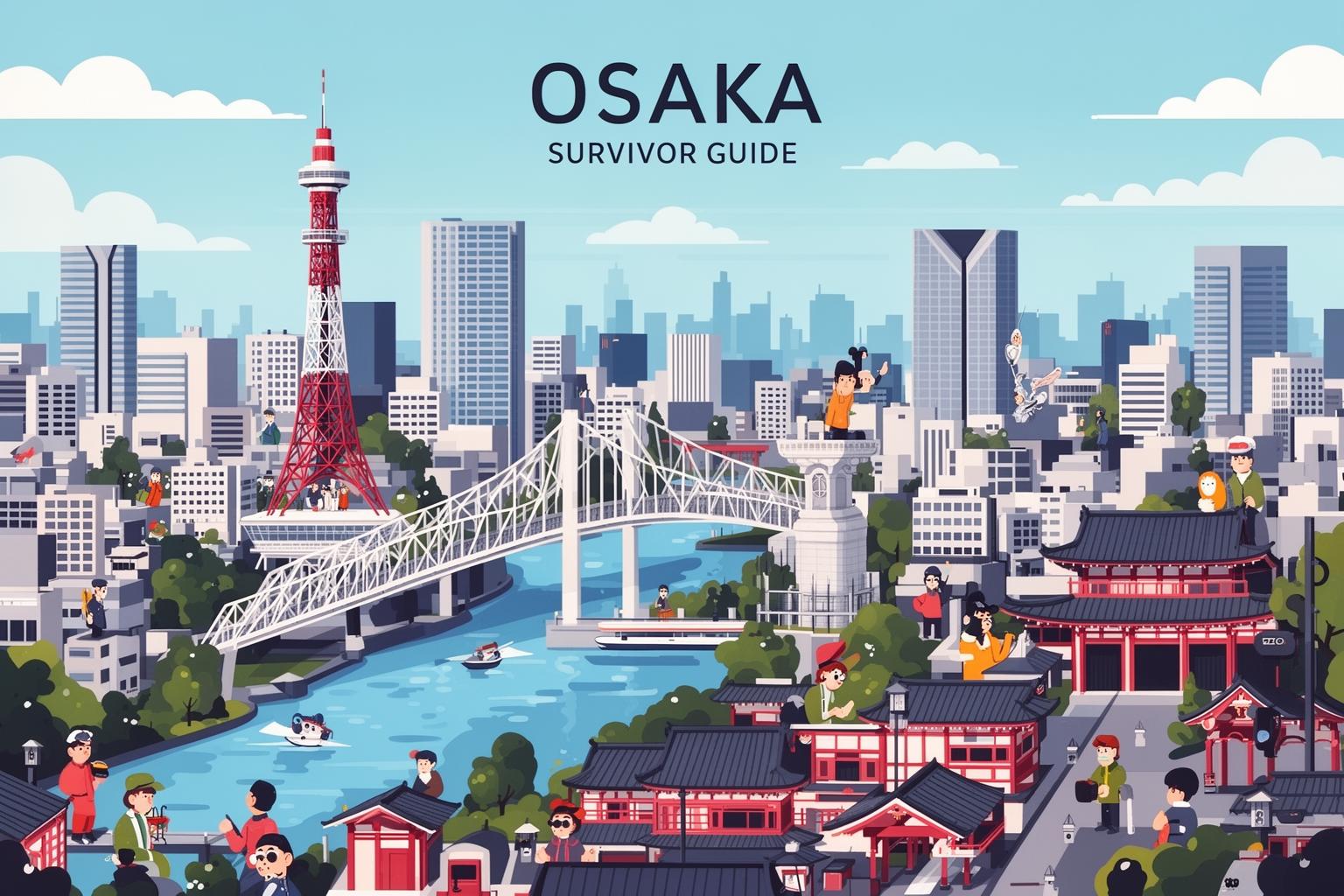
Shopping at Tamade is more than just picking up what you need; it’s a carefully planned activity. To fully take advantage of its budget-friendly deals, you need to understand the unspoken rules and get in tune with the store’s rhythm. It demands a change in mindset—from expecting flawless perfection to appreciating practical usefulness.
Decoding the Deals and Discounts
Timing is key at Super Tamade. The best bargains don’t appear by chance; they follow a set schedule. If you want half-price bento boxes, sushi trays, or fried items from the sozai (prepared foods) section, the prime time starts a few hours before closing. As the evening progresses, discounts deepen. A crowd of students, late-shift workers, and savvy savers swarms the store to snap up these bargains. A 300-yen katsu-don bento can be a real lifesaver, and competition is often intense. Don’t hesitate—if you spot a red sticker, grab it.
You also need to be realistic about quality. Super Tamade isn’t the place for perfectly marbled wagyu or organic, heirloom tomatoes. The produce may be slightly bruised or oddly shaped. The meat and fish are fresh and safe to eat but represent everyday staples rather than gourmet highlights. This is a vital point that some foreigners miss. The low prices don’t imply poor quality; they reflect a different supply chain approach. Tamade purchases enormous quantities, sources produce that other stores might reject for cosmetic flaws, and operates on very thin margins. They prioritize affordability over appearance. You’re buying food to cook and eat tonight, not to feature on a food blog. Once you accept this, you open the door to significant savings.
Navigating the Culture Within the Aisles
Inside Tamade, you’ll find a cross-section of Osaka society. Elderly grandmothers meticulously compare prices on daikon radishes, university students stock up on instant noodles and cheap snacks, and young families shop on a tight budget. It’s a democratic space, a great equalizer where everyone shares the goal of stretching their yen. The aisles are narrow, and personal space is limited. You learn to navigate the crowd with a series of polite nods and quick movements. It’s an unspoken dance of collective bargain hunting.
The service is equally straightforward and no-frills. Cashiers work quickly and efficiently. Their role is to scan your items, take your payment, and keep the line moving. You won’t find the deep, reverent bows or long, formal pleasantries typical of more upscale stores. The interaction is brief, professional, and direct. Some outsiders might see this as rude, but it’s not—it reflects Osaka’s communication style, which values efficiency and directness over ceremony. They provide a service, not a performance, respecting your time and money by not wasting either.
Why Outsiders Get Tamade Wrong
Because Super Tamade is so visually and culturally unique, it attracts many misconceptions. These misunderstandings often reveal more about the observer’s own cultural biases than about the store itself. Addressing these misconceptions is essential to appreciating Osaka’s distinctive role in Japan.
The most common reaction is suspicion. “It looks like a pachinko parlor—is it a front for the yakuza?” This is often the first joke made by visitors from Tokyo. However, the gaudy style isn’t a disguise; it is the marketing. In Osaka, this look is sometimes called hadekawa—a blend of hade (flashy) and kawaii (cute). It’s a bold, proud, attention-grabbing visual language that values impact over subtlety. It echoes the same vibe seen in the giant moving crab signs of Dotonbori. It’s not designed to be discreet; it aims to draw you inside.
Then there’s the question of safety. “How can food be this cheap? Is it safe to eat?” This concern arises from the assumption that price always correlates with quality. But in Japan, food safety standards are consistently very high. Tamade’s affordability comes from its business model: low overhead, bulk purchasing, and focusing on items close to their sell-by date. They excel in logistics and minimizing waste. The low prices reflect efficiency, not risk.
Finally, there’s the judgment of taste. “It’s so tacky.” This critique applies an external aesthetic—often Tokyo-centered—onto a culture with its own values. Calling Tamade “tacky” misses the essence completely. The store isn’t striving for quiet, minimalist elegance. Its look is loud, unapologetically functional, and proud. The neon lights and hand-drawn signs boldly proclaim its identity: a store for the people, without pretension. In Osaka, such straightforwardness is itself a form of beauty.
A Neon Reflection of Osaka’s Soul

Ultimately, Super Tamade is more than just a place to buy inexpensive groceries. It is a living, breathing representation of Osaka‘s character. It tells the story of a city founded on commerce, where being savvy with your money is a point of pride. It mirrors the resilience of its working-class neighborhoods, offering an essential service that helps people live with dignity on a limited budget. And it highlights the city’s well-known straightforwardness. Super Tamade is brutally, refreshingly honest. The flashing lights aren’t trying to fool you into thinking it’s a luxury brand. They are boldly proclaiming a simple truth from the rooftops: “Come on in, we’ve got deals!”
That bluntness is often what people mean when they describe Osakans as “friendly.” It’s not necessarily about warm, effusive greetings. It’s about a readiness to be direct, to bypass formalities and get straight to the point. What you see is what you get, whether in a conversation or on a supermarket shelf. When you embrace the Tamade lifestyle, you’re not just saving money on your weekly shopping. You are taking part in a daily ritual that celebrates practicality, rewards cleverness, and honors the resourceful spirit of Japan’s most lively and down-to-earth city. Forget the castles and temples for a day. If you truly want to understand Osaka, visit Super Tamade. Your wallet—and your cultural education—will thank you.