

Hey everyone, Sofia here! The first time I sat in a business meeting in Osaka, I felt like I’d walked into a completely different country. In Tokyo, my meetings were a delicate dance of formal greetings, carefully chosen words, and layers of polite ambiguity. But here? The first question from the company president, a man with a booming laugh and a bright pink tie, was, “So, what’s the absolute best price you can give me? Don’t waste our time, we’ve got lunch plans.” I was momentarily stunned. Was this rude? A power play? Nope. It was just Osaka. It was my first real lesson in the city’s driving force: the “Akindo” spirit.
Osaka has a soul, a rhythm, and a way of doing things that’s entirely its own, carved out over centuries of trade and commerce. This city was historically known as “Tenka no Daidokoro,” or “The Nation’s Kitchen,” the economic engine where rice, goods, and fortunes were traded. That history isn’t just in the museums; it’s alive and kicking in every shop, every office, and every conversation. The spirit of the “akindo,” the merchant, is the city’s operating system. It shapes everything from how people negotiate a multi-million yen contract to how they choose their lunch. Understanding this mindset is the key to truly understanding, and loving, life in this vibrant, no-nonsense city. It’s not just about business; it’s a philosophy for life built on practicality, human connection, and a sharp eye for value. Forget what you learned in Tokyo; we’re playing by a different set of rules here, and honestly, it’s a whole lot more fun.
Diving deeper into Osaka’s unique business environment, you might be interested in how the local hotel market is currently navigating record high prices and staffing challenges.
The Soul of Shoubai: What is the Akindo Spirit?
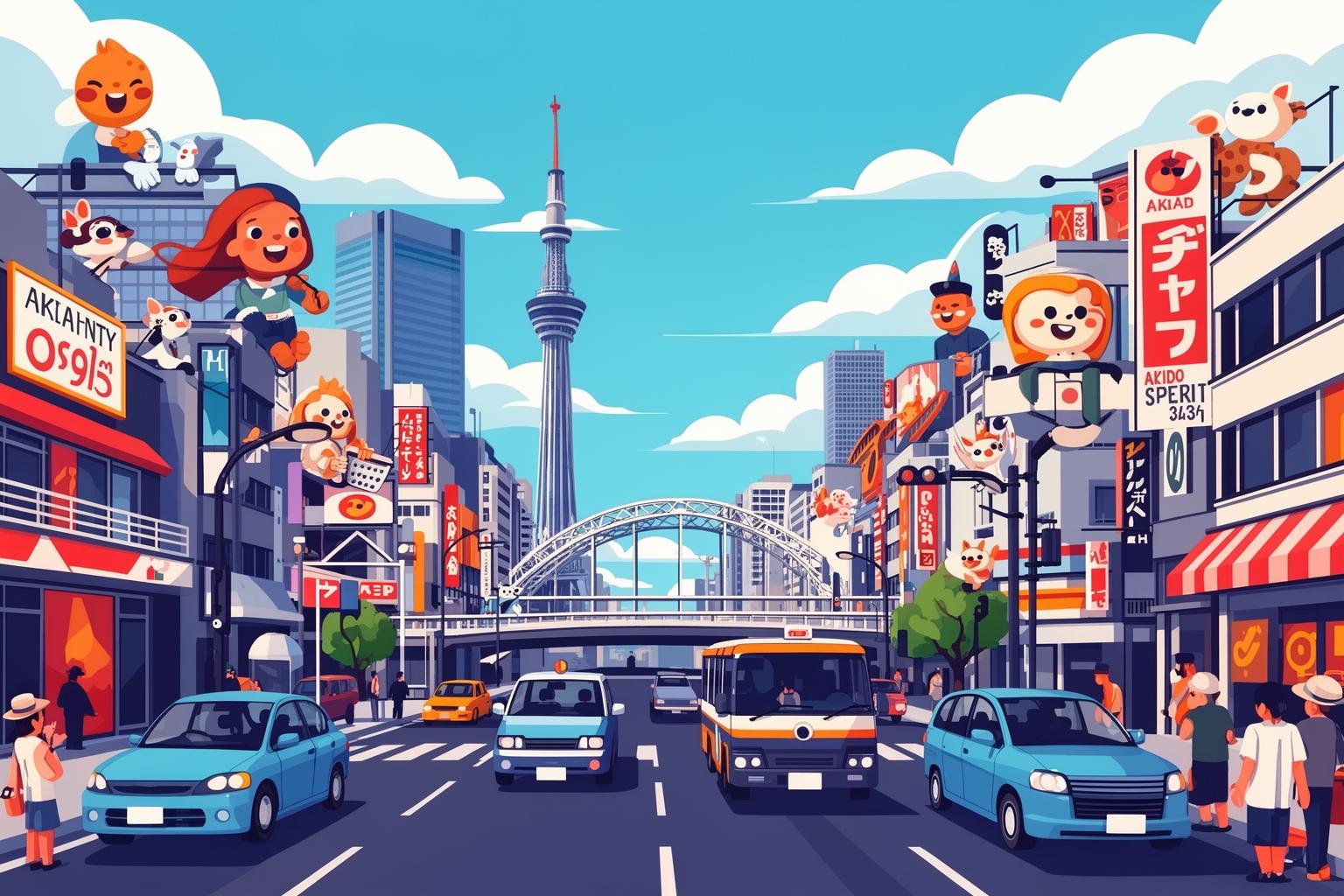
At its core, the Akindo spirit embodies the philosophy of the merchant, or “shounin” (商人). However, simply translating it as “merchant spirit” overlooks its rich complexity. It’s more than a job title; it’s a way of seeing the world. In Osaka, business, or “shoubai” (商売), is regarded as a vital and honorable endeavor that sustains the community. It’s less about climbing a corporate ladder in a quiet, sterile office and more about the vibrant, human-to-human exchange of value. This spirit emerges from a history where merchants, rather than samurai or aristocrats, were the city’s heroes. They were the innovators, the risk-takers, the builders who shaped Osaka from the ground up. This heritage instills a strong respect for pragmatism, resourcefulness, and the ability to generate prosperity not only for oneself but for everyone involved.
More Than Just Money: The Philosophy of Mutual Prosperity
In a typical corporate setting, profit is often the sole focus. In Osaka, while profit matters, the concept of shoubai is much broader. The core belief is that good business should be mutually beneficial. An Akindo sees a successful deal not as one where every last yen is extracted from the other party, but one where both buyer and seller leave feeling satisfied, respected, and happy. The seller earns a fair profit, and the buyer receives great value. This lays the groundwork for a lasting relationship, which is the real currency in Osaka. A one-time win lacks foresight. A steady relationship guarantees future business, referrals, and a robust network. That’s why you often see shop owners include a small extra item, an “omake,” for regular customers. It’s a simple gesture saying, “I appreciate you and want you to come back.” The same principle applies to B2B dealings. A supplier might extend a slightly better deal or quicker delivery to a loyal client, strengthening a bond that transcends the contract’s terms.
“Moukarimakka?” and “Bochi Bochi Denna”: The Unofficial Greetings
Nothing captures the spirit of Akindo quite like Osaka’s unofficial business greeting. In Tokyo, you might say a polite “Osewa ni natte orimasu” (Thank you for your support). In Osaka, however, it’s common to be greeted with a lively “Moukarimakka?” (儲かりまっか?), which literally means “Are you making a profit?” To outsiders, this can seem startlingly direct, even rude, as if someone is peering into your finances. In truth, it’s Osaka’s way of saying “How’s it going?” or “How’s business?” It’s a warm, informal sign of interest and camaraderie, reflecting a shared understanding of the challenges and hustle of business life.
The typical reply is equally revealing: “Bochi bochi denna” (ぼちぼちでんな), which roughly translates to “So-so, just getting by.” It’s a perfect example of humble understatement. You never brag about success (“We’re booming!”), nor do you complain excessively (“Business is awful.”). “Bochi bochi” conveys that you’re working steadily and things are alright without oversharing. This exchange perfectly encapsulates Osaka’s business culture: straightforward yet subtle, friendly yet professional, always rooted in the common world of shoubai.
The Osaka Playbook: Business Etiquette Unfiltered
Navigating business in Osaka involves unlearning some of the more rigid formalities typically associated with Japan. The approach here follows a different set of rules, focusing on speed, logic, and a refreshing absence of pretense. This culture prioritizes efficiency and common sense over strict adherence to protocol. For those used to the subtle, indirect communication styles found elsewhere, Osaka can feel like a breath of fresh, and sometimes strikingly direct, air.
Speed, Logic, and No-Nonsense Communication
Time is money. In Osaka, this is more than just a saying; it’s a way of life. Meetings get straight to the point. Presentations should be clear, concise, and supported by solid numbers and logical reasoning. Abstract or vague concepts are met with impatience. The well-known impatience of the Osakan, known as the “irachi” (いらち) temperament, is particularly evident in business. They want straightforward answers: What’s the proposal? What are the benefits? What’s the cost? Be ready for interruptions and direct questions. This isn’t disrespect; it shows engagement. They are actively processing your points and prefer to clarify as they go rather than waiting until the end.
This directness also means a marked decrease in “tatemae” (建前), the public facade that often conceals true feelings, or “honne” (本音). In a Tokyo meeting, a vague reply like “We will take this back and consider it positively” might politely mean no. In Osaka, you’re more likely to hear, “That doesn’t work for us. The price is too high,” or “We need a shorter delivery time.” Although this candor can be surprising initially, it’s extremely efficient once you adjust. You always know where you stand, enabling faster resolution of issues and workable solutions.
The Art of the Haggle: “Ne-gi-ri” as a Dialogue, Not a Conflict
Negotiation, or “ne-gi-ri” (値切り), is deeply embedded in Osaka’s culture. It’s most visible in the city’s famous “shotengai” (shopping arcades), where a friendly back-and-forth over prices for fish or vegetables is part of daily life. However, this approach extends well beyond the marketplace and is an expected and often welcomed aspect of formal business dealings.
Negotiating in Osaka isn’t about confrontation; it’s a collaborative effort, a dance aimed at finding a price where both parties feel they’ve gained. Refusing to negotiate can sometimes come across as arrogant or inflexible. Participating in ne-gi-ri signals that you are a savvy, serious businessperson who understands the deal-making process. The key is the right mindset: be armed with logic and research, explain why you think a different price is justified, and use humor to ease the interaction. The aim isn’t to win by making the other side lose but to engage in a lively conversation that concludes with a handshake and a shared sense of achievement. A successful haggle strengthens the relationship and demonstrates that both sides can work together to solve problems.
“Kosupa” is King: The Focus on Cost-Performance
If there’s one term crucial to understanding business success in Osaka, it’s “kosupa” (コスパ), short for cost-performance. This principle influences nearly every purchasing decision, from a 500-yen lunch to a 50-million-yen industrial machine. Osakans are not cheap; rather, they are exceptionally discerning about value. They excel at judging whether the quality, utility, and durability of a product or service justify its price. Brand names and flashy marketing carry little weight if the fundamental value isn’t there.
When pitching a product or service in Osaka, your presentation must be sharply focused on kosupa. Don’t just highlight features; emphasize tangible benefits and clear return on investment. How will your product save money? Improve efficiency? Offer better value than a cheaper competitor? Back up your claims with case studies, data, and logical arguments. An Osakan business owner will be much more impressed by a practical solution offering excellent kosupa than by a premium, high-status product with an inflated price. Demonstrating your understanding and respect for their value-driven mindset is key to earning their trust and business.
Building Bridges, Osaka-Style: It’s All About People

Beyond the numbers, the logic, and the fast negotiations, the essence of Osaka business is deeply, unapologetically human. While contracts and formal agreements matter, they come second to the trust and rapport established between individuals. People in Osaka conduct business with those they know, like, and trust. Building that relationship is just as crucial as the deal itself, often unfolding outside the boardroom’s confines.
The Power of Nomi-nication and Personal Connection
Throughout Japan, cultivating relationships over food and drink—a practice called “nomi-nication” (a combination of “nomu,” to drink, and communication)—is a key part of business culture. In Osaka, though, it feels less like a corporate duty and more like a sincere chance to connect. The atmosphere is lively, informal, and filled with laughter. This is where the real work happens. Professional barriers drop, and you get to know the person behind the business card.
Sharing a meal, pouring drinks for one another, and discussing family, hobbies, and hometowns build a bond that a dozen formal meetings never could. This is where you demonstrate you are reliable, trustworthy, and enjoyable company. An Osakan business partner wants to know: Am I someone you can call when there’s a problem? Will you be honest with me? Are you someone I’d genuinely enjoy having a beer with? Deals may be negotiated in the office but are often emotionally sealed over a plate of takoyaki and a highball in a bustling Izakaya in Namba. Never underestimate the influence of these informal gatherings; they are the foundation of business relationships in this city.
Humor as a Business Tool
Osaka is Japan’s undisputed comedy capital, home to the manzai tradition and the nation’s most famous comedians. This love of laughter goes beyond the stage; it’s a vital tool in everyday communication, including business. During high-stakes negotiations, a well-timed, self-deprecating joke can diffuse tension and remind everyone that they are humans working toward a shared goal. A witty retort or playful tease shows confidence and fosters easy rapport.
Being overly formal, rigid, or humorless can be a significant disadvantage. It may be seen as coldness, arrogance, or a lack of social grace. This doesn’t mean you have to be a professional comedian, but rather that you should appreciate a good joke, avoid taking yourself too seriously, and engage in the light-hearted banter typical of Osaka conversation. Mastering the “tsukkomi,” the quick, clever comeback to someone’s comment, is like learning a secret handshake. It demonstrates that you understand the local rhythm and are confident enough to join in. In Osaka, laughter signals a strong and healthy business relationship.
Common Misunderstandings and How to Navigate Them
For newcomers, Osaka’s distinctive culture can sometimes cause confusion. Actions that are completely normal and even respectful here may be misunderstood by those familiar with different social norms. Grasping the context behind these idiosyncrasies is essential for navigating the city confidently and avoiding unnecessary misunderstandings.
Directness vs. Rudeness: Interpreting Osaka Candor
One of the most significant culture shocks for foreigners and even people from other regions of Japan is Osaka’s straightforward communication style. A brief “no,” a direct question about price, or unsolicited advice might seem abrupt or even impolite. It’s important to realize that this is rarely the intention. This frankness arises from a desire for efficiency and a unique kind of kindness.
An Osakan views wasting someone’s time with ambiguity and insincere politeness as the real rudeness. They prefer to give a quick, honest “no” so both parties can move on rather than string you along with a polite “maybe” for weeks. Their blunt questions aren’t meant to interrogate; they aim to get to the heart of the matter swiftly to find a solution. Think of it as practical respect. They honor your time and intelligence enough to speak plainly. Once you see this candor as efficiency rather than hostility, it becomes much easier to appreciate and even respect.
“Kechi” vs. “Shibui”: Understanding Osaka Frugality
There is a common stereotype throughout Japan that Osakans are “kechi” (ケチ), or stingy. This is a vast oversimplification. While it’s true Osakans are careful with money, a much better term to capture their mindset is “shibui” (シブい). This word is difficult to translate directly but suggests a refined taste, shrewdness, and wise spending rather than mere cheapness. It’s the opposite of being careless with money.
Being “kechi” means refusing to spend money altogether. Being “shibui” means not paying more than something’s worth. This is the “kosupa” philosophy in practice. An Osakan might bargain for a 100-yen discount on groceries but will willingly invest in a high-quality kitchen knife that lasts a lifetime or a lavish meal to impress a business partner. They are not stingy; they focus on value. They detest waste. This explains the seeming paradox of a businessperson who negotiates fiercely over contract terms yet generously pays for an entire expensive dinner. They save money where possible to spend it meaningfully: on quality, experiences, and relationships.
The Tempo of Conversation: Keeping Pace with the Banter
Conversations in Osaka race along like a bullet train. They’re lively, overlapping, and filled with quick jokes and interjections. For those accustomed to a more linear, turn-by-turn style of speaking, it can feel like constant interruptions and hard to find a moment to speak.
It’s important to understand that this is not a contest for conversational control. It’s a dynamic, energetic exchange. Interruptions show active listening and involvement. The rapid-fire banter is how people connect and build rapport. The best way to adapt is to embrace it. Don’t wait for a perfect pause to speak. Be ready to jump in, share your thoughts briefly, and don’t hesitate to interject with questions or comments. Think of it as a friendly, fast-paced verbal ping-pong game. Joining this rhythm, even as a non-native speaker, signals engagement and shared understanding, which will be warmly welcomed.
To live and work in Osaka means immersing yourself daily in this Akindo spirit. It’s present in the sharp, efficient service of a local eatery, the friendly haggling at Kuromon Market, and the loud laughter spilling from an izakaya where deals are celebrated. It’s a culture that prizes pragmatism over pretense, values human connection above rigid hierarchy, and believes that good business and good life rest on mutual respect and shared values. It can be intense, loud, and exceptionally direct. But once you learn the rhythm and rules of the game, you’ll discover a city that’s not only fantastic for business but also a warm, humorous, and deeply human place to call home.








