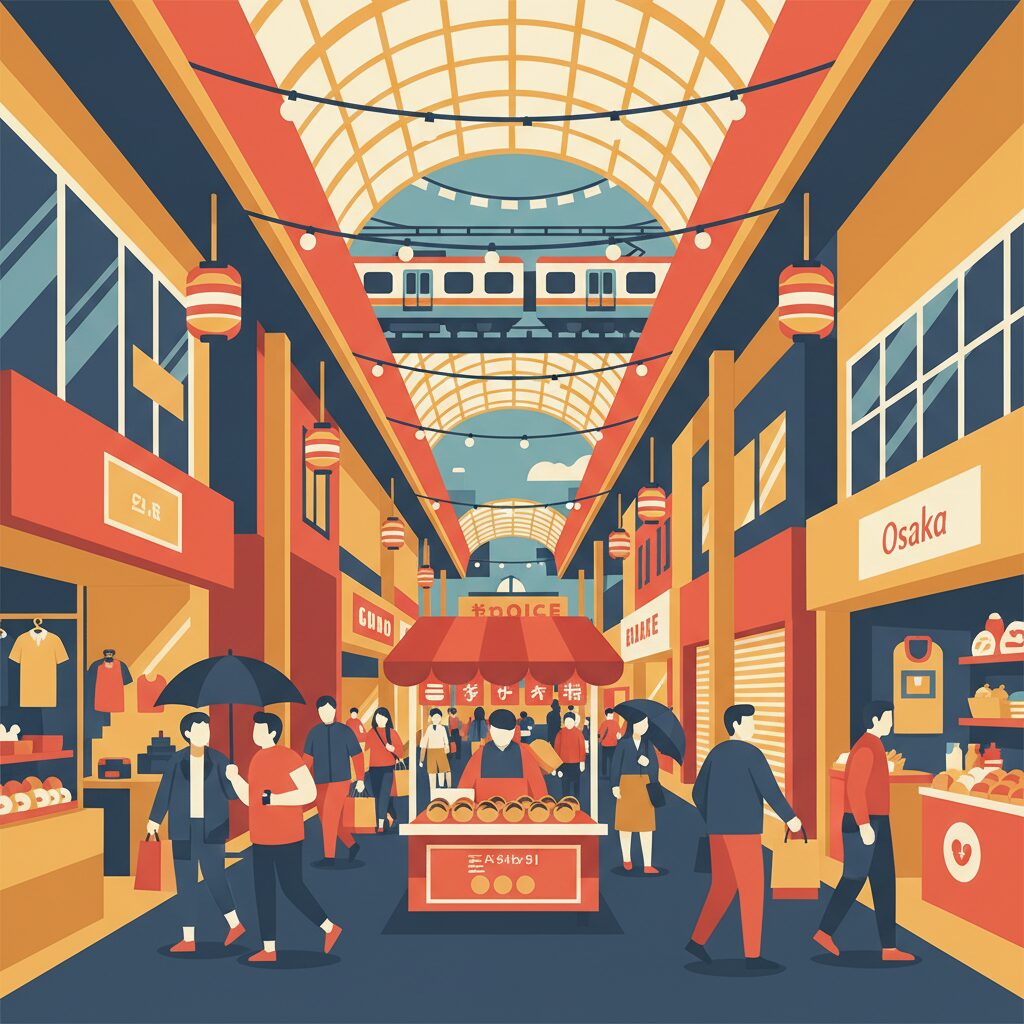
Walk into any Osaka shotengai, one of those long, covered shopping arcades, and your senses get a jolt. The air smells like sweet soy sauce from a yakitori stand, mixed with the clean, oceanic scent of a fishmonger’s stall and the comforting aroma of freshly fried croquettes. You hear the rhythmic clang of a butcher’s knife, the cheerful, almost sing-song calls of vendors hawking their daily specials, and the low rumble of bicycles weaving through the crowds. The immediate impression is one of glorious, energetic chaos. It’s a place to find impossibly cheap vegetables, bizarre household gadgets, and a dizzying array of local delicacies. Many foreigners, and even many Japanese people from other cities, see the shotengai primarily as a place for bargain hunting. A throwback. A relic of a time before gleaming, climate-controlled malls and the sterile convenience of online shopping. And they aren’t entirely wrong. You can absolutely save a few yen on your daikon radish here.
But to see the shotengai only as a marketplace is to miss the point entirely. It’s like looking at a library and only seeing paper. These arcades are the living, breathing heart of Osaka’s community life. They are the city’s front porch, its open-air living room where the unspoken rules of Osakan society play out in real-time. For anyone trying to understand what makes this city tick—why it feels so different from the polished precision of Tokyo—the shotengai is your classroom. Mastering its subtle etiquette isn’t just about being a polite shopper; it’s about learning how to be a neighbor in a city that values connection over conformity. It’s where you stop being an anonymous face in the crowd and start becoming part of the neighborhood fabric. It’s less about what you buy, and more about how you belong.
Delving further into Osaka’s urban tapestry, you’ll discover that these markets are not just venues for transactions but also function as authentic community hubs, with vibrant shopping arcades acting as the city’s living rooms.
The Pulse of the Pavement: Mastering the Shotengai Shuffle
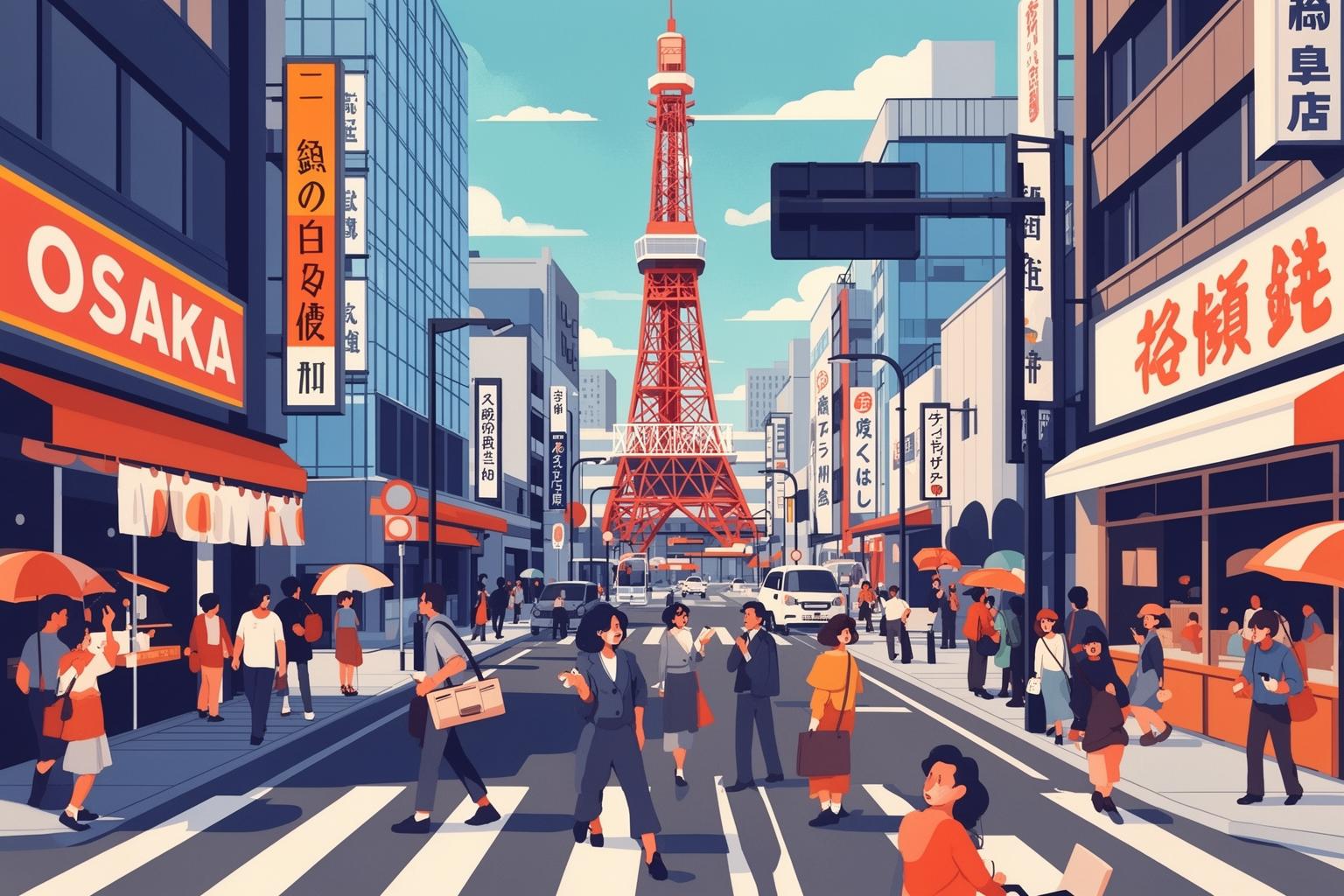
Before you even consider buying anything, you must first learn how to navigate. A shotengai is not simply a sidewalk. It behaves like a river, and you need to understand its currents. In Tokyo, pedestrian traffic often resembles orderly lines moving at predictable speeds. People walk with purpose, staying to one side and avoiding sudden stops. It’s efficient, polite, and… sterile. An Osaka shotengai follows a different principle: collective spatial awareness. It may appear chaotic, but it’s actually a highly functional, organic system.
People will be walking, of course, but they will be joined by mothers on sturdy mamachari bikes with two kids in tow, elderly men on creaky delivery bicycles, and shopkeepers darting out to adjust their displays. The real offense isn’t walking too slowly or too quickly; it’s being unpredictable. Stopping abruptly in the middle of the arcade to check your phone will earn you a chorus of tutt-tutts and perhaps a gentle but firm “Chotto, anata” (Hey, you) from a passing grandma. The trick is to drift. If you need to stop and look in a shop window, signal your intention with your body language and smoothly move to the side, pulling yourself out of the main flow. It’s a subtle dance. You learn to anticipate the cyclist weaving through a cluster of chatting friends, read the hesitation of someone about to cross your path, and adjust your course accordingly. It’s less about following strict rules and more about sharing a collective responsibility to keep things moving. This is Osaka in miniature: a bit messy on the surface, but grounded in a practical, unspoken understanding that everyone needs to reach their destination.
The Currency of Conversation: More Than Just a Transaction
In a typical Japanese supermarket, your interaction with staff tends to be limited to a few polite, rehearsed phrases at the checkout. The transaction is quick, efficient, and anonymous. In an Osaka shotengai, however, the conversation is as integral to the exchange as the payment itself. Avoiding it isn’t merely rude; it means missing the essence of being there. This is where Osaka’s famed “friendliness” becomes tangible, though it’s a particular kind of friendliness—proactive, somewhat inquisitive, and deeply rooted in the merchant spirit.
Greetings are the Price of Entry
Walking into a small shop without a greeting is like entering someone’s home and ignoring them. A simple “Konnichiwa” (Hello) or “Maido” (Thanks for your business, casually used as hello) is essential. It shows you acknowledge the person behind the counter, not just the goods on display. The shopkeeper will almost always respond, often with a question: “Kyo wa atsui ne!” (Hot today, isn’t it!) or “Are, anata no musuko-san kyo wa?” (Oh, where’s your son today?). They remember you, recall what you bought last week, and are cultivating a relationship. This isn’t mere small talk; it’s the foundation of community commerce. They’re not simply selling fish; they are your neighborhood fishmonger—and that comes with a unique set of expectations.
The Myth of Haggling
Because Osaka is known as a city of merchants who enjoy a good bargain, many foreigners mistakenly believe haggling is common in a shotengai. This is a major misconception. Although Osakans pride themselves on savvy shopping, a shotengai is not a marketplace for aggressively lowballing vendors. The price on the sign is, with rare exceptions, the price you pay. The “deal” you receive in a shotengai is earned through loyalty rather than confrontation. After frequenting the same vegetable stand for several weeks, the owner might slip an extra onion into your bag. “Kore, omake,” she’ll say with a smile. A little bonus. That’s your discount. It’s a reward for being a regular, a gesture that recognizes your role in the local ecosystem. Attempting to haggle for a 20-yen discount on a tomato would seem strange and somewhat offensive, as it bypasses this important relationship-building process. The true value lies in the connection, and the omake represents it.
The Unspoken Code: How to Shop Like a Local
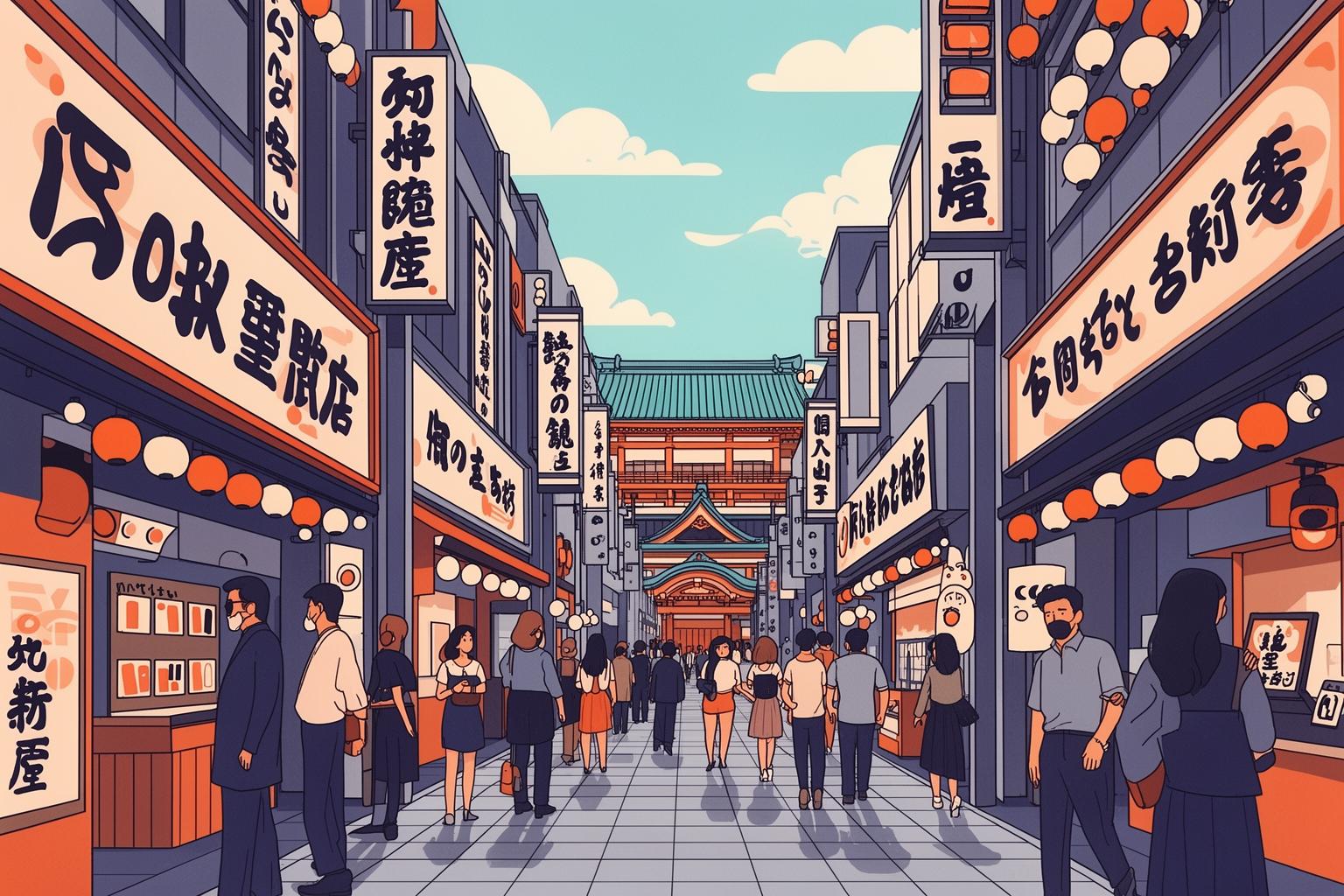
Navigating the shops themselves comes with a unique set of unwritten rules. These aren’t complicated, but they convey a great deal about respecting the vendors, their products, and your fellow shoppers. It’s what separates being perceived as a clumsy tourist from a savvy local.
The Art of Pointing
Take a look at a fruit stand or a fishmonger’s display. Everything is arranged with artistic care. The strawberries are perfectly lined up, and the shiny fish are laid out just so. Your instinct might be to pick up an item for inspection, but resist that urge. Handling the produce is a major faux pas. You risk bruising the fruit or disturbing a carefully arranged display. Proper etiquette is to browse with your eyes. When you’ve chosen what you want, simply point and say, “Kore o futatsu kudasai” (Two of these, please). The shopkeeper, the expert, will then select the finest items for you. This shows trust. You defer to their professional expertise, recognizing that they know their products better than you do. It’s a small gesture that preserves the quality of the goods for everyone and demonstrates respect for the vendor’s effort.
The Taboo of Eating and Walking
In Japan, eating while walking down the street is generally considered impolite. It’s seen as messy and lacking proper manners. The shotengai, however, exists in a slightly different context. It is the one place where this rule is eased, but with an important caveat. You may see people enjoying freshly fried korokke or a warm taiyaki (fish-shaped cake with filling). This is perfectly acceptable, but there’s a method to it. You buy your snack, then step to the side, usually right in front of the shop where you purchased it. You eat there, standing still. You don’t stroll down the arcade dripping sauce or leaving crumbs behind. When you finish, you return the wrapper or skewer to the vendor, who provides a small bin for disposal. This reflects quintessential Osaka pragmatism. It allows the enjoyment of a hot snack while preserving order and cleanliness. It’s a compromise, an unspoken agreement that keeps the shared space pleasant for everyone.
The Shotengai’s Soul: Why It’s More Than a Market
Spending your time and money in a shotengai means investing in your own neighborhood. It’s a choice to value human connection over sterile efficiency. These arcades have endured despite the rise of giant supermarkets and soulless online retailers because they offer something those places cannot: a sense of belonging. When the butcher asks about your family, he’s not merely being friendly to make a sale. He is strengthening the social bonds that transform a collection of houses into a community. He is saying, “I see you. You are part of this place.”
This is the essence of the Osaka mindset, often oversimplified as just “friendly.” It’s not a passive, polite smile. It’s an active, participatory, and sometimes intrusive form of community involvement. It’s built on countless small interactions: the nod to the tofu maker in the morning, the shared laugh with the fruit lady over a misshapen cucumber, the fishmonger’s advice on how to grill your mackerel. Living in Osaka means recognizing that these moments are not interruptions to your day; they are your day. The shotengai is the stage where this daily drama plays out. It’s a place that requires you to be present, engage your senses, and take part in the messy, vibrant, and deeply human business of being a neighbor. It’s not just where Osaka shops; it’s where Osaka lives.